
Signs That Indicate You Need Burst Pipe Repair: Key Warning Signals to Watch For

Stefani • March 13, 2025

Share this article

Early Detection of Pipe Leaks

We can save time and money if we catch pipe leaks early. Paying attention to unusual water meter readings, unexpected moisture, and odd sounds can help us spot problems quickly.

Unusual Water Meter Readings

Regular meter checks help us see if water usage changes without reason. When we aren’t using any water, the meter should stay still. If it keeps moving, there’s likely a leak somewhere.

We can note readings before a set period when we aren’t using water, like before bed. Recheck it a few hours later. If the reading changes, it’s a strong signal of a possible leak in the plumbing system. This habit helps us spot issues before they become major headaches.

Signs of Moisture in Unexpected Places

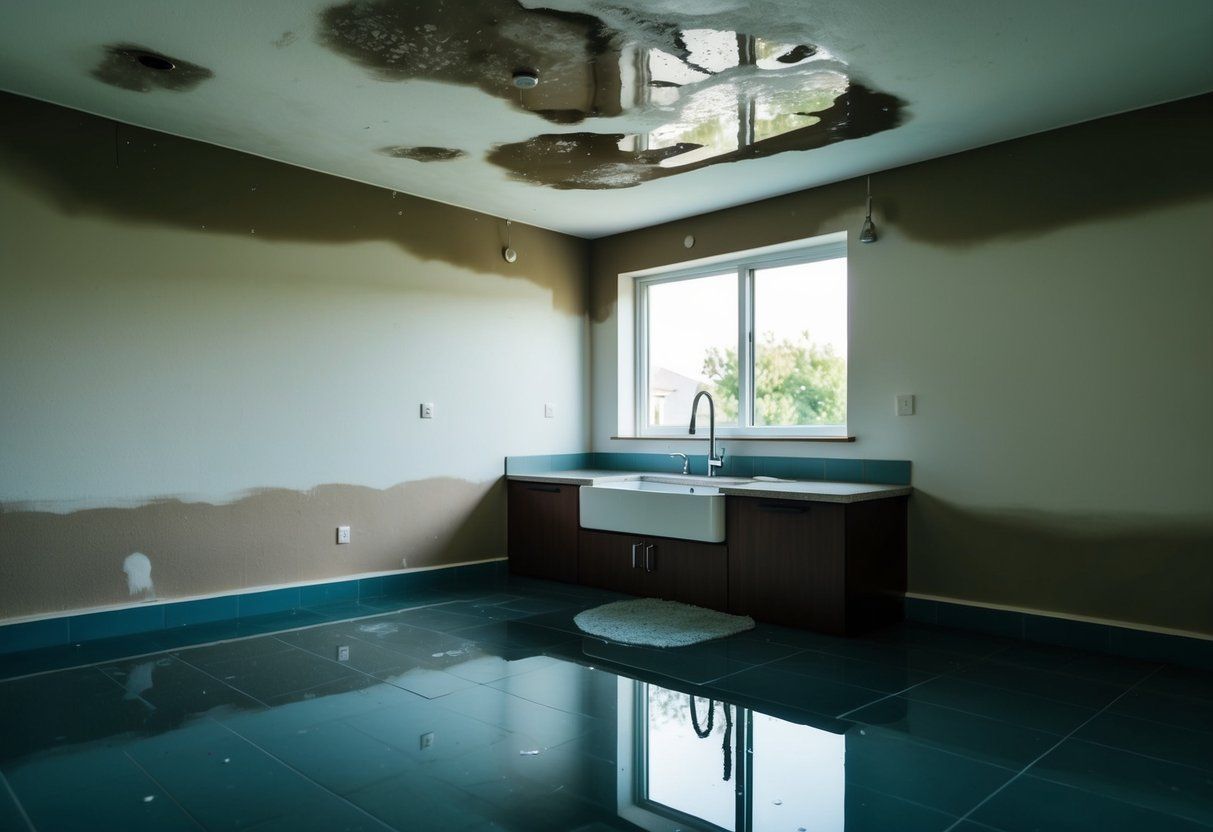
Water spots on walls, ceilings, or floors might signal a leak. Often, these spots look like damp patches or discolored surfaces. It’s key to monitor areas around sinks, tubs, and toilets.

Sometimes, we notice mold or mildew in these spots due to moisture. Even a slight change, like bubbling paint or peeling wallpaper, could suggest water problems behind the surface. By checking these areas often, we detect leaks before they cause serious damage.

Sounds of Running Water When Idle

Unexpected sounds of water in the pipes are concerning. When no fixtures are on, the plumbing system should typically stay silent.

If we hear water running or dripping inside walls or floors, it often means there’s a leak. Listening during quiet times of the day can help us identify these noises easily. Catching these sounds early can prevent extensive damage and help us address leaks more quickly. Being attentive to such details can save us from costly repairs.

Risk Factors for Burst Pipes

There are several factors that can lead to a pipe bursting in our plumbing system. It’s crucial to pay attention to these risks so we can prevent damage and costly repairs.

Effects of Freezing Temperatures on Pipes

Freezing temperatures pose a significant threat to our pipes. When water inside the pipes freezes, it expands, increasing the pressure inside the pipe. This pressure can cause the pipe to crack or burst.

Our focus should be on pipes exposed to the elements, like those in unheated basements, attics, or exterior walls. We can protect these pipes by insulating them or flushing them with antifreeze during the cold months. Frost can also form on pipes, signaling that temperatures are low enough to cause freezing, which is a warning sign for us to take action.

The Role of Rust in Pipe Deterioration

Rust is another common cause of burst pipes. When pipes rust, they become weak and vulnerable. Iron pipes are most at risk for rust over time, especially in plumbing systems.

If our water has a high iron content or is naturally acidic, this accelerates rusting. Regular inspections can help us spot rust early. Replacing old, rusted pipes with modern materials like copper or PVC can reduce the likelihood of a burst. Rust weakens pipes, making them more likely to fail when they’re stressed by freezing or pressure changes.

Effects of Burst Pipes on Your Home

A burst pipe can lead to serious problems in our homes. Key issues include water damage, possible ice buildup, and the trouble these can cause.

Water Damage and Its Consequences

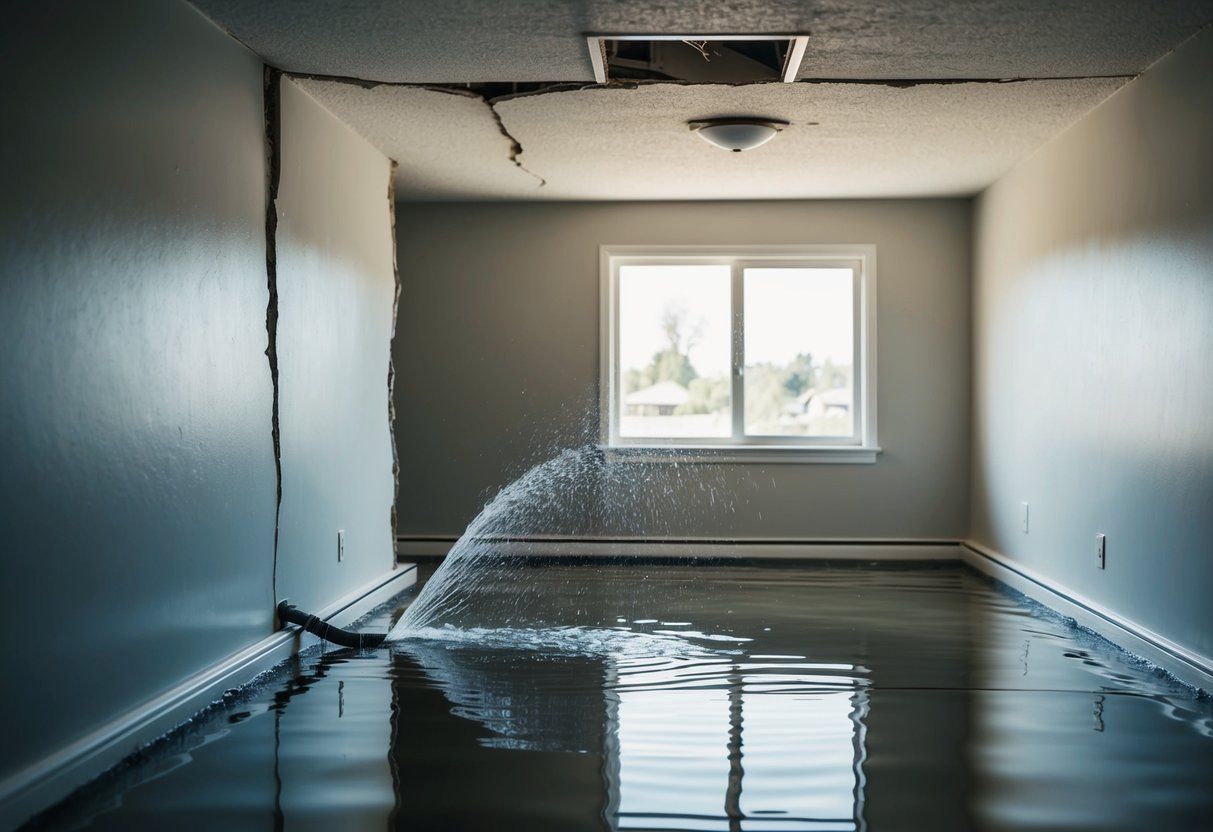
Water damage from burst pipes can impact various areas in our home. Floors, walls, and ceilings may get soaked. This can cause materials like wood to rot or swell, leading to expensive repairs.

Mold growth is another concern. When water seeps into our homes, it creates a moist environment that is perfect for mold. Mold can spread quickly, affecting our belongings and possibly affecting our health.

Electrical systems are also at risk. Water can damage wiring and devices, increasing the chance of electrical failure or even fire hazards. We should not ignore any water damage signs as they might lead to worse problems later.

Identifying the Presence of Ice as a Culprit

Ice can be a hidden cause behind burst pipes. When temperatures drop, water in pipes can freeze and expand. This puts pressure on the pipes, sometimes causing them to burst.

Checking for cold spots is essential. We might find areas where the pipes are exposed to the outside cold. These spots are more prone to freezing and bursting.

Insulation can help in preventing such issues. If we notice ice around our pipes, it indicates a risk of future problems. Acting quickly by insulating pipes or adjusting temperature settings can prevent bursts from ice buildup.

Water Pressure Issues

Water pressure issues can be a sign of a burst pipe. It’s crucial to pay attention to sudden or persistent changes in how water flows out of our faucets.

Sudden Changes in Water Pressure

If we notice a sudden drop or increase in water pressure, it might indicate a problem in the plumbing system. A burst pipe can cause these changes. When a pipe bursts, it can lead to leaks, which disrupt the normal water flow.

We must observe if the changes happen after a specific event, like after we use an appliance. These patterns can help us pinpoint the problem.

Calling a professional to check the system can prevent further damage and unexpected water bills. It’s better to address the issue quickly, ensuring our home’s plumbing remains in good shape.

Persistently Low Water Pressure

When we experience ongoing low water pressure, it could mean there’s a leak somewhere in the plumbing system. A burst pipe often causes this problem because water escapes through the break, reducing pressure throughout the system.

We should check if all fixtures have the same issue. If multiple faucets are affected, it suggests a main line problem.

Inspect visible pipes for wet spots or pooling water. These are strong indicators of leaks. It’s important we address persistent low pressure quickly. Doing so helps avoid further complications and ensures our plumbing system works efficiently.

Seeking Professional Help

Burst pipes can cause major problems in our homes. It’s important to know when to reach out to a plumber and what services they provide.

When to Call a Professional Plumber

We should call a professional plumber immediately if we see water stains on walls or ceilings. Water pooling on the floor or reduced water pressure are also red flags. In cold weather, frozen pipes are a common problem. If we suspect our pipes have frozen, it’s best to get in touch with a professional quickly.

Strange sounds from our plumbing, like banging or whistling, may indicate issues. These noises can mean there’s air in the pipes or that a burst pipe has altered the water flow. A professional can diagnose the cause and take corrective steps.

Services Professionals Offer for Burst Pipe Repair

Professional plumbers provide multiple services to address our plumbing issues. First, they perform an inspection to identify the problem area. They use special tools to locate leaks and assess damage without causing further disruption.

Repairing a burst pipe may involve replacing the damaged section. Plumbers use modern methods to fix or re-pipe, ensuring our water supply is restored safely and efficiently. Some plumbers also offer preventive tips to help avoid future issues, such as insulating pipes to prevent freezing.

Recent Posts

Fast Response Plumbing technician servicing a water shut off valve in San Francisco
By Joe Tinsley July 17, 2026
Learn how gate valves, ball valves, and angle stops work, where to find them in your San Francisco home, and when to replace them. FAQs inside.
Budgeting for Unforeseen Sewer Line Maintenance Expenses
By Stefani January 31, 2026
Sewer line problems can hit your wallet fast, and we know the stress of a surprise repair. We show you how to plan a practical budget that covers emergency fixes, regular upkeep, and the big costs that sneak up on you. This saves you money and keeps small issues from turning into major failures. We […]
Seasonal Effects on Sewer Line Maintenance Costs
By Stefani January 30, 2026
You’ll want to know how seasons change what you pay for sewer line maintenance so you can plan ahead and avoid surprise bills. Seasonal weather, ground movement, and plant growth directly affect repair needs and costs, so budgeting by season cuts unexpected expenses. We outline what shifts costs, when repairs most often happen, and which […]
The Role of Location in Sewer Line Maintenance Pricing
By Stefani January 29, 2026
You’ll pay different amounts for sewer line maintenance depending on where your property sits and what’s under it. Location drives cost through factors like soil type, access difficulty, local labor rates, and permit rules, so knowing these lets you predict and plan for expenses. We’ll show how those local details shape quotes and outcomes. We’ll […]
Analyzing Material Expenses for Effective Sewer Line Care
By Stefani January 28, 2026
We’ll break down the real costs that matter for keeping a sewer line working well so you can plan and avoid surprises. You’ll learn which materials and fees drive most of the expense and how small choices can lower long-term costs. We’ll look at costs for parts, tools, permits, and regular cleaning, plus where labor […]
Understanding the Impact of Labor Costs on Sewer Line Maintenance
By Stefani January 25, 2026
You want to know how labor costs shape sewer line care and what that means for your wallet. We will show how wages, crew size, and the repair method you choose change the final bill so you can plan smarter and avoid surprises. Knowing which labor factors most drive costs lets you pick repair options […]
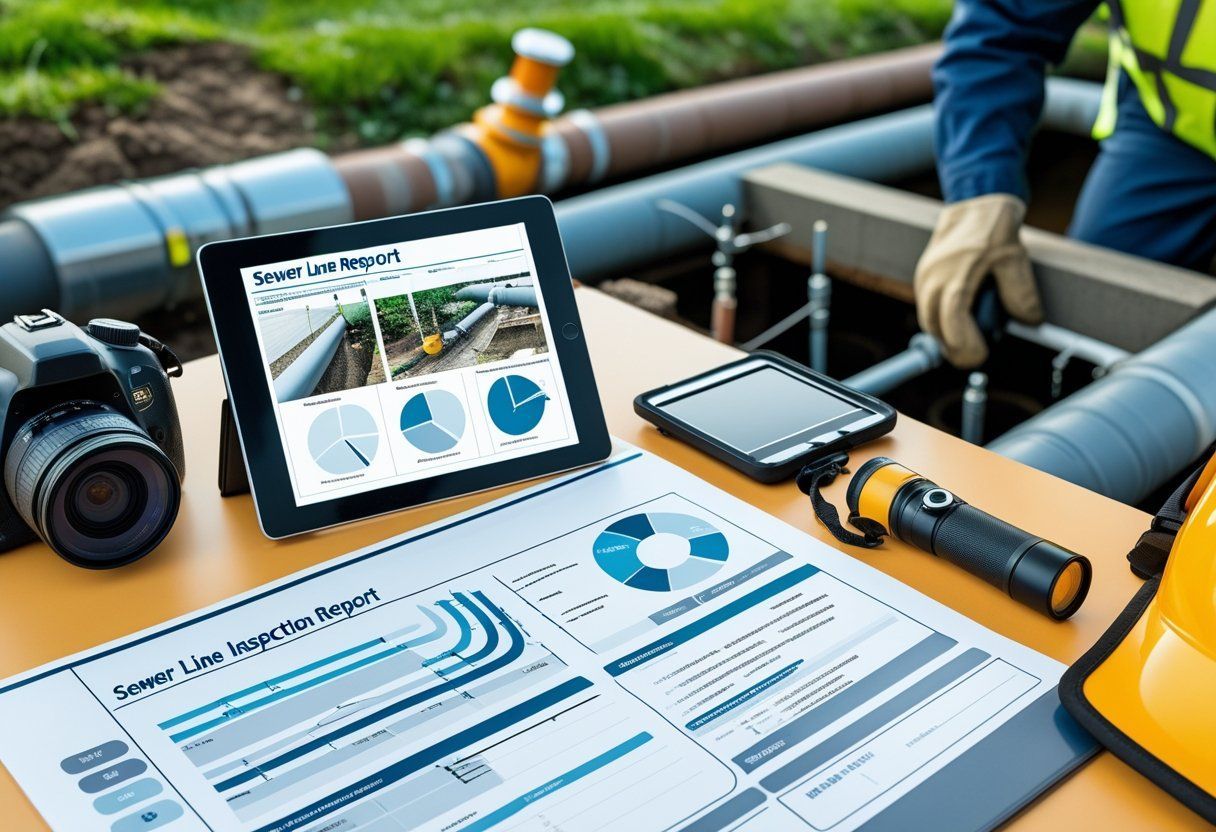
How to Interpret Sewer Line Inspection Reports
By Stefani January 24, 2026
You’ll get clear steps to decode the most important parts of a sewer line inspection report so you can act with confidence. We show you how to spot real problems, what each defect means, and which issues need immediate repair versus routine maintenance. We break the report into simple pieces what the camera images show, […]
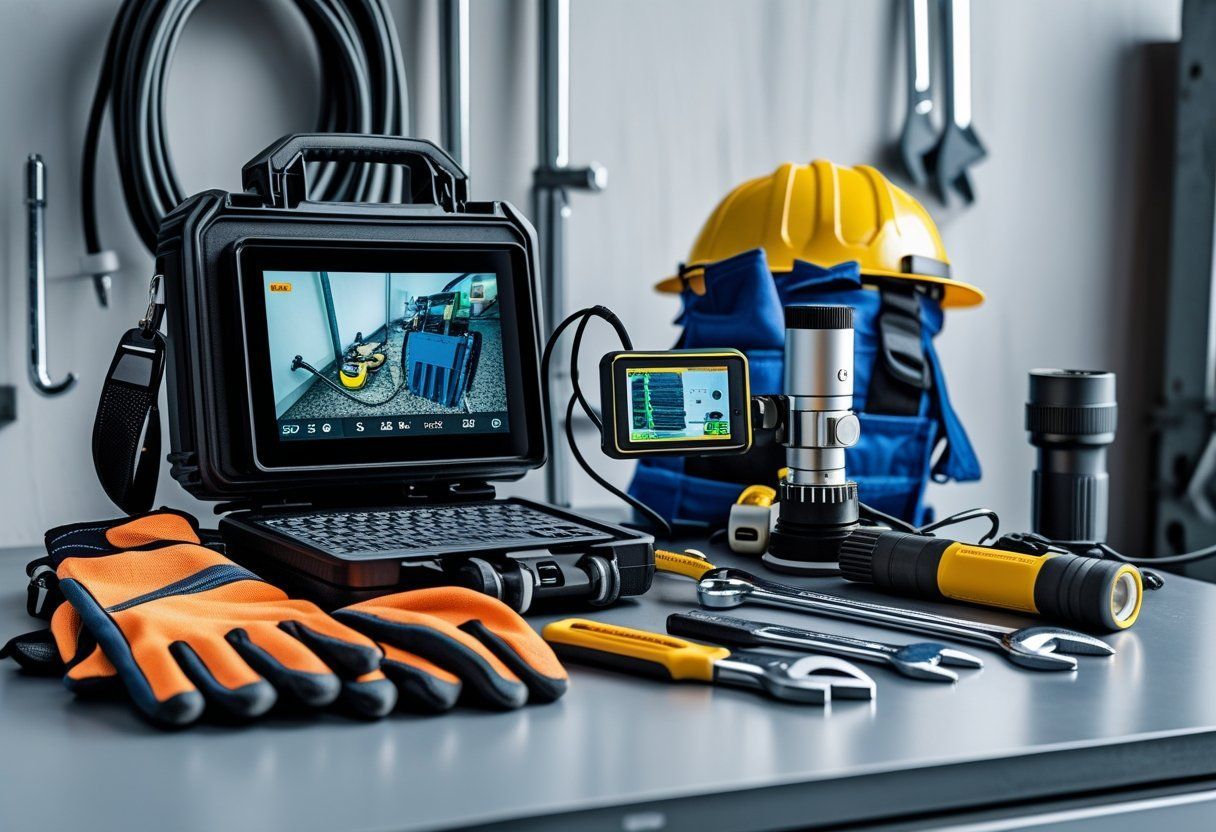
By Stefani January 23, 2026
You want tools that give clear answers fast so you can find problems and fix them right. We rely on high-quality sewer cameras, locating gear, and cleaning tools to spot cracks, blockages, and defects in sewer lines accurately. Knowing which tools to use helps a plumber save time and avoid costly mistakes. We will walk […]
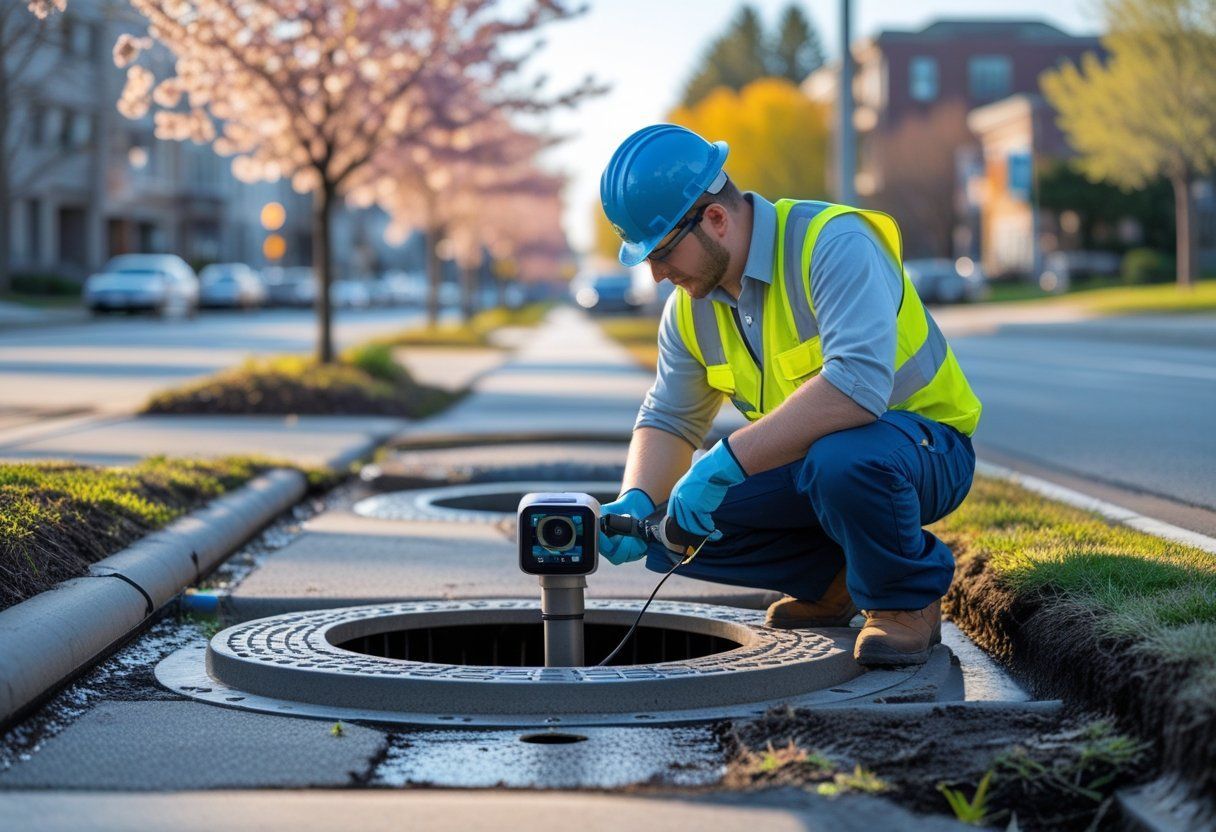
By Stefani January 22, 2026
You want sewer line inspections timed so they catch problems before they get costly or urgent. We recommend scheduling inspections based on seasonal risks winter freeze, spring thaw, and heavy fall rains because timing cuts repair costs and prevents service interruptions. We will explain how weather, soil movement, and tree roots change the risk level […]
Common Mistakes to Avoid During Sewer Line Inspections
By Stefani January 18, 2026
We know sewer line inspections feel technical and tense, but avoiding a few common mistakes protects your home and wallet. Start by planning the inspection, knowing what to look for, and involving a qualified professional when signs point to trouble. That simple approach cuts down on missed problems and costly surprises. We will walk through […]
Show More