

What's a Plumbing Emergency for a San Francisco Home?

Joe Tinsley • October 12, 2026

Share this article

Everyone, including our family and friends, knows someone with a horror story of an emergency plumber coming out in the evening hours and subsequently receiving a bill for $1,000 for a small leak that would have cost $200 to fix during daytime hours. So let's try to determine what the plumbing emergencies are that require a plumber to come to your house overnight versus what can wait until morning.

Burst Water Pipe: The Only Real Plumbing Emergency

The only real plumbing emergency is a burst water pipe that is leaking large amounts of water into your house. However, by turning the water off to your house, you can stop the flood until a plumber can arrive in the morning. Alternatively, if you are unable to get the water to stop, then you would need an emergency plumbing evaluation.

As a homeowner, the only thing you can really do is try to make sure you know where your house's water shutoff is and then turn that off. If you absolutely have to have water, you have to call a plumber in the evening for after-hours service. As plumbers, we would come out and attempt to remove the section of pipe that was broken and repair it in order to prevent further leaks.

Also be aware that most plumbing supply stores are not open late into the evening hours. Therefore, if repairs need to be made with purchased materials that are not carried in truck stock, these repairs may need to wait until the next day.

Small Water Leaks Can Usually Wait Until Morning

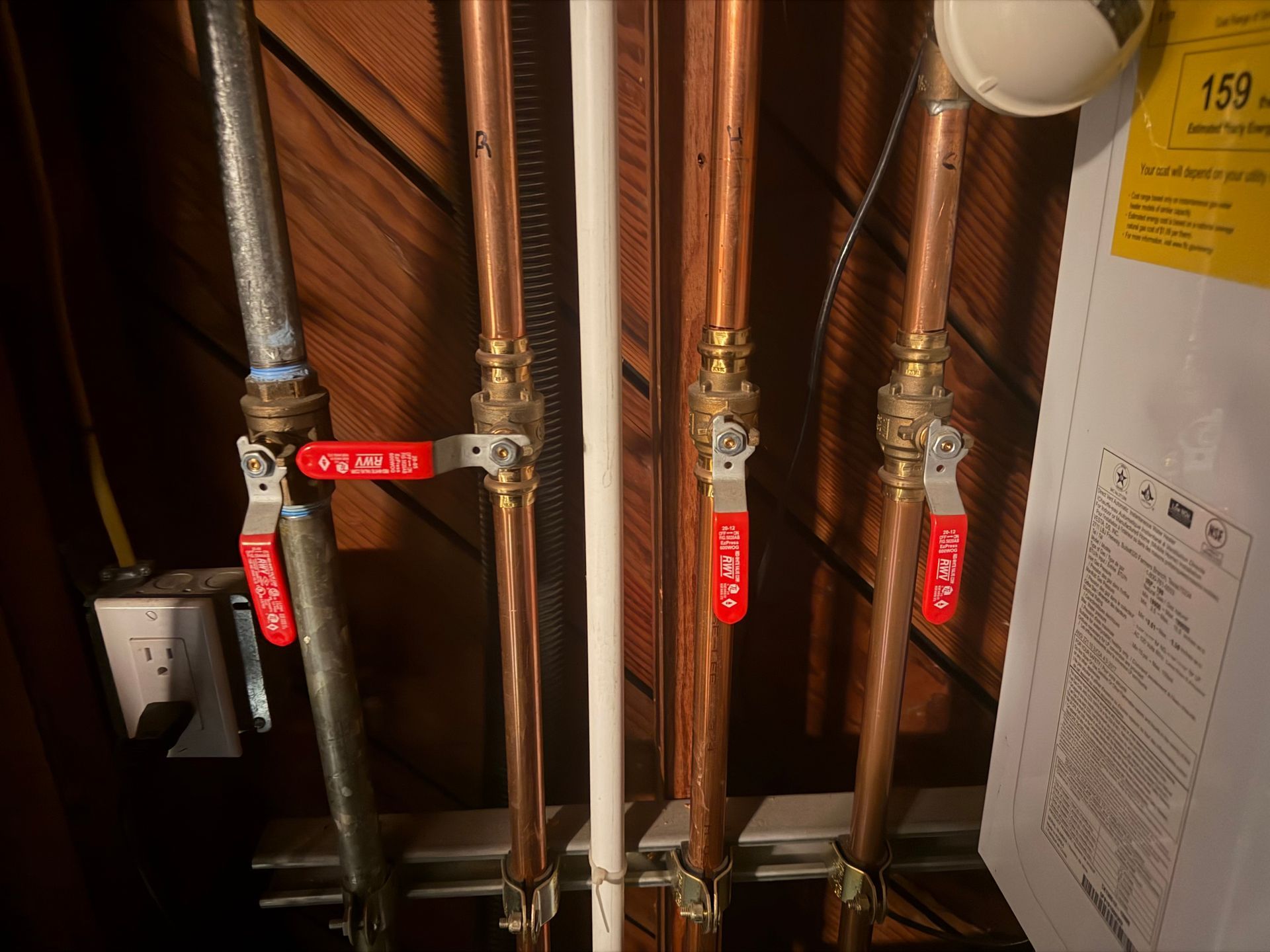
Other frequently asked about plumbing emergencies include small water leaks. If the water leak is small or can be easily caught in a bucket that can be emptied, this can usually wait until morning. If you are able to turn off the water to the fixture or the house, this can help mitigate the leak until the morning as well. Please refer to our previous blog on water shutoff valves.

Drain Line Backups and Main Sewer Line Clogs

If you are experiencing a drain line backup that is affecting multiple fixtures, such as a shower backup that is also affecting the toilet, this can be an indicator that your main sewer line is backed up. In this scenario, limiting water usage or turning off the water shutoff valves to the affected fixtures may prevent any overnight issues. Then you can contact a plumber for morning service to have your drain line cleared and evaluated for further issues.

Shared Pipe Clogs in San Francisco Multi-Unit Buildings

If you live in a multi-unit complex in areas such as Russian Hill, Nob Hill, North Beach, NOPA, or Pac Heights, and one of your drains is overflowing without you using any water in your unit, that could mean you have a clog in a shared pipe. You need to talk to your neighbor or neighbors above you and have them stop using their water overnight until you can get a plumber out to snake the drain line.

Overflowing Toilet

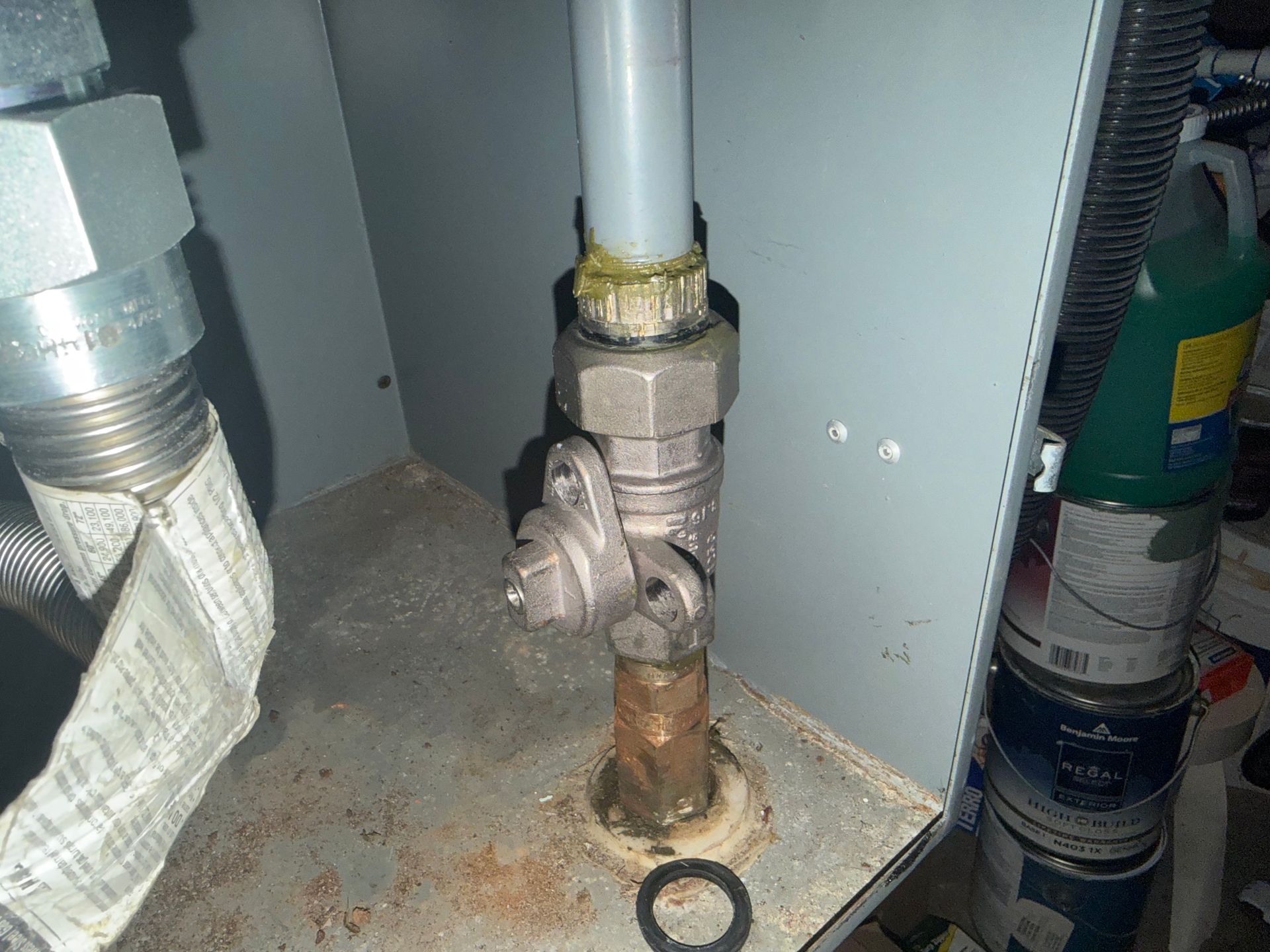
If your toilet is overflowing, turn off the water at the angle stop to the toilet and then stop running other water in case it's connected. You can also test your other water fixtures in your unit to make sure that they're not connected to the toilet overflowing.

How to Check Your Other Fixtures

In order to do this, you can turn on your bathroom sink, let the water run, and see if water continues to overflow out of the toilet. If it doesn't, then your sink is safe to use. If it does, then you need to refrain from using the sink until the issue can be resolved.

You can turn on your shower to make sure your shower still works, but run it slowly and make sure the toilet doesn't overflow. Make sure that you have turned off the water to your toilet first before attempting to run any additional water.

You need to check every fixture in your house to make sure that there is no effect on your toilet before using the water. You should make sure to check all fixtures that run water at the same level as the clog and above it; however, you do not need to monitor the fixtures below the clog because the water will not run up the drain.

In the morning, you can have a plumber come out to clear the toilet and assess for other issues with the clog.

Gas Smell or Suspected Gas Leak

If you are experiencing a small smell of gas that is concerning for a small gas leak, I would immediately turn off your gas meter, open a window, and call PG&E. If you have a potent smell of gas that could indicate a larger gas leak, in which case you would want to turn off your gas meter, evacuate the premises, and call PG&E immediately.

For gas leaks at night, we would always recommend contacting PG&E prior to contacting a plumber. PG&E should be able to get a technician to your property 24/7 to address gas leaks and advise if it's safe to remain on the premises. Typically, there is not much a plumber can do for a gas leak in the middle of the night; therefore, waiting until morning is an option. However, be aware that you will not be able to use any of your gas fixtures until the repair has been made, such as your gas water heater, gas stove, gas oven, furnace, washing machine, and dryer.

A gas meter is usually located either outside of the house or in the garage area, with the water shutoff being located below the meter. Remember: perpendicular represents gas flowing, whereas when the meter is shut off, the shutoff valve will be parallel to the adjacent structure.

Leaking Water Heater

If your water heater is leaking, you can always attach a garden hose to the drain spigot, turn off the water heater (which is the red or yellow water shutoff valve located at the top of the machine), and drain the water out of it. Then you can direct the water with the hose out of the house or into a drain rather than allowing it to continue draining in your house, causing water damage on the floor. The water heater can be evaluated for repair or replacement the next day by the plumber.

If you have a tankless water heater, just make sure the water line shutoff valve for water going into the machine is shut off to prevent further leaks.

After-Hours Plumbing Service from Fast Response Plumbing & Rooter

While we are open 7 days a week, we are not a 24-hour plumbing company. While we always want to help you with your plumbing emergencies, we also want to prioritize our employees' work-life balance.

Feel free to call our office line after hours, and we will answer if we are available and can help make suggestions on managing your emergency based on your specific plumbing issue. Then we will be happy to get you on schedule to have a plumber come out first thing the next morning.

Recent Posts

Plumbing technician performing a sewer line camera inspection at a San Francisco home
By Joe Tinsley • October 8, 2026
Learn how San Francisco sewer lines work, what causes backups, and when to choose camera inspection, spot repair, replacement or trenchless repair.
Fast Response Plumbing technician servicing a water shut off valve in San Francisco
By Joe Tinsley • July 17, 2026
Learn how gate valves, ball valves, and angle stops work, where to find them in your San Francisco home, and when to replace them. FAQs inside.
Budgeting for Unforeseen Sewer Line Maintenance Expenses
By Stefani • January 31, 2026
Sewer line problems can hit your wallet fast, and we know the stress of a surprise repair. We show you how to plan a practical budget that covers emergency fixes, regular upkeep, and the big costs that sneak up on you. This saves you money and keeps small issues from turning into major failures. We […]
Seasonal Effects on Sewer Line Maintenance Costs
By Stefani • January 30, 2026
You’ll want to know how seasons change what you pay for sewer line maintenance so you can plan ahead and avoid surprise bills. Seasonal weather, ground movement, and plant growth directly affect repair needs and costs, so budgeting by season cuts unexpected expenses. We outline what shifts costs, when repairs most often happen, and which […]
The Role of Location in Sewer Line Maintenance Pricing
By Stefani • January 29, 2026
You’ll pay different amounts for sewer line maintenance depending on where your property sits and what’s under it. Location drives cost through factors like soil type, access difficulty, local labor rates, and permit rules, so knowing these lets you predict and plan for expenses. We’ll show how those local details shape quotes and outcomes. We’ll […]
Analyzing Material Expenses for Effective Sewer Line Care
By Stefani • January 28, 2026
We’ll break down the real costs that matter for keeping a sewer line working well so you can plan and avoid surprises. You’ll learn which materials and fees drive most of the expense and how small choices can lower long-term costs. We’ll look at costs for parts, tools, permits, and regular cleaning, plus where labor […]
Understanding the Impact of Labor Costs on Sewer Line Maintenance
By Stefani • January 25, 2026
You want to know how labor costs shape sewer line care and what that means for your wallet. We will show how wages, crew size, and the repair method you choose change the final bill so you can plan smarter and avoid surprises. Knowing which labor factors most drive costs lets you pick repair options […]
How to Interpret Sewer Line Inspection Reports
By Stefani • January 24, 2026
You’ll get clear steps to decode the most important parts of a sewer line inspection report so you can act with confidence. We show you how to spot real problems, what each defect means, and which issues need immediate repair versus routine maintenance. We break the report into simple pieces what the camera images show, […]

Tool kit with hard hat, gloves, laptop, and handheld device on a workbench in a workshop
By Stefani • January 23, 2026
You want tools that give clear answers fast so you can find problems and fix them right. We rely on high-quality sewer cameras, locating gear, and cleaning tools to spot cracks, blockages, and defects in sewer lines accurately. Knowing which tools to use helps a plumber save time and avoid costly mistakes. We will walk […]
Worker in blue hard hat inspecting a manhole on a street with a camera device
By Stefani • January 22, 2026
You want sewer line inspections timed so they catch problems before they get costly or urgent. We recommend scheduling inspections based on seasonal risks winter freeze, spring thaw, and heavy fall rains because timing cuts repair costs and prevents service interruptions. We will explain how weather, soil movement, and tree roots change the risk level […]
Show More