Water Shut Off Valves: Info for San Francisco Homes

Joe Tinsley • July 17, 2026

Share this article

A water shut off valve is used to shut off the water to an individual plumbing fixture or your whole house. Many common fixtures in your house have water shut off valves including sinks, toilets, modern showers, modern bathtubs, water heaters, gas lines, and sprinkler systems. You can also find a water shut off to your entire house. Usually in San Francisco you can find them in your garage by the front of the house. Finally, there is a water shut off for your house located in the sidewalk for the city meter.

There are different types of shut off valves. The most common straight valves you will see around your home in San Francisco are gate valves and ball valves. Gate valves move up and down to block water flow. Ball valves have a rotating ball that prevents water flow. Ball valves are more modern and overall have a better design making them easier to turn off. They also typically fail less. For the most part, gate and ball valves are interchangeable.

Angle stops have a 90 degree angle and are usually found underneath bathroom, kitchen, or laundry room sinks as well as toilets.

Angle stop shut off valve under a bathroom sink

Angle stop

Quarter turn angle stop connected to a water supply line

Angle stop

FAQs from Homeowners

Do you need a specific tool to open or close water shut off valves?

The only water shut off that needs a special tool is the one in the sidewalk near the water meter. We carry the tool on our trucks and are able to turn these off if necessary.

Water meter shut off valve in a San Francisco sidewalk box

Water meter shut off valve

City water meter and shut off valve below sidewalk level

Water meter shut off valve

What is the point of a shut off valve?

Water shut off valves are great for turning off the water to only the fixture that needs to be worked on rather than always turning the water off to an entire house or apartment building.

How do I know if my valve is open or closed?

With a ball valve you can tell if the handle is parallel with the pipe, then water is flowing; however if it's perpendicular, then it's closed or the water is stopped. With a gate valve you cannot tell visually. Turning it all the way to the left, allows water to flow, and conversely turning it all the way to the right, stops the flow of water. With angle stops, it will depend on the style. You will either be able to allow the flow of water by turning it to the left and stopping water by turning it to the right or if you have a quarter turn angle stop then if you turn it perpendicular to the connected water supply line that will stop the flow of water whereas parallel allows for water to flow.

What should I do if I can't get my valve to shut off?

We recommend contacting a professional. Unfortunately, you can break water shut off valves, and if you break them, you will have more problems. Usually, water shut off valves should be easy to move and turn, so if there's resistance, they likely should be replaced. It is best to have a working water shut off valve at all times in case you have a flood.

What happens if I break my valve?

You will need to have it replaced. If you're unable to turn off your water shut off valve then you won't be able to effect whatever repair needs to be completed or stop an emergency. If the shut off valve breaks in the closed position, then you won't have any water from that point forward in the system.

How do I find my water shut off valves?

Some water shut off valves are obvious, they can be found underneath a sink or by the toilet. They can be hidden behind the shower or bathtub plates on modern fixtures which allows you to turn the water off to your shower or bathtub fixture only. You can find one on your water heater, usually on the cold inlet. The house shut off valve is generally located on the front side of the building facing the street where the water meter is, usually in San Francisco they're in the garage.

If I buy an old house, should I change my water shut off valves?

It is probably a good idea to have them inspected by a plumber to see if they're too old especially if it wasn't completed during your home inspection. I typically would recommend changing old angle stops and updating your house shut off valve from a gate valve to a ball valve when applicable.

An older gate valve — a good candidate for a ball valve upgrade

When is the shut off at the street used?

The city uses it as a surface point so they can change your water meter. The only time a plumber would use the street water shut off would be when the house shut off valve was not working or couldn't be found and repairs needed to be completed.

Recent Posts

Budgeting for Unforeseen Sewer Line Maintenance Expenses
By Stefani January 31, 2026
Sewer line problems can hit your wallet fast, and we know the stress of a surprise repair. We show you how to plan a practical budget that covers emergency fixes, regular upkeep, and the big costs that sneak up on you. This saves you money and keeps small issues from turning into major failures. We […]
Seasonal Effects on Sewer Line Maintenance Costs
By Stefani January 30, 2026
You’ll want to know how seasons change what you pay for sewer line maintenance so you can plan ahead and avoid surprise bills. Seasonal weather, ground movement, and plant growth directly affect repair needs and costs, so budgeting by season cuts unexpected expenses. We outline what shifts costs, when repairs most often happen, and which […]
The Role of Location in Sewer Line Maintenance Pricing
By Stefani January 29, 2026
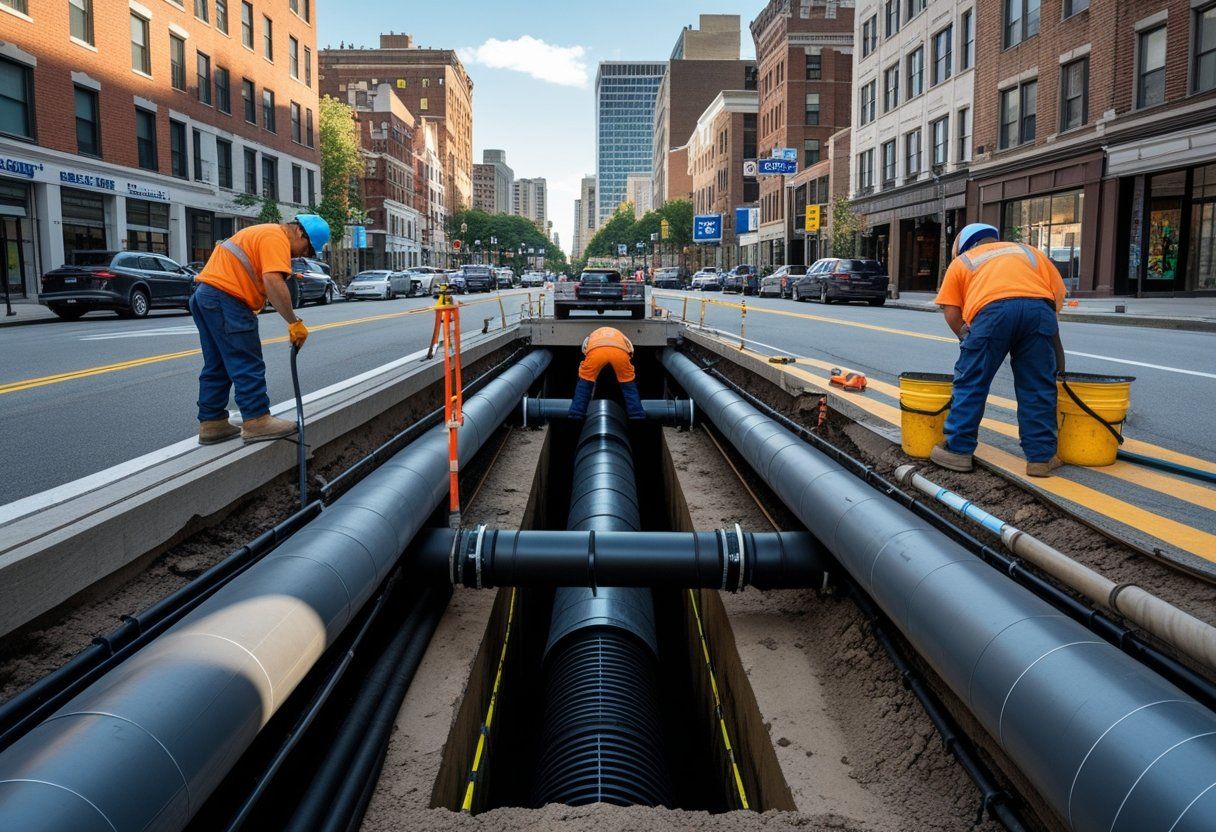
You’ll pay different amounts for sewer line maintenance depending on where your property sits and what’s under it. Location drives cost through factors like soil type, access difficulty, local labor rates, and permit rules, so knowing these lets you predict and plan for expenses. We’ll show how those local details shape quotes and outcomes. We’ll […]
Analyzing Material Expenses for Effective Sewer Line Care
By Stefani January 28, 2026
We’ll break down the real costs that matter for keeping a sewer line working well so you can plan and avoid surprises. You’ll learn which materials and fees drive most of the expense and how small choices can lower long-term costs. We’ll look at costs for parts, tools, permits, and regular cleaning, plus where labor […]
Understanding the Impact of Labor Costs on Sewer Line Maintenance
By Stefani January 25, 2026
You want to know how labor costs shape sewer line care and what that means for your wallet. We will show how wages, crew size, and the repair method you choose change the final bill so you can plan smarter and avoid surprises. Knowing which labor factors most drive costs lets you pick repair options […]
How to Interpret Sewer Line Inspection Reports
By Stefani January 24, 2026
You’ll get clear steps to decode the most important parts of a sewer line inspection report so you can act with confidence. We show you how to spot real problems, what each defect means, and which issues need immediate repair versus routine maintenance. We break the report into simple pieces what the camera images show, […]
By Stefani January 23, 2026
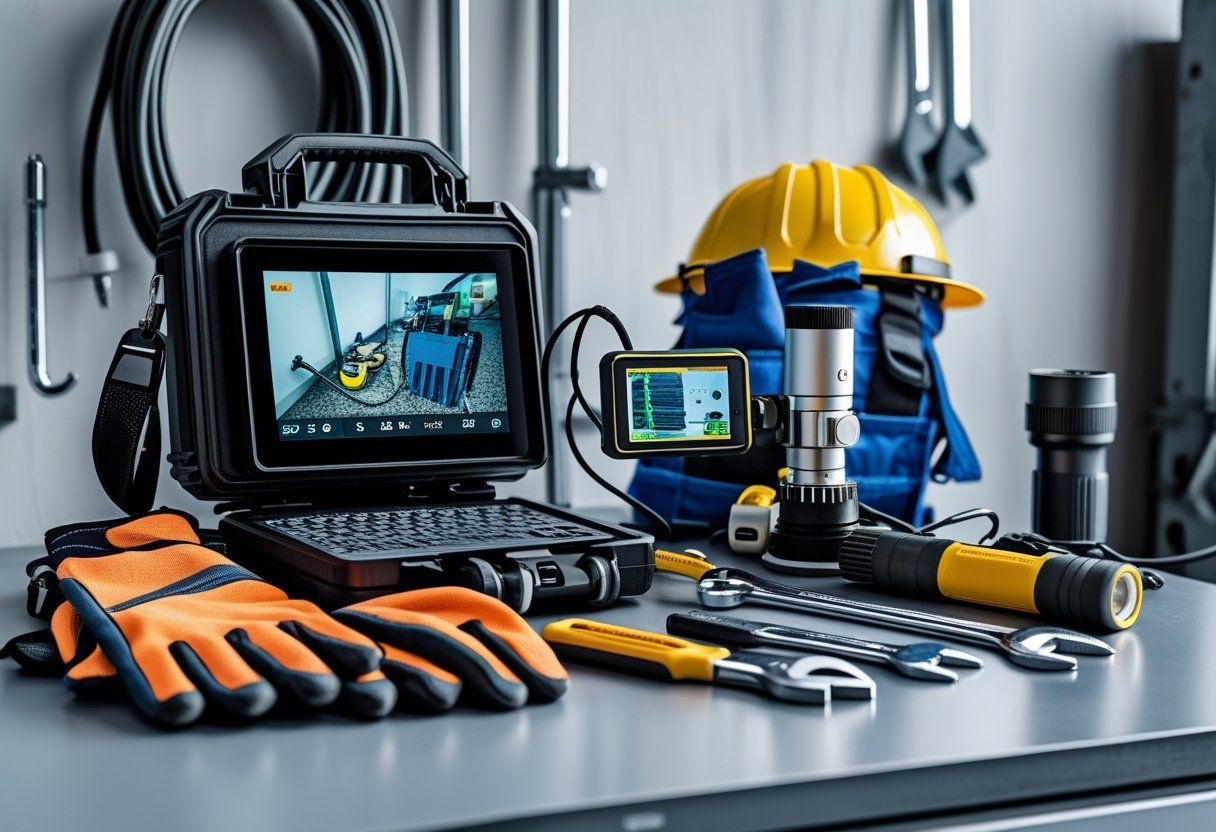
You want tools that give clear answers fast so you can find problems and fix them right. We rely on high-quality sewer cameras, locating gear, and cleaning tools to spot cracks, blockages, and defects in sewer lines accurately. Knowing which tools to use helps a plumber save time and avoid costly mistakes. We will walk […]
By Stefani January 22, 2026
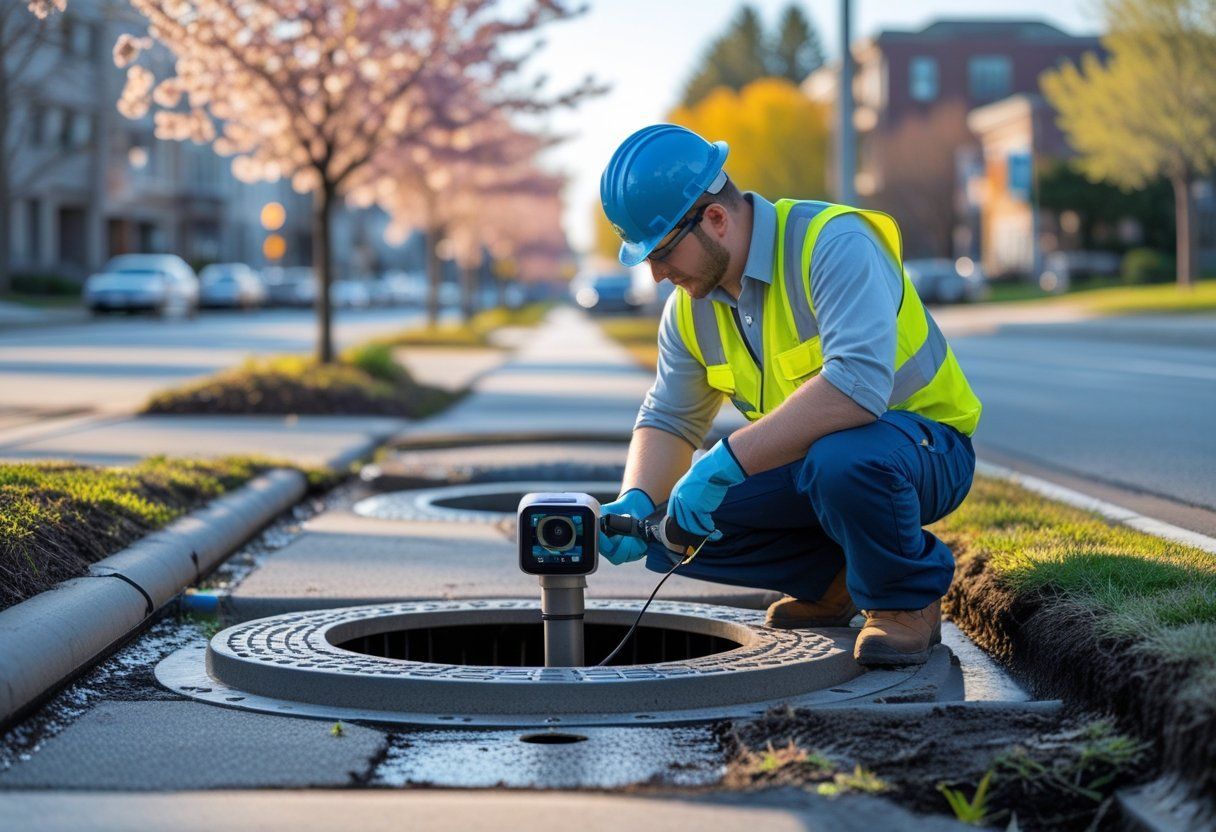
You want sewer line inspections timed so they catch problems before they get costly or urgent. We recommend scheduling inspections based on seasonal risks winter freeze, spring thaw, and heavy fall rains because timing cuts repair costs and prevents service interruptions. We will explain how weather, soil movement, and tree roots change the risk level […]
Common Mistakes to Avoid During Sewer Line Inspections
By Stefani January 18, 2026
We know sewer line inspections feel technical and tense, but avoiding a few common mistakes protects your home and wallet. Start by planning the inspection, knowing what to look for, and involving a qualified professional when signs point to trouble. That simple approach cuts down on missed problems and costly surprises. We will walk through […]
By Stefani January 17, 2026
You want to buy a home without hidden sewer problems costing you thousands later. We show how a pre-purchase sewer line inspection can spot clogs, breaks, tree root intrusion, and aging pipes before you sign the papers, helping you avoid surprise repairs and negotiate repairs or price adjustments. We walk through why these inspections matter, […]
Show More