
All homeowners need to know about San Francisco sewers

Joe Tinsley • October 8, 2026

Share this article

What Is a Sewer Line?

A sewer line is the drainpipe that starts outside of your home approximately 2 feet from the foundation and then takes the sewer water out to the street where it connects with the city's main plumbing drain system. The sewer pipe connects to the main building or house drain system which is then connected to all the smaller piping inside the building or house. The two major issues you could encounter with your sewer line is either a backup or a breakage of the pipe. We do recommend with any new home purchase running a video camera through the sewer system to inspect and confirm everything is in working order before you purchase your new home.

Sewer Backups in San Francisco: What to Do

A sewer backup normally starts with a backup in your toilet or shower. In San Francisco, it is common for the sewer line issues to start backing up from the floor drain in the garage. When you notice a backup starting, you should stop using your water and call a plumber. If you stop using water and it is not raining no more water should come up out of the drain, you should not need to turn your water off. However, if it is raining then the water will continue to overflow. This is an area specific problem to San Francisco where rain drains, roof drains, area drains (ie: outdoor patio drains) and all other drain lines around the property all drain into the sewage system and therefore your backup may continue and unfortunately there is no way to mitigate this while rain continues. This is not an issue on the Peninsula as most Peninsula cities have separate pipes for sewage and rainwater.

How a Plumbing Technician Clears a Sewer Clog

Once our plumbing technician arrives on site, he can try to figure out where the line is clogged and then an appropriate place to try to snake the line to clear out the clog. Most San Francisco homes have something called a house trap at the sidewalk curb that the plumber can use to run a snake from in order to attempt to clear the blockage. Many homes also have a clean out inside of the garage which is another location where the plumbing technician can use to run a snake to attempt to clear a blocked sewer line. For particularly stubborn clogs, hydrojetting may be an alternative that is required to clear your drain line.

Common Causes of Sewer Blockages and When to Get a Camera Inspection

Depending on what the cause of the blockage was, toilet paper, baby wipes, feminine products, tree roots, grease buildup, etc further evaluation may be recommended. This is especially the case if you are having a recurring issue with your sewer drain. In general, sewer lines do not back up with normal usage. We would typically recommend a video camera inspection for your sewer pipe if you are experiencing recurring backups to assess what is going on with it and why it is not functioning properly.

What a Sewer Camera Can Reveal

The camera can show us where there are problems inside of your pipes such as tree roots growing into your pipes, sections of pipe that have sank overtime creating a belly where water and debris remain stagnant, sections of broken or sheared off pipe leading to sewage waste entering the soil. If one of these issues is discovered, the most likely solution will be a sewer line replacement .

How Deep Are San Francisco Sewer Lines?

In San Francisco, sewage pipe depth can vary. In districts such as the Sunset and the Richmond, sewage pipe depth tends to be shallower, approximately 3-6 ft although variation does arise. In other districts, sewage pipe depth can be as deep as 10-12 ft. Usually projects that require deeper excavation come with added safety concerns requiring shoring of the soil in order to prevent any dangerous situations from arising.

Spot Repair vs. Sewer Line Replacement

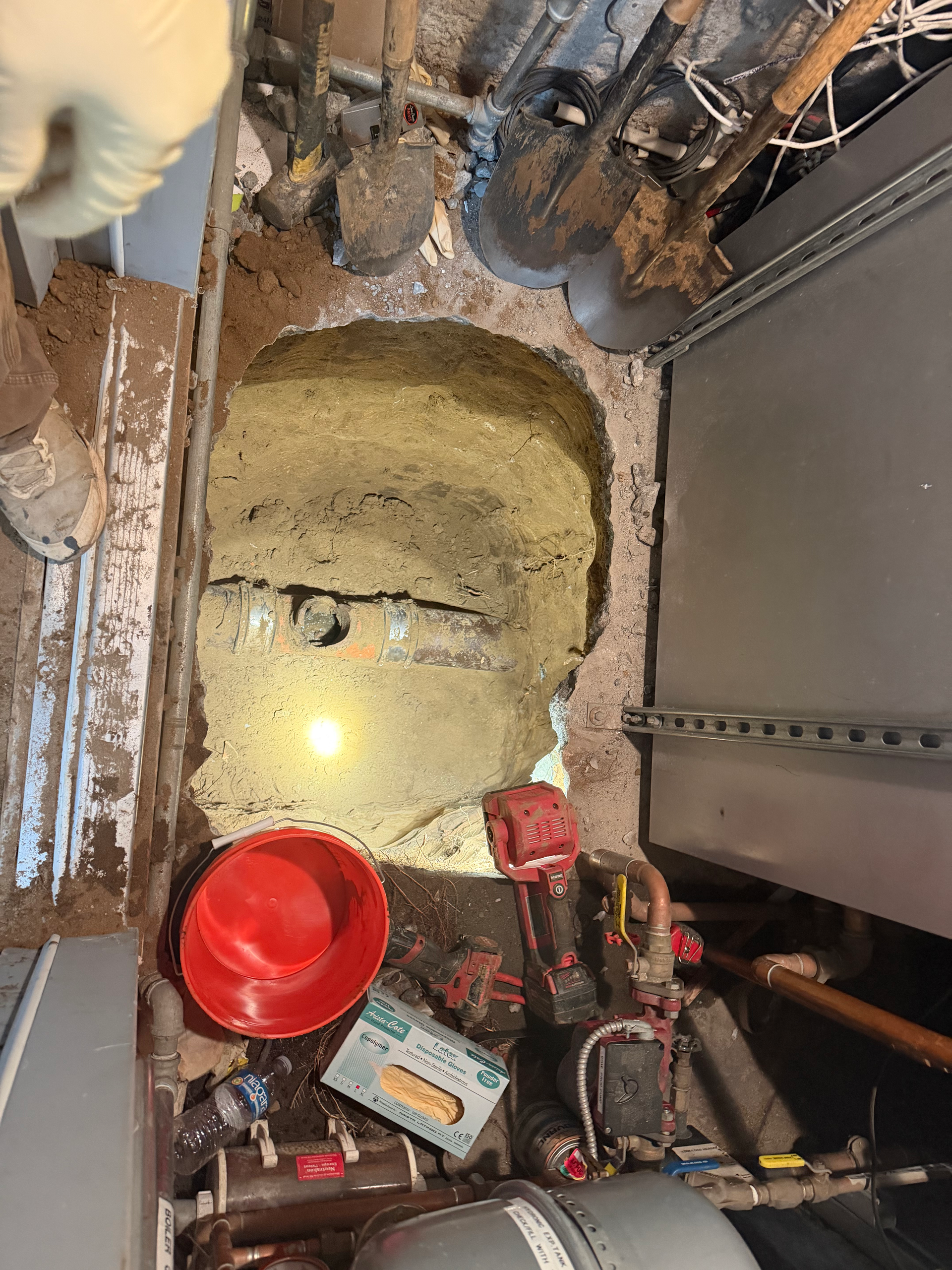
You may hear different terminology used when referring to fixing your sewer lines Including spot repairs versus a sewer line replacement . A spot repair usually entails digging up a smaller section of the pipe that has been damaged usually 4-8 ft of pipe. In order to get to the pipe, we would need to break concrete and dig down to it. We would then cut out the pipe section that was damaged, replace that with new pipe, usually cast iron, and then backfill the hole, compact the soil and replace the concrete.

In contrast, a sewer line replacement , would entail replacement of the entirety of the sewer pipe the remainder of the process is mainly unchanged. The definition of the entire sewer pipe varies from city to city and may indicate the portion of the pipe from your house to the curb or the city’s main drain line.

In San Francisco, replacement of the sewer pipe only goes to the curb and the city is responsible for the portion of pipe from the curb to the city’s main line. Sewer line replacements of any kind requires permitting through the city to assure proper installation. The inspection is performed prior to closure of the hole created during the replacement.

Trenchless Sewer Repair

Trenchless sewer repair is another option for some sewer repairs that requires excavating in only two locations, usually at the foundation of the home and at the curb and then pulling the new pipe through the existing pipe. The new pipe is connected on both sides and the old pipe is left in the ground. This is an ideal method for sewer line replacement when trying to avoid landscape damage or for very long runs of sewer pipe that would require a large area of excavation. However, this method is not always feasible. An example of when trenchless sewer repair would not work is if the sewer pipe have bad grade as that would cause the new pipe to create the same issue.

Free Sewer Line Estimates in San Francisco

Fast Response Plumbing and Rooter provides free estimates . We are able to come out to your property to assess for any sewer line issues. If you are having a backup, we can attempt to clear it. If we recommend a camera and the sewer line needs replacement, we would be happy to assist you with the replacement and offer a 10 year warranty on workmanship .

Recent Posts

Fast Response Plumbing technician servicing a water shut off valve in San Francisco
By Joe Tinsley • July 17, 2026
Learn how gate valves, ball valves, and angle stops work, where to find them in your San Francisco home, and when to replace them. FAQs inside.
Budgeting for Unforeseen Sewer Line Maintenance Expenses
By Stefani • January 31, 2026
Sewer line problems can hit your wallet fast, and we know the stress of a surprise repair. We show you how to plan a practical budget that covers emergency fixes, regular upkeep, and the big costs that sneak up on you. This saves you money and keeps small issues from turning into major failures. We […]
Seasonal Effects on Sewer Line Maintenance Costs
By Stefani • January 30, 2026
You’ll want to know how seasons change what you pay for sewer line maintenance so you can plan ahead and avoid surprise bills. Seasonal weather, ground movement, and plant growth directly affect repair needs and costs, so budgeting by season cuts unexpected expenses. We outline what shifts costs, when repairs most often happen, and which […]
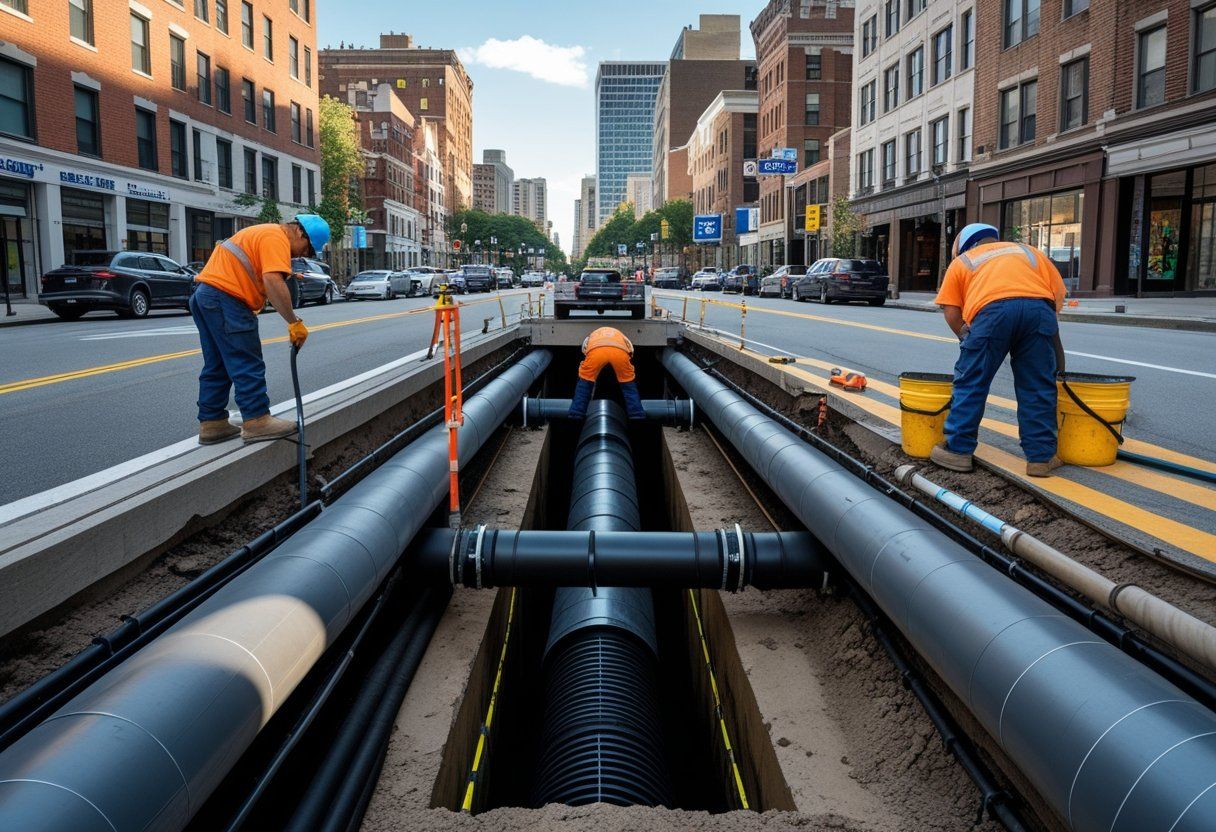
The Role of Location in Sewer Line Maintenance Pricing
By Stefani • January 29, 2026
You’ll pay different amounts for sewer line maintenance depending on where your property sits and what’s under it. Location drives cost through factors like soil type, access difficulty, local labor rates, and permit rules, so knowing these lets you predict and plan for expenses. We’ll show how those local details shape quotes and outcomes. We’ll […]
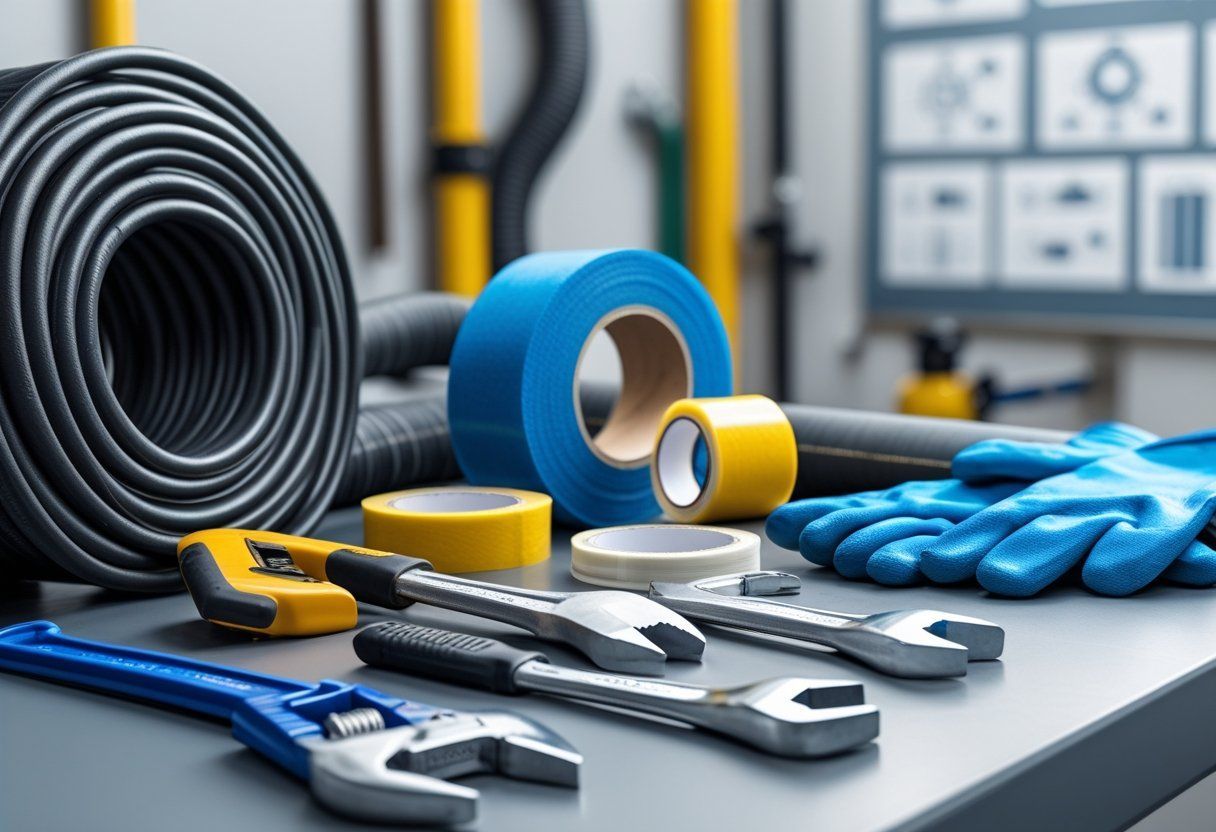
Analyzing Material Expenses for Effective Sewer Line Care
By Stefani • January 28, 2026
We’ll break down the real costs that matter for keeping a sewer line working well so you can plan and avoid surprises. You’ll learn which materials and fees drive most of the expense and how small choices can lower long-term costs. We’ll look at costs for parts, tools, permits, and regular cleaning, plus where labor […]
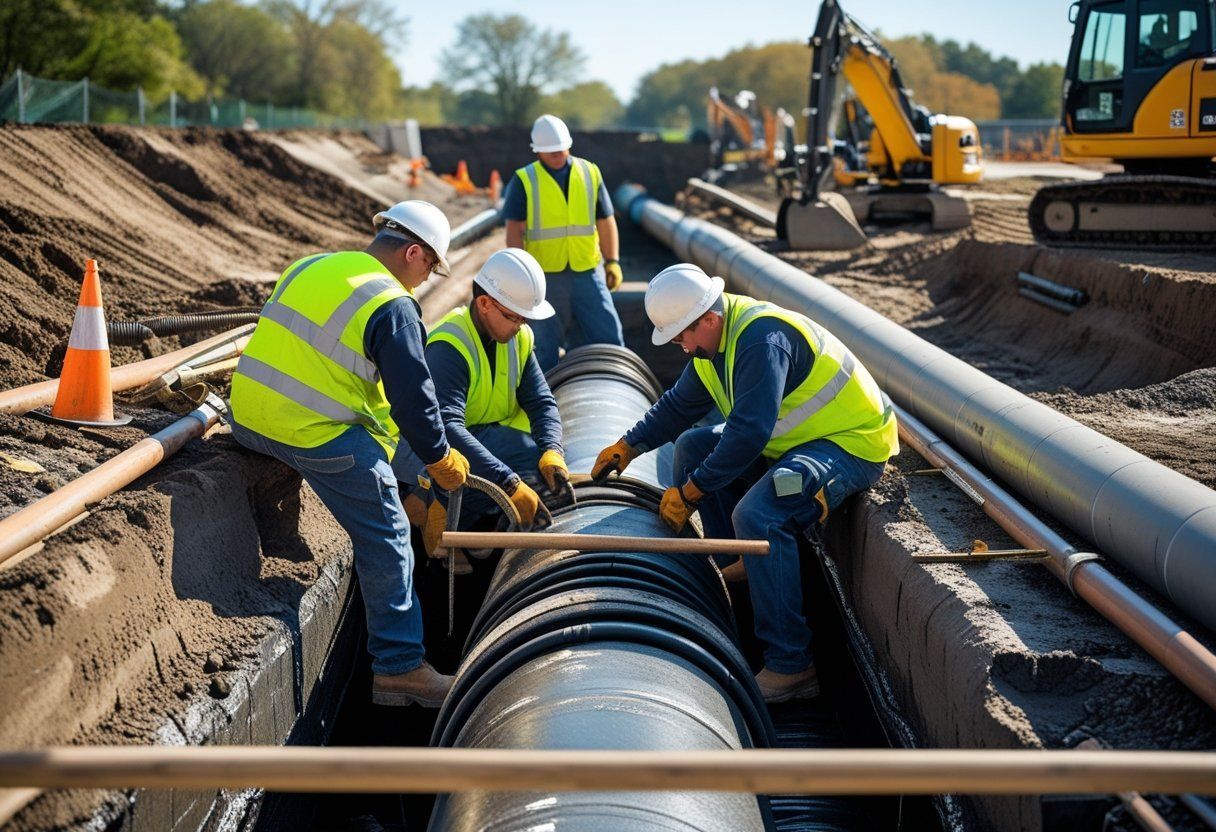
Understanding the Impact of Labor Costs on Sewer Line Maintenance
By Stefani • January 25, 2026
You want to know how labor costs shape sewer line care and what that means for your wallet. We will show how wages, crew size, and the repair method you choose change the final bill so you can plan smarter and avoid surprises. Knowing which labor factors most drive costs lets you pick repair options […]
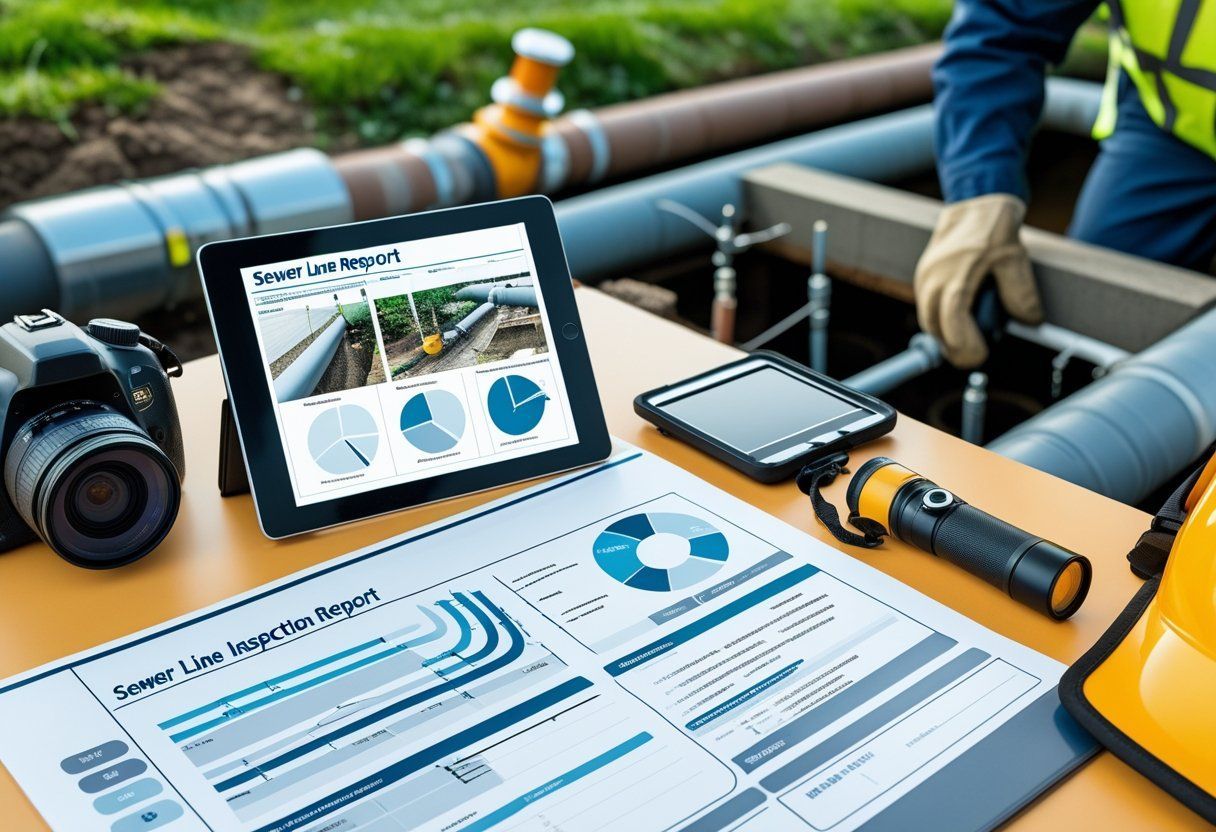
How to Interpret Sewer Line Inspection Reports
By Stefani • January 24, 2026
You’ll get clear steps to decode the most important parts of a sewer line inspection report so you can act with confidence. We show you how to spot real problems, what each defect means, and which issues need immediate repair versus routine maintenance. We break the report into simple pieces what the camera images show, […]
Tool kit with hard hat, gloves, laptop, and handheld device on a workbench in a workshop
By Stefani • January 23, 2026
You want tools that give clear answers fast so you can find problems and fix them right. We rely on high-quality sewer cameras, locating gear, and cleaning tools to spot cracks, blockages, and defects in sewer lines accurately. Knowing which tools to use helps a plumber save time and avoid costly mistakes. We will walk […]
Worker in blue hard hat inspecting a manhole on a street with a camera device
By Stefani • January 22, 2026
You want sewer line inspections timed so they catch problems before they get costly or urgent. We recommend scheduling inspections based on seasonal risks winter freeze, spring thaw, and heavy fall rains because timing cuts repair costs and prevents service interruptions. We will explain how weather, soil movement, and tree roots change the risk level […]
Common Mistakes to Avoid During Sewer Line Inspections
By Stefani • January 18, 2026
We know sewer line inspections feel technical and tense, but avoiding a few common mistakes protects your home and wallet. Start by planning the inspection, knowing what to look for, and involving a qualified professional when signs point to trouble. That simple approach cuts down on missed problems and costly surprises. We will walk through […]
Show More