Understanding the Impact of Labor Costs on Sewer Line Maintenance: Practical Strategies for Budgeting, Repairs, and Long-Term Infrastructure Planning

You want to know how labor costs shape sewer line care and what that means for your wallet. We will show how wages, crew size, and the repair method you choose change the final bill so you can plan smarter and avoid surprises. Knowing which labor factors most drive costs lets you pick repair options and timing that save money.

We will walk through the key cost drivers, common repair methods, and the problems that usually trigger work on a sewer line. That way, you can spot risks early, compare quotes with confidence, and decide when preventative action makes sense.

Key Factors Affecting Labor Costs in Sewer Line Maintenance

We focus on the main drivers of labor expense so readers can estimate costs more accurately. Understanding damage size, materials, and access helps plan repairs and choose the right method.

Extent of Damage and Type of Repair Needed

We first assess how much of the pipe is damaged. A small localized crack may only need a short repair or pipe relining, which uses less labor time. Large collapses or multiple breaches usually need full pipe replacement and much more crew hours.

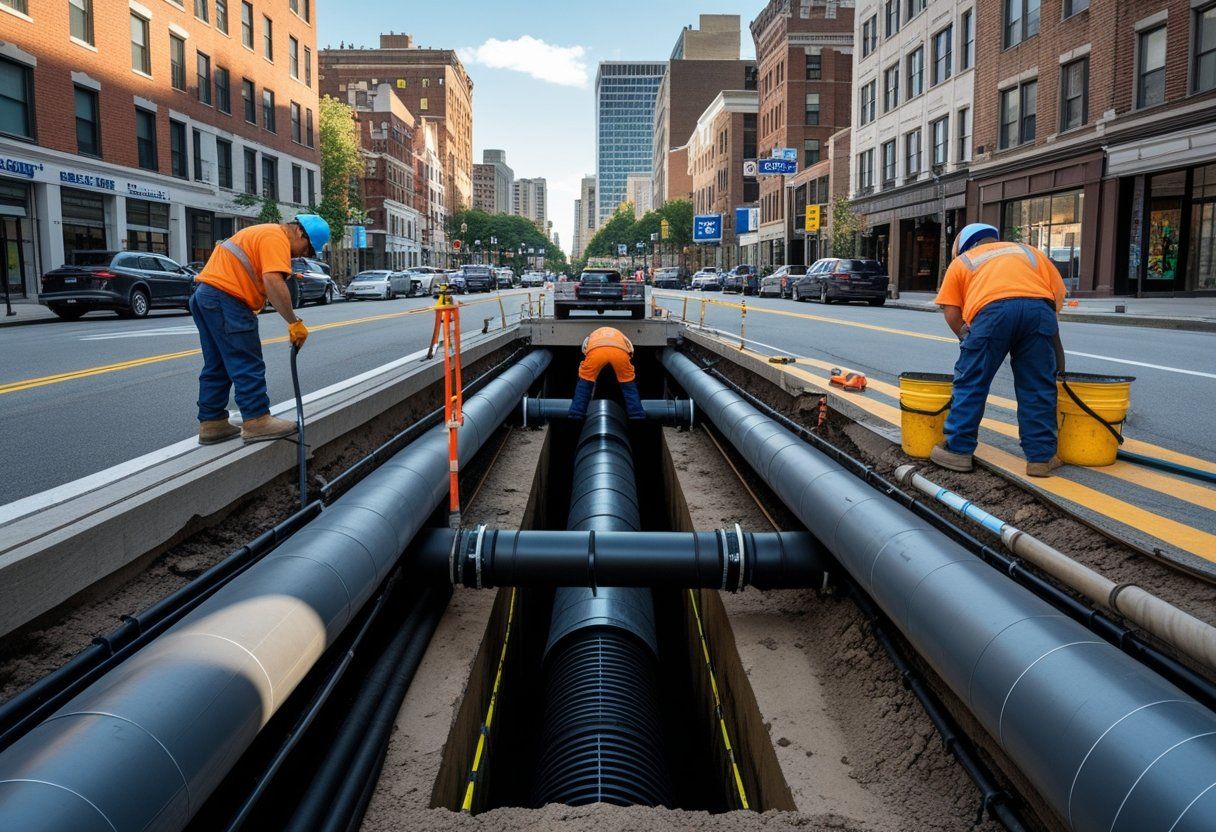
Repair type changes labor rates. Pipe relining is less disruptive and often cheaper in labor than traditional excavation because crews work inside the pipe and avoid large trenches. Traditional excavation requires digging, shoring, and backfilling, which raises labor costs and time.

Sewer line replacement cost goes up with complexity. If we must replace long sections or reconnect multiple laterals, we add skilled plumbers and inspectors. Emergency repairs at night or on weekends also increase labor charges due to premium rates.

Pipe Material Considerations

Different pipe materials affect how long repairs take and what skills we need. Clay and cast-iron pipes often crumble and need careful removal, increasing labor hours. PVC and newer materials may allow faster cutting and joining, reducing crew time.

Material also dictates repair method. For brittle or heavily corroded pipes, we choose full replacement instead of relining, which adds to labor costs. When we relined pipes with compatible materials, crews work faster and clean-up is minimal.

Estimating sewer line maintenance labor requires checking pipe age, corrosion level, and joint condition. Older pipe networks often need more detailed work and inspections, increasing overall labor and possibly the sewer line replacement cost.

Accessibility and Location of Sewer Lines

Easy access lowers labor hours. If we reach the pipe from a clean utility corridor, crews can work quickly with minimal digging. Tight yards, steep slopes, or pipes under driveways force longer excavations or specialized equipment, raising labor costs.

Landscaping restoration adds to labor expenses when we must remove and later restore sod, plants, or hardscape. Traditional excavation through landscaped yards often doubles labor time because crews protect and then rebuild the area.

Urban locations can raise labor charges too. Traffic control, permits, and confined-space safety measures require extra crew members and time. Remote sites may add travel time and overnight labor costs, increasing the final bill.

Overview of Sewer Line Repair and Replacement Methods

We compare common repair options by cost, disruption, and expected life. Readers learn when each method makes sense for different pipe conditions and budgets.

Traditional Excavation Techniques

We dig and replace pipes when access is clear or damage is severe. Crews remove surface material, expose the pipe, cut out the damaged section, and lay new pipe. This method works well for collapsed mains, roots that have crushed pipe, or when pipe alignment must change.

Excavation lets us inspect bedding and make full-grade corrections. It can handle any pipe material and size, and new PVC or HDPE pipes last 50+ years. Downsides include large surface disruption, landscaping loss, road closures, and higher labor and restoration costs.

We often reserve this method for mainline failures, complex junctions, or jobs where trenchless options cannot pass bends or severe offsets. Permits and traffic control add time and cost to the project.

Trenchless Technologies and Methods

We use trenchless repair to reduce digging, restore flow quickly, and lower restoration expenses. Common trenchless methods include pipe lining (CIPP), pipe relining, and short-spot repairs with cured-in-place liners. Technicians clean the line with high-pressure water and inspect with a camera before installing the liner.

CIPP involves inserting a resin-saturated sleeve, inflating it, and curing it in place to form a new pipe within the old pipe. This method seals cracks, stops infiltration, and restores hydraulic capacity without full excavation. Typical service life ranges 25-50 years depending on materials and installation quality.

Trenchless sewer repair suits residential lateral lines, long runs under landscaping, and areas with limited access. It has lower surface restoration costs and faster job completion. Limitations include reduced diameter and difficulty with collapsed or severely misaligned pipes.

Pipe Bursting and Pipe Lining Process

We apply pipe bursting when the old pipe must be removed and replaced along the same line. A bursting head breaks the old pipe outward while pulling a new pipe into place. This trenchless sewer line replacement preserves surface features and works for many materials and sizes.

Pipe lining (pipe relining) follows a measured cleaning and camera inspection. We select a liner sized to achieve good flow and cure it with steam or hot water. The new pipe bonds to the host pipe, stopping root intrusion and leaks.

We choose pipe bursting for full-diameter replacement and pipe lining when the host pipe is intact enough for relining. Both trenchless methods reduce labor, cut restoration costs, and often shorten project timelines compared to traditional excavation.

Cost Drivers and Implications for Homeowners

We focus on the real costs you will face and the choices that affect those costs. Expect labor rates, permits, and inspection needs to change total sewer line repair costs more than materials alone.

Labor Cost Breakdown and Calculation

Labor often makes up 40-70% of sewer line repair costs. We pay licensed plumbers by the hour or by job. Hourly rates vary from $75 to $200 depending on region and experience. Complex jobs that need excavation, pipe replacement, or working around landscaping raise labor hours and total cost.

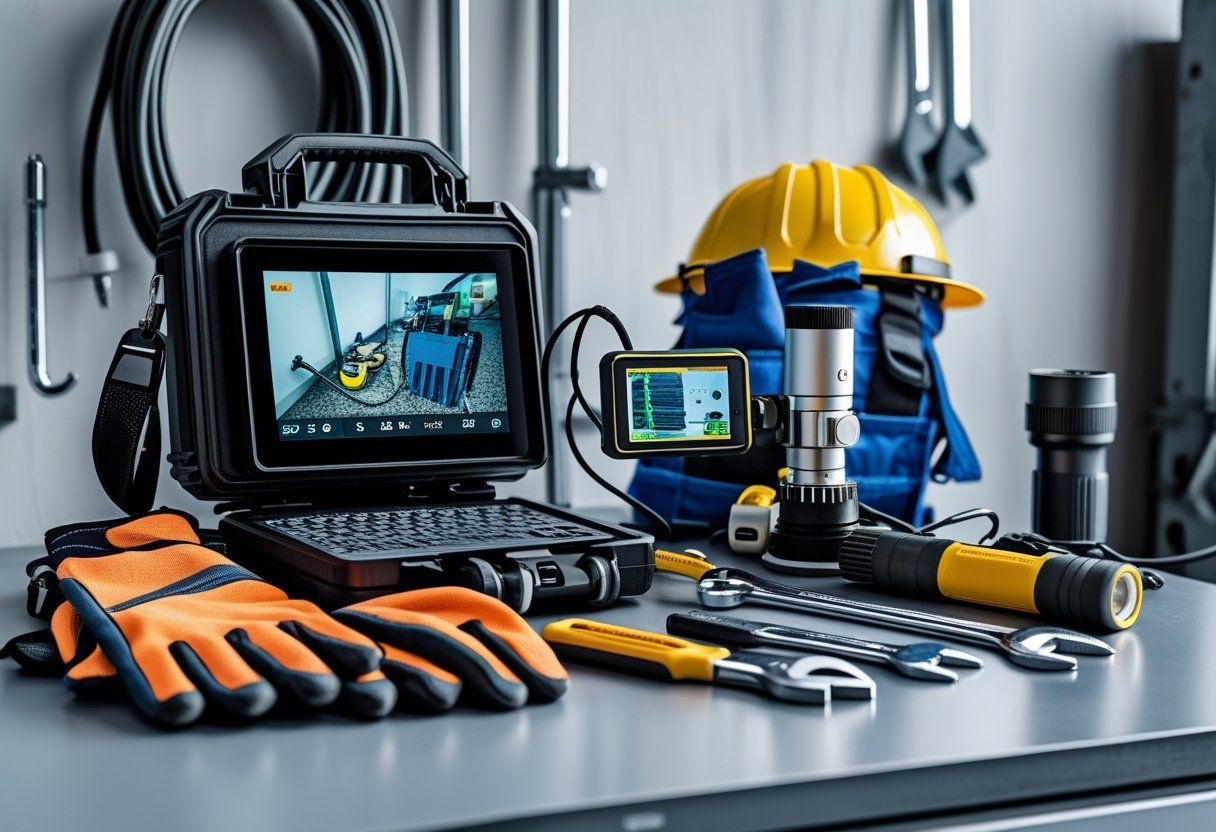
Video inspection or camera inspection usually adds $100-$400 but saves time by pinpointing the problem. Hydro jetting costs $150-$500 for clearing roots and buildup, and it is usually cheaper than a full pipe replacement. When calculating labor, include travel time, crew size, and overtime for emergency calls. We should compare quotes that list line items: camera inspection, hydro jetting, trenching, pipe replacement, and final cleanup.

Influence of Permits and Regulations

Permits can add $50–$1,000 to the cost of sewer line repairs depending on local codes. We must get permits for full pipe replacements or major trenching in most municipalities. Permit fees vary by jurisdiction and sometimes require licensed plumber verification.

Regulations may require specific materials or methods, affecting both labor cost and timeline. Inspections tied to permits may add additional charged visits by the plumber or inspector. If we ignore permits, municipalities can issue fines or demand work be redone, which increases total cost. Always ask the plumber about required permits and include permit fees in any quote.

Role of Inspection and Preventative Maintenance

A camera or video inspection helps us avoid unnecessary repairs by showing the exact issue. Inspections cost less than major repairs and often pay for themselves by guiding targeted fixes. For example, a $200 camera inspection might reveal roots treatable by $300 hydro jetting instead of a $5,000 partial replacement.

Routine preventative maintenance like annual hydro jetting reduces the chance of emergency repairs. Preventative work lowers long-term cost by extending pipe life and cutting emergency labor rates. We should track inspection records and schedule maintenance based on pipe age, tree proximity, and past problems.

Common Sewer Line Problems and Preventative Strategies

We will describe common causes of sewer line trouble and give clear steps to stop small issues from becoming costly repairs. Focus is on signs to watch for, how to keep roots and clogs out, and why regular checks save money.

Identifying Signs of Sewer Line Issues

We watch for visible and audible signs that point to a clogged or broken sewer line. Look for slow drains in multiple fixtures, persistent gurgling in toilets or sinks, water backing up into tubs, and sewage odors in the yard or basement. These symptoms often mean the main sewer, not just a single trap, is blocked.

Check the foundation and yard for wet spots or sinkholes near the sewer route. Cracked or sinking lawns can signal a broken sewer line. Inspect accessible sewer cleanouts and note irregular flow when you open them. If you use PVC pipes, watch for joint separation or settling where pipes meet.

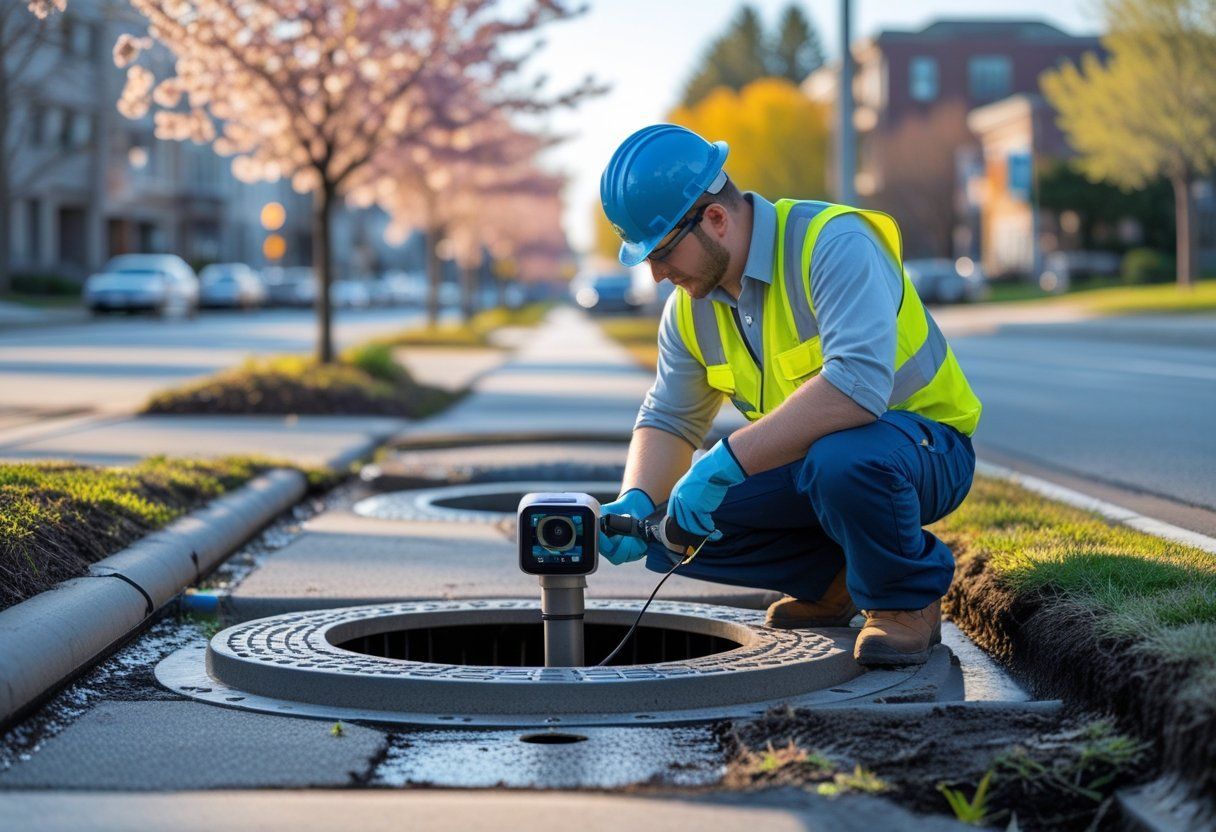
Call a licensed plumber for a camera inspection when multiple signs appear. A camera will show root intrusion, collapsed sections, and heavy buildup so we can recommend targeted repairs like spot fixes, relining, or full replacement.

Preventing Root Intrusion and Blockages

We cut root intrusion and clogs by combining physical and maintenance steps. Do not plant trees or large shrubs within 20 feet of sewer lateral pipes. Choose shallow-rooted plants near laterals and install root barriers where trees are close.

Schedule routine hydro-jetting or mechanical snaking every 1–3 years depending on tree proximity and use. Hydro-jetting removes grease, scale, and fibrous roots that snaking can miss. Use enzyme-based cleaners monthly to reduce organic buildup; avoid harsh chemical drain cleaners that can damage PVC pipes.

Maintain sewer cleanouts and caps so roots can’t enter. Repair any leaking joints quickly since moisture attracts roots. Keep grease, wipes, and fibrous materials out of drains to prevent clogs forming in the main line.

Benefits of Regular Maintenance

Regular maintenance lowers the chance of emergency sewer line repairs and extends pipe life. We catch small clogs and root intrusion early with camera inspections, which often allow for cheaper spot repairs or relining instead of full replacement.

Planned maintenance creates predictable costs and reduces labor hours during repairs. Preventive hydro-jetting and cleaning protect PVC pipes from corrosive buildup and cut the need for excavations that raise labor and restoration expenses. Records of inspections and maintenance also help with insurance claims and property sales.

Routine care keeps us from facing sudden backyard excavation, major stoppages, or sewer backups into living spaces. That reduces health risks, cleanup time, and overall restoration costs.