You’ll get clear steps to decode the most important parts of a sewer line inspection report so you can act with confidence. We show you how to spot real problems, what each defect means, and which issues need immediate repair versus routine maintenance.
We break the report into simple pieces what the camera images show, how technicians grade defects, and what modern tools reveal that older methods miss. By the end, you’ll know how to use the findings to plan repairs, ask the right questions, and avoid costly surprises.
Follow along as we walk through common terms, typical defects, and how technology changes what you should expect from an inspection. This will help you make faster, smarter decisions about your home or property.
Key Elements of a Sewer Line Inspection Report
We explain the main facts inspectors record, why they matter, and how to use them when planning repairs or maintenance.
Header Information and Pipe Details
We start with the report header because it gives the who, what, and where. Look for date, time, crew name, project address, and weather. These details help confirm the inspection context and chain of custody for the video and photos.
Pipe details follow. The report should list pipe material (PVC, clay, cast iron), pipe diameter, and measured length. Note entry point and downstream direction. Accurate pipe material and size tell us what repair methods and parts will work.
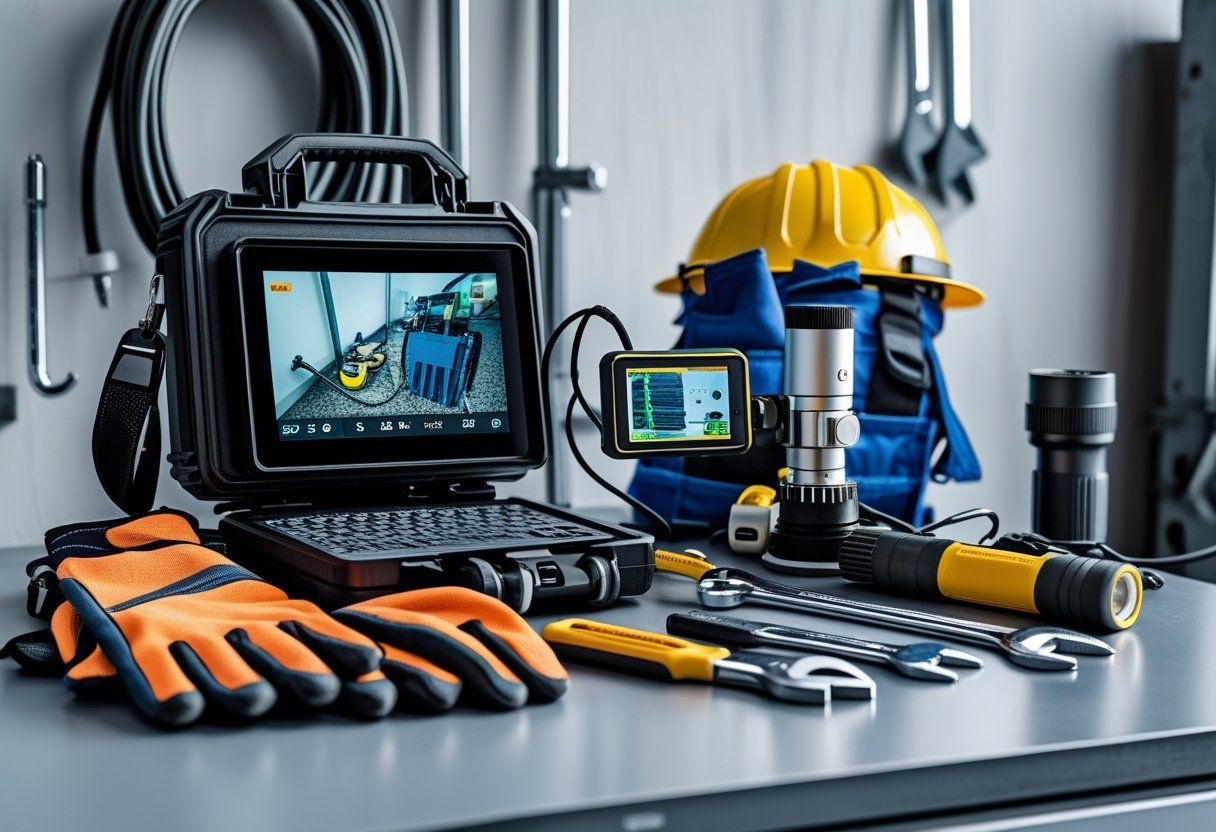
Also check equipment logged: the sewer camera model, whether it is high-resolution, and the winch or push camera type. Camera specs affect defect visibility. Finally, confirm calibration marks or distance counters so location measurements in the later sections match the actual line.
Asset Graphics and Video Footage
We expect clear maps and annotated stills tied to the inspection video. Graphics should show manholes, cleanouts, lateral connections, and the exact locations of defects with measured distances. Good graphics let us plan trench locations or no-dig repairs precisely.
Video footage should be continuous and linked to the report timestamps. A high-resolution camera makes cracks, root intrusion, and small holes visible. We look for readable frame counters and synchronized audio or captions that state the distance and defect type while the camera passes it.
Inspectors should include selected still images of each defect. Each image needs a caption with defect ID, distance, and camera heading. When footage and graphics match, we can verify claims and give accurate repair estimates.
Defect Coding Systems
We rely on defect codes to sort severity and guide repairs. Common systems include PACP/NASSCO, WRC, and local codes. The report should state which coding standard was used and provide a code legend for quick reference.
Each defect entry must list: code, brief description (e.g., “root intrusion moderate”), length or percent of pipe affected, and exact distance from the access point. Severity ratings (low, moderate, severe) or numerical grades help us prioritize work and estimate cost.
Good reports cross-reference video timecodes, still images, and graphics with each defect record. Consistent coding reduces miscommunication between inspectors, contractors, and owners when choosing repair methods.
How to Interpret Findings and Defects
We focus on what the report shows and what actions matter most. Look for the exact defect type, its location, and whether the issue is active or likely to recur.
Identifying Blockages and Root Intrusion
We scan video and notes for visible obstructions and plant roots. Blockages appear as solid masses or congealed grease that stop the camera view or slow flow. Roots show as fibrous material entering through joints or cracks and often cause recurring backups and slow drains.
We mark the pipe location by distance from the access point and note whether the blockage is partial or full. Partial blockages may just slow drains; full blockages cause backups. If roots reappear after cutting, we flag root intrusion as recurring and recommend a long-term fix like pipe lining or replacing defective joint sections.
We check for multiple blockages in one line. Multiple spots raise the risk of future clogs and mean we should inspect lateral connections and trees near the line. We list urgency: immediate cleaning for full blockages, scheduled maintenance for partial or early root penetration.
Recognizing Structural Issues
We identify cracks, pipe deformation, collapsed sections, and longitudinal cracks in the report and video. A longitudinal crack runs along the pipe and lets roots and soil in. Deformation or collapse changes the pipe shape and reduces flow capacity, causing recurring backups.
We record severity using the report’s code (if given) and the defect’s distance. Small cracks may be repairable with spot sealing or relining. Large longitudinal cracks, offsets, or collapsed runs usually require lining or replacement. We note whether the defect is worsening by comparing past reports or observing active infiltration, which indicates the defect is active.
We prioritize repairs by impact on flow and risk of sewage release. Structural issues that allow root intrusion or inflow and infiltration need faster action than isolated minor hairline cracks.
Assessing Inflow and Infiltration
We look for water entry points and saturated soil evidence in the video or dye tests. Inflow and infiltration show as ground water or storm water entering through cracks, joint gaps, or faulty connections. This extra water can overload the sewer, making slow drains and backups worse.
We document where water enters by pipe distance and note whether it happens only during rain events. Steady wetting indicates a persistent breach. Common entry points include offsets, open joints, and longitudinal cracks. We rank fixes: seal small joints, relining for moderate inflow and infiltration, and full replacement for widespread joint failure.
We include recommended tests and repairs in our notes, such as smoke testing, dye tracing, or targeted excavation, so the contractor can plan the correct remedy.
Modern Inspection Technologies and Methods
We focus on tools that show pipe condition, locate defects, and guide repair choices. These tools include visual camera systems, sonar and water tests, and trenchless lining options for repairs.
Camera Inspection Techniques
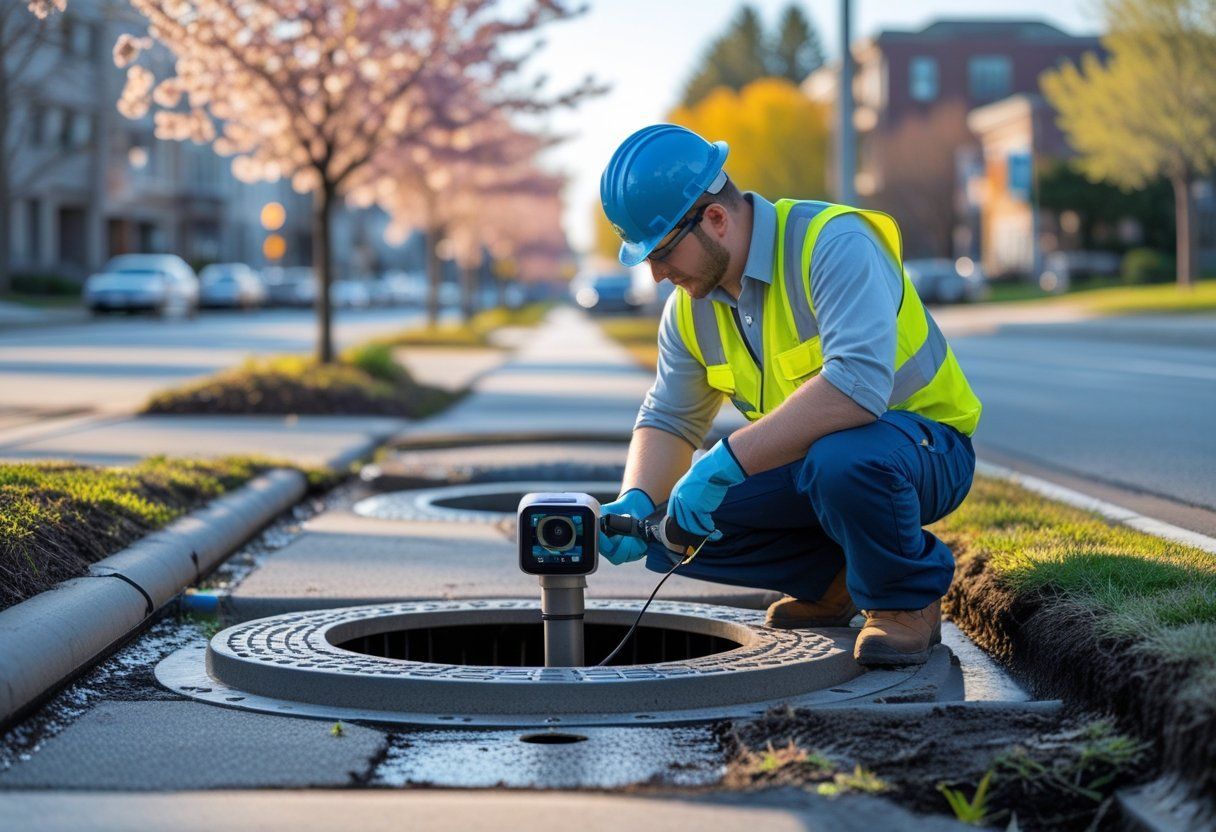
We use inline sewer camera inspection to see pipe interiors in real time. Cameras come with push-rods for small laterals and crawler systems for large mains. They record video, capture stills, and often include distance markers so we can report exact defect locations.
Cameras reveal cracks, root intrusions, offsets, collapses, and grease build-up. We rate defects using industry codes (e.g., PACP) and note pipe material and diameter. Lighting and lens clarity matter; we clean lenses and adjust exposure to avoid false readings.
For drain inspection, we pair cameras with sonde transmitters to map depth and lateral entry points. We log time-stamped footage and annotated screenshots for owners and contractors. This documentation speeds repair quotes and prevents unnecessary excavation.
Sonar, Water Testing, and Supporting Tools
We use sonar when pipes are full, collapsed, or heavily encrusted and a camera can’t pass. Sonar profiles the pipe shape, measures flow capacity loss, and detects voids around the pipe. It complements camera reports where visual inspection stops.
We perform water testing to check for leaks and cross-connections. Low-pressure leak tests and smoke or dye tests reveal infiltration, exfiltration, and illicit ties to storm drains. We also test for hydrogen sulfide gas when odor problems or corrosion are present, since H2S accelerates pipe decay.
Other tools include laser measurement for joint offsets, GPS mapping for as-built records, and manhole inspection sensors for odor and hydrogen sulfide monitoring. We combine these methods to give a fuller view of pipe health.
Trenchless Lining Solutions
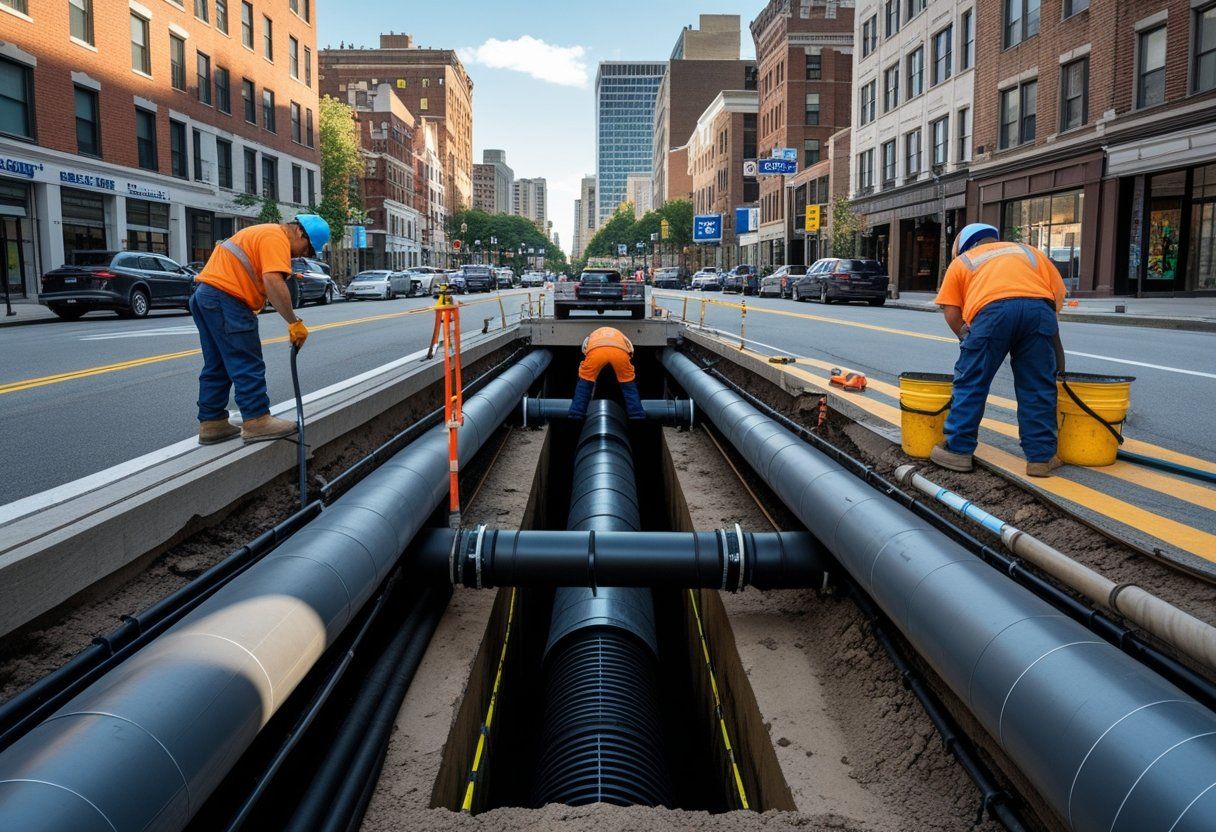
When inspection shows defects that don’t require full replacement, we evaluate trenchless lining options. Cured-in-place pipe (CIPP) inserts a resin-saturated liner that cures inside the host pipe, sealing cracks and gaps without digging. It works well for continuous runs and mixed materials.
Pipe bursting replaces a pipe by fracturing the old one while pulling a new pipe into place. We choose this when size increase or full replacement is needed but surface disruption must stay minimal. Spot repairs use inversion or UV-cured patches for localized holes or failed joints.
We match lining types to defect severity, pipe material, and access points from our camera and sonar findings. Budget, service interruption, and expected service life guide our recommendation.