
Seasonal Effects on Sewer Line Maintenance Costs: How Weather Changes Impact Repairs and Budgets

Stefani • January 30, 2026

Share this article

You’ll want to know how seasons change what you pay for sewer line maintenance so you can plan ahead and avoid surprise bills. Seasonal weather, ground movement, and plant growth directly affect repair needs and costs, so budgeting by season cuts unexpected expenses. We outline what shifts costs, when repairs most often happen, and which fixes cost more at certain times of year.

We’ll walk through the main factors that drive seasonal costs, show simple steps to prevent damage, and share practical maintenance habits that save money all year. This will help you decide when to schedule inspections, what problems to watch for each season, and how to keep costs steady instead of spiking.

How Seasonal Changes Impact Sewer Line Maintenance Costs

We track how weather changes affect repair needs and prices. Each season brings specific risks that raise labor, parts, or emergency fees.

Winter Weather: Frozen Pipes and Increased Labor

Winter brings frozen pipes and harder access to sewer systems. When ground freezes, sewer lines can shift or crack, causing leaks and slow drains that need fast repair to avoid sewer backup. We often see frozen cleanouts and caps that require thawing or replacement.

Emergency calls rise during cold snaps, which increases labor costs and overtime pay. Technicians may need heaters, insulated gear, and trenchless equipment to limit digging in frozen soil. Repair parts like pipe sleeves and couplings sell more, and locating damaged sections under frozen ground adds diagnostic time and fees.

Spring Rainfall: Sewer Overloads and Water Damage

Spring storms push large volumes of water into drainage systems and sewers. Overflow can cause sewer backups into basements and yards. We see clogged storm drains and combined sewer systems exceed capacity, which increases pump station use and repair work.

Saturated soil can loosen joints and expose sewer line damage that stayed hidden in dry months. We perform more CCTV inspections and hydro-jetting to clear lines. Costs rise from extra labor, parts for replacing damaged pipe segments, and cleanup of water-damaged property.

Summer Dryness: Tree Root Intrusion and Soil Shifts

Dry summer months stress trees and cause roots to seek water near sewer pipes. Tree root intrusion can crack joints and cause slow drains that worsen over time. We find more invasive roots in older clay or jointed pipes, requiring mechanical root cutting or pipe relining.

Hot, dry soil also shifts and settles, putting strain on buried sewer systems and causing misalignment or breaks. Repairs often need excavation, shoring, and new bedding material. These projects increase materials and machine time, and emergency calls can spike after prolonged drought when sudden repairs become critical.

Fall Debris: Blockages from Leaves and Organic Matter

Falling leaves and organic debris clog gutters, exterior drains, and sewer inlets during autumn. Accumulated debris causes slow drains and localized sewer backups if not removed. We frequently clear catch basins and clean storm lines in this season.

Decomposing organic matter accelerates buildup inside pipes, which raises the need for frequent hydro-jetting and manhole maintenance. Costs include increased preventive cleaning, labor for scheduled maintenance, and replacement of corroded grates or screens that fail under heavy debris loads.

Key Factors Driving Seasonal Sewer Line Maintenance Costs

We focus on factors that change costs by season: how easy we can reach pipes, how bad the damage is, and what tools and materials we need. These factors shape whether we do repair, pipe bursting, or routine drain cleaning.

Accessibility and Soil Conditions

Access affects labor and time. If a line runs under a driveway or concrete slab, we need jackhammers, saws, or permits to dig. That raises cost quickly compared with a yard dig. In winter, frozen ground slows excavation and may require heated enclosures or thawing equipment, adding hourly charges.

Soil type matters. Clay holds water and can stick to tools, making excavation slower. Sandy soil collapses, requiring shoring or trench boxes for safety. High groundwater needs pumps during work, which increases equipment rental and monitoring.

Seasonal surface conditions also affect cleanup and restoration. Wet seasons mean more mud tracking and more landscaping repair. We plan for more time when access is limited by snow, rain, or heavy vegetation.

Extent and Nature of Sewer Line Damage

The type and size of damage determine repair choice. Root intrusion and grease buildup often cause blockages we clear with drain cleaning and spot repairs. Collapsed pipes, extensive corrosion, or multiple breaks usually require full sections replaced or trenchless options like pipe bursting.

We inspect lines with cameras to see the problem. Small cracks or offsets may be suitable for cured-in-place pipe lining, which costs less than full replacement and is faster in many seasons. Long runs of damage or shifting soils push us toward pipe bursting or open-cut replacement, increasing material and labor costs.

Seasonal forces change damage patterns. Freeze-thaw cycles can crack brittle clay or cast-iron pipes. High water use seasons stress joints and can reveal leaks. We factor how urgent the repair is when estimating emergency winter or holiday work.

Material and Equipment Requirements

Materials vary by method. Lining uses resin-coated sleeves and steam or UV curing systems. Pipe bursting needs new polyethylene pipe, bursting heads, and hydraulic winches. Open-cut repairs require pipe sections (PVC, HDPE, or ductile iron), fittings, and backfill materials.

Equipment rental and transport add cost, especially for large machines. In icy or wet conditions we use specialized pumps, heated tents, or shoring gear. Those items increase daily rates and may require certified operators, which raises labor costs.

Consumables and disposal matter too. Grease removal produces oily waste that we must collect and dispose of per rules. Excavated soil, old pipe sections, and contaminated materials carry hauling and landfill fees. We include these predictable line items in seasonal estimates.

Preventive Strategies to Minimize Year-Round Sewer Line Expenses

We prioritize regular checks, targeted cleaning, and protection so small issues never become large repairs. Following clear steps keeps costs steady across seasons and reduces emergency calls.

Routine Professional Inspections

We schedule sewer camera inspection at least once every 2–3 years for older systems and annually for properties with trees nearby. A sewer camera inspection lets us see cracks, root intrusions, misaligned joints, and grease buildup without digging.

During inspections, technicians log video and mark problem spots with distance codes. We use that data to plan repairs or targeted cleanings, which cost far less than emergency pipe replacement.

We keep records of past sewer inspection reports and visuals. That history lets us predict weak points and budget for repairs before failures occur.

Seasonal Drain Cleaning and Root Management

We hire professional drain cleaning in spring and fall when roots are most active and soil shifts with wet/dry cycles. High-pressure jetting removes grease, scale, and small roots before they cause backups.

For heavy root invasion, we combine mechanical cutting with targeted herbicide treatment approved for sewer use. We map and flag root-prone lines after a sewer camera inspection so crews know where to focus.

We schedule spot-cleaning after nearby tree trimming or heavy rains. Quick action after those events stops displaced roots or debris from creating clogs.

Pipe Insulation and Protective Measures

We insulate exposed pipes in unheated crawlspaces and along foundation walls to prevent freeze damage in winter. We use foam sleeve insulation and heat tape where freezing is likely, and we test the system after installation.

We also protect lines from surface loads by adding soil cover or concrete protection where vehicles or heavy equipment pass. A prior sewer camera inspection helps us pinpoint shallow or damaged sections that need extra shielding.

We install cleanouts and access points at strategic spots shown by past sewer camera inspections. These make future sewer line cleaning and camera inspection faster and less costly.

Best Practices for Effective Seasonal Sewer Maintenance

We focus on timing work when it reduces disruption and on hiring technicians who use proper tools. That keeps costs lower and cuts emergency repairs.

Scheduling Maintenance at Optimal Times

We schedule inspections and cleaning before seasonal peaks. For summer sewer maintenance, that means doing smoke tests, root cutting, and video inspections in late spring. Doing this before peak use prevents backups when flow increases.

We avoid digging in frozen ground and in heavy rain. Winter makes repairs slower and costlier; spring thaw raises groundwater and can hide leaks. Summer is best for full repairs because dry soil eases excavation and cured liners set faster.

We create a regular calendar: annual video inspections for every main line, cleanings every 1–3 years depending on tree cover, and post-storm checks after any heavy rainfall. We alert residents in advance and block off short windows for work to reduce overtime and traffic control fees.

Choosing Qualified Service Providers

We hire licensed plumbers or sewer contractors with camera inspection and hydro-jetting equipment. Ask for proof of licensing, insurance, and references from nearby municipalities or HOA projects. Verify they use NASSCO PACP coding on inspection reports so findings are standardized and usable for future bidding.

We request written estimates that list labor hours, materials (liners, pipes, clamps), and excavation needs. Compare three bids and check for emergency-service rates and seasonal surcharges. Prefer contractors who offer summer scheduling discounts and can clear root intrusions and grease with documented video before and after work.

We require a written warranty on repairs and a digital copy of inspection videos. That helps us confirm work and supports insurance or grant claims if we need reimbursement.

Recent Posts

Fast Response Plumbing technician servicing a water shut off valve in San Francisco
By Joe Tinsley July 17, 2026
Learn how gate valves, ball valves, and angle stops work, where to find them in your San Francisco home, and when to replace them. FAQs inside.
Budgeting for Unforeseen Sewer Line Maintenance Expenses
By Stefani January 31, 2026
Sewer line problems can hit your wallet fast, and we know the stress of a surprise repair. We show you how to plan a practical budget that covers emergency fixes, regular upkeep, and the big costs that sneak up on you. This saves you money and keeps small issues from turning into major failures. We […]
The Role of Location in Sewer Line Maintenance Pricing
By Stefani January 29, 2026
You’ll pay different amounts for sewer line maintenance depending on where your property sits and what’s under it. Location drives cost through factors like soil type, access difficulty, local labor rates, and permit rules, so knowing these lets you predict and plan for expenses. We’ll show how those local details shape quotes and outcomes. We’ll […]
Analyzing Material Expenses for Effective Sewer Line Care
By Stefani January 28, 2026
We’ll break down the real costs that matter for keeping a sewer line working well so you can plan and avoid surprises. You’ll learn which materials and fees drive most of the expense and how small choices can lower long-term costs. We’ll look at costs for parts, tools, permits, and regular cleaning, plus where labor […]
Understanding the Impact of Labor Costs on Sewer Line Maintenance
By Stefani January 25, 2026
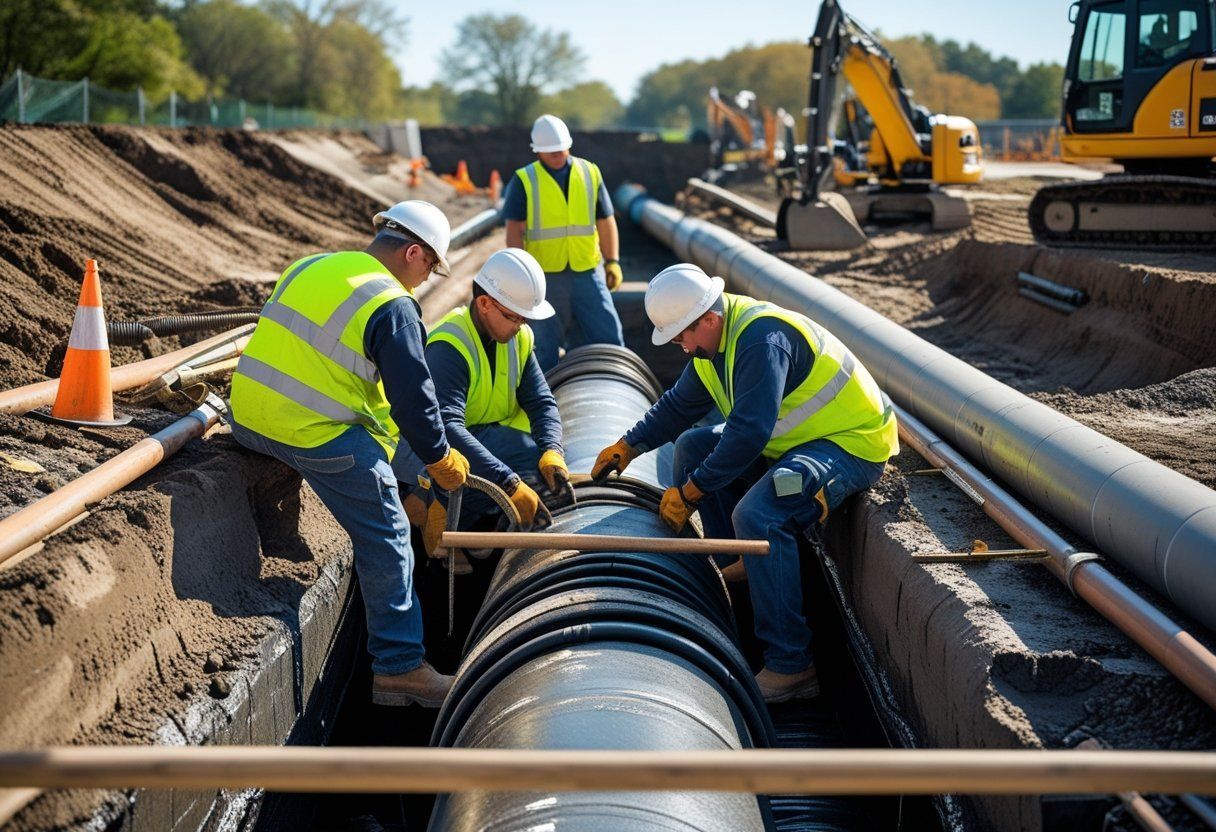
You want to know how labor costs shape sewer line care and what that means for your wallet. We will show how wages, crew size, and the repair method you choose change the final bill so you can plan smarter and avoid surprises. Knowing which labor factors most drive costs lets you pick repair options […]

How to Interpret Sewer Line Inspection Reports
By Stefani January 24, 2026
You’ll get clear steps to decode the most important parts of a sewer line inspection report so you can act with confidence. We show you how to spot real problems, what each defect means, and which issues need immediate repair versus routine maintenance. We break the report into simple pieces what the camera images show, […]

Tool kit with hard hat, gloves, laptop, and handheld device on a workbench in a workshop
By Stefani January 23, 2026
You want tools that give clear answers fast so you can find problems and fix them right. We rely on high-quality sewer cameras, locating gear, and cleaning tools to spot cracks, blockages, and defects in sewer lines accurately. Knowing which tools to use helps a plumber save time and avoid costly mistakes. We will walk […]
Worker in blue hard hat inspecting a manhole on a street with a camera device
By Stefani January 22, 2026
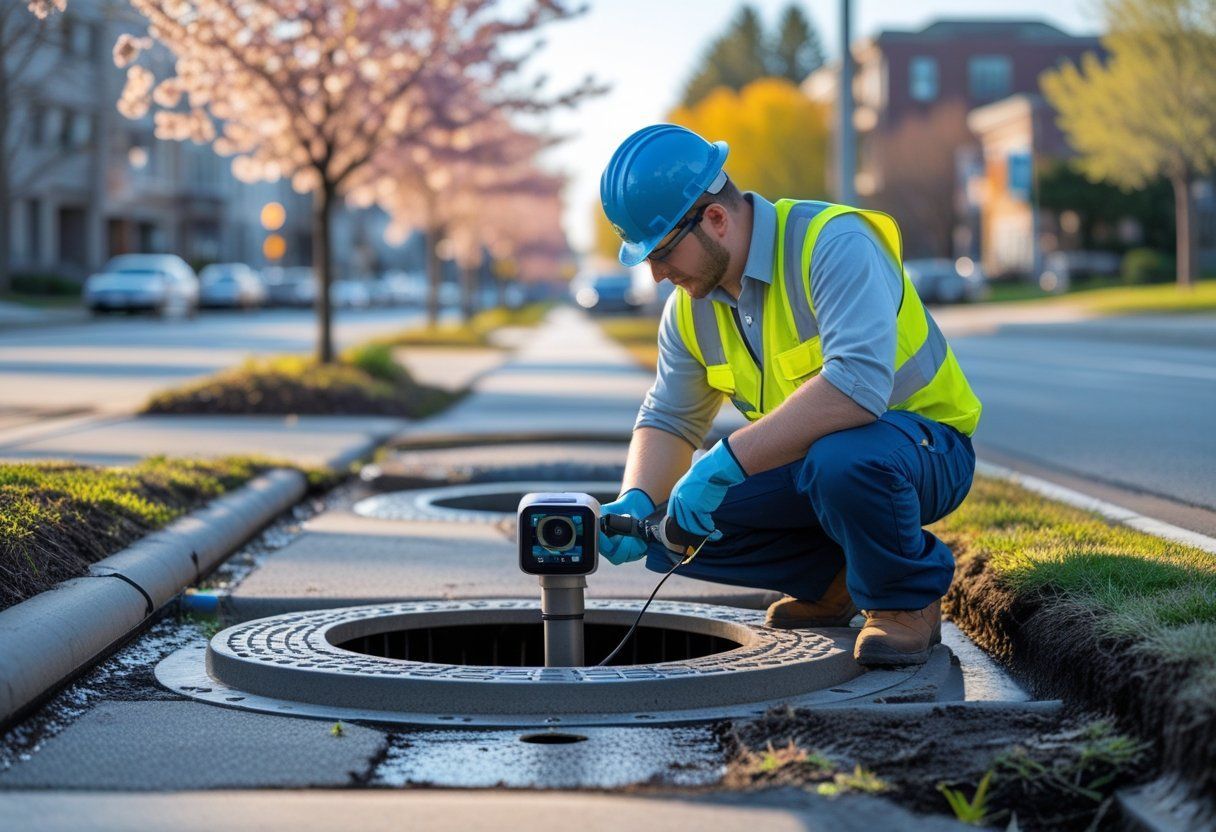
You want sewer line inspections timed so they catch problems before they get costly or urgent. We recommend scheduling inspections based on seasonal risks winter freeze, spring thaw, and heavy fall rains because timing cuts repair costs and prevents service interruptions. We will explain how weather, soil movement, and tree roots change the risk level […]
Common Mistakes to Avoid During Sewer Line Inspections
By Stefani January 18, 2026
We know sewer line inspections feel technical and tense, but avoiding a few common mistakes protects your home and wallet. Start by planning the inspection, knowing what to look for, and involving a qualified professional when signs point to trouble. That simple approach cuts down on missed problems and costly surprises. We will walk through […]

Worker inspecting a sewer pipe with a camera near a suburban sidewalk
By Stefani January 17, 2026
You want to buy a home without hidden sewer problems costing you thousands later. We show how a pre-purchase sewer line inspection can spot clogs, breaks, tree root intrusion, and aging pipes before you sign the papers, helping you avoid surprise repairs and negotiate repairs or price adjustments. We walk through why these inspections matter, […]
Show More