Seasonal Considerations for Sewer Line Inspection Scheduling: Timing, Risks, and Best Practices

You want sewer line inspections timed so they catch problems before they get costly or urgent. We recommend scheduling inspections based on seasonal risks winter freeze, spring thaw, and heavy fall rains because timing cuts repair costs and prevents service interruptions.

We will explain how weather, soil movement, and tree roots change the risk level through the year and how inspection methods like sewer cameras fit different seasons. Keep reading to learn when to inspect, what to expect from the technology, and how to plan frequency and budget for next steps.

Why Timing Matters for Sewer Line Inspection Scheduling

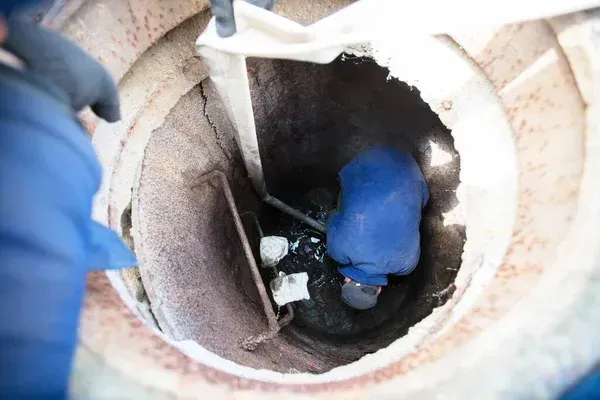
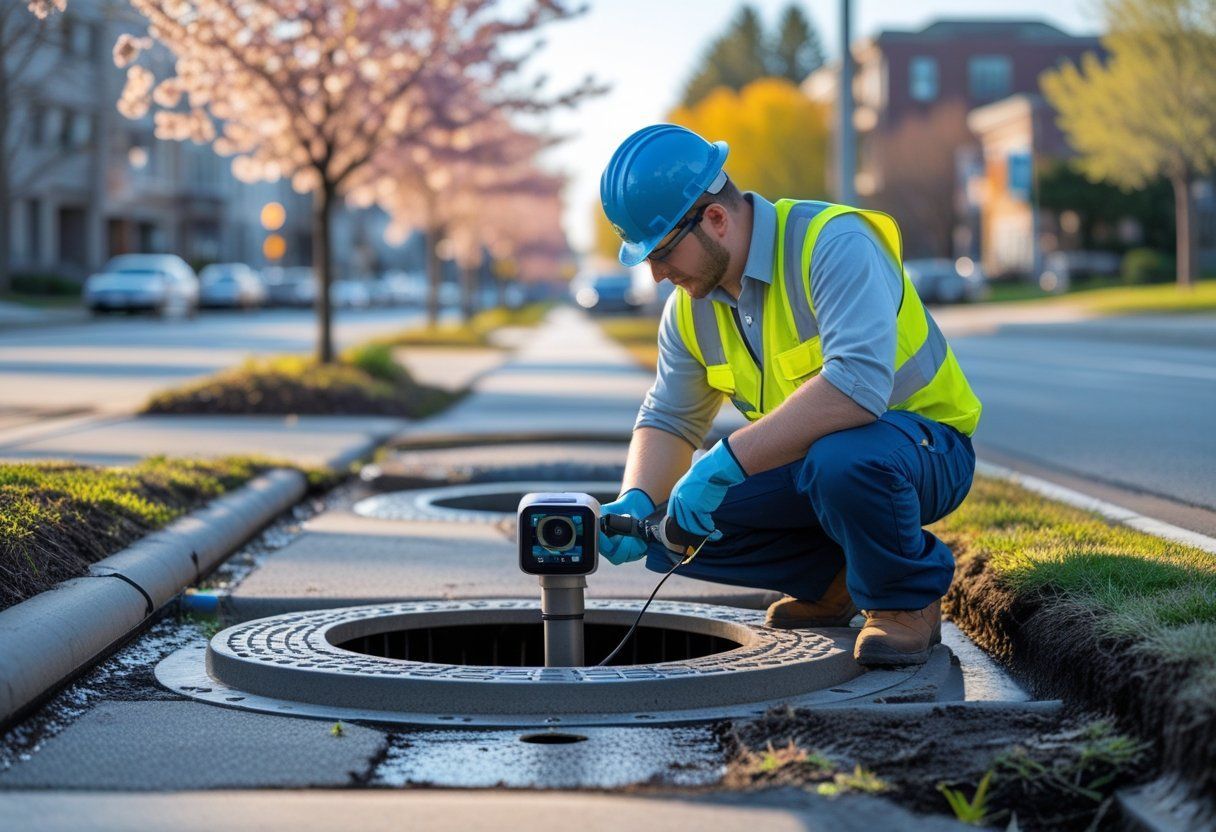
A sewer maintenance worker inspecting a sewer line outdoors near a manhole cover with seasonal trees and urban buildings in the background.

We explain how weather, ground conditions, and seasonal use change the risk to sewer lines. Picking the right months helps us find problems early and plan repairs with less cost and damage.

Impact of Seasonal Changes on Underground Sewer Lines

Cold weather shrinks soil and can expose joints in older sewer lines. Frost heave shifts pipes and can crack clay or cast-iron lines. Frozen ground also slows leak detection because water flow can be intermittent.

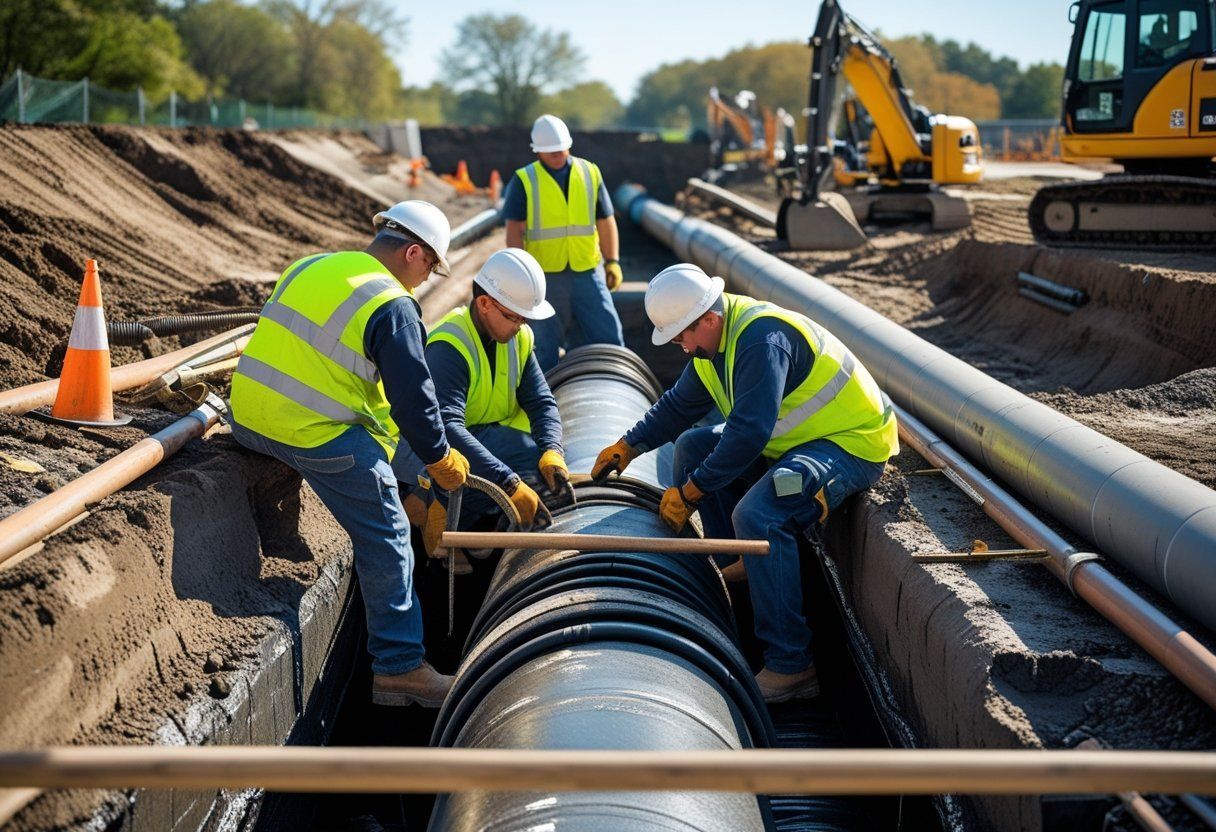
Heavy rain and spring thaw raise groundwater and soil saturation. That increases external pressure on pipes and can force roots into small cracks. Wet soil also makes trenching harder and can delay repairs if we need to excavate.

Seasonal use affects lines too. Winter holiday guests increase household wastewater and can reveal weak spots. Summer irrigation raises groundwater near lateral lines, which may reveal infiltration or joint failures during sewer inspection services.

Risks of Delaying Inspections

Delaying scheduled sewer inspections lets small issues become emergencies. A minor crack can grow through freeze-thaw cycles, leading to collapse or major backups. Emergency repairs cost more and often require full excavation.

Delays also increase health and property risks. Sews backups can damage basements and contaminate soil. Insurance claims may be denied if we can’t show routine seasonal maintenance or a recent sewer line inspection.

Postponing inspections can disrupt planning. We may miss windows when ground is dry enough for trenchless repair methods. That forces more invasive work and longer service interruptions for residents.

Spring vs. Fall Scheduling for Optimal Results

Spring inspections catch winter damage and the effects of thaw and heavy rain. We can find frost-related cracks and root intrusion that grew during winter. Scheduling in early spring gives time to plan repairs before heavy summer use.

Fall inspections let us assess damage from summer irrigation and root growth. Drier ground in early fall makes camera inspections and trenchless repairs easier. We can complete work before freezing temperatures complicate repairs.

We often recommend inspection timing based on local climate, soil type, pipe material, and sewer inspection services availability. For many areas, a fall inspection followed by a spring follow-up offers the best balance of detection and repair access.

Seasonal Factors Affecting Sewer Line Inspections

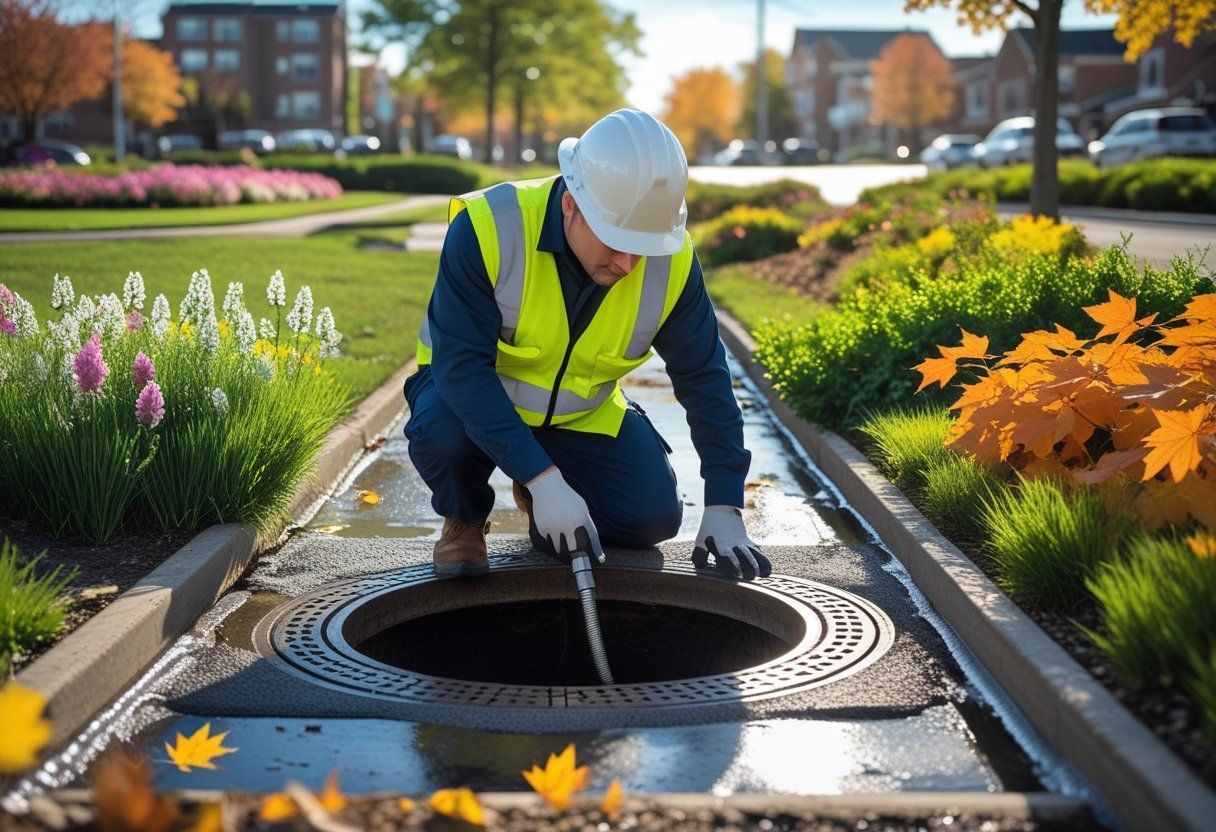
Technician inspecting a sewer manhole outdoors with seasonal elements like blooming flowers, green grass, autumn leaves, and light snow visible around.

We focus on the highest risk times for sewer trouble and what to look for during inspections. The details below show common causes, signs to watch for, and practical inspection priorities by season.

Winter: Addressing Freezing Pipes and Backups

We watch for freeze-related damage in early winter and during cold snaps. Cold ground and low temperatures can freeze shallow lateral lines and traps, causing slow drains or sudden backups when ice thaws.

We prioritize inspections of sections near foundations and shallow utility trenches. We check for prior freeze-crack repairs, frost heave signs, and soil that shifts over buried pipes. Video camera runs catch hairline cracks that leak only when frozen soil expands.

We also look for recurring clogs that become backups when ice blocks flow. We test low-flow fixtures and run water to confirm clear passage. If we find damage or blockage, we recommend timely repairs or insulation of exposed lines to reduce repeated winter failures.

Fall: Preventing Root Intrusion and Leaf Blockages

We inspect before heavy leaf fall to prevent root intrusion and leaf-stem blockages. Trees send more energy to roots in fall, which can push roots toward leaks and joints, causing tree root intrusion and recurring clogs within months.

We use camera inspections to spot root matting, early joint separation, and organic buildup. Clearing visible debris near cleanouts and trimming tree roots near sewer easements reduces risk. We check for slow drains in sinks and toilets, which often point to partial pipe obstruction by roots or compacted leaf debris.

We recommend coordinating root treatment or targeted repairs in fall to avoid winter backups and spring excavation when wet soil raises costs. Chemical root control and localized pipe lining can address root intrusion without full replacement.

Spring: Detecting Post-Thaw Damage and Clogs

We focus on damage that appears after freeze-thaw cycles and increased spring rain. Thawing soil shifts can open joints and expose cracks, leading to inflow, infiltration, and clogs from washed-in debris.

We inspect for sediment buildup, displaced pipe bedding, and new root entry points. Cameras reveal cracks that started as hairline freeze damage and now allow roots to invade. We test for slow drains and watch for sewer backups during storms, which signal combined damage and blocked flow.

We schedule inspections early in spring to catch problems before heavier water use. If we find cracks or recurring clogs, we consider relining or spot replacement and improve surrounding drainage to limit future soil movement and root access.

Summer: Tree Growth and Increased Water Use

We watch for accelerated tree root growth and higher household water flows in summer. Warm months boost root activity and increase irrigation runoff, which can exploit small leaks and create rapid clogging or recurring clogs.

We inspect areas near large trees and irrigated lawns for root intrusion and root-induced blockages. Camera surveys find root networks, offsets at joints, and grease or soap buildup from higher laundry and shower use. We also test flow capacity to ensure the line handles peak demand without backup.

We recommend timely root removal, targeted lining, and irrigation adjustments to keep roots from reaching pipes. Regular summer maintenance helps prevent sewer line problems that show up as slow drains or full backups during peak use.

Sewer Camera Inspection Methods and Technology

We explain how sewer camera inspections work, what technology we use, and where we can enter the line. You will learn practical details about cameras, wiring, and access points so you can plan inspections by season.

How Camera Inspections Work

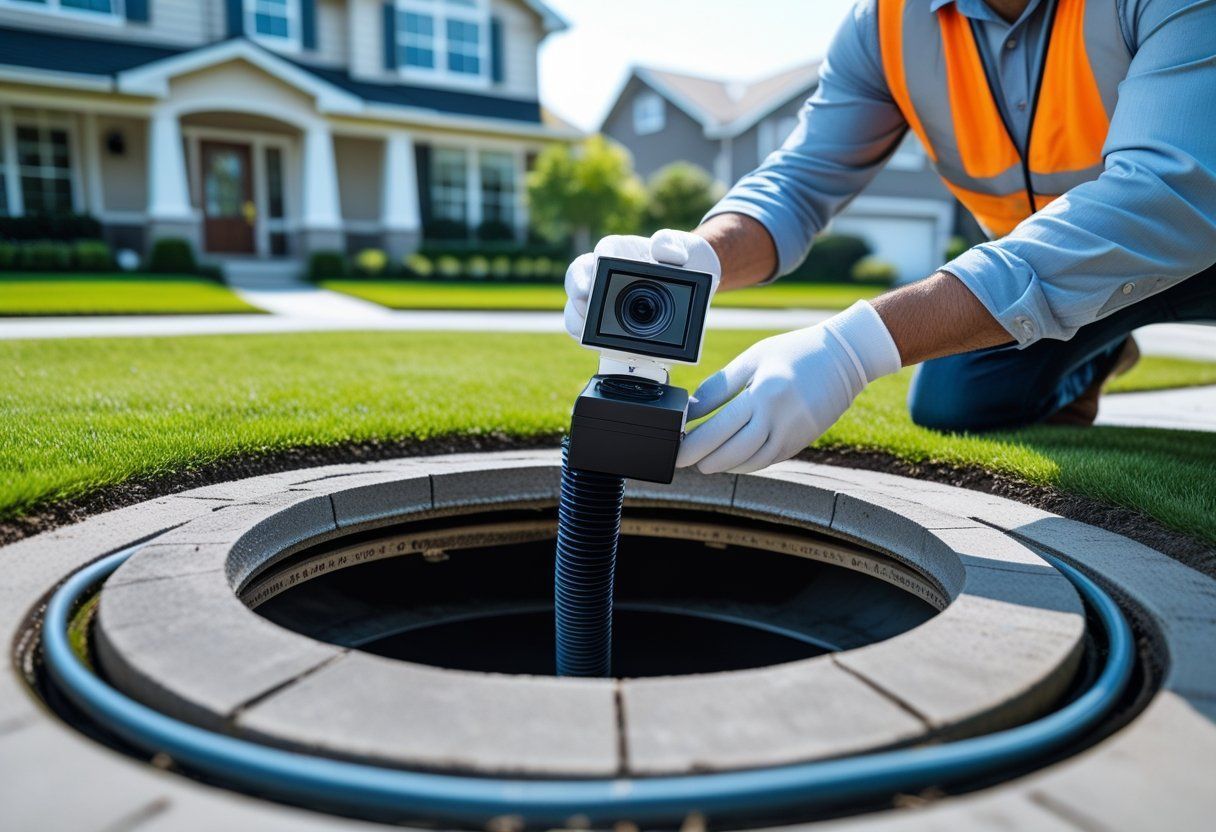
We push a flexible cable with a camera head into the sewer line from an access point. The camera sends live video to a monitor so we can see pipe joints, cracks, roots, and blockages in real time.

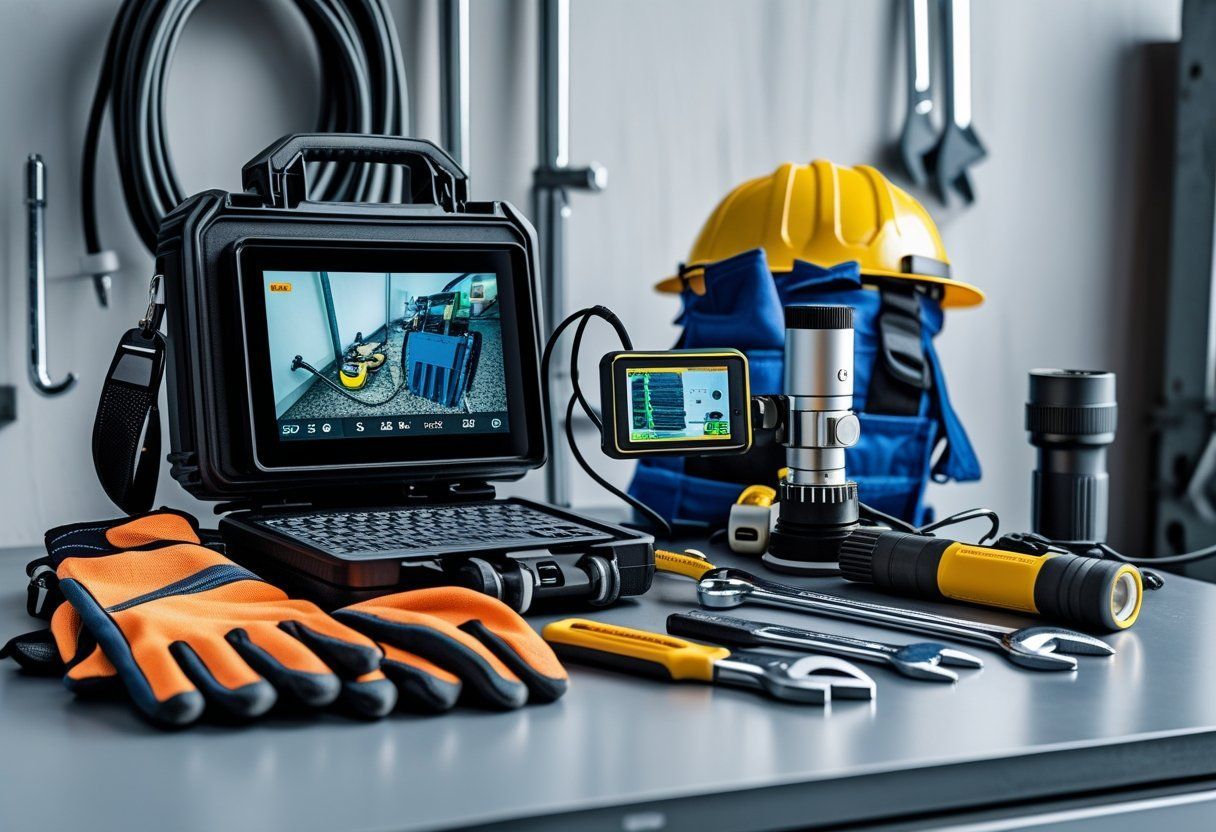
Most sewer line camera inspection systems include a reel, cable, camera head, and monitor recorder. The camera head often has LED lights and a rotating lens for 360° views. Some heads carry sonde transmitters for locating the pipe above ground.

We control the cable feed speed and angle to avoid damaging the line. We log footage and time stamps, and we capture stills of defects for reports. In longer runs we splice footage segments and note pipe materials and diameters.

Benefits of Sewer Scope and Waterproof Camera Use

We use waterproof cameras because sewer lines are wet and often full of debris. Waterproofing prevents short circuits and keeps images sharp even in flowing water.

A sewer scope inspection finds issues before they become emergencies. We detect root intrusions, collapsed sections, offset joints, and grease buildup. The recorded video helps plumbers and homeowners decide whether spot repairs, full relining, or pipe replacement is needed.

Waterproof, high-definition sewer line camera systems reduce guesswork. They let us quote repairs more accurately and save time on manual exploratory digging. Portable sewer cameras also speed up inspections in tight access areas.

Identifying Access Points and Inspection Limitations

We access sewer lines through cleanouts, manholes, and sometimes roof vents. Cleanouts near the foundation are the easiest entry for a sewer line camera inspection. Manholes allow inspections of main lines and longer runs.

We cannot always reach every segment. Collapsed pipes, very sharp bends, or sections blocked with heavy debris can stop the camera. In those cases we use locating sondes to mark the problem area and recommend excavation or high-pressure water jetting.

Some older homes lack convenient cleanouts; installing an access point may be required. We document each access used and note inspection limits in our report so repairs target the correct location.

Inspection Frequency, Cost, and Next Steps

We explain how often to inspect, what inspections typically cost, and which repair options to consider when problems appear. This helps you plan budgets and pick the right repair method for your situation.

Recommended Inspection Schedules

We recommend a baseline sewer camera inspection every 2-3 years for standard single-family homes built after 1990. Homes with clay, cast-iron, or older pipe materials should get inspections every 12-18 months. Properties with large trees near the sewer, frequent slow drains, or multiple backups need inspections after heavy rain or seasonal freeze-thaw events.

For rental units and commercial buildings, we advise annual inspections because higher usage raises wear risk. After any repair, we schedule a follow-up camera check within 6-12 months to confirm integrity. We also inspect before buying a property, and again immediately after landscaping or driveway work that could disturb the line.

Cost Considerations for Sewer Line Inspections

Typical sewer camera inspections run $150-$500, depending on access difficulty and line length. Emergency or same-day visits add $100-$300. If we need to locate lines with electronic sonde equipment, add $75-$200. Root cutting or jetting done at the same time increases cost by $150-$450.

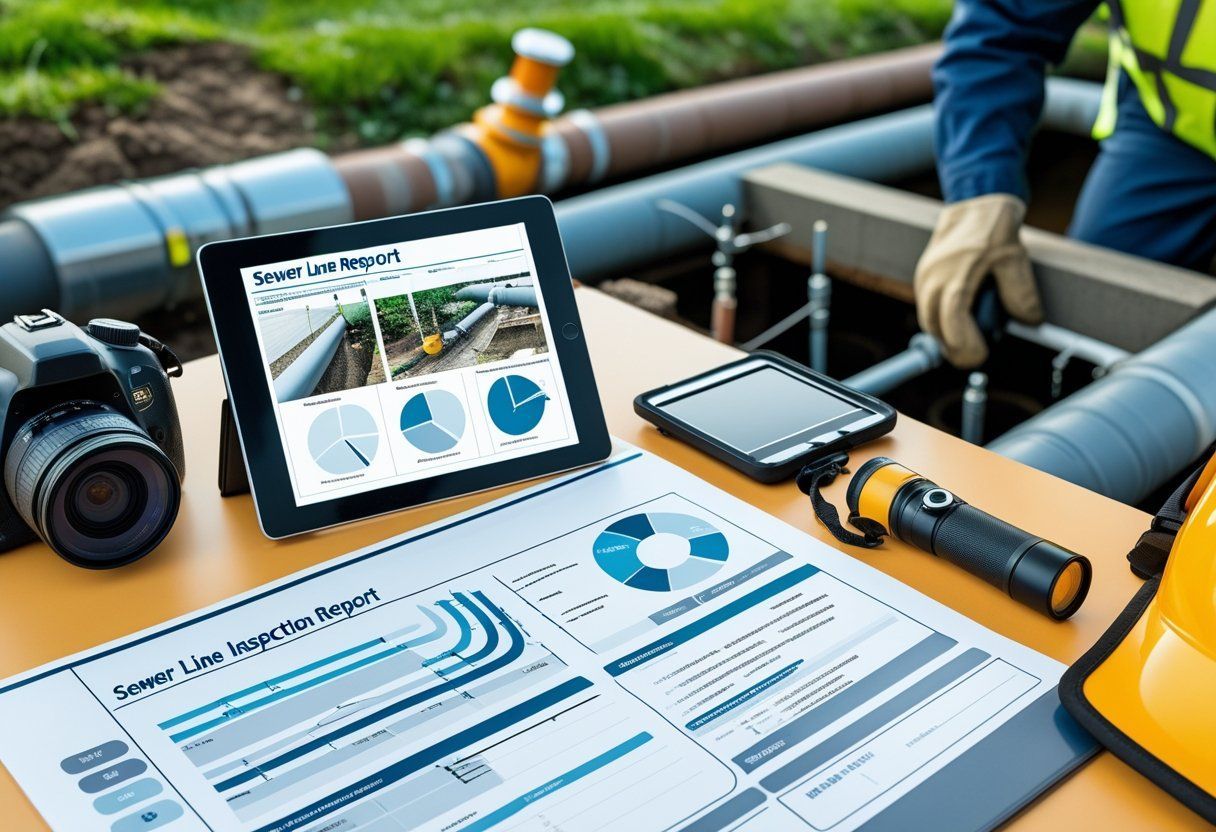
A detailed written report with video usually adds $50-$150. Many homeowners insurance policies do not cover routine inspections, though some maintenance plans or service contracts reduce per-inspection fees. Budget for follow-up diagnostics if the camera finds issues; exploratory digs or soil reports can cost $500-$1,500 more.

Options for Repair: Trenchless Solutions and Pipe Replacement

When we find defects, we weigh trenchless repair versus full sewer line replacement. Pipe lining (CIPP) seals cracks and joints and typically costs $80-$250 per linear foot. It preserves landscaping and driveways and works well when the existing pipe is continuous and not collapsed.

Pipe bursting replaces the old pipe by fracturing it while pulling a new pipe into place. Costs range $100-$300 per linear foot and can handle collapsed or severely offset lines. Trenchless repair reduces surface restoration costs, but if multiple collapsed sections or severe root intrusion exist, conventional sewer line replacement with open trenching may be required.

We base the choice on camera findings: minor cracks and root intrusions favor pipe lining; crushed or heavily offset pipe favors pipe bursting or open replacement. We provide itemized estimates that include excavation, bypass pumping if needed, and surface restoration so you can compare total costs and disruption.