Common Mistakes to Avoid During Sewer Line Inspections: Expert Tips for Accurate Assessments and Preventive Care

Stefani • January 18, 2026

Share this article

We know sewer line inspections feel technical and tense, but avoiding a few common mistakes protects your home and wallet. Start by planning the inspection, knowing what to look for, and involving a qualified professional when signs point to trouble. That simple approach cuts down on missed problems and costly surprises.

We will walk through how to prepare, what many people overlook, and why misreading results can lead to bigger damage. Follow our clear, practical tips to spot real issues and get the right help quickly.

Preparation and Planning for Sewer Line Inspections

We plan the inspection so it runs safely, quickly, and finds real problems. We check maps, pick the right camera gear, follow safety steps, and prepare the property and permits before we start.

Analyzing System Plans and Access Points

We gather building plans, as-built drawings, and plumbing riser diagrams to trace the sewer path. We mark all cleanouts, manholes, and laterals on a site plan. If plans are missing, we perform a quick site walk and use a locator to find buried access points.

We note pipe material, diameter, slope, and known problem spots like tree-root areas or grease traps. That helps us choose camera size, cable length, and whether we need push or tractor-style inspection cameras. We also record surface obstructions and vehicle access to plan staging for equipment.

Choosing the Right Sewer Camera Equipment

We match camera type to pipe size and condition. For 2-6 inch household lines, we use a push camera with a 2-4 inch diameter head. For larger mains or long runs, we select a tractor camera with remote controls and a longer cable reel.

We check camera resolution, lighting, and pan/tilt ability. We test the locator and sonde so we can map problem spots aboveground. We verify cable length, reel condition, and if we need cutter attachments or flushing tools. We pack spare bulbs, seals, and a small parts kit.

Ensuring Safety Protocols

We review confined-space rules, lockout-tagout needs, and utility locates before entry. We confirm everyone on site has PPE: gloves, eye protection, hard hats, and respirators when needed. We set up gas monitors to check for methane, hydrogen sulfide, and low oxygen.

We establish a clear communication plan and emergency exit routes. We keep a first-aid kit and an AED on site. We document safety checks and sign off before inserting cameras or opening manholes to protect our crew and clients.

Property Preparation and Permit Requirements

We notify occupants of water interruptions and work zones at least 24 hours ahead. We clear garages, basements, and yard access points so equipment can reach cleanouts or manholes without delay. We place plywood or ramps for footing over soft ground.

We check local codes for excavation or manhole permits and apply early if needed. For commercial properties, we confirm building owner authorization and insurance certificates. We secure traffic control or sidewalk closures when work affects public ways.

Common Mistakes Made During Sewer Line Inspections

We often see the same issues that raise repair costs and cause missed problems. These mistakes involve skipping regular checks, not inspecting the whole system, poor sewer camera use, and weak documentation.

Neglecting Regular Inspections

We skip routine sewer inspections and then miss early signs of wear. Regular sewer inspections catch slow leaks, pipe corrosion, root intrusion, and minor blockages before they become emergencies. Waiting years between checks means a small crack can grow into a collapse.

Homeowners and property managers should schedule inspections every 1-3 years, or after major landscaping or foundation work. We also recommend an inspection after heavy storms or backups. Planning regular checks reduces surprise repairs and lowers long-term costs.

Incomplete System Evaluation

We sometimes inspect only an easy-access section and ignore the rest of the line. A partial sewer line inspection misses hidden defects in lateral lines, junctions, and under paved areas. Problems often start where pipes change size, at laterals, or near tree roots spots we must include.

During a sewer camera inspection, we trace the line from the cleanout to the main sewer and test all lateral connections. We also check pipe material, slope, and any offsets. Doing a full system evaluation prevents repeated visits and gives a clear basis for repairs.

Inadequate Camera Checks and Poor Lighting

We rely on a sewer camera but use it poorly or with bad lighting. A dirty lens, wrong camera speed, or weak light causes grainy images and missed fractures or small leaks. Low-quality footage hides hairline cracks and early root penetration.

We keep the sewer camera lens clean, adjust light levels for dark mains, and move the head slowly at irregular spots. Recording the inspection in high resolution and taking still images at defects gives a better record. Proper camera technique reduces guesswork and avoids unnecessary digging.

Improper Documentation and Reporting

We often fail to document findings clearly or keep precise reports from sewer camera inspections. Vague notes like “pipe issue” or no timestamped video make it hard to plan repairs or compare past inspections. Lack of photos, measurements, and GPS or distance markers reduces the value of the inspection.

We produce a written report with labeled photos, video timestamps, footage distances from the cleanout, and severity ratings for each defect. We include recommended actions and cost estimates. Clear documentation helps contractors quote jobs accurately and helps owners track condition over time.

Overlooked Sewer Line Problems and Their Consequences

We focus on common hidden issues that cause most inspection failures and costly repairs. Knowing specific signs and likely outcomes helps us prioritize fixes and avoid emergencies.

Tree Root Intrusion and Vegetation Issues

Tree roots seek moisture and will grow into small cracks or joints in sewer lines. We often find roots in older clay or cast iron pipes, especially at joints or offsets. Roots can intrude through a hairline crack and then expand, forming a tight mass that blocks flow.

When roots collect inside a pipe, they cause recurring clogs and slow drains. Roots also break seals and widen cracks, which leads to sewage leaks into the soil. Repairs can range from root cutting and chemical treatments to full pipe replacement when roots have fractured the pipe or collapsed sections.

Preventive steps include removing problematic trees, installing root barriers, and replacing failing joints with seamless, root-resistant pipe materials. Regular camera inspections let us spot regrowth early before structural damage occurs.

Pipe Corrosion and Aging Infrastructure

Older materials, such as cast iron and vitrified clay, corrode and weaken over decades. Corrosion thins pipe walls, causes pitting, and eats away at joints. We see this most often in cast iron lines with rust flakes and rough internal surfaces that trap debris and grease.

Corroded pipes leak sewage into surrounding soil and allow groundwater to infiltrate the system. These leaks cause sinkholes, foul odors, and contaminated yard areas. Corrosion also makes pipes brittle, increasing the risk of sudden collapse under load.

Addressing corrosion usually requires relining the pipe with epoxy or replacing sections with corrosion-resistant materials like PVC or HDPE. We plan repairs based on inspection footage and measurements of wall loss to avoid repeated failures.

Sediment, Grease, and Debris Buildup

Sediment, grease, and household debris collect in low spots and bends where flow slows. We commonly find hardened grease layers, flushable-wipe clumps, and sand or mineral sediment forming a partial plug. These build-ups reduce capacity and change flow patterns.

As buildup grows, backup risks climb and small solids begin to catch on the mass, accelerating blockage. Grease is sticky and traps wet wipes and rags, creating dense blockages that root cutters or basic snaking can’t remove. Sediment can settle and weigh down pipes, contributing to sagging and eventual collapse.

We remove deposits with hydro-jetting, mechanical rodding, or a combination. After cleaning, we recommend source control proper disposal of fats, oils, and non-flushables and periodic maintenance to prevent recurrence.

Cracks, Leaks, and Collapsed Pipes

Cracks range from tiny hairline fractures to full fractures that let sewage escape. Ground movement, heavy traffic above, and tree roots all cause stress that leads to cracking. When cracks widen or joints fail, we detect sewage leaks in yard soil, wet spots, or unexplained sinkholes.

Collapsed pipes occur when structural integrity is lost often after long-term corrosion, heavy external loads, or undermining by leaks. A collapsed section stops flow entirely and forces sewage to back up or exit through cleanouts and floor drains.

Repair options depend on damage extent: spot repairs or cured-in-place pipe (CIPP) trenchless lining for localized cracks, and full replacement for collapsed or heavily broken sewer lines. We document the exact location and length of damage with camera footage to choose the least invasive and most durable fix.

Misinterpretation and Lack of Professional Guidance

We often see the same mistakes when we review inspection reports and camera footage. Misreading images, delaying action, using findings incorrectly, or skipping a licensed plumber all cause small sewer issues to become big problems.

Misreading Camera Footage and Overlooking Warning Signs

We must read camera footage slowly and methodically. A camera angle can make a small crack look like a full break or hide a minor offset that causes slow drains and recurring clogs. Bright glare or muddy water can obscure hairline fractures and early pipe misalignment.

When we spot silt, roots, or scale buildup, we should mark the distance and note whether flow slows at that point. These are warning signs of sewer line damage that can lead to sewage backup.

We should never assume a clear run means the system is healthy. Some clogs start as partial obstructions from grease or paper, and they return after a short time. Recording timestamps and repeat passes helps confirm whether an issue is intermittent or persistent.

Delaying Analysis and Action

We must act quickly on clear defects. Waiting on a small misaligned pipe or early leak often lets corrosion and root invasion worsen. A tiny sewage leak can erode bedding and cause a larger collapse in months.

Delays also increase the chance of sewage backups into the building, which raises cleanup costs and health risks. If a camera finds recurring slow drainage or standing water, we should prioritize immediate cleaning and targeted repair assessments.

We should set deadlines for decision points: cleaning within 48 hours, secondary inspection within a week, and repair planning within two weeks for any structural concerns.

Improper Use of Findings for Repairs

We must match repair methods to actual defects, not to assumptions. Using a plumbing snake to clear a root-invaded section can remove the blockage temporarily but leaves the root source and pipe misalignment intact. That leads to repeat clogs and eventual pipe replacement.

Trenchless lining works for small cracks and holes but fails on severe misaligned joints or collapsed sections. If we base repairs only on a single camera pass, technicians might apply the wrong fix.

We should document footage, still images, and distance markers, then choose cleaning, spot repair, lining, or full replacement based on those specifics. This reduces rework and limits sewage backups from incomplete fixes.

Not Consulting a Licensed Professional

We must involve licensed plumbers for any structural concerns. Homeowners and unlicensed technicians can miss subtle signs of sewer line problems, like gradual grade changes that cause slow drainage or hidden root intrusions behind bends.

Licensed professionals provide accurate diagnosis, code-compliant repair plans, and access to proper tools for pipe replacement or lining. They also carry insurance and warranties that protect us if sewage leak repair fails.

When we face recurring clogged drain issues or signs of sewer line damage, we should get a licensed plumber to verify camera findings and recommend the correct repair path.

Recent Posts

Fast Response Plumbing technician servicing a water shut off valve in San Francisco
By Joe Tinsley July 17, 2026
Learn how gate valves, ball valves, and angle stops work, where to find them in your San Francisco home, and when to replace them. FAQs inside.
Budgeting for Unforeseen Sewer Line Maintenance Expenses
By Stefani January 31, 2026
Sewer line problems can hit your wallet fast, and we know the stress of a surprise repair. We show you how to plan a practical budget that covers emergency fixes, regular upkeep, and the big costs that sneak up on you. This saves you money and keeps small issues from turning into major failures. We […]
Seasonal Effects on Sewer Line Maintenance Costs
By Stefani January 30, 2026
You’ll want to know how seasons change what you pay for sewer line maintenance so you can plan ahead and avoid surprise bills. Seasonal weather, ground movement, and plant growth directly affect repair needs and costs, so budgeting by season cuts unexpected expenses. We outline what shifts costs, when repairs most often happen, and which […]
The Role of Location in Sewer Line Maintenance Pricing
By Stefani January 29, 2026
You’ll pay different amounts for sewer line maintenance depending on where your property sits and what’s under it. Location drives cost through factors like soil type, access difficulty, local labor rates, and permit rules, so knowing these lets you predict and plan for expenses. We’ll show how those local details shape quotes and outcomes. We’ll […]
Analyzing Material Expenses for Effective Sewer Line Care
By Stefani January 28, 2026
We’ll break down the real costs that matter for keeping a sewer line working well so you can plan and avoid surprises. You’ll learn which materials and fees drive most of the expense and how small choices can lower long-term costs. We’ll look at costs for parts, tools, permits, and regular cleaning, plus where labor […]
Understanding the Impact of Labor Costs on Sewer Line Maintenance
By Stefani January 25, 2026
You want to know how labor costs shape sewer line care and what that means for your wallet. We will show how wages, crew size, and the repair method you choose change the final bill so you can plan smarter and avoid surprises. Knowing which labor factors most drive costs lets you pick repair options […]
How to Interpret Sewer Line Inspection Reports
By Stefani January 24, 2026
You’ll get clear steps to decode the most important parts of a sewer line inspection report so you can act with confidence. We show you how to spot real problems, what each defect means, and which issues need immediate repair versus routine maintenance. We break the report into simple pieces what the camera images show, […]
Tool kit with hard hat, gloves, laptop, and handheld device on a workbench in a workshop
By Stefani January 23, 2026
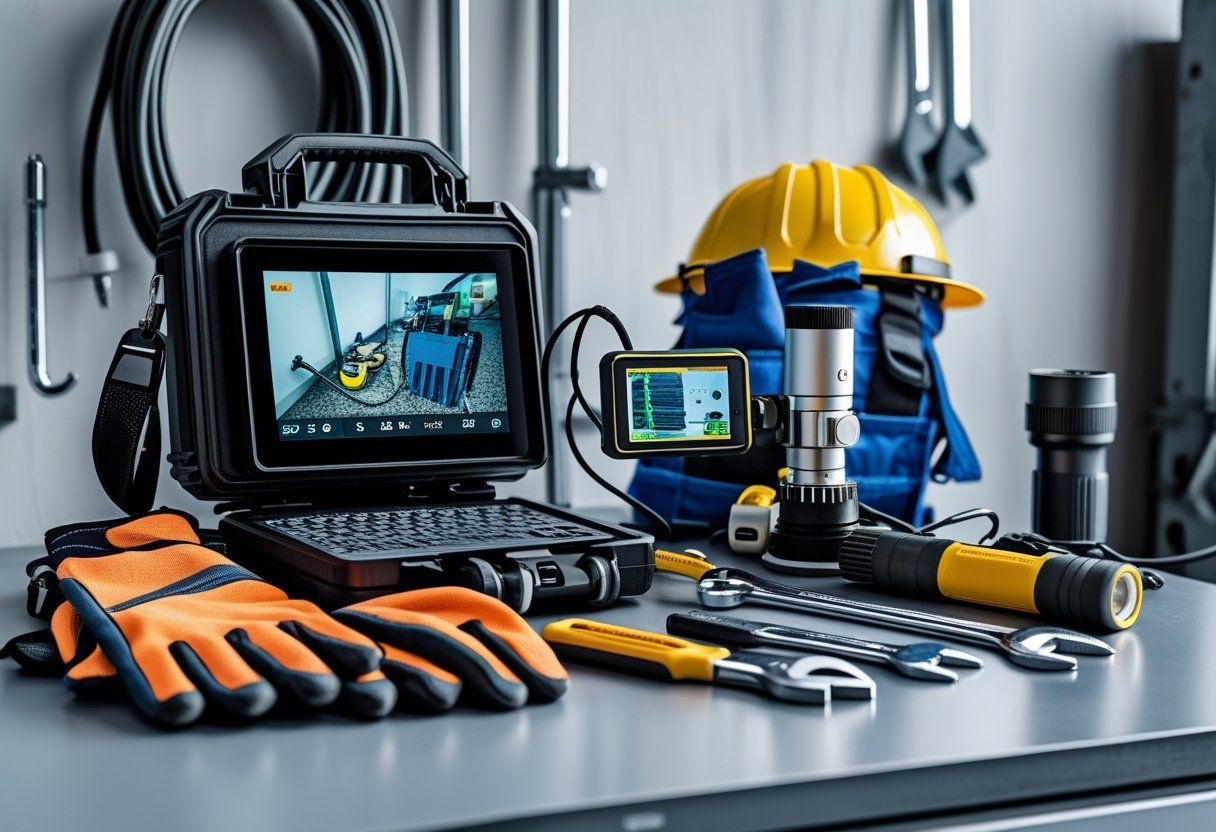
You want tools that give clear answers fast so you can find problems and fix them right. We rely on high-quality sewer cameras, locating gear, and cleaning tools to spot cracks, blockages, and defects in sewer lines accurately. Knowing which tools to use helps a plumber save time and avoid costly mistakes. We will walk […]
Worker in blue hard hat inspecting a manhole on a street with a camera device
By Stefani January 22, 2026
You want sewer line inspections timed so they catch problems before they get costly or urgent. We recommend scheduling inspections based on seasonal risks winter freeze, spring thaw, and heavy fall rains because timing cuts repair costs and prevents service interruptions. We will explain how weather, soil movement, and tree roots change the risk level […]
Worker inspecting a sewer pipe with a camera near a suburban sidewalk
By Stefani January 17, 2026
You want to buy a home without hidden sewer problems costing you thousands later. We show how a pre-purchase sewer line inspection can spot clogs, breaks, tree root intrusion, and aging pipes before you sign the papers, helping you avoid surprise repairs and negotiate repairs or price adjustments. We walk through why these inspections matter, […]
Show More