
Understanding Your Home Insurance and Burst Pipe Damage: A Comprehensive Guide

Stefani • March 14, 2025

Share this article

Homeowners Insurance Coverage

Our homeowners insurance coverage is an important part of protecting our homes from various risks. It’s key to know the types of coverage, what events are included, and how deductibles affect claims. Understanding these points can help us make informed decisions that suit our needs and budget.

Types of Coverage and Policy Limits

Homeowners insurance policies offer different types of coverage that include dwelling, personal property, liability, and additional living expenses.

  • Dwelling coverage protects the structure of our home.
  • Personal property coverage keeps our belongings safe.
  • Liability coverage helps if someone is injured on our property.

Coverage limits vary, so it’s essential we choose amounts that suit our specific needs. It’s also important to consider if we need additional coverage, like renters insurance or flood insurance, for more protection. This way, we ensure our home is well-covered in most situations.

What Is and Isn’t Covered

Homeowners insurance typically covers damage from events like fire, theft, and certain natural disasters. However, damage due to neglect or lack of maintenance is not covered. For example, if a pipe bursts because of poor upkeep, coverage might be denied. We should regularly maintain our homes to avoid such issues.

Additionally, some natural disasters, such as floods or earthquakes, often require separate policies like flood insurance. Knowing exactly what’s covered helps us avoid surprises when filing a claim.

Understanding Deductibles

Deductibles are what we pay out-of-pocket before our insurance kicks in. A higher deductible generally means a lower premium, but it also means more costs if a claim arises. It’s crucial to choose a deductible amount that’s comfortable for us financially.

When deciding on a deductible, we should consider our budget and how much we could afford to pay if something unexpected happens. Understanding this balance helps us manage our insurance expenses wisely.

Identifying and Mitigating Risks

It’s important to protect our homes from damage caused by burst pipes. We need to know how to prevent pipes from freezing, maintain our plumbing systems, and spot signs of gradual damage. These steps can save us from expensive repairs and water damage.

Preventing Frozen and Burst Pipes

To avoid frozen pipes, especially in winter, we should insulate exposed pipes. Using pipe sleeves or heat tape can help. During very cold weather, letting water trickle from faucets keeps water moving and reduces freezing risk.

When away from home, we should keep the thermostat above freezing. This prevents indoor pipes from freezing. It’s also smart to open cabinet doors under sinks. This allows warm air to circulate around pipes.

Maintaining Your Plumbing System

Regular maintenance is key. We should check for leaks or drips and repair them instantly. Neglecting such issues can lead to burst pipes and costly damage. A professional inspection annually is a wise option.

Checking and replacing worn-out washers and seals in faucets is crucial. Such simple fixes prevent potential leaks. We should routinely examine hoses on appliances like dishwashers and washing machines for wear and tear.

Recognizing Gradual Damage

Gradual damage signals can often be subtle. Look for stains, damp spots, or mold on walls, floors, or ceilings. These signs often indicate slow leaks or faulty plumbing.

Bad odors from drains might suggest hidden issues. We should investigate them promptly. Listening for sounds of running water when taps are off is also essential. This might indicate a hidden leak. Spotting and fixing problems early can prevent severe damage.

Navigating Insurance Claims for Burst Pipe Damage

Burst pipes can cause significant water damage to our homes, and it’s crucial to know how to navigate the insurance claims process. This section will guide us through filing a claim, documenting the damage, and handling any disputes that may arise.

Steps for Filing a Claim

First, we should contact our insurance company as soon as we notice a burst pipe causing damage. It’s important to act quickly to prevent further property damage. When we call, we need our policy number ready and be prepared to explain the situation clearly. The insurance company will guide us on the next steps and assign a claims adjuster to assess the damage.

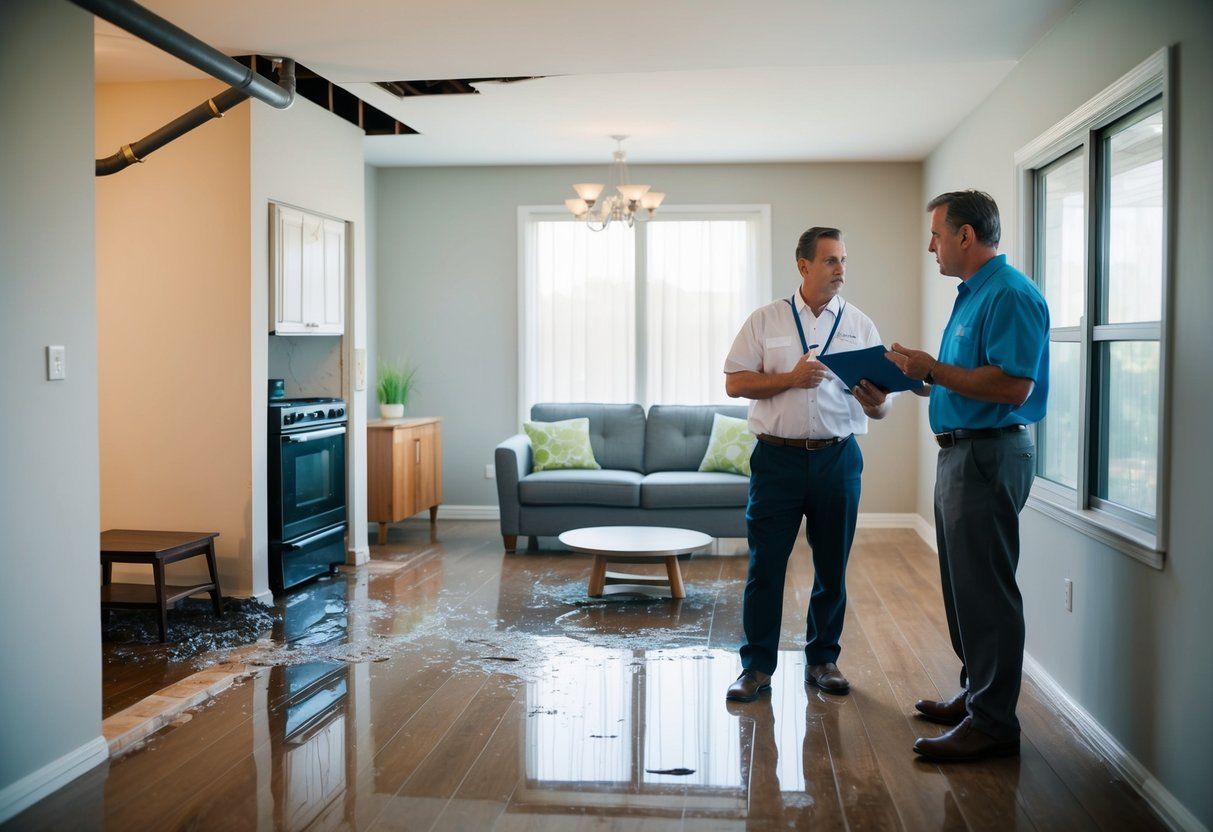
After the initial contact, we should fill out any required forms provided by the insurance company. This step is crucial because missing information could delay processing our claim. Once we submit everything, we can expect an adjuster to visit our home to evaluate the damage. Keeping a detailed record of all interactions with the insurance company is vital here.

Documenting Water Damage

To strengthen our claim, we need to document the water damage thoroughly. Taking clear and detailed photos of the affected areas is essential. We should capture images of any damaged floors, walls, and personal belongings. It’s also helpful to make a list of items affected, including the estimated costs for repairs or replacements.

Maintaining a record of any repair work or cleanup efforts we perform is important. We should keep receipts and invoices for any expenses related to repairs or temporary housing if necessary. This information will support our claim by providing tangible proof of the damage and associated costs, ensuring that we’re well-prepared for the insurance adjuster’s assessment.

Handling Claims Disputes

Sometimes, disagreements with the insurance company may occur. If the claim settlement offered is lower than expected, we can challenge it. It’s essential to have detailed documentation and evidence ready to support our case. We may choose to negotiate directly with the insurance company or hire a public adjuster for additional support.

Filing a formal complaint with the insurance company’s claims department can be a necessary step. Presenting clear, calm, and factual evidence of our case increases our chances for a favorable outcome. If necessary, we might also consider seeking legal advice to resolve any persistent issues. Staying organized and proactive will help us reach a fair settlement.

Understanding Additional Living Expenses Coverage

When a disaster strikes our home, we might need additional living expenses (ALE) coverage. This part of our homeowners policy helps pay for extra costs if we have to live somewhere else temporarily.

Examples of Expenses:

  • Hotel Bills: If we can’t stay at home, ALE helps cover hotel costs.
  • Meals: Eating out can get pricey. ALE can cover the extra food costs.
  • Transportation: We may need to travel further. This cost can be included.

Each policy is different. It’s important to check the details of our policy. ALE usually covers expenses for a set amount of time or up to a specific dollar limit.

Important Points to Note:

  • Limited Time: Coverage isn’t forever. We need to understand how long our policy covers us.
  • Max Coverage: There’s often a maximum amount for coverage.

ALE coverage can be a lifesaver during emergencies. Knowing our policy helps us feel more secure when unexpected events happen.

Addressing Water Damage and Secondary Issues

When pipes burst, they can flood areas of our homes, leading to water damage and potential mold growth. It’s crucial to act quickly and understand the differences between our standard homeowners policy and a flood policy.

Dealing with Flooding and Water Removal

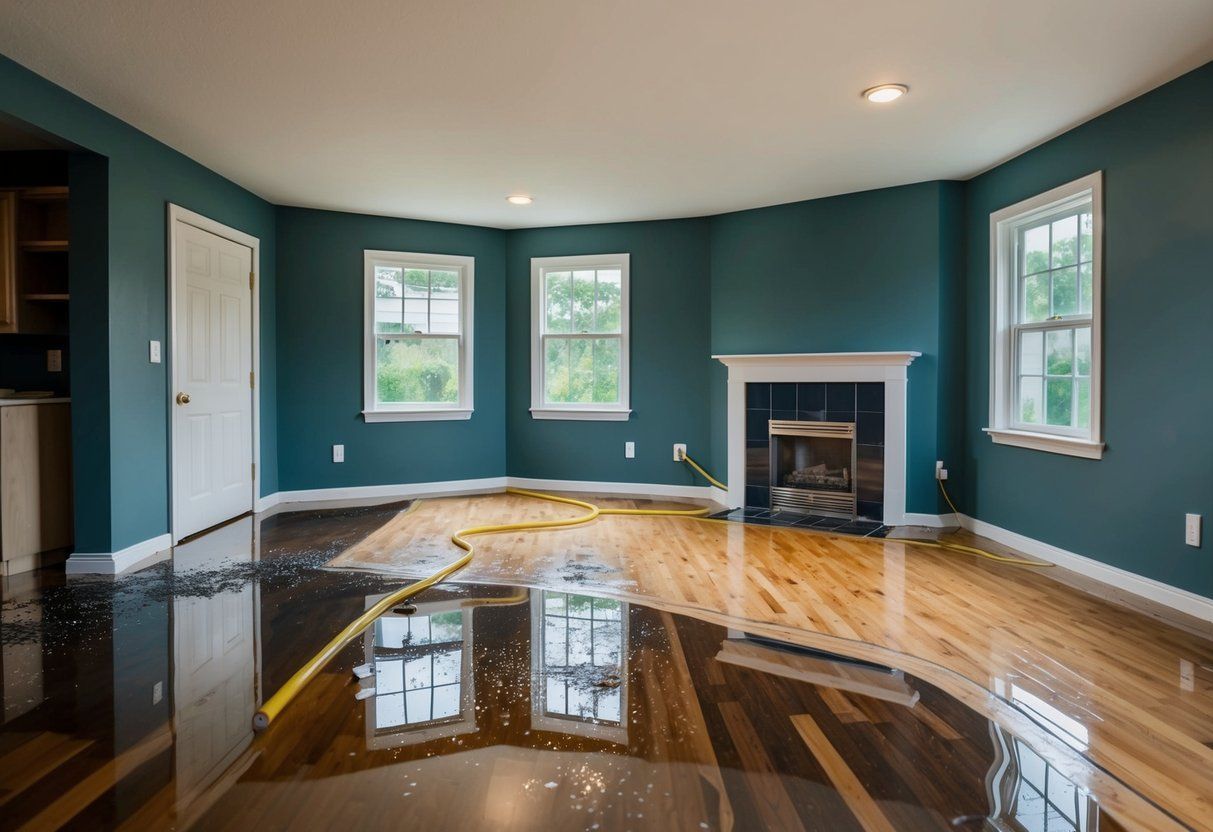
A burst pipe can lead to significant flooding in our homes. Immediate action is essential to minimize water damage. We should start by shutting off the water supply to stop further flooding. After that, using a wet/dry vacuum can help remove the standing water.

In cases of severe floods, it might be best to contact professional water removal services. They use advanced equipment to thoroughly extract water. This prevents additional issues, such as structural damage and potential mold growth, from becoming serious problems in our homes.

Mold Remediation and Cleanup

After addressing the immediate threat of water, mold cleanup should be our next focus. Mold can begin to grow within 24 to 48 hours after water exposure, posing health risks and damaging our home’s structure. We must remove all wet materials and dry out the area quickly.

Hiring a mold remediation expert ensures that hidden mold is also addressed. They have the tools and expertise to thoroughly clean and treat affected areas. Remember, tackling mold early can keep repair costs down and maintain a healthy living environment for us and our families.

Flood Policy Vs. Standard Homeowners Policy

Understanding the difference between flood policies and standard homeowners insurance is essential for our financial protection. A typical homeowners policy generally covers water damage from events like burst pipes. However, it usually does not cover flood damage resulting from natural disasters.

In contrast, a flood policy specifically addresses damages caused by external flooding. We should review our insurance options and consider whether we need additional coverage. Exploring these policies can help us make informed decisions that best protect our home and our finances.

Recent Posts

Fast Response Plumbing technician servicing a water shut off valve in San Francisco
By Joe Tinsley July 17, 2026
Learn how gate valves, ball valves, and angle stops work, where to find them in your San Francisco home, and when to replace them. FAQs inside.
Budgeting for Unforeseen Sewer Line Maintenance Expenses
By Stefani January 31, 2026
Sewer line problems can hit your wallet fast, and we know the stress of a surprise repair. We show you how to plan a practical budget that covers emergency fixes, regular upkeep, and the big costs that sneak up on you. This saves you money and keeps small issues from turning into major failures. We […]
Seasonal Effects on Sewer Line Maintenance Costs
By Stefani January 30, 2026
You’ll want to know how seasons change what you pay for sewer line maintenance so you can plan ahead and avoid surprise bills. Seasonal weather, ground movement, and plant growth directly affect repair needs and costs, so budgeting by season cuts unexpected expenses. We outline what shifts costs, when repairs most often happen, and which […]
The Role of Location in Sewer Line Maintenance Pricing
By Stefani January 29, 2026
You’ll pay different amounts for sewer line maintenance depending on where your property sits and what’s under it. Location drives cost through factors like soil type, access difficulty, local labor rates, and permit rules, so knowing these lets you predict and plan for expenses. We’ll show how those local details shape quotes and outcomes. We’ll […]
Analyzing Material Expenses for Effective Sewer Line Care
By Stefani January 28, 2026
We’ll break down the real costs that matter for keeping a sewer line working well so you can plan and avoid surprises. You’ll learn which materials and fees drive most of the expense and how small choices can lower long-term costs. We’ll look at costs for parts, tools, permits, and regular cleaning, plus where labor […]
Understanding the Impact of Labor Costs on Sewer Line Maintenance
By Stefani January 25, 2026
You want to know how labor costs shape sewer line care and what that means for your wallet. We will show how wages, crew size, and the repair method you choose change the final bill so you can plan smarter and avoid surprises. Knowing which labor factors most drive costs lets you pick repair options […]
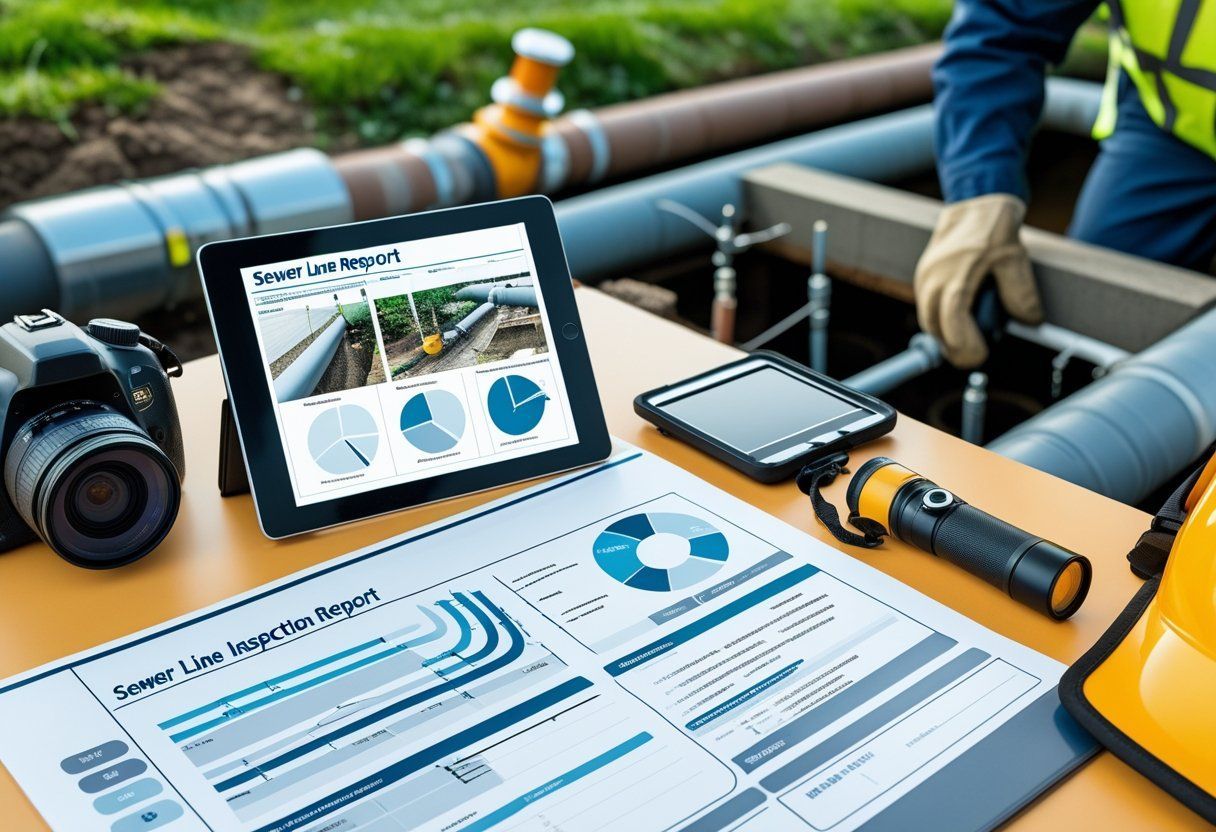
How to Interpret Sewer Line Inspection Reports
By Stefani January 24, 2026
You’ll get clear steps to decode the most important parts of a sewer line inspection report so you can act with confidence. We show you how to spot real problems, what each defect means, and which issues need immediate repair versus routine maintenance. We break the report into simple pieces what the camera images show, […]
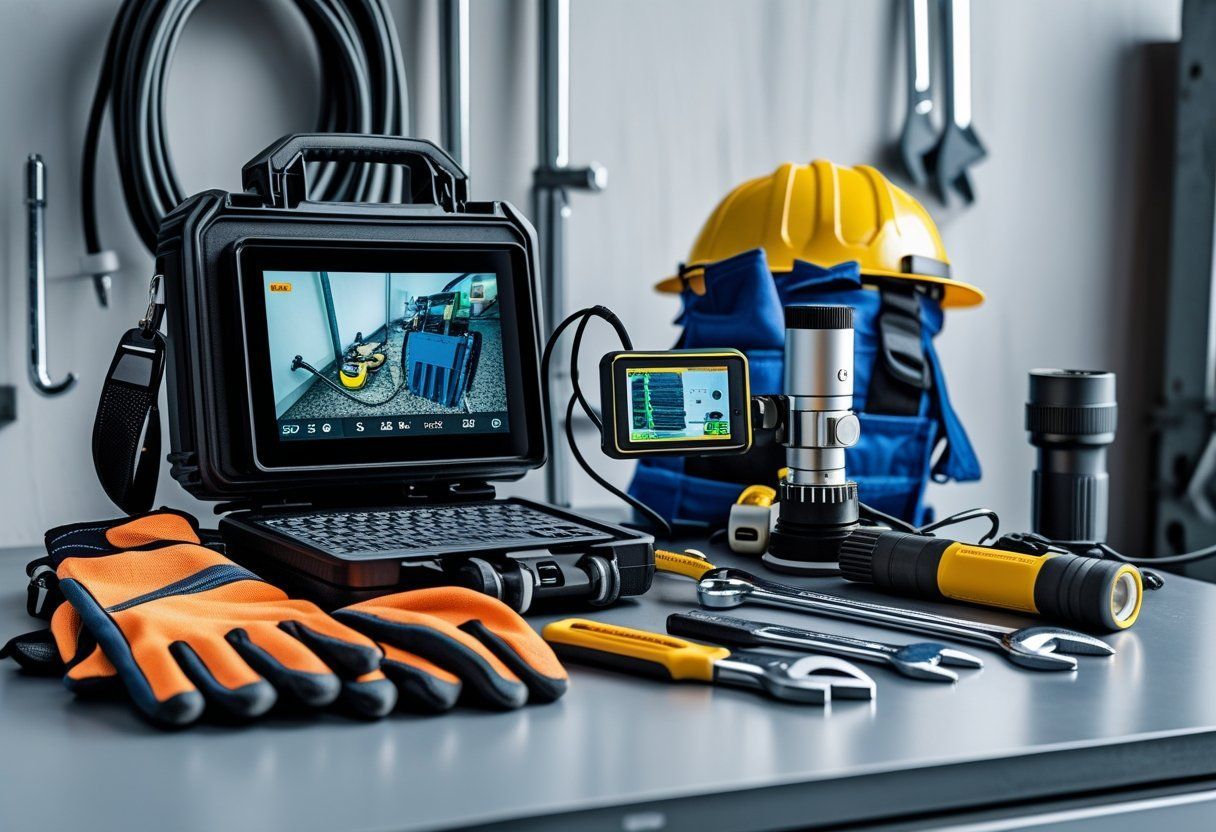
Tool kit with hard hat, gloves, laptop, and handheld device on a workbench in a workshop
By Stefani January 23, 2026
You want tools that give clear answers fast so you can find problems and fix them right. We rely on high-quality sewer cameras, locating gear, and cleaning tools to spot cracks, blockages, and defects in sewer lines accurately. Knowing which tools to use helps a plumber save time and avoid costly mistakes. We will walk […]
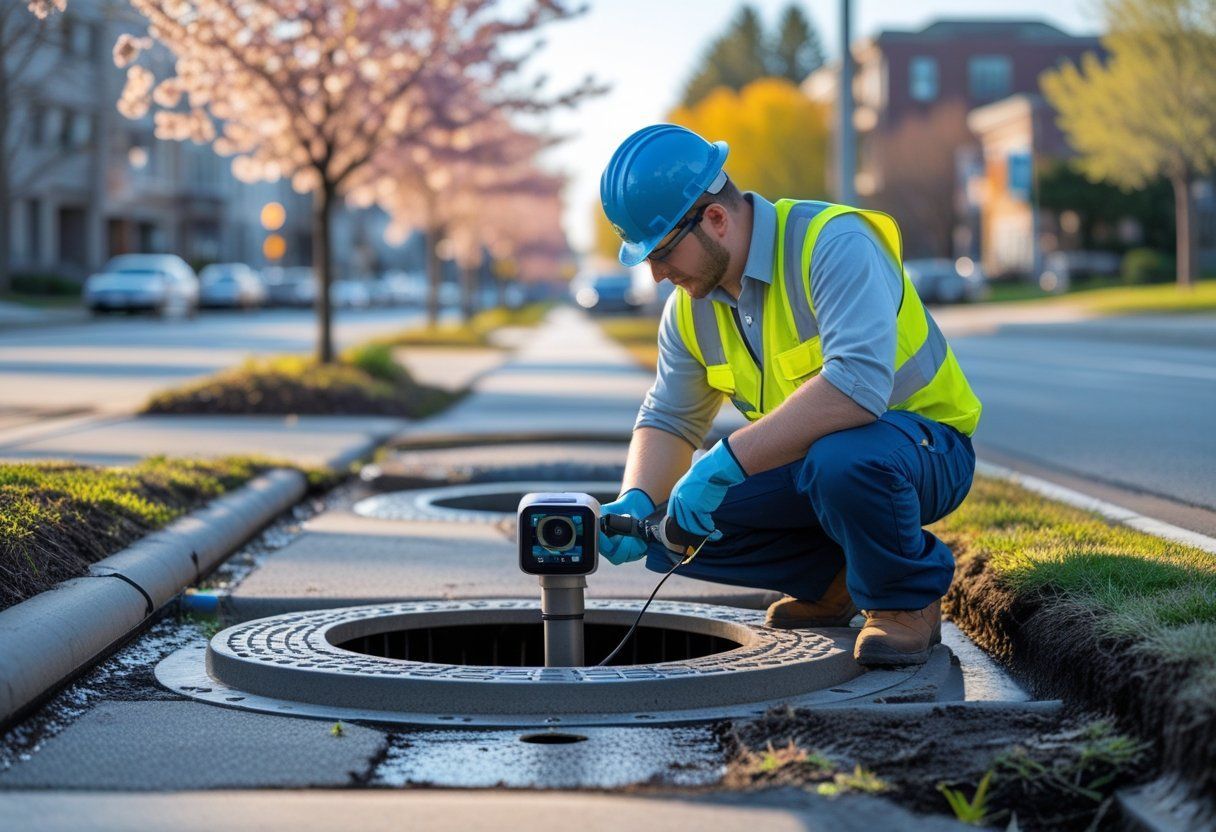
Worker in blue hard hat inspecting a manhole on a street with a camera device
By Stefani January 22, 2026
You want sewer line inspections timed so they catch problems before they get costly or urgent. We recommend scheduling inspections based on seasonal risks winter freeze, spring thaw, and heavy fall rains because timing cuts repair costs and prevents service interruptions. We will explain how weather, soil movement, and tree roots change the risk level […]
Common Mistakes to Avoid During Sewer Line Inspections
By Stefani January 18, 2026
We know sewer line inspections feel technical and tense, but avoiding a few common mistakes protects your home and wallet. Start by planning the inspection, knowing what to look for, and involving a qualified professional when signs point to trouble. That simple approach cuts down on missed problems and costly surprises. We will walk through […]
Show More