
How Long Does it Take to Repair a Burst Pipe: Essential Time Factors Explained

Stefani • March 12, 2025

Share this article

Understanding Burst Pipes

When pipes burst, it can cause serious water damage. We’ll explore why pipes burst and which types of pipes are most at risk.

Causes of Pipe Bursts

Pipes can burst due to several reasons. Extreme cold is a major cause; water in the pipes can freeze, expand, and cause the pipe to break. High water pressure can also stress pipes, leading to breaks.

Corrosion is another factor, especially in older pipes, weakening over time. Sometimes outside forces like tree roots growing near pipes or physical damage during construction can also lead to bursts.

Types of Pipes Prone to Bursting

Different pipe materials react differently to conditions. Copper pipes, commonly used in homes, can freeze and burst in cold weather. PVC pipes, often used for drainage, become brittle in the cold and are more likely to crack.

Galvanized steel pipes are prone to corrosion, leading to bursts over time. PEX pipes have more flexibility, making them more resistant to freezing, but they can be damaged by physical impact. Choosing the right kind of pipe based on your local conditions can reduce the risk of bursts.

Immediate Response to a Burst Pipe

When a pipe bursts in our home, acting quickly is crucial to minimize damage. Taking immediate steps ensures safety and controls water flow, while temporary fixes like epoxy putty help hold off further leakage until professional help arrives.

Initial Steps and Caution

First, we must turn off the main water supply to stop the flooding. This step prevents more water from entering the damaged area. It’s important to do this safely and calmly.

Next, be cautious around electrical items and move them away from water if it’s safe to do so. To reduce damage, we can use towels or mops to soak up water. This quick action helps protect our home and belongings.

If we notice any structural concerns or if the burst is severe, contacting an emergency plumber is wise. They can assess the situation and perform more detailed repairs, ensuring our home remains safe.

Temporary Fixes with Epoxy Putty

For a quick and effective temporary solution, epoxy putty can seal the leak. We start by thoroughly drying the pipe, sealing even minor leaks promptly. Using gloves to protect our hands is a good idea.

Mix the putty until it’s a uniform color, then press it firmly over the burst area. Allow some time for it to harden, providing a strong, temporary seal.

While this is not a permanent fix, it buys us time until a professional can make a more durable repair. These temporary measures help manage burst pipes efficiently.

Professional Repair Process

When a pipe bursts, fixing it quickly is important to prevent water damage. Our process involves assessing the situation, choosing good repair techniques, and restoring water service as soon as possible. An emergency plumber can handle this promptly and efficiently.

Assessing the Damage

First, we evaluate the extent of the damage. This involves checking the pipe and the surrounding area.

We need to understand where the water is leaking and how it affects the building. If there’s significant water damage, it might have reached walls, floors, or furniture.

Next, we determine the cause of the burst. Pipes can break due to freezing, corrosion, or high pressure. Knowing the reason helps us pick the best repair method to prevent future issues.

Using specialized tools, we check if the pipe needs a temporary fix or a complete replacement.

Repair Techniques

In dealing with the repair, we choose techniques that best fit the situation. Sometimes, a simple patch can fix a minor leak.

For more serious damage, we might need to replace a section of the pipe. This often involves cutting out the broken part.

Next, we install a new piece. Soldering is commonly used for metal pipes, while couplings work well for PVC or plastic pipes.

Sometimes, an emergency plumber may use pipe liners to restore integrity without extensive digging. When we finish, we test the system to ensure there are no leaks.

Restoration of Water Service

Finally, we focus on restoring water service. We begin by gradually turning the water back on to avoid sudden pressure that might stress the repaired area.

While doing this, we check for any leaks or issues. An emergency plumber will monitor the water flow and pressure closely.

If any adjustments are necessary, we make them promptly. After ensuring everything is stable, we inform homeowners that their water system is back to normal.

In cases of severe water damage, additional work might be needed to dry out or replace damaged areas, making the home safe and comfortable again.

Preventing Future Pipe Bursts

Taking steps to prevent pipe bursts is vital for avoiding costly repairs and damage. We should focus on regular maintenance, inspections, and upgrading our plumbing systems to keep things running smoothly.

Regular Maintenance and Inspection

Regular maintenance is key to keeping our pipes in good shape. We need to check for any signs of wear or damage. Look for leaks, rust, and any changes in water pressure. Too much pressure can strain pipes, leading to bursts. It’s smart to use pressure gauges to monitor this.

It’s also important to inspect joints and connections to make sure they’re secure. Shower heads and other fixtures should be checked for blockages that might increase pressure in the system. Professional plumbers can perform detailed inspections and provide advice.

Upgrades to Plumbing System

Upgrading our plumbing can help prevent future issues. Replacing old or corroded pipes with modern materials like PEX or copper can make a big difference. These materials are more durable and less likely to burst under pressure.

Installing a pressure-reducing valve can help maintain safe water pressure levels throughout our home. We should also think about insulating pipes, especially in cold areas, to prevent freezing and bursting. Making these upgrades not only increases safety but also adds to the value of our home.

Consequences of Unaddressed Water Damage

Leaving water damage untreated can lead to serious problems. These include weakening the structure of buildings and creating an environment where mold can grow.

Structural Damage Considerations

When water is allowed to sit, it can seep into building materials like wood, drywall, and insulation. Over time, this moisture weakens the materials, causing them to warp, swell, or rot. Floors can become uneven and walls may start to crumble.

A building’s foundation could be affected if we ignore water damage for too long. Water may erode support structures which affects safety. This could lead to costly repairs and even affect property value.

Risks Related to Mold Growth

Mold thrives in damp areas. When materials like carpets, walls, and ceilings stay wet, mold can grow quickly. We need to address it because mold can cause health problems such as allergies, asthma, and other respiratory issues.

Once established, mold can spread, making it harder and more expensive to remove. It’s crucial to detect and clean up any water damage to prevent mold. Proper ventilation and drying techniques help stop mold growth. Otherwise, we face larger, more dangerous problems later.

Recent Posts

Fast Response Plumbing technician servicing a water shut off valve in San Francisco
By Joe Tinsley July 17, 2026
Learn how gate valves, ball valves, and angle stops work, where to find them in your San Francisco home, and when to replace them. FAQs inside.
Budgeting for Unforeseen Sewer Line Maintenance Expenses
By Stefani January 31, 2026
Sewer line problems can hit your wallet fast, and we know the stress of a surprise repair. We show you how to plan a practical budget that covers emergency fixes, regular upkeep, and the big costs that sneak up on you. This saves you money and keeps small issues from turning into major failures. We […]
Seasonal Effects on Sewer Line Maintenance Costs
By Stefani January 30, 2026
You’ll want to know how seasons change what you pay for sewer line maintenance so you can plan ahead and avoid surprise bills. Seasonal weather, ground movement, and plant growth directly affect repair needs and costs, so budgeting by season cuts unexpected expenses. We outline what shifts costs, when repairs most often happen, and which […]
The Role of Location in Sewer Line Maintenance Pricing
By Stefani January 29, 2026
You’ll pay different amounts for sewer line maintenance depending on where your property sits and what’s under it. Location drives cost through factors like soil type, access difficulty, local labor rates, and permit rules, so knowing these lets you predict and plan for expenses. We’ll show how those local details shape quotes and outcomes. We’ll […]
Analyzing Material Expenses for Effective Sewer Line Care
By Stefani January 28, 2026
We’ll break down the real costs that matter for keeping a sewer line working well so you can plan and avoid surprises. You’ll learn which materials and fees drive most of the expense and how small choices can lower long-term costs. We’ll look at costs for parts, tools, permits, and regular cleaning, plus where labor […]
Understanding the Impact of Labor Costs on Sewer Line Maintenance
By Stefani January 25, 2026
You want to know how labor costs shape sewer line care and what that means for your wallet. We will show how wages, crew size, and the repair method you choose change the final bill so you can plan smarter and avoid surprises. Knowing which labor factors most drive costs lets you pick repair options […]
How to Interpret Sewer Line Inspection Reports
By Stefani January 24, 2026
You’ll get clear steps to decode the most important parts of a sewer line inspection report so you can act with confidence. We show you how to spot real problems, what each defect means, and which issues need immediate repair versus routine maintenance. We break the report into simple pieces what the camera images show, […]
Tool kit with hard hat, gloves, laptop, and handheld device on a workbench in a workshop
By Stefani January 23, 2026
You want tools that give clear answers fast so you can find problems and fix them right. We rely on high-quality sewer cameras, locating gear, and cleaning tools to spot cracks, blockages, and defects in sewer lines accurately. Knowing which tools to use helps a plumber save time and avoid costly mistakes. We will walk […]
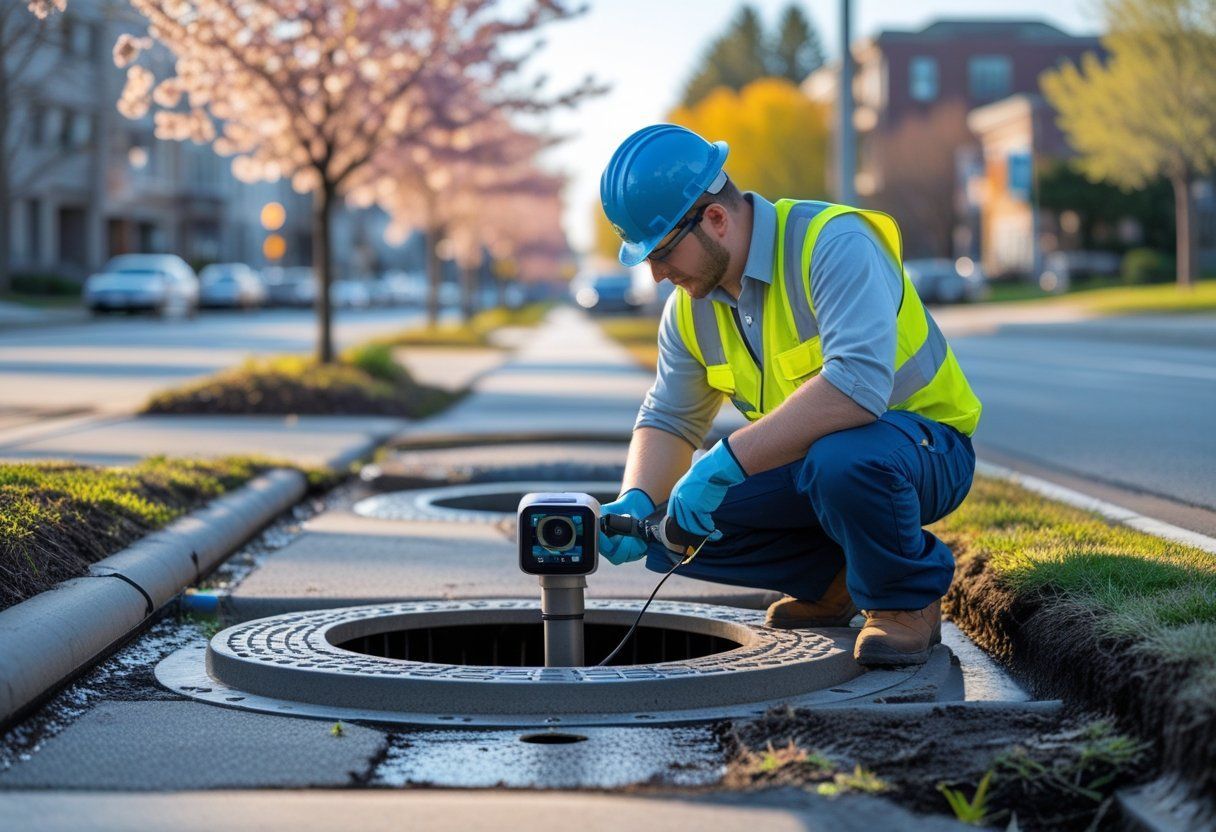
Worker in blue hard hat inspecting a manhole on a street with a camera device
By Stefani January 22, 2026
You want sewer line inspections timed so they catch problems before they get costly or urgent. We recommend scheduling inspections based on seasonal risks winter freeze, spring thaw, and heavy fall rains because timing cuts repair costs and prevents service interruptions. We will explain how weather, soil movement, and tree roots change the risk level […]
Common Mistakes to Avoid During Sewer Line Inspections
By Stefani January 18, 2026
We know sewer line inspections feel technical and tense, but avoiding a few common mistakes protects your home and wallet. Start by planning the inspection, knowing what to look for, and involving a qualified professional when signs point to trouble. That simple approach cuts down on missed problems and costly surprises. We will walk through […]
Show More