
Comparing Traditional vs. Modern Pipe Replacement Methods: Which is More Efficient?

Stefani • February 13, 2025

Share this article

Overview of Traditional Pipe Replacement

Traditional pipe replacement methods often require substantial excavation, can disrupt plumbing for extended periods, and may impact property value and landscaping. The process relies on heavy machinery, and landscape restoration is usually necessary after completion.

Excavation Process and Heavy Machinery

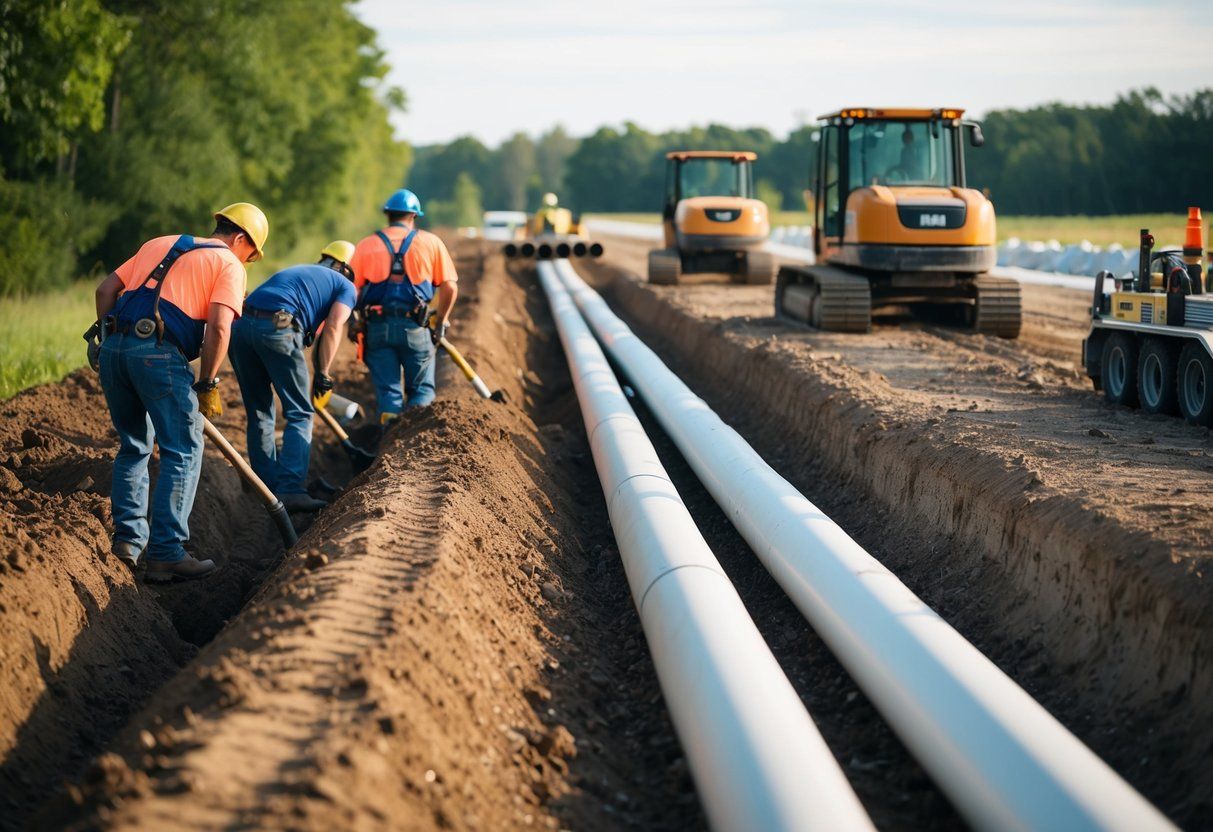
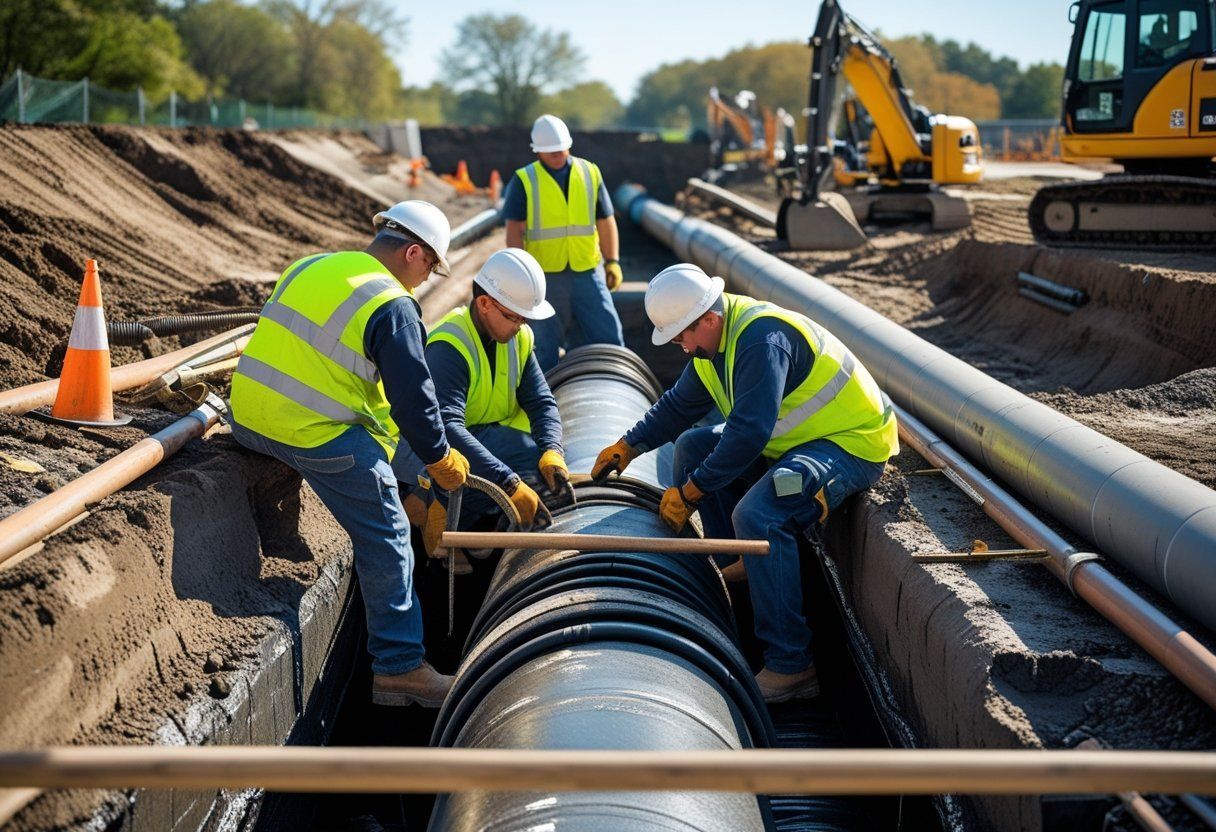
In traditional pipe replacement, excavation is the first major step. We often need to dig large trenches to access the existing pipes. This is done using bulldozers, backhoes, and other heavy machinery.

These machines can be loud and create lots of dust and debris. The use of heavy equipment can cause significant disturbance to the surrounding environment. It often results in damage to lawns, driveways, and pathways near the work area. Additionally, there is often a need to remove and store excess soil during the process.

Plumbing Interruption and Project Duration

Plumbing systems are often turned off during traditional pipe replacement. This can last from a few days to several weeks, depending on the project size. We aim to minimize disruption, but the process takes time due to the complexity of excavating and replacing pipes.

Residents typically experience limited water access while work is underway. Once the pipes are replaced, reconnections and pressure testing can also add to the timeframe. During extended projects, temporary plumbing solutions may be offered to alleviate some inconvenience for property owners.

Impact on Property Value and Landscape

Traditional methods can affect property value due to changes in the landscape. After excavation, lawns and gardens may need replanting. These changes can be costly and time-consuming.

Recovery time for vegetation varies, sometimes taking months to reach previous conditions. Concerns about the environmental impact of traditional methods often arise, especially in areas of natural beauty. We try to address these by planning appropriate landscape restoration strategies post-replacement. Partnerships with landscape experts help ensure that restored properties maintain or even improve their curb appeal.

Trenchless Technology Advancements

Trenchless technology offers innovative solutions for pipe replacement with minimal excavation and disruption. Advances in pipe lining techniques introduce better materials and methods, improving efficiency and cost-effectiveness.

Pipe Lining Techniques

We have seen significant improvements in pipe lining methods. One advancement is cured-in-place pipe (CIPP), which involves inserting a flexible tube coated with resin into the old pipe. The tube is then inflated and cured, often with hot water, steam, or ultraviolet light, creating a new, durable pipe inside the old one.

This method reduces the need for traditional excavation, minimizing surface disruption. Another method used is pipe bursting, where a tool breaks the old pipe while pulling a new one into place. Both methods are efficient, cost-effective, and extend the life of existing pipes.

Resin and Material Innovations

Resin and material innovations have greatly enhanced trenchless technology. Resin-saturated liners are now more resilient and cure quicker, providing a strong seal. We have a variety of resin options tailored for specific conditions, such as high temperatures or corrosive environments.

Materials are more flexible, allowing us to navigate bends and angles efficiently. The durability of modern materials increases the lifespan of the rehabilitated pipe, reducing long-term maintenance costs. These advancements ensure a reliable, lasting solution for pipe relining projects.

Efficiency and Minimal Disruption Benefits

The efficiency of trenchless methods makes pipe replacement quicker and less invasive. By eliminating the need for large trenches, we achieve minimal disruption to surrounding areas, protecting infrastructure and the environment.

Projects that might have taken weeks with traditional methods can be completed in days. This approach is especially valuable in urban areas, where reducing road closures and noise is crucial. Trenchless technology not only saves time and resources but also offers a more sustainable and community-friendly approach to infrastructure maintenance.

Comparative Analysis: Durability and Cost

When comparing traditional and modern pipe replacement methods, we must consider the initial investment, long-term benefits, and how different repair methods address varying levels of pipe damage effectively.

Initial Costs and Long-Term Savings

In terms of initial costs, traditional methods usually have a lower price tag. Digging and replacing old pipes involves straightforward labor and materials, which often cost less upfront.

Modern techniques, like trenchless replacements, involve a higher initial cost. These methods utilize advanced technology and materials, driving up prices at the start.

Despite these costs, modern methods can offer long-term savings. By minimizing property damage and reducing the need for frequent repairs, these systems prove to be more cost-effective over time.

Maintenance and Repair Impact

Long-term durability is crucial. Traditional pipes often suffer from cracks and leaks due to wear and environmental factors. This results in frequent maintenance and higher repair costs.

Modern materials, such as cured-in-place pipes, resist wear better. They offer a more durable solution, reducing maintenance needs.

While traditional repairs may fix damaged pipes in the short term, these solutions tend to be temporary. Modern methods often provide a more comprehensive solution, addressing both minor and moderate damage more efficiently.

Repair Methods for Different Damage Levels

Minor damage, such as small cracks, can be effectively managed by traditional patch repairs. However, they may not last long.

For moderate damage, we often see modern techniques, like pipe relining, offering an innovative fix without full replacement requirements.

Severe damage calls for significant intervention. Traditional methods may completely replace sections, causing disruption. In contrast, trenchless technology replaces or repairs with minimal disturbance, providing a lasting solution. The choice of method depends greatly on the severity and location of the damage.

Environmental and Practical Considerations

When choosing between traditional and modern pipe replacement methods, we need to think about environmental impact and practical issues. Modern methods help reduce carbon emissions and address challenges like root intrusion and corrosion.

Reducing Carbon Footprint with Modern Methods

Modern pipe replacement often involves using trenchless methods like pipe bursting and sliplining. These techniques help us cut down on emissions because they don’t require as much digging or heavy equipment. Less excavation means fewer disturbances to the environment, which preserves the surrounding landscape and reduces costs related to landscaping.

Using PVC pipes can also lower the carbon footprint. PVC is durable and requires less energy to produce and transport compared to traditional materials like metal or concrete. This results in a smaller overall environmental impact. By focusing on efficiency and reducing waste, we can contribute positively to the environment.

Dealing with Root Intrusion and Corrosion

Traditional methods often struggle with issues like root intrusion and corrosion, which can lead to frequent repairs. Tree roots naturally grow towards moisture, making pipes an easy target. Modern techniques, however, often involve lining the pipes with materials that are resistant to both roots and corrosion.

For example, cured-in-place pipe (CIPP) lining can create a seamless barrier inside the existing pipe. This not only helps prevent root intrusion but also strengthens the pipe against corrosion. By addressing these practical issues proactively, we can extend the life of our pipes and minimize maintenance costs over time.

Recent Posts

Fast Response Plumbing technician servicing a water shut off valve in San Francisco
By Joe Tinsley July 17, 2026
Learn how gate valves, ball valves, and angle stops work, where to find them in your San Francisco home, and when to replace them. FAQs inside.
Budgeting for Unforeseen Sewer Line Maintenance Expenses
By Stefani January 31, 2026
Sewer line problems can hit your wallet fast, and we know the stress of a surprise repair. We show you how to plan a practical budget that covers emergency fixes, regular upkeep, and the big costs that sneak up on you. This saves you money and keeps small issues from turning into major failures. We […]
Seasonal Effects on Sewer Line Maintenance Costs
By Stefani January 30, 2026
You’ll want to know how seasons change what you pay for sewer line maintenance so you can plan ahead and avoid surprise bills. Seasonal weather, ground movement, and plant growth directly affect repair needs and costs, so budgeting by season cuts unexpected expenses. We outline what shifts costs, when repairs most often happen, and which […]
The Role of Location in Sewer Line Maintenance Pricing
By Stefani January 29, 2026
You’ll pay different amounts for sewer line maintenance depending on where your property sits and what’s under it. Location drives cost through factors like soil type, access difficulty, local labor rates, and permit rules, so knowing these lets you predict and plan for expenses. We’ll show how those local details shape quotes and outcomes. We’ll […]
Analyzing Material Expenses for Effective Sewer Line Care
By Stefani January 28, 2026
We’ll break down the real costs that matter for keeping a sewer line working well so you can plan and avoid surprises. You’ll learn which materials and fees drive most of the expense and how small choices can lower long-term costs. We’ll look at costs for parts, tools, permits, and regular cleaning, plus where labor […]
Understanding the Impact of Labor Costs on Sewer Line Maintenance
By Stefani January 25, 2026
You want to know how labor costs shape sewer line care and what that means for your wallet. We will show how wages, crew size, and the repair method you choose change the final bill so you can plan smarter and avoid surprises. Knowing which labor factors most drive costs lets you pick repair options […]
How to Interpret Sewer Line Inspection Reports
By Stefani January 24, 2026
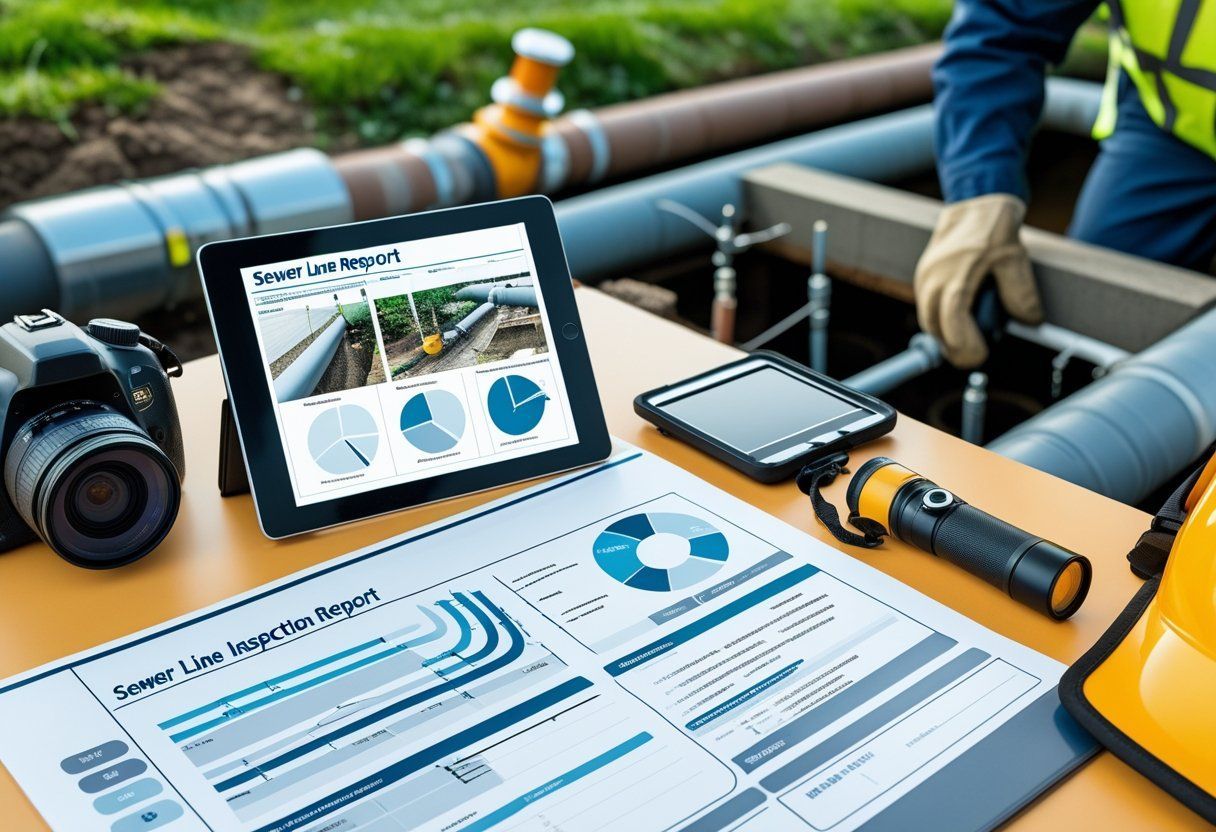
You’ll get clear steps to decode the most important parts of a sewer line inspection report so you can act with confidence. We show you how to spot real problems, what each defect means, and which issues need immediate repair versus routine maintenance. We break the report into simple pieces what the camera images show, […]
Tool kit with hard hat, gloves, laptop, and handheld device on a workbench in a workshop
By Stefani January 23, 2026
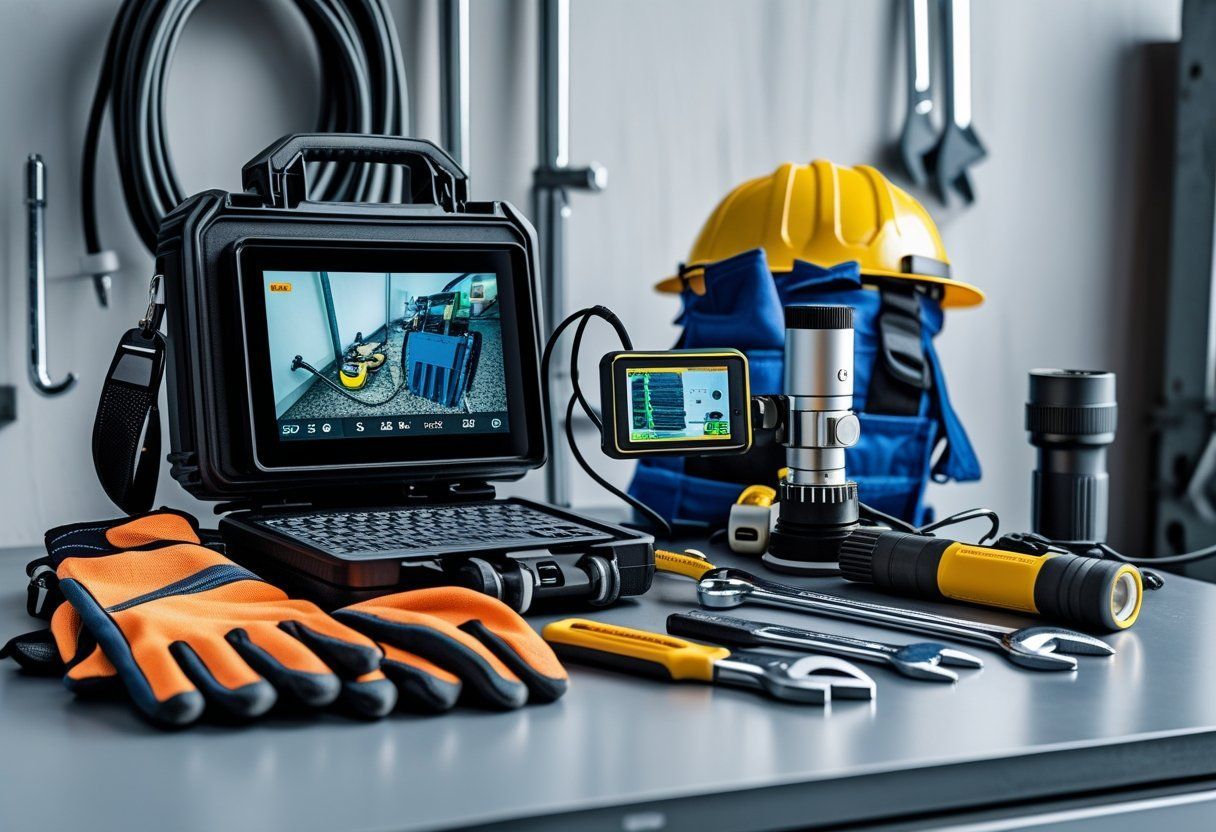
You want tools that give clear answers fast so you can find problems and fix them right. We rely on high-quality sewer cameras, locating gear, and cleaning tools to spot cracks, blockages, and defects in sewer lines accurately. Knowing which tools to use helps a plumber save time and avoid costly mistakes. We will walk […]
Worker in blue hard hat inspecting a manhole on a street with a camera device
By Stefani January 22, 2026
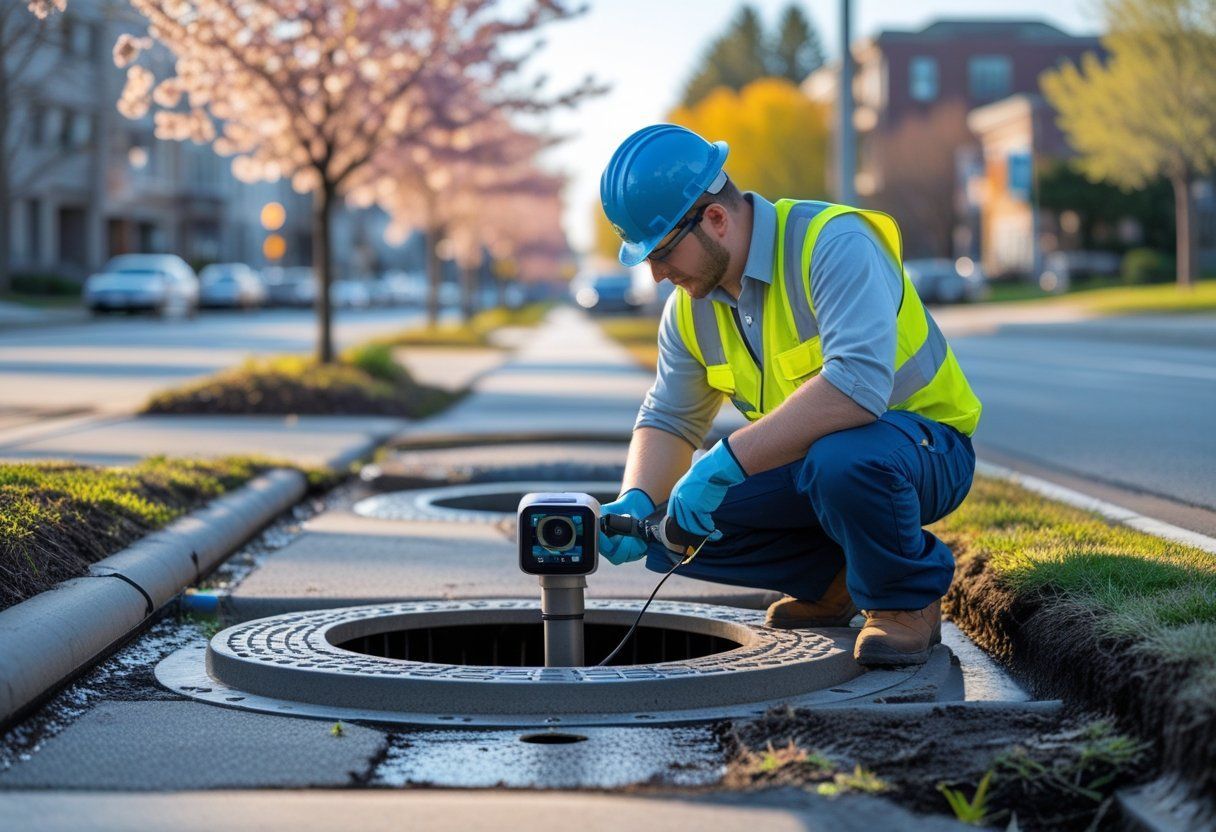
You want sewer line inspections timed so they catch problems before they get costly or urgent. We recommend scheduling inspections based on seasonal risks winter freeze, spring thaw, and heavy fall rains because timing cuts repair costs and prevents service interruptions. We will explain how weather, soil movement, and tree roots change the risk level […]
Common Mistakes to Avoid During Sewer Line Inspections
By Stefani January 18, 2026
We know sewer line inspections feel technical and tense, but avoiding a few common mistakes protects your home and wallet. Start by planning the inspection, knowing what to look for, and involving a qualified professional when signs point to trouble. That simple approach cuts down on missed problems and costly surprises. We will walk through […]
Show More