

Benefits of Upgrading Old Pipes in Commercial Buildings: Ensuring Efficiency and Safety

Stefani • February 12, 2025

Share this article

Understanding the Necessity of Plumbing Upgrades in Commercial Buildings

Upgrading the plumbing in commercial buildings is crucial. Outdated systems may lead to serious issues like leaks and water damage. Keeping up with modern building codes ensures safety and compliance.

Consequences of Outdated Plumbing Systems

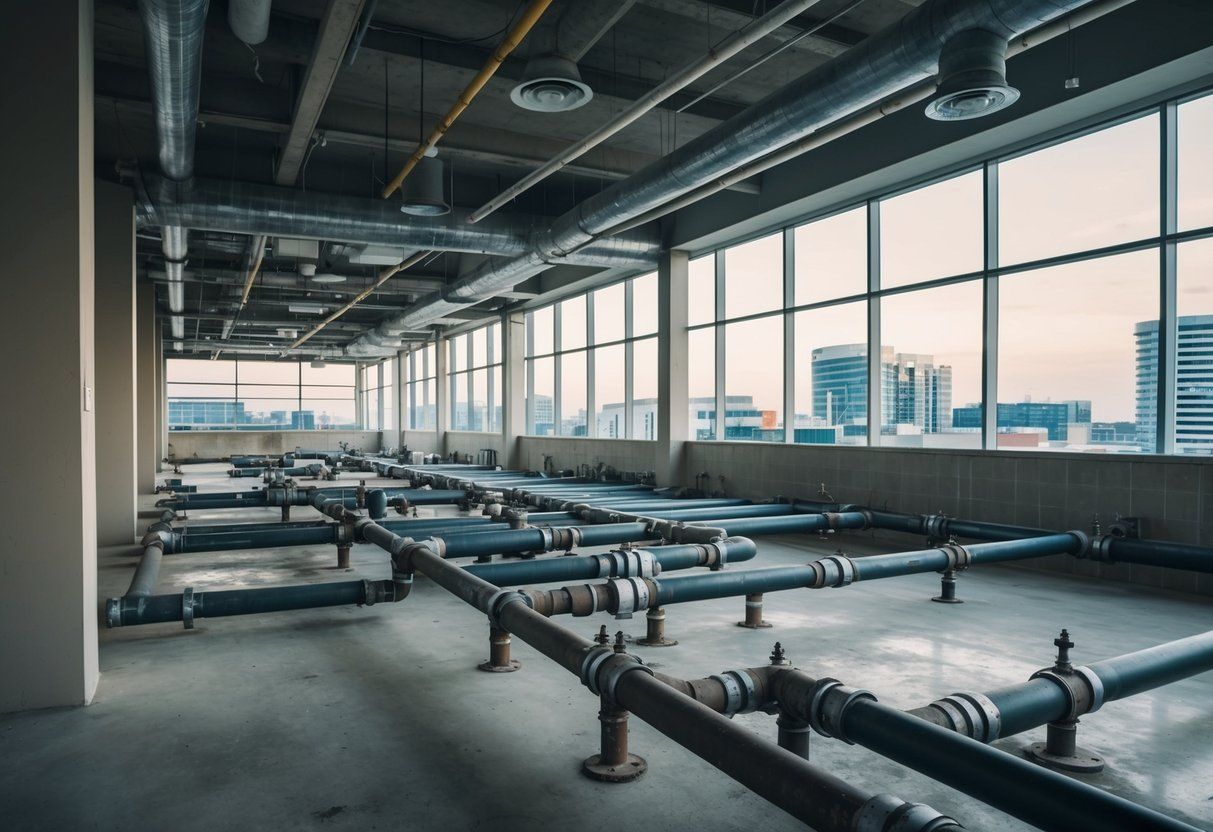
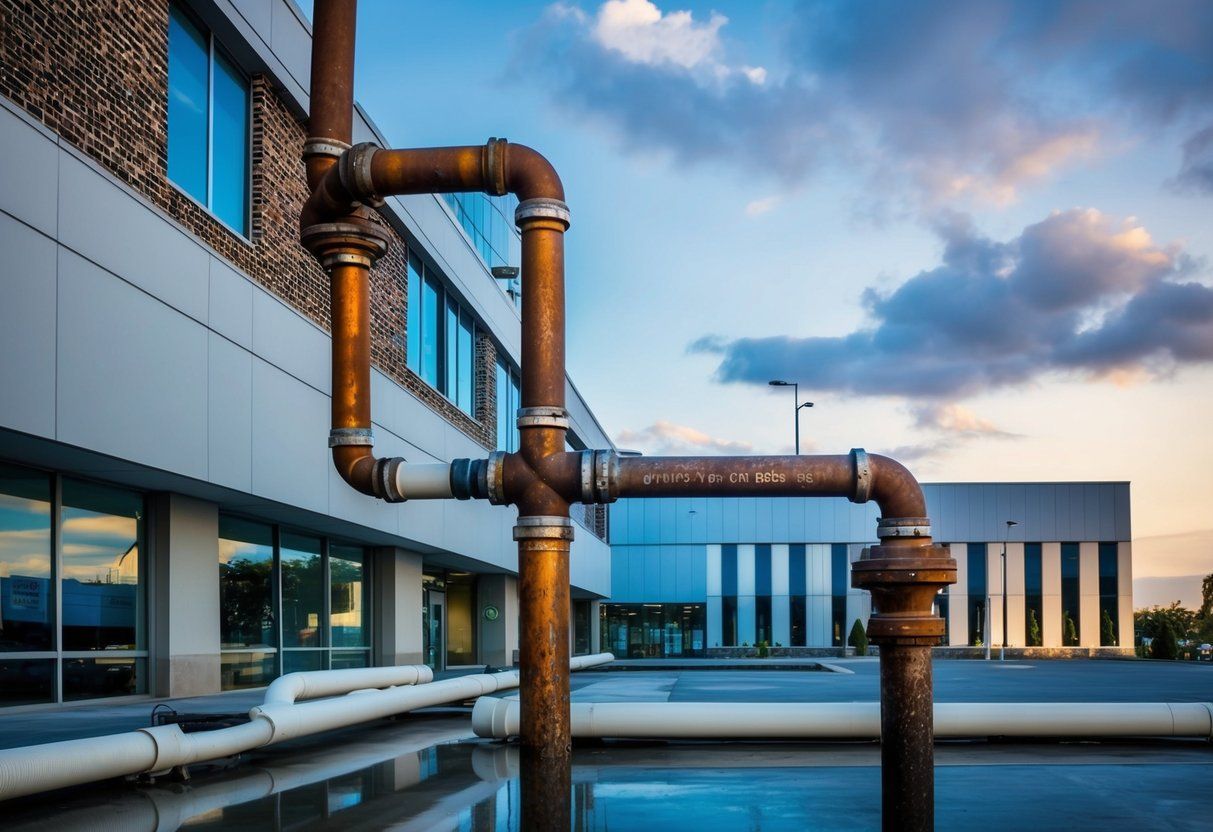
Old and corroded pipes can lead to many problems. Leaks are common, which may cause water damage. This can hurt the building’s value and be expensive to fix. Poor water quality is another issue. Corroded pipes affect water taste and safety, which impacts tenants and employees. Regular maintenance might not be enough. Sometimes, pipe upgrades are the best choice to prevent future issues.

Upgrading plumbing infrastructure can bring peace of mind. It reduces the risk of unexpected repairs. We secure the building’s structure and protect our investment by replacing outdated systems. A reliable plumbing system ensures smooth daily operations.

Regulatory Compliance and Building Codes

We need to follow specific building codes and regulations. These rules make sure the plumbing systems are safe and efficient. Failure to comply can lead to penalties and legal troubles. Upgraded pipes not only meet current standards but also increase the building’s appeal to clients and tenants.

By staying up-to-date with regulatory compliance, we make wise investments in our property. Keeping up with building codes shows responsibility and care toward our building’s occupants. It promotes a safer environment for everyone. This practice also helps in retaining higher rental values for commercial spaces.

The Impact of Modern Plumbing on Commercial Property Value and Efficiency

Modern plumbing systems can significantly enhance both the efficiency and value of commercial properties. By upgrading old pipes, we can achieve better water quality and reduce costs, leading to increased property value.

Enhancing Water Efficiency and Quality

Modern plumbing systems play a crucial role in improving water efficiency and quality. Newer fixtures and pipes help reduce water waste, thus saving on utility bills. For instance, low-flow toilets and faucets cut down water usage significantly.

In addition, improved materials, like PEX or copper pipes, resist corrosion and leaks. This enhances water quality by preventing contamination. With better water quality, commercial buildings can ensure healthier and safer environments. Well-functioning systems also contribute to energy savings, as less energy is needed for heating and pumping.

Boosting Property Value Through Infrastructure

Upgrading plumbing infrastructure can boost property value. Potential buyers often see modern systems as a reflection of overall building condition. When we invest in modern pipes, it showcases proactive maintenance, which can attract higher offers from buyers.

The cost savings from increased efficiency add to the appeal. Properties with lower utility bills due to efficient plumbing become attractive to tenants or buyers. This means a better return on investment for owners. Investing in modern plumbing is a smart way to enhance both the function and value of commercial properties.

Addressing Health and Safety Through Plumbing System Improvement

Improving plumbing systems in commercial buildings directly impacts the health and safety of occupants. We can enhance water quality and ensure compliance with health and safety standards, reducing health risks.

Mitigating Health Risks with Cleaner Water

Enhancing plumbing systems helps us deliver cleaner water. Upgrading old pipes can reduce contaminants like lead and rust that threaten health. Implementing filtration systems ensures that the water supply is safe for everyone.

Regular maintenance and updates to the system can prevent the buildup of harmful substances. Through vigilant monitoring and using effective leak detection systems, we can quickly identify and address potential problems. This proactive approach minimizes exposure to toxins that can occur when pipes degrade over time.

Adopting Health and Safety Standards

Bringing our plumbing systems up to current health and safety standards ensures a secure environment. We follow strict guidelines to maintain system reliability and safeguard residents’ well-being.

Adopting standards means integrating advanced technologies, such as smart leak detection systems, which swiftly alert us to irregularities. These innovations allow us to efficiently address leaks or vulnerabilities that may compromise safety. In maintaining adherence to standards, we foster a safer environment for all occupants.

The Cost-Benefit Analysis of Plumbing Upgrades

Upgrading old pipes in commercial buildings can lead to significant long-term savings and reduced maintenance costs. We will also see a decrease in downtime that comes with frequent repairs.

Long-Term Savings vs. Upfront Investment

Let’s face the facts: upgrading pipes is quite an investment. The initial costs can be high, as materials and labor add up quickly. Yet, when we think long-term, the savings can be substantial.

New pipes are more efficient. They help us save on utility costs by reducing water waste and energy use. This results in lower monthly bills over time, making the upfront investment pay off gradually. These long-term savings can be seen in the return on investment (ROI).

With older pipes, frequent repairs are common. Replacing them with modern systems reduces these unexpected costs. As time passes, the savings from fewer repairs often exceed the initial amount spent. This shift helps us allocate resources more efficiently.

Reducing Maintenance Costs and Downtime

Modern plumbing systems require less attention. They are designed to last longer and handle more stress. This means fewer maintenance visits and less money spent on repairs. Reduced maintenance costs can free up funds for other important projects.

When something breaks, businesses often face downtime. Employees might not be able to work, and customers could be affected. New pipes minimize these disruptions, keeping operations smooth. Increased reliability can lead to improved productivity and a better experience for everyone involved.

By addressing common issues found in old plumbing systems, we can prevent problems before they occur. This proactive approach reduces downtime significantly. These changes lead to a more efficient and cost-effective business environment.

Strategic Upgrade Process and Implementation

Upgrading plumbing systems in commercial buildings can enhance efficiency and sustainability. An organized process that begins with thorough inspections helps us choose plumbing solutions that balance cost-effectiveness with environmental sustainability. Sustainable upgrades, including water-efficient fixtures, play a crucial role.

Assessing the Current Plumbing State through Inspections

Before starting any plumbing upgrades, inspections are key. By examining the current plumbing system, we identify which areas require urgent attention. Inspections help us detect hidden issues such as leaks or corrosion that might otherwise go unnoticed.

We usually start by reviewing the building’s age and historical data on past repairs. This helps us understand potential problem areas. Next, we involve professionals who use tools like cameras and sensors. These tools allow us to detect underground or concealed plumbing problems without destructive methods.

Over time, regular inspections support a proactive maintenance approach. This reduces unexpected failures and extends the life of the plumbing system, saving time and money.

Choosing Cost-Effective and Sustainable Plumbing Solutions

Selecting plumbing solutions involves balancing cost with sustainability. We aim to implement plumbing upgrades that provide long-term savings and environmental benefits. Water-efficient fixtures are a common choice. These fixtures significantly reduce water usage without impacting performance.

Materials also play a vital role in the upgrade process. We often prefer materials like PEX or copper, which offer durability and resistance to corrosion. Green certifications help guide us toward sustainable choices that align with environmental standards.

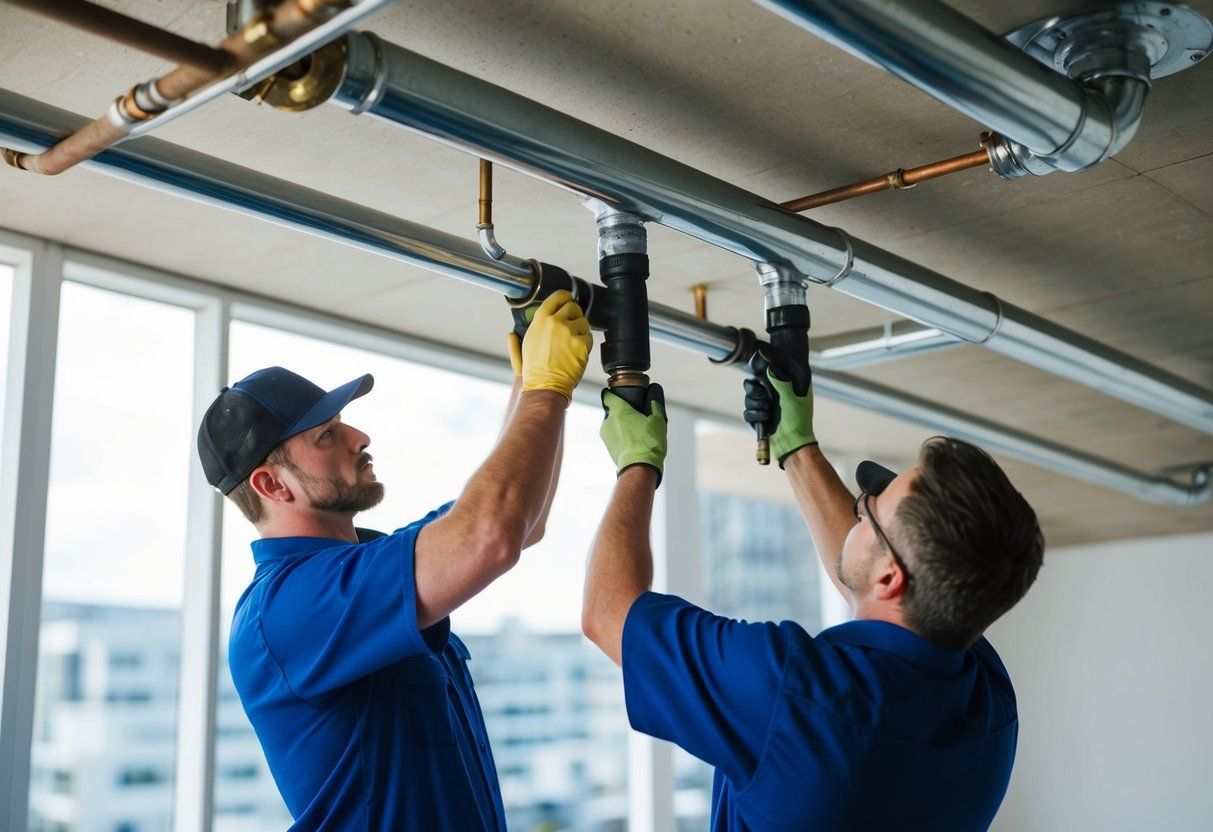
The process includes consulting with experts to ensure both effectiveness and compliance with regulations. This step involves a collaborative effort to choose sustainable practices that suit the specific needs of each building, ultimately ensuring optimal value.

Recent Posts

Fast Response Plumbing technician servicing a water shut off valve in San Francisco
By Joe Tinsley July 17, 2026
Learn how gate valves, ball valves, and angle stops work, where to find them in your San Francisco home, and when to replace them. FAQs inside.
Budgeting for Unforeseen Sewer Line Maintenance Expenses
By Stefani January 31, 2026
Sewer line problems can hit your wallet fast, and we know the stress of a surprise repair. We show you how to plan a practical budget that covers emergency fixes, regular upkeep, and the big costs that sneak up on you. This saves you money and keeps small issues from turning into major failures. We […]
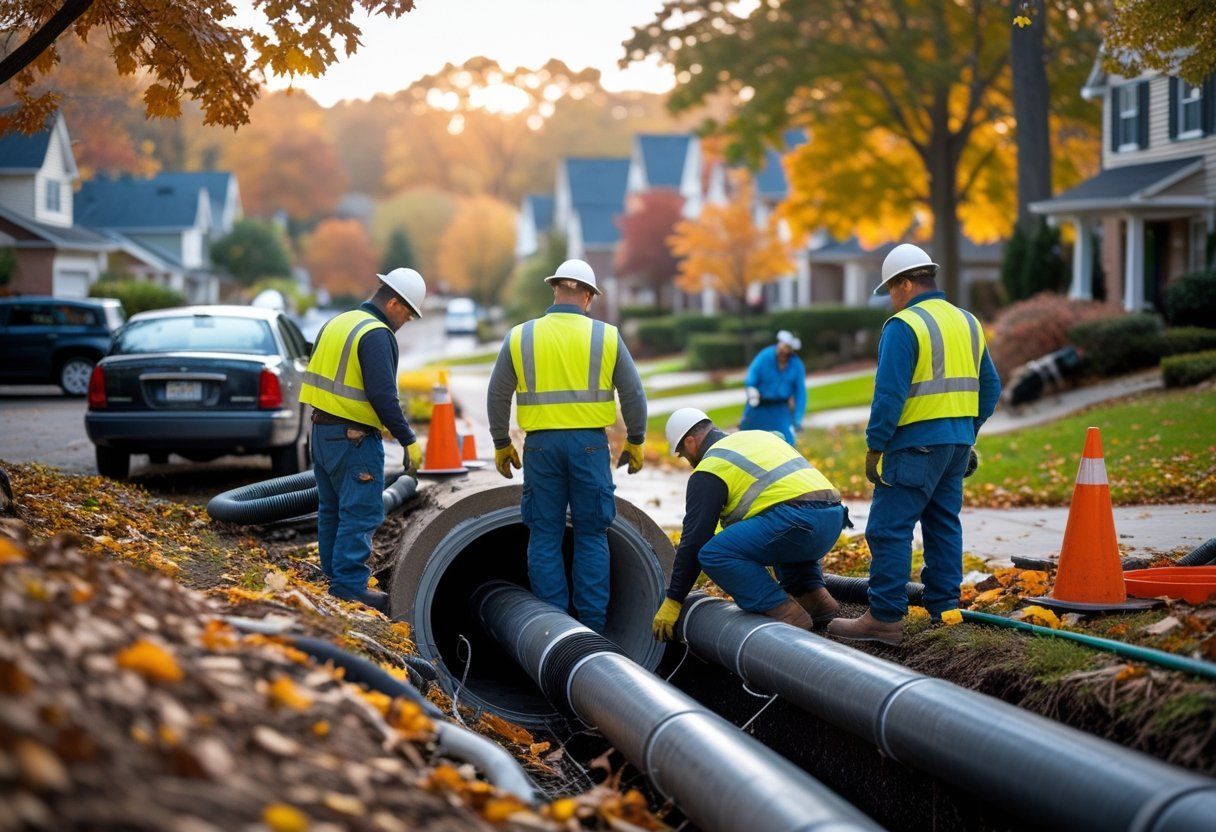
Seasonal Effects on Sewer Line Maintenance Costs
By Stefani January 30, 2026
You’ll want to know how seasons change what you pay for sewer line maintenance so you can plan ahead and avoid surprise bills. Seasonal weather, ground movement, and plant growth directly affect repair needs and costs, so budgeting by season cuts unexpected expenses. We outline what shifts costs, when repairs most often happen, and which […]
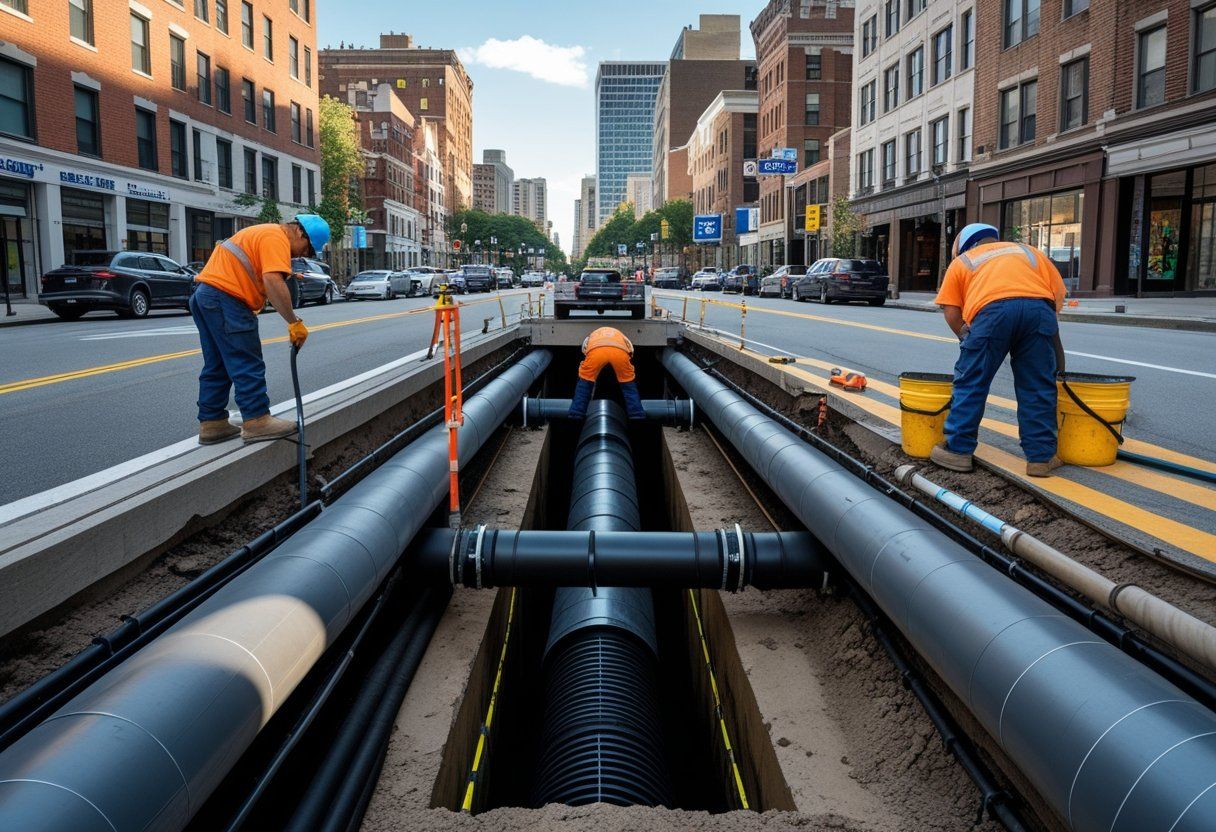
The Role of Location in Sewer Line Maintenance Pricing
By Stefani January 29, 2026
You’ll pay different amounts for sewer line maintenance depending on where your property sits and what’s under it. Location drives cost through factors like soil type, access difficulty, local labor rates, and permit rules, so knowing these lets you predict and plan for expenses. We’ll show how those local details shape quotes and outcomes. We’ll […]
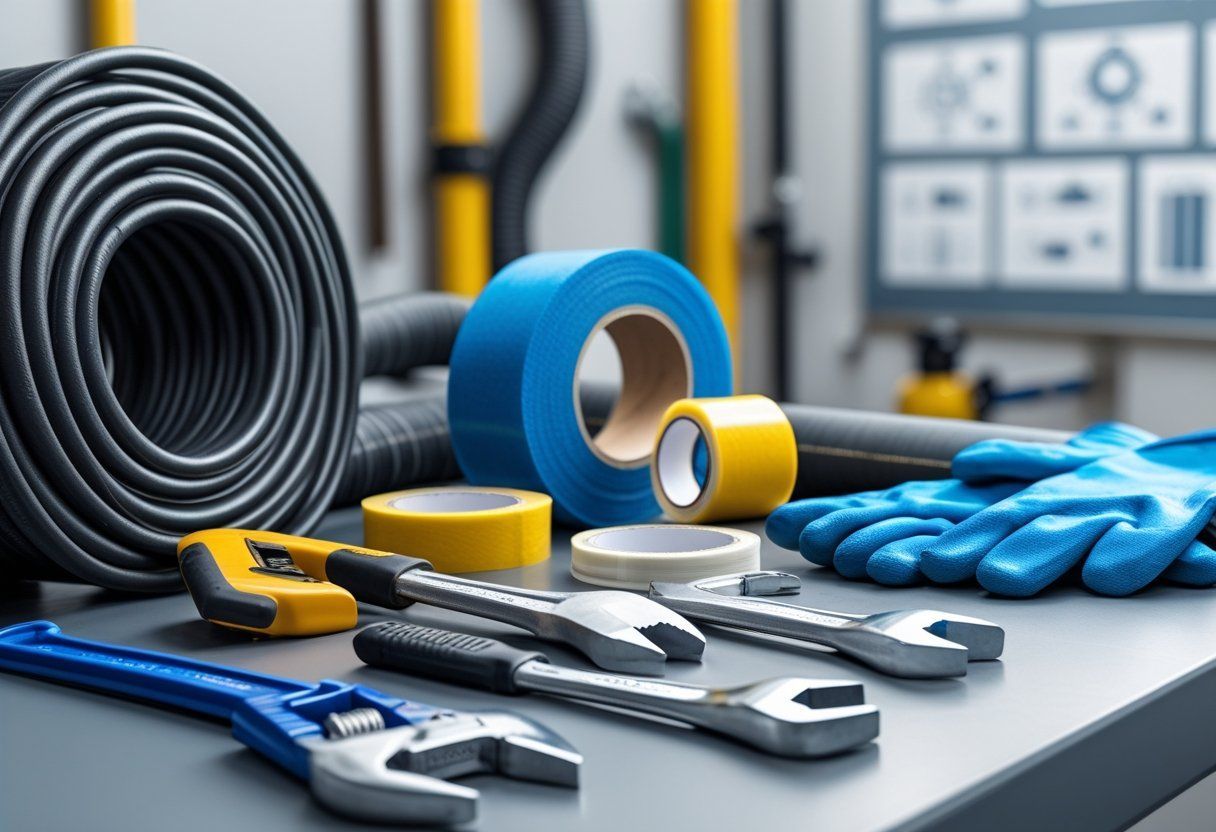
Analyzing Material Expenses for Effective Sewer Line Care
By Stefani January 28, 2026
We’ll break down the real costs that matter for keeping a sewer line working well so you can plan and avoid surprises. You’ll learn which materials and fees drive most of the expense and how small choices can lower long-term costs. We’ll look at costs for parts, tools, permits, and regular cleaning, plus where labor […]
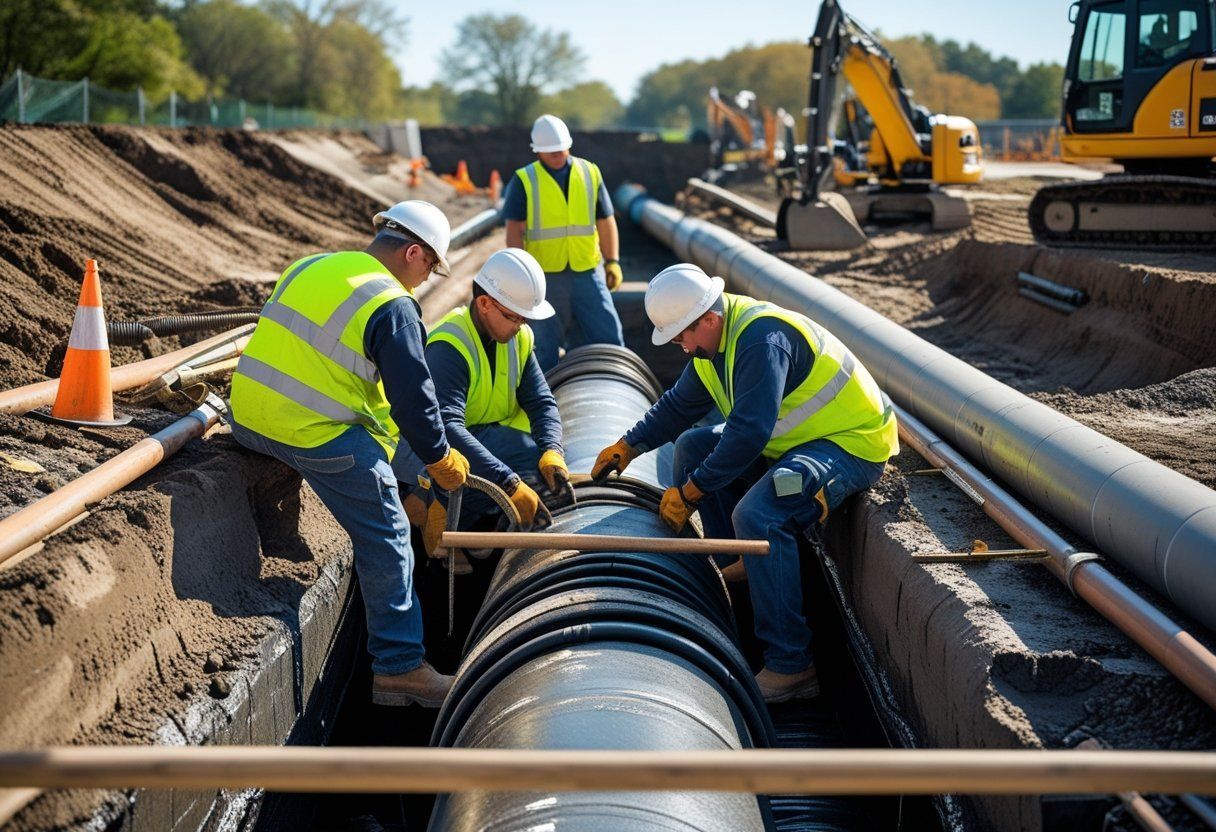
Understanding the Impact of Labor Costs on Sewer Line Maintenance
By Stefani January 25, 2026
You want to know how labor costs shape sewer line care and what that means for your wallet. We will show how wages, crew size, and the repair method you choose change the final bill so you can plan smarter and avoid surprises. Knowing which labor factors most drive costs lets you pick repair options […]
How to Interpret Sewer Line Inspection Reports
By Stefani January 24, 2026
You’ll get clear steps to decode the most important parts of a sewer line inspection report so you can act with confidence. We show you how to spot real problems, what each defect means, and which issues need immediate repair versus routine maintenance. We break the report into simple pieces what the camera images show, […]
By Stefani January 23, 2026
You want tools that give clear answers fast so you can find problems and fix them right. We rely on high-quality sewer cameras, locating gear, and cleaning tools to spot cracks, blockages, and defects in sewer lines accurately. Knowing which tools to use helps a plumber save time and avoid costly mistakes. We will walk […]
By Stefani January 22, 2026
You want sewer line inspections timed so they catch problems before they get costly or urgent. We recommend scheduling inspections based on seasonal risks winter freeze, spring thaw, and heavy fall rains because timing cuts repair costs and prevents service interruptions. We will explain how weather, soil movement, and tree roots change the risk level […]
Common Mistakes to Avoid During Sewer Line Inspections
By Stefani January 18, 2026
We know sewer line inspections feel technical and tense, but avoiding a few common mistakes protects your home and wallet. Start by planning the inspection, knowing what to look for, and involving a qualified professional when signs point to trouble. That simple approach cuts down on missed problems and costly surprises. We will walk through […]
Show More