Ensuring Compliance with San Francisco Plumbing Codes: Key Considerations for Successful Upgrades

Stefani • February 14, 2025

Share this article

Understanding San Francisco Plumbing Codes

When working on plumbing upgrades in San Francisco, it’s essential to know the necessary regulations. This includes both the California Plumbing Code and specific local amendments that affect projects.

Overview of Plumbing Regulations

Plumbing codes in San Francisco are designed to ensure safety and efficiency. These codes outline requirements for everything from pipe installation to drainage systems.

Understanding these regulations helps us plan projects that comply with legal standards. In San Francisco, plumbing codes are part of a broader set of building codes, ensuring that all aspects of construction meet quality and safety guidelines. Compliance is key, as failing to adhere can lead to fines and delays.

The California Plumbing Code and Local Amendments

The California Plumbing Code (CPC) forms the foundation for plumbing regulations in San Francisco. This code covers all necessary technical standards across the state.

However, San Francisco also has its own amendments to address local needs and conditions. These adjustments might include specific rules for water conservation, seismic safety, and environmental impact. It’s vital for us to be aware of both the CPC and these local changes to ensure complete compliance. Checking the latest updates to these codes is a critical part of every project planning phase.

Planning and Permits for Plumbing Upgrades

When upgrading plumbing systems in San Francisco, it’s crucial to ensure compliance with local codes by securing the right permits and planning effectively. We must work closely with the building department and licensed plumbers to guarantee all installations meet the city’s plumbing regulations.

Securing the Right Permits

Securing permits is a necessary step in plumbing upgrades. We need to first contact the local building department to understand which permits are required. This depends on the scale of our project and the specific plumbing installations we have planned.

Having the right permits is crucial for smooth progress. Working with a licensed plumber can help us navigate this process. They often know the requirements and procedures needed to obtain these permits efficiently. They also ensure that all installation methods adhere to current plumbing regulations.

Planning for Compliance

Planning for compliance involves more than securing permits. We need to consider the materials and installation methods. Approved materials are a must to avoid potential issues. Our planning should also ensure inspections at various stages. This helps catch compliance issues early, reducing costly fixes later on.

Working with a licensed plumber ensures that all aspects of the project, from materials to final installation, meet the required standards. Keeping up with the latest updates and changes in regulations is also important. This allows us to adapt our plans and remain compliant through the duration of the upgrade.

Quality and Safety Standards

Ensuring that plumbing systems meet quality and safety standards is crucial in San Francisco. These standards protect against issues like corrosion and backflow while maintaining proper water pressure with the right materials and pipe sizing.

Corrosion and Backflow Prevention

Corrosion can lead to serious plumbing problems. It’s essential to choose materials like copper or PEX, which resist corrosion. Using PVC pipes requires caution as they can degrade over time, especially when exposed to heat or UV light.

Backflow prevention is another critical element. Installing backflow prevention devices protects our water supply from contamination. These devices stop contaminants from reversing their flow into clean water lines.

We must regularly inspect and maintain these devices to ensure their effectiveness. Regulations require that these systems are tested annually. This helps to catch any issues early, preventing costly repairs or health hazards.

Ensuring Proper Water Pressure and Piping

Maintaining proper water pressure is vital for both safety and functionality. Low pressure can lead to inefficient water flow, while high pressure may cause pipes to burst. Our systems should include pressure-reducing valves to control and regulate water pressure.

Pipe sizing also impacts water pressure. Choosing the right size is crucial; too small and it restricts flow, too large and it can reduce pressure. Material choices like PEX, PVC, or copper also affect performance and durability.

For reliable pressure, we should consider the need for pressure-regulating devices in areas with fluctuating supply pressure. Regular checks and updates are essential to ensure the plumbing performs optimally without sacrificing safety.

Materials and Installation Techniques

When upgrading plumbing systems in San Francisco, choosing the right materials and methods is crucial. We must ensure materials are approved and meet the local regulations for venting and drainage systems.

Selecting Appropriate Plumbing Materials

We select plumbing materials carefully to meet San Francisco’s unique requirements. PEX and PVC are popular. PEX is known for flexibility and durability, while PVC is often chosen for its resistance to corrosion.

Using copper is also common because it is strong and reliable. We ensure all materials are approved materials, which is crucial for both function and compliance.

PID (Plumbing Installation Documents) are required for material approval. They help us make sure that everything meets the standards set by local plumbing codes.

Adhering to Venting and Drainage Codes

Venting and drainage codes are crucial for maintaining safety and efficiency. We install efficient venting systems to allow air to move freely in pipes. This prevents pressure buildup and ensures water flows smoothly.

Proper drainage systems installation is also important to avoid backups and leaks. It is essential to follow installation methods that align with San Francisco’s standards.

These methods ensure system reliability and long-term performance. We pay close attention to the city’s regulations to make sure installations are up to code and fully functional.

Impact of Plumbing Compliance on Property

Proper compliance with San Francisco plumbing codes ensures that our properties remain safe and maintain their value. By following these codes, we protect public health and improve property value. This can help prevent emergency repairs and unnecessary costs.

Protecting Public Health and Safety

We follow plumbing codes to keep our communities healthy and prevent potential hazards. Proper plumbing systems protect against clogged drains and unsafe water systems. Regular plumbing inspections by professional plumbers help identify issues before they escalate into major problems.

Water conservation standards are crucial. By using fixtures like efficient faucets and showerheads, we conserve water and reduce costs. Compliance with mechanical systems and plumbing systems helps us avoid contamination risks, ensuring safe water for our families and community.

Enhancing Property Value with Code Compliance

When we upgrade plumbing with code compliance in mind, it positively affects property value. Buyers appreciate properties that avoid emergency repairs due to faulty systems. Up-to-date plumbing systems, including toilets and water systems, can be major selling points.

Regular maintenance and adherence to codes increase property longevity. Ensuring compliance with current standards ensures that our investments are protected. By partnering with skilled professionals, we can enhance the appeal and functionality of our properties, offering peace of mind and boosting value in a competitive market.

Recent Posts

Fast Response Plumbing technician servicing a water shut off valve in San Francisco
By Joe Tinsley July 17, 2026
Learn how gate valves, ball valves, and angle stops work, where to find them in your San Francisco home, and when to replace them. FAQs inside.
Budgeting for Unforeseen Sewer Line Maintenance Expenses
By Stefani January 31, 2026
Sewer line problems can hit your wallet fast, and we know the stress of a surprise repair. We show you how to plan a practical budget that covers emergency fixes, regular upkeep, and the big costs that sneak up on you. This saves you money and keeps small issues from turning into major failures. We […]
Seasonal Effects on Sewer Line Maintenance Costs
By Stefani January 30, 2026
You’ll want to know how seasons change what you pay for sewer line maintenance so you can plan ahead and avoid surprise bills. Seasonal weather, ground movement, and plant growth directly affect repair needs and costs, so budgeting by season cuts unexpected expenses. We outline what shifts costs, when repairs most often happen, and which […]
The Role of Location in Sewer Line Maintenance Pricing
By Stefani January 29, 2026
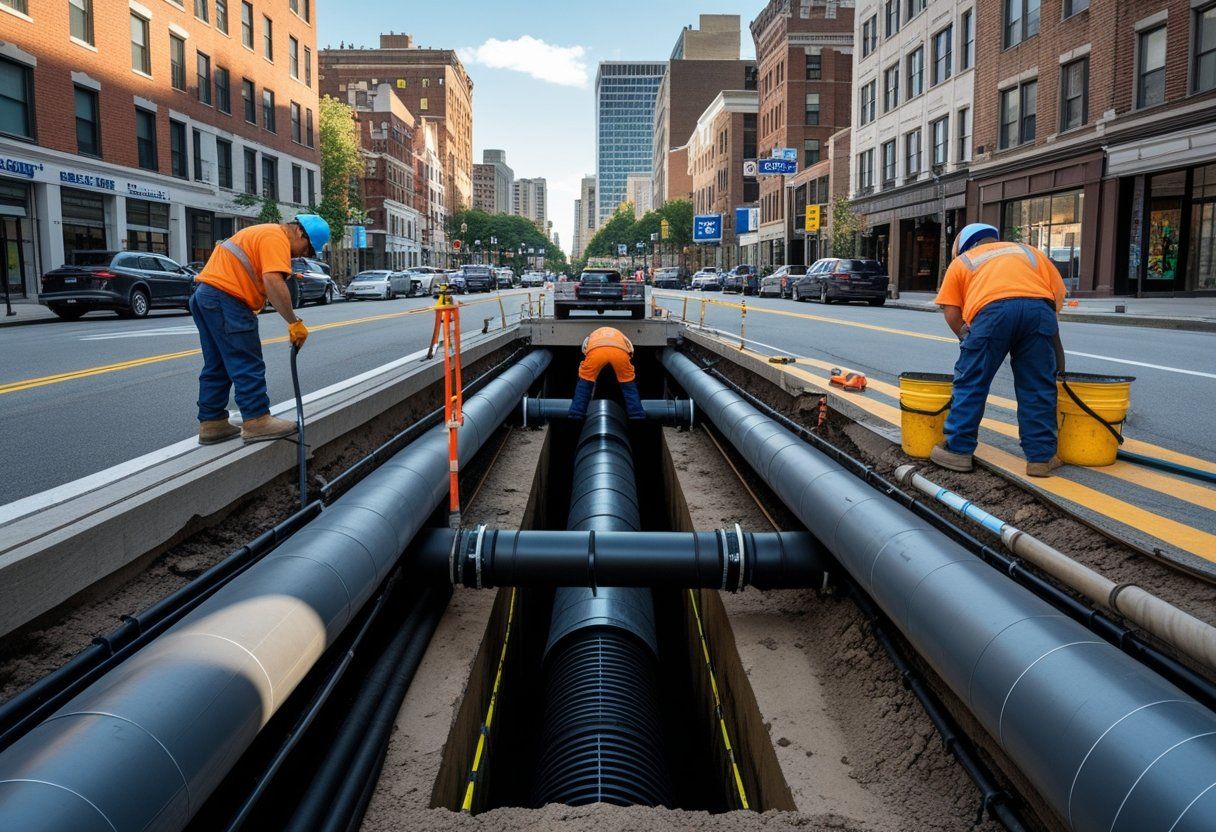
You’ll pay different amounts for sewer line maintenance depending on where your property sits and what’s under it. Location drives cost through factors like soil type, access difficulty, local labor rates, and permit rules, so knowing these lets you predict and plan for expenses. We’ll show how those local details shape quotes and outcomes. We’ll […]
Analyzing Material Expenses for Effective Sewer Line Care
By Stefani January 28, 2026
We’ll break down the real costs that matter for keeping a sewer line working well so you can plan and avoid surprises. You’ll learn which materials and fees drive most of the expense and how small choices can lower long-term costs. We’ll look at costs for parts, tools, permits, and regular cleaning, plus where labor […]
Understanding the Impact of Labor Costs on Sewer Line Maintenance
By Stefani January 25, 2026
You want to know how labor costs shape sewer line care and what that means for your wallet. We will show how wages, crew size, and the repair method you choose change the final bill so you can plan smarter and avoid surprises. Knowing which labor factors most drive costs lets you pick repair options […]
How to Interpret Sewer Line Inspection Reports
By Stefani January 24, 2026
You’ll get clear steps to decode the most important parts of a sewer line inspection report so you can act with confidence. We show you how to spot real problems, what each defect means, and which issues need immediate repair versus routine maintenance. We break the report into simple pieces what the camera images show, […]
By Stefani January 23, 2026
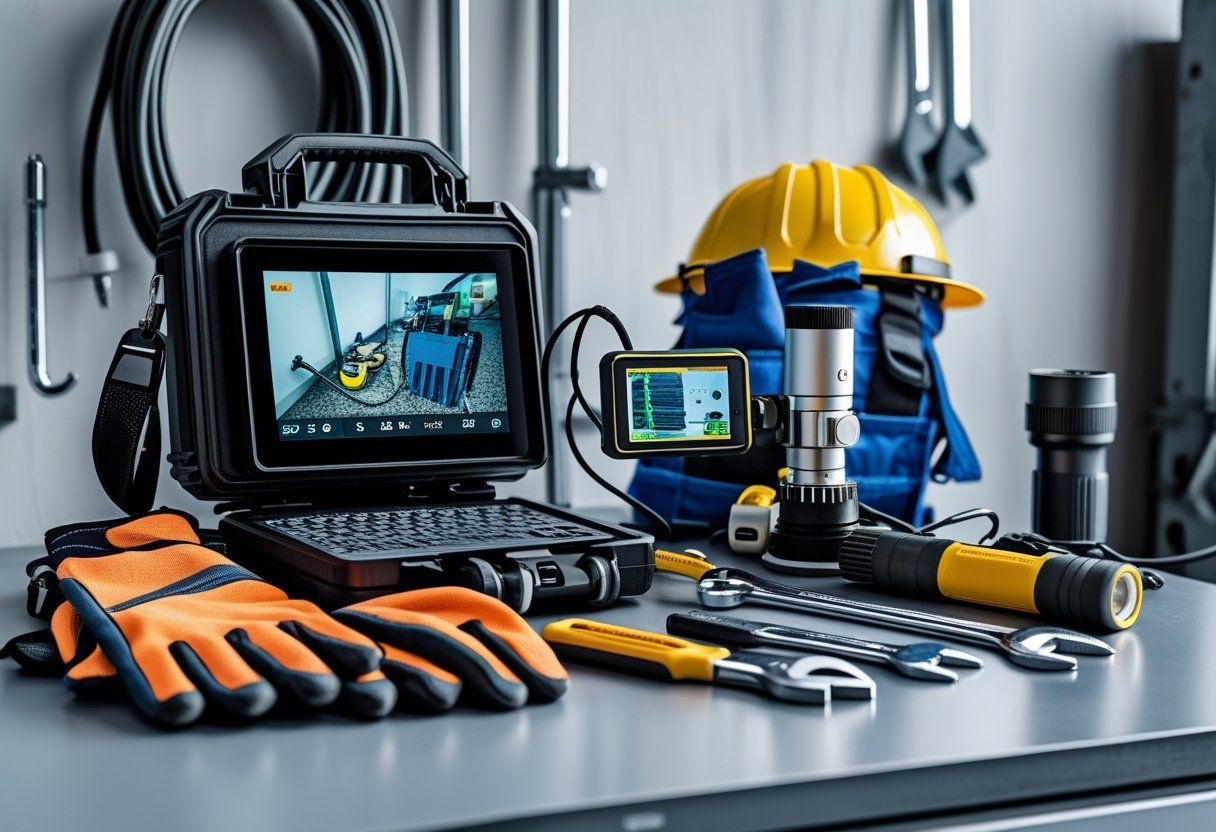
You want tools that give clear answers fast so you can find problems and fix them right. We rely on high-quality sewer cameras, locating gear, and cleaning tools to spot cracks, blockages, and defects in sewer lines accurately. Knowing which tools to use helps a plumber save time and avoid costly mistakes. We will walk […]
By Stefani January 22, 2026
You want sewer line inspections timed so they catch problems before they get costly or urgent. We recommend scheduling inspections based on seasonal risks winter freeze, spring thaw, and heavy fall rains because timing cuts repair costs and prevents service interruptions. We will explain how weather, soil movement, and tree roots change the risk level […]
Common Mistakes to Avoid During Sewer Line Inspections
By Stefani January 18, 2026
We know sewer line inspections feel technical and tense, but avoiding a few common mistakes protects your home and wallet. Start by planning the inspection, knowing what to look for, and involving a qualified professional when signs point to trouble. That simple approach cuts down on missed problems and costly surprises. We will walk through […]
Show More