

How to Choose the Right 24/7 Emergency Plumbing Service in San Francisco: Key Considerations

Stefani • February 17, 2025

Share this article

Understanding Emergency Plumbing Services

Choosing a reliable 24/7 emergency plumbing service in San Francisco requires knowing what qualifies as an emergency, common issues that arise, and the benefits of round-the-clock availability. We aim to provide clarity on these essential topics.

Defining Emergency Plumbing

Emergency plumbing involves immediate response to critical plumbing issues that could cause significant damage or safety concerns. Common problems include burst pipes, gas leaks, and major water leaks. Prompt action is crucial to limit potential damage and repair costs.

In San Francisco, the aging infrastructure increases the risk of unexpected plumbing demands requiring quick response times. An emergency service operates 24/7, offering peace of mind that help is available whenever it might be needed.

Common Plumbing Emergencies in San Francisco

San Francisco faces unique plumbing challenges due to its varied climate and old buildings. Burst pipes often lead to flooding, especially during cold spells. Sewer backups are another frequent problem, which can cause significant sanitation hazards if not promptly addressed.

Other emergencies include gas leaks and clogged drains. Overflowing toilets and persistent water leaks also pose serious risks, requiring immediate expert intervention. These are common scenarios where having access to a reliable emergency plumber is invaluable.

Benefits of 24/7 Service Availability

The main advantage of 24/7 plumbing services is rapid response at any time of day. Plumbing emergencies don’t adhere to a schedule, and a delayed response can lead to worsening damage. With round-the-clock accessibility, residents can avoid extensive repairs and associated costs.

Additionally, immediate service means less disruption to our daily lives. Whether it’s a burst pipe or a gas leak, prompt professional help ensures safety and minimizes inconvenience, making 24/7 services a critical resource in our community.

Selecting the Right Emergency Plumbing Provider

Finding a reliable emergency plumbing service in San Francisco involves several key factors. We need to consider criteria such as response time, quality of service, local knowledge, and necessary credentials.

Criteria for Choosing a Service

When selecting an emergency plumbing provider, quick response time is crucial. A quick arrival can prevent further damage, especially in plumbing emergencies such as leaks or gas line repairs. We should also look at reviews and testimonials from previous customers.

Reputation matters. Reliable services often have positive reviews and are recommended by locals. Experience with various plumbing needs, including preventive maintenance and complex plumbing repairs, is also vital.

Local Expertise and Availability

A plumbing service familiar with San Francisco’s unique infrastructure is beneficial. Local plumbers understand common issues specific to the area. They also usually have quicker response times due to proximity.

Availability is another essential factor. We need a provider who is operational 24/7 to handle emergencies at any time. Ensuring they can offer services day or night ensures peace of mind.

Licensing, Insurance, and Credential Verification

Verification of licenses and insurance is non-negotiable for any service. Licensed plumbers ensure work complies with local standards and regulations. Insurance protects us from liability in case of accidents or damages during repairs.

Checking credentials like certifications or memberships in professional organizations can also indicate a high level of professionalism and trustworthiness. Knowing they have these verifies their skills and reliability.

Specialized Emergency Services for Your Plumbing Needs

When it comes to emergency plumbing in San Francisco, having access to specialized services is crucial. These services ensure that everything from leaks to sewer lines is handled promptly and effectively.

Leak Detection and Repair

Leak detection is vital to preventing further damage to our homes. We need swift action to locate and repair leaks before they cause significant problems. Professional plumbers use advanced tools and techniques to identify leaks quickly.

Common Solutions:

  • Gas Leak Detection: Safety checks for gas lines to prevent hazards.
  • Burst Pipe Repair: Immediate repairs to stop water damage.

Regular checks help maintain the integrity of our plumbing systems.

Water Heater Repair and Replacement

Our comfort relies heavily on functioning water heaters. When they break down, immediate repairs are necessary to restore hot water access. Whether it’s an electric or gas heater, professionals are equipped to handle repairs and replacements efficiently.

We should look for services that offer quick assessments to determine the best solutions for our needs.

Key Considerations:

  • Efficiency: Swift resolution to minimize cold water periods.
  • Expertise: Technicians skilled in a wide range of heater models.

Sewer Line Services and Solutions

Sewer line issues can disrupt daily life and cause unpleasant situations. Specialized services ensure we get fast solutions to blockages or damages. From simple clogs to severe pipe collapses, professionals tackle it all with expertise.

Methods like hydro jetting can clear stubborn clogs, while repairs can restore function quickly. Regular maintenance helps avoid unexpected problems, keeping our plumbing systems running smoothly.

With these specialized services, we can ensure our homes are protected from plumbing emergencies.

Navigating Emergency Situations with Professional Help

In a plumbing emergency, taking the right steps quickly can minimize damage. By knowing what to do, we can effectively address issues like flooding or gas leaks.

Steps to Take During a Plumbing Emergency

When a plumbing emergency happens, staying calm is crucial. First, we should turn off the main water supply to stop any flooding. For emergencies like gas leaks, it’s vital to evacuate the premises immediately and call for help. Contacting a professional emergency plumber is our next step. They will assess the situation and provide expert assistance.

We should always have the emergency plumber’s contact information readily available. This ensures that we can reach them without delay. Preparing in advance by identifying which plumbing services operate 24/7 in our area can save us time when every minute counts.

How to Mitigate Damage Before Help Arrives

While waiting for professional help, there are steps we can take to reduce further damage. Use towels or buckets to manage small leaks temporarily and prevent water from spreading. For more severe issues, like significant flooding, we can use a wet/dry vacuum if safely available.

In situations involving electrical risks, it’s important to avoid getting the area wet until an emergency plumber arrives. Keeping a close eye on potential issues like mold and water damage can inform later repairs. These actions help protect our home and possessions from additional harm while we wait for the experts.

Long-Term Solutions for Recurring Issues

Once the immediate emergency is handled, we need to discuss long-term solutions with our plumber. Addressing the root causes of recurring plumbing problems can prevent future emergencies. This might involve upgrading old pipes, installing backflow prevention devices, or performing regular maintenance checks.

A thorough inspection can identify potential plumbing issues before they become critical. Ongoing maintenance and prompt attention to any new concerns will help us stay ahead of possible emergencies. Working closely with a reliable plumbing professional ensures that our home remains safe and systems function properly.

Maintaining Your Plumbing System Post-Service

Keeping our plumbing system in top condition is crucial. To avoid future issues, it is vital to follow up, schedule regular check-ups, and invest in preventive measures. Doing so can help prevent clogged toilets, faucet malfunctions, and other common issues.

The Importance of Follow-Up

After receiving emergency plumbing service, it’s important to do a follow-up. We should check for any signs of leaks or persistent clog issues. If something seems off after a repair, it might need more than a quick fix.

Follow-up also means understanding what led to a problem. Was it a clogged toilet or a faucet malfunction? Knowing the cause helps us prevent it from happening again.

A simple list of follow-up tasks can be beneficial:

  • Re-examine repaired areas
  • Confirm water pressure is normal
  • Ensure there are no new issues

Touching base with the plumber may provide additional insights.

When to Schedule Regular Check-Ups

Regular check-ups can keep our plumbing in prime condition. These check-ups should occur once or twice a year, even for commercial plumbing. It’s easier to address small issues before they become big problems.

During a check-up, professionals assess everything from pipes to toilets. They help catch early signs of trouble, like rust or corrosion. They might note small fixes or preventive maintenance needs.

For scheduling, consider coordinating with a trusted plumber. Find one who is familiar with our system. This makes it easier to track progress and needs over time, minimizing unexpected plumbing repairs.

Investing in Preventive Measures

Investing in preventive maintenance is our best defense. By taking action now, we can avoid costly repairs later. This includes regular inspections and sometimes upgrading fixtures.

Replacing an old pipe or upgrading a worn-out faucet can prevent water damage. We might want to consider energy-efficient alternatives too. Buying quality fixtures helps reduce the chance of a malfunction.

A few strategies include:

  • Installing water softeners to reduce pipe buildup
  • Using drain guards to avoid clogs
  • Scheduling toilet repair before it’s urgent

By focusing on these areas, we ensure our plumbing remains reliable.

Recent Posts

Fast Response Plumbing technician servicing a water shut off valve in San Francisco
By Joe Tinsley July 17, 2026
Learn how gate valves, ball valves, and angle stops work, where to find them in your San Francisco home, and when to replace them. FAQs inside.
Budgeting for Unforeseen Sewer Line Maintenance Expenses
By Stefani January 31, 2026
Sewer line problems can hit your wallet fast, and we know the stress of a surprise repair. We show you how to plan a practical budget that covers emergency fixes, regular upkeep, and the big costs that sneak up on you. This saves you money and keeps small issues from turning into major failures. We […]
Seasonal Effects on Sewer Line Maintenance Costs
By Stefani January 30, 2026
You’ll want to know how seasons change what you pay for sewer line maintenance so you can plan ahead and avoid surprise bills. Seasonal weather, ground movement, and plant growth directly affect repair needs and costs, so budgeting by season cuts unexpected expenses. We outline what shifts costs, when repairs most often happen, and which […]
The Role of Location in Sewer Line Maintenance Pricing
By Stefani January 29, 2026
You’ll pay different amounts for sewer line maintenance depending on where your property sits and what’s under it. Location drives cost through factors like soil type, access difficulty, local labor rates, and permit rules, so knowing these lets you predict and plan for expenses. We’ll show how those local details shape quotes and outcomes. We’ll […]
Analyzing Material Expenses for Effective Sewer Line Care
By Stefani January 28, 2026
We’ll break down the real costs that matter for keeping a sewer line working well so you can plan and avoid surprises. You’ll learn which materials and fees drive most of the expense and how small choices can lower long-term costs. We’ll look at costs for parts, tools, permits, and regular cleaning, plus where labor […]
Understanding the Impact of Labor Costs on Sewer Line Maintenance
By Stefani January 25, 2026
You want to know how labor costs shape sewer line care and what that means for your wallet. We will show how wages, crew size, and the repair method you choose change the final bill so you can plan smarter and avoid surprises. Knowing which labor factors most drive costs lets you pick repair options […]
How to Interpret Sewer Line Inspection Reports
By Stefani January 24, 2026
You’ll get clear steps to decode the most important parts of a sewer line inspection report so you can act with confidence. We show you how to spot real problems, what each defect means, and which issues need immediate repair versus routine maintenance. We break the report into simple pieces what the camera images show, […]
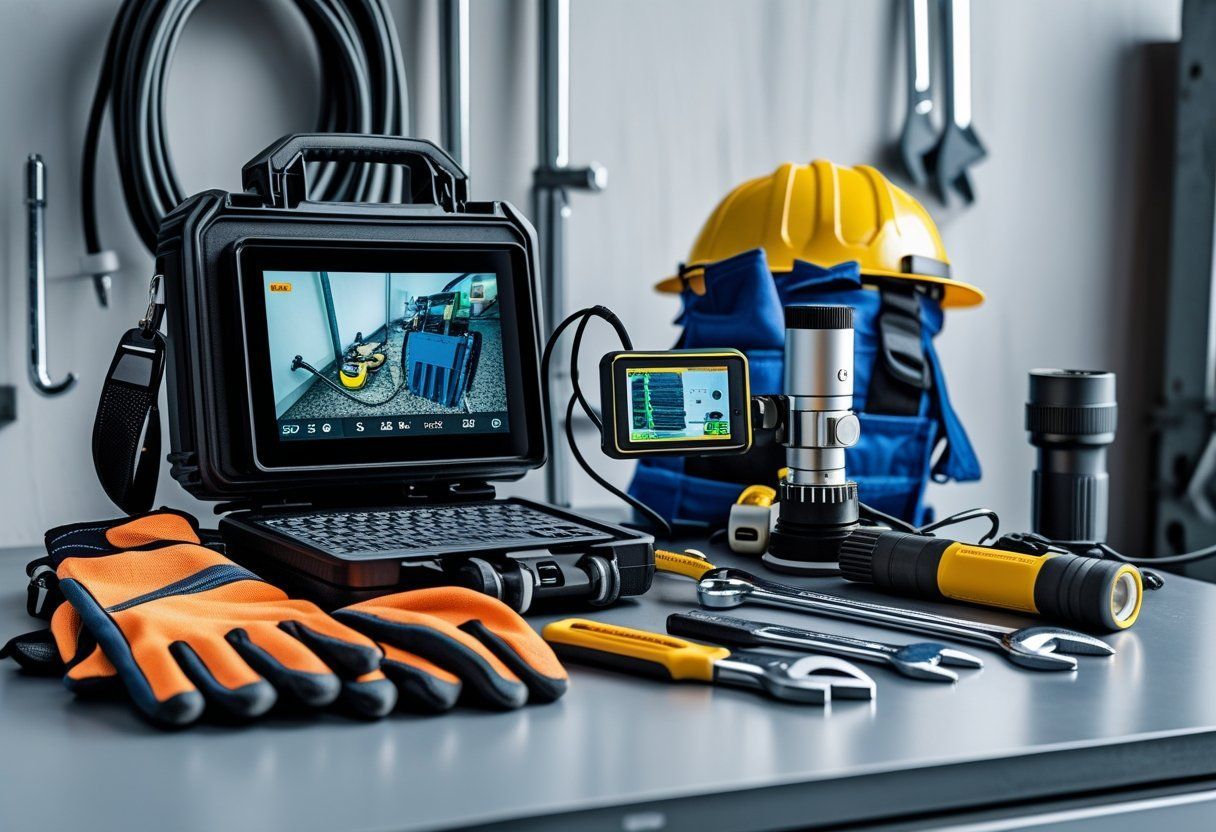
Tool kit with hard hat, gloves, laptop, and handheld device on a workbench in a workshop
By Stefani January 23, 2026
You want tools that give clear answers fast so you can find problems and fix them right. We rely on high-quality sewer cameras, locating gear, and cleaning tools to spot cracks, blockages, and defects in sewer lines accurately. Knowing which tools to use helps a plumber save time and avoid costly mistakes. We will walk […]
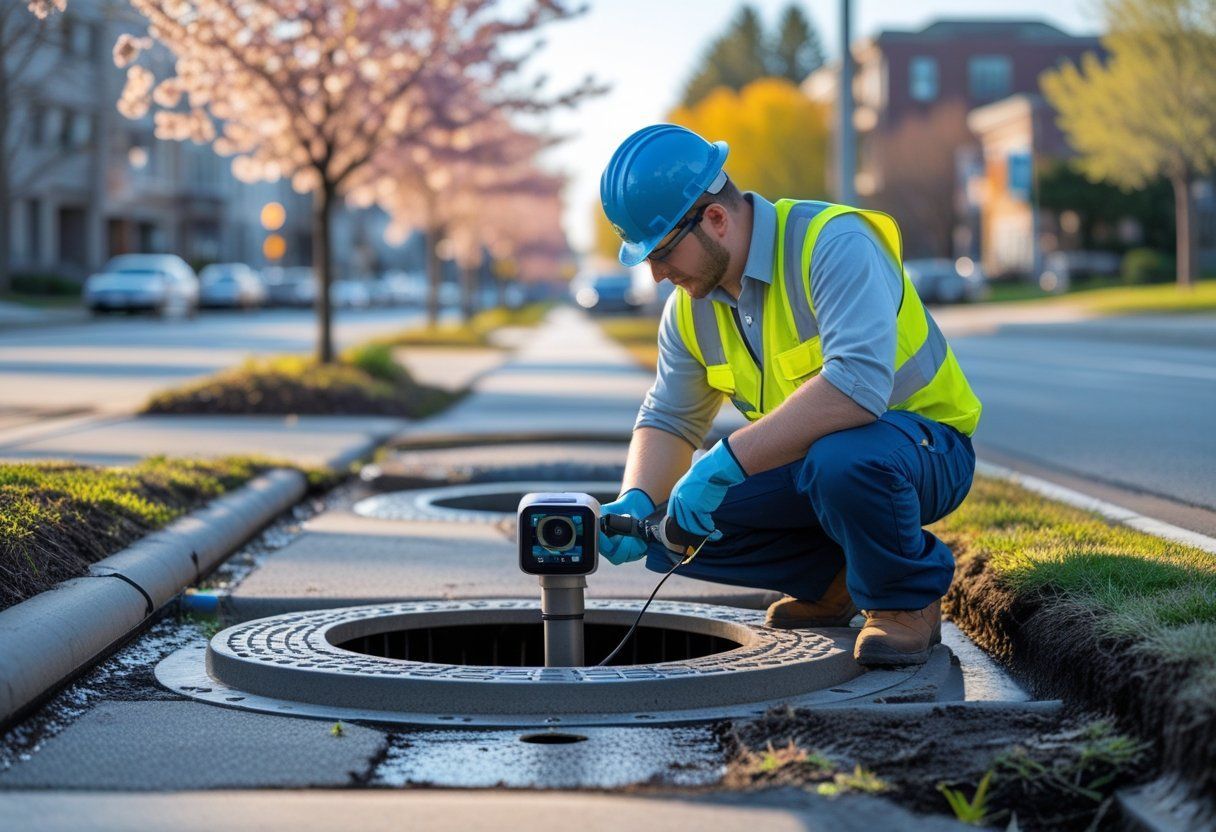
Worker in blue hard hat inspecting a manhole on a street with a camera device
By Stefani January 22, 2026
You want sewer line inspections timed so they catch problems before they get costly or urgent. We recommend scheduling inspections based on seasonal risks winter freeze, spring thaw, and heavy fall rains because timing cuts repair costs and prevents service interruptions. We will explain how weather, soil movement, and tree roots change the risk level […]
Common Mistakes to Avoid During Sewer Line Inspections
By Stefani January 18, 2026
We know sewer line inspections feel technical and tense, but avoiding a few common mistakes protects your home and wallet. Start by planning the inspection, knowing what to look for, and involving a qualified professional when signs point to trouble. That simple approach cuts down on missed problems and costly surprises. We will walk through […]
Show More