
Understanding Toilet Flushing Mechanisms: A Comprehensive Guide

daniel • September 11, 2024

Share this article

Fundamentals of Toilet Flush Mechanisms

Toilet flush mechanisms have played a vital role in sanitation over the years. We’ll explore the history and evolution of these systems and the key components, like the flapper valve and siphon, that make them work efficiently.

History and Evolution of the Flush System

The toilet flush system has a long history. It began with simple designs using gravity to move water. Early versions were basic but effective at making sure waste moved along.

As time passed, flush systems became more advanced. The gravity flush system is common today because it uses water stored in a tank, which then flows into the toilet bowl.

The pressure-assisted flush was a more recent development. This system uses water pressure to make the flush stronger. It’s often found in commercial settings where a more powerful flush is useful.

By understanding these systems, we can better appreciate how far flush mechanisms have come and how they help keep our toilets efficient. These changes not only made toilets more effective but also easier to maintain.

Key Components and Their Roles

A flush system consists of several key components. Each has a crucial role in ensuring a smooth operation. The toilet tank holds the water needed for the flush. Inside the tank, the flapper valve releases water into the bowl when we press the flush lever.

The flush valve is essential for opening and closing the flow of water. The siphon creates the suction needed to remove waste. It is vital for generating the force needed to carry waste away.

The overflow tube prevents the water from overflowing. It guides excess water into the toilet bowl to prevent spills, assisting in preventing bowl overflow. Proper maintenance of these parts ensures a long-lasting and efficient flush system.

Types of Toilet Flush Systems

We encounter several innovative technologies in toilet flushing systems today. Some focus on strong performance, while others aim for water conservation and sustainability.

Gravity Flush Systems

Gravity flush toilets are the most common type in households. They rely on water from the tank to create a siphonic action, which helps clear the bowl effectively. This simple mechanism uses gravity to move water swiftly, making it both efficient and reliable.

Water efficiency in gravity flush systems can vary. Some designs allow for dual flush technology , letting us choose between a full or partial flush. This aids in water conservation, which benefits both the environment and our utility bills.

Pressure-Assisted Systems

Pressure-assisted flush systems differ from gravity versions by using compressed air to enhance flushing power. The air pressure builds up in a sealed tank, resulting in a forceful flush. This mechanism is beneficial for quickly and thoroughly cleaning the bowl.

These systems are popular in commercial settings like public restrooms because they handle high-volume use with ease. While the flush is often noisier, its efficiency in maintaining hygiene is undeniable. They also help reduce water usage compared to older, conventional toilets.

Dual Flush Mechanisms

Dual flush systems offer two flushing options . One button or lever uses less water for liquid waste, and the other uses more for solid waste. This approach allows us to conserve water significantly without sacrificing performance.

Dual flush toilets support efforts towards sustainability and efficient water usage. By choosing the appropriate flush, we can save thousands of gallons of water yearly. This technology not only reduces our water footprint but also positively impacts our utility expenses.

Alternative Flushing Technologies

Aside from traditional systems, innovative options like tornado flush, composting, and smart toilets are gaining attention. Tornado flush utilizes a powerful swirling action , which cleans the bowl effectively and quietly.

Composting toilets focus on sustainability by using natural processes to break down waste. They are waterless and environmentally friendly, fitting for locations without sewage systems. Smart toilets offer tech features like self-cleaning capabilities, optimizing hygiene and convenience.

These alternatives highlight the ongoing evolution of toilet technology. They align with our growing focus on environmental conservation and efficient water usage in daily life.

Operational Insights and Troubleshooting

Let’s explore how to enhance flushing power and address common issues. We focus on conserving water while ensuring effective waste removal. Additionally, we’ll uncover frequent problems like weak flushing and running toilets and provide clear solutions.

Optimizing Flushing Power and Water Usage

We can consider dual-flush toilets if we aim to balance power and water usage. These models allow us to select different water volumes for waste removal. Single flush toilets can benefit from adjustments to the toilet fill valve to control water volume effectively.

Using high-quality components like a reliable flush handle ensures consistent performance. Attention to proper installation and maintenance can reduce noise levels and extend toilet life. Investing in the right toilet model can also make a significant difference in overall flush efficiency.

Common Flushing Problems and Their Solutions

Many of us face issues like a weak flush due to clogged jets or a malfunctioning toilet fill valve. Regular cleaning prevents blockage of jets, improving flushing power. Adjusting the water level in the tank can address both weak flushing and a running toilet.

In cases where the toilet runs continuously, checking the flapper and float can help. Replacing worn parts or tightening connections will often resolve these problems. Awareness of these potential issues and their solutions ensures our toilets operate smoothly and efficiently.

Recent Posts

Fast Response Plumbing technician servicing a water shut off valve in San Francisco
By Joe Tinsley July 17, 2026
Learn how gate valves, ball valves, and angle stops work, where to find them in your San Francisco home, and when to replace them. FAQs inside.
Budgeting for Unforeseen Sewer Line Maintenance Expenses
By Stefani January 31, 2026
Sewer line problems can hit your wallet fast, and we know the stress of a surprise repair. We show you how to plan a practical budget that covers emergency fixes, regular upkeep, and the big costs that sneak up on you. This saves you money and keeps small issues from turning into major failures. We […]
Seasonal Effects on Sewer Line Maintenance Costs
By Stefani January 30, 2026
You’ll want to know how seasons change what you pay for sewer line maintenance so you can plan ahead and avoid surprise bills. Seasonal weather, ground movement, and plant growth directly affect repair needs and costs, so budgeting by season cuts unexpected expenses. We outline what shifts costs, when repairs most often happen, and which […]
The Role of Location in Sewer Line Maintenance Pricing
By Stefani January 29, 2026
You’ll pay different amounts for sewer line maintenance depending on where your property sits and what’s under it. Location drives cost through factors like soil type, access difficulty, local labor rates, and permit rules, so knowing these lets you predict and plan for expenses. We’ll show how those local details shape quotes and outcomes. We’ll […]
Analyzing Material Expenses for Effective Sewer Line Care
By Stefani January 28, 2026
We’ll break down the real costs that matter for keeping a sewer line working well so you can plan and avoid surprises. You’ll learn which materials and fees drive most of the expense and how small choices can lower long-term costs. We’ll look at costs for parts, tools, permits, and regular cleaning, plus where labor […]
Understanding the Impact of Labor Costs on Sewer Line Maintenance
By Stefani January 25, 2026
You want to know how labor costs shape sewer line care and what that means for your wallet. We will show how wages, crew size, and the repair method you choose change the final bill so you can plan smarter and avoid surprises. Knowing which labor factors most drive costs lets you pick repair options […]
How to Interpret Sewer Line Inspection Reports
By Stefani January 24, 2026
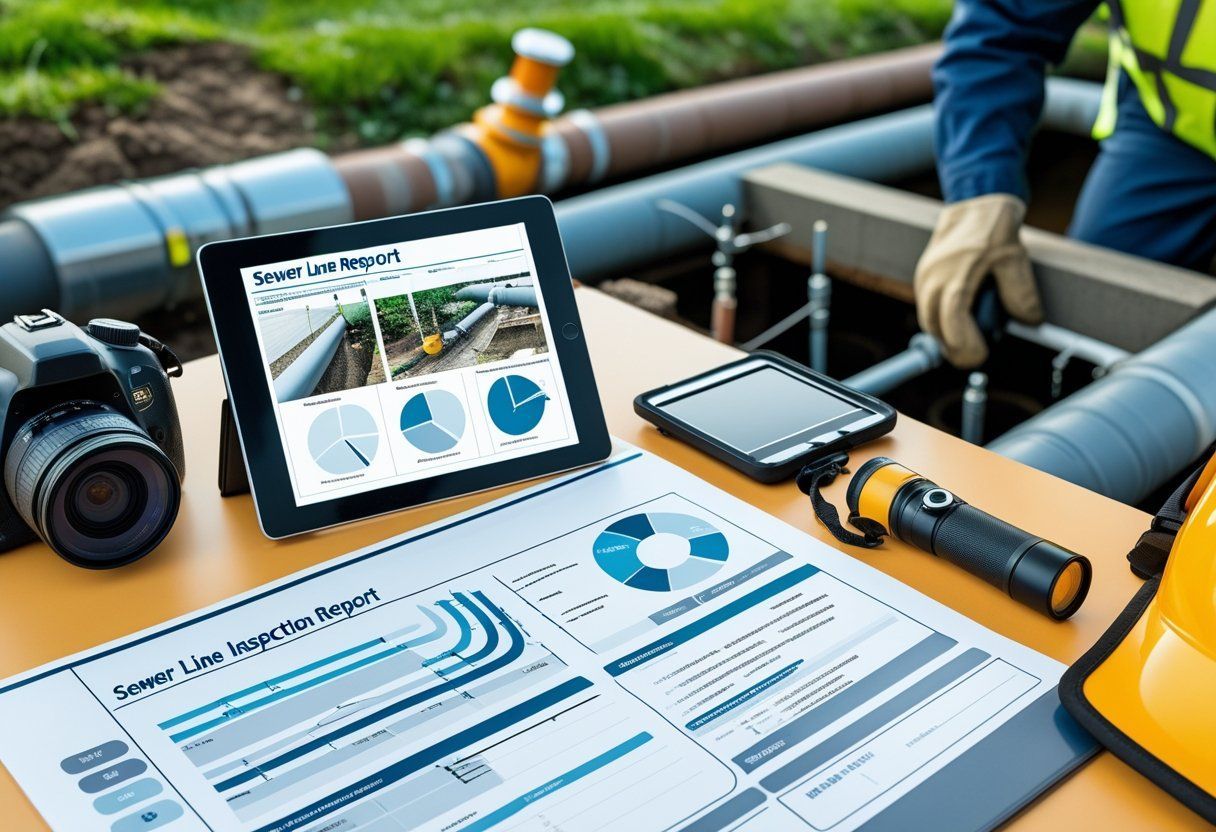
You’ll get clear steps to decode the most important parts of a sewer line inspection report so you can act with confidence. We show you how to spot real problems, what each defect means, and which issues need immediate repair versus routine maintenance. We break the report into simple pieces what the camera images show, […]
Tool kit with hard hat, gloves, laptop, and handheld device on a workbench in a workshop
By Stefani January 23, 2026
You want tools that give clear answers fast so you can find problems and fix them right. We rely on high-quality sewer cameras, locating gear, and cleaning tools to spot cracks, blockages, and defects in sewer lines accurately. Knowing which tools to use helps a plumber save time and avoid costly mistakes. We will walk […]
Worker in blue hard hat inspecting a manhole on a street with a camera device
By Stefani January 22, 2026
You want sewer line inspections timed so they catch problems before they get costly or urgent. We recommend scheduling inspections based on seasonal risks winter freeze, spring thaw, and heavy fall rains because timing cuts repair costs and prevents service interruptions. We will explain how weather, soil movement, and tree roots change the risk level […]
Common Mistakes to Avoid During Sewer Line Inspections
By Stefani January 18, 2026
We know sewer line inspections feel technical and tense, but avoiding a few common mistakes protects your home and wallet. Start by planning the inspection, knowing what to look for, and involving a qualified professional when signs point to trouble. That simple approach cuts down on missed problems and costly surprises. We will walk through […]
Show More