
Cost Factors for Toilet Repair vs Replacement: Key Considerations

daniel • September 13, 2024

Share this article

Evaluating Toilet Repair vs. Replacement

When deciding between toilet repair and replacement, it’s key to consider the severity of the issue and the long-term costs. Evaluating the specific problem can help guide whether a simple fix or a complete replacement is the better option.

Assessment of Repair Needed

First, we look at the type of problem. A running toilet might just need a new flapper or fill valve. These parts are usually inexpensive and easy to replace. Meanwhile, a clogged toilet might only require a plunger or a snake, especially if it’s not a recurring issue.

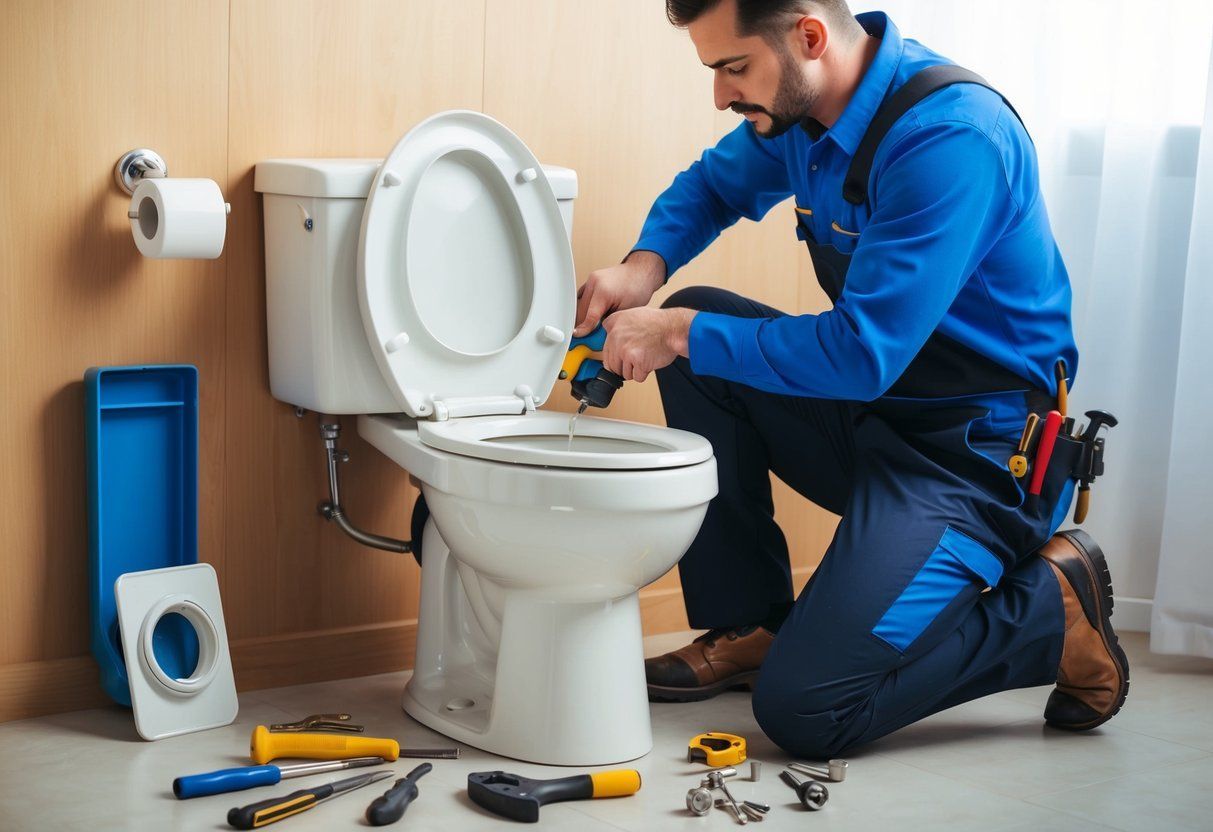
Toilet leaks can often be fixed by tightening bolts or replacing seals. If the toilet tank or bowl has a crack, repair may not be effective, necessitating a replacement. We should consider if we can handle a DIY toilet repair or if professional help is needed. A wobbly toilet might just need bolts tightened or a base shimmed.

For wall-hung toilets, repairs can be more complicated and might require expert help. Evaluating these factors helps us decide if repair can extend the toilet’s life or if replacement is more practical.

Determining When to Replace

Not all issues can be repaired effectively. If the toilet type , like a one-piece toilet or two-piece toilet , is outdated, replacement might be more efficient. Frequent repairs often indicate it’s time for a new unit. Constant leaks or wobbles suggest deeper issues that repair may not solve.

If replacement costs, including installation, outweigh the repair expenses substantially, replacement becomes more viable. Newer models may offer water efficiency benefits compared to older models. This can help save on water bills over time.

Evaluating toilet age, overall condition, and cost of replacement parts helps us understand the best course of action.

Cost Breakdown of Toilet Repair and Replacement

When deciding between repairing or replacing a toilet, we must consider labor costs, parts, and additional expenses that may arise. Each factor contributes to the total expense, influencing whether repair or replacement is the more cost-effective option for our needs.

Comparing Labor Costs

Labor costs vary based on the type of service required. Hiring a plumber often incurs higher charges than a handyman. The average plumber cost to fix a toilet ranges from $45 to $200 per hour, with some adding diagnostic fees to the total.

DIY repair might save on labor costs, but it requires time and skill. Consider if we can manage the repairs ourselves, or if hiring a professional would be more effective in the long run.

Expense of Parts and Materials

Toilet repair costs depend heavily on the parts needed. Common toilet parts like flappers and fill valves are affordable, generally costing between $10 to $30. More complex components such as tanks or bowls can be much pricier, sometimes exceeding $100.

Replacement costs are primarily driven by the price of the new fixture and installation fees. The average cost to replace a toilet ranges from $200 to $500, including labor. It’s crucial for us to weigh these against repair costs.

Additional Considerations and Costs

We should also think about potential hidden costs. Replacing a toilet could mean additional toilet installation costs due to piping modifications, floor repairs, or seat replacements. These extra tasks could raise the final bill unexpectedly.

Having multiple repair estimates can help us find the most budget-friendly option. Remember, each situation is different, so what applies to one toilet may not apply to another. By considering all factors, we can make an informed choice that best suits our financial objectives.

Common Toilet Repair Processes and Costs

Knowing the ins and outs of toilet repairs can help us manage costs effectively. We can tackle minor fixes ourselves, saving time and money, whereas more serious issues might need professional intervention.

Repairing Different Toilet Components

Toilets are made of different components that may need repairs. Common problems include leaks, clogs, and broken parts. A leaky toilet often involves the flapper or the fill valve. A flapper replacement might cost around $10-$20. Issues with the fill valve could cost between $15-$30. Wax ring replacements are typically $50-$120 when including labor. This may escalate if the flange also needs fixing.

Handle and seat repairs are simpler. A flush handle can cost as little as $5-$15, while toilet seats might range from $20-$50, depending on the material. For stubborn clogs , simple plungers usually work. If not, using a siphon or plumber’s snake might be necessary. Professional unclogging services can cost around $150 if the issue is severe.

DIY Repair Guidance

Tackling minor toilet repairs ourselves can save us money. For example, unclogging the toilet with a plunger or a toilet auger is straightforward. Be cautious when dealing with the shut-off valve and the flush valve, as incorrect handling can worsen the problem. Changing a flapper or adjusting the fill valve involves straightforward instructions that can be followed in guides.

Replacing a flange or reseating a toilet can be trickier. These tasks often require more skill and tools, such as wax rings and putty knives. Review replacement guides carefully if we decide to tackle such repairs ourselves. Consulting online tutorials, checking part compatibility, and following safety precautions are crucial for successful DIY repairs.

Recent Posts

Fast Response Plumbing technician servicing a water shut off valve in San Francisco
By Joe Tinsley July 17, 2026
Learn how gate valves, ball valves, and angle stops work, where to find them in your San Francisco home, and when to replace them. FAQs inside.
Budgeting for Unforeseen Sewer Line Maintenance Expenses
By Stefani January 31, 2026
Sewer line problems can hit your wallet fast, and we know the stress of a surprise repair. We show you how to plan a practical budget that covers emergency fixes, regular upkeep, and the big costs that sneak up on you. This saves you money and keeps small issues from turning into major failures. We […]
Seasonal Effects on Sewer Line Maintenance Costs
By Stefani January 30, 2026
You’ll want to know how seasons change what you pay for sewer line maintenance so you can plan ahead and avoid surprise bills. Seasonal weather, ground movement, and plant growth directly affect repair needs and costs, so budgeting by season cuts unexpected expenses. We outline what shifts costs, when repairs most often happen, and which […]
The Role of Location in Sewer Line Maintenance Pricing
By Stefani January 29, 2026
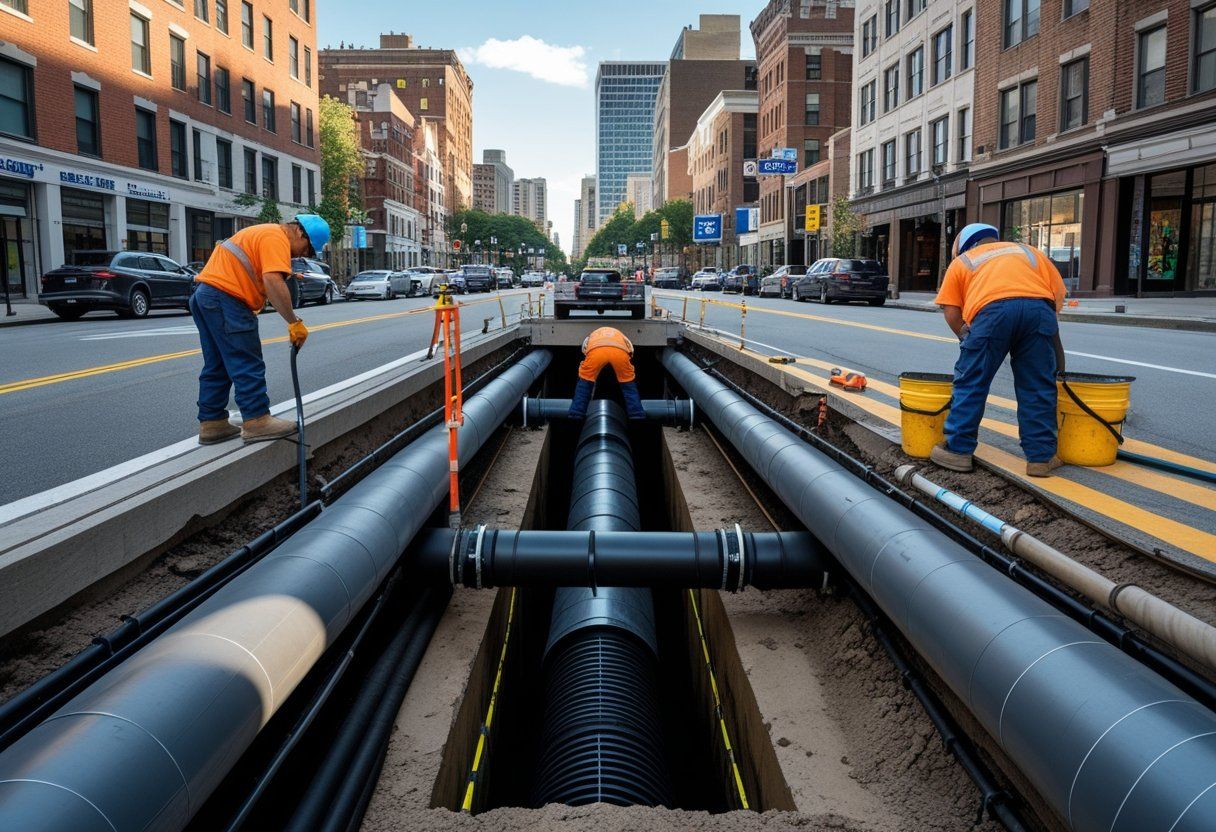
You’ll pay different amounts for sewer line maintenance depending on where your property sits and what’s under it. Location drives cost through factors like soil type, access difficulty, local labor rates, and permit rules, so knowing these lets you predict and plan for expenses. We’ll show how those local details shape quotes and outcomes. We’ll […]
Analyzing Material Expenses for Effective Sewer Line Care
By Stefani January 28, 2026
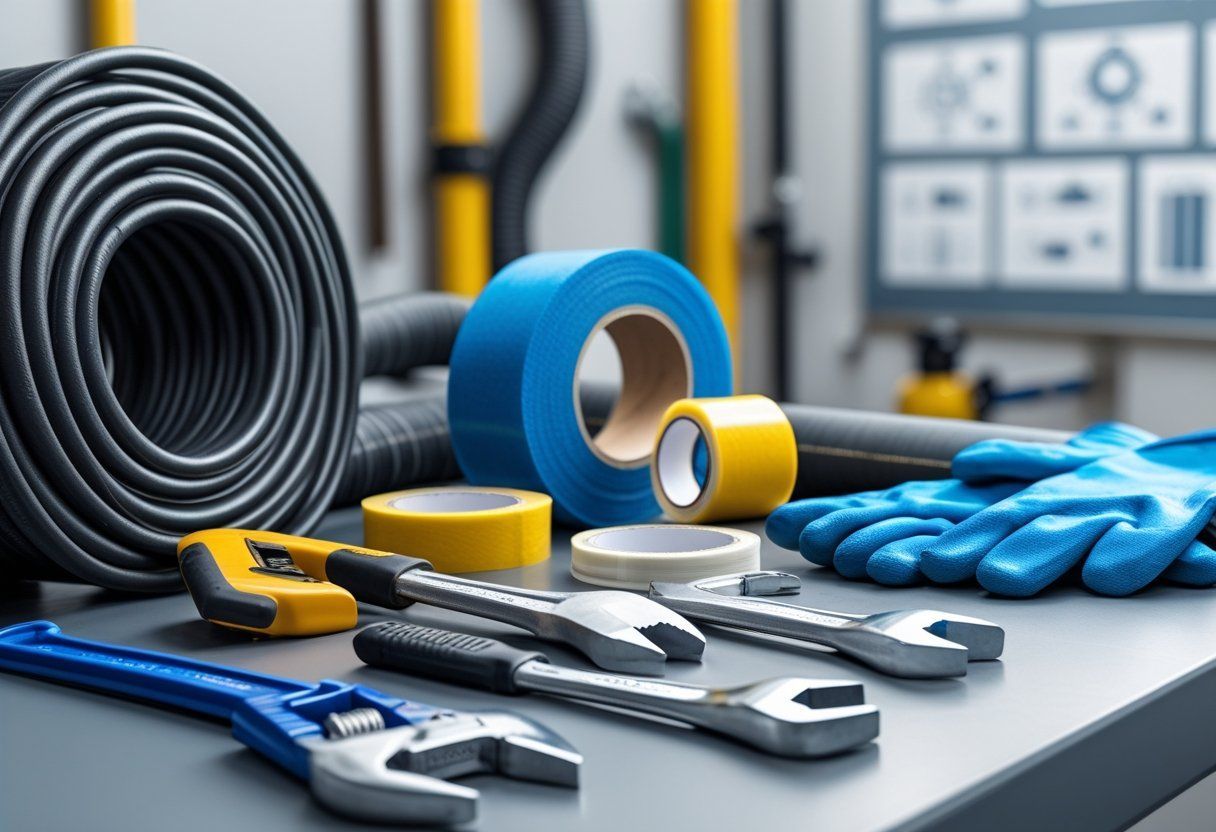
We’ll break down the real costs that matter for keeping a sewer line working well so you can plan and avoid surprises. You’ll learn which materials and fees drive most of the expense and how small choices can lower long-term costs. We’ll look at costs for parts, tools, permits, and regular cleaning, plus where labor […]
Understanding the Impact of Labor Costs on Sewer Line Maintenance
By Stefani January 25, 2026
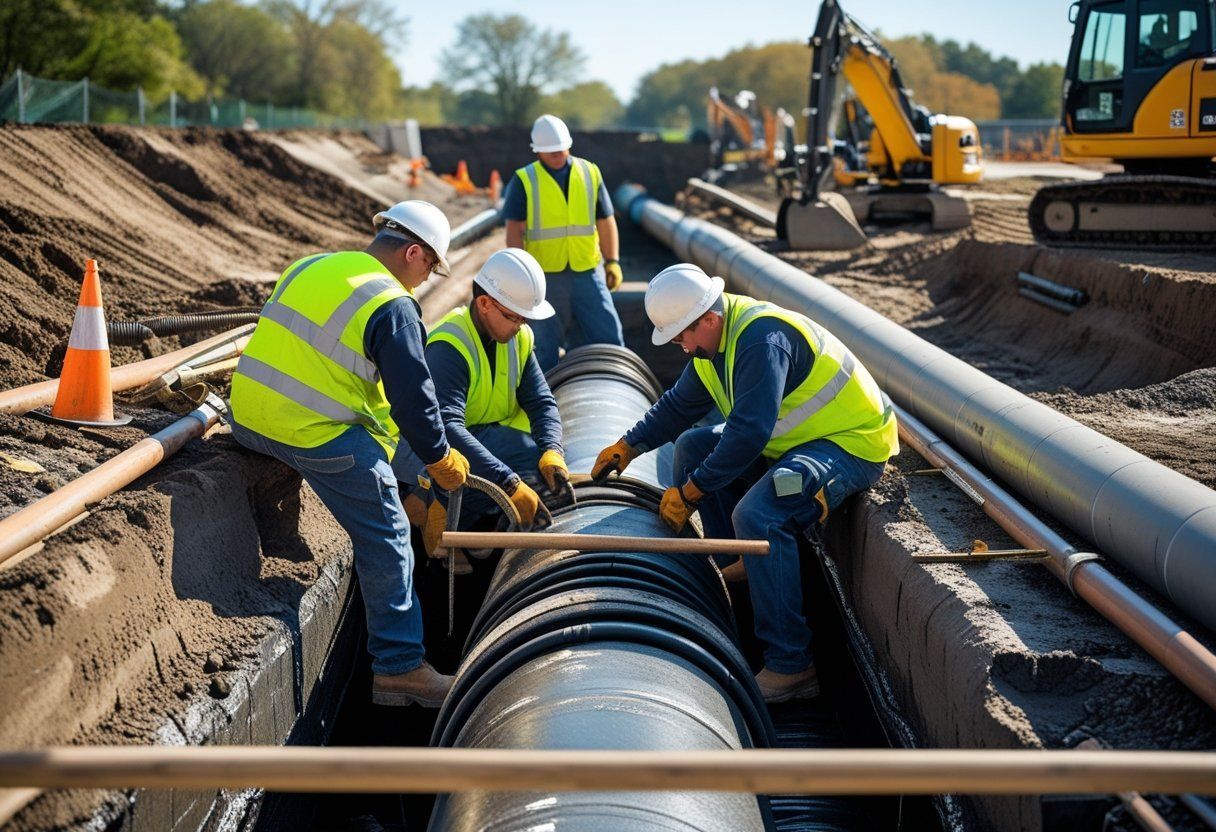
You want to know how labor costs shape sewer line care and what that means for your wallet. We will show how wages, crew size, and the repair method you choose change the final bill so you can plan smarter and avoid surprises. Knowing which labor factors most drive costs lets you pick repair options […]
How to Interpret Sewer Line Inspection Reports
By Stefani January 24, 2026
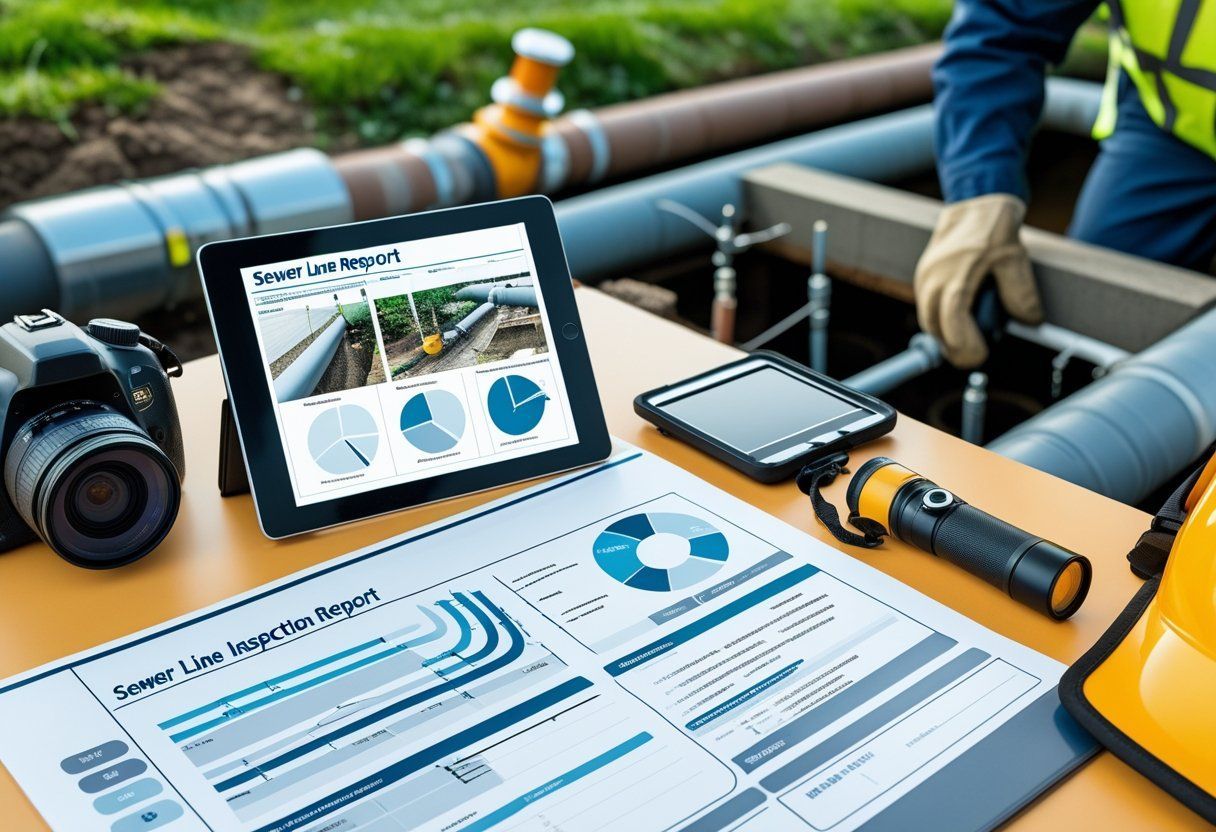
You’ll get clear steps to decode the most important parts of a sewer line inspection report so you can act with confidence. We show you how to spot real problems, what each defect means, and which issues need immediate repair versus routine maintenance. We break the report into simple pieces what the camera images show, […]
By Stefani January 23, 2026
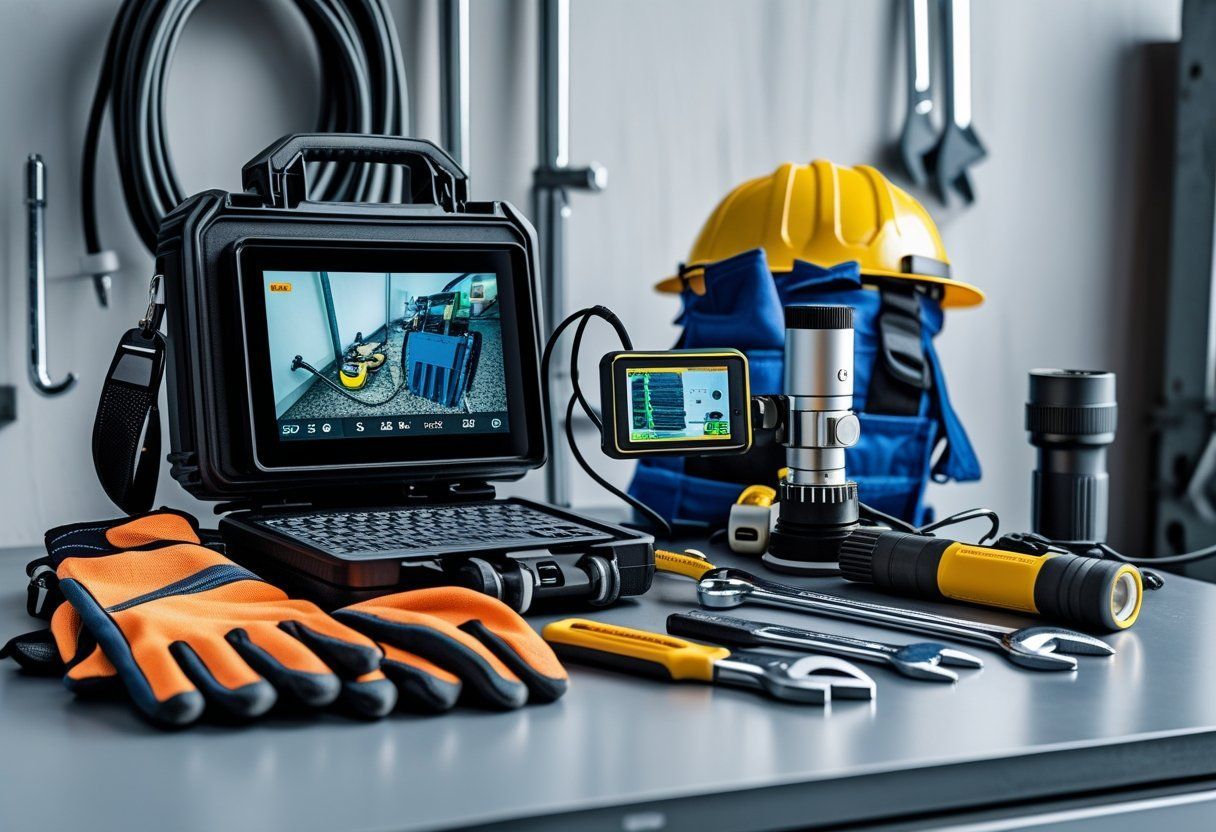
You want tools that give clear answers fast so you can find problems and fix them right. We rely on high-quality sewer cameras, locating gear, and cleaning tools to spot cracks, blockages, and defects in sewer lines accurately. Knowing which tools to use helps a plumber save time and avoid costly mistakes. We will walk […]
By Stefani January 22, 2026
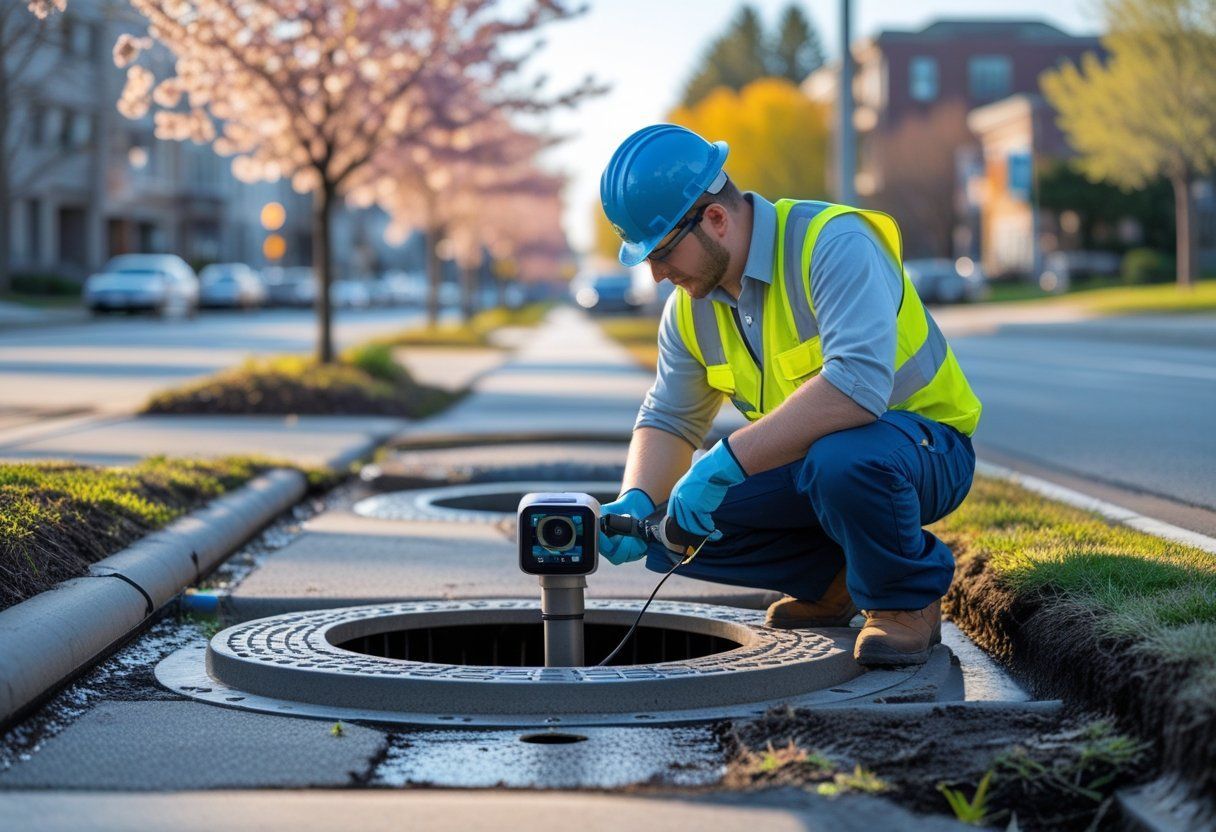
You want sewer line inspections timed so they catch problems before they get costly or urgent. We recommend scheduling inspections based on seasonal risks winter freeze, spring thaw, and heavy fall rains because timing cuts repair costs and prevents service interruptions. We will explain how weather, soil movement, and tree roots change the risk level […]
Common Mistakes to Avoid During Sewer Line Inspections
By Stefani January 18, 2026
We know sewer line inspections feel technical and tense, but avoiding a few common mistakes protects your home and wallet. Start by planning the inspection, knowing what to look for, and involving a qualified professional when signs point to trouble. That simple approach cuts down on missed problems and costly surprises. We will walk through […]
Show More