
DIY Toilet Repair: Knowing When to Call a Professional

daniel • September 14, 2024

Share this article

Understanding Toilet Repair

When it comes to fixing toilets, it’s important for us to recognize the frequent issues that arise and what skills and tools we need. With this knowledge, we can determine if a DIY approach is possible or if we should call a professional plumber for help.

Common Toilet Problems Explained

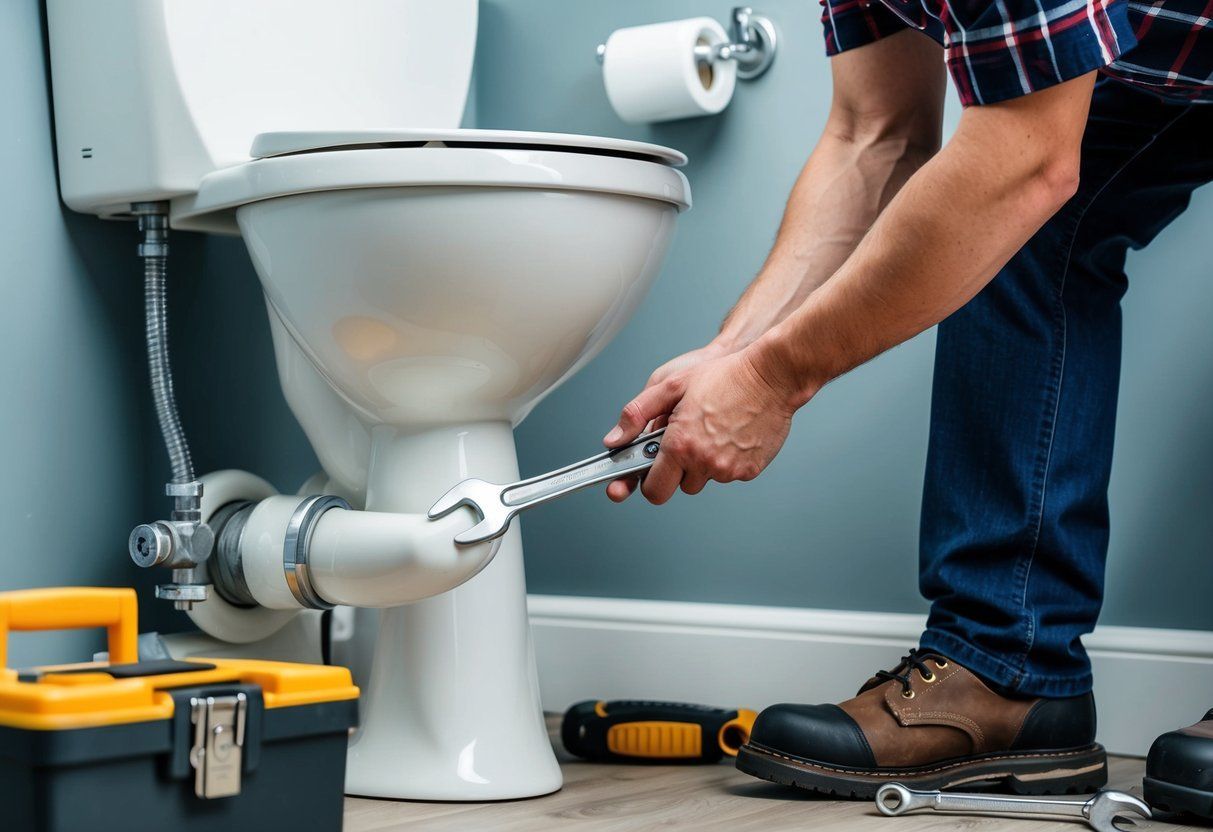
Toilets can have a few common issues that we can often tackle ourselves. A clogged toilet usually happens when something blocks the pipes. We often find that a good plunger can solve this. A running toilet might mean the flapper inside the tank isn’t sealing right. This can waste lots of water and might only need a flapper replacement.

Another issue we’re likely to see is a leaking toilet. This could be due to worn-out seals or perhaps a problem with the connection at the base. Sometimes the leak is silent, and we may only notice it through a higher water bill. Addressing these problems promptly prevents further complications and saves us money.

Tools and Skills for DIY Toilet Repair

We need the right tools to fix toilet problems efficiently. A basic toolkit should include a plunger, wrench, and a set of screwdrivers. These are helpful for simple fixes. For more advanced tasks, like replacing a flapper, it’s useful to have a pair of adjustable pliers, too.

Our skill level matters because some DIY toilet repairs are easier than others. Knowing how to turn off the water supply is essential. With some patience and the willingness to learn, many straightforward repairs are within our reach. However, knowing our limits keeps us from turning small issues into big ones. When in doubt, it’s wise for us to consider getting help from a professional.

DIY Repairs and When to Consider a Professional

In our homes, we may face plumbing issues that seem minor but could become bigger problems if not handled right. While some repairs like fixing leaky faucets and unclogging drains can be managed on our own, more complex issues often require calling in professional plumbers.

Fixing Leaky Faucets and Unclogging Drains

Leaky faucets are a common issue for homeowners. They can often be fixed with a few simple tools, like a wrench and some replacement parts. Tightening a connection or replacing a washer may stop the drip and save water.

Unclogging drains is usually a DIY task. Basic tools like a plunger or drain snake often do the trick. If one of our drains is slow to empty or clogged, trying these methods can often solve the problem.

These simple fixes can save us money and avoid calling for professional plumbing services. It’s cost-effective and we can quickly address small issues without waiting for help.

Complex Issues and Professional Assessment

Some plumbing issues are not as straightforward. Problems like sewer line clogs, significant leaks, or continuously running toilets could indicate complex plumbing issues. We might also face problems involving a wax ring replacement or plumbing systems that are beyond the usual DIY scope.

In these cases, calling a professional plumber is advisable. They have the specialized tools and knowledge to assess and repair intricate issues. Professional plumbers help us avoid potential water damage that can occur from a mishandled repair.

Though professional plumbing services may come with a higher cost, they provide a reliable solution to serious problems, ensuring our plumbing systems remain in good health. Sometimes, our effort and skill set can only get us so far, and that’s when a professional assessment is valuable.

Upgrading and Preventing Future Issues

When we think about maintaining our toilets, conducting careful upgrades can extend the life of our plumbing systems. Such improvements not only keep everything running smoothly but also prevent larger issues down the line.

Toilet Replacement and Maintenance Strategies

When it’s time for a new toilet, choosing the right one is key. We should look for models with water-saving features. Newer designs use less water per flush without sacrificing performance. Always check reviews and ratings to ensure we get a reliable model.

Maintenance is equally important. We need to inspect shutoff valves and supply lines regularly to catch small leaks before they become big problems. Tightening loose fittings and replacing worn parts are effective DIY plumbing tasks. Our proactive approach can help avoid unexpected breakdowns.

Handling Sewer Line Complications

Sewer line issues are more complex than regular plumbing tasks. We must watch for slow drains or unusual noises, which might hint at a sewer problem. These issues can lead to serious damage if ignored.

If we suspect a problem with our sewer lines, calling in a professional is smart. They have tools, like cameras, to inspect lines without digging. Regular checks and maintenance can prevent costly repairs. Putting this into practice safeguards our home’s plumbing system in the long term.

Recent Posts

Fast Response Plumbing technician servicing a water shut off valve in San Francisco
By Joe Tinsley July 17, 2026
Learn how gate valves, ball valves, and angle stops work, where to find them in your San Francisco home, and when to replace them. FAQs inside.
Budgeting for Unforeseen Sewer Line Maintenance Expenses
By Stefani January 31, 2026
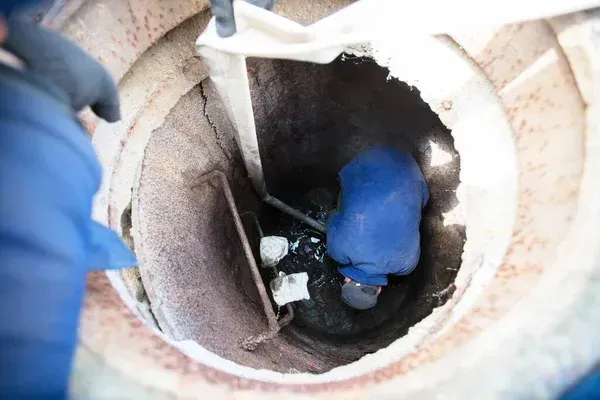
Sewer line problems can hit your wallet fast, and we know the stress of a surprise repair. We show you how to plan a practical budget that covers emergency fixes, regular upkeep, and the big costs that sneak up on you. This saves you money and keeps small issues from turning into major failures. We […]
Seasonal Effects on Sewer Line Maintenance Costs
By Stefani January 30, 2026
You’ll want to know how seasons change what you pay for sewer line maintenance so you can plan ahead and avoid surprise bills. Seasonal weather, ground movement, and plant growth directly affect repair needs and costs, so budgeting by season cuts unexpected expenses. We outline what shifts costs, when repairs most often happen, and which […]
The Role of Location in Sewer Line Maintenance Pricing
By Stefani January 29, 2026
You’ll pay different amounts for sewer line maintenance depending on where your property sits and what’s under it. Location drives cost through factors like soil type, access difficulty, local labor rates, and permit rules, so knowing these lets you predict and plan for expenses. We’ll show how those local details shape quotes and outcomes. We’ll […]
Analyzing Material Expenses for Effective Sewer Line Care
By Stefani January 28, 2026
We’ll break down the real costs that matter for keeping a sewer line working well so you can plan and avoid surprises. You’ll learn which materials and fees drive most of the expense and how small choices can lower long-term costs. We’ll look at costs for parts, tools, permits, and regular cleaning, plus where labor […]
Understanding the Impact of Labor Costs on Sewer Line Maintenance
By Stefani January 25, 2026
You want to know how labor costs shape sewer line care and what that means for your wallet. We will show how wages, crew size, and the repair method you choose change the final bill so you can plan smarter and avoid surprises. Knowing which labor factors most drive costs lets you pick repair options […]
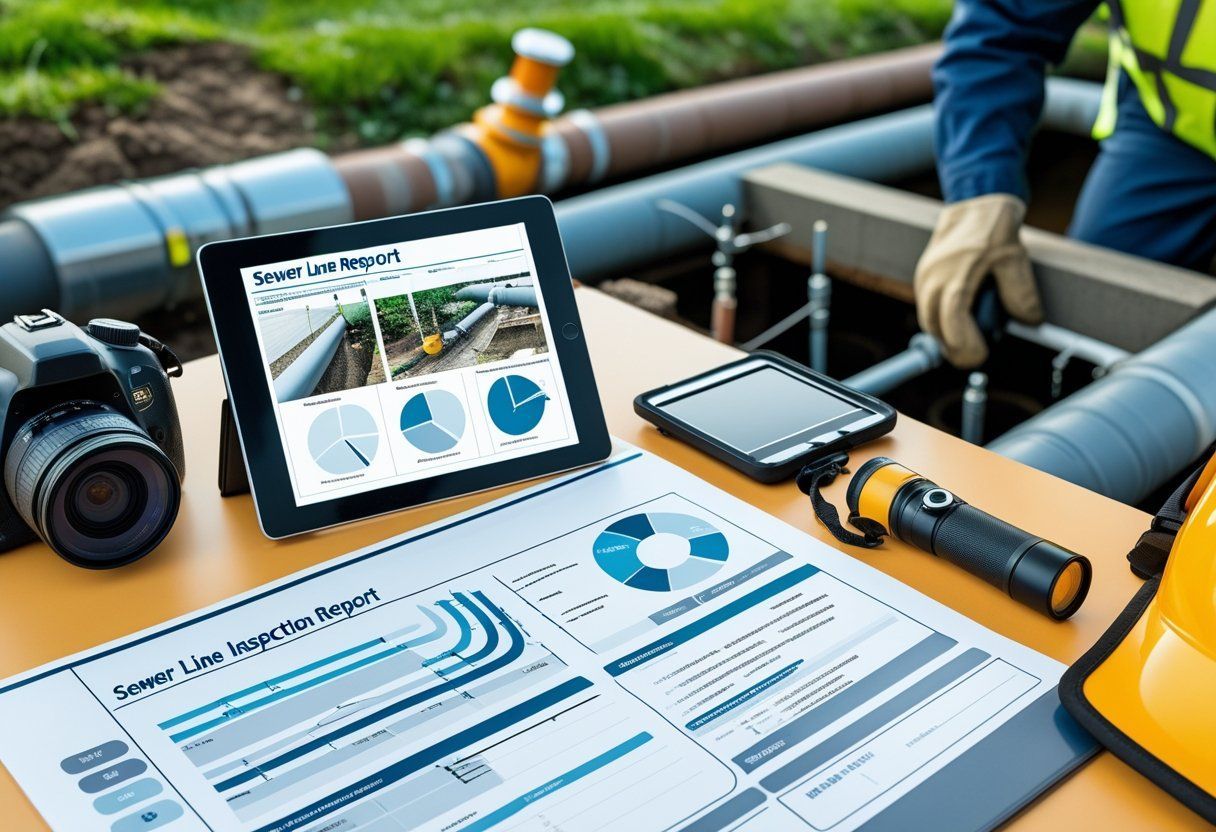
How to Interpret Sewer Line Inspection Reports
By Stefani January 24, 2026
You’ll get clear steps to decode the most important parts of a sewer line inspection report so you can act with confidence. We show you how to spot real problems, what each defect means, and which issues need immediate repair versus routine maintenance. We break the report into simple pieces what the camera images show, […]
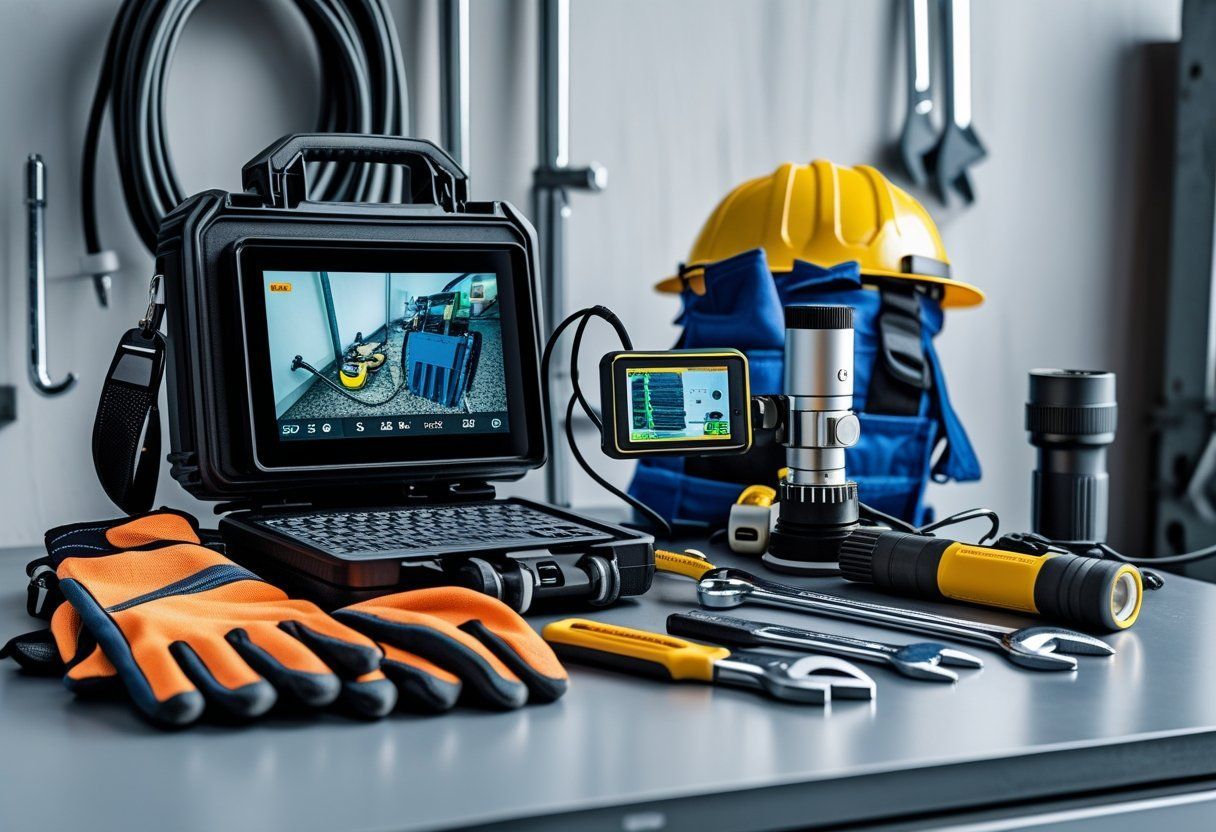
By Stefani January 23, 2026
You want tools that give clear answers fast so you can find problems and fix them right. We rely on high-quality sewer cameras, locating gear, and cleaning tools to spot cracks, blockages, and defects in sewer lines accurately. Knowing which tools to use helps a plumber save time and avoid costly mistakes. We will walk […]
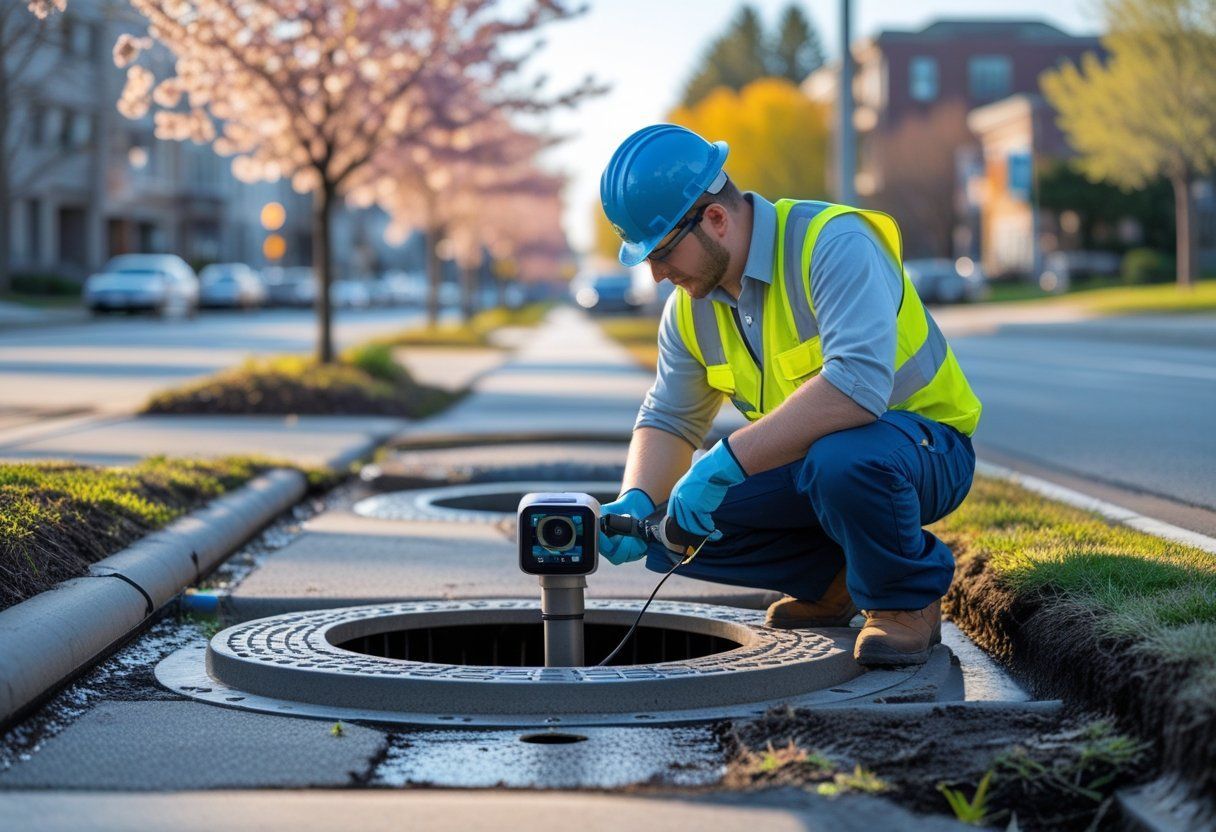
By Stefani January 22, 2026
You want sewer line inspections timed so they catch problems before they get costly or urgent. We recommend scheduling inspections based on seasonal risks winter freeze, spring thaw, and heavy fall rains because timing cuts repair costs and prevents service interruptions. We will explain how weather, soil movement, and tree roots change the risk level […]
Common Mistakes to Avoid During Sewer Line Inspections
By Stefani January 18, 2026
We know sewer line inspections feel technical and tense, but avoiding a few common mistakes protects your home and wallet. Start by planning the inspection, knowing what to look for, and involving a qualified professional when signs point to trouble. That simple approach cuts down on missed problems and costly surprises. We will walk through […]
Show More