
Eco-Friendly Toilet Options for Your Home: Sustainable Choices Explained

daniel • September 15, 2024

Share this article

Understanding Eco-Friendly Toilets

Eco-friendly toilets help lower water use and lessen our effect on the environment. They work to save water, protect natural resources, and support our water supply needs.

Water Efficiency and Types of Eco-Friendly Toilets

Eco-friendly toilets aim to use as little water as possible. Low-flow toilets are popular because they use less water per flush compared to regular toilets. Older models might use 3.5 gallons per flush, while low-flow ones use around 1.6 gallons. This simple change can lead to great water savings.

We can also consider dual-flush toilets . They offer two flushing options: one for liquid waste and another for solids. This choice helps us manage our household water use effectively.

Composting toilets are another type that doesn’t use water at all. They turn waste into compost, supporting environmental impact efforts. This option is ideal when conserving natural resources is vital.

The Role of Eco-Friendly Toilets in Reducing Water Scarcity

Water scarcity is a serious issue in many regions. Using eco-friendly toilets helps lessen the strain on our limited water supply. With less water consumed, our environmental impact decreases significantly.

Our efforts in conserving water also support water conservation goals, ensuring more water is available for future use. Eco-friendly toilets play a part in securing our natural resources for coming generations.

By choosing these toilets, we not only lower our own water consumption but also contribute to a larger, more sustainable solution to manage the world’s water scarcity challenges. Through these choices, we can make a positive impact right from our homes.

Types of Sustainable Toilets and Their Benefits

In our efforts to conserve water and reduce waste, several sustainable toilet options have emerged. These toilets not only help in saving resources, but they also offer cost savings and environmental benefits. Let’s explore the different types available.

Low-Flow and Dual-Flush Toilets

Low-flow toilets are designed to use less water per flush, typically around 1.28 gallons per flush (gpf), compared to traditional toilets that use 3.5 gpf or more. WaterSense toilets meet specific criteria for water efficiency and performance, allowing us to save water without sacrificing functionality.

Dual-flush toilets offer two flushing options: a full flush for solid waste and a reduced flush for liquid waste. This adaptability can further decrease our water usage. Pressure-assisted toilets also fall under this category, providing powerful flushes using minimal water. By choosing these options, we contribute to large-scale water conservation and reduce our utility bills.

Composting and Waterless Toilets

Composting toilets don’t require water for flushing. Instead, they use natural processes to break down waste into nutrient-rich compost . These units are perfect for homes where plumbing is limited or where water conservation is priority.

While waterless toilets are similar, they may use different methods to handle waste. Both options can be energy efficient and help reduce our carbon footprint. Additionally, the compost from these toilets can be used in non-edible landscaping, providing further environmental benefits. Initial costs can be higher, but long-term savings and eco-friendliness are significant advantages.

Bidet Toilets and Reducing Paper Waste

Bidet toilets, or those with bidet fittings , provide an effective alternative to traditional toilet paper. By using water to cleanse, they significantly cut down on paper waste, which can lower household costs and reduce environmental impact.

Bidet toilets often come with features like adjustable water pressure and temperature control for added comfort. While upfront costs for bidet installations may be higher, many of us find the long-term savings on toilet paper to be worthwhile. Furthermore, reducing paper usage also lessens the strain on sewage systems and landfills, leading to broader ecological benefits.

Selection and Installation of Eco-Friendly Toilets

To enhance our homes with eco-friendly toilets, we must focus on choosing the right model and understanding the plumbing requirements for installation. Selecting options like WaterSense toilets or models from brands such as Kohler and Toto can help us reduce our environmental impact and save water efficiently.

Choosing the Right Eco-Friendly Toilet for Your Home

When selecting an eco-friendly toilet, it’s important to look for models that conserve water. WaterSense toilets are a great choice. They use less water per flush while maintaining performance. Companies like Kohler , American Standard , and Toto offer various designs that fit any bathroom style.

Including bidet fittings can further reduce ecological pollution by minimizing toilet paper use. Cost and comfort should be considered, ensuring the toilet meets the needs of everyone in the household. It’s also valuable to check for user reviews and efficiency ratings.

Plumbing System Considerations for Installation

Installing an eco-friendly toilet requires us to evaluate our home’s plumbing system. Make sure the existing pipes can support the new toilet. Consulting with a professional plumber may help identify any necessary adjustments or updates, such as pipe upgrades or fitting changes.

Bidet fittings may need specialized connectors. It’s crucial to verify compatibility with your current setup. Proper installation will ensure efficiency and reduce the need for water treatment due to leaks or inefficient flushing.

Remember, careful attention to detail during installation can maximize water savings and minimize any potential plumbing issues.

Recent Posts

Fast Response Plumbing technician servicing a water shut off valve in San Francisco
By Joe Tinsley July 17, 2026
Learn how gate valves, ball valves, and angle stops work, where to find them in your San Francisco home, and when to replace them. FAQs inside.
Budgeting for Unforeseen Sewer Line Maintenance Expenses
By Stefani January 31, 2026
Sewer line problems can hit your wallet fast, and we know the stress of a surprise repair. We show you how to plan a practical budget that covers emergency fixes, regular upkeep, and the big costs that sneak up on you. This saves you money and keeps small issues from turning into major failures. We […]
Seasonal Effects on Sewer Line Maintenance Costs
By Stefani January 30, 2026
You’ll want to know how seasons change what you pay for sewer line maintenance so you can plan ahead and avoid surprise bills. Seasonal weather, ground movement, and plant growth directly affect repair needs and costs, so budgeting by season cuts unexpected expenses. We outline what shifts costs, when repairs most often happen, and which […]
The Role of Location in Sewer Line Maintenance Pricing
By Stefani January 29, 2026
You’ll pay different amounts for sewer line maintenance depending on where your property sits and what’s under it. Location drives cost through factors like soil type, access difficulty, local labor rates, and permit rules, so knowing these lets you predict and plan for expenses. We’ll show how those local details shape quotes and outcomes. We’ll […]
Analyzing Material Expenses for Effective Sewer Line Care
By Stefani January 28, 2026
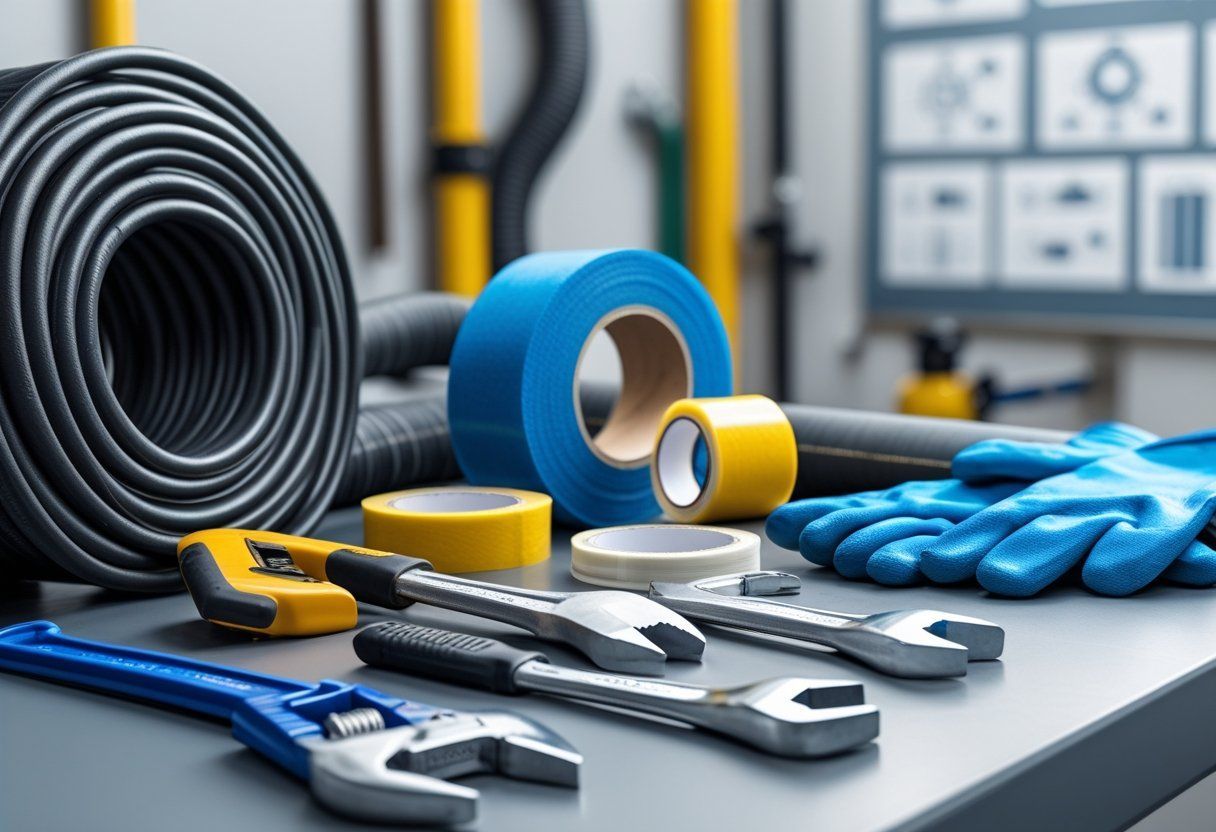
We’ll break down the real costs that matter for keeping a sewer line working well so you can plan and avoid surprises. You’ll learn which materials and fees drive most of the expense and how small choices can lower long-term costs. We’ll look at costs for parts, tools, permits, and regular cleaning, plus where labor […]
Understanding the Impact of Labor Costs on Sewer Line Maintenance
By Stefani January 25, 2026
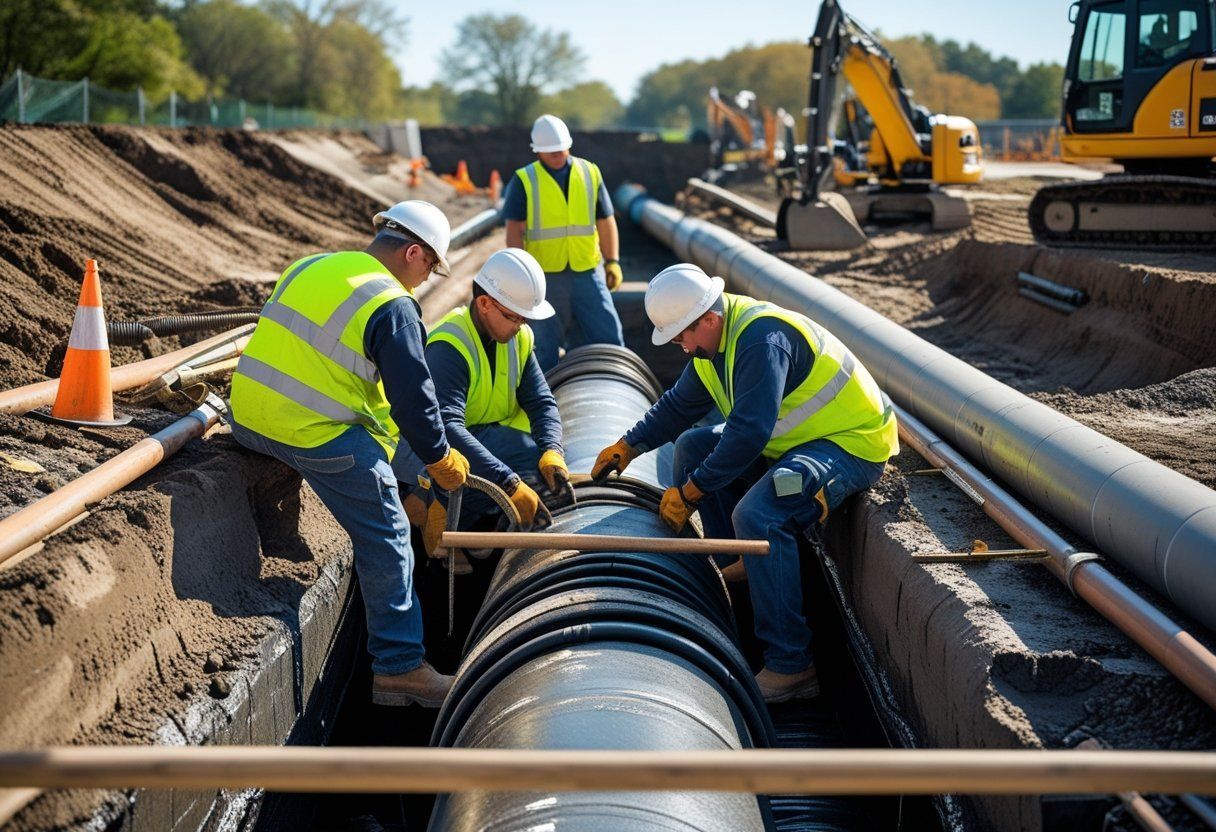
You want to know how labor costs shape sewer line care and what that means for your wallet. We will show how wages, crew size, and the repair method you choose change the final bill so you can plan smarter and avoid surprises. Knowing which labor factors most drive costs lets you pick repair options […]
How to Interpret Sewer Line Inspection Reports
By Stefani January 24, 2026
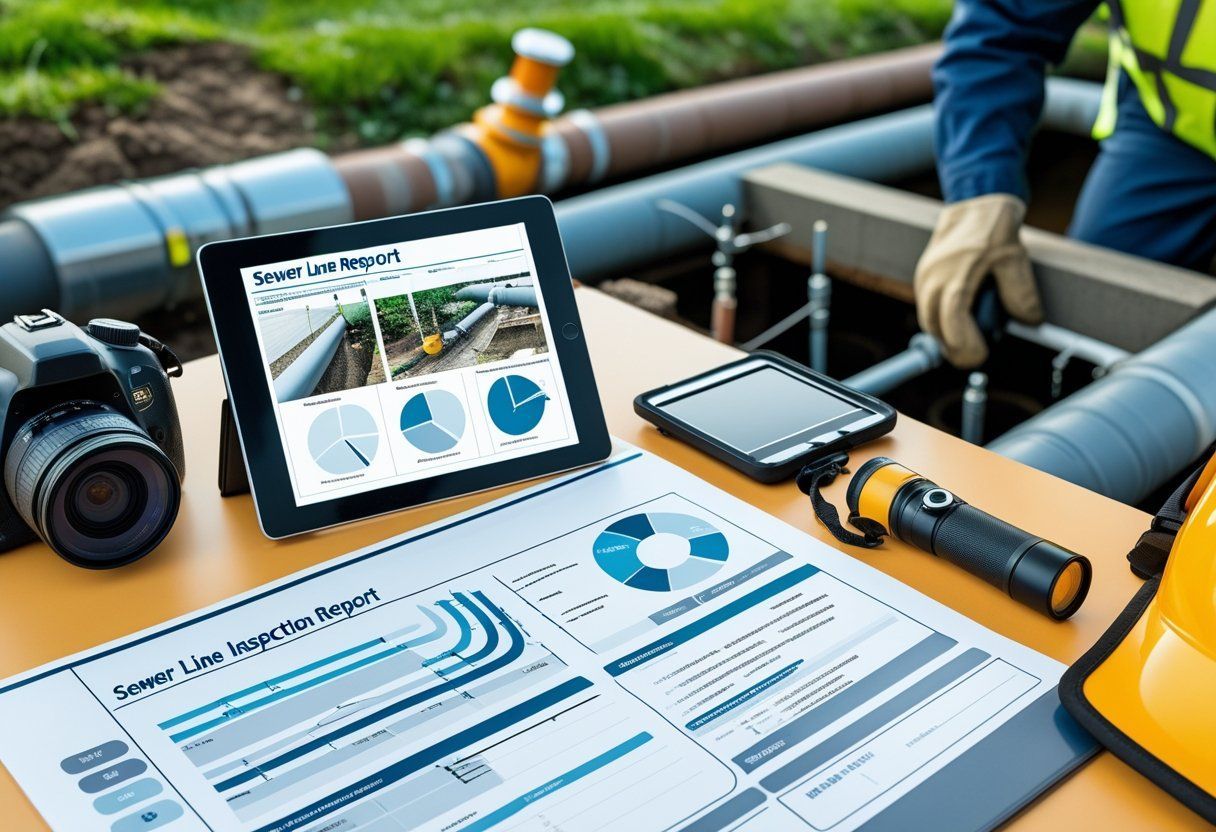
You’ll get clear steps to decode the most important parts of a sewer line inspection report so you can act with confidence. We show you how to spot real problems, what each defect means, and which issues need immediate repair versus routine maintenance. We break the report into simple pieces what the camera images show, […]
By Stefani January 23, 2026
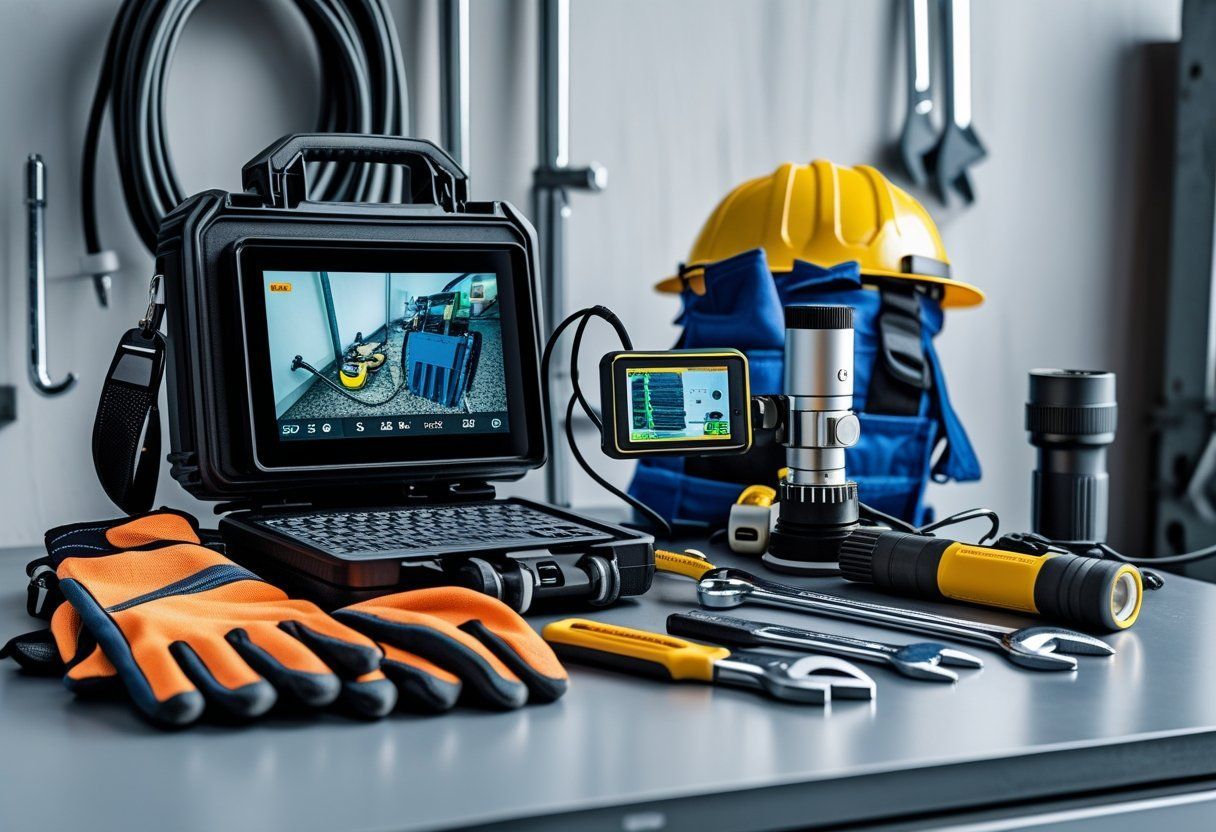
You want tools that give clear answers fast so you can find problems and fix them right. We rely on high-quality sewer cameras, locating gear, and cleaning tools to spot cracks, blockages, and defects in sewer lines accurately. Knowing which tools to use helps a plumber save time and avoid costly mistakes. We will walk […]
By Stefani January 22, 2026
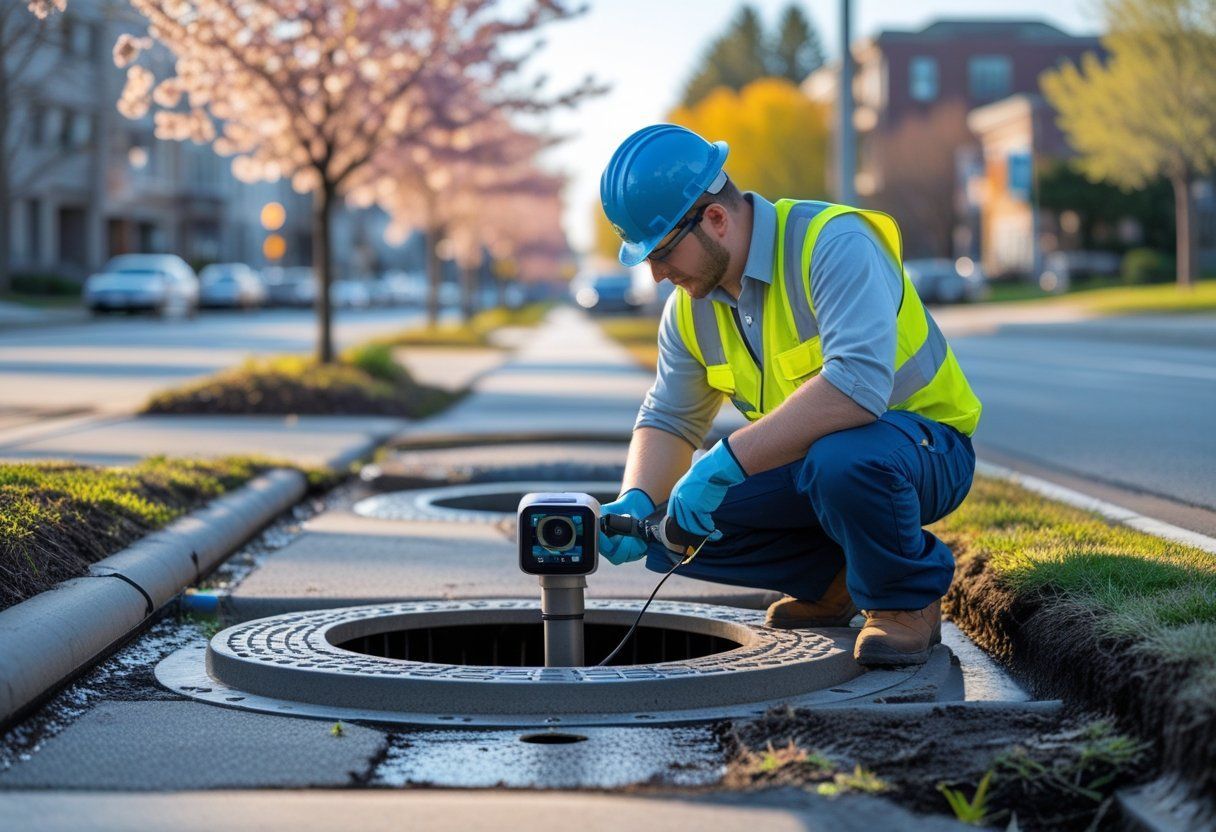
You want sewer line inspections timed so they catch problems before they get costly or urgent. We recommend scheduling inspections based on seasonal risks winter freeze, spring thaw, and heavy fall rains because timing cuts repair costs and prevents service interruptions. We will explain how weather, soil movement, and tree roots change the risk level […]
Common Mistakes to Avoid During Sewer Line Inspections
By Stefani January 18, 2026
We know sewer line inspections feel technical and tense, but avoiding a few common mistakes protects your home and wallet. Start by planning the inspection, knowing what to look for, and involving a qualified professional when signs point to trouble. That simple approach cuts down on missed problems and costly surprises. We will walk through […]
Show More