
Tips for Maintaining Your Toilet: Essential Practices to Prevent Repairs

daniel • September 10, 2024

Share this article

Essential Toilet Maintenance Practices

A well-maintained toilet runs smoothly and saves us time and money. Regular cleaning, preventing clogs, and checking water pressure are key practices. Let’s look at these tasks in detail.

Routine Cleaning Recommendations

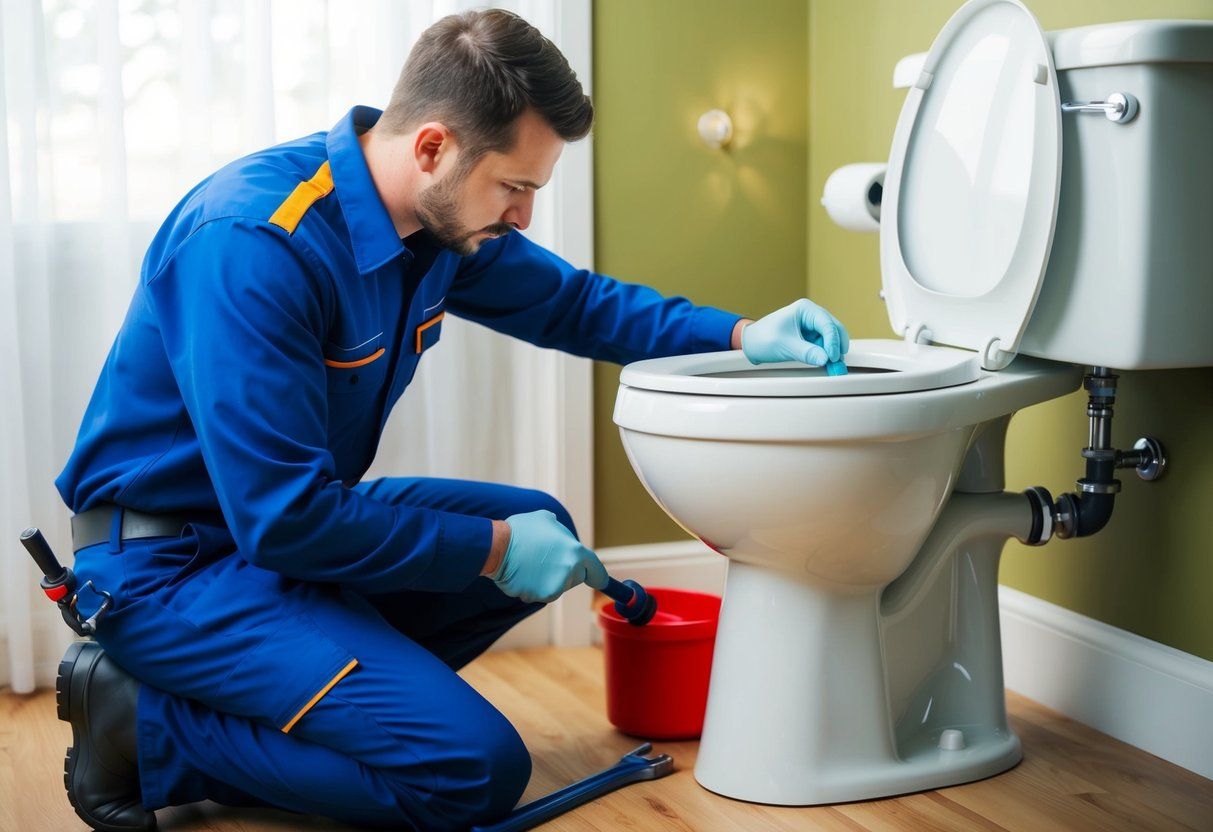
Routine cleaning is crucial for a fully functional toilet. We should clean the toilet bowl with a toilet brush and appropriate cleaner weekly. It’s important to scrub under the rim where deposits often hide. Don’t forget the tank—it can develop mold and affect water usage .

Incorporating these practices prevents buildup that could lead to clogs or other problems. Regular maintenance keeps our toilets in top shape. Vinegar and baking soda are natural cleaning options for those who prefer eco-friendly choices. With these steps, our toilets remain fresh and operational.

Preventing Common Clogs

Stopping clogs before they start is critical. We all know that toilet paper can accumulate, so using only as much as necessary helps. Other items, like wipes, should never be flushed, as they don’t break down the same way. If a clog does occur, a plunger can be an effective tool.

Understanding what can and cannot go down the toilet keeps our drains clear. To further prevent clogs, a monthly flush with hot water can help dissolve any beginning blockages, ensuring smooth flow. These simple steps minimize the risk of unwanted repairs.

Assessing Water Pressure and Flow

Water pressure and flow impact the toilet’s performance. If we notice changes, checking for blockages or issues in the plumbing is essential. Low water pressure might mean there’s a problem with the supply line or the shut-off valve.

Regular assessment helps us spot potential issues early. To verify, we can perform a simple bucket test : fill a bucket and pour it quickly into the bowl. If it doesn’t drain rapidly, there might be an issue. Keeping an eye on these metrics ensures our toilet operates at its best.

Troubleshooting Frequent Toilet Problems

In this section, we address some common toilet issues that can be frustrating. Let’s look at how to deal with a running toilet, a weak flush, and leaks. These problems might seem small, but quick fixes can prevent bigger repairs.

Addressing a Running Toilet

A running toilet often means a faulty flapper or fill valve. We should inspect the flapper for wear; it might not seal completely, allowing water to leak from the tank. Replacing it can be simple—just ensure we choose the correct size.

If the flapper looks fine, check the fill valve. This component controls water flow. Adjusting it might stop the running. Tightening the screws or replacing the valve can help regulate water properly. Don’t forget to listen for any “phantom flush” sounds, indicating more adjustments are needed.

Fixing a Weak Flush

A weak flush can indicate issues with the plumbing system or toilet tank. Let’s first check inside the tank. The fill valve might need adjustment to allow more water in. Debris in the jets under the rim can also obstruct water flow. Using a small brush, we can clean these openings for a stronger flush.

Sometimes, the problem lies in the drainage system. A plunger can help remove minor clogs interfering with the flush. For persistent issues, examining the plumbing pipes or calling a professional may be necessary. Ensuring optimal water levels and free-flowing pipes will strengthen the flush.

Sealing Toilet Leaks

Leaks can appear around the toilet base or tank. We should look for visible water around these areas. A worn wax ring might be the culprit if the leak is at the base. To fix this, we need to remove the toilet and replace the wax ring, ensuring a good seal.

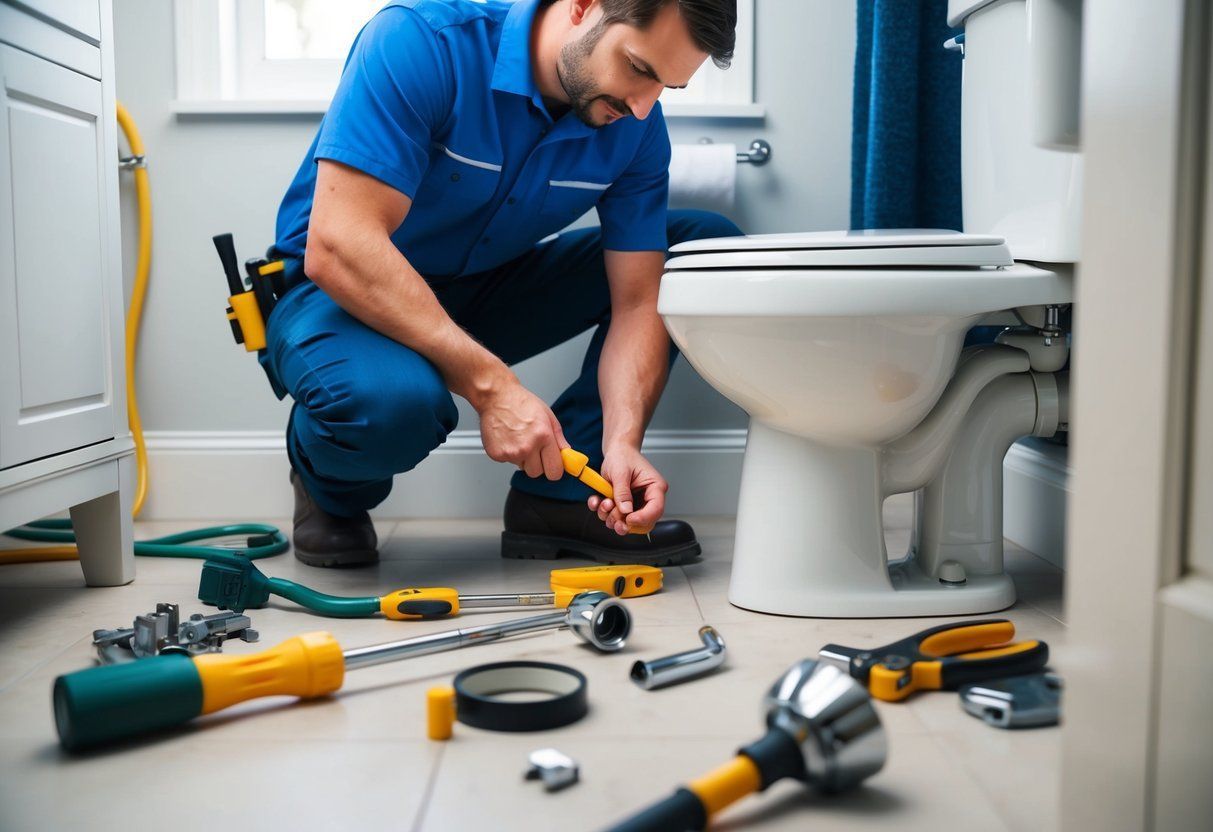
If the leak is from the tank, tightening the bolts might solve the issue. Checking the tank’s connections can reveal loose fittings. A toilet repair kit can provide seals and tools for replacing faulty parts. These simple checks can save us from unnecessary water damage and costs.

When to Seek Professional Plumbing Services

Recognizing when to call a plumber can save us time, money, and stress. We will discuss when it’s best to leave complex repairs to professionals and why regular maintenance is crucial for our systems and appliances.

Complex Repairs Beyond DIY

There are plumbing issues that we should not attempt to fix ourselves. Major leaks , especially those involving walls or floors, need experienced plumbers. Trying to tackle these ourselves can cause more damage or even mold problems.

A water heater that isn’t working right is another reason to call in a professional. It’s important because it involves both plumbing and electrical systems . Incorrect repairs can lead to safety hazards, such as fire or dangerous leaks.

Using chemical drain cleaners might seem like an easy fix for clogs, but repeated use can harm the pipes. We should avoid overusing these and consult a plumber for stubborn blockages .

If we face any plumbing situations that raise our water bill unexpectedly , it’s wise to get expert advice. They can identify the hidden leaks causing the increase and suggest cost-effective solutions.

Maintenance for Plumbing Systems and Appliances

Regular maintenance keeps our plumbing in check. We should get our septic tanks inspected every few years. This prevents expensive and inconvenient repairs and ensures they function optimally.

It’s also crucial to have our water softeners checked. Proper maintenance helps in reducing mineral build-up in our appliances, prolonging their life.

Appliance repairs , like dishwashers or washing machines, often require specialized knowledge. A professional ensures the repairs are done correctly and safely.

By investing in professional maintenance services, we protect our homes from larger plumbing issues. This can lead to lower repair costs and increased system efficiency, saving us money in the long run.

Recent Posts

Fast Response Plumbing technician servicing a water shut off valve in San Francisco
By Joe Tinsley July 17, 2026
Learn how gate valves, ball valves, and angle stops work, where to find them in your San Francisco home, and when to replace them. FAQs inside.
Budgeting for Unforeseen Sewer Line Maintenance Expenses
By Stefani January 31, 2026
Sewer line problems can hit your wallet fast, and we know the stress of a surprise repair. We show you how to plan a practical budget that covers emergency fixes, regular upkeep, and the big costs that sneak up on you. This saves you money and keeps small issues from turning into major failures. We […]
Seasonal Effects on Sewer Line Maintenance Costs
By Stefani January 30, 2026
You’ll want to know how seasons change what you pay for sewer line maintenance so you can plan ahead and avoid surprise bills. Seasonal weather, ground movement, and plant growth directly affect repair needs and costs, so budgeting by season cuts unexpected expenses. We outline what shifts costs, when repairs most often happen, and which […]
The Role of Location in Sewer Line Maintenance Pricing
By Stefani January 29, 2026
You’ll pay different amounts for sewer line maintenance depending on where your property sits and what’s under it. Location drives cost through factors like soil type, access difficulty, local labor rates, and permit rules, so knowing these lets you predict and plan for expenses. We’ll show how those local details shape quotes and outcomes. We’ll […]
Analyzing Material Expenses for Effective Sewer Line Care
By Stefani January 28, 2026
We’ll break down the real costs that matter for keeping a sewer line working well so you can plan and avoid surprises. You’ll learn which materials and fees drive most of the expense and how small choices can lower long-term costs. We’ll look at costs for parts, tools, permits, and regular cleaning, plus where labor […]
Understanding the Impact of Labor Costs on Sewer Line Maintenance
By Stefani January 25, 2026
You want to know how labor costs shape sewer line care and what that means for your wallet. We will show how wages, crew size, and the repair method you choose change the final bill so you can plan smarter and avoid surprises. Knowing which labor factors most drive costs lets you pick repair options […]
How to Interpret Sewer Line Inspection Reports
By Stefani January 24, 2026
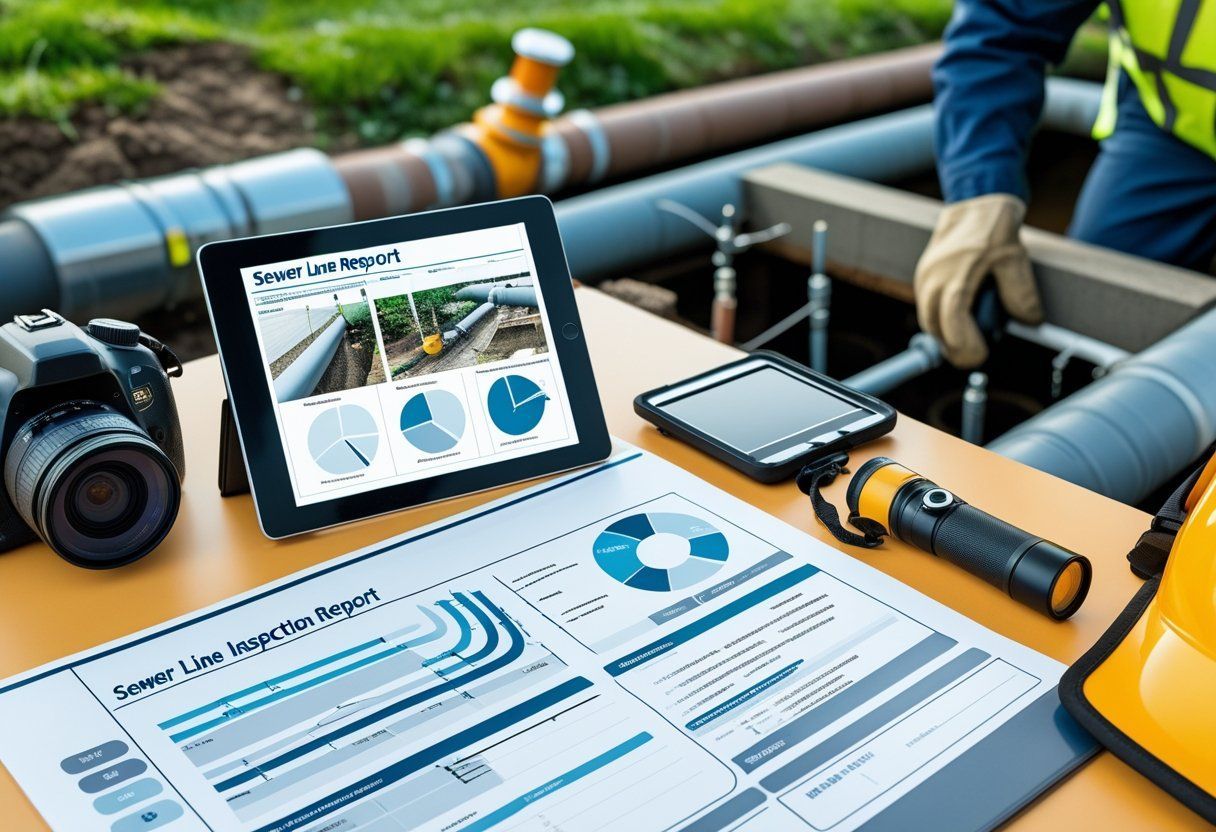
You’ll get clear steps to decode the most important parts of a sewer line inspection report so you can act with confidence. We show you how to spot real problems, what each defect means, and which issues need immediate repair versus routine maintenance. We break the report into simple pieces what the camera images show, […]
By Stefani January 23, 2026
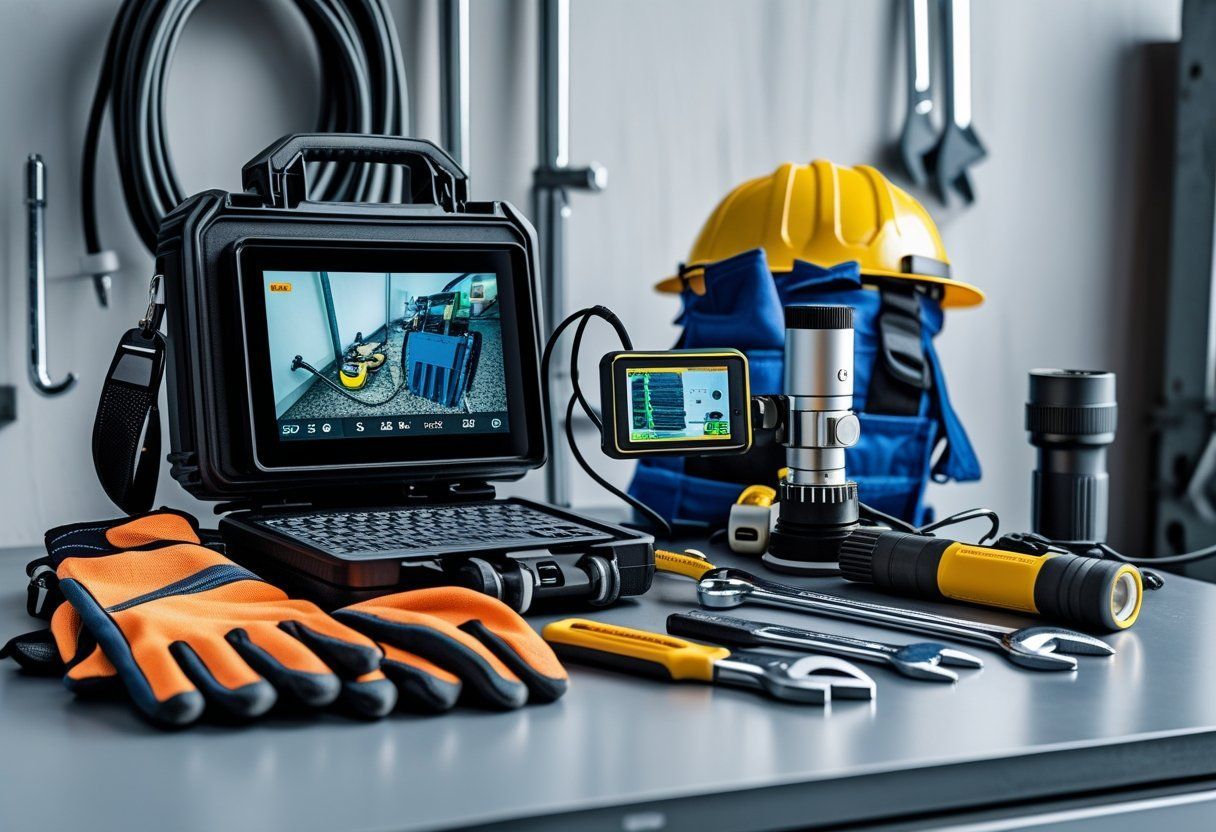
You want tools that give clear answers fast so you can find problems and fix them right. We rely on high-quality sewer cameras, locating gear, and cleaning tools to spot cracks, blockages, and defects in sewer lines accurately. Knowing which tools to use helps a plumber save time and avoid costly mistakes. We will walk […]
By Stefani January 22, 2026
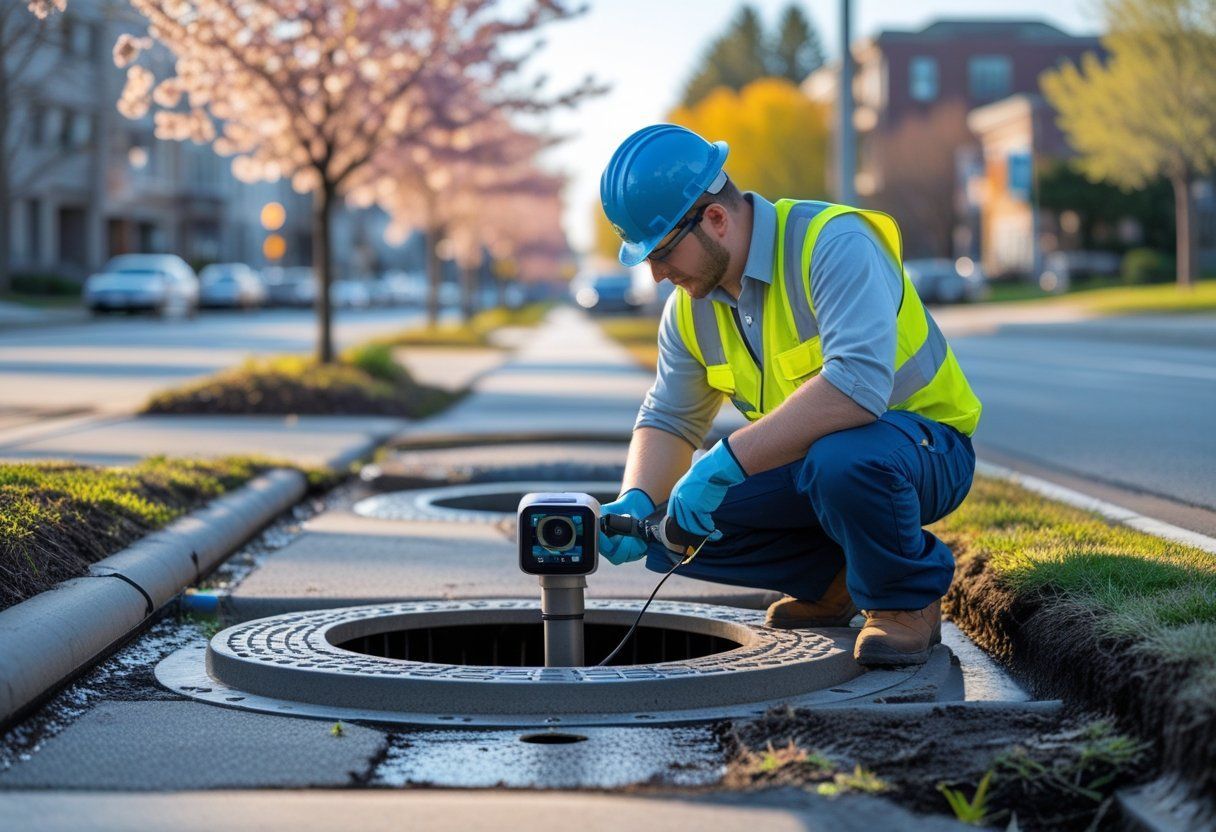
You want sewer line inspections timed so they catch problems before they get costly or urgent. We recommend scheduling inspections based on seasonal risks winter freeze, spring thaw, and heavy fall rains because timing cuts repair costs and prevents service interruptions. We will explain how weather, soil movement, and tree roots change the risk level […]
Common Mistakes to Avoid During Sewer Line Inspections
By Stefani January 18, 2026
We know sewer line inspections feel technical and tense, but avoiding a few common mistakes protects your home and wallet. Start by planning the inspection, knowing what to look for, and involving a qualified professional when signs point to trouble. That simple approach cuts down on missed problems and costly surprises. We will walk through […]
Show More