
How to Choose the Right Toilet for Your Bathroom: Essential Considerations

daniel • September 9, 2024

Share this article

Understanding Toilet Types and Functions

In this section, we explore different toilet types and their functions, including one-piece and two-piece models. We also dive into the workings of gravity and pressure-assist flush systems, and discuss advanced features like bidets and high-efficiency models.

Toilet Types: One-Piece and Two-Piece

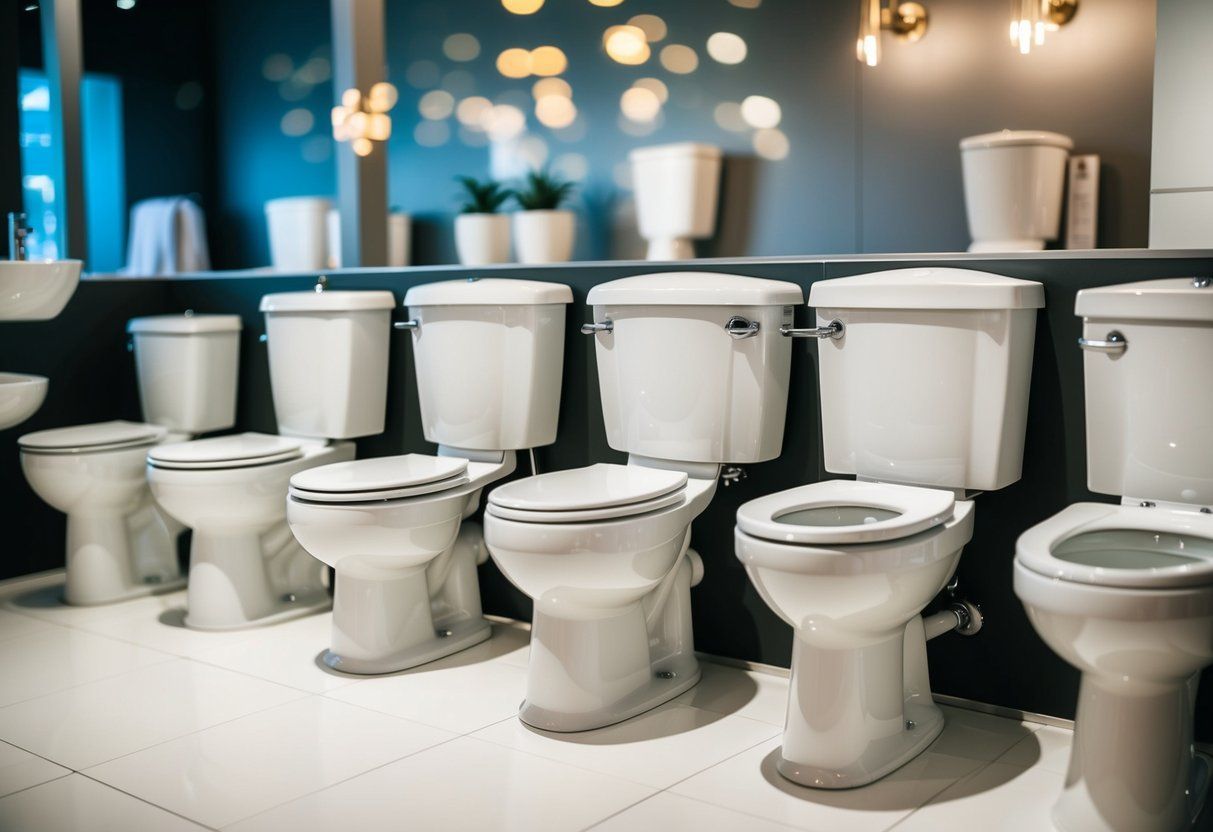
When choosing a toilet, one of the first decisions to make is between one-piece and two-piece designs. One-piece toilets combine the tank and bowl into a single unit. This style offers a sleek appearance and can be easier to clean since there are fewer crevices. They are generally heavier and may be more expensive but offer a modern look.

Two-piece toilets are the traditional choice. The tank and bowl are separate components. This can make them easier to transport and install. They often cost less than one-piece models. Maintenance can be straightforward since parts are easy to replace.

Flushing Systems: Gravity and Pressure-Assist

Flushing systems are crucial for efficient waste removal. Gravity toilets rely on water weight and gravity to generate flushing power. They tend to be quieter and require less maintenance. These systems have been standard for years and are cost-effective.

Pressure-assist toilets use air pressure to create a forceful flush. They tend to perform better at clearing waste in one flush, saving more water. These models can be noisier and are often found in commercial settings. They can cost more initially but may reduce water bills.

Advanced Features: Bidets and High-Efficiency Models

Some toilets come with advanced features for extra comfort and efficiency. Bidets provide a cleaning solution that many find more hygienic than toilet paper. They are often built into the toilet or available as an add-on.

High-efficiency toilets (HETs) use less water per flush. Many of these are dual-flush models, allowing users to choose between a full or half flush. This helps to conserve water and reduce utility costs, making them eco-friendly options. When choosing HETs, look for the EPA’s WaterSense label for certified water efficiency.

Selecting the Right Size and Shape

Choosing the right toilet involves understanding both size and shape. It’s important for us to consider bowl shapes like elongated or round, measure dimensions accurately, and choose the right height for comfort and accessibility.

Evaluating Bowl Shapes: Elongated vs. Round

When deciding between an elongated bowl and a round bowl, we need to think about space and comfort. Elongated bowls offer more comfort due to their oval shape. They extend several inches longer than round bowls, making them preferable for larger bathrooms.

Round bowls save space, making them ideal for smaller bathrooms. While they might be less comfortable for adults, they are often a practical choice for powder rooms.

We can weigh the importance of comfort against space limitations to find the best fit.

Assessing Toilet Dimensions and Rough-In Distance

Understanding toilet dimensions is crucial for a proper fit. The rough-in distance is the measurement from the wall to the center of the closet bolt. Most toilets have a standard rough-in of 12 inches, but some older homes may have 10 or 14 inches.

It’s vital for us to measure this accurately before purchasing. This helps avoid installation issues.

For bowl dimensions, elongated toilets typically measure around 18.5 inches from the wall, while round bowls measure about 16.5 inches.

Comfort Height Toilets for Improved Accessibility

Comfort height toilets are designed to provide ease of use, especially for the elderly or those with mobility issues. These toilets have a seat height similar to a standard chair, which is about 17 to 19 inches from the floor.

This extra height can make standing and sitting more comfortable.

For those who prioritize accessibility, comfort height toilets offer a practical solution. These toilets can also enhance the bathroom’s overall functionality, making them a beneficial choice for shared or family bathrooms.

Factors to Consider When Purchasing

When choosing a toilet for our bathroom, we should focus on water efficiency, ease of installation, and finding a comfortable toilet seat. These elements help us select the best option for our needs.

Water Efficiency and Environmental Impact

Choosing a toilet with high water efficiency is important. Gallons per flush (gpf) is a key measure here. Toilets with a lower gpf use less water, which is not only good for the environment but also helps us save on water bills. Some models have dual-flush options, letting us choose between a full or half flush depending on our needs.

The Environmental Protection Agency (EPA) certifies efficient models with the WaterSense label. Toilets carrying this label are both water-saving and effective. Single-flush toilets can also be efficient, but checking for the gpf level is essential. It’s wise to consider the long-term impact on our water usage before making a purchase.

Toilet Installation and Maintenance

Toilets come in various styles that can affect installation complexity. Two-piece toilets are common, with a separate tank and bowl, making them easier to transport. On the other hand, one-piece toilets may be more challenging to install due to their weight but offer a sleek appearance.

Another crucial part of installation is the flush valve . A good flush valve ensures strong flushing performance. We should check the toilet’s rough-in size, which is the distance from the wall to the floor drain. This ensures a proper fit. Easy-to-maintain toilets often have fewer parts and straightforward cleaning surfaces. Consider these aspects to avoid future headaches.

Choosing the Best Toilet Seat

The toilet seat adds comfort and style, impacting our daily experience. We can choose from materials like plastic, wood, or cushioned seats, each having its own benefits. Plastic seats are durable and easy to clean, whereas wood can offer a warmer feel. Cushioned seats add extra comfort.

Consider the shape—round or elongated. Elongated seats provide more comfort and room, but round seats can save space, making them suitable for smaller bathrooms. Soft-close seats prevent slamming, adding to their appeal. Always remember to measure and ensure compatibility with the toilet bowl before purchase.

Recent Posts

Fast Response Plumbing technician servicing a water shut off valve in San Francisco
By Joe Tinsley July 17, 2026
Learn how gate valves, ball valves, and angle stops work, where to find them in your San Francisco home, and when to replace them. FAQs inside.
Budgeting for Unforeseen Sewer Line Maintenance Expenses
By Stefani January 31, 2026
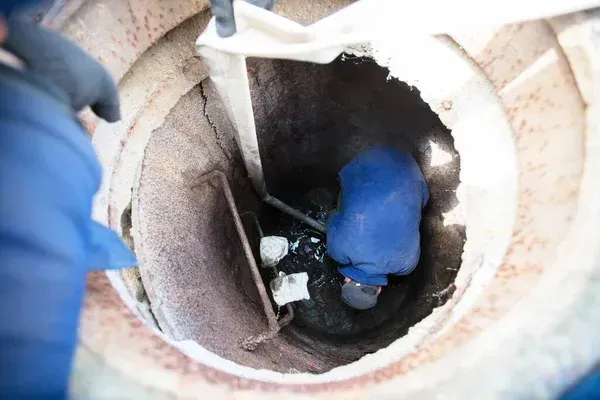
Sewer line problems can hit your wallet fast, and we know the stress of a surprise repair. We show you how to plan a practical budget that covers emergency fixes, regular upkeep, and the big costs that sneak up on you. This saves you money and keeps small issues from turning into major failures. We […]
Seasonal Effects on Sewer Line Maintenance Costs
By Stefani January 30, 2026
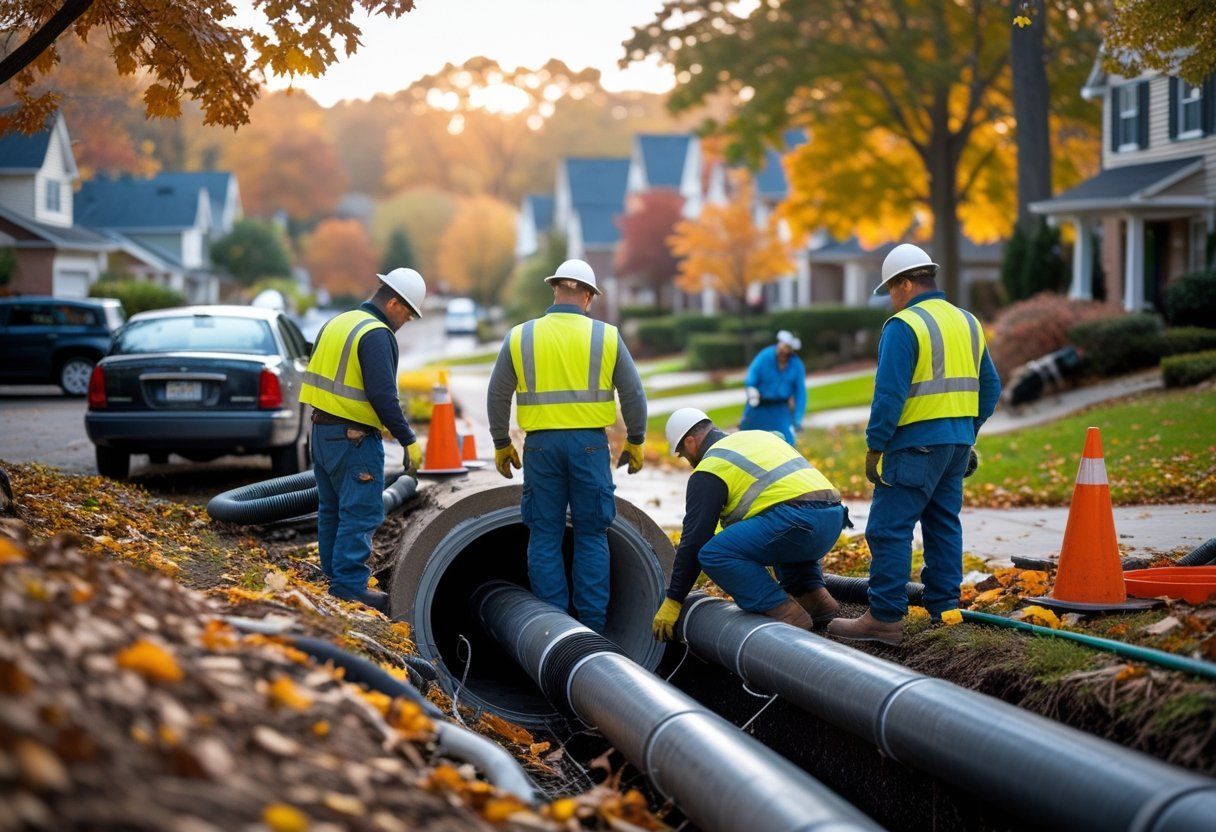
You’ll want to know how seasons change what you pay for sewer line maintenance so you can plan ahead and avoid surprise bills. Seasonal weather, ground movement, and plant growth directly affect repair needs and costs, so budgeting by season cuts unexpected expenses. We outline what shifts costs, when repairs most often happen, and which […]
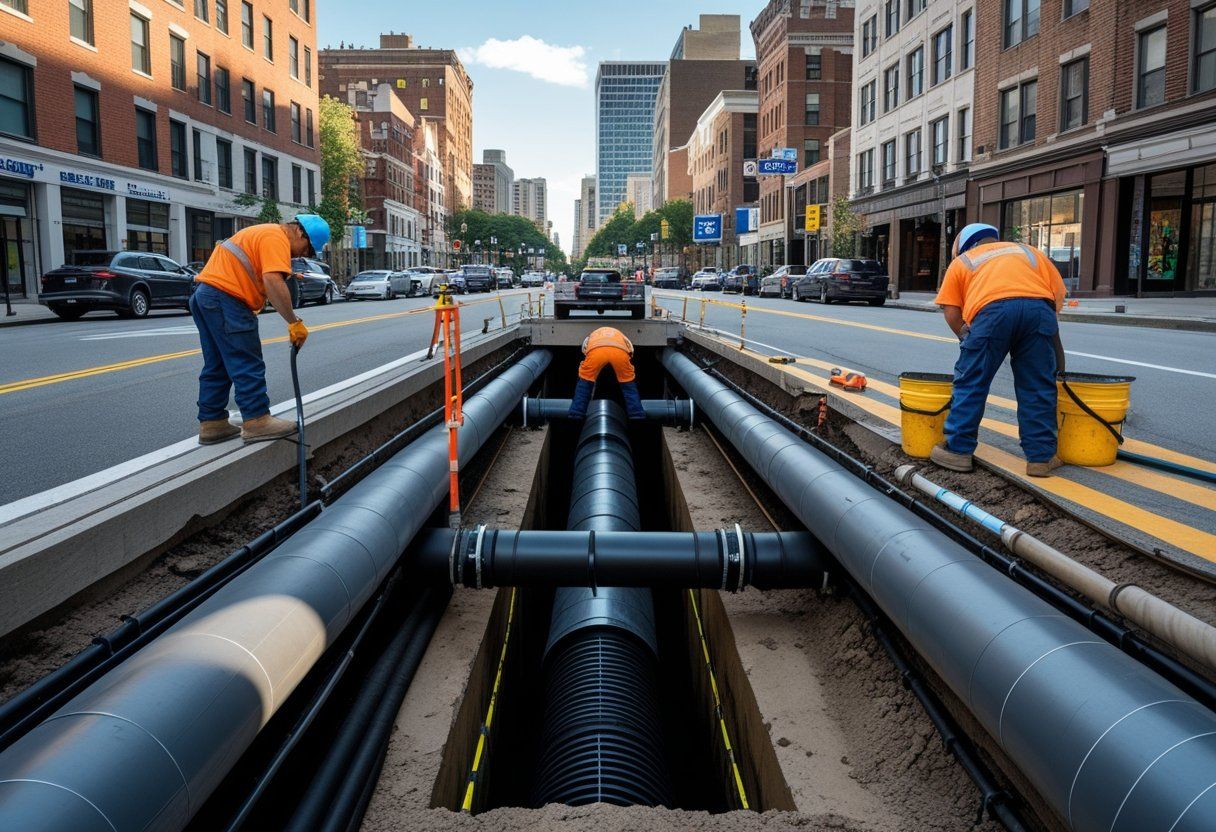
The Role of Location in Sewer Line Maintenance Pricing
By Stefani January 29, 2026
You’ll pay different amounts for sewer line maintenance depending on where your property sits and what’s under it. Location drives cost through factors like soil type, access difficulty, local labor rates, and permit rules, so knowing these lets you predict and plan for expenses. We’ll show how those local details shape quotes and outcomes. We’ll […]
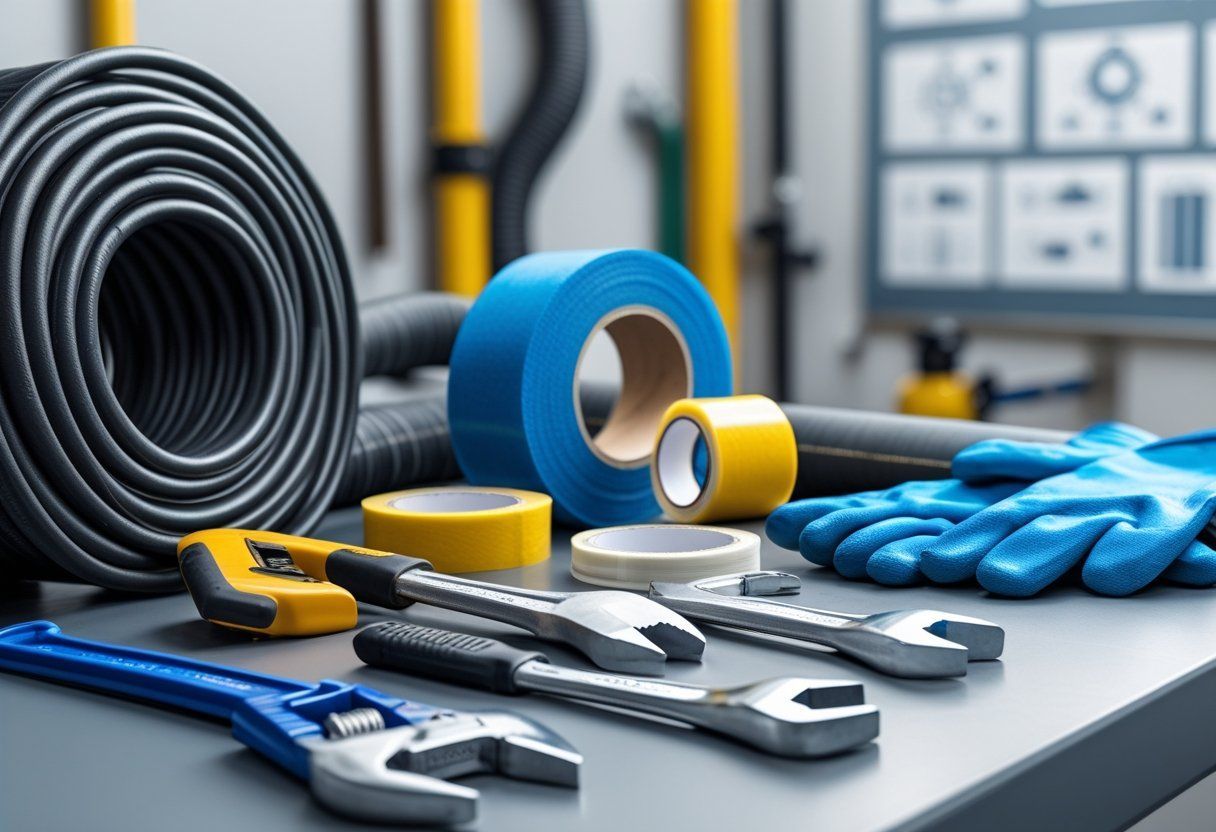
Analyzing Material Expenses for Effective Sewer Line Care
By Stefani January 28, 2026
We’ll break down the real costs that matter for keeping a sewer line working well so you can plan and avoid surprises. You’ll learn which materials and fees drive most of the expense and how small choices can lower long-term costs. We’ll look at costs for parts, tools, permits, and regular cleaning, plus where labor […]
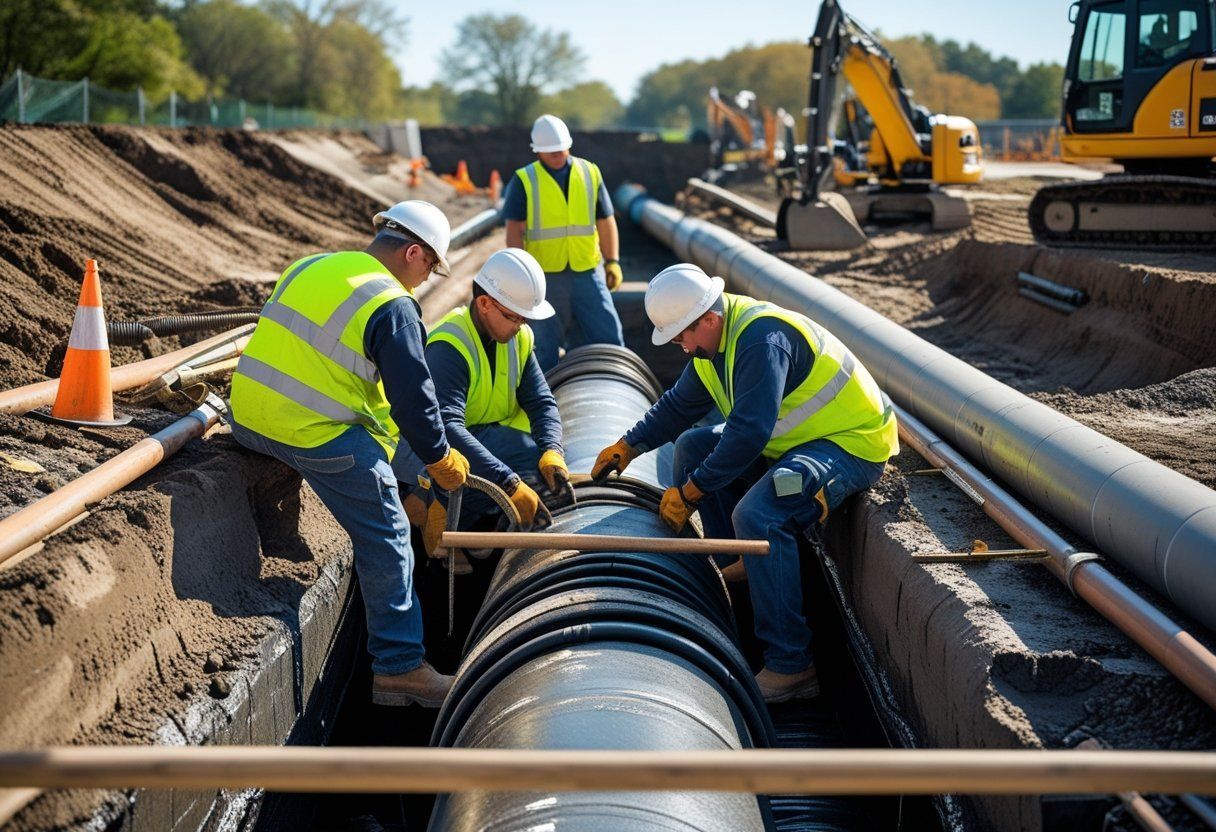
Understanding the Impact of Labor Costs on Sewer Line Maintenance
By Stefani January 25, 2026
You want to know how labor costs shape sewer line care and what that means for your wallet. We will show how wages, crew size, and the repair method you choose change the final bill so you can plan smarter and avoid surprises. Knowing which labor factors most drive costs lets you pick repair options […]
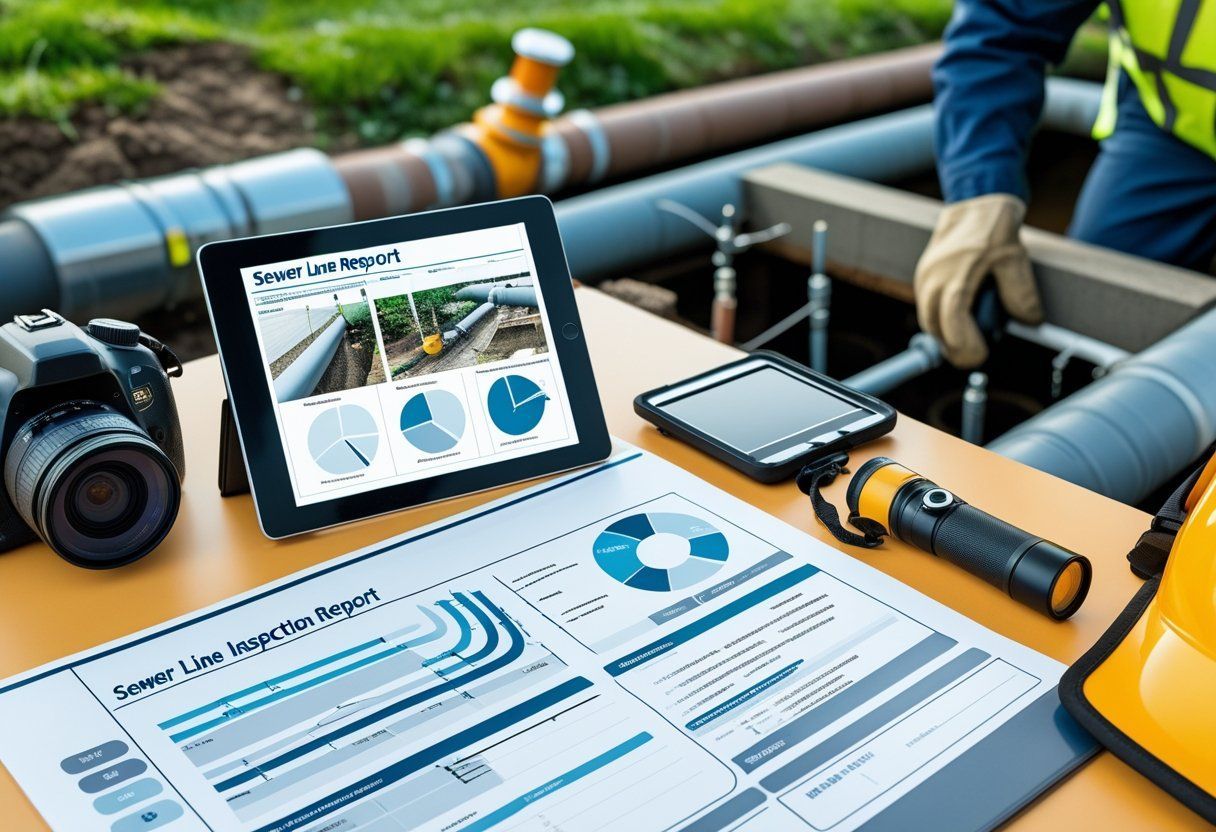
How to Interpret Sewer Line Inspection Reports
By Stefani January 24, 2026
You’ll get clear steps to decode the most important parts of a sewer line inspection report so you can act with confidence. We show you how to spot real problems, what each defect means, and which issues need immediate repair versus routine maintenance. We break the report into simple pieces what the camera images show, […]
By Stefani January 23, 2026
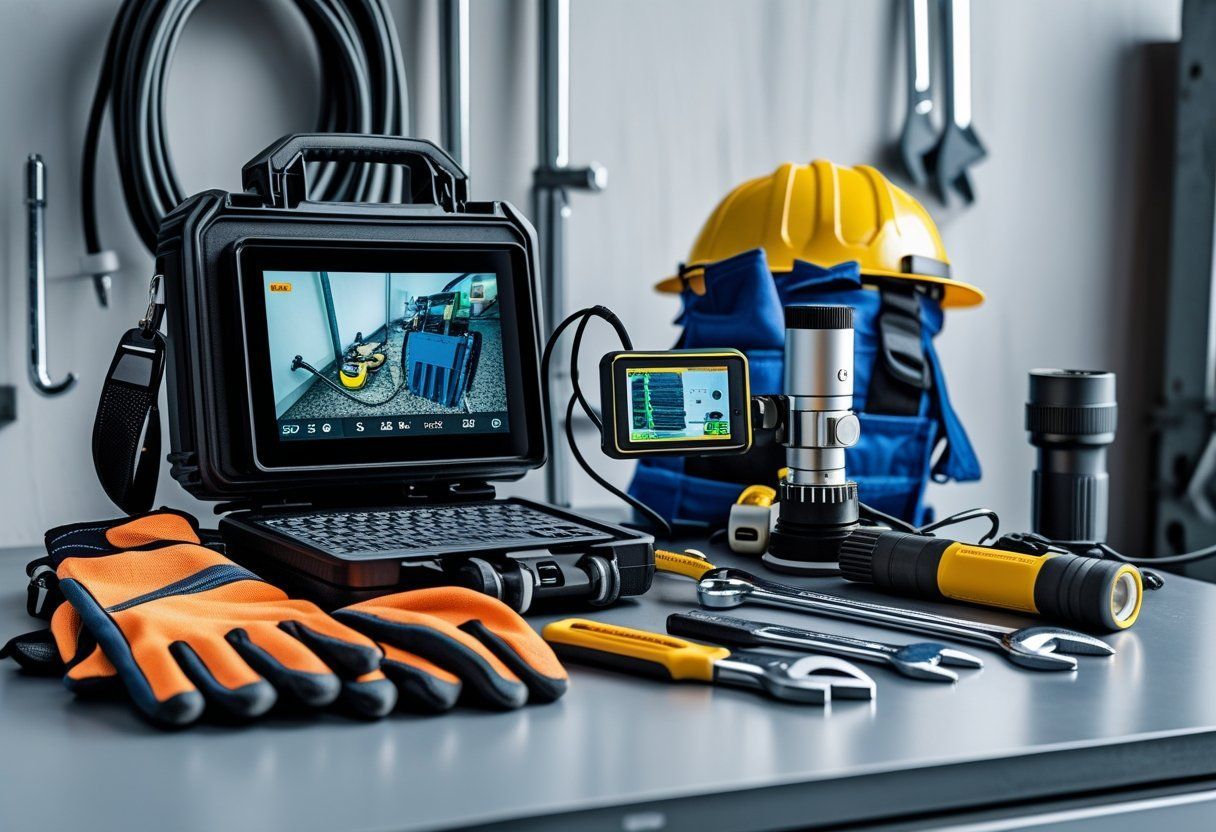
You want tools that give clear answers fast so you can find problems and fix them right. We rely on high-quality sewer cameras, locating gear, and cleaning tools to spot cracks, blockages, and defects in sewer lines accurately. Knowing which tools to use helps a plumber save time and avoid costly mistakes. We will walk […]
By Stefani January 22, 2026
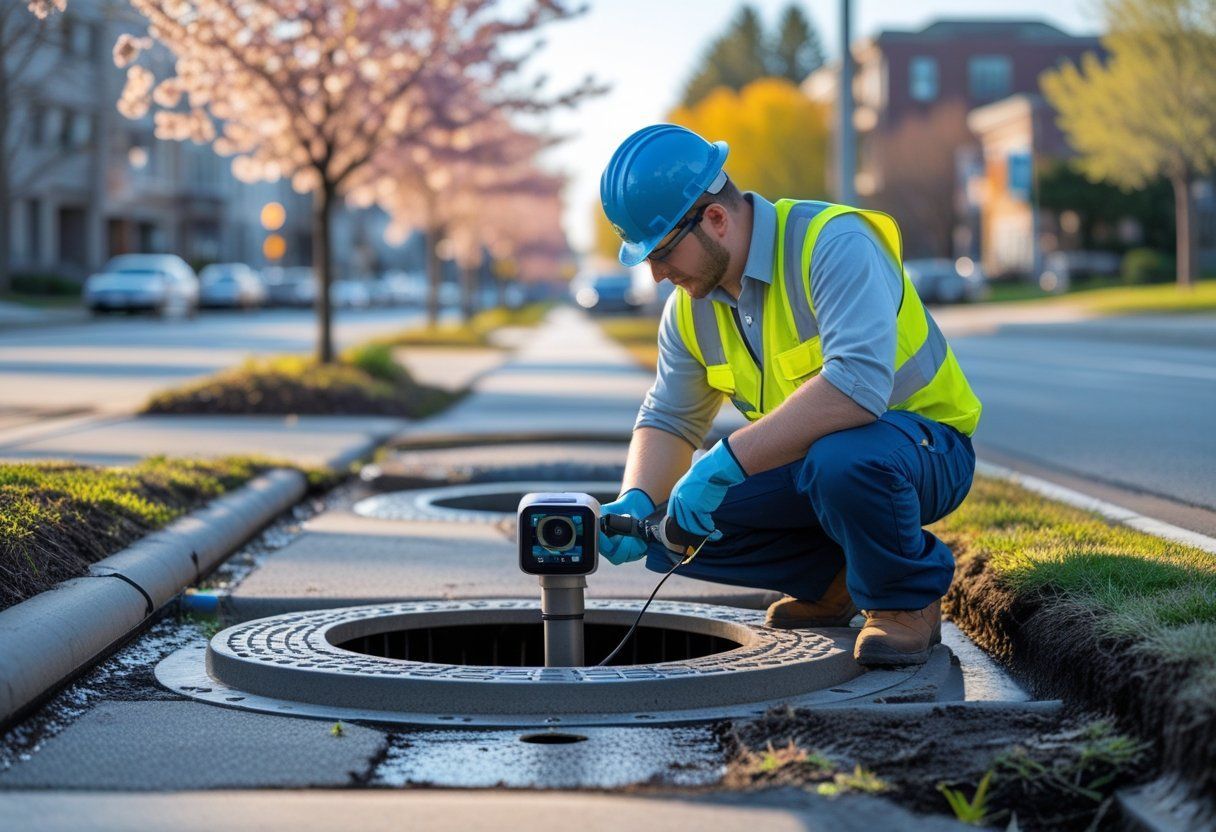
You want sewer line inspections timed so they catch problems before they get costly or urgent. We recommend scheduling inspections based on seasonal risks winter freeze, spring thaw, and heavy fall rains because timing cuts repair costs and prevents service interruptions. We will explain how weather, soil movement, and tree roots change the risk level […]
Common Mistakes to Avoid During Sewer Line Inspections
By Stefani January 18, 2026
We know sewer line inspections feel technical and tense, but avoiding a few common mistakes protects your home and wallet. Start by planning the inspection, knowing what to look for, and involving a qualified professional when signs point to trouble. That simple approach cuts down on missed problems and costly surprises. We will walk through […]
Show More