Tips for Scheduling Routine Plumbing Inspections: Ensuring Home Efficiency

daniel • December 27, 2024

Share this article

Understanding the Importance of Routine Plumbing Inspections

Routine plumbing inspections play a key role in protecting our homes and ensuring the plumbing system works properly. By focusing on safety, water quality, and avoiding costly plumbing issues, we maintain the value and comfort of our home.

Enhancing Home Safety and Water Quality

Our home’s safety and water quality are linked to the health of our plumbing system. Regular inspections help us spot leaks, preventing water damage and mold growth. Mold can harm our health, so it’s vital to deal with it quickly.

Clean and safe water is crucial for our well-being. During inspections, we check for contaminants in the water supply. Doing this regularly helps us maintain water quality and avoid health problems. Routine checks help maintain safe water and a healthy home environment.

Preventing Costly Repairs and Plumbing Emergencies

Routine inspections prevent expensive repairs by identifying issues early. Leaky pipes or blocked drains can lead to major problems. If left unchecked, these can be costly and inconvenient.

Regular inspections also help in preventing plumbing emergencies. Emergencies like burst pipes disrupt our daily lives and cause significant damage. By scheduling routine inspections, we handle small problems before they grow. This proactive maintenance gives us peace of mind and protects our investment in our home.

By investing time in preventative measures, we save money and avoid stress from unexpected crises. This attention to detail ensures our home remains a safe and comfortable place for us and our families.

Key Components of Professional Plumbing Inspections

Professional plumbing inspections consist of several essential tasks that help us maintain a home’s plumbing health. By understanding these components, we ensure all potential issues, both visible and hidden, are thoroughly checked.

Visual and Camera Inspection Techniques

In our inspections, visual inspections come first. We check visible plumbing fixtures like faucets, toilets, and sinks. We look for signs of leaks, corrosion, and wear. This step helps us find issues that are easy to see, which improves the home’s plumbing efficiency.

Next, we use camera inspection techniques. Small cameras are inserted into pipes to see areas not visible to the eye. This is important as it reveals hidden problems like pipe blockages or cracks. The detailed footage allows us to accurately evaluate the plumbing system without causing any damage.

Identifying Common and Hidden Plumbing Issues

During inspections, we focus on common problems like leaks, low water pressure, and clogged drains. Finding these issues early can prevent future damage and save on repair costs. Our inspections also cover water heaters and the condition of visible pipes.

Additionally, hidden issues such as leaks within walls or slab leaks can pose bigger threats. We identify these using advanced tools and techniques to prevent costly repairs down the line. Catching these problems early protects the property from water damage and mold growth.

Regular Maintenance for Long-Term Savings

Taking care of our plumbing is essential to prevent costly repairs. By scheduling regular check-ups, we can catch problems early. This proactive maintenance saves money in the long run.

Annual inspections are a good way to keep everything running smoothly. This can help us spot possible issues with our water heater, toilets, or drains. Catching these problems early means less wear and tear, which extends the life of our plumbing.

Routine maintenance helps avoid emergency repairs. We can prevent issues like slow drains or a clogged drain by doing simple checks. Just a little effort can improve water flow and reduce strain on our pipes.

Regular care also lowers our utility bills. A well-maintained system runs more efficiently. By avoiding leaks and blockages, we save water and energy.

In addition to saving money, taking preventive measures keeps our homes safe. We reduce the risk of water damage by ensuring our plumbing works well.

Our plumbing system, including the water heater and pipes, benefits from these checks. Long-term, we ensure a more efficient and dependable system, saving money while avoiding unexpected issues.

Plumbing Systems and Home Value

Our plumbing systems play a crucial role in maintaining our home value. Home plumbing is not just about fixing leaks. It influences water pressure, water quality, and overall safety.

Regular home inspections help us identify any issues. Detecting problems early prevents costly repairs later and avoids safety hazards like mold growth.

Clean water is vital. It enhances our living conditions and keeps our home environment healthy. By ensuring our plumbing systems deliver clean water, we protect our health and our property’s value.

Factors Effect on Home Value
Water Quality High water quality boosts value
Water Pressure Consistent pressure is attractive
Mold Prevention Reduces damage and keeps value

Ensuring a good water pressure adds to home appeal. Buyers are attracted to homes with stable water flow.

Plumbing systems have a finite lifespan. Keeping them updated and maintained can add to our home’s worth. Well-maintained systems appeal to potential buyers during a home sale.

Investing in our plumbing pays off. It ensures safety and enhances the value of our home. Taking these steps helps us avoid unexpected issues and maintain our home’s condition and worth over time.

Conducting Plumbing Inspections: What to Expect

When we conduct a plumbing inspection, it is crucial to know what will happen. We evaluate various plumbing systems, looking for common issues that could cause problems. Our findings are detailed in a formal report, which includes costs and any detected health hazards or compliance issues.

The Procedure of a Standard Plumbing Inspection

During a standard plumbing inspection, we check both visible and hidden components. This includes pipes, sump pumps, and dishwashers.

Our work involves looking for leaks, clogged drains, and potential health hazards. We also verify compliance with local codes. These steps help prevent plumbing problems before they get worse.

Costs vary based on the inspection type and location, but investing in routine plumbing inspections can save money by catching issues early. A proper check ensures everything functions smoothly, reducing future repair needs.

Understanding the Plumbing Inspection Report

After our inspection, we provide a detailed report. This report outlines the current condition of your plumbing system.

We list any detected problems, like leaks or damaged pipes. Hidden issues are also noted, ensuring no surprises arise later. The document includes estimated repair costs, allowing for budget planning.

Understanding this report helps in scheduling repairs and regular plumbing checks. By addressing these findings, we can ensure safety and efficiency in your plumbing systems.

Recent Posts

Fast Response Plumbing technician servicing a water shut off valve in San Francisco
By Joe Tinsley July 17, 2026
Learn how gate valves, ball valves, and angle stops work, where to find them in your San Francisco home, and when to replace them. FAQs inside.
Budgeting for Unforeseen Sewer Line Maintenance Expenses
By Stefani January 31, 2026
Sewer line problems can hit your wallet fast, and we know the stress of a surprise repair. We show you how to plan a practical budget that covers emergency fixes, regular upkeep, and the big costs that sneak up on you. This saves you money and keeps small issues from turning into major failures. We […]
Seasonal Effects on Sewer Line Maintenance Costs
By Stefani January 30, 2026
You’ll want to know how seasons change what you pay for sewer line maintenance so you can plan ahead and avoid surprise bills. Seasonal weather, ground movement, and plant growth directly affect repair needs and costs, so budgeting by season cuts unexpected expenses. We outline what shifts costs, when repairs most often happen, and which […]
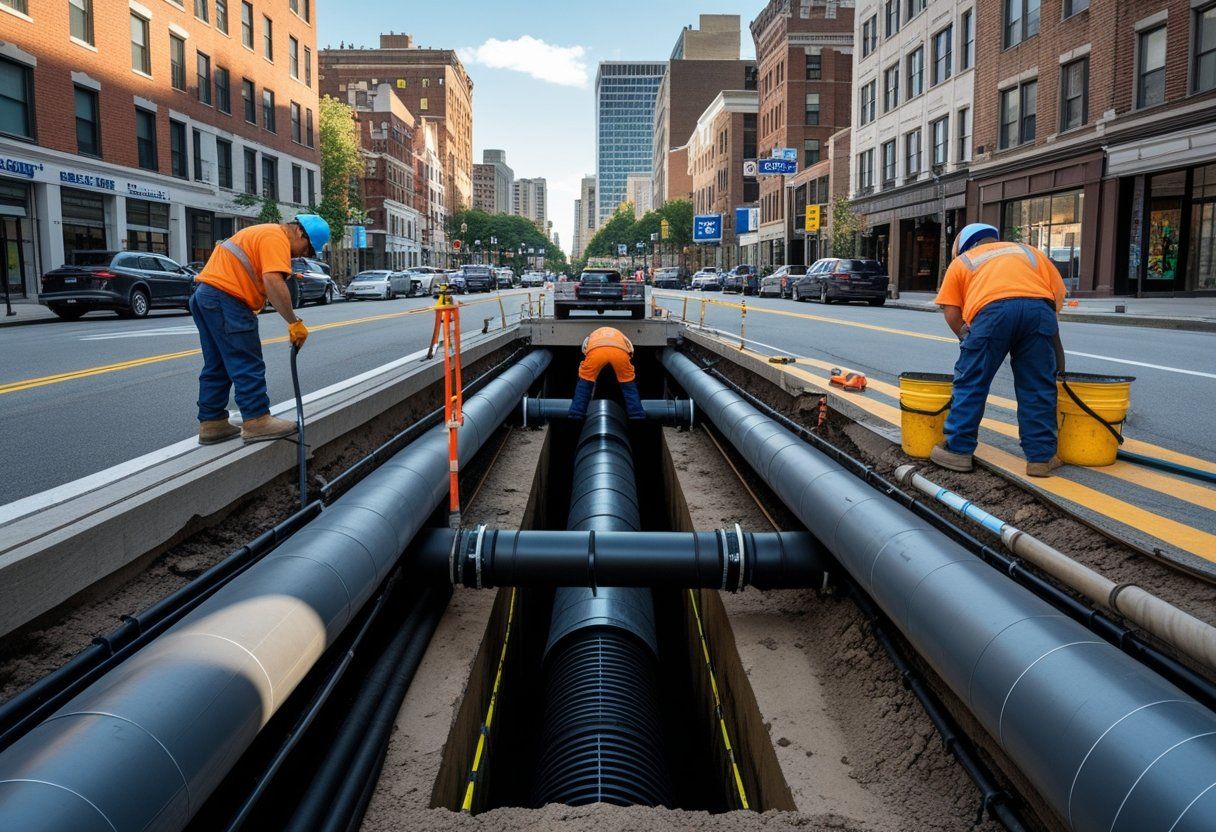
The Role of Location in Sewer Line Maintenance Pricing
By Stefani January 29, 2026
You’ll pay different amounts for sewer line maintenance depending on where your property sits and what’s under it. Location drives cost through factors like soil type, access difficulty, local labor rates, and permit rules, so knowing these lets you predict and plan for expenses. We’ll show how those local details shape quotes and outcomes. We’ll […]
Analyzing Material Expenses for Effective Sewer Line Care
By Stefani January 28, 2026
We’ll break down the real costs that matter for keeping a sewer line working well so you can plan and avoid surprises. You’ll learn which materials and fees drive most of the expense and how small choices can lower long-term costs. We’ll look at costs for parts, tools, permits, and regular cleaning, plus where labor […]
Understanding the Impact of Labor Costs on Sewer Line Maintenance
By Stefani January 25, 2026
You want to know how labor costs shape sewer line care and what that means for your wallet. We will show how wages, crew size, and the repair method you choose change the final bill so you can plan smarter and avoid surprises. Knowing which labor factors most drive costs lets you pick repair options […]
How to Interpret Sewer Line Inspection Reports
By Stefani January 24, 2026
You’ll get clear steps to decode the most important parts of a sewer line inspection report so you can act with confidence. We show you how to spot real problems, what each defect means, and which issues need immediate repair versus routine maintenance. We break the report into simple pieces what the camera images show, […]
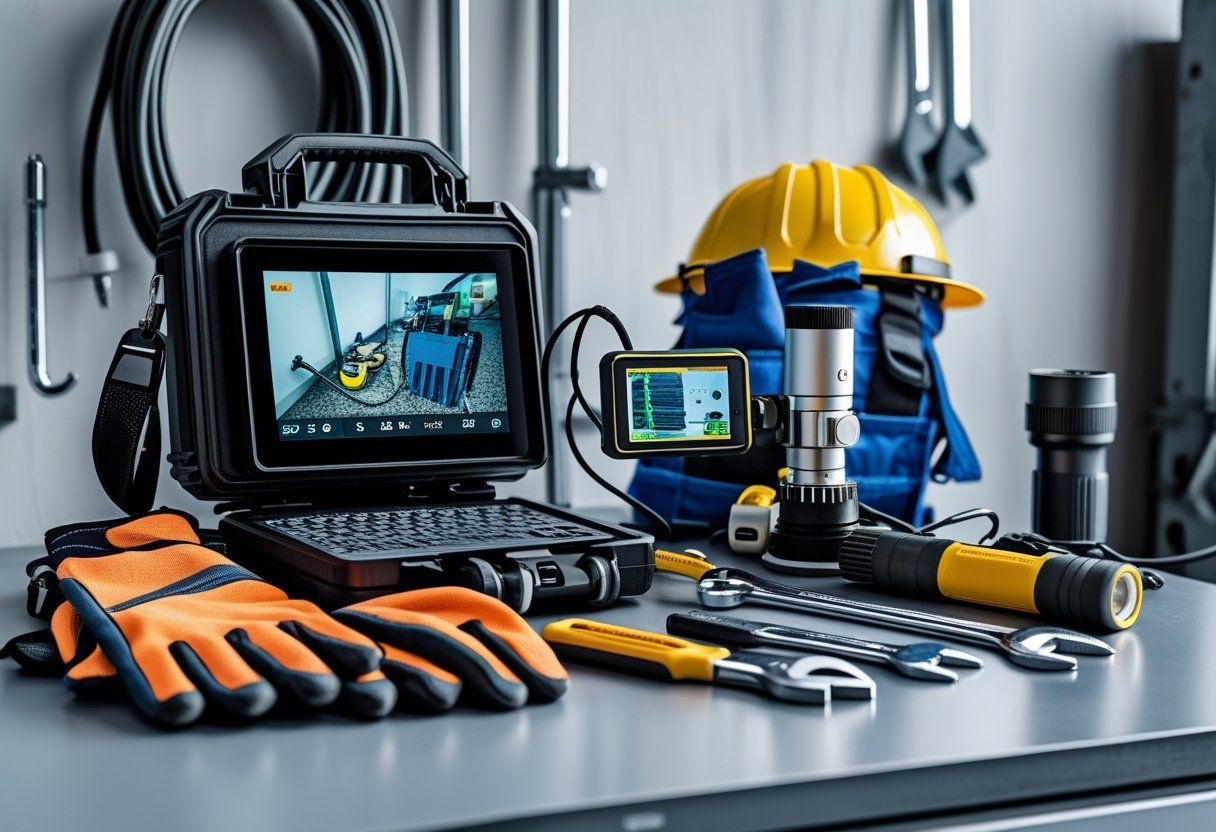
By Stefani January 23, 2026
You want tools that give clear answers fast so you can find problems and fix them right. We rely on high-quality sewer cameras, locating gear, and cleaning tools to spot cracks, blockages, and defects in sewer lines accurately. Knowing which tools to use helps a plumber save time and avoid costly mistakes. We will walk […]
By Stefani January 22, 2026
You want sewer line inspections timed so they catch problems before they get costly or urgent. We recommend scheduling inspections based on seasonal risks winter freeze, spring thaw, and heavy fall rains because timing cuts repair costs and prevents service interruptions. We will explain how weather, soil movement, and tree roots change the risk level […]
Common Mistakes to Avoid During Sewer Line Inspections
By Stefani January 18, 2026
We know sewer line inspections feel technical and tense, but avoiding a few common mistakes protects your home and wallet. Start by planning the inspection, knowing what to look for, and involving a qualified professional when signs point to trouble. That simple approach cuts down on missed problems and costly surprises. We will walk through […]
Show More