
The Impact of Neglecting Plumbing Maintenance on Business Operations: Avoid Costly Disruptions

daniel • December 30, 2024

Share this article

Economic Implications of Deferred Plumbing Maintenance

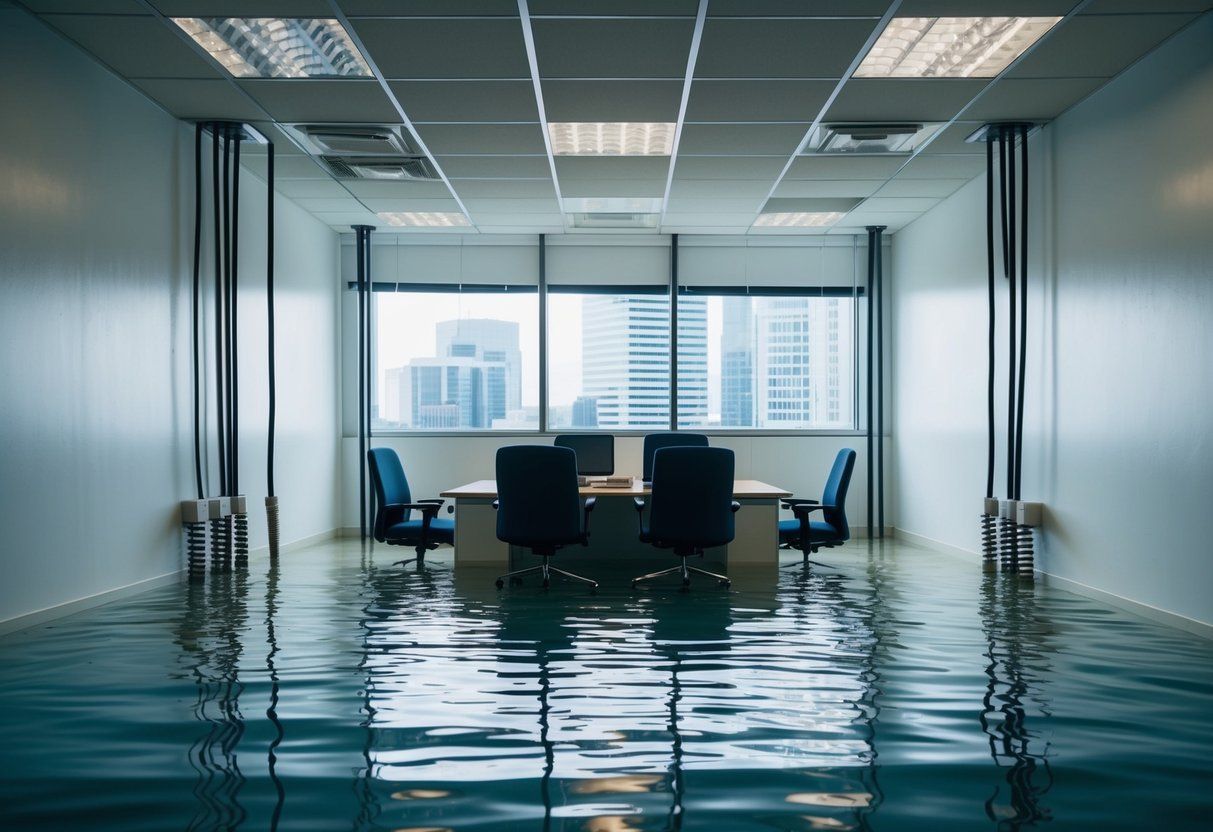
Delaying plumbing maintenance in commercial settings can lead to substantial financial strains. Problems may quickly escalate, resulting in costly emergency repairs and significant downtime. These interruptions not only disrupt business operations but also jeopardize the integrity of plumbing infrastructure over time.

Cost of Emergency Repairs

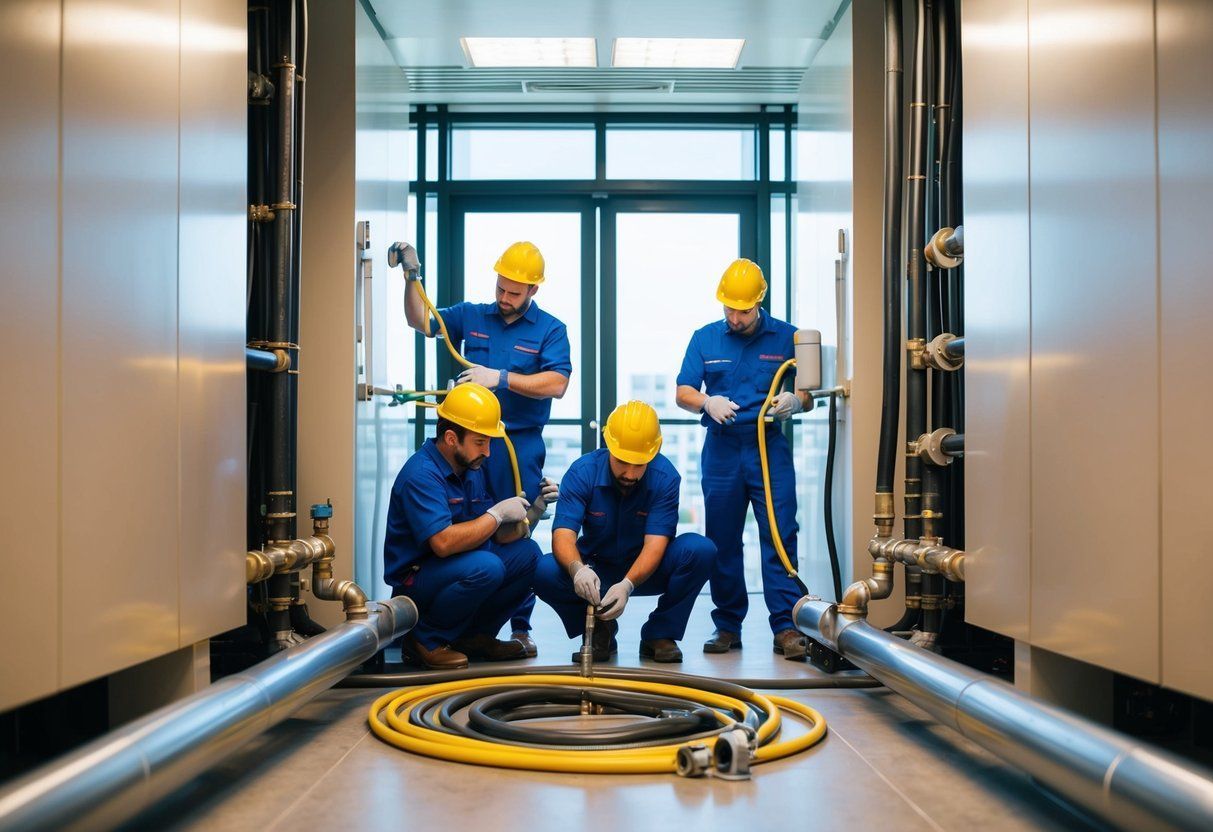
When we postpone regular plumbing checks, minor issues can evolve into emergencies. The financial burden of emergency repairs often surpasses routine maintenance costs. Consider an unexpected burst pipe. It requires immediate attention, typically at premium rates.

Moreover, emergency repair services are usually more expensive due to urgent labor charges and after-hours fees. It’s hard for businesses to forecast these unexpected expenses. This unpredictability strains budgets and may necessitate reallocating funds from other operational areas.

Impact on Business Interruption

Deferred maintenance often leads to unforeseen plumbing emergencies. Emergency situations can halt entire business operations. Picture a restaurant with a broken main water line; the business must close temporarily, losing valuable revenue.

Unplanned closures can damage our reputation among clients and lead to scheduling chaos. Disturbances also affect productivity as employees may be unable to work efficiently. It’s vital to maintain plumbing systems to ensure continual business operations and protect customer trust.

Long-Term Effects on Plumbing Infrastructure

Ignoring regular upkeep harms our plumbing infrastructure over time. Pipes may corrode, joints loosen, and seals degrade, escalating repair needs. Such deterioration reduces the lifespan of plumbing components.

Additionally, persistent issues increase the risk of damaging property, including walls and floors, leading to more extensive repairs. Long-term neglect demands large-scale fixes or replacements that exceed basic maintenance in cost. Poor infrastructure can affect our premises’ value and safety, casting doubts on long-term business viability.

Health and Safety Risks of Inadequate Plumbing Systems

Neglecting plumbing maintenance can lead to serious health and safety risks. Businesses face potential dangers such as mold growth and compliance issues, which can affect the health of employees and customers. Understanding these risks helps in maintaining a safe environment.

Health Hazards from Poor Plumbing

When plumbing systems fail, water leaks can occur. These leaks create damp conditions, which are ideal for mold growth. Mold releases spores into the air, which can cause allergies, respiratory issues, and other health problems. People with asthma or weakened immune systems are especially at risk.

Contaminated water is another concern. Broken pipes or backflow can allow bacteria and chemicals to enter the water supply. This contamination can lead to illnesses such as gastrointestinal problems. We must ensure regular checks to handle leaks and any other plumbing issues.

Compliance with Health and Safety Standards

Businesses are required to comply with health and safety regulations. These guidelines ensure that plumbing systems are installed and maintained correctly. Failure to meet standards can lead to fines, legal issues, and business closures. We risk our reputation and financial stability by neglecting this responsibility.

Regular maintenance and inspections help us stay in line with safety regulations. This diligence prevents costly violations and protects the health of everyone who relies on our facilities. By prioritizing compliance, we contribute to a safer environment for employees and customers alike.

Optimizing Operations with Proactive Plumbing Maintenance

We know that well-planned plumbing maintenance means fewer unexpected issues. By creating a strong maintenance plan, we can avoid costly disruptions to our business. Addressing minor issues early saves us time and money in the long run.

Commercial plumbing maintenance helps us keep systems running smoothly. Monitoring and servicing our facilities regularly ensures that all components work efficiently. This approach reduces the risk of leaks or blockages that could lead to significant problems.

Implementing preventive maintenance in our operations aids in avoiding major repairs. Regular checks help detect potential problems before they escalate. This practice not only ensures the longevity of our equipment but also promotes steady business operations.

Efficiency improvements are another benefit of proactive plumbing care. By maintaining our systems, we optimize their performance and function. Well-maintained systems operate more effectively, often leading to smoother day-to-day business functions.

Practicing solid plumbing maintenance can result in tangible energy savings. When pipelines and fixtures are working correctly, they consume less energy. This conservation benefits both our budget and the environment.

Using proactive plumbing strategies, we secure our operations against future issues. Consistent attention to our systems boosts reliability and prevents interruptions. This allows us to focus on our business objectives without unexpected distractions.

Systemic Benefits of Maintaining Plumbing Efficiency

Efficient plumbing systems greatly improve business operations by reducing costs and minimizing potential water damage. They also aid in energy efficiency and water conservation, creating both environmental and operational advantages.

Enhancing Energy Efficiency

When we keep plumbing systems efficient, less energy is wasted. Leaks and outdated systems cause higher energy bills. Hot water leaks are especially costly because they increase energy use to heat water unnecessarily.

Up-to-date pipes and fixtures help reduce energy consumption. Modern systems run smoothly and minimize energy loss, improving the overall performance of our operations. Replacing old fixtures and regular maintenance ensure that our plumbing boosts energy savings.

Benefits of Enhanced Energy Efficiency:

  • Lower energy bills
  • Reduced energy waste
  • Improved operational performance

Water Conservation and Backflow Prevention

Conserving water through proper maintenance protects the environment and reduces costs. Addressing leaks and inefficient fixtures saves large amounts of water. It reduces our water bills and supports sustainable practices.

Backflow prevention is another key benefit. Faulty systems can cause contaminated water to enter clean water lines, posing health risks. Simple devices and regular checks keep our water supply safe.

Key Aspects of Water Conservation and Backflow Prevention:

  • Leak detection and repair
  • Use of water-saving fixtures
  • Backflow prevention devices and maintenance

These steps ensure our operations run smoothly, protecting both our resources and our business.

The Role of Plumbing in Customer and Employee Satisfaction

Proper plumbing is key to both customer and employee happiness. When customers visit our business, they expect clean, functional restrooms. If a toilet or sink is out of order, it can lead to customer dissatisfaction.

Employees also rely on good plumbing. They need clean water for washing hands and a reliable restroom. This directly impacts their comfort and productivity levels. Imagine dealing with constant plumbing issues—it’s frustrating and distracting for everyone involved.

Having a functional plumbing system reduces the risk of inconveniences such as sewer backups. These can cause unpleasant odors and unsanitary conditions, affecting both customer and employee satisfaction negatively.

Our business thrives when everyone is satisfied and comfortable. Regular plumbing maintenance is important. It helps us prevent issues that could disrupt our operations. By paying attention to plumbing, we protect our reputation and maintain a positive environment.

Recent Posts

Fast Response Plumbing technician servicing a water shut off valve in San Francisco
By Joe Tinsley July 17, 2026
Learn how gate valves, ball valves, and angle stops work, where to find them in your San Francisco home, and when to replace them. FAQs inside.
Budgeting for Unforeseen Sewer Line Maintenance Expenses
By Stefani January 31, 2026
Sewer line problems can hit your wallet fast, and we know the stress of a surprise repair. We show you how to plan a practical budget that covers emergency fixes, regular upkeep, and the big costs that sneak up on you. This saves you money and keeps small issues from turning into major failures. We […]
Seasonal Effects on Sewer Line Maintenance Costs
By Stefani January 30, 2026
You’ll want to know how seasons change what you pay for sewer line maintenance so you can plan ahead and avoid surprise bills. Seasonal weather, ground movement, and plant growth directly affect repair needs and costs, so budgeting by season cuts unexpected expenses. We outline what shifts costs, when repairs most often happen, and which […]
The Role of Location in Sewer Line Maintenance Pricing
By Stefani January 29, 2026
You’ll pay different amounts for sewer line maintenance depending on where your property sits and what’s under it. Location drives cost through factors like soil type, access difficulty, local labor rates, and permit rules, so knowing these lets you predict and plan for expenses. We’ll show how those local details shape quotes and outcomes. We’ll […]
Analyzing Material Expenses for Effective Sewer Line Care
By Stefani January 28, 2026
We’ll break down the real costs that matter for keeping a sewer line working well so you can plan and avoid surprises. You’ll learn which materials and fees drive most of the expense and how small choices can lower long-term costs. We’ll look at costs for parts, tools, permits, and regular cleaning, plus where labor […]
Understanding the Impact of Labor Costs on Sewer Line Maintenance
By Stefani January 25, 2026
You want to know how labor costs shape sewer line care and what that means for your wallet. We will show how wages, crew size, and the repair method you choose change the final bill so you can plan smarter and avoid surprises. Knowing which labor factors most drive costs lets you pick repair options […]
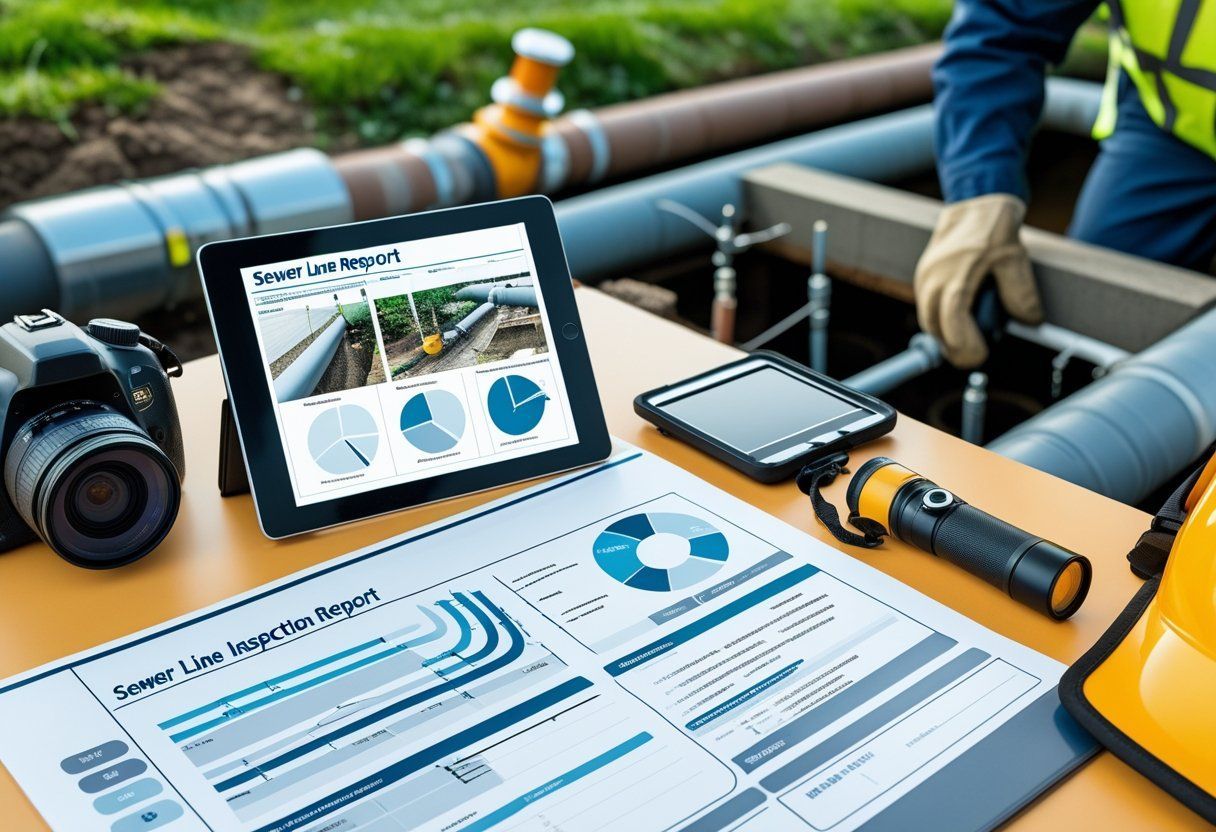
How to Interpret Sewer Line Inspection Reports
By Stefani January 24, 2026
You’ll get clear steps to decode the most important parts of a sewer line inspection report so you can act with confidence. We show you how to spot real problems, what each defect means, and which issues need immediate repair versus routine maintenance. We break the report into simple pieces what the camera images show, […]
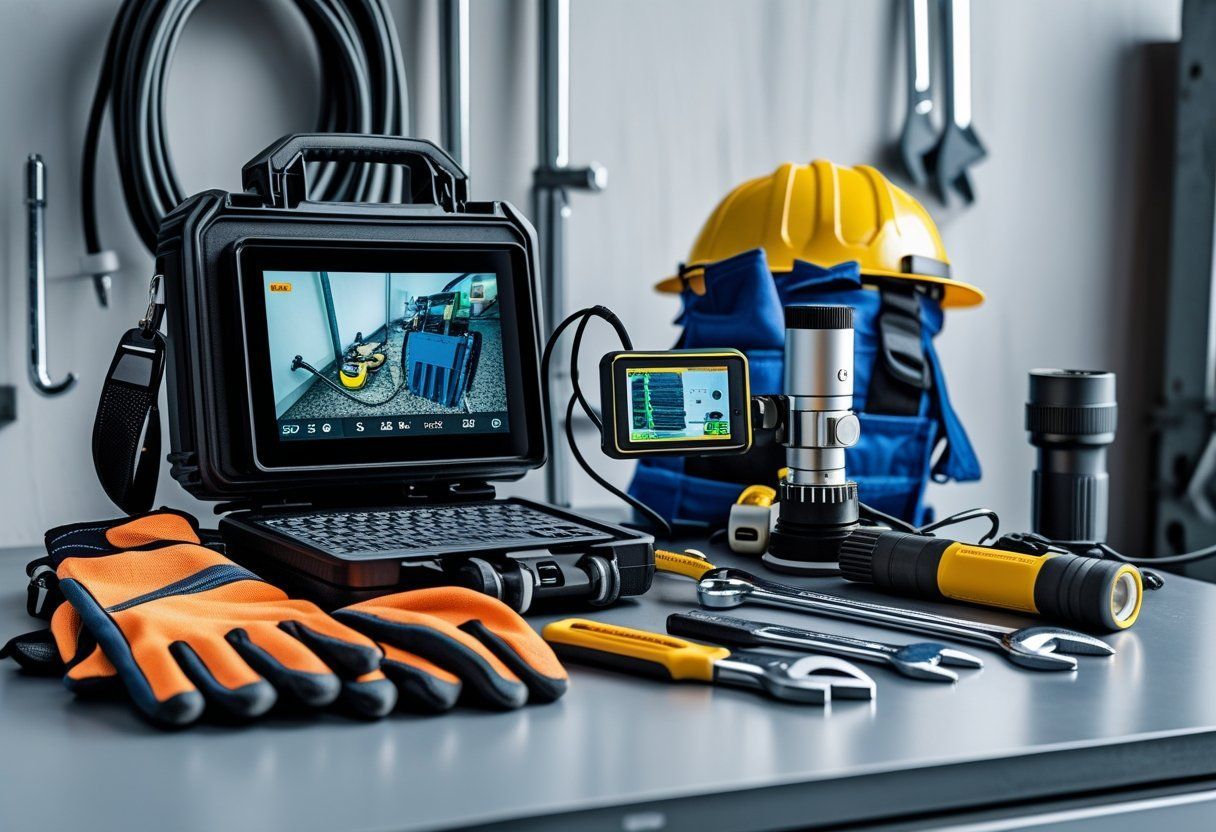
By Stefani January 23, 2026
You want tools that give clear answers fast so you can find problems and fix them right. We rely on high-quality sewer cameras, locating gear, and cleaning tools to spot cracks, blockages, and defects in sewer lines accurately. Knowing which tools to use helps a plumber save time and avoid costly mistakes. We will walk […]
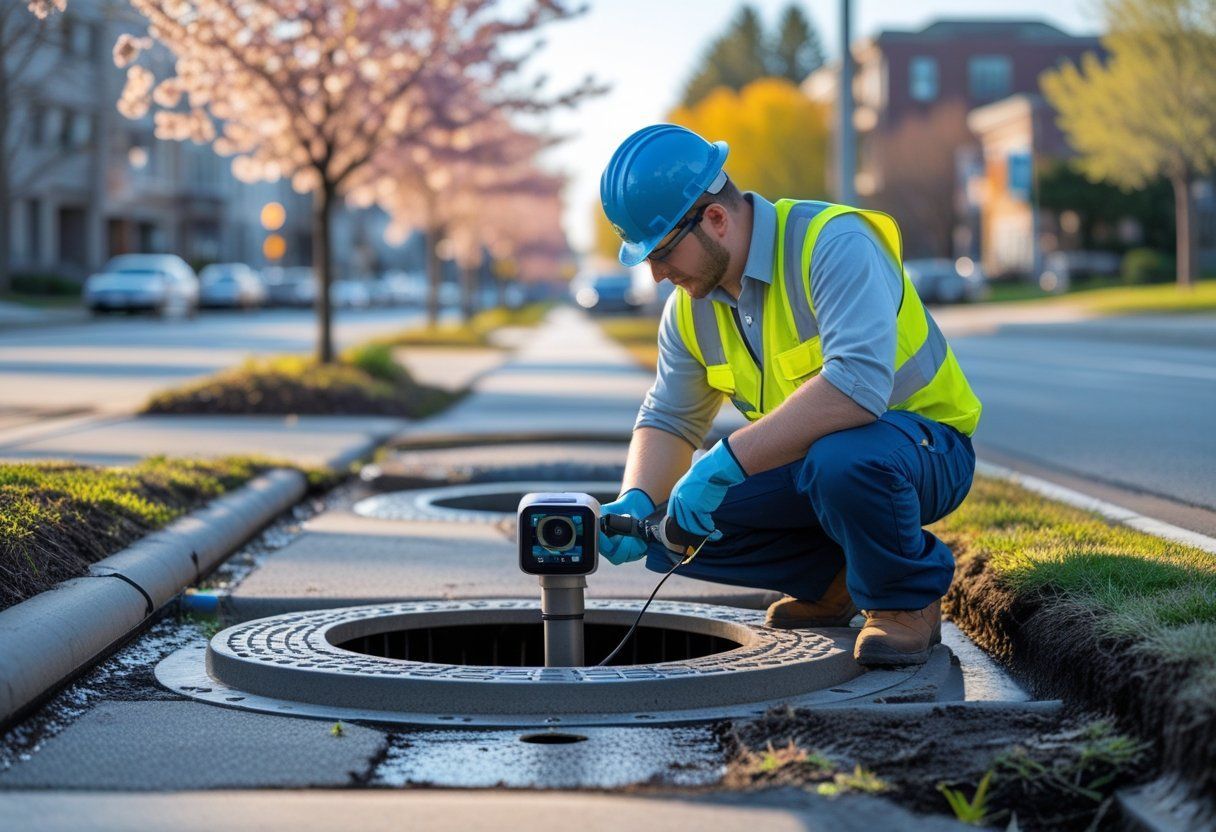
By Stefani January 22, 2026
You want sewer line inspections timed so they catch problems before they get costly or urgent. We recommend scheduling inspections based on seasonal risks winter freeze, spring thaw, and heavy fall rains because timing cuts repair costs and prevents service interruptions. We will explain how weather, soil movement, and tree roots change the risk level […]
Common Mistakes to Avoid During Sewer Line Inspections
By Stefani January 18, 2026
We know sewer line inspections feel technical and tense, but avoiding a few common mistakes protects your home and wallet. Start by planning the inspection, knowing what to look for, and involving a qualified professional when signs point to trouble. That simple approach cuts down on missed problems and costly surprises. We will walk through […]
Show More