Checklist for Commercial Plumbing Inspections and Maintenance: Essential Tips and Guidelines

daniel • December 31, 2024

Share this article

Initial Evaluation of Plumbing Systems

When inspecting commercial plumbing systems, we focus on key areas to ensure efficient operation. This includes assessing backflow prevention devices, checking for corrosion and sediment buildup, and verifying water pressure and quality. These steps help maintain safety standards and prevent costly repairs.

Assessment of Backflow Prevention Devices

Backflow prevention devices are critical in maintaining water safety. They stop contaminated water from flowing back into clean water supplies. During our evaluation, we check if these devices are properly installed and meet local regulations.

We also look for signs of wear or damage. Regular inspections help detect problems early, preventing potential health risks. Testing involves ensuring the device functions correctly under different pressures. This ensures no backflow occurs during pressure changes. Proper operation of these devices protects both the plumbing system and public health.

Inspection for Corrosion and Sediment Buildup

Corrosion and sediment buildup can reduce the efficiency of commercial plumbing systems. When we inspect, we look for rust, leaks, or discoloring, which indicate corrosion. This can lead to leaks or pipe blockages if not addressed.

Sediment buildup is another concern. It can clog pipes and reduce water quality. We use specialized equipment to check for sediment and clean it out when necessary. Addressing these issues early helps extend the lifespan of the plumbing system and ensures compliance with safety standards.

Verification of Water Pressure and Quality

Water pressure and quality are essential for a functional plumbing system. Low pressure can indicate a leak or blockage, while high pressure might damage pipes. During our inspection, we measure pressure using reliable gauges to ensure it’s within recommended ranges.

For water quality, we test for contaminants. Poor water quality can lead to health concerns, so we ensure that the water meets local safety standards. Regular testing and adjustments can prevent potential damage and ensure the system operates smoothly.

Preventative Maintenance Strategies

Preventative maintenance is key to avoiding costly repairs in commercial plumbing systems. Our focus is on essential steps to maintain water heaters and ensure grease traps function effectively.

Water Heater Maintenance Procedures

Regular inspections and maintenance of water heaters extend their lifespan and improve efficiency. We begin by checking for any signs of corrosion or leaks. Identifying these issues early prevents further damage and maintains safe operation.

Next, we flush the tank annually to remove sediment build-up. This simple step enhances heating efficiency and saves energy costs. If there are any strange noises, those might indicate sediment presence or pressure issues.

Testing the pressure relief valve is crucial to ensure it works properly. It should open when released, indicating it will prevent pressure buildup, which could lead to explosions. Insulating the tank and pipes also reduces heat loss and improves efficiency, which is helpful in cooler environments. We track each inspection on a maintenance checklist to ensure routine schedules are followed.

Cleaning and Upkeep of Grease Traps

Grease traps need regular attention to avoid clogs and foul odors. We start by inspecting them weekly to check for blockages. Ensuring the lids and covers fit securely prevents unpleasant smells from escaping.

Cleaning should occur at least every month. We remove the grease and solid build-up, disposing of it according to local regulations. A maintenance checklist is used to track cleaning schedules, which helps prevent overflow and maintain kitchen hygiene.

To increase efficiency, we also check the water flow rate. Adjusting water temperature can help. Warmer water helps break down grease further, reducing blockages. Regular upkeep guarantees proper function and reduces costly emergency plumbing repairs.

Routine Maintenance and Emergency Handling

Effective plumbing systems require constant attention. We must ensure proper steps are taken for smooth functioning. Routine maintenance and swift emergency responses protect us from costly damages. Below, we outline our approach to managing these critical areas.

Protocols for Responding to Plumbing Emergencies

In plumbing emergencies, time is crucial. We should first assess the situation to identify immediate threats like clogged drains or active leaks. Shutting off the water supply is vital to minimize damage. Our response plans must include a list of emergency contacts, including commercial plumbers.

Once the situation is stable, we look into root causes to prevent recurrence. Documenting incidents helps track potential problem areas. Having a well-prepared team speeds up recovery and ensures safety. Regular training workshops can sharpen skills in handling emergencies efficiently.

Schedule and Perform Routine Maintenance Checks

Regular maintenance checks reduce risk of major issues. We should start with a comprehensive inspection plan. This includes checking for leaks, inspecting pipes, and clearing clogs. Scheduled checks every few months keep systems in top shape.

Daily inspections focus on high-traffic areas like restrooms and kitchens, where problems often occur. It’s important to promptly repair minor issues to prevent escalating costs. Document and track findings to plan for future maintenance needs. This proactive approach extends the lifespan of plumbing systems and saves resources in the long run.

Compliance and Documentation Process

When maintaining commercial plumbing systems, staying compliant and keeping thorough documentation is paramount. We use digital tools to record inspections and ensure that all plumbing work follows current safety and building standards.

Recording Inspections with Digital Tools

In our experience, using digital tools greatly simplifies inspection processes. Inspection apps allow us to create digital checklists tailored to each building’s specific requirements. With these, we ensure no component is overlooked.

Capturing photos during inspections provides visual evidence of each site. This step enhances our documentation, making it easier to prove compliance with regulations. By storing data digitally, we can generate detailed reports quickly, facilitating fast review and feedback. This streamlined approach ensures efficiency and accuracy.

Ensuring Compliance with Safety and Building Standards

Compliance with safety and building standards is critical. We stay updated with the latest regulations affecting commercial plumbing. Regular reviews of these standards help us adjust our practices as necessary.

To meet standards, our team conducts thorough inspections, checking every component carefully. Any issues identified are documented and addressed immediately. This proactive approach helps avoid potential penalties and ensures that safety is always prioritized. Our detailed reports offer full transparency and make it simple for us to demonstrate compliance to regulatory bodies.

Advanced Plumbing Systems Management

In managing advanced plumbing systems, we can greatly enhance efficiency by using a centralized dashboard and analyzing historical trends. These practices enable us to streamline our processes and proactively address potential issues.

Leveraging a Centralized Dashboard for Tracking

A centralized dashboard is crucial for keeping track of all our plumbing systems data. It helps us consolidate information from various sources, giving us a single point of access. This makes managing complex systems easier and saves time.

By using a centralized dashboard, we can monitor current performance in real-time. This allows for quicker responses to emerging issues, which is essential for smooth operations. It also aids plumbing contractors in maintaining the commercial plumbing inspection checklist effectively.

In addition, a centralized dashboard can automatically generate follow-up tasks. This ensures that nothing is overlooked, enhancing the reliability of our plumbing systems. Keeping organized and on top of things becomes much simpler with this approach.

Analyzing Historical Trends for Proactive Interventions

Analyzing historical trends of our plumbing systems offers valuable insights. By examining past data, we can identify recurring issues and common patterns. This allows us to anticipate problems before they arise.

With this trend analysis, we become more proactive in our approach, helping us minimize downtime and reduce costs. It offers clear guidance for necessary preventive measures alongside our commercial plumbing checklist.

Our plumbing business can leverage these trends to make informed decisions. By understanding what has happened before, we can better plan maintenance schedules and allocate resources effectively. This proactive management leads to more efficient and reliable operations.

Recent Posts

Fast Response Plumbing technician servicing a water shut off valve in San Francisco
By Joe Tinsley July 17, 2026
Learn how gate valves, ball valves, and angle stops work, where to find them in your San Francisco home, and when to replace them. FAQs inside.
Budgeting for Unforeseen Sewer Line Maintenance Expenses
By Stefani January 31, 2026
Sewer line problems can hit your wallet fast, and we know the stress of a surprise repair. We show you how to plan a practical budget that covers emergency fixes, regular upkeep, and the big costs that sneak up on you. This saves you money and keeps small issues from turning into major failures. We […]
Seasonal Effects on Sewer Line Maintenance Costs
By Stefani January 30, 2026
You’ll want to know how seasons change what you pay for sewer line maintenance so you can plan ahead and avoid surprise bills. Seasonal weather, ground movement, and plant growth directly affect repair needs and costs, so budgeting by season cuts unexpected expenses. We outline what shifts costs, when repairs most often happen, and which […]
The Role of Location in Sewer Line Maintenance Pricing
By Stefani January 29, 2026
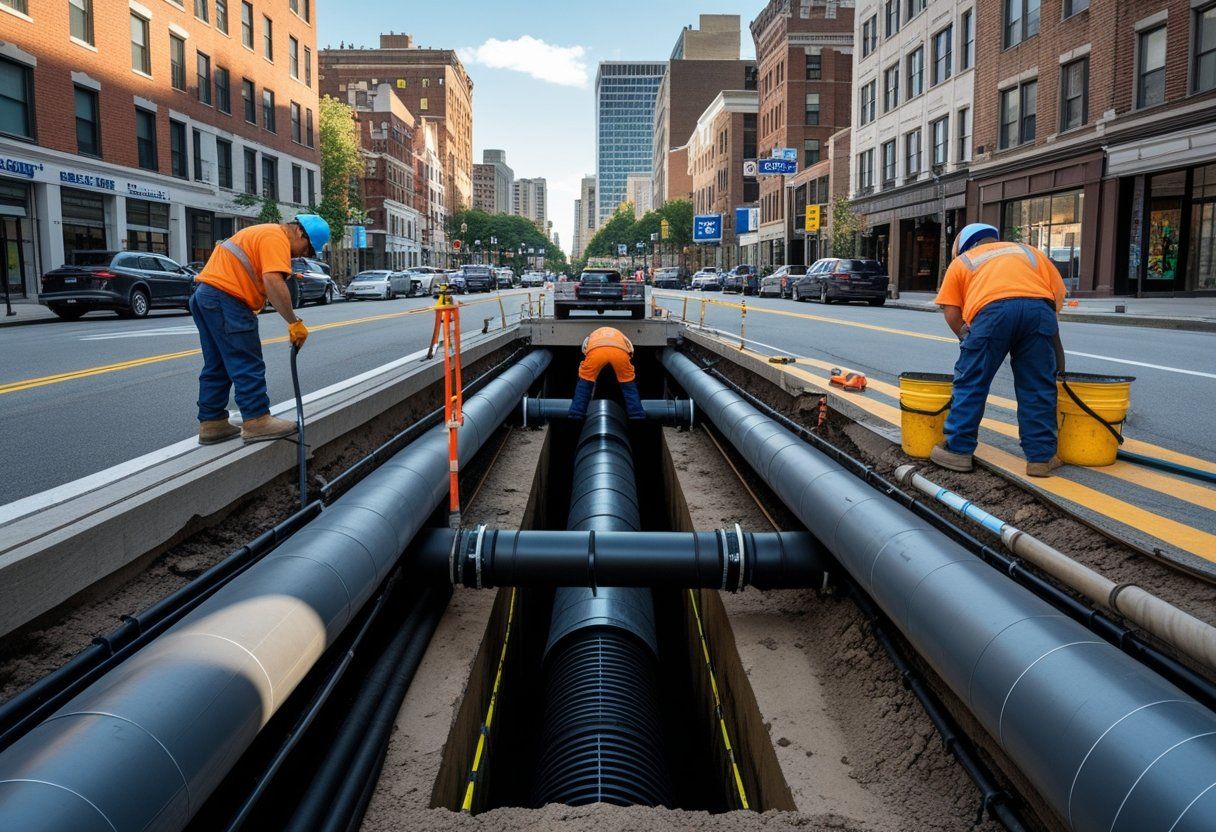
You’ll pay different amounts for sewer line maintenance depending on where your property sits and what’s under it. Location drives cost through factors like soil type, access difficulty, local labor rates, and permit rules, so knowing these lets you predict and plan for expenses. We’ll show how those local details shape quotes and outcomes. We’ll […]
Analyzing Material Expenses for Effective Sewer Line Care
By Stefani January 28, 2026
We’ll break down the real costs that matter for keeping a sewer line working well so you can plan and avoid surprises. You’ll learn which materials and fees drive most of the expense and how small choices can lower long-term costs. We’ll look at costs for parts, tools, permits, and regular cleaning, plus where labor […]
Understanding the Impact of Labor Costs on Sewer Line Maintenance
By Stefani January 25, 2026
You want to know how labor costs shape sewer line care and what that means for your wallet. We will show how wages, crew size, and the repair method you choose change the final bill so you can plan smarter and avoid surprises. Knowing which labor factors most drive costs lets you pick repair options […]
How to Interpret Sewer Line Inspection Reports
By Stefani January 24, 2026
You’ll get clear steps to decode the most important parts of a sewer line inspection report so you can act with confidence. We show you how to spot real problems, what each defect means, and which issues need immediate repair versus routine maintenance. We break the report into simple pieces what the camera images show, […]
By Stefani January 23, 2026
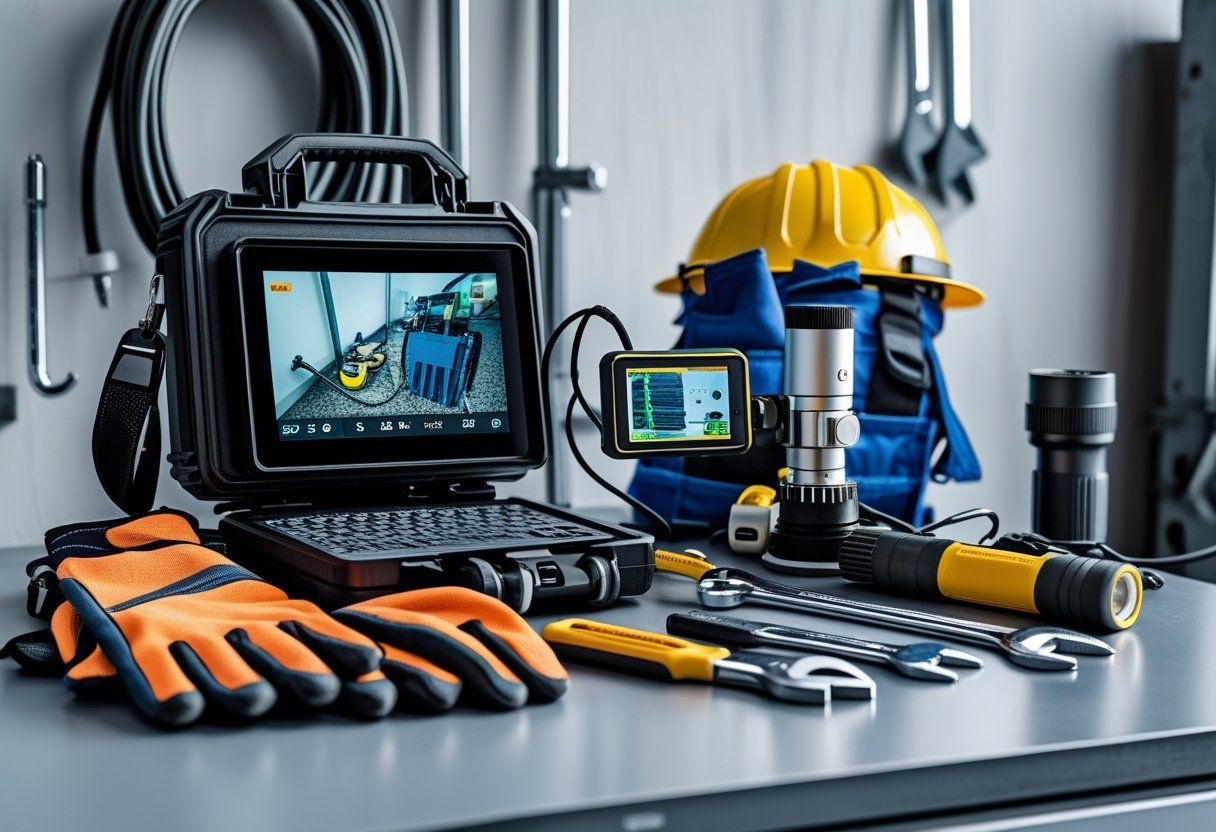
You want tools that give clear answers fast so you can find problems and fix them right. We rely on high-quality sewer cameras, locating gear, and cleaning tools to spot cracks, blockages, and defects in sewer lines accurately. Knowing which tools to use helps a plumber save time and avoid costly mistakes. We will walk […]
By Stefani January 22, 2026
You want sewer line inspections timed so they catch problems before they get costly or urgent. We recommend scheduling inspections based on seasonal risks winter freeze, spring thaw, and heavy fall rains because timing cuts repair costs and prevents service interruptions. We will explain how weather, soil movement, and tree roots change the risk level […]
Common Mistakes to Avoid During Sewer Line Inspections
By Stefani January 18, 2026
We know sewer line inspections feel technical and tense, but avoiding a few common mistakes protects your home and wallet. Start by planning the inspection, knowing what to look for, and involving a qualified professional when signs point to trouble. That simple approach cuts down on missed problems and costly surprises. We will walk through […]
Show More