Understanding the Importance of Drain Cleaning for Commercial Properties: Essential Maintenance Practices

Stefani • January 1, 2025

Share this article

The Critical Role of Regular Drain Cleaning for Commercial Properties

Proper and regular drain cleaning in commercial buildings is key to preventing clogs and extending the life of plumbing systems. Taking these steps helps reduce disruptions and unexpected costs, ensuring businesses run smoothly and efficiently.

Extending the Lifespan of Plumbing Systems

We can significantly increase the lifespan of plumbing systems through regular maintenance. Drain cleaning removes buildup, which can cause corrosion and damage over time. Without cleaning, residue such as soap, grease, and debris can accumulate inside pipes.

These materials might not seem harmful initially. Over time, they can create serious blockages, leading to costly repairs or even replacement. Regular cleaning keeps systems clear and functioning efficiently. This reduces the need for frequent repairs and lowers the risk of unexpected problems.

Preventing Clogs and Blockages

Clogs can be disruptive to any business. They can cause unpleasant odors, slow drainage, and even backflow problems if left unaddressed. Routine drain cleaning prevents these issues by removing potential blockages before they become major concerns.

Performing regular maintenance ensures drains operate smoothly. When blockages are prevented early, the overall plumbing efficiency increases. Our consistent approach minimizes emergencies, keeping systems reliable and operational.

Minimizing Disruptions in Business Operations

Frequent plumbing issues can impact business operations negatively. Experiencing clogs might lead to temporary closures, affecting customers and employees. Having a scheduled drain cleaning routine helps minimize such disruptions.

When systems work efficiently, businesses can maintain a better environment for clients and staff. By investing in regular maintenance, we reduce the likelihood of expensive emergency repairs. This keeps businesses running without unnecessary interruptions, contributing to smoother daily operations.

Professional Drain Cleaning Services and Their Benefits

Professional drain cleaning services provide crucial benefits for commercial properties. They use advanced technologies, regular inspections, and preventive maintenance to keep plumbing systems efficient and free from blockages.

Advanced Technologies for Drain Maintenance

We use advanced drain cleaning technologies to maintain healthy plumbing systems. Hydro-jetting is a powerful method that uses high-pressure water streams to clear blockages and clean pipes. This technique is effective for removing heavy build-up like grease or debris.

Commercial drain cleaning involving chemical treatments can also help break down stubborn clogs. When used responsibly, these treatments prevent damage to pipes. By investing in modern methods, businesses can maintain their plumbing systems efficiently.

Proactive Measures to Prevent Plumbing Emergencies

Proactive measures are key to avoiding costly plumbing emergencies. Regular inspections allow us to spot potential issues early. During these checks, we clear minor blockages before they become bigger problems.

Preventive maintenance such as routine cleaning ensures smooth water flow. Regular upkeep not only saves money but also minimizes downtime for businesses. By focusing on prevention, we maintain the integrity of commercial plumbing systems.

Camera Inspections and Accurate Diagnostics

Camera inspections offer an accurate way to diagnose plumbing issues. High-resolution video inspections let us explore pipes’ insides for minor cracks, leaks, or blockages. This technology provides real-time feedback without dismantling structures.

With camera inspections, we identify exact problem locations, making targeted repairs possible. This precision reduces repair time and cost. Accurate diagnostics ensure effective solutions, helping businesses address concerns before they escalate.

Identifying and Mitigating Health Risks in Drainage Systems

We must pay attention to how drainage systems can pose risks to health and the environment. Good practices help maintain cleanliness, prevent hazards, and support safe waste disposal.

Maintaining Hygiene and Cleanliness Standards

Keeping drains clean is crucial for meeting health standards. We need regular inspections to avoid blockages that cause backups and bad odors. These odors can lead to unpleasant environments and potential health risks.

Blockages often come from grease, food particles, or other debris. Using strainers and ensuring proper waste disposal cuts down on these issues. Routine cleaning helps maintain effective drainage.

Using the right cleaning agents also helps. They should break down waste without harming the system or the environment. We focus on solutions that address the specific needs of our drains.

Environmental Responsibility and Safe Waste Disposal

Our drainage systems are directly linked to the environment. Mismanaged systems can lead to pollution by allowing harmful substances to enter waterways. It is our responsibility to ensure only safe materials go down our drains.

Improper disposal practices can damage ecosystems. We follow guidelines on waste disposal to minimize the impact. This includes disposing of hazardous materials separately from regular waste.

Safe waste disposal isn’t just about the environment. It also protects our drainage infrastructure. Blockages and overflows often result from improper disposal, leading to costly repairs and health risks.

Preventing Health Hazards and Ensuring Safety

Drainage systems can be breeding grounds for bacteria if not maintained properly. Stagnant water and waste buildup create ideal conditions for harmful pathogens, affecting our health.

We ensure drains are clear to prevent water accumulation. Regular maintenance and quick responses to issues are key. This includes fixing leaks, sealing cracks, and maintaining good airflow.

Health and safety regulations exist to protect everyone. Following these standards is essential. Regular training and awareness are crucial for ensuring compliance and understanding risks.

Understanding Drain Cleaning Techniques and Best Practices

Our approach to drain cleaning focuses on a few key methods and practices that ensure effective maintenance. By investing in regular cleaning and using the right tools, we can greatly extend the lifespan of plumbing systems.

Comparing Drain Cleaning Methods

Different methods suit different situations. High-pressure water jetting is excellent for removing stubborn clogs and debris. This method minimizes pipe damage while being effective against tough blockages.

A drain snake is another tool we often use. It’s flexible and can navigate through curves in pipes, pulling out clogs caused by hair or other materials. For chemical drain cleaners, we need to be cautious. While they can dissolve debris, they might harm pipes over time if misused.

Implementing Regular Cleaning Schedules

Setting up a consistent cleaning schedule is crucial. Regular maintenance checks prevent the build-up of debris and avert potential plumbing issues. We recommend cleaning drains every few months.

This not only clears existing blockages but also serves as a preventive measure. Keeping records of each cleaning session can help track performance and spot recurring problems early. This proactive step extends the plumbing system’s lifespan significantly.

Adopting Effective Drain Maintenance Tools

Using the right tools is integral to maintaining clear drains. We should equip ourselves with tools like drain snakes and high-pressure hoses for versatility.

A simple plunger is sometimes all we need for smaller clogs. Investing in quality tools pays off over time by reducing the need for frequent professional interventions. Consistently choosing the proper tools and techniques ensures efficiency with minimal risk to our plumbing systems.

Financial Implications of Drain Maintenance for Commercial Entities

Regular drain maintenance is vital for commercial properties. It helps to prevent costly plumbing incidents and enhance operational efficiency, which in turn, can maintain or even boost property value. Taking proactive steps in maintaining drains also reduces the need for emergency repairs.

Cost Savings from Averting Plumbing Disasters

Maintaining our drains helps us avoid major plumbing issues. Blocked drains can lead to severe problems like flooding and structural damage. These issues not only disrupt operations but can also be expensive to fix.

By regularly inspecting and cleaning drains, we can prevent such disasters. This foresight saves money by reducing the need for costly emergency repairs. Instead of facing hefty bills for unforeseen damages, regular maintenance offers a budget-friendly approach.

Investing in Reliable Plumbing to Boost Operational Efficiency

Efficient plumbing systems are key to smooth operations in any commercial building. By ensuring our drains are clean and well-maintained, we help prevent unexpected disruptions. When plumbing systems are reliable, our business operations flow without hiccups.

Investing in regular drain upkeep enhances the overall productivity of our establishments. Reliable plumbing systems minimize downtime and allow us to focus on core business activities without worrying about unwanted interruptions or repairs.

Impact of Drain Maintenance on Property Value

The condition of a commercial property’s plumbing can significantly influence its market value. Poorly maintained drains or plumbing issues can lower a property’s attractiveness to potential buyers or lessees. On the other hand, investing in drain maintenance can enhance the property’s worth.

Prospective buyers and tenants are more likely to invest in properties with efficient plumbing as it assures them of reduced future expenses. This means that keeping drains in top condition not only facilitates smooth operations but also contributes to maximizing the property’s value and appeal.

Recent Posts

Fast Response Plumbing technician servicing a water shut off valve in San Francisco
By Joe Tinsley July 17, 2026
Learn how gate valves, ball valves, and angle stops work, where to find them in your San Francisco home, and when to replace them. FAQs inside.
Budgeting for Unforeseen Sewer Line Maintenance Expenses
By Stefani January 31, 2026
Sewer line problems can hit your wallet fast, and we know the stress of a surprise repair. We show you how to plan a practical budget that covers emergency fixes, regular upkeep, and the big costs that sneak up on you. This saves you money and keeps small issues from turning into major failures. We […]
Seasonal Effects on Sewer Line Maintenance Costs
By Stefani January 30, 2026
You’ll want to know how seasons change what you pay for sewer line maintenance so you can plan ahead and avoid surprise bills. Seasonal weather, ground movement, and plant growth directly affect repair needs and costs, so budgeting by season cuts unexpected expenses. We outline what shifts costs, when repairs most often happen, and which […]
The Role of Location in Sewer Line Maintenance Pricing
By Stefani January 29, 2026
You’ll pay different amounts for sewer line maintenance depending on where your property sits and what’s under it. Location drives cost through factors like soil type, access difficulty, local labor rates, and permit rules, so knowing these lets you predict and plan for expenses. We’ll show how those local details shape quotes and outcomes. We’ll […]
Analyzing Material Expenses for Effective Sewer Line Care
By Stefani January 28, 2026
We’ll break down the real costs that matter for keeping a sewer line working well so you can plan and avoid surprises. You’ll learn which materials and fees drive most of the expense and how small choices can lower long-term costs. We’ll look at costs for parts, tools, permits, and regular cleaning, plus where labor […]
Understanding the Impact of Labor Costs on Sewer Line Maintenance
By Stefani January 25, 2026
You want to know how labor costs shape sewer line care and what that means for your wallet. We will show how wages, crew size, and the repair method you choose change the final bill so you can plan smarter and avoid surprises. Knowing which labor factors most drive costs lets you pick repair options […]
How to Interpret Sewer Line Inspection Reports
By Stefani January 24, 2026
You’ll get clear steps to decode the most important parts of a sewer line inspection report so you can act with confidence. We show you how to spot real problems, what each defect means, and which issues need immediate repair versus routine maintenance. We break the report into simple pieces what the camera images show, […]
By Stefani January 23, 2026
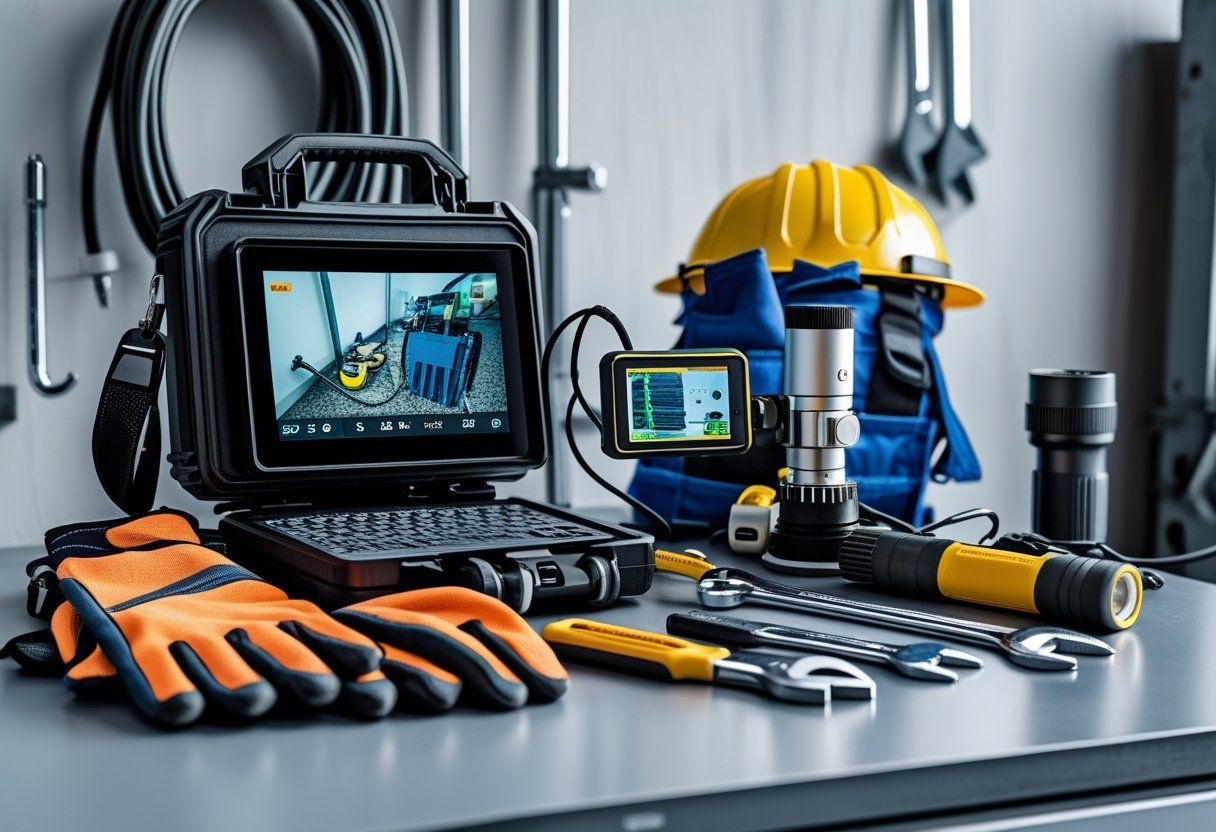
You want tools that give clear answers fast so you can find problems and fix them right. We rely on high-quality sewer cameras, locating gear, and cleaning tools to spot cracks, blockages, and defects in sewer lines accurately. Knowing which tools to use helps a plumber save time and avoid costly mistakes. We will walk […]
By Stefani January 22, 2026
You want sewer line inspections timed so they catch problems before they get costly or urgent. We recommend scheduling inspections based on seasonal risks winter freeze, spring thaw, and heavy fall rains because timing cuts repair costs and prevents service interruptions. We will explain how weather, soil movement, and tree roots change the risk level […]
Common Mistakes to Avoid During Sewer Line Inspections
By Stefani January 18, 2026
We know sewer line inspections feel technical and tense, but avoiding a few common mistakes protects your home and wallet. Start by planning the inspection, knowing what to look for, and involving a qualified professional when signs point to trouble. That simple approach cuts down on missed problems and costly surprises. We will walk through […]
Show More