
The Role of Preventive Maintenance in Commercial Plumbing: Ensuring System Efficiency and Longevity

daniel • December 26, 2024

Share this article

Understanding Commercial Plumbing Systems

In commercial plumbing systems, preventive maintenance is crucial to avoid disruptions and costly repairs. Key components include plumbing infrastructure, water supply, and plumbing fixtures.

Importance of Preventive Maintenance

Preventive maintenance in commercial plumbing involves regular inspections and servicing of plumbing systems. By doing this, we can detect leaks, clogs, or worn-out fixtures early. Fixing these issues promptly helps prevent major problems that could disrupt business operations.

Maintenance includes checking water pressure and ensuring that backflow prevention devices are functioning correctly. Regular cleaning and descaling prevent mineral buildup that can clog pipes. It’s essential because failing plumbing systems can lead to water damage, higher repair costs, and even health hazards.

Components of Plumbing Infrastructure

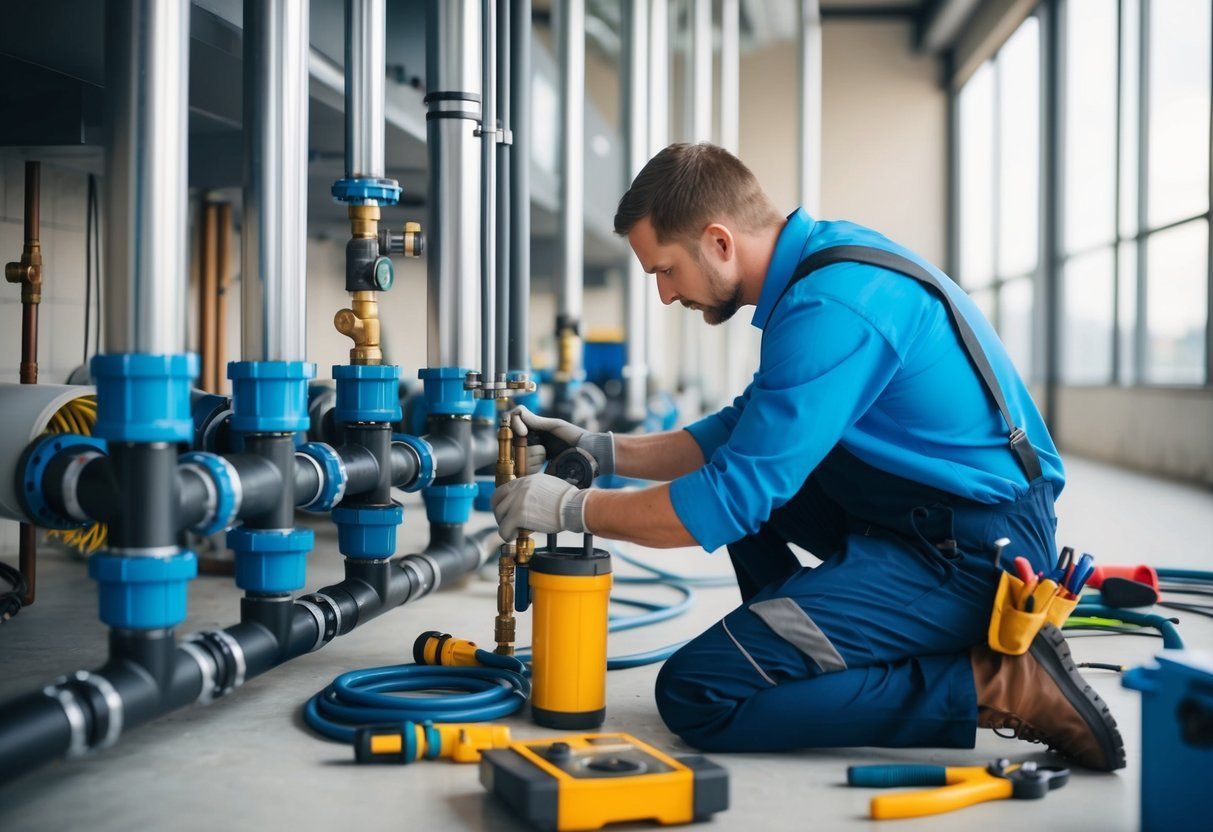
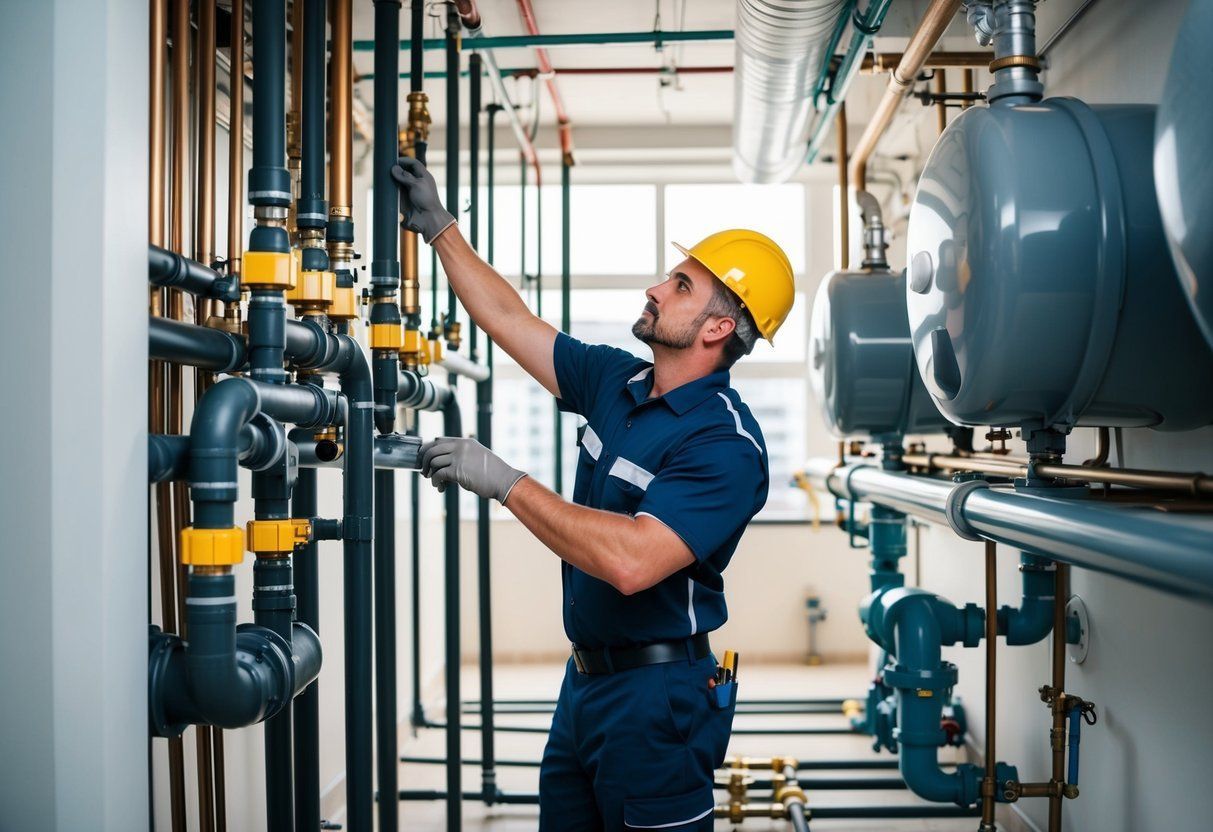
Commercial buildings have complex plumbing infrastructure. This includes supply pipes that deliver water to the building, drainage systems that remove wastewater, and plumbing fixtures like sinks, toilets, and faucets.

Backflow prevention devices are vital to stop contaminated water from flowing backward. Ensuring these components are in good condition is key to maintaining a safe water supply. Identifying signs of wear or damage early helps us keep the infrastructure reliable.

Understanding the layout and specific needs of our commercial plumbing systems helps us manage them more effectively and prevent unexpected issues. By focusing on these elements, we maintain an efficient and safe environment.

Developing a Maintenance Strategy

Creating an effective maintenance strategy for commercial plumbing involves establishing routine plans, conducting scheduled inspections, and developing customized checklists. These steps ensure that plumbing systems remain in top condition, minimizing unexpected issues.

Establishing Routine Maintenance Plans

Routine maintenance is the backbone of a successful plumbing strategy. We need to assess the specific needs of each facility and develop a plan that addresses those requirements. This involves identifying key components like pipes, valves, and fixtures that need regular checks.

We should also consider the frequency of these checks. For example, high-traffic areas might need monthly inspections, while others could be less frequent. Documenting each maintenance task helps track progress and ensures nothing is overlooked.

Effective plans also allocate resources efficiently. Assigning responsibilities to our maintenance team ensures that every aspect is handled by trained professionals. This coordination helps avoid potential disruptions in service and maintains smooth operations.

Scheduled Inspections and Maintenance Services

Scheduled inspections are crucial in preventing plumbing issues before they escalate. By setting a fixed timetable for inspections, we can systematically address potential problems. Our inspections should cover checking for leaks, assessing water pressure, and examining drainage systems.

Using professional maintenance services can add an extra layer of expertise. Hiring specialists ensures that we use the latest tools and techniques for optimal results. These experts can identify issues our in-house teams might miss, ensuring a comprehensive approach to maintenance.

We should log all activities and findings during these inspections. Detailed reports provide valuable insights and help in planning future maintenance tasks. This documentation aids in adjusting our maintenance plans as needed, facilitating continuous improvement.

Creating a Customized Plumbing Maintenance Checklist

A customized maintenance checklist makes it easier to manage routine plumbing care. We should start by listing all essential tasks, such as inspecting water heaters, checking sealant integrity, and cleaning drains. Prioritize these tasks based on their impact and urgency.

Our checklist should be flexible enough to accommodate changes. As plumbing systems age or undergo modifications, the checklist should reflect these developments. Regular updates help maintain accuracy and relevance.

Incorporating feedback from maintenance teams can improve our checklist. By considering their insights, we ensure that all practical aspects are covered, leading to more efficient and thorough maintenance. This targeted approach helps keep our plumbing systems in excellent condition.

Operational Benefits of Regular Maintenance

Regular maintenance in commercial plumbing ensures that our systems run smoothly and effectively. It helps in avoiding unexpected problems and keeps everything safe while saving costs.

Minimizing Downtime and Emergency Repairs

When we keep up with maintenance, we’re less likely to experience unexpected breakdowns. Scheduled checks allow us to fix small issues before they turn into big problems.

Addressing potential troubles stops emergency repairs and reduces downtime.

Unplanned repairs are often more costly and time-consuming. When equipment is well-maintained, we can avoid having to halt entire operations. This keeps our systems operating efficiently and leads to more reliable service. Routine inspections also catch issues early, letting us address them quickly, keeping everything running without interruption.

Extending Lifespan and Efficiency of Equipment

By maintaining our plumbing equipment regularly, we increase its lifespan and boost its energy efficiency. Components like water heaters and pumps last longer when they’re properly cared for.

Routine cleaning and part replacements ensure the equipment runs optimally.

Signs of wear are caught early, allowing us to fix or replace parts before they fail. This extends the life of our equipment and improves efficiency. As a result, systems perform better, needing less energy to operate. Equipment that runs well also complies more effectively with safety regulations, ensuring operations remain safe.

Cost Savings and Water Conservation

Regular maintenance easily turns into meaningful cost savings. By avoiding large-scale repairs, we save money and time. Preventive actions also lead to water conservation.

Leaks and inefficiencies can be spotted and corrected to conserve water effectively.

Well-maintained systems prevent wastage and lower our utility costs. When we invest in upkeep, we cut down on unexpected expenses related to major repairs. This approach also helps conserve water, aligning with our commitment to sustainability. By using water more efficiently, we not only save money but also protect the environment.

Enhancing Water Quality and System Safety

Maintaining our plumbing systems also means improved water quality and better safety. Regular cleaning and checks ensure there’s no buildup of harmful substances or corrosion.

We prevent contaminants from affecting our water supply.

Proper maintenance lets us identify and address any risks that might compromise water quality or system safety. Replacing faulty parts keeps everything functioning as it should, safeguarding both the water we use and the users of our systems. This proactive approach is key to providing a safe and reliable water supply while fully meeting safety regulations.

Addressing Common Plumbing Problems

Preventive maintenance can significantly reduce frequent plumbing headaches like leaks and drainage issues. Regular inspections allow us to identify minor problems that could lead to larger, costly repairs.

Dealing with Leaks and Water Damage

Leaks are a common problem that can evolve into severe water damage if not addressed promptly. Regular checks help us spot minor leaks early. We focus on pipes, joints, and faucets as these are common leak sources.

Our team uses tools like moisture meters to detect hidden moisture, preventing potential damage. We also recommend installing water pressure regulators to guard against leaks caused by high pressure.

Using techniques like sewer video inspection, we can inspect pipes for unseen leaks and damage. By staying proactive, we minimize water waste and avoid widespread water damage.

Managing Drainage Issues and Backflow Prevention

Blocked drains cause major inconvenience and potential damage. Regular drain cleaning, including grease trap cleaning, keeps systems flowing smoothly. We find that chemical cleaners can sometimes worsen problems, so we prefer mechanical or enzymatic cleaners.

Another concern is backflow, which can contaminate the water supply. We emphasize backflow prevention methods, such as installing backflow preventers. Regular testing and maintenance ensure these devices function effectively.

Regular preventative maintenance helps maintain appropriate water pressure and prevents blockages. Constant vigilance and timely intervention mitigate drainage issues, ensuring reliable plumbing operations in commercial settings.

Advantages of Professional Plumbing Partnerships

Partnering with professional plumbing services offers significant benefits, making it easier to ensure compliance and provide emergency support. These partnerships also help achieve long-term cost efficiencies and boost property resale value.

Ensuring Compliance and Emergency Support

When we team up with professional plumbers, we gain access to routine inspections and preventive maintenance that keep our systems up to code. This ensures we are following local regulations and avoids potential fines.

Emergency support is a major advantage. Having a reliable team means that, when plumbing emergencies strike, we can receive timely repairs, minimizing damage. Effective emergency plumbing services not only handle urgent issues but also offer peace of mind, knowing help is a call away. This level of preparedness can make a significant difference during unexpected situations, reducing stress and potential repair costs.

Achieving Long-term Cost Efficiencies and Resale Value

Building a relationship with professional plumbers can save us money over time. With consistent maintenance, water wastage is minimized, reducing our utility bills. Long-term partnerships help extend the lifespan of plumbing systems.

Moreover, the preventive care received helps preserve and even enhance the property’s resale value. Buyers are assured that systems have been well-maintained. Documenting routine inspections and timely repairs offers transparency and trust in the plumbing’s condition. This proactive approach ensures that our properties maintain optimal function and value throughout their lifespan.

Incorporating these strategies proves beneficial both financially and operationally.

Recent Posts

Fast Response Plumbing technician servicing a water shut off valve in San Francisco
By Joe Tinsley July 17, 2026
Learn how gate valves, ball valves, and angle stops work, where to find them in your San Francisco home, and when to replace them. FAQs inside.
Budgeting for Unforeseen Sewer Line Maintenance Expenses
By Stefani January 31, 2026
Sewer line problems can hit your wallet fast, and we know the stress of a surprise repair. We show you how to plan a practical budget that covers emergency fixes, regular upkeep, and the big costs that sneak up on you. This saves you money and keeps small issues from turning into major failures. We […]
Seasonal Effects on Sewer Line Maintenance Costs
By Stefani January 30, 2026
You’ll want to know how seasons change what you pay for sewer line maintenance so you can plan ahead and avoid surprise bills. Seasonal weather, ground movement, and plant growth directly affect repair needs and costs, so budgeting by season cuts unexpected expenses. We outline what shifts costs, when repairs most often happen, and which […]
The Role of Location in Sewer Line Maintenance Pricing
By Stefani January 29, 2026
You’ll pay different amounts for sewer line maintenance depending on where your property sits and what’s under it. Location drives cost through factors like soil type, access difficulty, local labor rates, and permit rules, so knowing these lets you predict and plan for expenses. We’ll show how those local details shape quotes and outcomes. We’ll […]
Analyzing Material Expenses for Effective Sewer Line Care
By Stefani January 28, 2026
We’ll break down the real costs that matter for keeping a sewer line working well so you can plan and avoid surprises. You’ll learn which materials and fees drive most of the expense and how small choices can lower long-term costs. We’ll look at costs for parts, tools, permits, and regular cleaning, plus where labor […]
Understanding the Impact of Labor Costs on Sewer Line Maintenance
By Stefani January 25, 2026
You want to know how labor costs shape sewer line care and what that means for your wallet. We will show how wages, crew size, and the repair method you choose change the final bill so you can plan smarter and avoid surprises. Knowing which labor factors most drive costs lets you pick repair options […]
How to Interpret Sewer Line Inspection Reports
By Stefani January 24, 2026
You’ll get clear steps to decode the most important parts of a sewer line inspection report so you can act with confidence. We show you how to spot real problems, what each defect means, and which issues need immediate repair versus routine maintenance. We break the report into simple pieces what the camera images show, […]
By Stefani January 23, 2026
You want tools that give clear answers fast so you can find problems and fix them right. We rely on high-quality sewer cameras, locating gear, and cleaning tools to spot cracks, blockages, and defects in sewer lines accurately. Knowing which tools to use helps a plumber save time and avoid costly mistakes. We will walk […]
By Stefani January 22, 2026
You want sewer line inspections timed so they catch problems before they get costly or urgent. We recommend scheduling inspections based on seasonal risks winter freeze, spring thaw, and heavy fall rains because timing cuts repair costs and prevents service interruptions. We will explain how weather, soil movement, and tree roots change the risk level […]
Common Mistakes to Avoid During Sewer Line Inspections
By Stefani January 18, 2026
We know sewer line inspections feel technical and tense, but avoiding a few common mistakes protects your home and wallet. Start by planning the inspection, knowing what to look for, and involving a qualified professional when signs point to trouble. That simple approach cuts down on missed problems and costly surprises. We will walk through […]
Show More