
Common Plumbing Issues in Commercial Buildings: Prevention Tips

daniel • December 25, 2024

Share this article

Understanding Commercial Plumbing Issues

Our commercial buildings face unique plumbing challenges compared to residential properties. Addressing these issues involves knowing the typical problems, identifying their causes, and recognizing their signs before they become significant issues.

Types of Plumbing Problems in Commercial Buildings

Clogs are a common issue. They occur in drains, toilets, and sinks due to high usage and improper disposal of materials. Sewer system backups can happen when blockages are severe, often resulting in unpleasant odors and unsanitary conditions.

Low water pressure is another frequent problem. It can hinder daily operations and is usually caused by pipe leaks or blockages. Leaking faucets and silent leaks in hidden pipes waste water and can lead to higher utility bills.

Common Causes of Plumbing System Failures

Wear and tear is a primary cause of plumbing issues, especially in older buildings. Over time, materials deteriorate, leading to pipe leaks and faulty plumbing fixtures.

Improper installation or use of low-quality materials can result in system failures. This affects how well our plumbing system functions under the heavy use of a commercial space.

Human error, such as flushing non-degradable items or improper maintenance, contributes to plumbing problems. Neglecting routine inspections and preventive maintenance is a key factor leading to unnoticed and worsening issues.

Signs and Symptoms of Plumbing Issues

We often notice sewer odors, signaling potential clogs or backups. Unpleasant smells can affect the workplace environment and indicate deeper issues within the plumbing system.

Visible water stains on walls or ceilings usually mean pipe leaks. Sound of water when not in use suggests silent leaks. Fluctuating water pressure can signal something wrong with the system that needs immediate attention.

Sudden increases in water bills point to leaks. Regular monitoring helps us catch these signs early, allowing for timely repairs to prevent larger problems.

Proactive Plumbing Maintenance and Inspection

To keep plumbing systems in commercial buildings running smoothly, we should focus on regular maintenance and inspections. By implementing a detailed maintenance plan, we can prevent costly repairs and ensure efficient operation.

Routine Maintenance Checks and Schedules

Consistent checks are essential. We can set up a maintenance schedule to identify issues early. For example, inspecting pipes for leaks can prevent water damage. We should check water pressure and clean drains routinely.

Scheduling maintenance checks every month keeps things running smoothly. Using a checklist also helps. Key areas include valves, water heaters, and sewer lines. Facility managers should document inspections to track the system’s health over time.

Importance of Regular Inspections

Regular inspections play a vital role in catching problems before they escalate. During inspections, we must focus on identifying deteriorating pipes, corrosion, and potential clogs.

Hiring professional plumbing services ensures thorough inspections. Professionals use advanced tools, like cameras, for sewer line inspections. This can uncover hidden issues not visible during routine checks. Staying proactive reduces the likelihood of expensive emergency repairs.

Developing a Plumbing Maintenance Plan

Creating a tailored maintenance plan is important for effective plumbing care. Our plan should include a detailed schedule, responsibilities, and procedures for different areas of the plumbing system.

The plan must address preventative maintenance needs, such as flushing water heaters and testing pressure relief valves. We can split tasks into daily, monthly, and yearly categories. Engaging with experienced plumbers to develop this plan improves its effectiveness and compliance with industry standards.

Effective Solutions and Prevention Strategies

We must address common plumbing challenges like leaks, clogged drains, and sewer issues quickly and effectively. By utilizing proper tools and techniques, we ensure long-lasting solutions that prevent future problems.

Addressing Leaks and Water Pressure Issues

Leaks can occur in pipes, faucets, and fixtures. Regular inspections help us find and repair leaking areas before they cause significant damage. Using quality materials during installation reduces the risk of leaks.

Inadequate water pressure is often due to sediment build-up or malfunctioning fixtures. Installing a pressure regulator helps maintain consistent pressure. A well-maintained water heater is essential for hot water supply, especially in commercial settings where demand is high. Drain flushing removes sediment, ensuring smooth water flow.

Drain Cleaning and Clog Prevention

Frequent clogs are a hassle and can shut down operations. We prevent these issues by following proper disposal practices. For instance, avoiding pouring grease down drains prevents clogs. Regular maintenance includes professional drain cleaning using safe chemicals or mechanical methods.

Installing mesh drain covers catches debris, preventing it from causing future clogs. For stubborn clogs, using a plumber’s snake is often effective. Educating staff about what can and cannot be disposed of in drains also helps.

Sewer System Care and Backflow Prevention

Sewer backups are unpleasant and disruptive. We focus on backflow prevention by installing backflow preventers, which keep waste from flowing in the wrong direction. Regular sewer line inspections identify potential blockages caused by tree root intrusions or debris.

Implementing a scheduled maintenance program allows us to address minor issues before they become emergencies. Awareness of outdoor landscaping helps prevent roots from intruding on sewer lines. By taking these steps, we protect the building’s plumbing system from severe damage.

Cost Management and Efficiency

Managing plumbing costs in commercial properties involves reducing utility bills and preventing expensive repairs. We focus on improving water efficiency and minimizing disruptions caused by plumbing issues.

Reducing Water Bills Through Efficient Plumbing

Reducing water bills is crucial for managing operational costs in commercial properties like malls and hospitals. One effective method is using low-flow fixtures. These include faucets and toilets that use less water without affecting performance.

Regular maintenance is key. We should frequently inspect for running toilets or leaking faucets. These seemingly minor issues can lead to significant water waste and higher bills if left unchecked.

Pipe corrosion and poor water quality can also impact water usage. By treating water to prevent corrosion, we extend the lifespan of plumbing systems and improve efficiency, saving on utility bills.

By focusing on efficient plumbing strategies, we reduce unnecessary water usage, effectively cutting down on water bills.

Avoiding Costly Repairs and Downtime

Preventing costly repairs starts with proactive maintenance for facilities like malls and hospitals. Regular inspections help spot issues early, such as pipe corrosion or weak spots that might lead to burst pipes.

Replacing old fixtures and pipes before they fail is vital. When plumbing fails, it can lead to water damage and revenue loss due to downtime for repairs. This not only affects operational costs but also customer experience.

We can work closely with facility managers to schedule inspections and maintenance during non-peak hours. This minimizes disruptions to business operations and keeps repair costs down.

Health and Safety Considerations

When plumbing issues arise in commercial buildings, health and safety are top priorities. We should always be aware of health hazards like mold and sewage smells and ensure a clean water supply for everyone. Careful maintenance and proper plumbing practices can help avoid these problems.

Managing Health Risks from Faulty Plumbing

Faulty plumbing can lead to various health risks that affect worker safety and comfort. Leaks and standing water promote mold growth, which can cause respiratory issues. To combat this, regular inspections are crucial for all systems.

We must be vigilant in detecting sewage smells and leaks early. These signs could indicate a problem in the plumbing system. Using drain strainers helps prevent blockages that might lead to leakages. Installing moisture detectors in critical areas helps us pinpoint leaks before they escalate.

Cleaning and maintenance should be routine. This keeps systems functional and minimizes health risks. Addressing minor repairs quickly prevents them from becoming major issues.

Ensuring Clean Water Supply and Sanitation

A clean water supply is vital for health and safety. We need to ensure pipes and storage tanks remain uncontaminated and functioning properly. Regular testing for bacteria and chemical pollutants should be part of our safety practices, along with reviewing pipe materials for lead and other hazards.

To maintain sanitation, scheduled flushing of water systems and tanks is necessary. This process removes any stagnation and potential contaminants. Training staff on good plumbing practices ensures they’re familiar with the importance of clean and safe water.

Inadequate sanitation can lead to health hazards. It’s essential to focus on effective drainage and functioning toilets to prevent these issues. Regular checks identify potential problems early, keeping the water supply clean and safe for everyone.

Recent Posts

Fast Response Plumbing technician servicing a water shut off valve in San Francisco
By Joe Tinsley July 17, 2026
Learn how gate valves, ball valves, and angle stops work, where to find them in your San Francisco home, and when to replace them. FAQs inside.
Budgeting for Unforeseen Sewer Line Maintenance Expenses
By Stefani January 31, 2026
Sewer line problems can hit your wallet fast, and we know the stress of a surprise repair. We show you how to plan a practical budget that covers emergency fixes, regular upkeep, and the big costs that sneak up on you. This saves you money and keeps small issues from turning into major failures. We […]
Seasonal Effects on Sewer Line Maintenance Costs
By Stefani January 30, 2026
You’ll want to know how seasons change what you pay for sewer line maintenance so you can plan ahead and avoid surprise bills. Seasonal weather, ground movement, and plant growth directly affect repair needs and costs, so budgeting by season cuts unexpected expenses. We outline what shifts costs, when repairs most often happen, and which […]
The Role of Location in Sewer Line Maintenance Pricing
By Stefani January 29, 2026
You’ll pay different amounts for sewer line maintenance depending on where your property sits and what’s under it. Location drives cost through factors like soil type, access difficulty, local labor rates, and permit rules, so knowing these lets you predict and plan for expenses. We’ll show how those local details shape quotes and outcomes. We’ll […]
Analyzing Material Expenses for Effective Sewer Line Care
By Stefani January 28, 2026
We’ll break down the real costs that matter for keeping a sewer line working well so you can plan and avoid surprises. You’ll learn which materials and fees drive most of the expense and how small choices can lower long-term costs. We’ll look at costs for parts, tools, permits, and regular cleaning, plus where labor […]
Understanding the Impact of Labor Costs on Sewer Line Maintenance
By Stefani January 25, 2026
You want to know how labor costs shape sewer line care and what that means for your wallet. We will show how wages, crew size, and the repair method you choose change the final bill so you can plan smarter and avoid surprises. Knowing which labor factors most drive costs lets you pick repair options […]
How to Interpret Sewer Line Inspection Reports
By Stefani January 24, 2026
You’ll get clear steps to decode the most important parts of a sewer line inspection report so you can act with confidence. We show you how to spot real problems, what each defect means, and which issues need immediate repair versus routine maintenance. We break the report into simple pieces what the camera images show, […]
By Stefani January 23, 2026
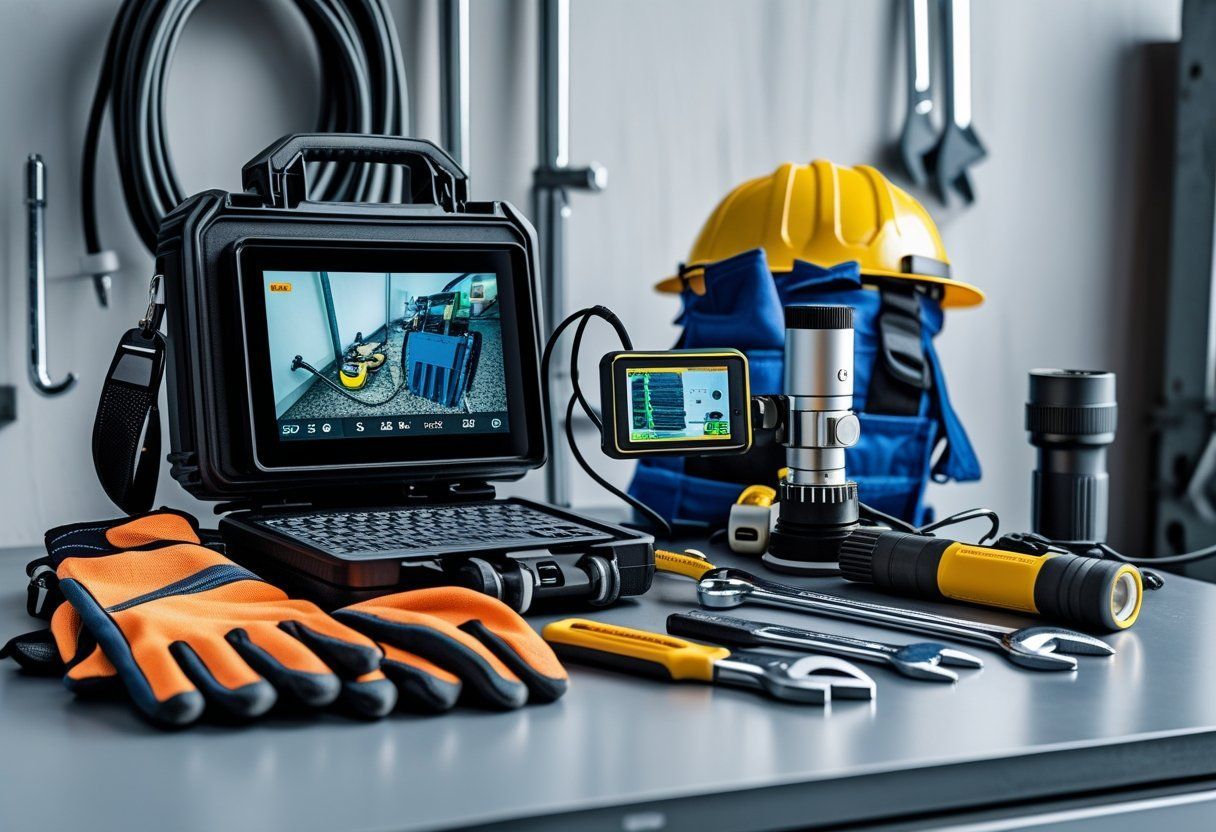
You want tools that give clear answers fast so you can find problems and fix them right. We rely on high-quality sewer cameras, locating gear, and cleaning tools to spot cracks, blockages, and defects in sewer lines accurately. Knowing which tools to use helps a plumber save time and avoid costly mistakes. We will walk […]
By Stefani January 22, 2026
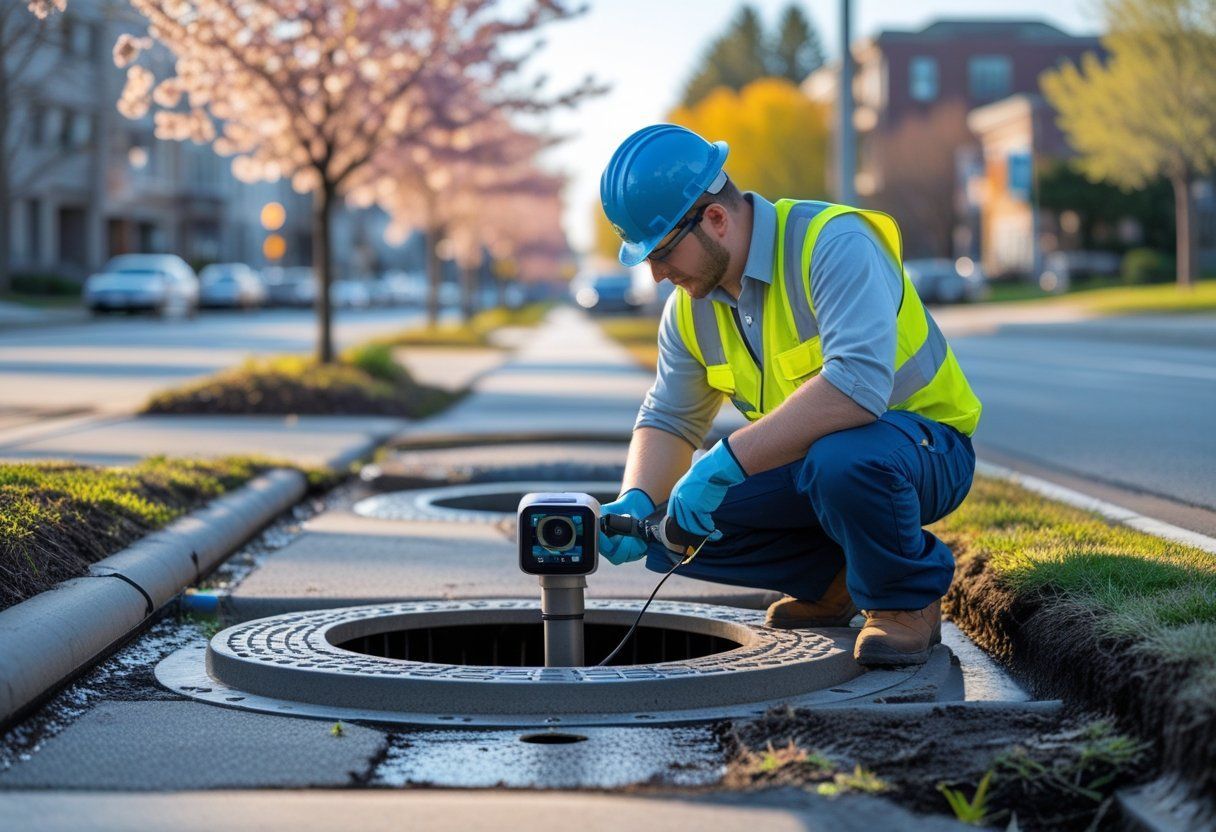
You want sewer line inspections timed so they catch problems before they get costly or urgent. We recommend scheduling inspections based on seasonal risks winter freeze, spring thaw, and heavy fall rains because timing cuts repair costs and prevents service interruptions. We will explain how weather, soil movement, and tree roots change the risk level […]
Common Mistakes to Avoid During Sewer Line Inspections
By Stefani January 18, 2026
We know sewer line inspections feel technical and tense, but avoiding a few common mistakes protects your home and wallet. Start by planning the inspection, knowing what to look for, and involving a qualified professional when signs point to trouble. That simple approach cuts down on missed problems and costly surprises. We will walk through […]
Show More