
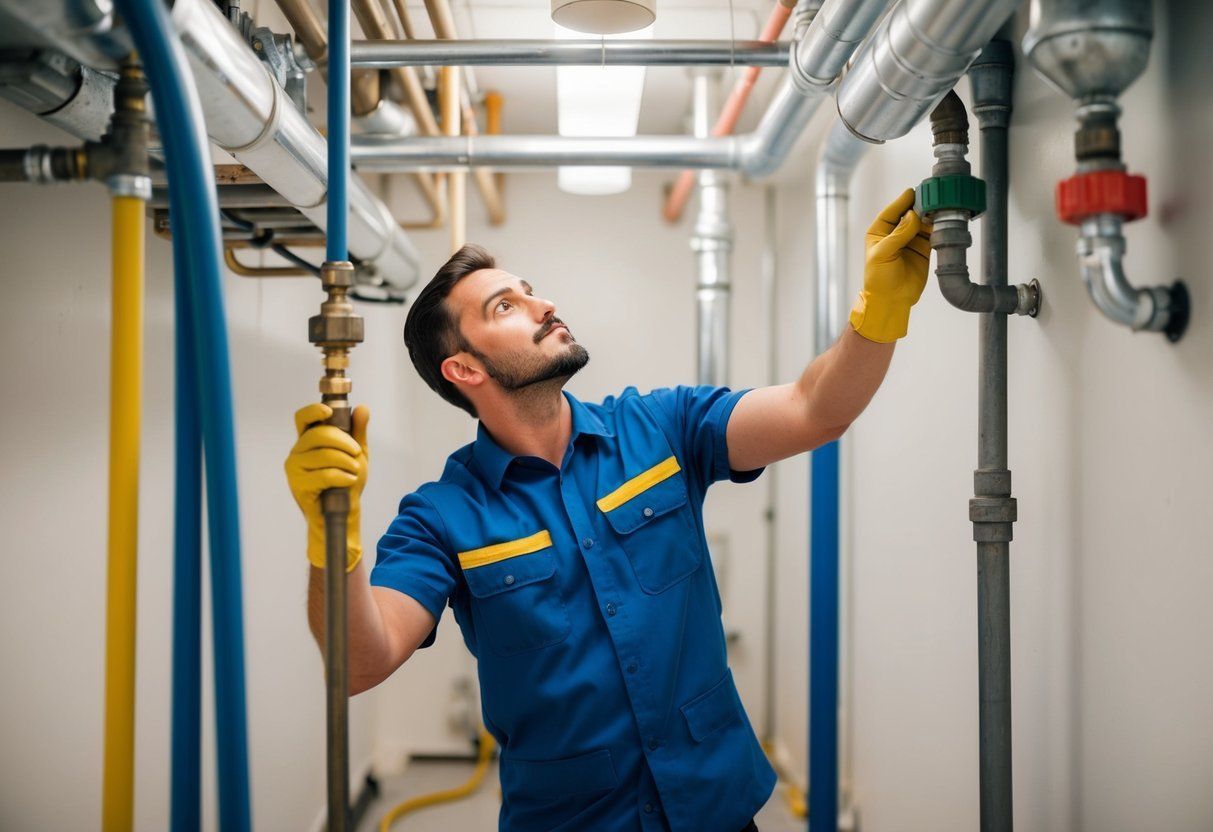
Understanding the Plumbing Maintenance Schedule for San Francisco Businesses: Key Steps for Efficient Operations

daniel • December 24, 2024

Share this article

Essentials of Plumbing Maintenance for San Francisco Businesses

Ensuring the smooth operation of plumbing systems in San Francisco businesses requires a focus on preventive maintenance strategies and regular routine inspections. By addressing potential issues early, we can help avoid costly repairs and maintain the efficiency of our operations.

Implementing Preventive Maintenance Strategies

Preventive maintenance is key to avoiding unexpected breakdowns. Scheduling regular maintenance with professional plumbers helps us keep our systems in top condition. This involves creating a yearly plan that includes checking for leaks, ensuring proper drainage, and verifying that seals and fixtures are in good working order.

Water quality testing should also be part of our strategy. Poor water quality can corrode pipes and damage equipment. Testing allows us to identify and address issues such as high mineral content. By staying proactive, we extend the life of our plumbing systems, which saves time and money. It also minimizes the risk of plumbing emergencies.

Routine Inspections and Maintenance Tasks

Routine inspections are crucial in maintaining our commercial plumbing systems. We should aim for quarterly inspections to ensure everything is functioning correctly. This involves checking pipes for corrosion, ensuring that valves work properly, and verifying that pressure levels remain steady.

Specific maintenance tasks include cleaning drains to prevent clogs and inspecting water heaters for efficiency. Involving professional plumbers can offer expert insights and handle tasks that require specialized skills or equipment. By regularly attending to routine maintenance, we can identify potential issues early, ensure continued efficiency, and keep our operations running smoothly.

Resolving Common Plumbing Problems

In San Francisco, businesses often encounter issues with clogged drains, hard water, and leaks. Addressing these problems quickly ensures a smoother operation and prevents costly repairs.

Dealing With Clogged Drains and Sewer Backups

Clogged drains and sewer backups can disrupt daily operations. Key areas like sinks and garbage disposals often develop these blockages. We recommend regular drain cleaning to prevent buildup. Using enzymatic cleaners helps keep pipes clear.

When faced with a severe blockage, a professional plumber can use tools like a drain snake to reach deep clogs. For sewer backups, it’s crucial to have a camera inspection to identify the root cause, which could be tree roots or broken pipes. Routine checks reduce the risk of unexpected surprises.

Tackling Hard Water Challenges and Corrosion

Hard water is a common issue in many areas and leads to scaling in pipes and appliances. Scaling reduces efficiency and increases wear on systems. Water softeners are effective solutions, removing minerals like calcium and magnesium from the water supply.

Corrosion is another concern, particularly in older buildings. We combat corrosion by ensuring proper pipe material and maintenance. Regular inspections help detect early signs of corrosion like discolored water or reduced water flow. By addressing these problems early, we can prevent severe damage and extend the lifespan of plumbing systems.

Preventing Water and Gas Leaks

Leaks, whether water or gas, pose significant risks. A leaky faucet might seem minor, but it leads to water waste and higher bills. Regularly inspect for dripping faucets and repair them promptly. These small fixes can save considerable water over time.

Gas leaks are more dangerous and require immediate attention. Routine checks ensure that all gas connections are secure. We also suggest installing gas detectors as an additional safety measure. By staying vigilant, we protect both people and property from potential hazards.

Maintaining Key Plumbing Components

Our plumbing systems are crucial to the smooth operation of our businesses in San Francisco. Regular attention to water heaters, sump pumps, and backflow prevention ensures efficiency, safety, and compliance.

Water Heaters: Longevity and Performance

Regular maintenance of water heaters is key to their longevity and performance. We should annually inspect them for leaks, sediment build-up, and thermostat issues. Sediment can be flushed by draining the tank, which improves heating efficiency.

Having a licensed professional check the pressure relief valve is vital. This keeps the tank from overheating or building too much pressure.

Water Heater Tips:

  • Inspect for rust or leaks
  • Drain tank annually
  • Check thermostat settings

Conducting these tasks ensures our water heater’s efficiency and extends its life. Let’s keep those water heaters in top shape!

Ensuring Efficient Functioning of Sump Pumps

For those of us with sump pumps, keeping them functional is non-negotiable. Regular testing helps prevent flooding, especially during San Francisco’s rainy months. Testing is simple: pour water into the sump pit. It should activate immediately and remove water efficiently.

We should check for dirt or debris in the pump and discharge lines. Blocks can hinder performance or lead to malfunctions. Backup systems, like battery backups, ensure our sump pumps work even during power outages.

Sump Pump Maintenance Checklist:

  • Test with water monthly
  • Inspect for debris
  • Ensure backup systems are in place

By prioritizing maintenance, our sump pumps stay efficient and dependable.

Backflow Prevention and Plumbing System Health

Backflow prevention devices protect our water supply from contamination. Checking them every year ensures they’re working well. If backflow occurs, dirty water might enter the clean water supply, risking health and safety.

Municipal guidelines in San Francisco require our businesses to have backflow prevention devices. We can contact certified professionals to perform tests and inspections.

Incorporating landscaping practices can also help. Proper grading around buildings minimizes unwanted water flow toward our plumbing systems.

Key Steps:

  • Test devices yearly
  • Hire certified testers
  • Consider landscape grading

Maintaining these systems is not just good practice; it’s our responsibility to ensure everyone’s safety and health.

Cost Considerations in Plumbing for Businesses

Managing plumbing costs in a business is vital to keeping expenses under control. Maintenance and emergency repairs can affect budgets significantly and influence property value.

Budgeting for Maintenance and Emergency Repairs

We need to prepare for both regular maintenance and unexpected plumbing issues. Having a maintenance schedule helps prevent major repairs, which are usually more expensive. Regular inspections can catch potential issues early, saving us money in the long run.

Emergency repairs are unpredictable. Thus, setting aside a specific part of our budget for them is wise. Commercial plumbing services might offer contracts that cover routine check-ups and discounted rates for emergencies, helping us manage these costs effectively.

Understanding the Impact on Property Value

The state of a building’s plumbing can greatly affect its property value. Maintaining our plumbing system not only prevents costly repairs but also enhances the value of our business property.

Buyers and tenants often look for properties with well-maintained plumbing. Simple upkeep, like fixing leaks and ensuring efficient plumbing solutions, can make a big difference. Major upgrades like repiping might be a worthwhile investment, as they can boost property value and appeal.

Ensuring Compliance and Water Safety

In San Francisco, maintaining plumbing systems is essential for businesses to ensure compliance and safe water quality. This involves following local codes and addressing threats like lead contamination.

Adhering to San Francisco Plumbing Codes

We must comply with the San Francisco plumbing codes to guarantee that our systems are legal and safe. These codes provide detailed guidelines to install and maintain pipes and fixtures.

Engaging reliable plumbing services helps in proper maintenance and updates. Regular inspections keep us aligned with standards and prevent issues like leaks. San Francisco requires permits for major plumbing work, so staying informed about necessary paperwork is crucial.

Regular checks and updates ensure that plumbing systems handle water safely and efficiently. Following these codes helps prevent violations and unnecessary fines. It’s our responsibility to stay proactive and up-to-date with the changing regulations.

Addressing Lead Contamination and Water Treatment

Addressing lead contamination is critical for safe drinking water. We focus on regular water quality testing to identify and mitigate risks. Testing helps us spot lead levels early, allowing for quick action to protect health.

San Francisco’s water treatment often involves chlorine, which disinfects water. We must monitor chlorine levels carefully to balance effective treatment with taste and safety.

Utilizing professional plumbing services facilitates these checks, offering trained expertise in both maintenance and contamination issues. If lead is detected, immediate steps include pipe replacement and additional filtration methods.

Our commitment to water safety means continually improving water treatment processes. Combining professional help and frequent testing ensures a healthy water supply for everyone.

Recent Posts

Fast Response Plumbing technician servicing a water shut off valve in San Francisco
By Joe Tinsley July 17, 2026
Learn how gate valves, ball valves, and angle stops work, where to find them in your San Francisco home, and when to replace them. FAQs inside.
Budgeting for Unforeseen Sewer Line Maintenance Expenses
By Stefani January 31, 2026
Sewer line problems can hit your wallet fast, and we know the stress of a surprise repair. We show you how to plan a practical budget that covers emergency fixes, regular upkeep, and the big costs that sneak up on you. This saves you money and keeps small issues from turning into major failures. We […]
Seasonal Effects on Sewer Line Maintenance Costs
By Stefani January 30, 2026
You’ll want to know how seasons change what you pay for sewer line maintenance so you can plan ahead and avoid surprise bills. Seasonal weather, ground movement, and plant growth directly affect repair needs and costs, so budgeting by season cuts unexpected expenses. We outline what shifts costs, when repairs most often happen, and which […]
The Role of Location in Sewer Line Maintenance Pricing
By Stefani January 29, 2026
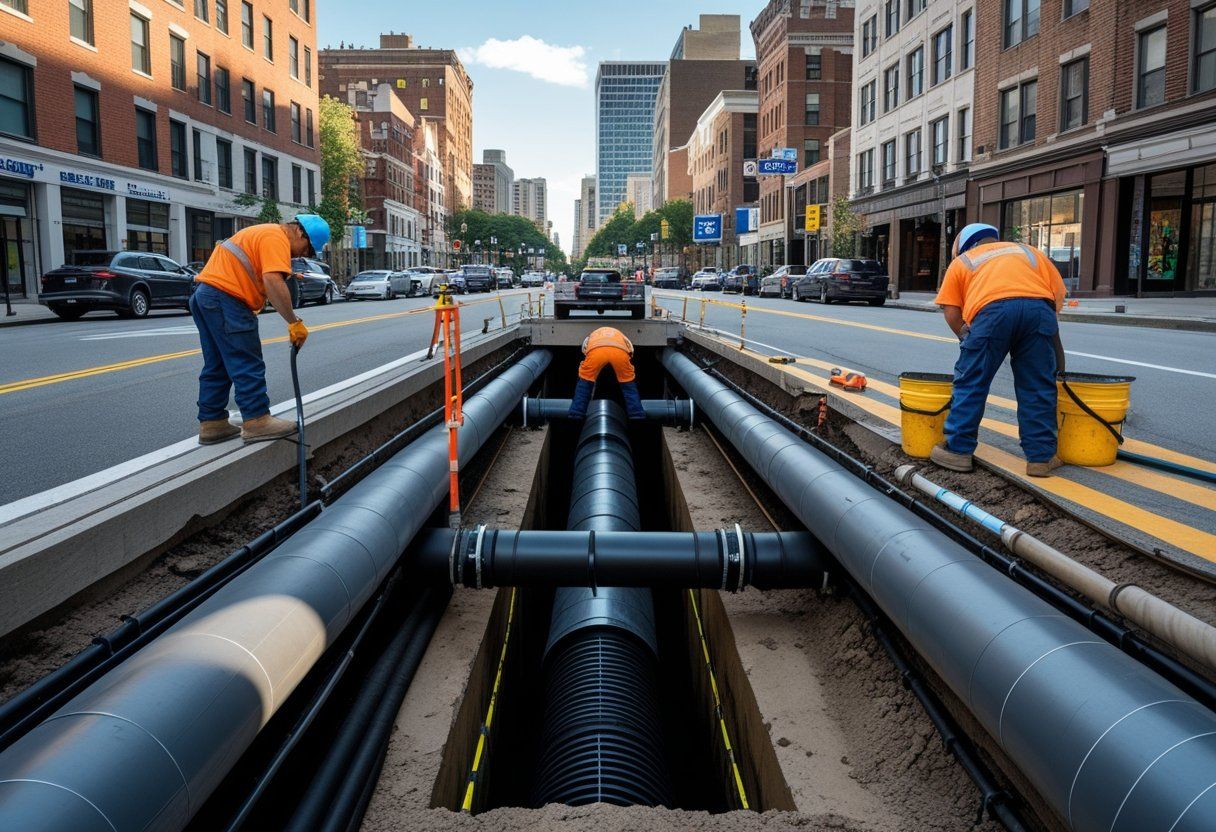
You’ll pay different amounts for sewer line maintenance depending on where your property sits and what’s under it. Location drives cost through factors like soil type, access difficulty, local labor rates, and permit rules, so knowing these lets you predict and plan for expenses. We’ll show how those local details shape quotes and outcomes. We’ll […]
Analyzing Material Expenses for Effective Sewer Line Care
By Stefani January 28, 2026
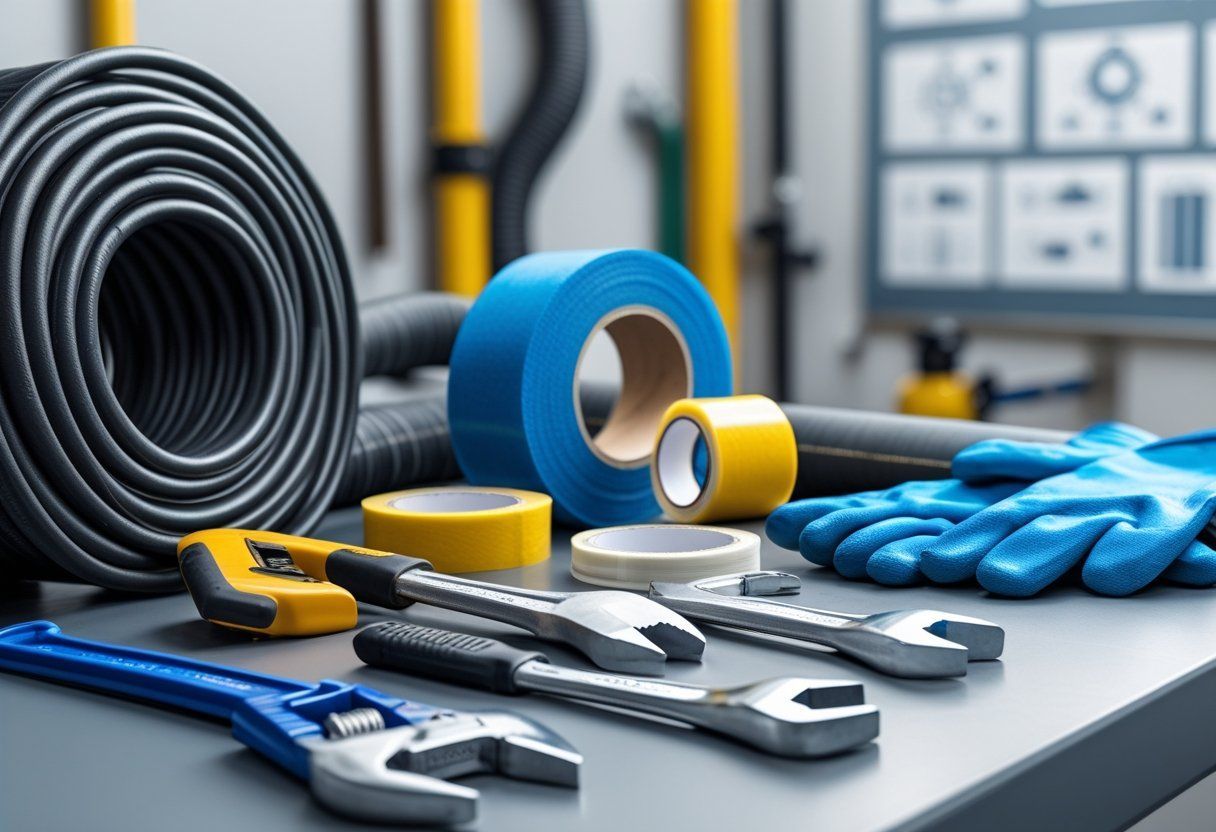
We’ll break down the real costs that matter for keeping a sewer line working well so you can plan and avoid surprises. You’ll learn which materials and fees drive most of the expense and how small choices can lower long-term costs. We’ll look at costs for parts, tools, permits, and regular cleaning, plus where labor […]
Understanding the Impact of Labor Costs on Sewer Line Maintenance
By Stefani January 25, 2026
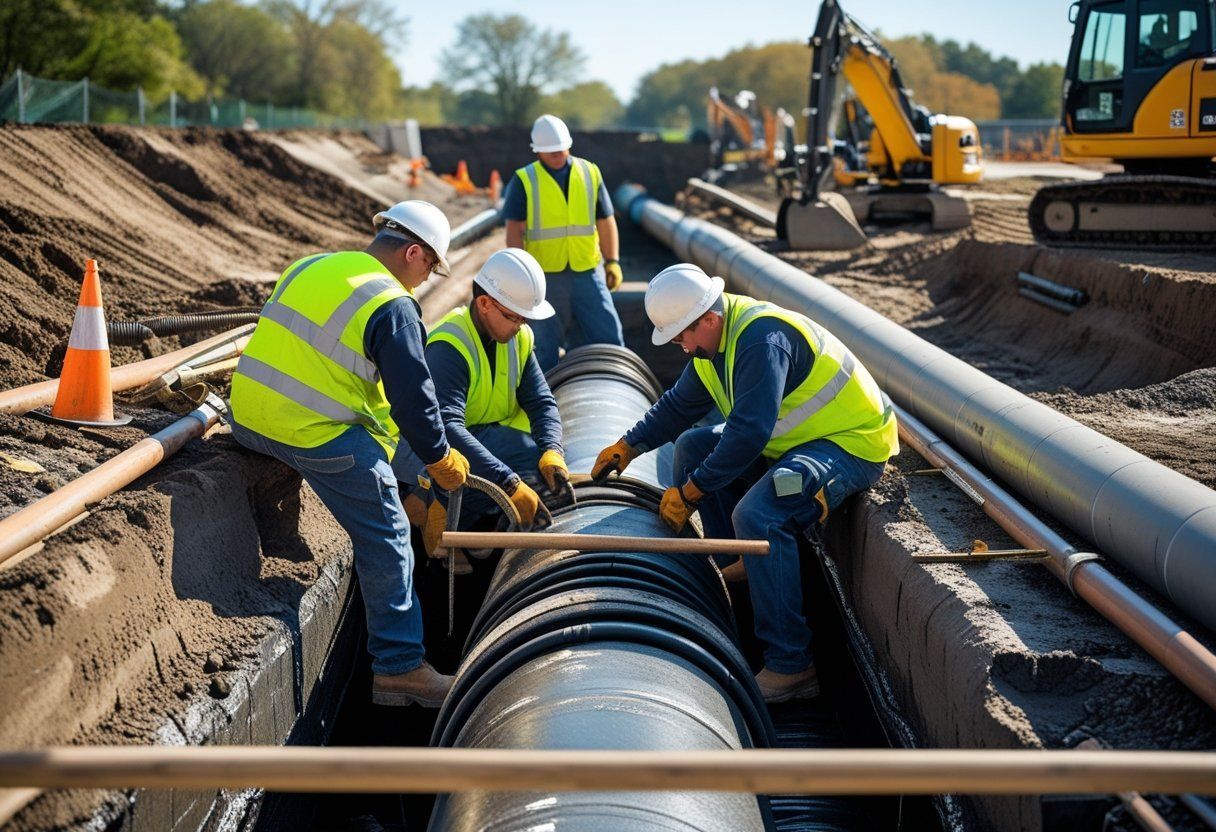
You want to know how labor costs shape sewer line care and what that means for your wallet. We will show how wages, crew size, and the repair method you choose change the final bill so you can plan smarter and avoid surprises. Knowing which labor factors most drive costs lets you pick repair options […]
How to Interpret Sewer Line Inspection Reports
By Stefani January 24, 2026
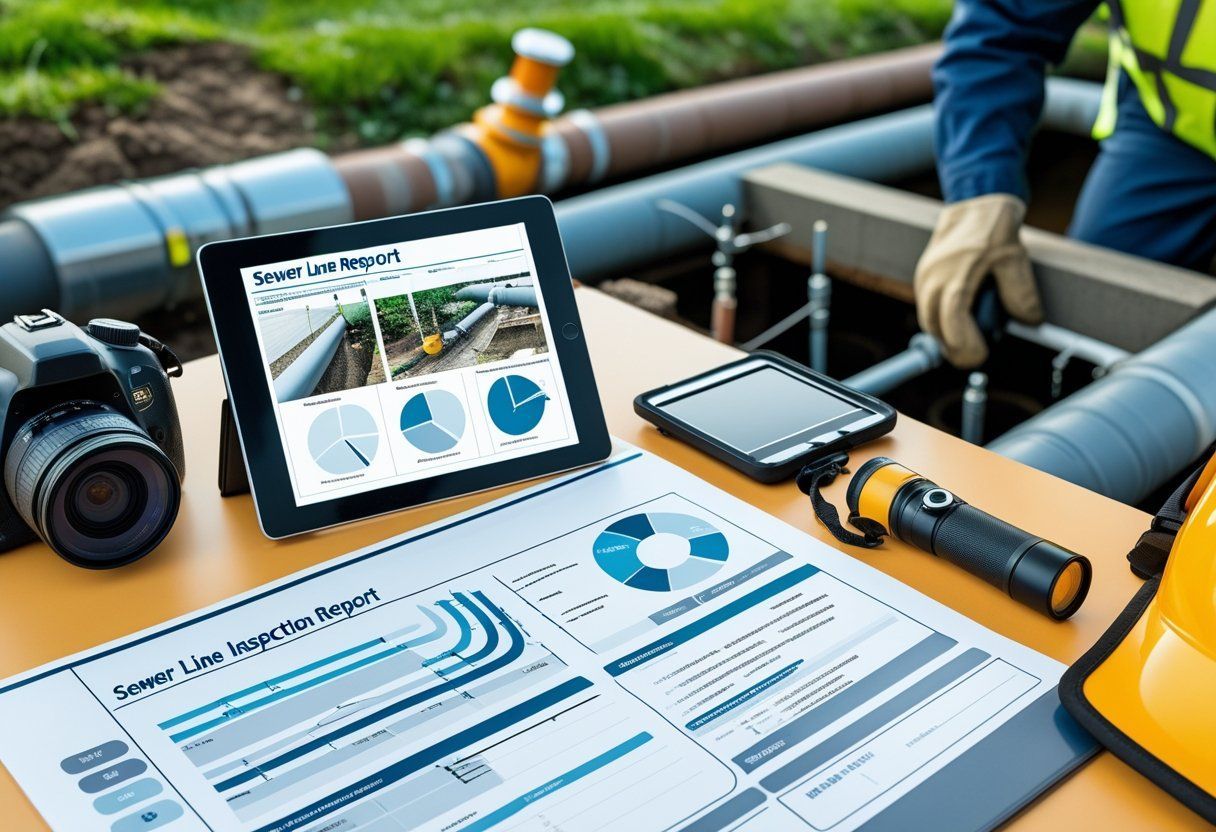
You’ll get clear steps to decode the most important parts of a sewer line inspection report so you can act with confidence. We show you how to spot real problems, what each defect means, and which issues need immediate repair versus routine maintenance. We break the report into simple pieces what the camera images show, […]
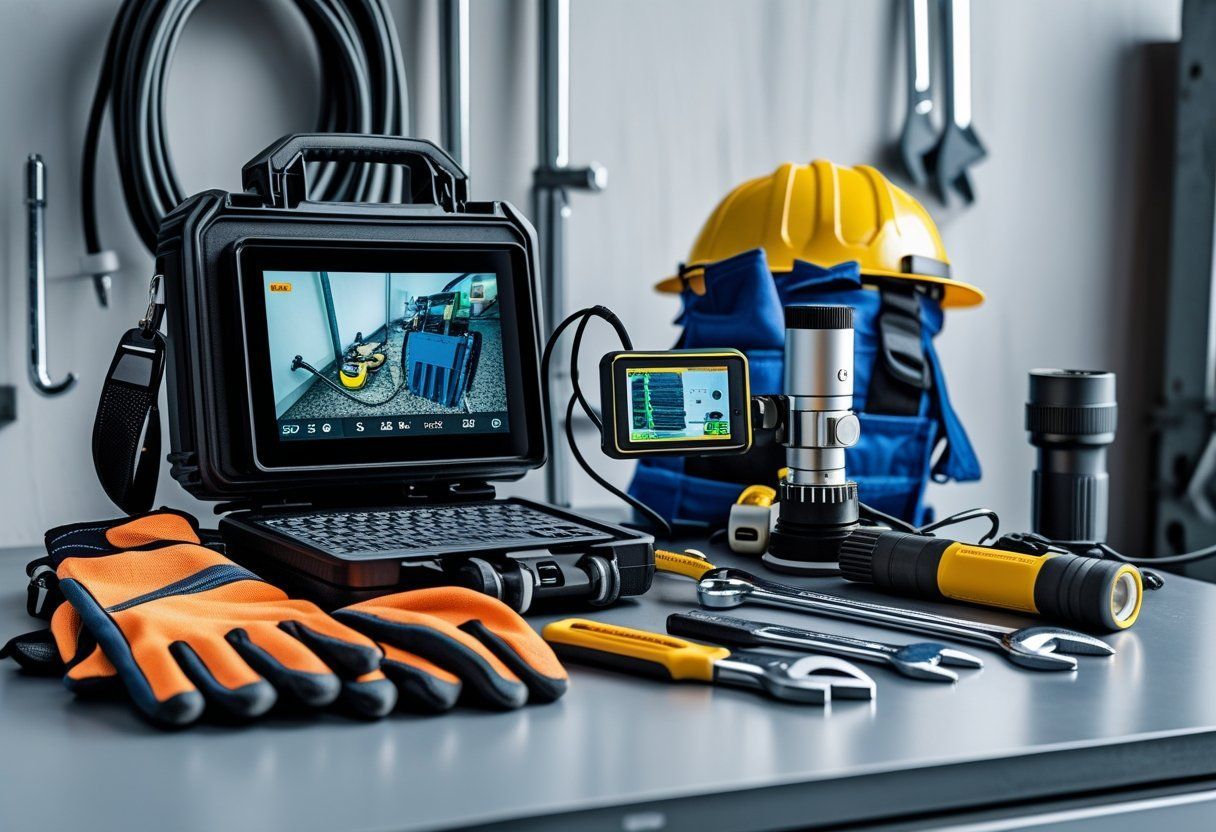
Tool kit with hard hat, gloves, laptop, and handheld device on a workbench in a workshop
By Stefani January 23, 2026
You want tools that give clear answers fast so you can find problems and fix them right. We rely on high-quality sewer cameras, locating gear, and cleaning tools to spot cracks, blockages, and defects in sewer lines accurately. Knowing which tools to use helps a plumber save time and avoid costly mistakes. We will walk […]
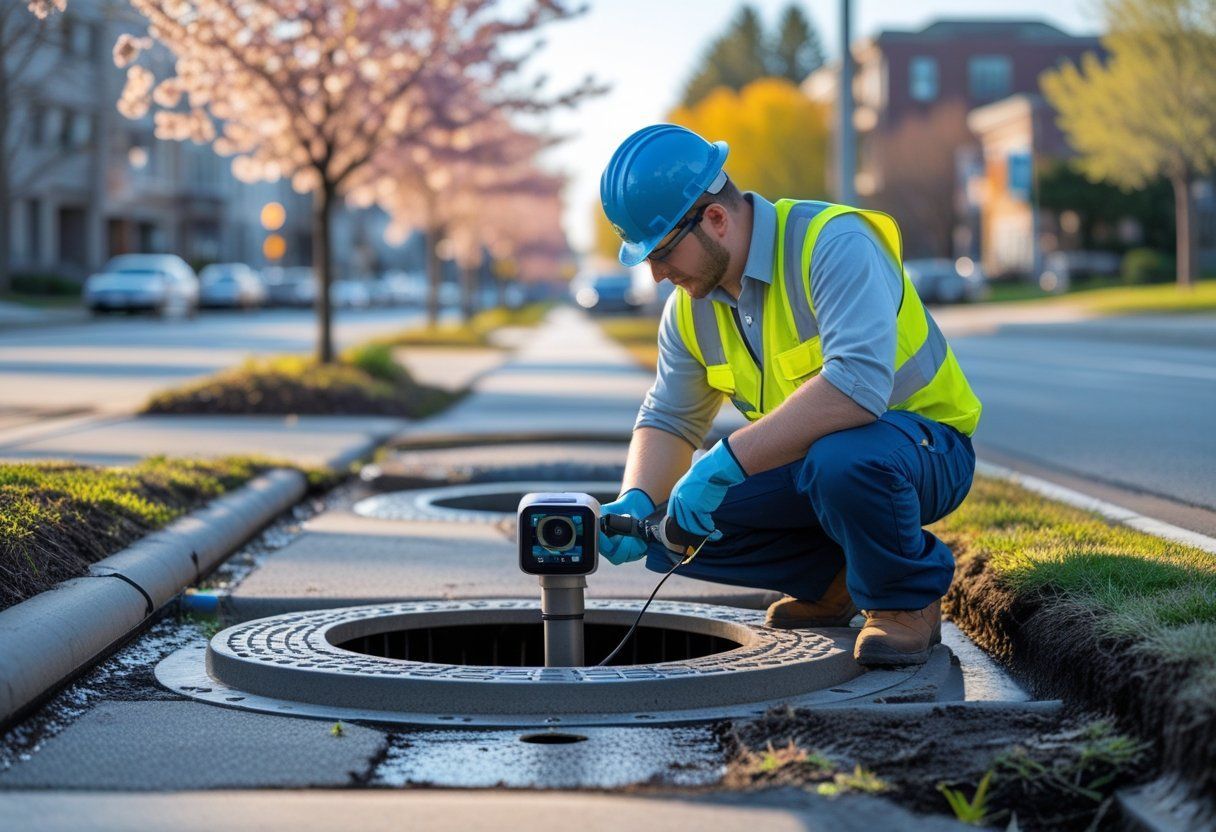
Worker in blue hard hat inspecting a manhole on a street with a camera device
By Stefani January 22, 2026
You want sewer line inspections timed so they catch problems before they get costly or urgent. We recommend scheduling inspections based on seasonal risks winter freeze, spring thaw, and heavy fall rains because timing cuts repair costs and prevents service interruptions. We will explain how weather, soil movement, and tree roots change the risk level […]
Common Mistakes to Avoid During Sewer Line Inspections
By Stefani January 18, 2026
We know sewer line inspections feel technical and tense, but avoiding a few common mistakes protects your home and wallet. Start by planning the inspection, knowing what to look for, and involving a qualified professional when signs point to trouble. That simple approach cuts down on missed problems and costly surprises. We will walk through […]
Show More