
Tips for Preventing Plumbing Emergencies in Your Home: Expert Advice for Peace of Mind

Stefani • February 26, 2025

Share this article

Understanding Your Plumbing System

Having a clear grasp of our plumbing system is key to preventing plumbing emergencies. By identifying key components and spotting signs of leaks early, we can maintain the health of our home’s plumbing.

Identify Key Components

Our plumbing system is a network of pipes, valves, and appliances. Water pipes carry water to and from various parts of the house. The water shut-off valve is crucial to control the water flow. It’s usually located near the water meter. Knowing how to find it can prevent further damage during leaks.

Drains and traps help remove wastewater. They are under sinks and appliances like dishwashers. Pressure regulators control water pressure, preventing damage to pipes. All components need regular checks to ensure they function well.

Learn How to Spot Signs of Leaks

Leaks often start small. We should watch for water stains on ceilings or walls. Changes in water pressure might also indicate a hidden leak. Sometimes, we might notice higher-water bills without increased usage. This, too, is a sign of leaks.

Listening for dripping sounds and smelling musty odors are additional ways to detect moisture problems. Inspect visible pipes for any drips or corrosion. Taking early action when these signs appear can save us from costly repairs. Regular monitoring is key to a healthy plumbing system.

Routine Maintenance and Inspections

It’s important to take good care of our plumbing systems to avoid unexpected problems. By inspecting our pipes and fixtures regularly, we can catch issues early. Taking simple preventive measures can help us maintain smooth, running plumbing and make sure everything stays in good shape.

Schedule Regular Inspections

Regular plumbing inspections are key to keeping our systems in top shape. We should check our pipes, faucets, and toilets at least once a year. Annual inspections help spot corrosion or slow-draining water from early blockages.

Watching out for leaks is crucial. Even small leaks can lead to big problems over time. It’s important to check for rust, which can weaken pipes. Keeping these checks consistent helps us catch problems before they become emergencies.

Adopt Preventive Measures

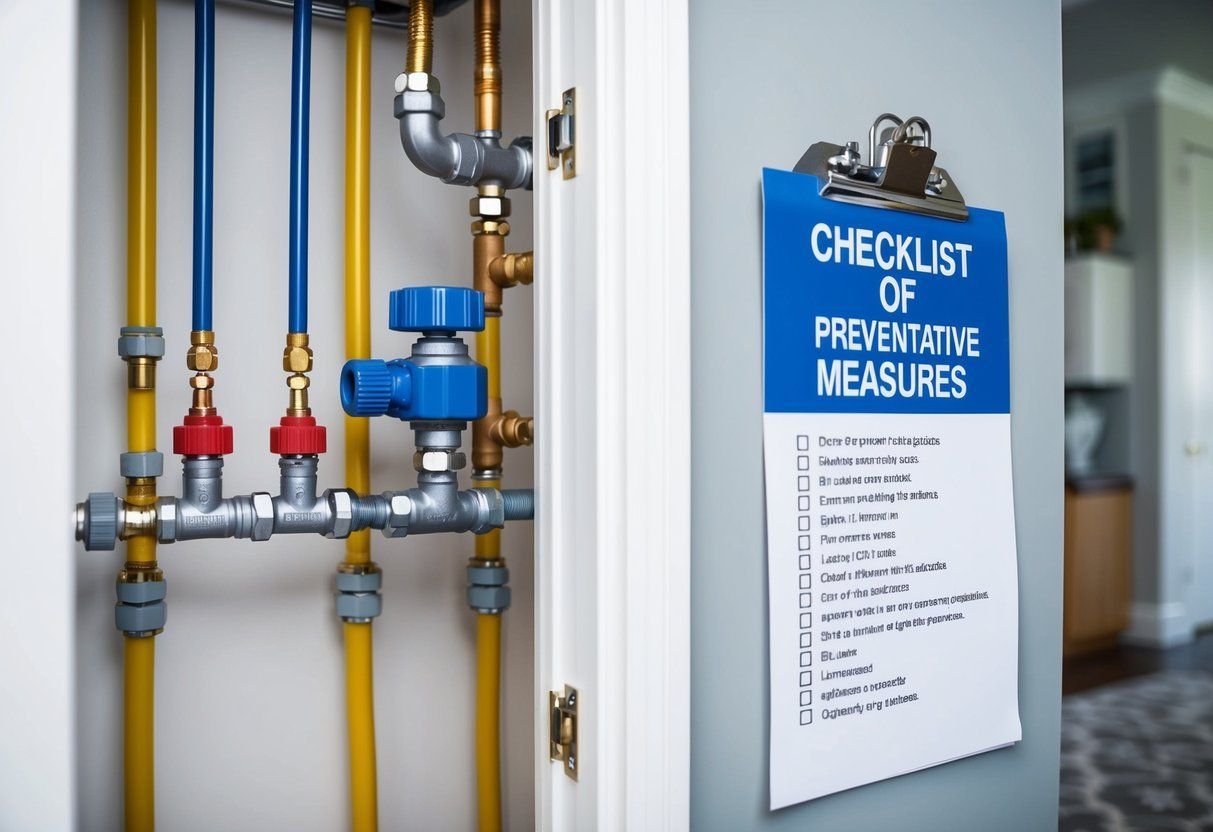
Taking preventive measures helps avoid plumbing issues. Start by using strainers in sinks to stop food scraps and hair from causing blockages. Let’s also ensure nothing harmful gets flushed down toilets. This can prevent clogs which are hard to fix.

We should regularly clean our drains with safe methods, avoiding harsh chemicals. Chemicals can damage pipes over time. Also, insulating pipes can protect against freezing in colder months. These small steps make a big difference in maintaining a smooth-running system.

Professional Plumbing Services

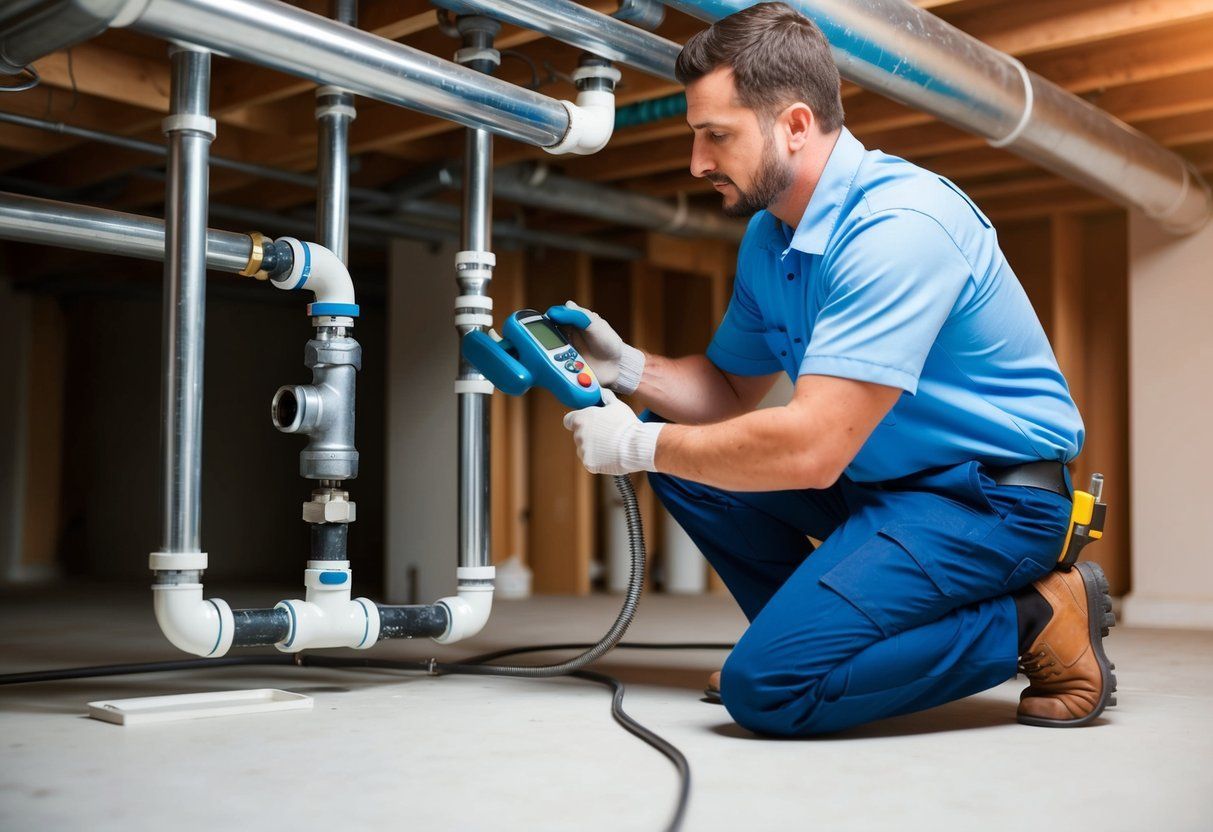
While we can do some tasks ourselves, it is often best to involve a professional. Professional plumbing services have the tools and skills to handle complex issues. They know what to look for during inspections and can spot hidden problems we might miss.

Hiring experts for maintenance helps us stay ahead of wear and tear. Professionals give advice on potential upgrades. Their help ensures our system functions well for years. By teaming up with experts, we manage our plumbing effectively, keeping it in great condition.

Protecting Pipes from Extreme Temperatures

Preventing plumbing issues during extreme temperature changes is crucial. Proper insulation can protect pipes from freezing, while certain precautions can help avoid burst pipes.

Insulate to Prevent Freezing

When temperatures drop, our pipes are at risk of freezing. To protect them, we need to insulate them. Pipe insulation acts as a barrier, keeping the cold away. We can use foam pipe sleeves or tape to wrap vulnerable pipes. This extra layer helps maintain warmth inside the pipes.

It’s important to focus on pipes in unheated areas like basements, attics, or garages. These places are more exposed to freezing conditions. If we add insulation to these areas, we can prevent frozen pipes and the potential damage that comes with them.

We should also seal any gaps or cracks in walls where cold air could enter. This reduces drafts and helps keep the temperature around our pipes stable.

Avoiding Burst Pipes

To avoid burst pipes, we need to maintain a steady flow of water, even in cold conditions. Keeping one or more taps slightly open allows water to move. This reduces pressure buildup, which can cause a burst.

We should also monitor our home’s temperature. Keeping our thermostat set to at least 55°F can help. This ensures that pipes stay above freezing, even when we’re away from home. It’s also wise to drain outdoor pipes and hoses before temperatures drop.

In case of a deep freeze, specialized products like heat tape can be wrapped around pipes. These tapes are plugged in and provide gentle warmth to prevent freezing. Taking these precautions can save us from costly repairs and damage.

Immediate Actions to Mitigate Emergencies

Plumbing emergencies can cause a lot of stress and damage. Quick responses can reduce harm, save time, and cut costs. Let’s discuss the immediate steps we can take.

Address Leaks Promptly

Leaks might seem small but ignoring them can lead to significant water damage. We should check for leaks as soon as we spot a dripping faucet or see water stains. First, shut off the water supply to prevent further leakage.

If possible, we can use a wrench to tighten or replace faulty parts. Applying plumber’s tape can help seal minor leaks temporarily. Consistent monitoring and acting promptly reduce the risk of costly repairs and protect our home environment. Also, it’s always smart to keep necessary tools handy.

How to Handle Flooding

When flooding occurs, acting swiftly is crucial. We should immediately turn off the main water valve to stop water flow. Afterward, use mops, towels, and buckets to remove standing water and prevent further water damage. If water reaches electrical appliances or outlets, ensure the power supply is turned off to avoid electrical hazards.

It’s essential to start drying affected areas with fans or dehumidifiers to avoid mold growth. For severe flooding, moving belongings to higher ground can protect them. The faster we respond, the less damage we’ll face. Remember to stay calm as this will help us think clearly and take precise actions.

When to Call a Professional Plumber

While we’re often equipped to handle minor plumbing hiccups, some situations require professional help. If water is gushing uncontrollably, or we’re unsure of the problem’s source, calling an emergency plumber is vital. Professional plumbers have the tools and expertise to handle complex or hazardous issues safely.

Unusual sounds, persistent odors, or multiple clogs indicate deeper issues that need expert evaluation. We shouldn’t hesitate to reach out, as professionals can prevent minor problems from turning into major disasters. Keeping contact details of a reliable plumber easily accessible ensures we are prepared for unexpected situations.

Preventing Clogs and Backups

Keeping our plumbing system running smoothly requires some preventive measures. By focusing on safe drain cleaning practices and using the right tools, we can minimize the risk of clogs and backups.

Safe Drain Cleaning Practices

To prevent clogs in our drains, it’s important to avoid using chemical drain cleaners. They might seem like a quick fix, but they can harm our pipes over time. Instead, we should opt for safer methods, like a plunger or a drain snake. These tools can help manage clogged drains without damaging the plumbing.

Utilizing a garbage disposal can make a difference too. It’s crucial to avoid putting fibrous foods, grease, or coffee grounds down the sink. These materials can contribute to blockage over time if not handled properly. By being mindful of what we discard, we’re less likely to experience a clogged toilet or sink.

In case of a stubborn clog, pouring a mixture of baking soda and vinegar can help. This natural solution can break down minor clogs without the need for harsh chemicals. With these steps, we can maintain effective drainage and avoid potential sewage backup.

Utilizing Drain Screens and Covers

Drain screens and covers are simple yet effective solutions to stop debris from entering our pipes. By placing them over drains in sinks, bathtubs, and showers, we can catch hair, soap residue, and other particles before they cause trouble. Regularly cleaning these screens ensures they remain effective.

Installing a drain cover in our kitchen sink is also beneficial, especially if we frequently use the garbage disposal. It keeps larger food particles from entering the drain system. This way, we minimize the chance of clogged drains.

Regular inspection and cleaning of these screens prevent overflow and build-up. For bathrooms, especially, where hair can quickly cause clogs, having a good screen makes all the difference in keeping our plumbing system reliable.

Recent Posts

Fast Response Plumbing technician servicing a water shut off valve in San Francisco
By Joe Tinsley July 17, 2026
Learn how gate valves, ball valves, and angle stops work, where to find them in your San Francisco home, and when to replace them. FAQs inside.
Budgeting for Unforeseen Sewer Line Maintenance Expenses
By Stefani January 31, 2026
Sewer line problems can hit your wallet fast, and we know the stress of a surprise repair. We show you how to plan a practical budget that covers emergency fixes, regular upkeep, and the big costs that sneak up on you. This saves you money and keeps small issues from turning into major failures. We […]
Seasonal Effects on Sewer Line Maintenance Costs
By Stefani January 30, 2026
You’ll want to know how seasons change what you pay for sewer line maintenance so you can plan ahead and avoid surprise bills. Seasonal weather, ground movement, and plant growth directly affect repair needs and costs, so budgeting by season cuts unexpected expenses. We outline what shifts costs, when repairs most often happen, and which […]
The Role of Location in Sewer Line Maintenance Pricing
By Stefani January 29, 2026
You’ll pay different amounts for sewer line maintenance depending on where your property sits and what’s under it. Location drives cost through factors like soil type, access difficulty, local labor rates, and permit rules, so knowing these lets you predict and plan for expenses. We’ll show how those local details shape quotes and outcomes. We’ll […]
Analyzing Material Expenses for Effective Sewer Line Care
By Stefani January 28, 2026
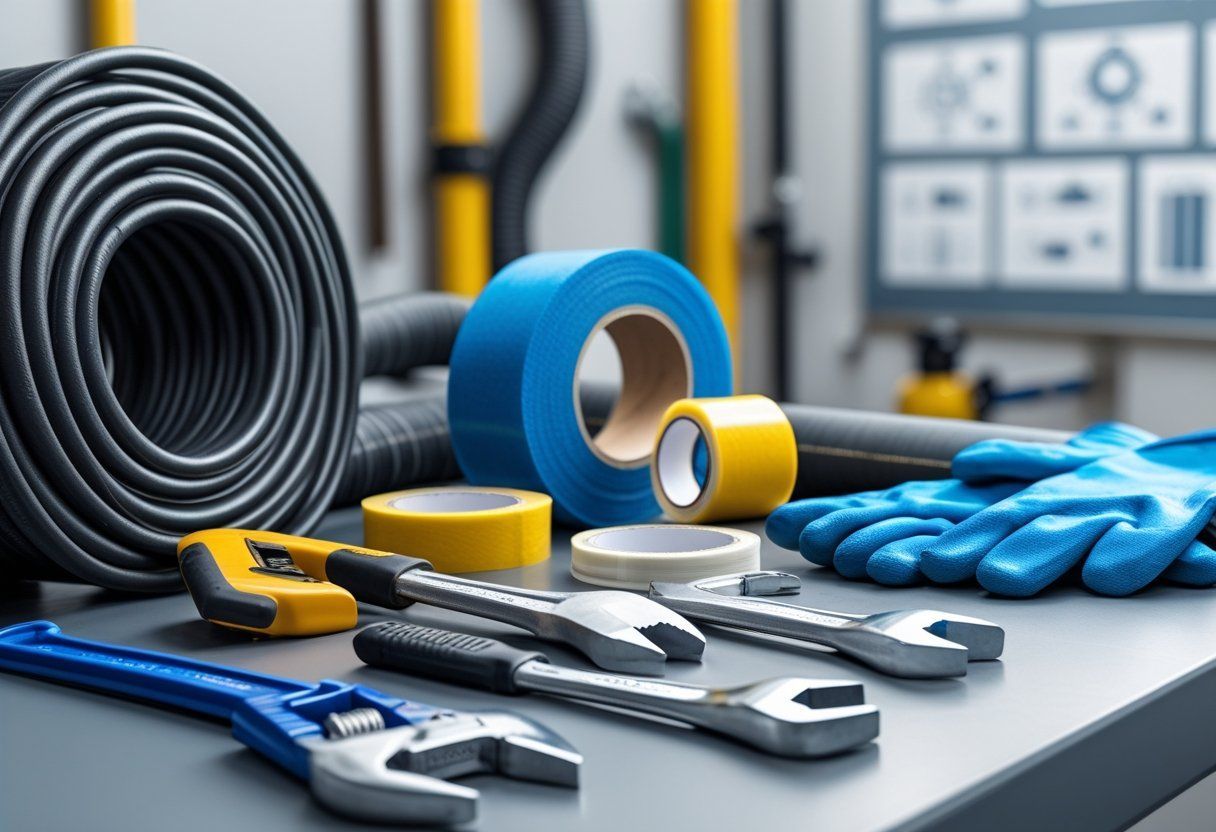
We’ll break down the real costs that matter for keeping a sewer line working well so you can plan and avoid surprises. You’ll learn which materials and fees drive most of the expense and how small choices can lower long-term costs. We’ll look at costs for parts, tools, permits, and regular cleaning, plus where labor […]
Understanding the Impact of Labor Costs on Sewer Line Maintenance
By Stefani January 25, 2026
You want to know how labor costs shape sewer line care and what that means for your wallet. We will show how wages, crew size, and the repair method you choose change the final bill so you can plan smarter and avoid surprises. Knowing which labor factors most drive costs lets you pick repair options […]
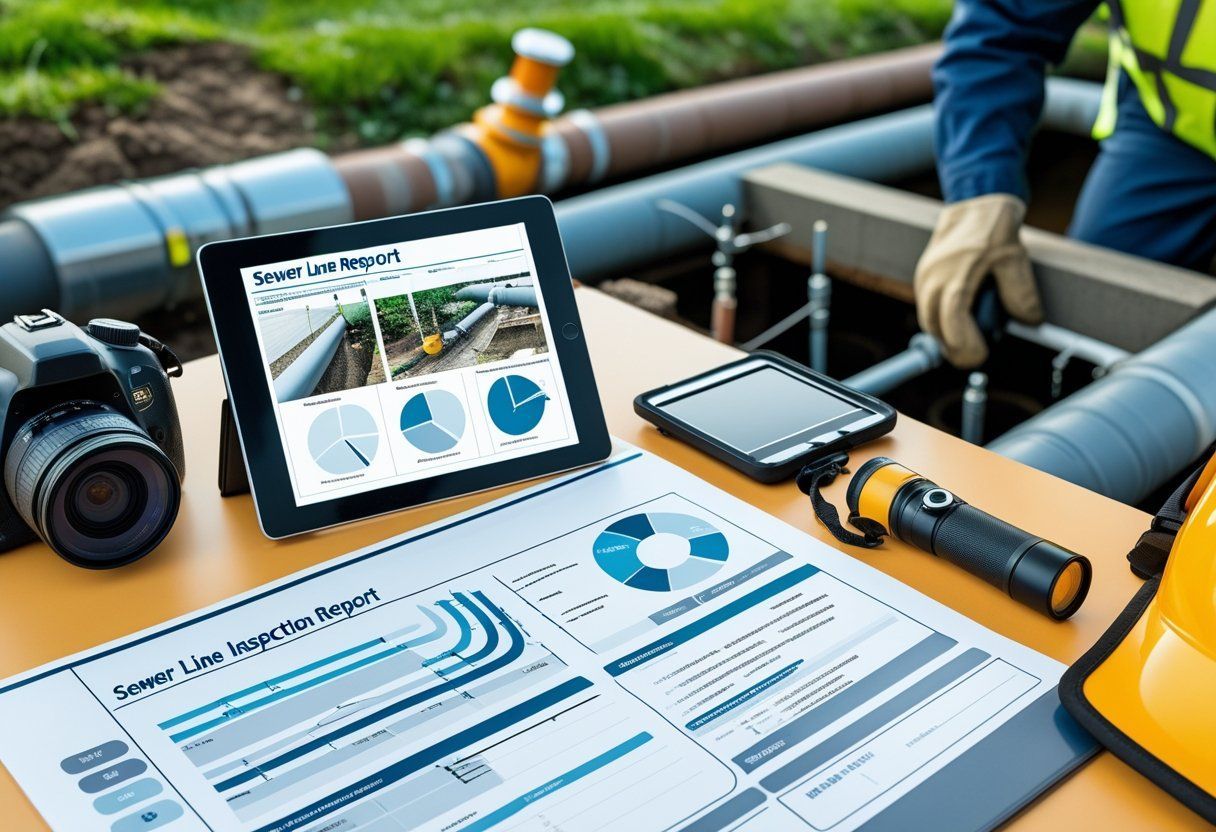
How to Interpret Sewer Line Inspection Reports
By Stefani January 24, 2026
You’ll get clear steps to decode the most important parts of a sewer line inspection report so you can act with confidence. We show you how to spot real problems, what each defect means, and which issues need immediate repair versus routine maintenance. We break the report into simple pieces what the camera images show, […]
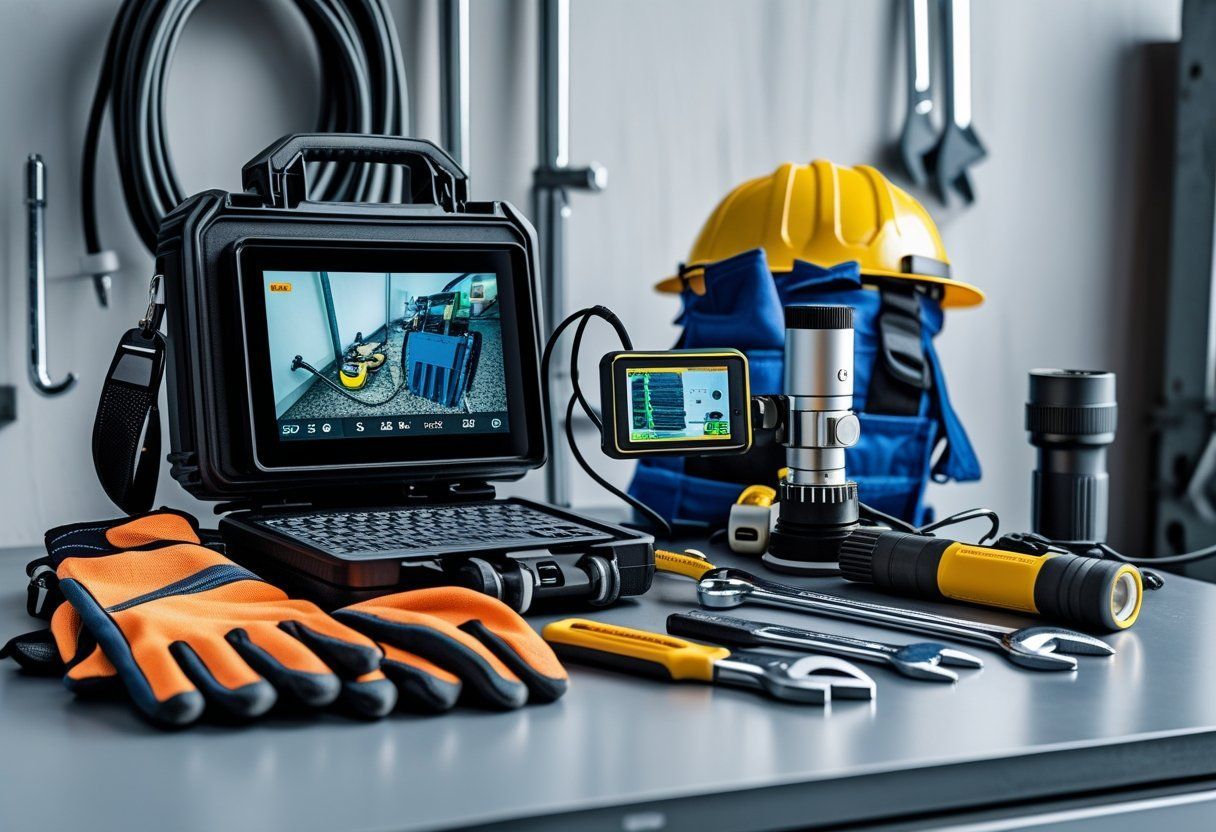
By Stefani January 23, 2026
You want tools that give clear answers fast so you can find problems and fix them right. We rely on high-quality sewer cameras, locating gear, and cleaning tools to spot cracks, blockages, and defects in sewer lines accurately. Knowing which tools to use helps a plumber save time and avoid costly mistakes. We will walk […]
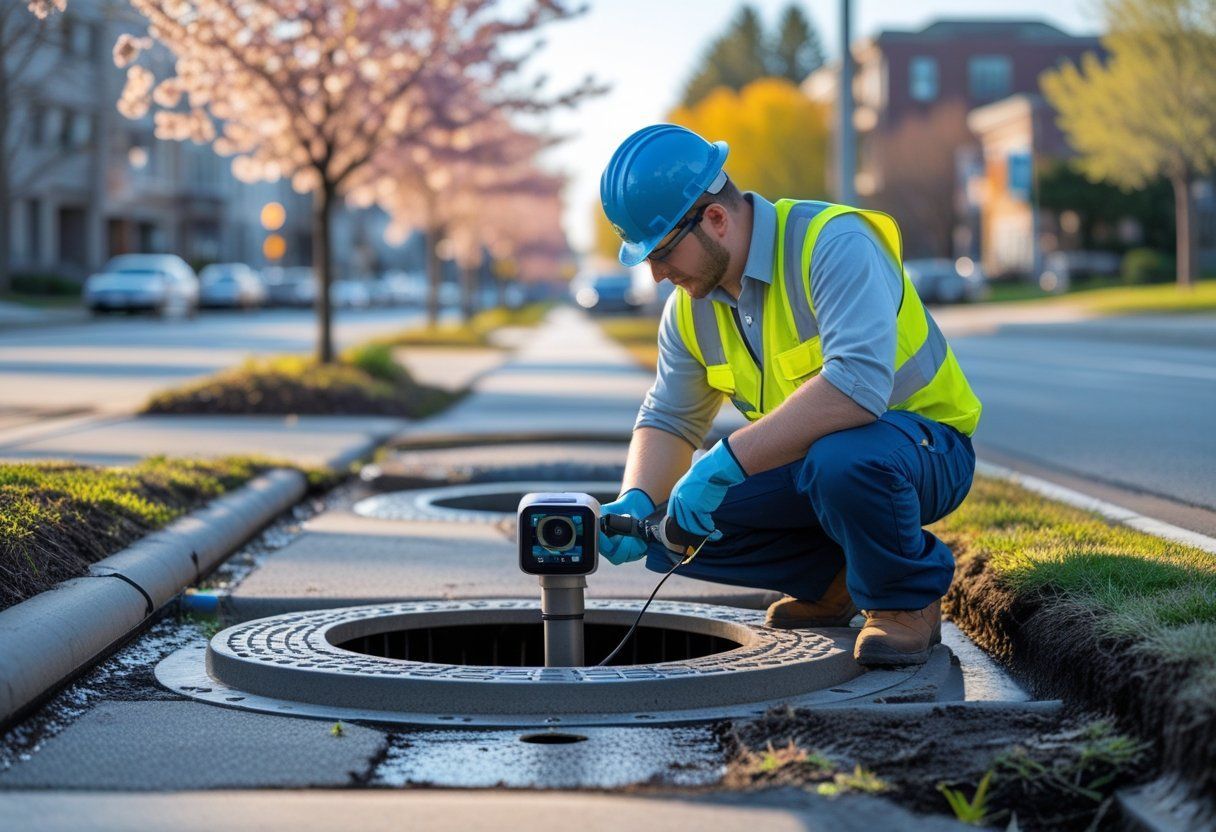
By Stefani January 22, 2026
You want sewer line inspections timed so they catch problems before they get costly or urgent. We recommend scheduling inspections based on seasonal risks winter freeze, spring thaw, and heavy fall rains because timing cuts repair costs and prevents service interruptions. We will explain how weather, soil movement, and tree roots change the risk level […]
Common Mistakes to Avoid During Sewer Line Inspections
By Stefani January 18, 2026
We know sewer line inspections feel technical and tense, but avoiding a few common mistakes protects your home and wallet. Start by planning the inspection, knowing what to look for, and involving a qualified professional when signs point to trouble. That simple approach cuts down on missed problems and costly surprises. We will walk through […]
Show More