
How to Identify a Plumbing Emergency Before It Escalates: Key Warning Signs and Solutions

Stefani • February 27, 2025

Share this article

Recognizing Signs of Plumbing Emergencies

Plumbing emergencies can cause a lot of damage if not addressed quickly. By understanding the signs of potential issues like burst pipes, water heater problems, or gas leaks, we can act promptly to prevent further damage and ensure safety in our homes.

Identify a Burst Pipe or Significant Leak

A burst pipe or significant leak often involves sudden water pooling in unexpected places. We should watch for water stains on ceilings or walls. Sounds of dripping water or a sudden drop in water pressure can indicate a problem. If we notice an unusually high water bill, a hidden leak could be the reason.

Puddles forming without any visible source might also suggest issues. It’s essential to stop water flow quickly to minimize damage and call a professional plumber for immediate help.

Detecting Water Heater Malfunctions

When our water heater acts up, signs like inconsistent water temperature or strange noises from the tank can be clues. Look for water pooling at the base of the heater, as it might mean a leak. If the unit emits a metallic smell or there is visible rust, these could indicate bigger issues.

The hot water might suddenly run cold, or the water heater might leak gas. We must address these signs quickly to avoid further problems or possible replacements. Regular maintenance can help us catch these issues early on.

Acknowledging Severe Clogs and Overflows

Severe clogs often result in slow-draining sinks or showers. We might notice that water bubbles up after flushing the toilet or when using other fixtures. An overflowing toilet or drain is a clear signal that action is needed.

If we hear gurgling sounds from the pipes or notice unpleasant smells, these can be signs of a problem. Using a plunger can sometimes help with simple clogs. For more stubborn issues, professional assistance is required to avoid further damage.

Spotting Gas Leaks and Ensuring Electrical Safety

Gas leaks are dangerous and need immediate attention. If we smell a strong rotten egg odor or hear hissing sounds, these are signs of a gas leak. In such cases, avoiding sparks and switching off electrical devices is crucial. We must leave the area and call for emergency help right away.

Keeping our electrical systems safe is also vital. Water near wiring or outlets poses a risk. Ensuring that our plumbing and electrical systems are properly maintained helps us prevent such dangers and keeps our home safe.

Immediate Actions to Minimize Damage

In a plumbing emergency, taking quick steps can help limit damage and prevent serious problems. We must act quickly to control water flow, stop leaks, and ensure safety around electricity.

Shutting Off the Main Water Supply

The first step is to find our main water shut-off valve. Usually, it’s in the basement, garage, or outside along the house’s exterior wall. By turning this valve clockwise, we can stop the water flow to prevent further property damage.

Keeping a water leak detector nearby can give us an early warning. This device alerts us when it senses moisture, helping us act swiftly. Regularly checking the valve’s functionality is a good practice too.

Containing Water Spillage and Preventing Flooding

When water spills over, like in a flooded bathroom, we must quickly gather towels, mops, or even a wet/dry vacuum to soak it up. Sandbags or rolled-up towels can block water flows and prevent spreading.

Additionally, let’s ensure we’re not letting water into important areas like electrical outlets. Placing absorbent materials around doorways or low areas can help.

Handling Electrical Hazards in Wet Conditions

Electrical hazards in wet conditions can pose serious risks. Before touching any electrical equipment, we should ensure our hands are dry. If water touches electrical outlets or devices, it’s best we turn off power from the main circuit breaker.

Avoid using electrical devices in wet areas until they are completely dry. Our safety and health are our priorities, and staying cautious around electricity is crucial.

Addressing Water Leak with Temporary Solutions

For immediate plumbing issues, temporary fixes like waterproof tape can buy us time. This tape helps seal a water leak quickly.

In some situations, creating a temporary fix using clamps or rubber sheets can help stop the flow. These measures are not permanent but can control the situation until professional help arrives.

Regular checks and maintenance of plumbing systems can aid in detecting potential problems early. By remaining vigilant, we might catch issues before they turn into emergencies.

When and How to Call a Professional

Plumbing problems can quickly become emergencies. Recognizing when to contact a professional is crucial to prevent further damage and health risks, especially from sewage backups.

Determining the Gravity of Plumbing Issues

We need to assess the situation promptly. Some signs indicate a severe problem. Continuous water leaks might seem minor but can cause significant water damage. Loss of water pressure usually points to a serious issue with the pipes.

Another clue is clogged drains that don’t clear with basic methods. These can lead to larger blockages in the plumbing system. Additionally, if water is discolored or has an odd odor, it could indicate contamination, which requires immediate attention. These situations warrant professional intervention to avoid worsening.

Selecting an Emergency Plumbing Service

Finding the right emergency plumber is crucial in a crisis. We should verify their availability, 24/7 services are ideal for emergencies. It’s important to check for qualifications and certifications, ensuring the plumbers are trained and licensed.

We can look for reviews from past customers to gauge the reliability and quality of the plumbing services. Cost transparency is another factor to consider; getting a clear estimate can help avoid surprises. Keeping contact info for a trusted service handy ensures we’re prepared when an urgent plumbing issue occurs.

Understanding Health Risks from Sewage Backups

Sewage backups pose serious health risks that need our urgent attention. Raw sewage exposure can contain harmful pathogens like bacteria, viruses, and parasites. Contact could cause infections or trigger allergic reactions.

We should avoid contact with sewage and clear the area. Calling an emergency plumber immediately helps manage this hazard effectively. Professionals have the tools and protective gear to safely address sewage issues. Restoration services may be needed to sanitize and restore affected areas. Prioritizing safety by acting fast and letting professionals handle sewage backups keeps us and our home safe from further harm.

Maintenance and Prevention Strategies

To prevent plumbing emergencies from escalating, it’s crucial to focus on regular maintenance and effective prevention strategies. These methods help us catch issues early and reduce the need for repairs.

Conducting Regular Inspections and Upkeep

Frequent inspections are key to ensuring our plumbing system works well. We should check pipes for leaks and inspect joints for wear and tear. Regularly examining faucets and seals helps prevent small leaks from becoming big problems.

Performing basic maintenance can also make a big difference. For instance, tightening loose fixtures can save water and prevent water damage. Routine checks on the water heater can improve efficiency and extend its lifespan. Setting up a schedule for our inspections ensures that we don’t miss these important maintenance tasks.

Avoiding Chemical Drain Cleaners for Clog Prevention

Using chemical drain cleaners might seem like a quick fix, but they can actually damage our plumbing system. Over time, these harsh chemicals can erode pipes and lead to costly repairs. Instead, we should use alternatives like a drain snake or plunger to clear minor clogs.

For prevention, we can employ simple strategies. Installing drain covers catches debris before it causes a blockage. Also, being mindful of what goes down the drain, like avoiding grease and large food particles, can greatly reduce clogs. These practices keep our drains clear without harming our pipes.

Implementing Preventative Measures for Common Issues

Taking steps to prevent common plumbing problems can save us time and money. For frozen pipes, we should insulate them before winter hits. Ensuring proper insulation reduces the risk of burst pipes. It’s also essential to know where our water shutoff valve is in case of an emergency.

Monitoring water pressure is another important measure. High water pressure can strain our pipes and cause leaks. Installing a pressure regulator helps keep water pressure at safe levels. Together, these strategies protect us from unexpected plumbing issues.

Assessing Plumbing System Features and Upgrades

In managing a plumbing system, we focus on regular evaluations and possible upgrades. Important areas include checking water supply integrity, considering improved pipes and fixtures, and installing advanced leak detection technology.

Evaluating Water Supply and Pressure Regularly

Water supply and pressure can indicate potential plumbing issues. We should check the water pressure regularly using a pressure gauge, aiming for a standard range of 40-60 psi. Low water pressure might suggest blocked pipes or fixture problems.

Water discoloration and fluctuating temperature can signal problems in pipes or the heater. Monitoring these can prevent serious issues like burst or frozen pipes. Consistent evaluation helps catch hidden leaks or any loss of water supply before they escalate.

Upgrading Pipes and Fixtures for Resilience

Old pipes can lead to plumbing problems such as burst pipes or discolored water. Replacing outdated pipes with more durable materials, like copper or PEX, increases system resilience. We also may consider upgrading fixtures designed for high efficiency to minimize water waste.

Modern fixtures reduce the risk of leaks and provide better water flow. Enhancing resilience addresses potential problems like frozen pipes or water heater failure, helping ensure steady water supply and pressure.

Installing Advanced Leak Detection Technology

Advanced leak detection technology can prevent significant damage from hidden leaks. Installing smart leak detectors alerts us to potential issues before they become emergencies.

These devices can monitor for unusual moisture or flow patterns and send alerts to our devices. It’s crucial for managing issues like no hot water or no water situations. By using technology, we can proactively address plumbing dilemmas, safeguarding our system effectively.

Recent Posts

Fast Response Plumbing technician servicing a water shut off valve in San Francisco
By Joe Tinsley July 17, 2026
Learn how gate valves, ball valves, and angle stops work, where to find them in your San Francisco home, and when to replace them. FAQs inside.
Budgeting for Unforeseen Sewer Line Maintenance Expenses
By Stefani January 31, 2026
Sewer line problems can hit your wallet fast, and we know the stress of a surprise repair. We show you how to plan a practical budget that covers emergency fixes, regular upkeep, and the big costs that sneak up on you. This saves you money and keeps small issues from turning into major failures. We […]
Seasonal Effects on Sewer Line Maintenance Costs
By Stefani January 30, 2026
You’ll want to know how seasons change what you pay for sewer line maintenance so you can plan ahead and avoid surprise bills. Seasonal weather, ground movement, and plant growth directly affect repair needs and costs, so budgeting by season cuts unexpected expenses. We outline what shifts costs, when repairs most often happen, and which […]
The Role of Location in Sewer Line Maintenance Pricing
By Stefani January 29, 2026
You’ll pay different amounts for sewer line maintenance depending on where your property sits and what’s under it. Location drives cost through factors like soil type, access difficulty, local labor rates, and permit rules, so knowing these lets you predict and plan for expenses. We’ll show how those local details shape quotes and outcomes. We’ll […]
Analyzing Material Expenses for Effective Sewer Line Care
By Stefani January 28, 2026
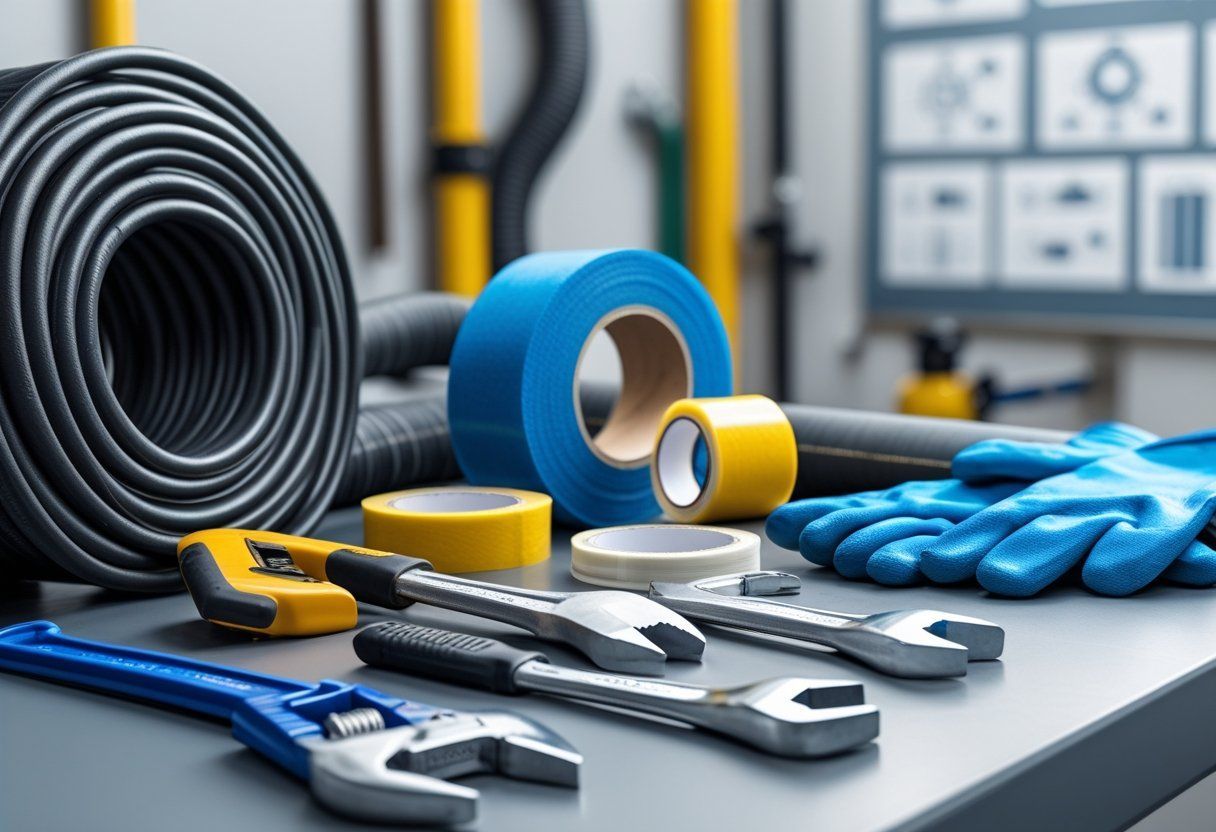
We’ll break down the real costs that matter for keeping a sewer line working well so you can plan and avoid surprises. You’ll learn which materials and fees drive most of the expense and how small choices can lower long-term costs. We’ll look at costs for parts, tools, permits, and regular cleaning, plus where labor […]
Understanding the Impact of Labor Costs on Sewer Line Maintenance
By Stefani January 25, 2026
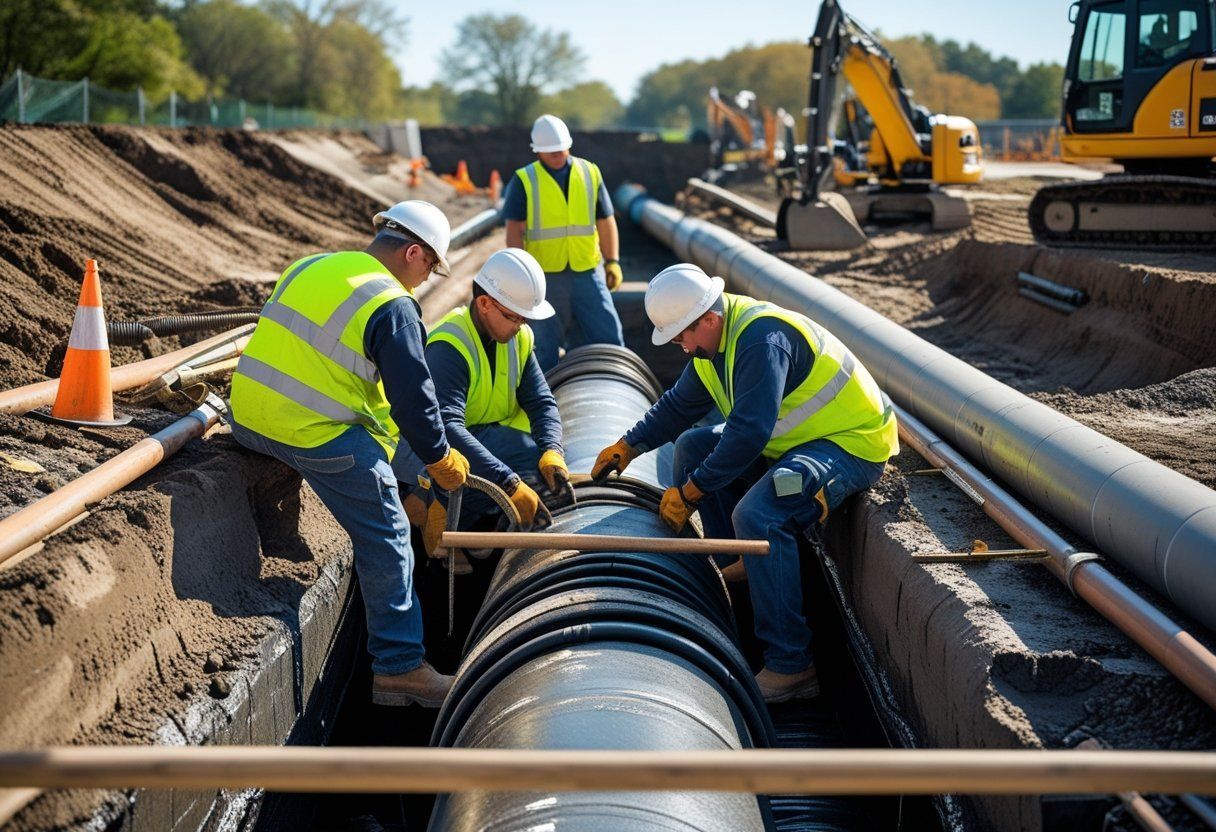
You want to know how labor costs shape sewer line care and what that means for your wallet. We will show how wages, crew size, and the repair method you choose change the final bill so you can plan smarter and avoid surprises. Knowing which labor factors most drive costs lets you pick repair options […]
How to Interpret Sewer Line Inspection Reports
By Stefani January 24, 2026
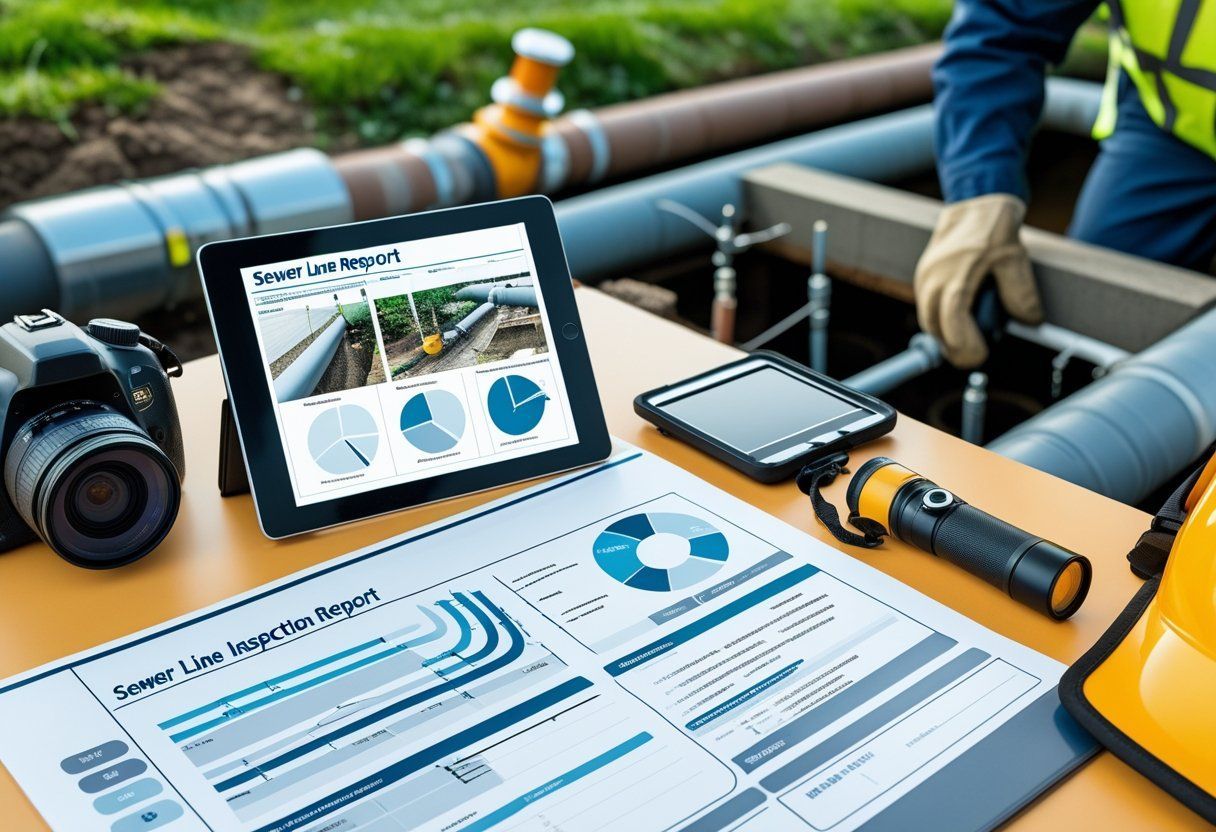
You’ll get clear steps to decode the most important parts of a sewer line inspection report so you can act with confidence. We show you how to spot real problems, what each defect means, and which issues need immediate repair versus routine maintenance. We break the report into simple pieces what the camera images show, […]
By Stefani January 23, 2026
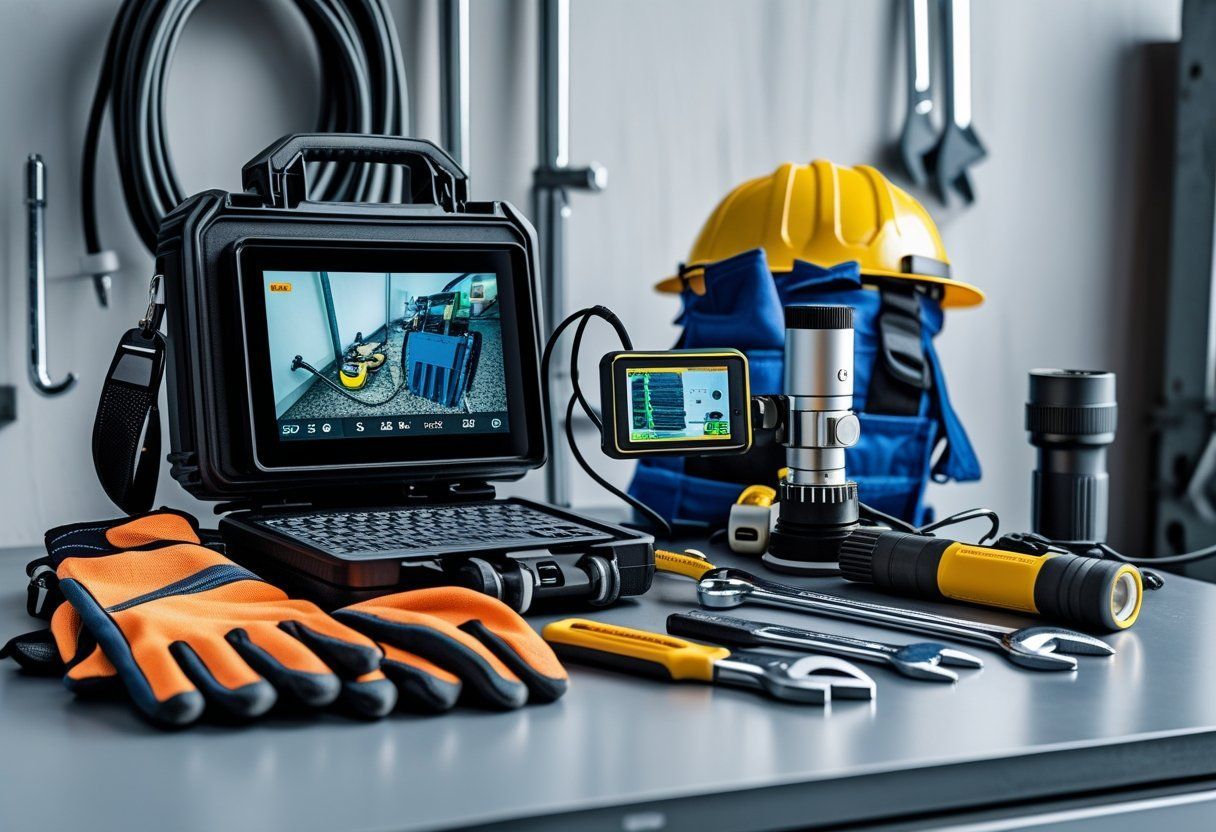
You want tools that give clear answers fast so you can find problems and fix them right. We rely on high-quality sewer cameras, locating gear, and cleaning tools to spot cracks, blockages, and defects in sewer lines accurately. Knowing which tools to use helps a plumber save time and avoid costly mistakes. We will walk […]
By Stefani January 22, 2026
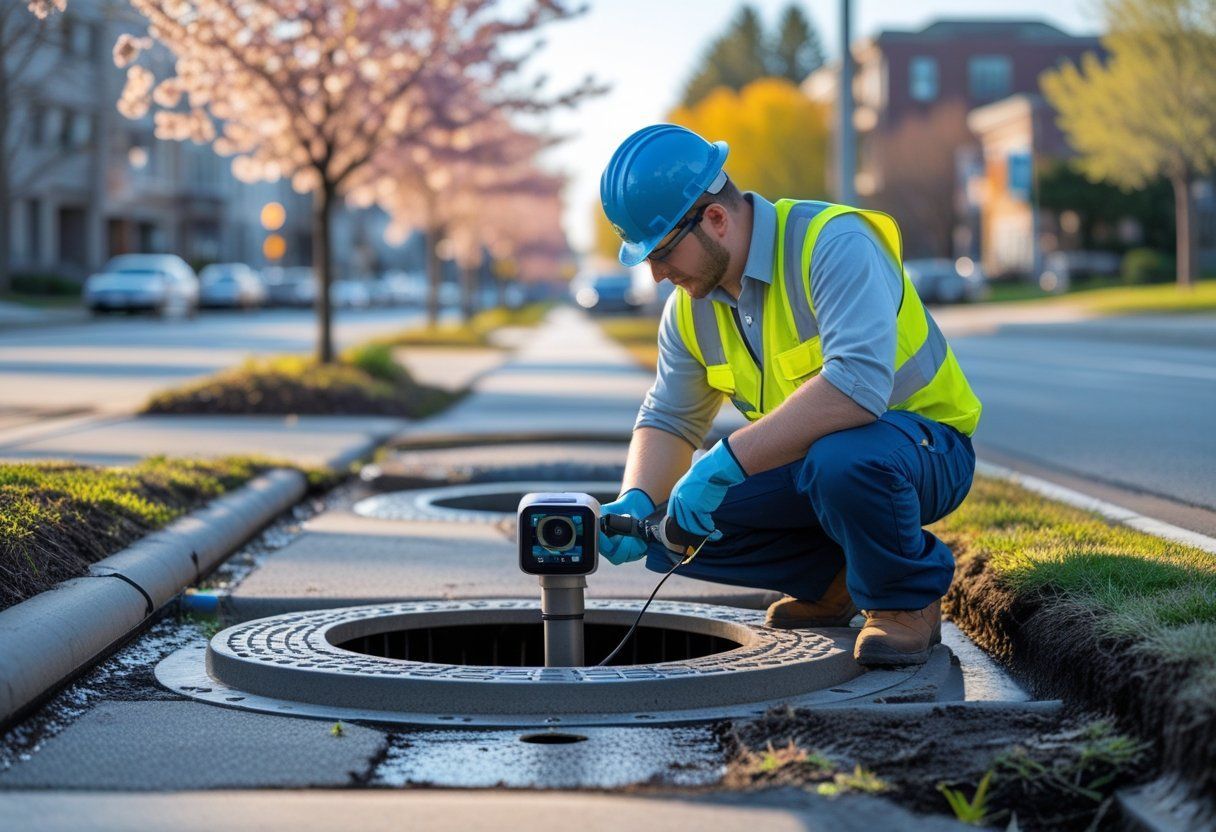
You want sewer line inspections timed so they catch problems before they get costly or urgent. We recommend scheduling inspections based on seasonal risks winter freeze, spring thaw, and heavy fall rains because timing cuts repair costs and prevents service interruptions. We will explain how weather, soil movement, and tree roots change the risk level […]
Common Mistakes to Avoid During Sewer Line Inspections
By Stefani January 18, 2026
We know sewer line inspections feel technical and tense, but avoiding a few common mistakes protects your home and wallet. Start by planning the inspection, knowing what to look for, and involving a qualified professional when signs point to trouble. That simple approach cuts down on missed problems and costly surprises. We will walk through […]
Show More