Cost Considerations for Emergency Plumbing Services in San Francisco: Key Factors to Know

Stefani • February 25, 2025

Share this article

Emergency Plumbing Services

We often face plumbing issues that can’t wait, such as burst pipes or gas leaks. These emergencies need immediate attention to prevent further damage and ensure safety.

Defining Emergency Plumbing

Emergency plumbing refers to urgent repairs that need immediate attention. These situations involve immediate risks, like significant water damage or safety hazards. Common examples include a burst pipe flooding parts of a home or a gas leak posing a risk of fire.

Emergency plumbing services are available 24/7 to tackle these issues swiftly. Equipped with specialized tools and expertise, these services can handle a range of urgent problems, restoring order and safety without delay. Their readiness helps prevent further damage and ensures that the situation doesn’t worsen.

Common Plumbing Emergencies

Plumbing emergencies can happen at any time. A burst pipe can rapidly flood an area, damaging floors and belongings. In contrast, a sewer backup can cause unpleasant odors and slow drains, leading to health hazards.

Gas leaks are among the most dangerous emergencies, as they pose a fire risk. We also address issues like having no running water, which can disrupt daily life. Quick intervention is crucial to fix these problems and safeguard our homes and well-being.

Cost Factors for Emergency Plumbing in San Francisco

When dealing with emergency plumbing in San Francisco, several cost factors come into play. Understanding these factors helps us anticipate expenses like hourly rates, emergency surcharges, and how to estimate total costs effectively.

Hourly Rates and Fee Structures

In San Francisco, plumbers typically charge hourly rates, and these rates can vary widely. For emergency services, these rates often range from $100 to $200 per hour. The rates depend on several factors, including the complexity of the job and the plumber’s experience.

We also encounter different fee structures. Some plumbers might offer flat rates, while others may charge based on the time and materials used. It’s critical for us to ask about these details in advance.

Even in emergencies, getting a clear agreement on rates makes a difference. We should inquire whether travel time to our location is billed separately, as this can add unexpected costs.

Emergency Surcharge and After-Hours Pricing

Emergency plumbing services often involve additional costs. Most plumbers impose an emergency surcharge for immediate response. In San Francisco, these surcharges can add 20% to 50% to the original hourly rate.

After-hours work usually costs more. If we call for help during weekends, holidays, or late at night, we might face higher rates. These charges compensate plumbers for working outside their regular hours.

It’s essential for us to confirm these extra fees upfront to avoid surprises and ensure prepared budgeting for such scenarios.

Estimating Your Plumbing Costs

To properly estimate plumbing costs, start by assessing the problem’s severity. Is it a minor leak, or does it require major repair? This will help us understand the potential time and resources needed.

We can request a detailed cost estimate from the plumber. It’s beneficial to ask for a breakdown of labor, parts, and any additional fees.

Online tools and calculators can also assist in making rough estimates, although they might not account for unique San Francisco pricing factors. Keeping these points in mind helps us manage and anticipate our emergency plumbing expenses effectively.

Specific Plumbing Services and Associated Costs

In San Francisco, emergency plumbing services can vary in cost depending on the type of service needed. Here, we focus on four common areas: leak detection and repair, pipe installation and repair, water heater services, and sewer and drain services.

Leak Detection and Repair

Leak detection is crucial because unnoticed leaks can lead to higher water bills and structural damage. The cost for leak detection in San Francisco typically ranges from $100 to $400 depending on the complexity and size of the system.

For repair work, expenses can increase based on the severity and location of the leak. Simple repairs might cost $150 to $350, while more complex situations involving pipe replacements can go above $1,000.

Pipe Installation and Repair

Pipe installation and repair costs can differ greatly based on material and length. For new pipe installation, expect to pay anywhere from $1,000 to $5,000. Material choice like copper or PEX significantly impacts this range.

Repairing existing pipes, especially in emergencies, can be costly. A simple repair may cost around $200 to $800. Complex repairs involving excavating walls or floors, however, can exceed $2,500.

Water Heater Services

Water heater services include repair, installation, and maintenance. On average, repair costs vary from $150 to $600 based on the issue. Replacement and installation can range from $1,000 to $3,500, influenced by the type and size of the water heater.

Tankless water heaters are pricier initially but might offer savings in the long run due to energy efficiency. Regular maintenance like flushing the system costs $80 to $200.

Sewer and Drain Services

Sewer and drain services are essential for maintaining the plumbing system’s efficiency. Hydro jetting, which involves using high-pressure water to clean pipes, typically costs from $350 to $600.

Fixing clogged drains ranges from $100 to $500, depending on severity. Replacing sewer lines is more intensive, with costs varying from $3,000 to $10,000 depending on pipe length and location. Emergency services may be more expensive, adding urgency fees to the total cost.

Hiring the Right Emergency Plumber

Choosing the right emergency plumber in San Francisco can save us time and money. We need to ensure they have the proper credentials and understand the range of services they offer.

Verifying Credentials and Experience

It’s essential to check that any emergency plumber we hire has the right credentials. A licensed and certified plumber ensures we get professionals who know local and state regulations. This minimizes the risk of poor work leading to future problems.

Experience is another key factor. Plumbers with years of experience can quickly identify and fix issues. We should ask about previous jobs and look for customer reviews. These can give us insight into the reliability and quality of their work.

References from past clients also help gauge a plumber’s reputation. Checking these can help us make an informed decision, ensuring we hire a plumber who meets our standards.

Understanding the Scope of Services

Before hiring, it’s vital to understand the services offered. Not all plumbers provide emergency services around the clock. We should confirm their availability and ask about their response time, especially during odd hours.

It’s important to know if they specialize in home or commercial plumbing to match our needs. Some plumbers may not handle specific concerns like drain cleaning or pipe replacements, so clarifying this early helps.

A clear understanding of their rates and any additional charges is also necessary. Written estimates and transparent pricing practices ensure we know exactly what to expect. This avoids surprises when it comes to billing and helps us plan accordingly.

Preventive Measures and Long-Term Considerations

In San Francisco, planning ahead and taking preventive steps can help manage plumbing costs. Regular upkeep and thoughtful upgrades can prevent expensive issues and extend the life of your plumbing system.

Routine Maintenance and Inspection

Regular plumbing inspections catch problems early. This keeps minor issues from becoming major headaches. We should check for leaks, clogged drains, and faulty garbage disposals. Routine inspections can be scheduled every year.

Septic tanks need close attention. Regular pumping and inspection help avoid overflow and damage. By identifying issues early, we can prevent costly emergency plumbing services and the need for water damage restoration.

Maintaining plumbing saves money. Simple tasks like cleaning out drains and checking water pressure are easy and effective. They help maintain a well-functioning system and reduce long-term expenses.

Investing in Upgrades and Modernization

Updating our plumbing system can save money in the long run. Modern fixtures and appliances, like low-flow toilets and water-saving showers, cut water usage and reduce bills. They often require less maintenance, too.

We should consider upgrading old pipes and fixtures. Newer materials offer better durability and reliability, minimizing leaks and breaks. In San Francisco, this is especially important due to the city’s unique environmental conditions.

Investing in garbage disposal upgrades can prevent clogs and reduce wear on pipes. By thinking ahead and investing wisely, we can keep our plumbing system efficient and trouble-free for years to come.

Recent Posts

Fast Response Plumbing technician servicing a water shut off valve in San Francisco
By Joe Tinsley July 17, 2026
Learn how gate valves, ball valves, and angle stops work, where to find them in your San Francisco home, and when to replace them. FAQs inside.
Budgeting for Unforeseen Sewer Line Maintenance Expenses
By Stefani January 31, 2026
Sewer line problems can hit your wallet fast, and we know the stress of a surprise repair. We show you how to plan a practical budget that covers emergency fixes, regular upkeep, and the big costs that sneak up on you. This saves you money and keeps small issues from turning into major failures. We […]
Seasonal Effects on Sewer Line Maintenance Costs
By Stefani January 30, 2026
You’ll want to know how seasons change what you pay for sewer line maintenance so you can plan ahead and avoid surprise bills. Seasonal weather, ground movement, and plant growth directly affect repair needs and costs, so budgeting by season cuts unexpected expenses. We outline what shifts costs, when repairs most often happen, and which […]
The Role of Location in Sewer Line Maintenance Pricing
By Stefani January 29, 2026
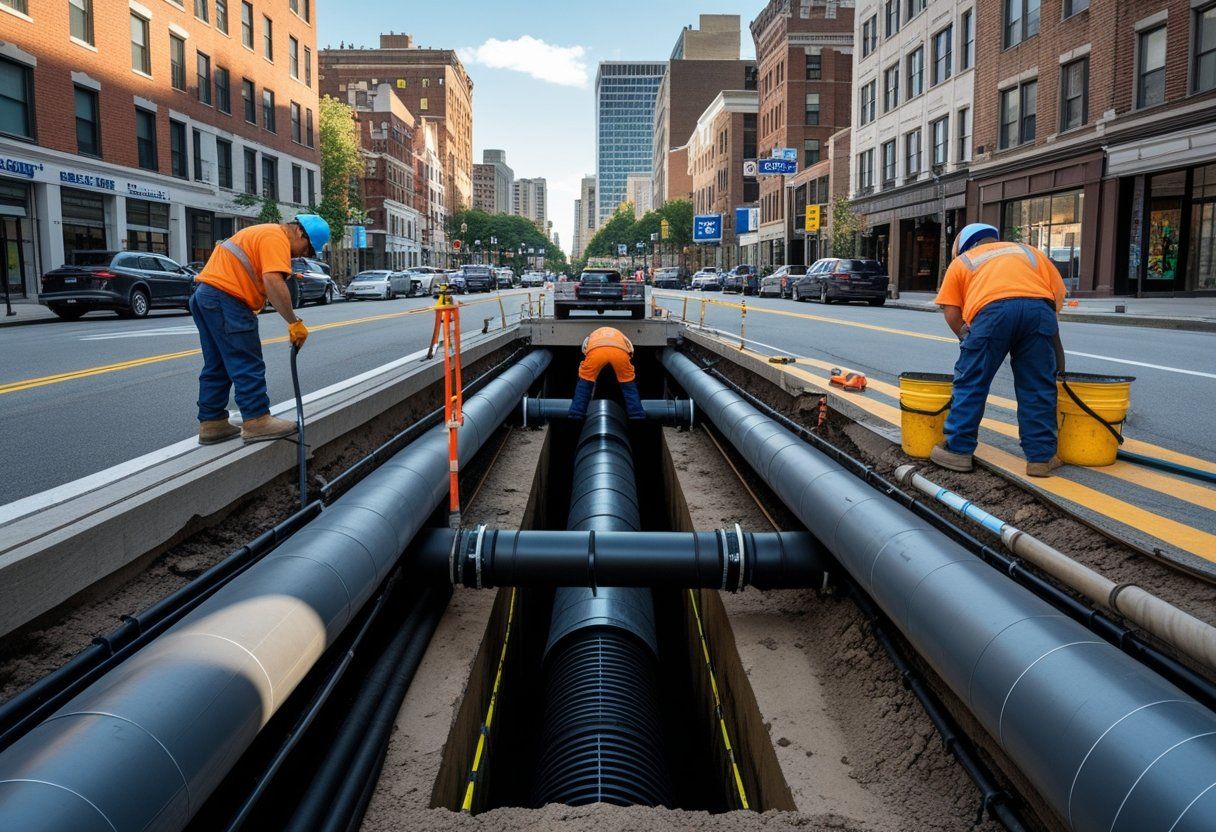
You’ll pay different amounts for sewer line maintenance depending on where your property sits and what’s under it. Location drives cost through factors like soil type, access difficulty, local labor rates, and permit rules, so knowing these lets you predict and plan for expenses. We’ll show how those local details shape quotes and outcomes. We’ll […]
Analyzing Material Expenses for Effective Sewer Line Care
By Stefani January 28, 2026
We’ll break down the real costs that matter for keeping a sewer line working well so you can plan and avoid surprises. You’ll learn which materials and fees drive most of the expense and how small choices can lower long-term costs. We’ll look at costs for parts, tools, permits, and regular cleaning, plus where labor […]
Understanding the Impact of Labor Costs on Sewer Line Maintenance
By Stefani January 25, 2026
You want to know how labor costs shape sewer line care and what that means for your wallet. We will show how wages, crew size, and the repair method you choose change the final bill so you can plan smarter and avoid surprises. Knowing which labor factors most drive costs lets you pick repair options […]
How to Interpret Sewer Line Inspection Reports
By Stefani January 24, 2026
You’ll get clear steps to decode the most important parts of a sewer line inspection report so you can act with confidence. We show you how to spot real problems, what each defect means, and which issues need immediate repair versus routine maintenance. We break the report into simple pieces what the camera images show, […]
By Stefani January 23, 2026
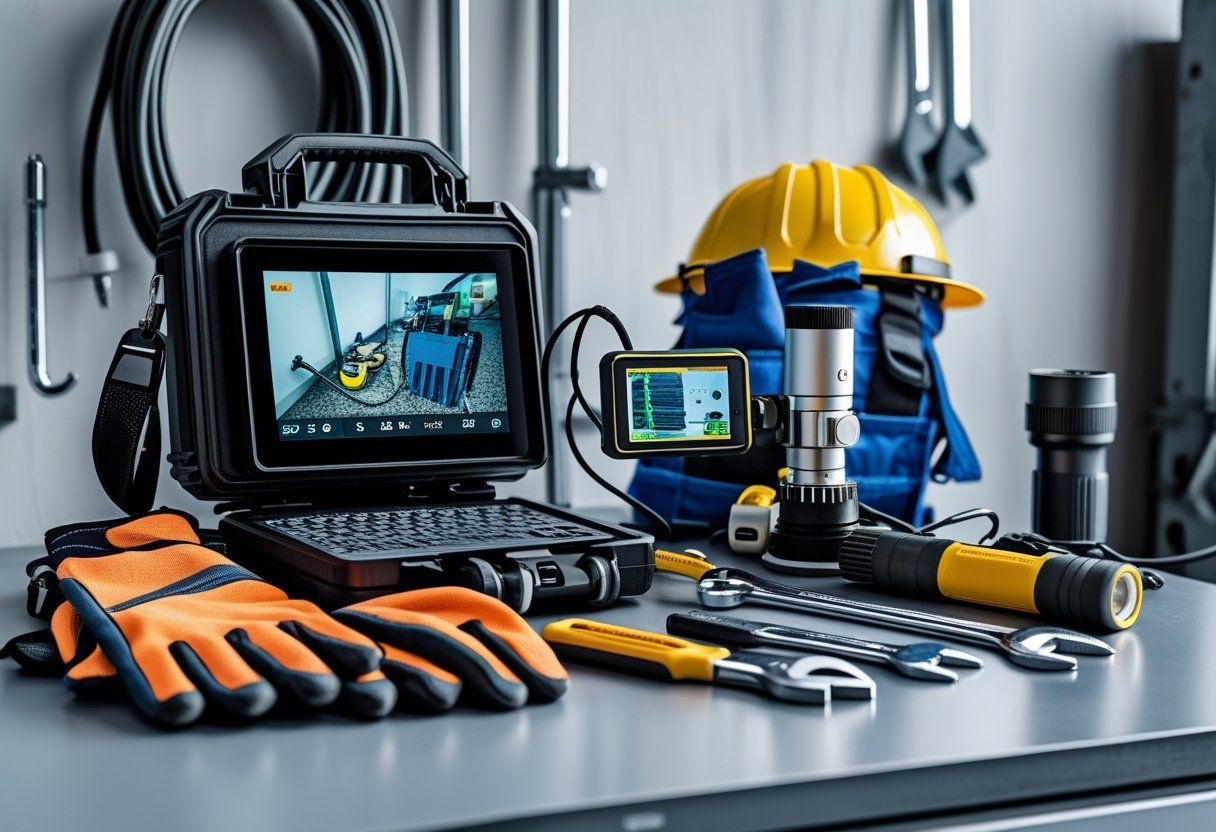
You want tools that give clear answers fast so you can find problems and fix them right. We rely on high-quality sewer cameras, locating gear, and cleaning tools to spot cracks, blockages, and defects in sewer lines accurately. Knowing which tools to use helps a plumber save time and avoid costly mistakes. We will walk […]
By Stefani January 22, 2026
You want sewer line inspections timed so they catch problems before they get costly or urgent. We recommend scheduling inspections based on seasonal risks winter freeze, spring thaw, and heavy fall rains because timing cuts repair costs and prevents service interruptions. We will explain how weather, soil movement, and tree roots change the risk level […]
Common Mistakes to Avoid During Sewer Line Inspections
By Stefani January 18, 2026
We know sewer line inspections feel technical and tense, but avoiding a few common mistakes protects your home and wallet. Start by planning the inspection, knowing what to look for, and involving a qualified professional when signs point to trouble. That simple approach cuts down on missed problems and costly surprises. We will walk through […]
Show More