The Importance of Professional Plumbing System Installation: Ensuring Efficiency and Longevity

daniel • December 6, 2024

Share this article

Understanding Professional Plumbing Installation

When we install plumbing systems, we ensure that all components work together seamlessly. This involves knowing about essential parts and following building codes to maintain safety and effectiveness.

Essential Components of a Plumbing System

A well-designed plumbing system includes key parts like the water supply and drainage systems. Our water supply system is made up of pipes that deliver clean water to various fixtures, such as sinks and showers. These fixtures are chosen and placed carefully to match the needs of each building.

For removing wastewater, the drainage system is crucial. It consists of pipes designed to take used water away from the building safely. This system must be properly installed to prevent leaks and maintain hygiene. We manage these components effectively to keep plumbing systems functional and reliable.

Role of Building Codes in Plumbing

Building codes play a vital role in plumbing installations. They are regulations that ensure safety, efficiency, and compliance in plumbing designs. We must follow these codes to avoid potential hazards, such as water contamination or pipe burst issues.

These rules cover various aspects, from pipe sizes to material requirements, ensuring that all components are installed correctly. By adhering to building codes, we create plumbing systems that not only function well but also protect the health and safety of those using them.

The Expertise of Professional Plumbers

Professional plumbers bring a wealth of experience and skills to their work, ensuring that plumbing systems are installed accurately and efficiently. Our focus will be on the significance of licensing, certification, and the use of specialized tools.

Importance of Licensing and Certification

Licensing and certification are crucial for professional plumbers. They show that a plumber has the necessary training and knowledge to handle plumbing jobs properly. Licenses ensure that plumbers meet certain industry standards, which protect homeowners from unqualified work and potential hazards.

Licensed plumbers are well-versed in local building codes and regulations. This is vital for ensuring that all work complies with legal requirements, preventing costly fines or the need for repairs later. We can trust licensed professionals for reliable and safe installations.

Certified plumbers demonstrate a commitment to their trade. Certification often requires ongoing education, which helps them stay updated with new technologies and methods. This dedication to improvement reflects a plumber’s dedication to providing the best service to clients.

Tools and Specialized Equipment

Professional plumbers have access to advanced tools and specialized equipment. This enhances the quality and speed of their work. From pipe cutters to power drills, the right tools make a big difference. These tools help complete jobs more efficiently, saving clients time and money.

Having the right equipment also means plumbers can handle a wider range of issues. For example, specialized cameras allow for detailed inspections of pipes. This leads to more accurate diagnoses and solutions for complex plumbing problems.

Additionally, professional tools are often more durable and effective than standard ones, reducing the risk of damage during installation. By using these tools, plumbers ensure a higher standard of work, giving us peace of mind when it comes to our plumbing systems.

Benefits of a Properly Installed Plumbing System

Investing in a well-installed plumbing system is crucial for enhancing reliability and efficiency, minimizing issues like low water pressure, and securing valuable warranty benefits. Let’s explore these advantages further.

Long-Term Reliability and Efficiency

A properly installed plumbing system ensures the consistent and reliable flow of water throughout our homes and businesses. This consistency helps maintain optimal water pressure, preventing issues such as extreme low or high pressure, which can strain pipes and fixtures.

Efficiency is another key benefit. A good installation allows for steady water flow without leaks, reducing water waste and lowering utility bills. With quality workmanship, the system will use energy more efficiently, contributing to a more sustainable operation in the long run.

Warranty and Guarantee Advantages

With a professional installation, we often receive important warranties and guarantees. These serve as a commitment to quality and can cover repairs or replacements if issues arise from faulty installation.

Such protections offer peace of mind and underscore the value of using skilled professionals. They can save us from costly repairs in the future, as many problems are fixed under warranty, provided the system was installed according to specifications. In conclusion, these tangible benefits make investing in a professional plumbing installation a wise decision.

Avoiding and Resolving Plumbing Problems

Plumbing issues can be a headache if not addressed properly. By focusing on preventive maintenance and understanding how to handle emergencies, we can keep our plumbing systems running smoothly.

Preventive Maintenance Measures

To prevent plumbing problems, we must maintain our systems regularly. Annual inspections can identify potential plumbing issues before they become serious. Simple practices like not pouring grease down the drain or using hair catchers can help keep pipes clear.

We should also be mindful of our water pressure. Excessive pressure can strain pipes and lead to leaks. Installing pressure regulators can help manage this. We should regularly check for leaks and fix them quickly to avoid water damage and costly repairs. Using eco-friendly cleaning solutions instead of harsh chemicals helps preserve the plumbing system’s integrity.

Handling Emergencies and Repairs

When a plumbing emergency strikes, quick action is key. We should have essential tools like a plunger and an adjustable wrench on hand. Knowing how to shut off the main water valve can prevent further damage during a crisis.

In the event of a major issue, professional plumbing services are crucial. Experienced plumbers can handle complex plumbing repairs and provide solutions for clogged drains. It’s beneficial to have a trusted plumber’s contact saved for emergencies. By acting swiftly, we can minimize the impact of plumbing emergencies and maintain a functional system.

Choosing the Right Plumbing Professionals

When selecting professional plumbing services, it is crucial that we evaluate various factors to ensure the best outcomes. It includes looking at a company’s reputation and their insurance and availability to address our needs.

Assessing Plumbing Services and Companies

We begin by looking into the reputation of plumbing companies. Researching online reviews and asking for personal recommendations are useful methods. We should ask if they offer commercial plumbing and specialized drain cleaning services. Ensuring they have certified and experienced plumbers guarantees quality.

Checking if they offer emergency plumbing services can save us during urgent situations. Trustworthy companies should have proper licenses. The service should also align with our specific requirements, ensuring a reliable plumbing system.

Insurance Coverage and Timely Service

Insurance coverage is a crucial factor for both safety and liability. We need to confirm that the plumbing service has valid insurance to protect our property and any workers on site. This helps in covering any mishaps or damages that could occur.

Additionally, timely service is important for minimizing disruptions. We should inquire about their scheduling flexibility and response times. Reliable services will prioritize urgent issues and offer swift resolutions. This ensures our plumbing needs are met promptly and efficiently.

Recent Posts

Fast Response Plumbing technician servicing a water shut off valve in San Francisco
By Joe Tinsley July 17, 2026
Learn how gate valves, ball valves, and angle stops work, where to find them in your San Francisco home, and when to replace them. FAQs inside.
Budgeting for Unforeseen Sewer Line Maintenance Expenses
By Stefani January 31, 2026
Sewer line problems can hit your wallet fast, and we know the stress of a surprise repair. We show you how to plan a practical budget that covers emergency fixes, regular upkeep, and the big costs that sneak up on you. This saves you money and keeps small issues from turning into major failures. We […]
Seasonal Effects on Sewer Line Maintenance Costs
By Stefani January 30, 2026
You’ll want to know how seasons change what you pay for sewer line maintenance so you can plan ahead and avoid surprise bills. Seasonal weather, ground movement, and plant growth directly affect repair needs and costs, so budgeting by season cuts unexpected expenses. We outline what shifts costs, when repairs most often happen, and which […]
The Role of Location in Sewer Line Maintenance Pricing
By Stefani January 29, 2026
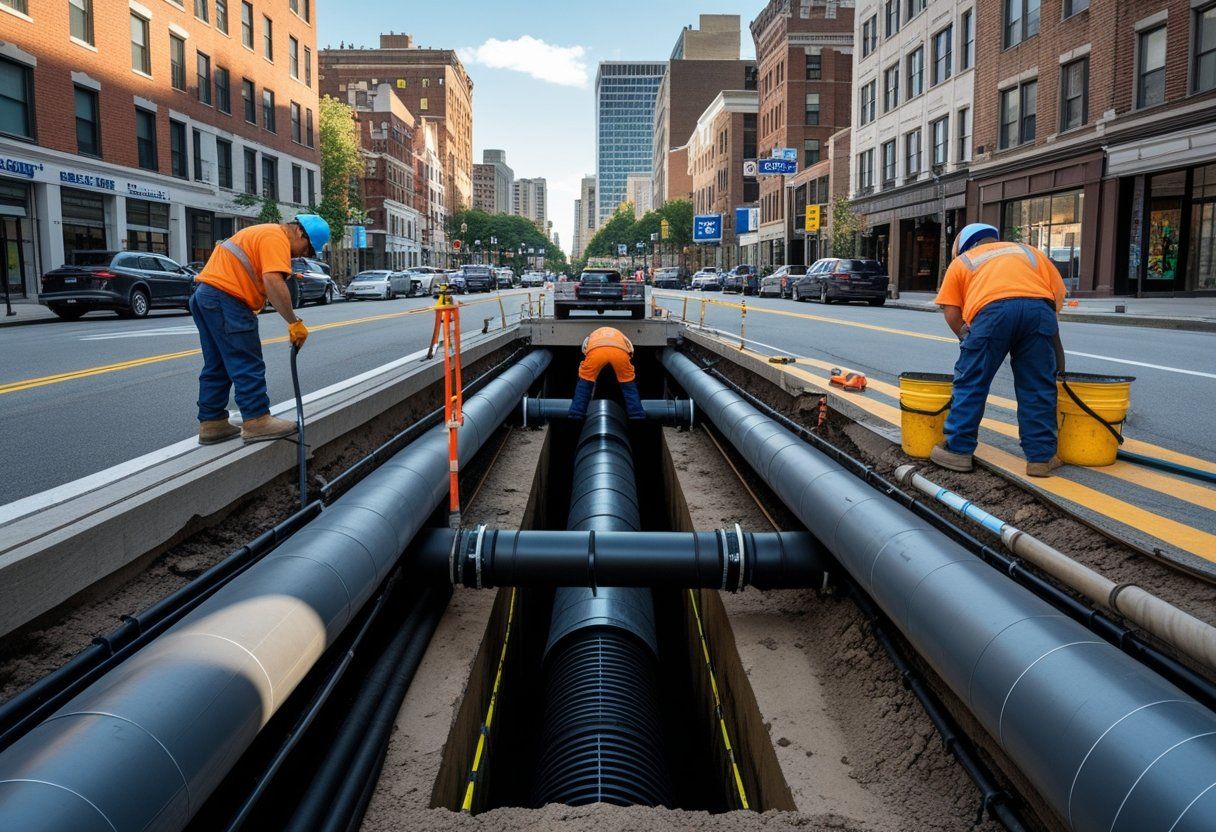
You’ll pay different amounts for sewer line maintenance depending on where your property sits and what’s under it. Location drives cost through factors like soil type, access difficulty, local labor rates, and permit rules, so knowing these lets you predict and plan for expenses. We’ll show how those local details shape quotes and outcomes. We’ll […]
Analyzing Material Expenses for Effective Sewer Line Care
By Stefani January 28, 2026
We’ll break down the real costs that matter for keeping a sewer line working well so you can plan and avoid surprises. You’ll learn which materials and fees drive most of the expense and how small choices can lower long-term costs. We’ll look at costs for parts, tools, permits, and regular cleaning, plus where labor […]
Understanding the Impact of Labor Costs on Sewer Line Maintenance
By Stefani January 25, 2026
You want to know how labor costs shape sewer line care and what that means for your wallet. We will show how wages, crew size, and the repair method you choose change the final bill so you can plan smarter and avoid surprises. Knowing which labor factors most drive costs lets you pick repair options […]
How to Interpret Sewer Line Inspection Reports
By Stefani January 24, 2026
You’ll get clear steps to decode the most important parts of a sewer line inspection report so you can act with confidence. We show you how to spot real problems, what each defect means, and which issues need immediate repair versus routine maintenance. We break the report into simple pieces what the camera images show, […]
By Stefani January 23, 2026
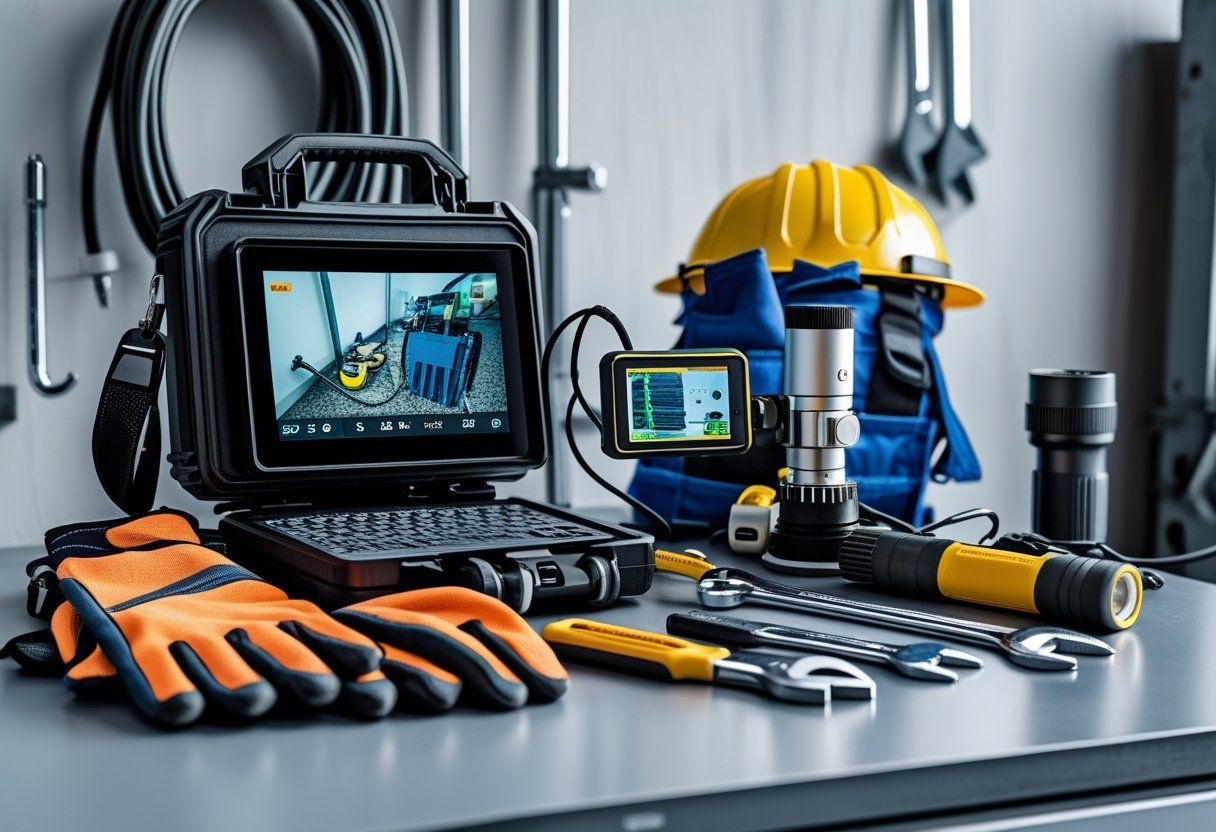
You want tools that give clear answers fast so you can find problems and fix them right. We rely on high-quality sewer cameras, locating gear, and cleaning tools to spot cracks, blockages, and defects in sewer lines accurately. Knowing which tools to use helps a plumber save time and avoid costly mistakes. We will walk […]
By Stefani January 22, 2026
You want sewer line inspections timed so they catch problems before they get costly or urgent. We recommend scheduling inspections based on seasonal risks winter freeze, spring thaw, and heavy fall rains because timing cuts repair costs and prevents service interruptions. We will explain how weather, soil movement, and tree roots change the risk level […]
Common Mistakes to Avoid During Sewer Line Inspections
By Stefani January 18, 2026
We know sewer line inspections feel technical and tense, but avoiding a few common mistakes protects your home and wallet. Start by planning the inspection, knowing what to look for, and involving a qualified professional when signs point to trouble. That simple approach cuts down on missed problems and costly surprises. We will walk through […]
Show More