
Choosing the Right Plumbing System for Your Commercial Property: Key Considerations

daniel • December 5, 2024

Share this article

Understanding Commercial Plumbing Systems

In this section, we explore the structure and components of commercial plumbing systems. We will highlight the differences between commercial and residential plumbing and delve into important considerations like water supply and drainage.

Basics of Plumbing Systems

Plumbing systems are essential for ensuring that water flows efficiently in and out of commercial buildings. Water supply systems bring fresh water in for various uses, from restrooms to kitchen areas. Drainage systems are equally vital, moving wastewater away quickly and safely to prevent any buildup.

A solid plumbing system involves proper design and installation to avoid potential issues such as leaks or clogs. We need to focus on water efficiency, which helps conserve resources and reduce costs over time. Graywater systems can be used to recycle water for non-potable uses, such as irrigation, which is a sustainable choice for many businesses.

Components and Functions

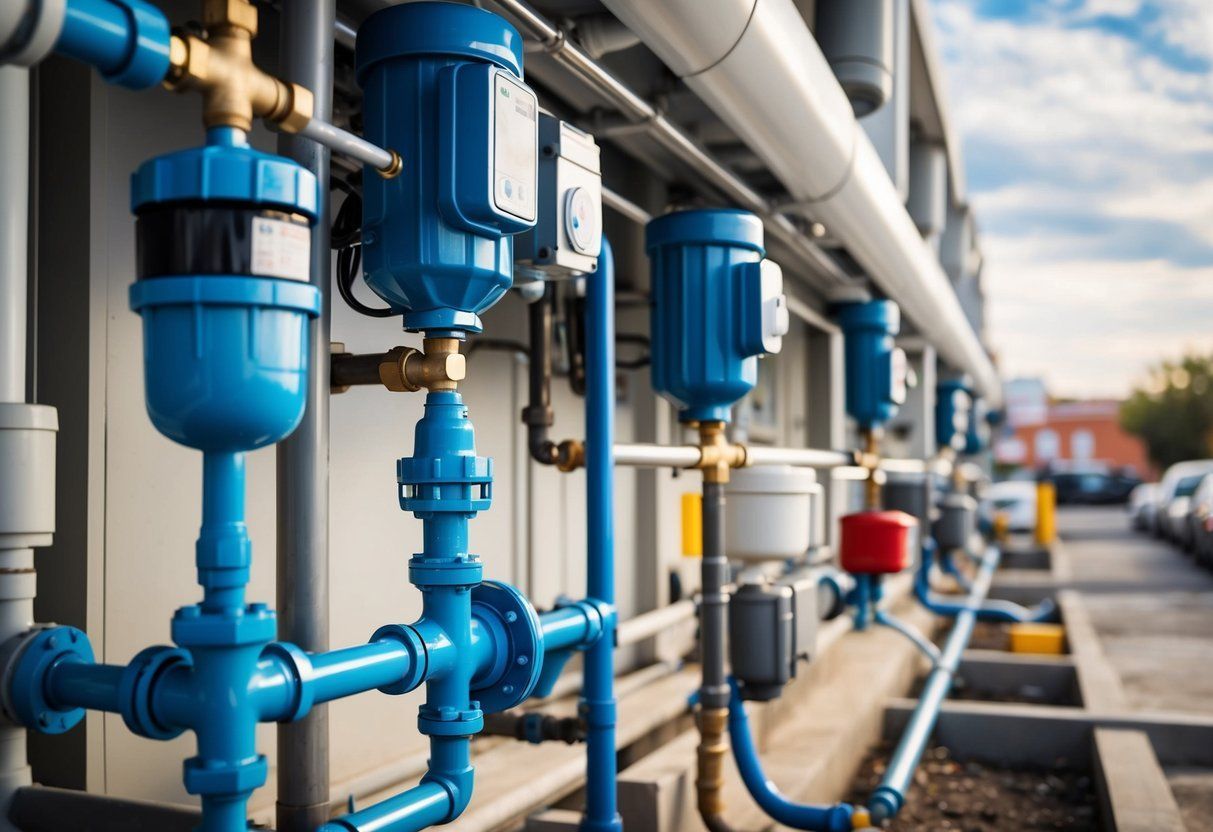
Commercial plumbing systems consist of several crucial components. Pipes and fittings are the backbone, guiding water through the building. Water heaters provide hot water, which can be essential for kitchens and restrooms. Fixtures such as faucets, toilets, and sinks are the end points, where we actually use the water.

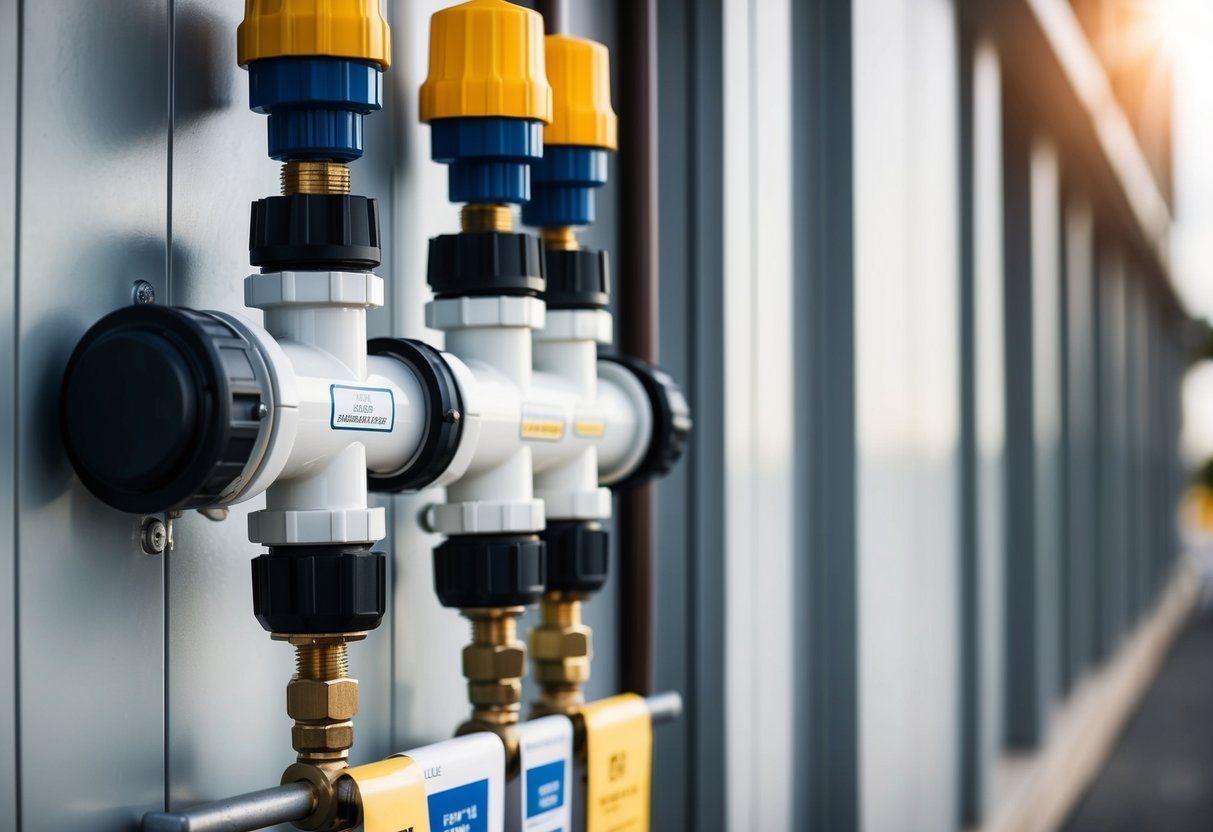
These systems also require valves for controlling water flow and pumps to maintain water pressure throughout the building. Proper maintenance of these components is key to their long-term functionality.

Moreover, water recycling systems can be integrated for environmental benefits, allowing us to reuse water and enhance the building’s efficiency. Investing in quality materials and regular inspections helps prevent future problems and costly repairs.

Commercial vs. Residential Plumbing

Commercial plumbing systems differ significantly from residential ones. Commercial systems often have to handle much higher usage, requiring larger pipes and more robust materials. They are also subject to stricter regulatory standards because they serve public or employee spaces.

Unlike homes, commercial buildings may include specialized plumbing systems such as fire suppression or industrial drainage. Due to these demands, maintenance and repairs often require more expertise and resources. Commercial plumbing often needs to support higher water efficiency and possible graywater recycling, which may not be common in residential setups.

Understanding these differences aids in selecting the right system for any commercial property, ensuring efficiency, safety, and compliance with regulations.

Design and Material Selection for Durability

When designing a plumbing system for commercial properties, we must consider unique needs like high demand and long-term usage. Choosing durable materials ensures reliable performance and reduces maintenance costs. Sustainability is also important, as it can help reduce environmental impact and improve efficiency.

Designing for Commercial Needs

In commercial properties, plumbing systems need to handle more intense usage than residential systems. High traffic conditions in businesses mean the design has to adapt to heavier loads and faster wear. Whether it’s a restaurant, hotel, or office building, the plumbing must support specific needs.

To achieve this, we should focus on designing for both capacity and scalability. This ensures that even as the business grows, the plumbing can handle increased demand. Systems should be organized to allow easy access for routine maintenance and repairs, minimizing disruptions.

Choosing the Right Materials

Selecting the right materials is critical for long-lasting plumbing systems. Copper is a popular choice because of its strength and resistance to corrosion. PEX piping is also gaining popularity due to its flexibility and ease of installation. It’s important to consider PVC or stainless steel for different sections, based on their specific advantages.

The materials we select should match the building’s specific requirements. For example, in a medical facility, we might need materials that can handle frequent sterilizations. In contrast, an office building may require materials that support large water volumes.

Sustainability in Material Selection

Sustainability is becoming increasingly important. It’s not just about being eco-friendly; it’s about long-term efficiency and cost savings. We can select materials that require less energy to produce and are easier to recycle.

Copper and PEX are notable for their recyclability. Low-flow fixtures can significantly reduce water usage without sacrificing performance. By prioritizing sustainable materials, we can help our clients achieve environmental goals while reducing operating costs.

Overall, by focusing on these key aspects, we ensure the plumbing system is durable, efficient, and environmentally conscious.

Installation and Compliance of Plumbing Fixtures

In planning for plumbing installations, it’s crucial to focus on both efficient installation techniques and strict adherence to regulations. We must ensure that all fixtures meet building codes and the requirements under the Americans with Disabilities Act (ADA). Key considerations include correct methods for installing faucets, toilets, and other fixtures alongside ensuring compliance with all relevant standards.

Installation Best Practices

Proper installation of plumbing fixtures like faucets and sinks is essential. We must ensure secure attachment to prevent leaks. When installing toilets and urinals, using rubber gaskets and wax seals is crucial for preventing water leakage.

Water heaters should be installed with appropriate safety measures, including temperature and pressure relief valves. It’s important to secure drinking fountains and ensure they are connected to a clean water supply. Attention to detail during installation can prevent future issues and extend the life of the plumbing system.

Ensuring Code Compliance

Adhering to plumbing codes is non-negotiable. These codes ensure safety and functionality. We should confirm that all plumbing fixtures meet local and national regulations. This includes checking that installations are done by certified professionals.

Water heaters must follow specific safety codes to avoid accidents. Inspectors often require detailed documentation, so keeping records of all installations is wise. Staying up-to-date with code updates is vital since regulations can change.

ADA Standards for Commercial Properties

ADA standards help make commercial properties accessible. We need to ensure all faucets, toilets, and sinks are installed at the correct height for accessibility. Urinals should have appropriate clear floor space, and drinking fountains should be reachable to all users.

Plumbing installations in commercial properties must allow for wheelchair access. This may involve special fixtures or placement choices. Meeting these standards not only ensures compliance but promotes inclusivity in our designs, making all facilities usable for everyone.

Maintenance and Regular Upkeep

Maintaining the plumbing system in a commercial property is crucial. We focus on routine scheduling, preventive strategies, and handling common problems to ensure that systems run smoothly and effectively. Proper upkeep helps prevent costly repairs and maintain water quality, benefiting everyone involved.

Routine Maintenance Scheduling

We must establish a routine schedule to keep everything working properly. Regular checks help us spot potential problems before they become major issues. We recommend monthly inspections to see if the plumbing system is in good shape.

We should look for leaks, test pressure levels, and inspect visible pipes. Creating a checklist ensures we don’t miss anything. It’s important to document each visit. Keeping records helps us track the condition of the plumbing and make informed decisions about future needs.

Preventive Maintenance Strategies

Preventive maintenance is all about avoiding problems before they start. Regular inspections of valves and pipes are essential. We should ensure that there is no rust or build-up that could block water flow. It’s also important to check backflow prevention devices as they protect the water supply from contamination.

Additionally, we must test water quality regularly. Quality control measures can catch issues like sediment or mineral build-up that affect the system and water quality. Scheduling professional assessments at least once a year provides a comprehensive evaluation. Preventive care requires attention but saves us from headaches down the line.

Addressing Common Issues

Common plumbing issues can interrupt our operations. These include clogged drains, leaking faucets, and running toilets. Identifying such issues quickly is critical to preventing larger system failures.

For example, water pressure changes may signal a hidden leak, while fluctuating water color might indicate contamination. We must train staff to recognize these signs and act immediately. Swift response can curb extensive damage and save money. Timely repairs and inspections keep things flowing smoothly and minimize disruptions. Knowing how to address frequent problems forms a cornerstone of effective maintenance.

Selecting a Commercial Plumbing Contractor

When choosing a commercial plumbing contractor, we need to focus on specific criteria to ensure we’re making the best choice. Consider credentials, experience, pricing, and insurance coverage.

Criteria for Choosing a Contractor

We should start by checking licensing and credentials. A valid license shows the contractor meets industry standards. Credentials can also indicate specialized skills.

Next, consider response time and availability. A contractor who can quickly respond to emergencies will be invaluable.

Let’s evaluate the plumbing services offered, like repairs, installations, or maintenance. Knowing what services they provide helps us plan for current and future needs.

Assessing Experience and Expertise

Experience is a key factor. A contractor with years in the field often has deeper knowledge. We should ask for references or case studies to see past work.

Don’t forget expertise in water conservation solutions. This can help us save on costs while being environmentally responsible.

Checking customer reviews adds insight into how contractors handle real-world challenges. It’s crucial we pick someone with a track record of reliability and skill.

Understanding Pricing and Insurance Coverage

Transparent pricing is important. We need clear estimates without hidden fees. This helps us stick to our budget. Asking contractors for a detailed quote can prevent surprises later on.

Insurance coverage is another priority. Contractors should have insurance to protect against potential damages or accidents. This provides peace of mind and protects our property.

By confirming both pricing transparency and insurance coverage, we’ll ensure financial security throughout the project.

Recent Posts

Fast Response Plumbing technician servicing a water shut off valve in San Francisco
By Joe Tinsley July 17, 2026
Learn how gate valves, ball valves, and angle stops work, where to find them in your San Francisco home, and when to replace them. FAQs inside.
Budgeting for Unforeseen Sewer Line Maintenance Expenses
By Stefani January 31, 2026
Sewer line problems can hit your wallet fast, and we know the stress of a surprise repair. We show you how to plan a practical budget that covers emergency fixes, regular upkeep, and the big costs that sneak up on you. This saves you money and keeps small issues from turning into major failures. We […]
Seasonal Effects on Sewer Line Maintenance Costs
By Stefani January 30, 2026
You’ll want to know how seasons change what you pay for sewer line maintenance so you can plan ahead and avoid surprise bills. Seasonal weather, ground movement, and plant growth directly affect repair needs and costs, so budgeting by season cuts unexpected expenses. We outline what shifts costs, when repairs most often happen, and which […]
The Role of Location in Sewer Line Maintenance Pricing
By Stefani January 29, 2026
You’ll pay different amounts for sewer line maintenance depending on where your property sits and what’s under it. Location drives cost through factors like soil type, access difficulty, local labor rates, and permit rules, so knowing these lets you predict and plan for expenses. We’ll show how those local details shape quotes and outcomes. We’ll […]
Analyzing Material Expenses for Effective Sewer Line Care
By Stefani January 28, 2026
We’ll break down the real costs that matter for keeping a sewer line working well so you can plan and avoid surprises. You’ll learn which materials and fees drive most of the expense and how small choices can lower long-term costs. We’ll look at costs for parts, tools, permits, and regular cleaning, plus where labor […]
Understanding the Impact of Labor Costs on Sewer Line Maintenance
By Stefani January 25, 2026
You want to know how labor costs shape sewer line care and what that means for your wallet. We will show how wages, crew size, and the repair method you choose change the final bill so you can plan smarter and avoid surprises. Knowing which labor factors most drive costs lets you pick repair options […]
How to Interpret Sewer Line Inspection Reports
By Stefani January 24, 2026
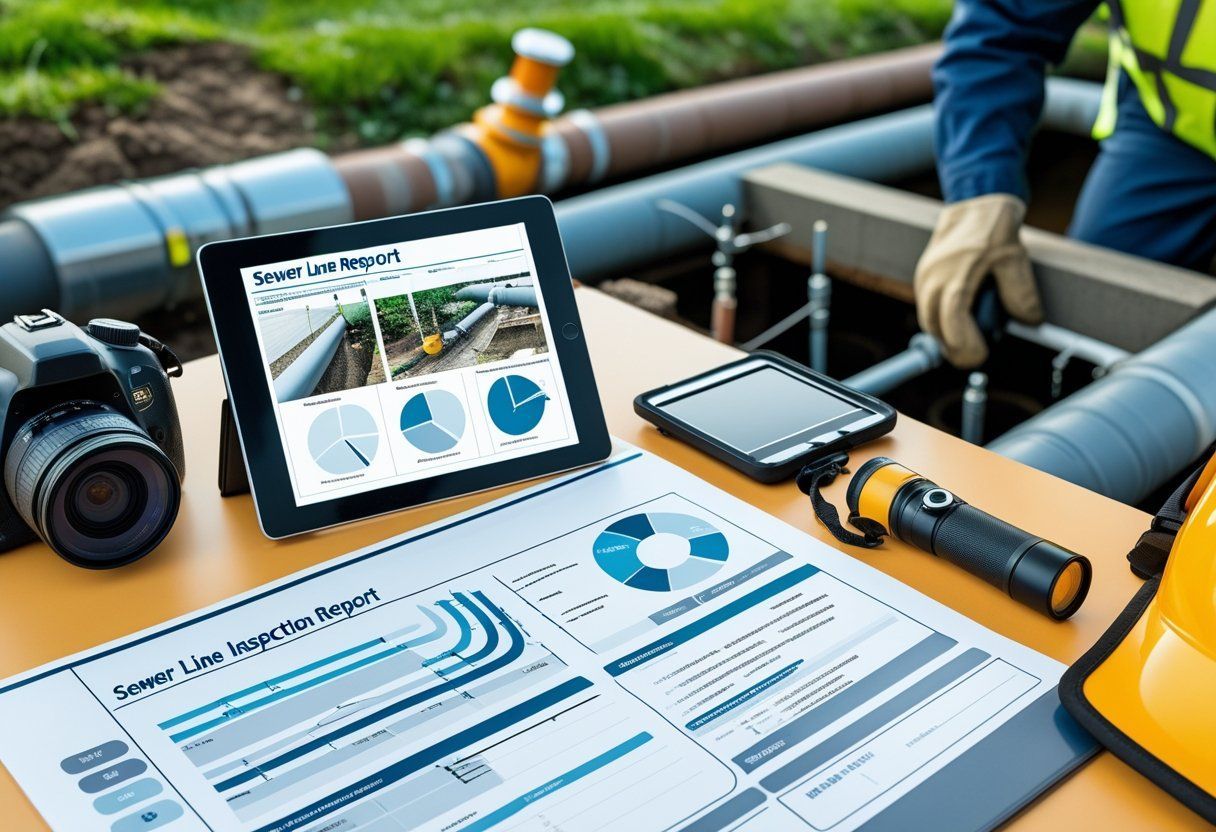
You’ll get clear steps to decode the most important parts of a sewer line inspection report so you can act with confidence. We show you how to spot real problems, what each defect means, and which issues need immediate repair versus routine maintenance. We break the report into simple pieces what the camera images show, […]
By Stefani January 23, 2026
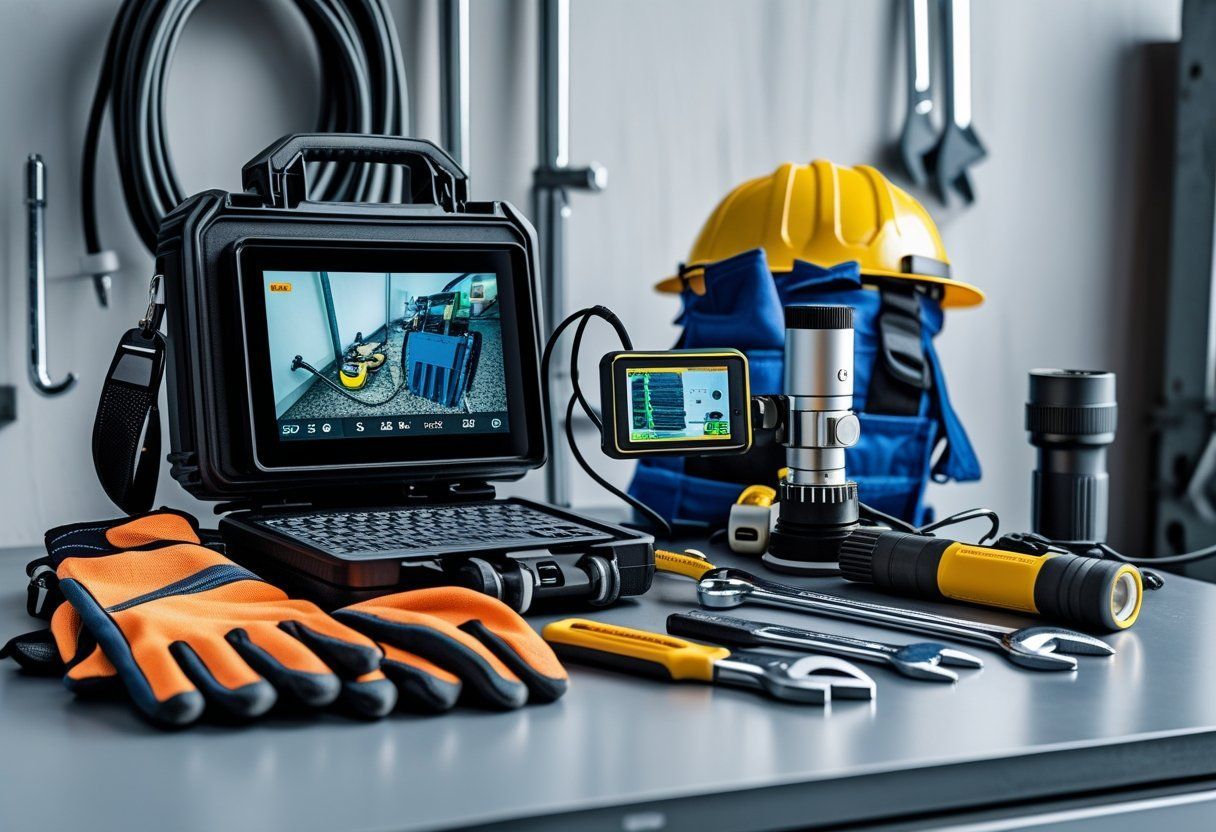
You want tools that give clear answers fast so you can find problems and fix them right. We rely on high-quality sewer cameras, locating gear, and cleaning tools to spot cracks, blockages, and defects in sewer lines accurately. Knowing which tools to use helps a plumber save time and avoid costly mistakes. We will walk […]
By Stefani January 22, 2026
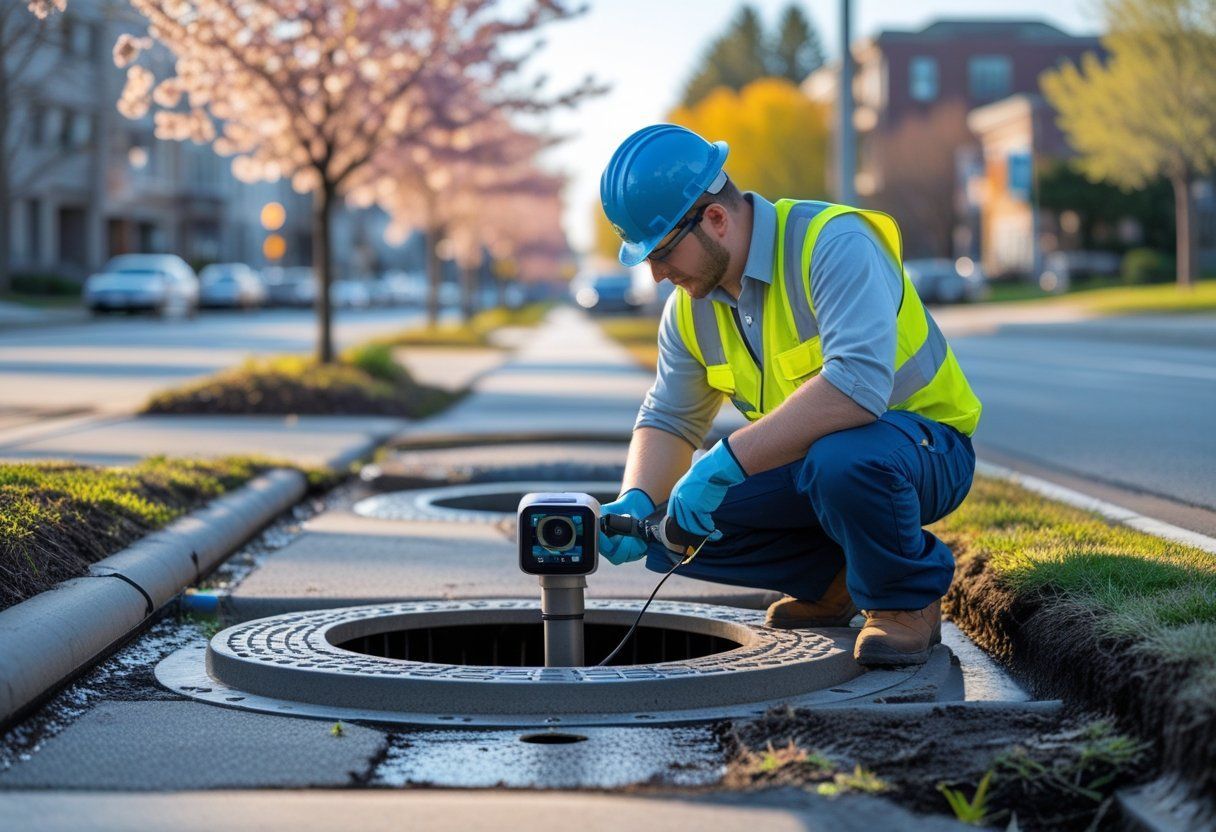
You want sewer line inspections timed so they catch problems before they get costly or urgent. We recommend scheduling inspections based on seasonal risks winter freeze, spring thaw, and heavy fall rains because timing cuts repair costs and prevents service interruptions. We will explain how weather, soil movement, and tree roots change the risk level […]
Common Mistakes to Avoid During Sewer Line Inspections
By Stefani January 18, 2026
We know sewer line inspections feel technical and tense, but avoiding a few common mistakes protects your home and wallet. Start by planning the inspection, knowing what to look for, and involving a qualified professional when signs point to trouble. That simple approach cuts down on missed problems and costly surprises. We will walk through […]
Show More