
Common Mistakes to Avoid in Commercial Plumbing Installation: Essential Tips for Success

daniel • December 9, 2024

Share this article

Assessing Commercial Plumbing Needs

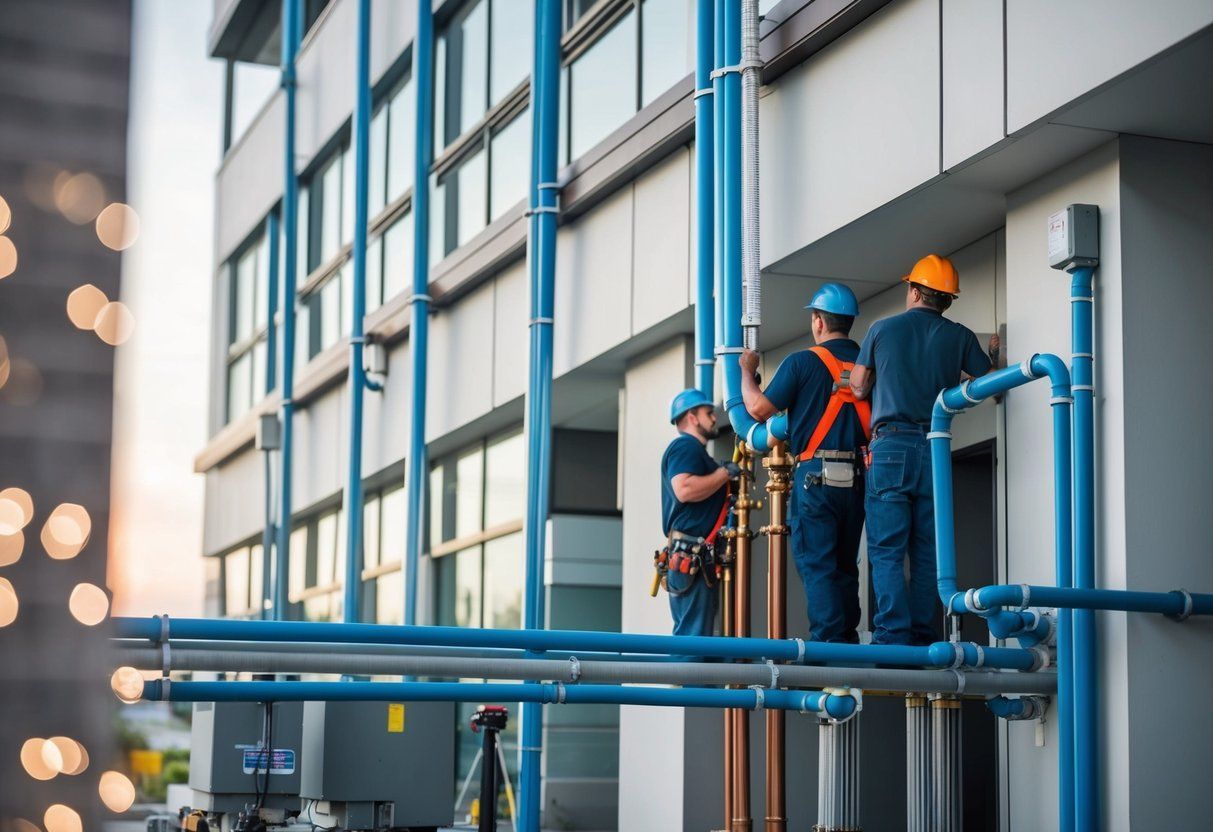
When setting up a commercial plumbing system, it’s crucial to address several key factors. We need to look at the structure of the plumbing system, determine water usage and supply needs, and ensure correct pipe sizing.

Understanding Plumbing Systems

In any commercial setting, the plumbing system must handle large volumes of water safely and efficiently. Key components include water supply lines, waste removal systems, and drainage solutions. We must examine these parts to ensure they meet the specific demands of the building.

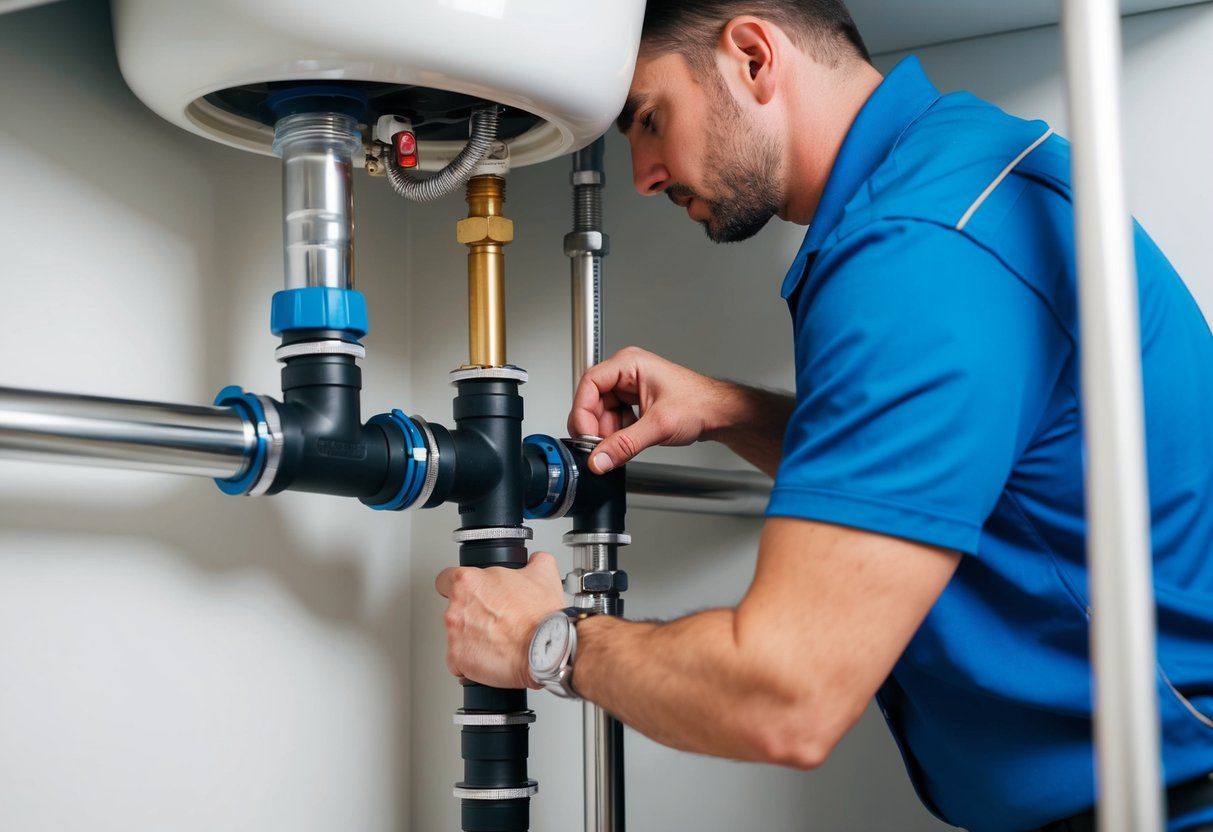
Installing backflow preventers, pressure regulators, and proper drainage systems can prevent potential issues. Each component plays a critical role in maintaining functionality and safety. A well-designed system will ensure reliable performance and minimize maintenance.

Determining Water Usage and Supply Needs

Accurately estimating water usage is essential. We consider factors like the building’s size, number of occupants, and the nature of the business. For example, a restaurant requires more water than a retail store.

We need to calculate the necessary water pressure and flow rates to meet these needs. Tools like water usage calculators can help assess requirements. Adequately planning for peak demand times ensures the plumbing system supports the daily operations effectively.

Sizing Pipes Correctly

Proper pipe sizing is crucial to avoid future plumbing problems. If pipes are too small, they can cause low water pressure and slow drainage. On the other hand, oversized pipes might lead to increased costs and inefficient operation.

We use standards and guidelines to determine the correct pipe sizes for different parts of the system. This includes considering factors like pipe material, length, and required pressure. Correct pipe sizing supports efficient water flow and long-term reliability of the plumbing installation.

Installation Best Practices

When we work on commercial plumbing installations, it’s key to focus on ventilation, the quality of fixtures, and whether we take on the work ourselves or hire a professional. Ensuring these elements are done correctly can prevent costly mistakes and ensure the plumbing system functions efficiently.

Ensuring Proper Ventilation

Proper ventilation is vital in any plumbing installation. Poor ventilation can lead to pipe damage and unpleasant odors. We must install vents in strategic locations to allow gases to escape safely.

Using high-quality vent materials ensures durability. Checking local building codes helps us meet legal requirements and avoid complications. Regular maintenance of the ventilation system is crucial. It makes sure everything stays clean and functional, preventing backflow and pressure issues.

Selecting Quality Plumbing Fixtures

Choosing the right plumbing fixtures can make or break an installation. We should prioritize quality over cost, selecting fixtures made from durable materials like brass or stainless steel.

It’s important to opt for well-known brands with good warranties. They tend to provide better customer service in case any issues arise. Low-flow fixtures can be beneficial, as they save water and reduce utility bills. Before purchasing, we must ensure the fixtures are compatible with other system components to avoid recurring issues.

Professional Installation vs. DIY

Deciding between professional installation and a DIY approach is critical. While DIY can save money, improper installation can result in expensive repairs later.

Professional plumbers bring expertise and have access to better tools and materials. They can identify potential problems early, helping us avoid costly mistakes. Hiring a licensed plumber ensures that the installation complies with local codes and standards. It provides peace of mind and often guarantees higher quality work.

Preventive Measures and Maintenance

Effective preventive measures and regular maintenance are crucial in commercial plumbing installations. They help in avoiding expensive repairs and reducing downtime. Proper upkeep ensures systems run smoothly and prolongs their lifespan, keeping costs low and performance high.

Implementing Routine Inspections

Routine inspections are key in catching issues before they become major problems. We should routinely check pipes for leaks, corrosion, and possible weak spots.

Pumps and valves should be checked to ensure they function correctly. Inspecting these components helps in identifying wear and tear early. We recommend creating a checklist for regular inspections. This checklist should include tasks like checking water pressure, examining drains for blockages, and ensuring temperature controls are set properly.

Frequent inspections can prevent clogs and costly repairs.

Conducting Regular Maintenance

Regular maintenance is critical for keeping plumbing systems functioning well. This includes servicing water heaters, inspecting backflow preventers , and checking for clogs.

We should also schedule drain cleaning services routinely. Overlooking this can lead to slow drainage or even backups, causing business disruptions. It’s important to replace worn parts and lubricate moving parts, like pump seals, as needed.

Routine maintenance reduces energy consumption, prevents failures, and increases equipment reliability.

Avoiding Common Drainage Issues

Avoiding drainage issues involves a proactive approach. We must regularly clean drain lines to prevent buildup.

Use of strain traps can help lessen items going down the drain, which can lead to clogs. Educating staff on what should and shouldn’t enter the drainage system is vital. Avoid pouring grease, oils, or non-soluble items that contribute to blockages.

We can also install backflow devices to prevent sewer backups, ensuring contents flow in the right direction. Monitoring drainage flow can alert us to potential problems before they escalate.

Troubleshooting Common Problems

In commercial plumbing, issues like leaks, water pressure problems, sewer system backups, and mold can arise. Effective management of these problems is crucial for maintaining a healthy and functional system. Let’s look into practical solutions and preventive measures.

Handling Leaks and Water Pressure Issues

Leaks in commercial plumbing can stem from faulty pipes, worn-out seals, or broken fixtures. Detecting leaks early is important to avoid water damage. We should regularly check for signs like water stains or dripping sounds.

Low water pressure is another common issue, often due to pipe blockages or valve problems. Cleaning aerators in faucets and replacing worn-out pipes can restore proper flow. Checking pressure regulators can also solve pressure inconsistencies, helping maintain a stable and efficient system.

Addressing Sewer System Backups

Sewer system backups can disrupt business operations and pose health risks. Blockages are often caused by debris, grease, or foreign objects in pipes. Implementing regular cleaning schedules for pipes can reduce this risk.

We should also inspect manholes and sewer lines for any signs of trouble. Installing backflow prevention devices can help protect against unexpected backups. Educating staff on what not to flush or pour down drains is another preventive measure.

Dealing with Mold and Water Damage

Mold growth often results from persistent moisture and leaks. It’s vital to address leaks promptly and ensure proper ventilation in plumbing areas. Regular inspections can help us detect early signs of mold, like musty odors or discolored surfaces.

For existing water damage, drying affected areas quickly limits mold growth. Using dehumidifiers and fixing leaks reduces moisture levels. Doing these measures maintains a clean and healthy environment, free from mold and water damage concerns.

Commercial Plumbing Considerations

In commercial plumbing, it’s crucial to address the unique needs of different building types. Waste disposal systems also involve specific requirements that ensure smooth operations and avoid costly repairs.

Catering to Specific Building Types

When working with commercial properties, we must tailor our approach based on the building’s purpose. Office buildings, for example, often have high water usage, requiring a reliable water supply system. Businesses such as restaurants and hotels will need more specialized services, focusing on factors like kitchen and bathroom plumbing.

Each type of commercial property faces unique plumbing problems. For instance, buildings with public restrooms need durable, high-capacity pipes. We have to make sure that all materials comply with industry standards. This helps avoid long-term issues.

Planning is essential for successful installation. We consider layout, fixture types, and potential future changes to meet the client’s needs. Communication between us and building managers is key. By understanding their specific requirements, we can create a tailor-made solution that minimizes disruptions.

Understanding Waste Disposal Systems

A functioning waste disposal system is vital for any commercial property. Problems in this area can lead to costly repairs. It’s important to design systems that efficiently handle waste from various activities within the building.

Office buildings may require systems that can manage paper and food waste, while a restaurant has more complex disposal needs. We need to evaluate each system’s capacity and ensure it’s suitable for the building’s size and purpose.

Regular maintenance is essential to prevent blockages and other issues. We recommend routine checks and cleaning. Using advanced technology, such as camera inspections, allows us to identify potential problems early. By addressing these considerations, we ensure that commercial plumbing systems remain efficient and problem-free.

Recent Posts

Fast Response Plumbing technician servicing a water shut off valve in San Francisco
By Joe Tinsley July 17, 2026
Learn how gate valves, ball valves, and angle stops work, where to find them in your San Francisco home, and when to replace them. FAQs inside.
Budgeting for Unforeseen Sewer Line Maintenance Expenses
By Stefani January 31, 2026
Sewer line problems can hit your wallet fast, and we know the stress of a surprise repair. We show you how to plan a practical budget that covers emergency fixes, regular upkeep, and the big costs that sneak up on you. This saves you money and keeps small issues from turning into major failures. We […]
Seasonal Effects on Sewer Line Maintenance Costs
By Stefani January 30, 2026
You’ll want to know how seasons change what you pay for sewer line maintenance so you can plan ahead and avoid surprise bills. Seasonal weather, ground movement, and plant growth directly affect repair needs and costs, so budgeting by season cuts unexpected expenses. We outline what shifts costs, when repairs most often happen, and which […]
The Role of Location in Sewer Line Maintenance Pricing
By Stefani January 29, 2026
You’ll pay different amounts for sewer line maintenance depending on where your property sits and what’s under it. Location drives cost through factors like soil type, access difficulty, local labor rates, and permit rules, so knowing these lets you predict and plan for expenses. We’ll show how those local details shape quotes and outcomes. We’ll […]
Analyzing Material Expenses for Effective Sewer Line Care
By Stefani January 28, 2026
We’ll break down the real costs that matter for keeping a sewer line working well so you can plan and avoid surprises. You’ll learn which materials and fees drive most of the expense and how small choices can lower long-term costs. We’ll look at costs for parts, tools, permits, and regular cleaning, plus where labor […]
Understanding the Impact of Labor Costs on Sewer Line Maintenance
By Stefani January 25, 2026
You want to know how labor costs shape sewer line care and what that means for your wallet. We will show how wages, crew size, and the repair method you choose change the final bill so you can plan smarter and avoid surprises. Knowing which labor factors most drive costs lets you pick repair options […]
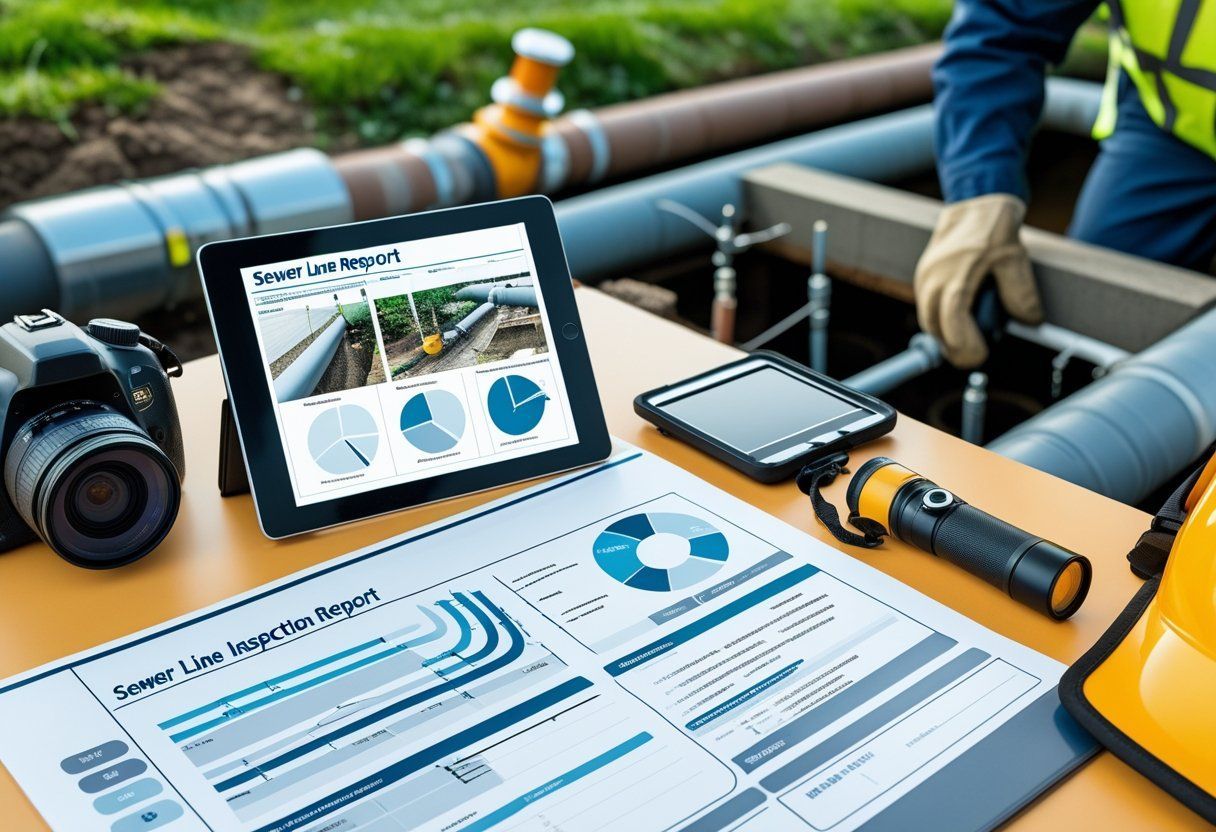
How to Interpret Sewer Line Inspection Reports
By Stefani January 24, 2026
You’ll get clear steps to decode the most important parts of a sewer line inspection report so you can act with confidence. We show you how to spot real problems, what each defect means, and which issues need immediate repair versus routine maintenance. We break the report into simple pieces what the camera images show, […]
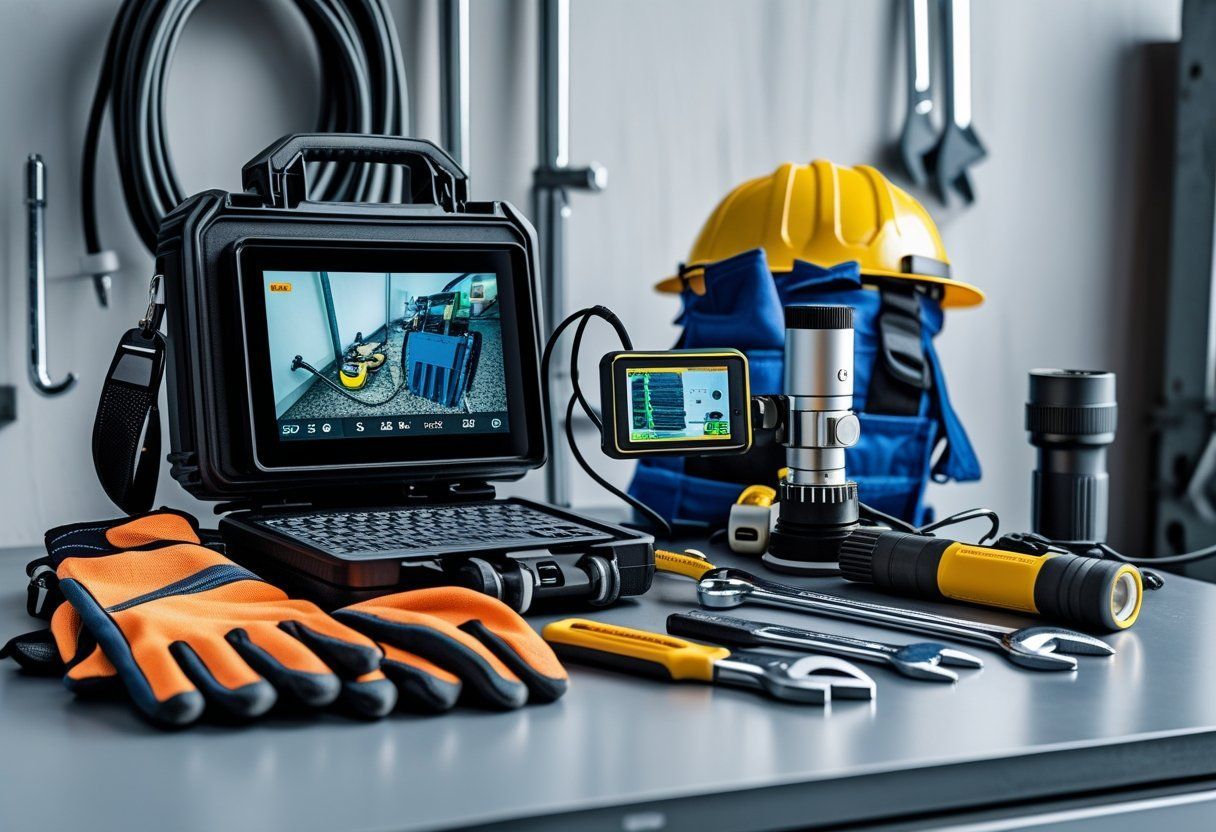
Tool kit with hard hat, gloves, laptop, and handheld device on a workbench in a workshop
By Stefani January 23, 2026
You want tools that give clear answers fast so you can find problems and fix them right. We rely on high-quality sewer cameras, locating gear, and cleaning tools to spot cracks, blockages, and defects in sewer lines accurately. Knowing which tools to use helps a plumber save time and avoid costly mistakes. We will walk […]
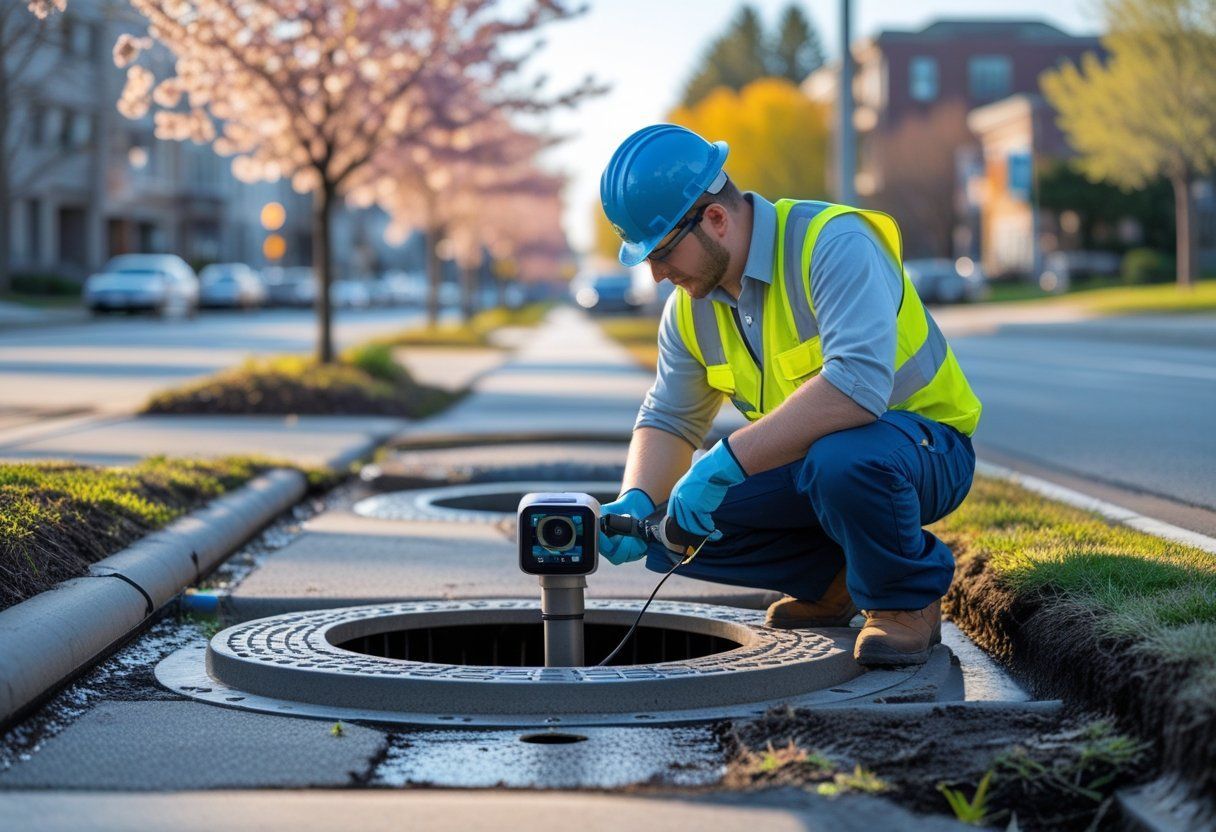
Worker in blue hard hat inspecting a manhole on a street with a camera device
By Stefani January 22, 2026
You want sewer line inspections timed so they catch problems before they get costly or urgent. We recommend scheduling inspections based on seasonal risks winter freeze, spring thaw, and heavy fall rains because timing cuts repair costs and prevents service interruptions. We will explain how weather, soil movement, and tree roots change the risk level […]
Common Mistakes to Avoid During Sewer Line Inspections
By Stefani January 18, 2026
We know sewer line inspections feel technical and tense, but avoiding a few common mistakes protects your home and wallet. Start by planning the inspection, knowing what to look for, and involving a qualified professional when signs point to trouble. That simple approach cuts down on missed problems and costly surprises. We will walk through […]
Show More