
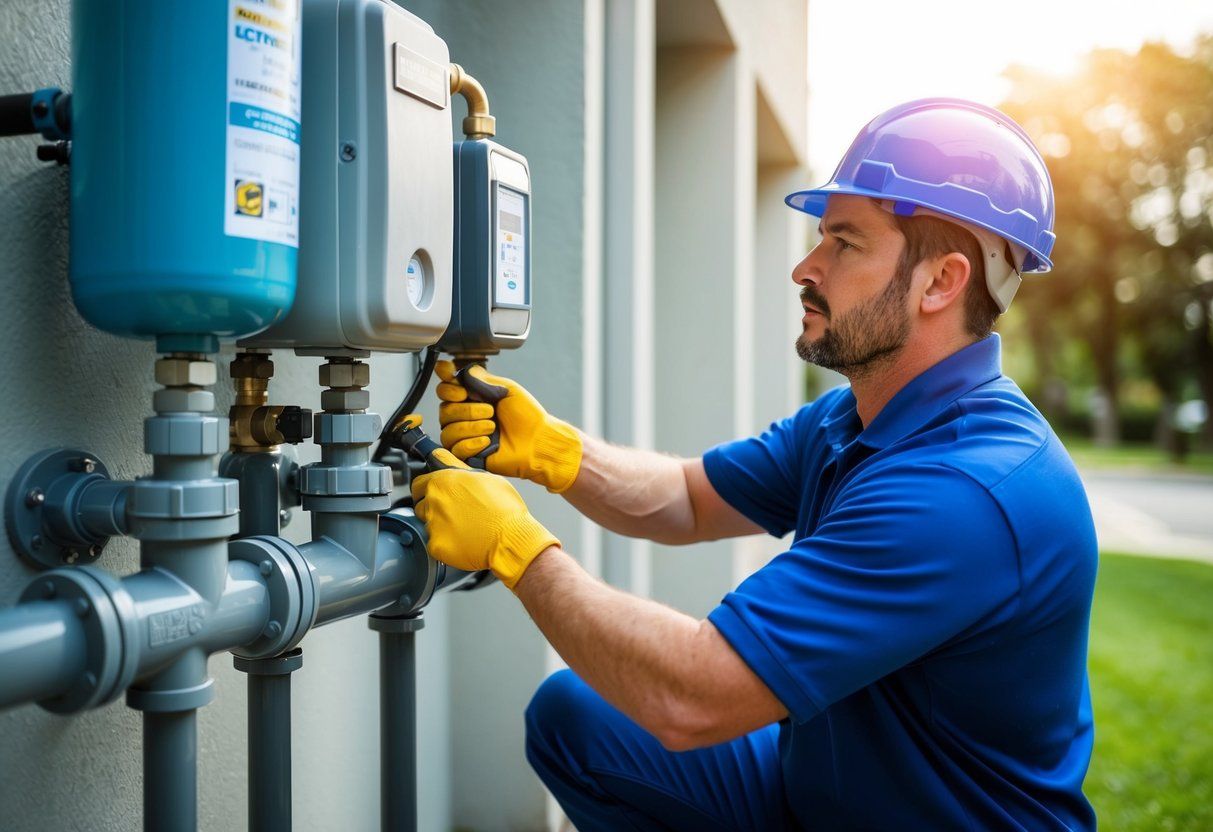

Signs Your Business Needs Backflow Prevention Services: Essential Insights for Safety

Stefani • January 29, 2025

Share this article

Understanding Backflow and Its Consequences

Backflow occurs when contaminated water flows in reverse, mixing with clean water. This can pose serious health risks and violate important regulations designed to protect public health.

The Basics of Backflow

Backflow is when unwanted water goes the opposite way through pipes and ends up in the clean water supply. It usually happens due to changes in pressure. If pressure drops in the water system, contaminated water can flow backward into our clean water.

We must use backflow prevention devices to stop this. They keep contaminants out, helping ensure the water supply stays safe and clean. Without these devices, the risk of water contamination increases significantly, potentially affecting many.

Health Risks and Public Health Concerns

When backflow happens, it can introduce harmful substances into the drinking water. These could be chemicals, bacteria, or other pollutants. Consuming contaminated water leads to serious health issues such as stomach illnesses and skin problems.

Protecting public health means taking backflow problems seriously. If the public consumes unsafe water, it could lead to widespread health problems. That is why it is essential to have safeguards to detect and prevent backflow incidents.

Regulatory Compliance and Local Regulations

Different areas have rules about backflow prevention. These regulations are there to make sure our water stays safe. Local authorities often require businesses to install backflow preventers. This helps ensure contaminated water does not enter the main water supply.

Ignoring these regulations can lead to fines and possible legal action. Staying compliant not only protects public health but also means businesses stay within the rules. Understanding and following these regulations are part of our responsibility.

Recognizing the Need for Backflow Prevention

Understanding the signs of backflow issues is crucial for maintaining the health of our plumbing system. We should pay attention to warning signs like discolored water or unusual tastes, regularly assess the system, and ensure consistent backflow testing and maintenance.

Symptoms of Backflow Problems

Detecting backflow problems early can prevent bigger issues.

  • Discolored water might mean contaminants are entering our supply.
  • Unusual tastes or odors are also red flags. These changes can indicate that water is flowing backward.
  • Dirty water suggests possible contamination.

Any of these symptoms should lead us to investigate further. Remember, clear, fresh water is what our plumbing system should provide.

Assessing Your Plumbing System

Regular assessments help us catch backflow issues. We should inspect valves, ensuring they function properly. Checking for leaks around connections may reveal problems. It’s important that we look for signs of corrosion or unusual wear. These checks ensure our system remains efficient and safe. Scheduled inspections by a professional can provide peace of mind and protect our investment.

Importance of Regular Testing

Backflow testing is key to keeping our water supply safe. Regular tests help us identify potential issues before they cause harm. Testing involves using equipment to measure pressure and flow direction. We must not skip these tests, as they verify the integrity of our backflow preventers. Regular maintenance and testing help protect our health and our plumbing system.

Selecting Appropriate Backflow Prevention Devices

Choosing the right backflow preventer ensures the safety of our potable water systems. We must consider the types of devices available and the features that make them effective.

Types of Backflow Preventers

There are several types of backflow prevention devices, each suited for specific scenarios.

  • Atmospheric Vacuum Breakers (AVB) are simple and affordable. They stop backflow at points with low hazard levels.
  • For medium hazards, a Double Check Valve Assembly (DCVA) might be more suitable. These use two check valves in sequence to offer more protection.
  • Reduced Pressure Zone (RPZ) assemblies provide the highest level of safety, using an additional relief valve to handle high hazard situations.

When choosing a device, consider the level of hazard to the water system. Some situations may call for multiple devices for thorough protection. Proper installation and maintenance are crucial to ensure effectiveness.

Features of Effective Backflow Prevention Systems

Effective backflow systems have specific features. Durability is key, as these systems face constant pressure. Materials like stainless steel and brass are often preferred. Ease of inspection and maintenance should also be considered, as regular checks are essential. Systems with clear assembly instructions can help speed up installation and reduce errors.

Testing capabilities are important for confirming operation under pressure. Certified components and compliance with local plumbing codes ensure safety. Opt for proven components with strong track records for reliability. Being thorough in selecting features can provide peace of mind about the safety of our water systems.

Best Practices for Backflow Prevention Maintenance

Routine and timely maintenance of our backflow prevention system is crucial for keeping our water supply clean and safe. Regular testing and prompt repairs ensure that the system functions efficiently, protecting water quality.

Routine Backflow Prevention Tests

Conducting regular backflow prevention tests is essential to maintaining our system. These tests help identify any issues that could compromise water quality. By scheduling routine checks, we can address problems early and prevent contamination. It’s important to keep records of each test, noting the date and any findings.

Certified professionals should perform these tests to ensure accuracy. They use specialized tools to measure the pressure and flow within the system. By following an annual schedule, or more frequently if needed, we ensure that everything is functioning properly and efficiently.

Handling Backflow Prevention Repairs

Repairing the backflow prevention system promptly is vital if any issues are detected during tests. Ignoring small problems can lead to bigger failures, affecting clean water supply. We rely on professionals who understand the complexities of our system to handle repairs. They ensure that all parts, like valves and fittings, work correctly.

Repairs might sometimes be as simple as tightening a loose connection or as complex as replacing a malfunctioning valve. It’s essential to use high-quality parts and materials for replacements to enhance system reliability. Proactive repairs and maintenance help us prevent unexpected system failures.

Considerations for Commercial Properties

When assessing the need for backflow prevention in commercial properties, it’s crucial to address health and safety compliance along with the avoidance of property damage. This not only helps in legal adherence but also safeguards infrastructure and investments.

Backflow Prevention in Commercial Settings

In commercial settings, backflow prevention is vital. Many businesses have complex plumbing systems that can easily contaminate water supplies if not properly managed. Backflow prevention devices ensure that harmful substances do not enter the clean water supply.

We should consider the specific needs of our business. For example, restaurants, manufacturing facilities, and large office buildings often have different backflow risks. Restaurant kitchens have extensive plumbing, while manufacturing sites might deal with hazardous chemicals. Each of these setups requires careful planning and specific solutions to prevent contamination.

Regular maintenance and inspections of backflow systems are essential. This prevents failures and ensures devices function correctly. It’s wise to set up an inspection schedule and keep records of all maintenance activities.

Protecting Against Property Damage and Liability

Backflow incidents can lead to significant property damage, causing costly repairs and business downtime. Businesses that operate sprinkler systems or complex irrigation systems are especially at risk. Leaky or faulty systems can cause water damage not just on our property, but potentially to neighboring ones as well.

Preventing backflow incidents also mitigates liability concerns. A contaminated water supply can pose serious health risks, leading to potential lawsuits. Complying with health and safety regulations is crucial not just to avoid fines but also to protect the well-being of employees and customers.

Having a well-maintained backflow prevention system is a proactive way to shield our business from these risks. Consistent monitoring and updates of our systems can protect against future liabilities and safeguard our investments.

Recent Posts

Fast Response Plumbing technician servicing a water shut off valve in San Francisco
By Joe Tinsley July 17, 2026
Learn how gate valves, ball valves, and angle stops work, where to find them in your San Francisco home, and when to replace them. FAQs inside.
Budgeting for Unforeseen Sewer Line Maintenance Expenses
By Stefani January 31, 2026
Sewer line problems can hit your wallet fast, and we know the stress of a surprise repair. We show you how to plan a practical budget that covers emergency fixes, regular upkeep, and the big costs that sneak up on you. This saves you money and keeps small issues from turning into major failures. We […]
Seasonal Effects on Sewer Line Maintenance Costs
By Stefani January 30, 2026
You’ll want to know how seasons change what you pay for sewer line maintenance so you can plan ahead and avoid surprise bills. Seasonal weather, ground movement, and plant growth directly affect repair needs and costs, so budgeting by season cuts unexpected expenses. We outline what shifts costs, when repairs most often happen, and which […]
The Role of Location in Sewer Line Maintenance Pricing
By Stefani January 29, 2026
You’ll pay different amounts for sewer line maintenance depending on where your property sits and what’s under it. Location drives cost through factors like soil type, access difficulty, local labor rates, and permit rules, so knowing these lets you predict and plan for expenses. We’ll show how those local details shape quotes and outcomes. We’ll […]
Analyzing Material Expenses for Effective Sewer Line Care
By Stefani January 28, 2026
We’ll break down the real costs that matter for keeping a sewer line working well so you can plan and avoid surprises. You’ll learn which materials and fees drive most of the expense and how small choices can lower long-term costs. We’ll look at costs for parts, tools, permits, and regular cleaning, plus where labor […]
Understanding the Impact of Labor Costs on Sewer Line Maintenance
By Stefani January 25, 2026
You want to know how labor costs shape sewer line care and what that means for your wallet. We will show how wages, crew size, and the repair method you choose change the final bill so you can plan smarter and avoid surprises. Knowing which labor factors most drive costs lets you pick repair options […]
How to Interpret Sewer Line Inspection Reports
By Stefani January 24, 2026
You’ll get clear steps to decode the most important parts of a sewer line inspection report so you can act with confidence. We show you how to spot real problems, what each defect means, and which issues need immediate repair versus routine maintenance. We break the report into simple pieces what the camera images show, […]
Tool kit with hard hat, gloves, laptop, and handheld device on a workbench in a workshop
By Stefani January 23, 2026
You want tools that give clear answers fast so you can find problems and fix them right. We rely on high-quality sewer cameras, locating gear, and cleaning tools to spot cracks, blockages, and defects in sewer lines accurately. Knowing which tools to use helps a plumber save time and avoid costly mistakes. We will walk […]
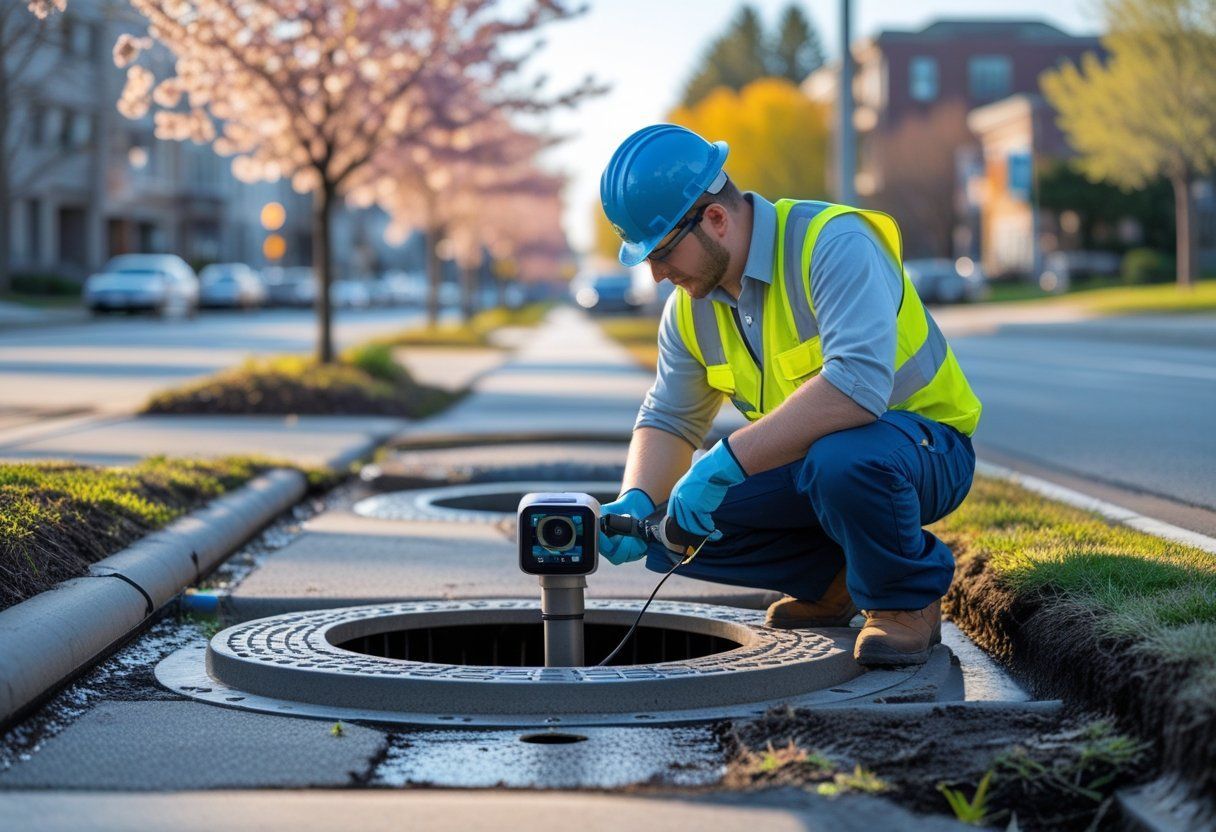
Worker in blue hard hat inspecting a manhole on a street with a camera device
By Stefani January 22, 2026
You want sewer line inspections timed so they catch problems before they get costly or urgent. We recommend scheduling inspections based on seasonal risks winter freeze, spring thaw, and heavy fall rains because timing cuts repair costs and prevents service interruptions. We will explain how weather, soil movement, and tree roots change the risk level […]
Common Mistakes to Avoid During Sewer Line Inspections
By Stefani January 18, 2026
We know sewer line inspections feel technical and tense, but avoiding a few common mistakes protects your home and wallet. Start by planning the inspection, knowing what to look for, and involving a qualified professional when signs point to trouble. That simple approach cuts down on missed problems and costly surprises. We will walk through […]
Show More