Top Backflow Prevention Devices for San Francisco Businesses: Ensuring Water Safety and Compliance

Stefani • January 27, 2025

Share this article

Understanding Backflow Prevention in San Francisco

In San Francisco, controlling backflow is crucial to protect water quality. To achieve this, businesses need to know about backflow prevention devices and the rules set by local authorities.

The Basics of Backflow Prevention

Backflow is when unwanted water flows backward into the clean water supply. It can happen because of a change in pressure, like when there’s a broken pipe or a high demand on the water line.

Backflow prevention devices are installed to stop this reverse flow. These devices are vital for keeping harmful substances out of our drinking water.

In San Francisco, common devices include reduced pressure zone assemblies (RPZ) and double check valves. RPZ is often used because it provides high-level protection. Double check valves are more common for less hazardous situations. Each device serves a specific purpose and is chosen based on the business’s needs.

Legislation and Local Water District Regulations

Local laws and regulations in San Francisco play a big role in backflow prevention. The Department of Public Health and the Local Water District oversee these laws. Businesses must comply with strict installation and maintenance guidelines.

Regular inspections are required to ensure devices work effectively. A certified backflow tester often performs these checks. Businesses are responsible for submitting test results to the water district.

City officials provide guidelines to ensure public safety. Knowing and following these regulations is essential for any business in San Francisco to help protect the local water supply. Understanding compliance demands can prevent fines and ensure our water remains uncontaminated.

Top Backflow Prevention Devices for Your Business

Many businesses rely on safe water systems. We must use reliable backflow prevention devices to ensure water safety. Let’s explore some of the top devices that can keep water flowing the right way.

Air Gap Devices

Air gap devices offer a simple and effective solution. They work by creating a physical gap between the water source and the potential contamination point. This gap prevents any backflow from occurring. It’s a basic but essential method in many settings.

These devices are commonly used in sinks and other plumbing fixtures. They do not require any moving parts or complex systems. This makes them low-maintenance and durable. Our expertise in setting these up ensures they work efficiently in various commercial environments.

Reduced Pressure Zone Assemblies

Reduced Pressure Zone (RPZ) assemblies are another key type of backflow prevention. They feature two valves with a pressure relief valve in between. This setup ensures that contaminated water won’t flow back into your clean supply.

RPZ assemblies are valuable for their reliability, especially in high-risk areas. They require professional installation and regular checks. Our team has the expertise needed to handle these tasks effectively. These assemblies are ideal products for businesses needing extra assurance against backflow issues.

Double Check Valves

Double check valves are often used in fire protection and sprinkler systems. They consist of two check valves in series. If one valve fails, the other provides a second line of defense. This redundancy is crucial for safety.

These devices are durable and can handle moderate backflow risks. They are perfect for small to medium-sized businesses. Regular inspections by our skilled experts will keep them functioning correctly. Their design ensures a secure and cost-effective solution for many businesses.

Pressure Vacuum Breakers

Pressure vacuum breakers (PVBs) prevent backflow from happening through airborne contaminants. They are typically installed in lawn irrigation systems. PVBs open under pressure to allow air in and protect the water supply.

Their straightforward design makes them easy to install and maintain. Regular testing is essential to ensure they’re working properly. We are well-equipped to handle the installation and maintenance of PVBs. This device is often a smart choice for businesses with outdoor water systems.

Selecting The Right Backflow Service Provider

Choosing the right backflow service provider is crucial for keeping your business running smoothly. We’ll look at services and expertise as well as how to find the most experienced providers through search results.

Evaluating Services and Expertise

When checking out service providers, we need to focus on the range of services they offer. It’s important to ensure that they cover all types of backflow devices, inspections, and maintenance. A good provider will have trained technicians with certifications specific to backflow prevention.

Local businesses should also consider the provider’s experience in San Francisco. It helps if they understand local regulations and have a history of working with similar companies.

We should also look at customer reviews and ratings. This feedback can tell us a lot about the reliability and expertise of potential providers. It’s best to choose a service with positive feedback and a proven track record.

Interpreting Search Results for Expert Providers

When searching online, we often see a lot of ads and sponsored listings, especially from YP Advertisers. They can be helpful, but we should dig deeper. Look past the ads to find genuine local expertise and avoid relying only on the top listings.

We should compare results and take note of any providers known for reliability and expertise. We can also check if a provider is highly rated on multiple platforms, which is a good sign of consistent service quality.

Using a mix of online directories, reviews, and professional recommendations will allow us to find the best experts. This ensures our business gets the most reliable services available.

Integrating Backflow Devices With Existing Structures

Incorporating backflow prevention devices into current buildings can pose challenges. This involves assessing compatibility and ensuring regular testing and upkeep for smooth operation.

Assessing Compatibility and Installation Needs

When integrating backflow devices into existing structures, we must first assess compatibility. Not all buildings are the same, so understanding specific installation needs is crucial.

We begin by examining the current plumbing systems. Knowing the layout helps us identify the best backflow device for the system. Different types of devices suit various business needs, from small cafes to large factories.

Next, we consult business information and guidelines. This helps us make informed buying decisions. Local regulations and building codes are important to ensure compliance. We work closely with professionals to determine the installation requirements and potential challenges.

Planning for Regular Backflow Testing and Maintenance

Once installed, ongoing testing and maintenance are key. Regular backflow testing helps us ensure the device works effectively and prevents contamination. Consistent checks also help detect issues early, reducing the risk of costly repairs.

We set up a schedule for routine maintenance. This includes checking the device’s condition and functionality. Businesses in San Francisco may need more frequent inspections due to local regulations.

By planning for regular backflow testing, businesses can maintain safe water supplies. Regular maintenance supports operational efficiency and extends the lifespan of the backflow devices. Keeping records of tests and servicing is important for compliance and business peace of mind.

Enhancing Business Visibility in Local Listings

Increasing visibility in local listings can greatly impact how potential customers find us. Two effective strategies include optimizing for higher placement in the Yellow Pages and leveraging featured website buttons.

Optimizing for Higher Placement in Yellow Pages

We should focus on enhancing our Yellow Pages directory listing. By keeping business information updated and accurate, including address, phone number, and operating hours, we ensure that customers can easily find us.

Proximity is key. Listings closer to a potential customer’s location may rank higher. Thus, including clear location details helps improve placement.

Adding relevant keywords related to our services can boost our visibility. For instance, if we specialize in specific types of backflow prevention devices, using those terms helps engage customers searching for them.

Engaging with reviews also plays a crucial role. Positive reviews not only attract customers but can also lead to higher placement on the list.

Understanding the Value of Featured Website Buttons

Featured website buttons can significantly enhance visibility. They allow customers quick access to our business’s website directly from the listing, offering an easy path to explore our services.

By investing in these buttons, we can highlight promotions or key services, drawing in interested viewers. The prominent placement captures attention and may lead to increased traffic on our website.

To maximize the benefit, we should ensure our website is user-friendly and provides clear information. This can turn casual visitors into potential clients by giving them a professional and informative experience.

Combining these elements with well-maintained business information can create a compelling listing that stands out.

Recent Posts

Fast Response Plumbing technician servicing a water shut off valve in San Francisco
By Joe Tinsley July 17, 2026
Learn how gate valves, ball valves, and angle stops work, where to find them in your San Francisco home, and when to replace them. FAQs inside.
Budgeting for Unforeseen Sewer Line Maintenance Expenses
By Stefani January 31, 2026
Sewer line problems can hit your wallet fast, and we know the stress of a surprise repair. We show you how to plan a practical budget that covers emergency fixes, regular upkeep, and the big costs that sneak up on you. This saves you money and keeps small issues from turning into major failures. We […]
Seasonal Effects on Sewer Line Maintenance Costs
By Stefani January 30, 2026
You’ll want to know how seasons change what you pay for sewer line maintenance so you can plan ahead and avoid surprise bills. Seasonal weather, ground movement, and plant growth directly affect repair needs and costs, so budgeting by season cuts unexpected expenses. We outline what shifts costs, when repairs most often happen, and which […]
The Role of Location in Sewer Line Maintenance Pricing
By Stefani January 29, 2026
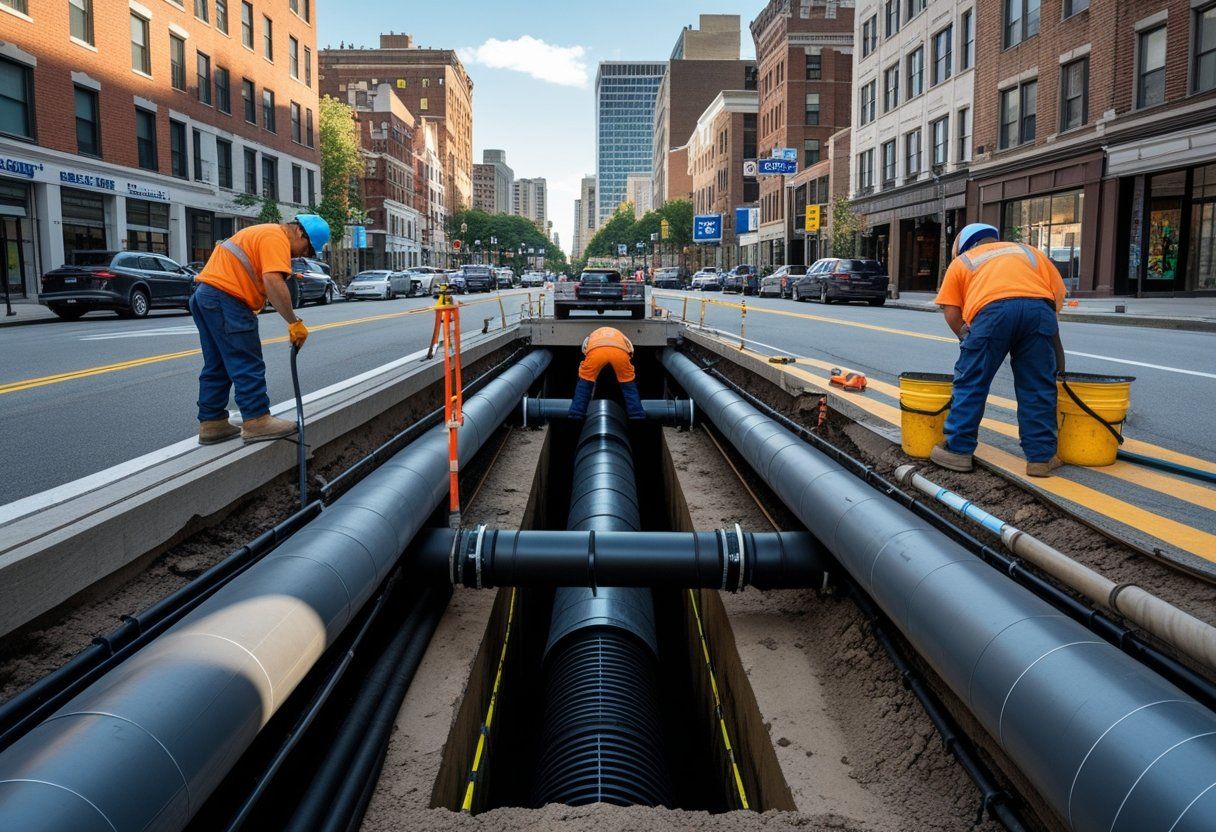
You’ll pay different amounts for sewer line maintenance depending on where your property sits and what’s under it. Location drives cost through factors like soil type, access difficulty, local labor rates, and permit rules, so knowing these lets you predict and plan for expenses. We’ll show how those local details shape quotes and outcomes. We’ll […]
Analyzing Material Expenses for Effective Sewer Line Care
By Stefani January 28, 2026
We’ll break down the real costs that matter for keeping a sewer line working well so you can plan and avoid surprises. You’ll learn which materials and fees drive most of the expense and how small choices can lower long-term costs. We’ll look at costs for parts, tools, permits, and regular cleaning, plus where labor […]
Understanding the Impact of Labor Costs on Sewer Line Maintenance
By Stefani January 25, 2026
You want to know how labor costs shape sewer line care and what that means for your wallet. We will show how wages, crew size, and the repair method you choose change the final bill so you can plan smarter and avoid surprises. Knowing which labor factors most drive costs lets you pick repair options […]
How to Interpret Sewer Line Inspection Reports
By Stefani January 24, 2026
You’ll get clear steps to decode the most important parts of a sewer line inspection report so you can act with confidence. We show you how to spot real problems, what each defect means, and which issues need immediate repair versus routine maintenance. We break the report into simple pieces what the camera images show, […]
By Stefani January 23, 2026
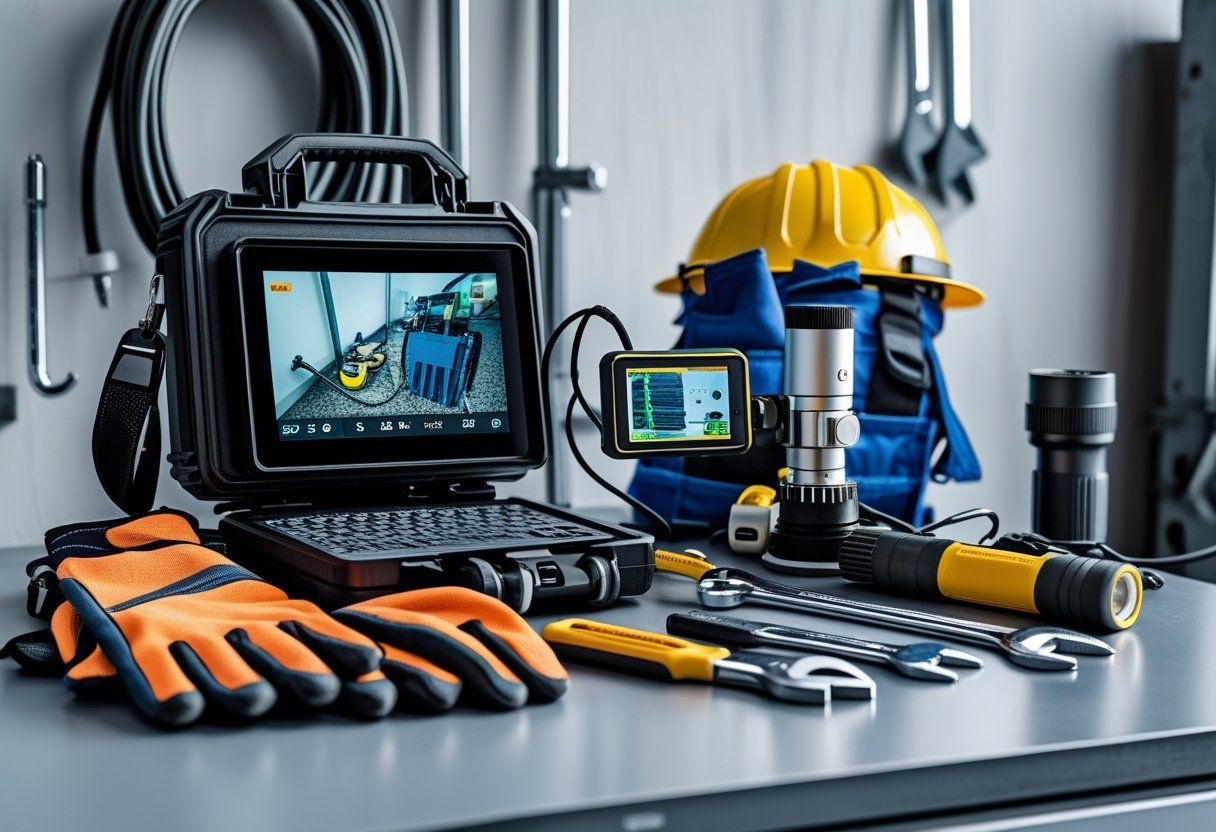
You want tools that give clear answers fast so you can find problems and fix them right. We rely on high-quality sewer cameras, locating gear, and cleaning tools to spot cracks, blockages, and defects in sewer lines accurately. Knowing which tools to use helps a plumber save time and avoid costly mistakes. We will walk […]
By Stefani January 22, 2026
You want sewer line inspections timed so they catch problems before they get costly or urgent. We recommend scheduling inspections based on seasonal risks winter freeze, spring thaw, and heavy fall rains because timing cuts repair costs and prevents service interruptions. We will explain how weather, soil movement, and tree roots change the risk level […]
Common Mistakes to Avoid During Sewer Line Inspections
By Stefani January 18, 2026
We know sewer line inspections feel technical and tense, but avoiding a few common mistakes protects your home and wallet. Start by planning the inspection, knowing what to look for, and involving a qualified professional when signs point to trouble. That simple approach cuts down on missed problems and costly surprises. We will walk through […]
Show More