
How Backflow Prevention Protects Public Water Supply: Ensuring Safe Drinking Water

Stefani • January 30, 2025

Share this article

Understanding Backflow and Its Effects on the Water Supply

Backflow can lead to serious problems in our public water systems. We must understand its causes and effects to ensure safe and clean water for everyone.

What Is Backflow?

Backflow occurs when water flows in the opposite direction from its intended path. This can cause contaminants to enter the public water supply. Ideally, water should move from the clean supply system to our homes and businesses. However, when backflow happens, there’s a risk that harmful substances could mix with the clean water.

Backflow is typically not intended and occurs due to pressure changes in the water system. Regular monitoring and prevention strategies are key to maintaining a safe public water supply.

Types of Backflow: Backpressure and Back-Siphonage

There are two main types of backflow: backpressure and back-siphonage. Backpressure happens when the pressure in a private water system becomes higher than in the main public water supply. This pressure difference can force contaminated water back into the clean supply.

Back-siphonage occurs when there’s a drop in public water supply pressure. Water flow can reverse, drawing contaminants into the system. Each type can cause significant health risks, so preventive measures are important.

Health Hazards Posed by Contaminated Water

Contaminated water can pose serious health risks for all of us. If harmful substances like chemicals or bacteria enter the supply, they can cause illnesses, some of which might be severe.

Certain bacteria and viruses thrive in contaminated water, leading to waterborne diseases. Therefore, it is crucial to prevent backflow and ensure our water remains safe and clean. Implementing strong backflow prevention measures protects our health and well-being.

Backflow Prevention Methods and Devices

Backflow prevention is essential to keep our water supplies safe from contamination. We explore different devices that effectively prevent backflow, ensuring clean and safe water.

Mechanical Backflow Preventers

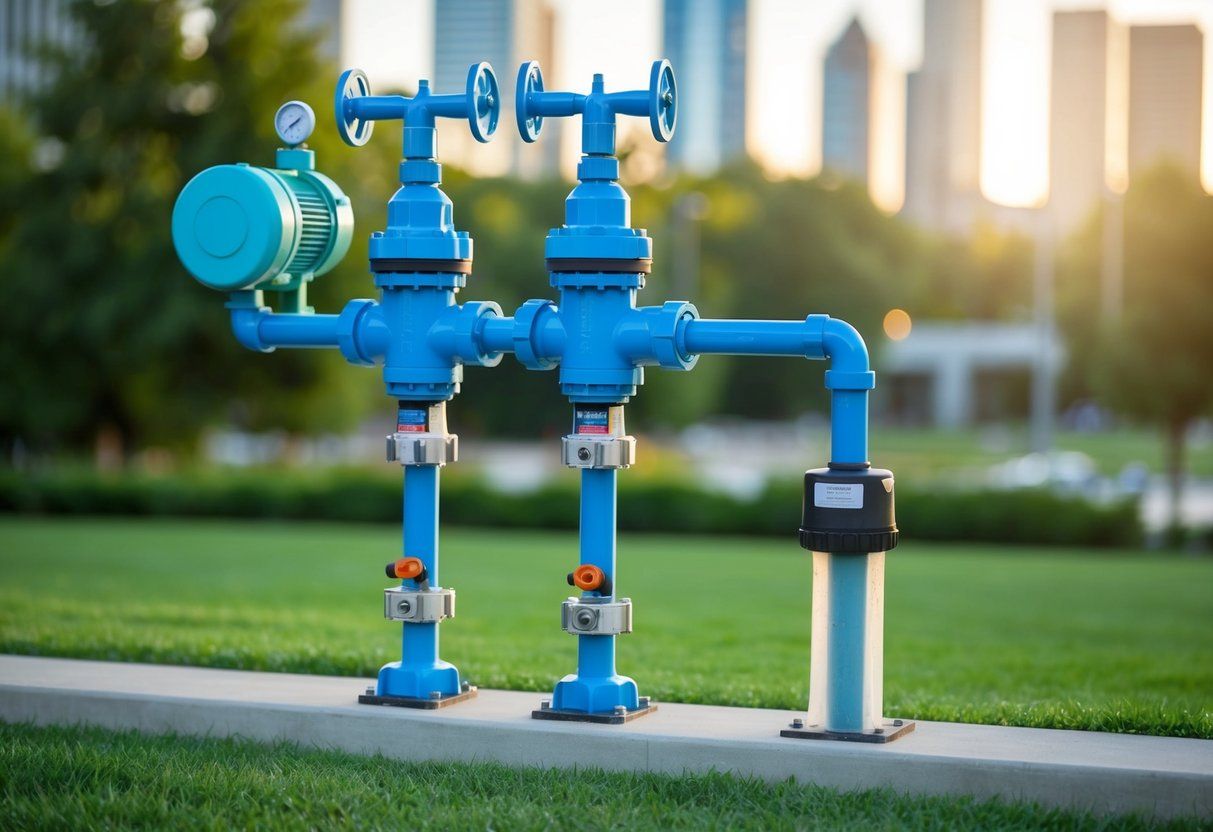
Mechanical backflow preventers are vital tools for protecting water systems. They include pressure vacuum breakers, atmospheric vacuum breakers, double check valve assemblies, and reduced-pressure principle assemblies. Each type works differently but aims to maintain the flow of clean water by blocking backflow.

  • Pressure Vacuum Breaker Assembly : Installed above ground, these devices stop back-siphonage using a check valve and bleed.
  • Double Check Valve Assembly : Consists of two check valves that provide protection in low-hazard situations.

These mechanical devices play a crucial role in preventing contamination.

Air Gap: The Simplest Form of Backflow Prevention

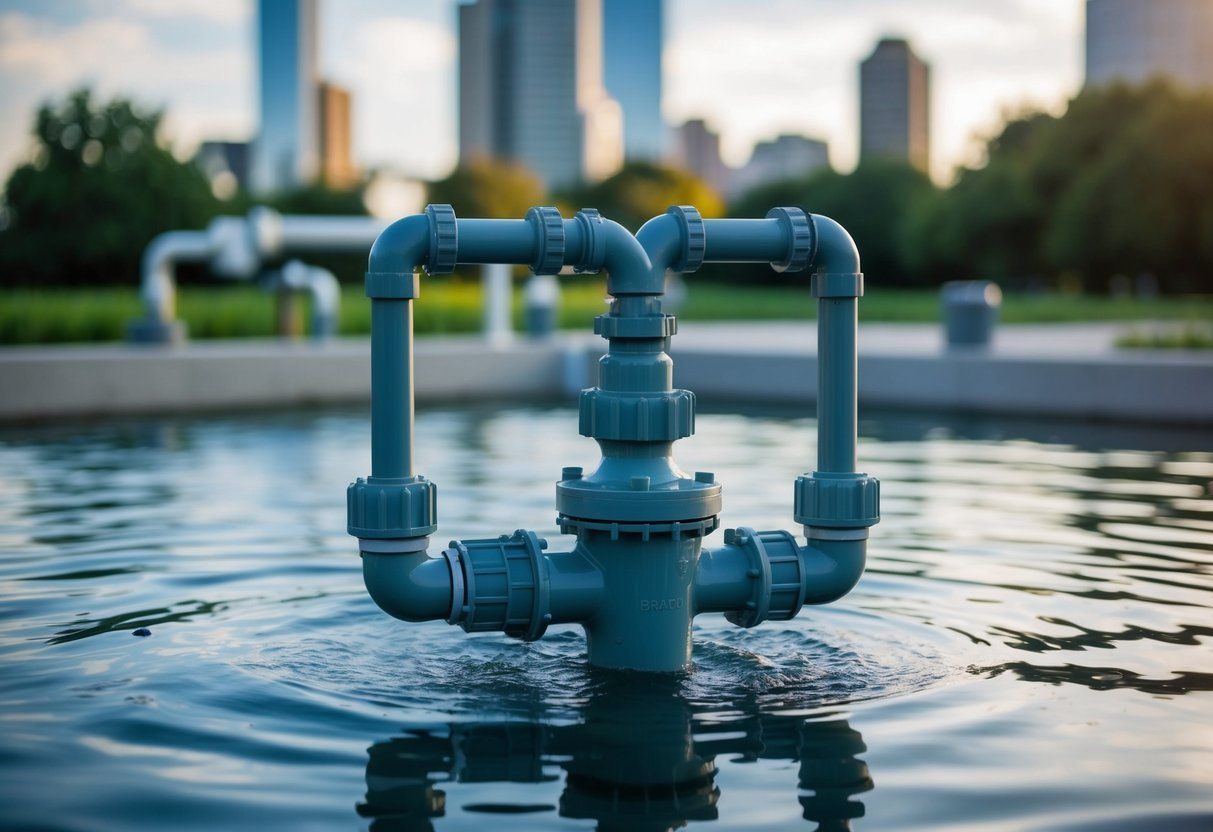
An air gap is one of the simplest and most effective ways to prevent backflow. It involves a physical separation between a water outlet and the flood level of a fixture. By providing space where water can fall freely, air gaps prevent contaminants from flowing back into our clean water supply.

Air gaps are commonly found in sinks, dishwashers, and water softeners. They require no moving parts, making them reliable and maintenance-free. Though simple, air gaps offer a strong line of defense against water contamination, making them a widely used backflow prevention method.

Comparing Backflow Prevention Assemblies

Choosing the right backflow prevention assembly depends on the level of hazard and application. Reduced-pressure principle assemblies are used in high-hazard areas due to their advanced design. They use valves and a relief valve to maintain safe water pressure.

  • Pros : High protection levels, reliable.
  • Cons : Regular maintenance required.

For moderate risks, double check valve assemblies are suitable. Vacuum breakers, such as pressure vacuum and atmospheric vacuum breakers, stop back-siphonage effectively.

Understanding each assembly’s pros and cons helps us choose the best solution for each situation. Each device serves a unique function and when used where needed, ensures that our water remains safe from backflow contamination.

Implementation and Maintenance of Backflow Preventers

Backflow prevention involves both the proper installation and consistent maintenance of the devices. It’s vital to ensure that these systems work effectively, requiring regular testing by licensed professionals. Managing pressure imbalances is also a key aspect, preventing potential malfunctions.

Installation and Setup

When we set up a backflow preventer, careful placement is crucial. The installation must comply with local regulations and codes to ensure safety. Typically, a licensed professional handles the process to guarantee accuracy.

Before the installation, we evaluate the type of backflow preventer needed based on water usage and specific risks. The device must be easily accessible for future maintenance and testing.

Routine Maintenance and Testing

Regular maintenance is essential to the effectiveness of backflow preventers. At least once a year, we should arrange for testing by a licensed backflow tester. This helps us identify any issues early on.

During maintenance, we inspect for wear and tear, ensuring all parts function well. Proper cleaning and servicing prolong the device’s lifespan and reliability in preventing contamination.

Identifying and Managing Pressure Imbalances

Pressure imbalances pose a significant risk to the water supply and backflow preventers. We regularly monitor water pressure to prevent issues. Detecting changes in pressure early helps us address potential problems promptly.

When pressure imbalances occur, immediate action is necessary. We might adjust system settings or replace faulty components to maintain balance. Managing these imbalances ensures the preventer operates effectively, keeping our water supply safe.

Regulations and Compliance in Backflow Prevention

Backflow prevention is crucial for keeping our water safe. We rely on specific regulations and compliance measures to ensure that plumbing systems are protected against contamination. Two main focuses are plumbing codes and the certification of testers.

Plumbing Codes and Cross-Connection Control Programs

Plumbing codes guide us in protecting public water supplies. They ensure that plumbing systems are built to prevent backflow. This involves rules about pipe installation and maintenance.

Cross-connection control programs are essential. They help us identify and address areas where contaminants could enter the water supply. By using these programs, we maintain a safe and reliable infrastructure.

Regular inspections and test reports keep everything up to date. This ongoing process ensures compliance with established guidelines and helps prevent any risks to public health.

Certification for Backflow Prevention Assembly Testers

Certification programs are vital for testing backflow prevention devices. These programs train our testers to install, inspect, and maintain these assemblies.

Certified testers play a crucial role in our safety. They ensure the devices work correctly and meet all standards. This compliance helps us avoid potential health hazards.

Testers undergo training to handle new technologies and updates in regulations. By keeping their skills current, they help maintain our confidence in the water supply’s safety. Regular recertification ensures they stay knowledgeable about the latest practices.

Recent Posts

Fast Response Plumbing technician servicing a water shut off valve in San Francisco
By Joe Tinsley July 17, 2026
Learn how gate valves, ball valves, and angle stops work, where to find them in your San Francisco home, and when to replace them. FAQs inside.
Budgeting for Unforeseen Sewer Line Maintenance Expenses
By Stefani January 31, 2026
Sewer line problems can hit your wallet fast, and we know the stress of a surprise repair. We show you how to plan a practical budget that covers emergency fixes, regular upkeep, and the big costs that sneak up on you. This saves you money and keeps small issues from turning into major failures. We […]
Seasonal Effects on Sewer Line Maintenance Costs
By Stefani January 30, 2026
You’ll want to know how seasons change what you pay for sewer line maintenance so you can plan ahead and avoid surprise bills. Seasonal weather, ground movement, and plant growth directly affect repair needs and costs, so budgeting by season cuts unexpected expenses. We outline what shifts costs, when repairs most often happen, and which […]
The Role of Location in Sewer Line Maintenance Pricing
By Stefani January 29, 2026
You’ll pay different amounts for sewer line maintenance depending on where your property sits and what’s under it. Location drives cost through factors like soil type, access difficulty, local labor rates, and permit rules, so knowing these lets you predict and plan for expenses. We’ll show how those local details shape quotes and outcomes. We’ll […]
Analyzing Material Expenses for Effective Sewer Line Care
By Stefani January 28, 2026
We’ll break down the real costs that matter for keeping a sewer line working well so you can plan and avoid surprises. You’ll learn which materials and fees drive most of the expense and how small choices can lower long-term costs. We’ll look at costs for parts, tools, permits, and regular cleaning, plus where labor […]
Understanding the Impact of Labor Costs on Sewer Line Maintenance
By Stefani January 25, 2026
You want to know how labor costs shape sewer line care and what that means for your wallet. We will show how wages, crew size, and the repair method you choose change the final bill so you can plan smarter and avoid surprises. Knowing which labor factors most drive costs lets you pick repair options […]
How to Interpret Sewer Line Inspection Reports
By Stefani January 24, 2026
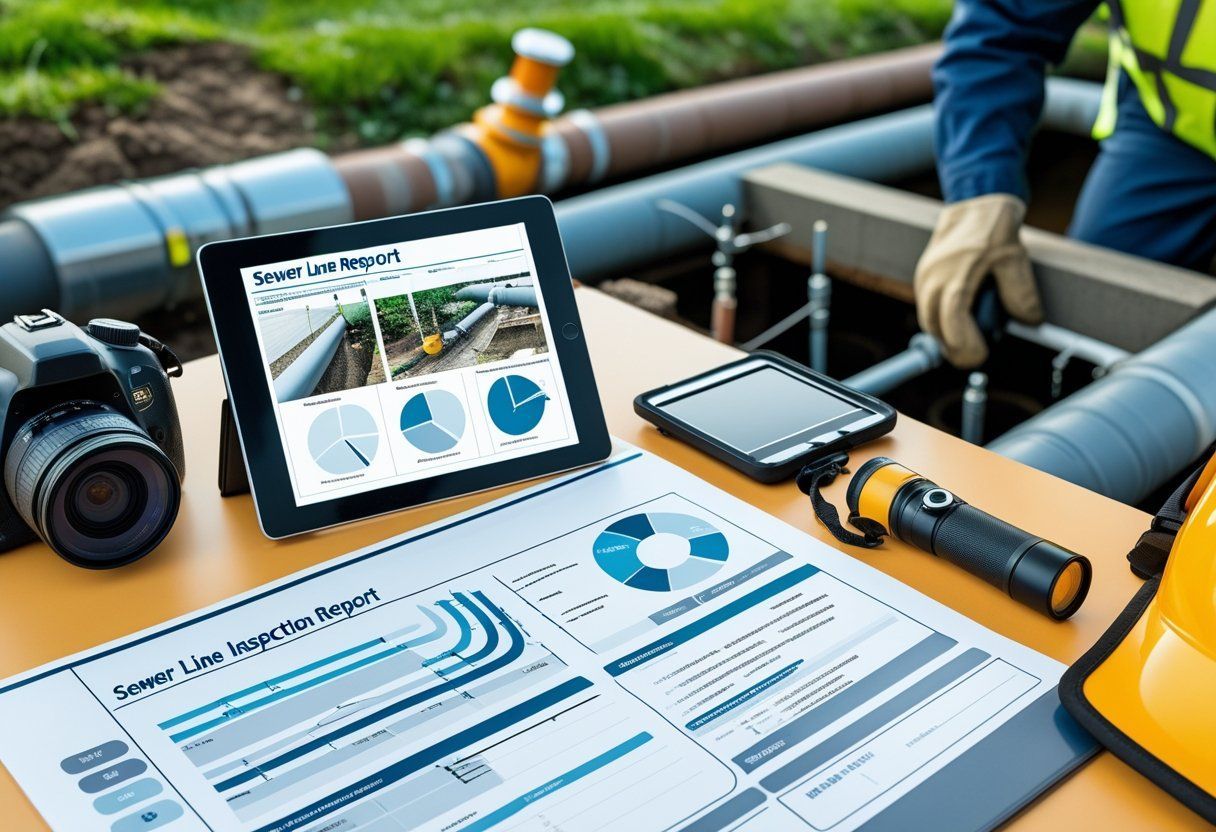
You’ll get clear steps to decode the most important parts of a sewer line inspection report so you can act with confidence. We show you how to spot real problems, what each defect means, and which issues need immediate repair versus routine maintenance. We break the report into simple pieces what the camera images show, […]
By Stefani January 23, 2026
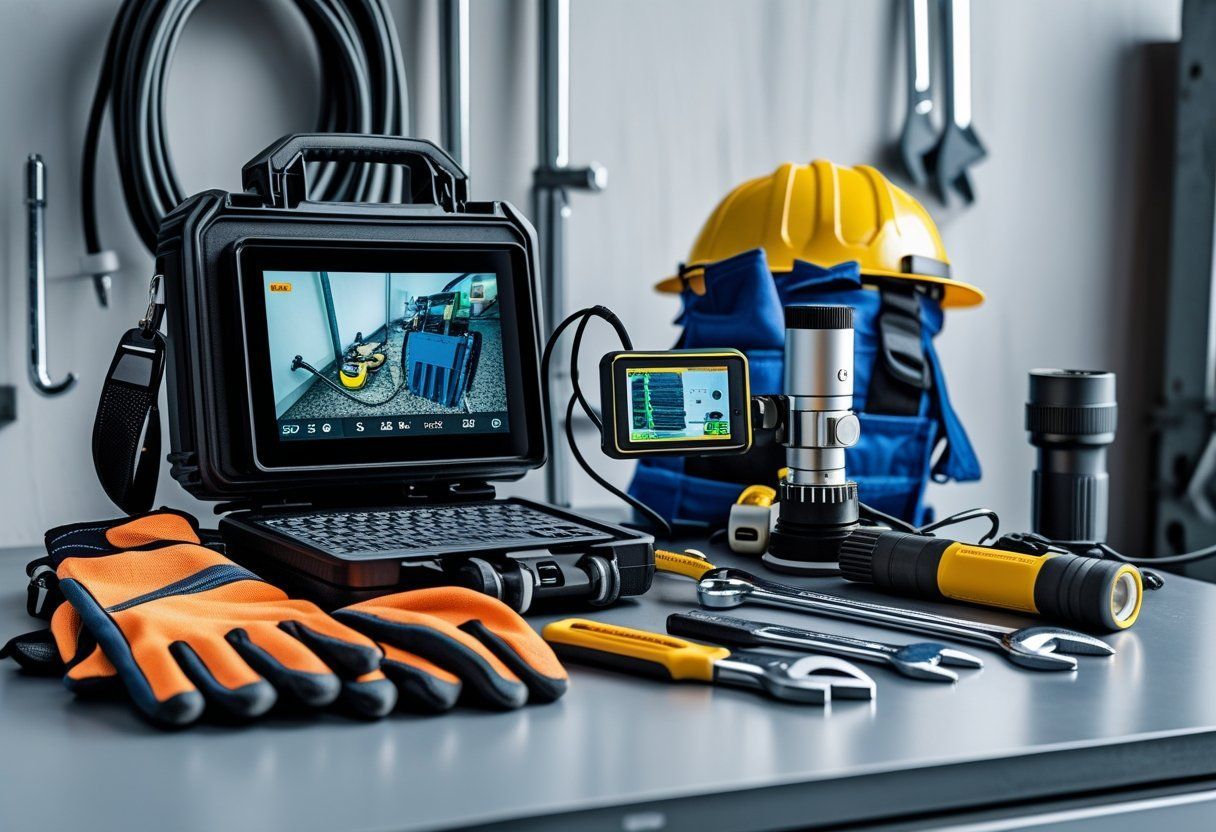
You want tools that give clear answers fast so you can find problems and fix them right. We rely on high-quality sewer cameras, locating gear, and cleaning tools to spot cracks, blockages, and defects in sewer lines accurately. Knowing which tools to use helps a plumber save time and avoid costly mistakes. We will walk […]
By Stefani January 22, 2026
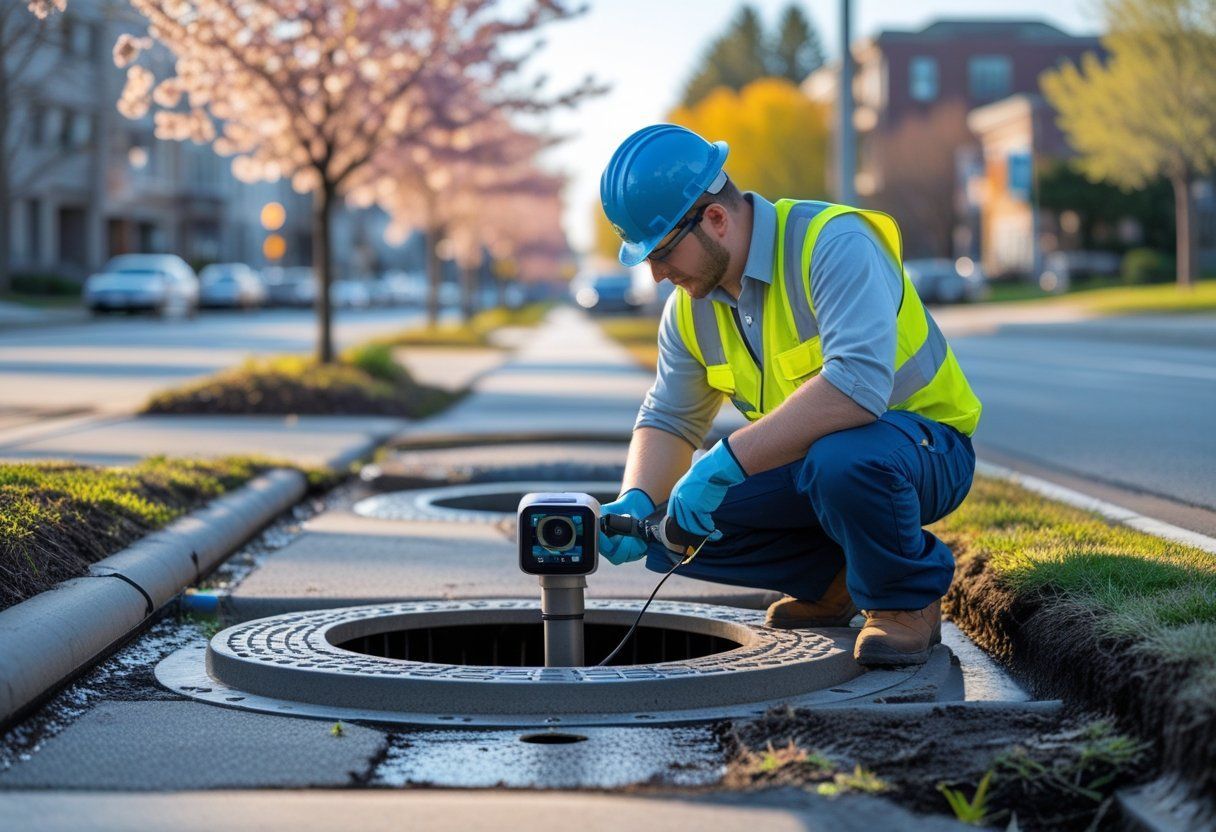
You want sewer line inspections timed so they catch problems before they get costly or urgent. We recommend scheduling inspections based on seasonal risks winter freeze, spring thaw, and heavy fall rains because timing cuts repair costs and prevents service interruptions. We will explain how weather, soil movement, and tree roots change the risk level […]
Common Mistakes to Avoid During Sewer Line Inspections
By Stefani January 18, 2026
We know sewer line inspections feel technical and tense, but avoiding a few common mistakes protects your home and wallet. Start by planning the inspection, knowing what to look for, and involving a qualified professional when signs point to trouble. That simple approach cuts down on missed problems and costly surprises. We will walk through […]
Show More