
Signs You Need a Toilet Replacement: Key Indicators to Watch For

daniel • September 5, 2024

Share this article

Identifying the Need for Toilet Replacement

As our toilets age, they can lose efficiency and start to show signs of wear. Recognizing these signs early can save us both money and water. Below, we explore some common indicators that a toilet replacement might be necessary.

Aging and Wear: When Old Toilets Show Their Age

Many of us have older toilets that might not work as well as they once did. Over time, parts like the flapper valve, fill valve, and handle can wear out. We might see frequent leaks or hear constant running water, which tells us the mechanisms aren’t sealing properly.

Older toilets often require more repairs. Replacing them with new models can bring better efficiency. The materials used in older toilets can also break down. Signs like rust on the metal parts and faded porcelain can show that it’s time for a change.

Consistent Performance Issues

If our toilets experience frequent clogs or require multiple flushes, it might indicate bigger problems. Older toilets might not handle waste as effectively as newer models. This can lead to consistent performance issues.

Replacing an inefficient toilet with a modern low-flush toilet can solve many of these problems. Newer models use advanced designs to clear waste with less water. This not only reduces clogs but also helps save on our water bills.

Visible Damage to the Porcelain

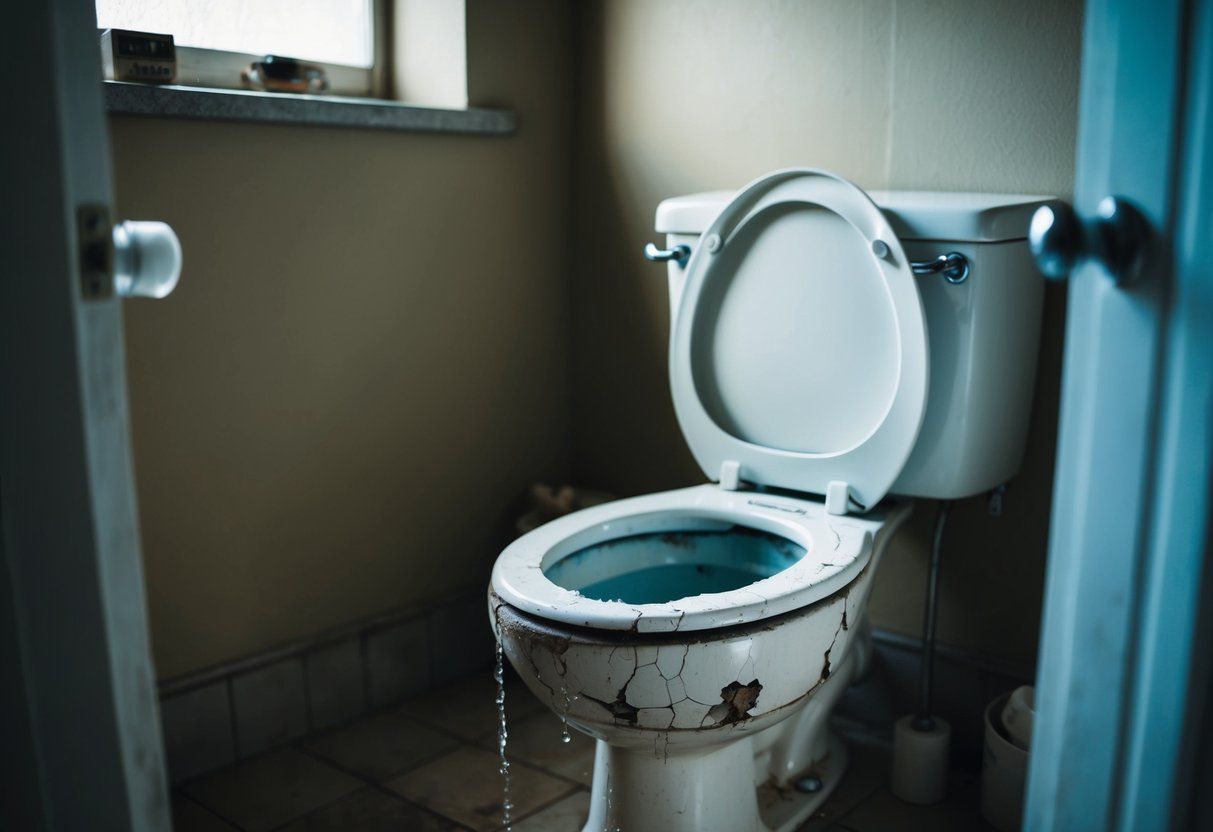
Porcelain cracks and chips are clear signs that it might be time for a replacement. Over time, even small cracks can worsen and lead to leaks. These issues not only make the toilet less efficient but also less safe.

Porcelain damage can also trap dirt and bacteria, making it hard to clean. This can cause stains and odors, making our bathrooms less pleasant. Replacing the toilet ensures a fresh, clean appearance and function.

Water Efficiency Concerns

Having an old toilet can lead to water waste. They often use more water per flush compared to newer, low-flush toilets. This can result in higher utility bills. In a world where water conservation is important, switching to a more efficient model benefits us and the environment.

Modern toilets use advanced systems to reduce water usage without sacrificing performance. By replacing outdated models, we can significantly decrease our household’s water footprint. These changes help ensure we conserve valuable resources.

The Cost of Sticking with an Outdated Toilet

Older toilets can lead to ongoing expenses that many of us might not immediately consider. Two of the biggest issues are frequent repairs and higher water bills. Let’s take a closer look at how these can affect our wallets.

Repetitive Repair Costs

When we constantly deal with clogs and old toilet parts, it means more frequent repairs. These problems don’t just fix themselves. We might notice parts breaking more often or needing adjustments.

Repairing these issues can add up over time, costing much more than expected. Parts and labor fees for plumbers mean regular spending. This routine can strain our budgets, especially if repairs are frequent.

A new toilet could reduce these repair costs. Investing in a newer model means fewer breakdowns, saving us from the headache of constant maintenance. We might find it worth considering the long-term savings.

Increased Water Bills

Outdated toilets often use more water per flush than newer models. Every time we flush, gallons of water might be wasted. This can cause a noticeable increase in our monthly water bills.

We might also find that older toilets leak, further increasing that bill. Every drop adds up, and we may end up paying for water we don’t use. By keeping our old toilet, we’re likely spending more than necessary on water.

Replacing it with a modern toilet can save money. Newer designs use less water per flush while still getting the job done. This could mean a significant drop in monthly costs over time, leading to more savings.

Toilet Replacement Process

When it’s time for a new toilet, making the right choices and ensuring proper installation is crucial. We will guide you through selecting a modern toilet and the importance of relying on a professional plumber for installation.

Choosing the Right Modern Toilet

Choosing a new toilet involves understanding your needs and space. Modern toilets come in various styles and features, like water-saving options and different bowl shapes. A round toilet bowl is popular because it fits well in small spaces. Some models focus on eco-friendliness, using less water per flush, which can save money on water bills over time.

When selecting a toilet, consider the existing bathroom plumbing . Make sure that the new toilet can connect easily to prevent leaks and other issues. It’s also smart to measure the space so that the new toilet fits comfortably. Let’s not forget about comfort: some toilets offer higher bowls or soft-close seats for a more pleasant experience.

Professional Installation

Proper installation is critical. Hiring a professional plumber ensures that the job is done right the first time. They have the tools and experience to handle any plumbing adjustments. This minimizes problems like leaks or improper fitting, which could lead to costly repairs later.

We should check that the water lines and fittings match the new toilet, preventing any accidents. A trained plumber will also ensure that any waste pipes are aligned correctly. This guarantees optimal performance and helps maintain sanitation standards. Seeking professional help allows us to focus on enjoying our new fixture without worrying about installation hassles.

Recent Posts

Fast Response Plumbing technician servicing a water shut off valve in San Francisco
By Joe Tinsley July 17, 2026
Learn how gate valves, ball valves, and angle stops work, where to find them in your San Francisco home, and when to replace them. FAQs inside.
Budgeting for Unforeseen Sewer Line Maintenance Expenses
By Stefani January 31, 2026
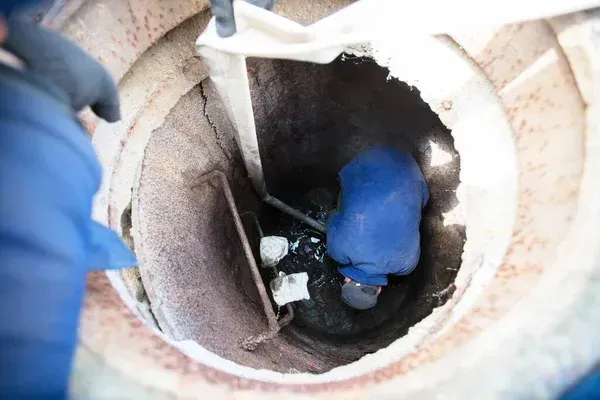
Sewer line problems can hit your wallet fast, and we know the stress of a surprise repair. We show you how to plan a practical budget that covers emergency fixes, regular upkeep, and the big costs that sneak up on you. This saves you money and keeps small issues from turning into major failures. We […]
Seasonal Effects on Sewer Line Maintenance Costs
By Stefani January 30, 2026
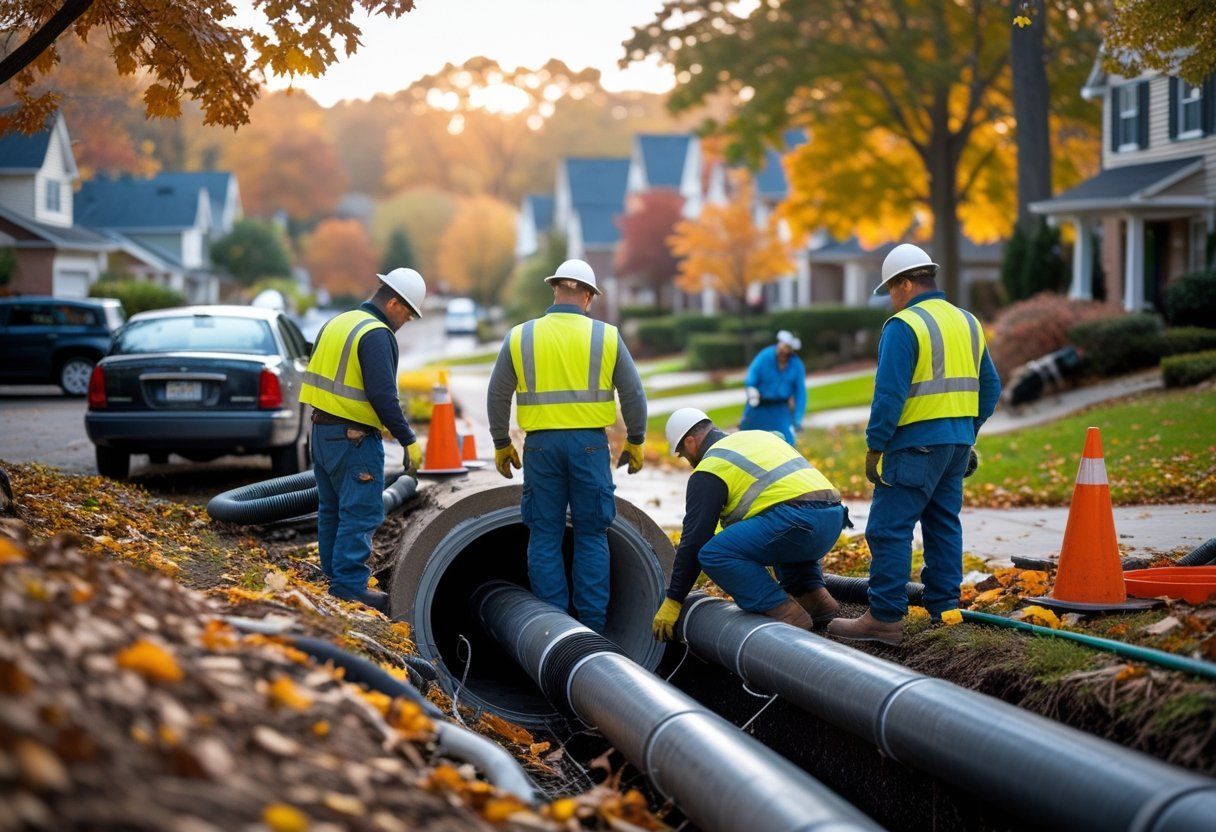
You’ll want to know how seasons change what you pay for sewer line maintenance so you can plan ahead and avoid surprise bills. Seasonal weather, ground movement, and plant growth directly affect repair needs and costs, so budgeting by season cuts unexpected expenses. We outline what shifts costs, when repairs most often happen, and which […]
The Role of Location in Sewer Line Maintenance Pricing
By Stefani January 29, 2026
You’ll pay different amounts for sewer line maintenance depending on where your property sits and what’s under it. Location drives cost through factors like soil type, access difficulty, local labor rates, and permit rules, so knowing these lets you predict and plan for expenses. We’ll show how those local details shape quotes and outcomes. We’ll […]
Analyzing Material Expenses for Effective Sewer Line Care
By Stefani January 28, 2026
We’ll break down the real costs that matter for keeping a sewer line working well so you can plan and avoid surprises. You’ll learn which materials and fees drive most of the expense and how small choices can lower long-term costs. We’ll look at costs for parts, tools, permits, and regular cleaning, plus where labor […]
Understanding the Impact of Labor Costs on Sewer Line Maintenance
By Stefani January 25, 2026
You want to know how labor costs shape sewer line care and what that means for your wallet. We will show how wages, crew size, and the repair method you choose change the final bill so you can plan smarter and avoid surprises. Knowing which labor factors most drive costs lets you pick repair options […]
How to Interpret Sewer Line Inspection Reports
By Stefani January 24, 2026
You’ll get clear steps to decode the most important parts of a sewer line inspection report so you can act with confidence. We show you how to spot real problems, what each defect means, and which issues need immediate repair versus routine maintenance. We break the report into simple pieces what the camera images show, […]
By Stefani January 23, 2026
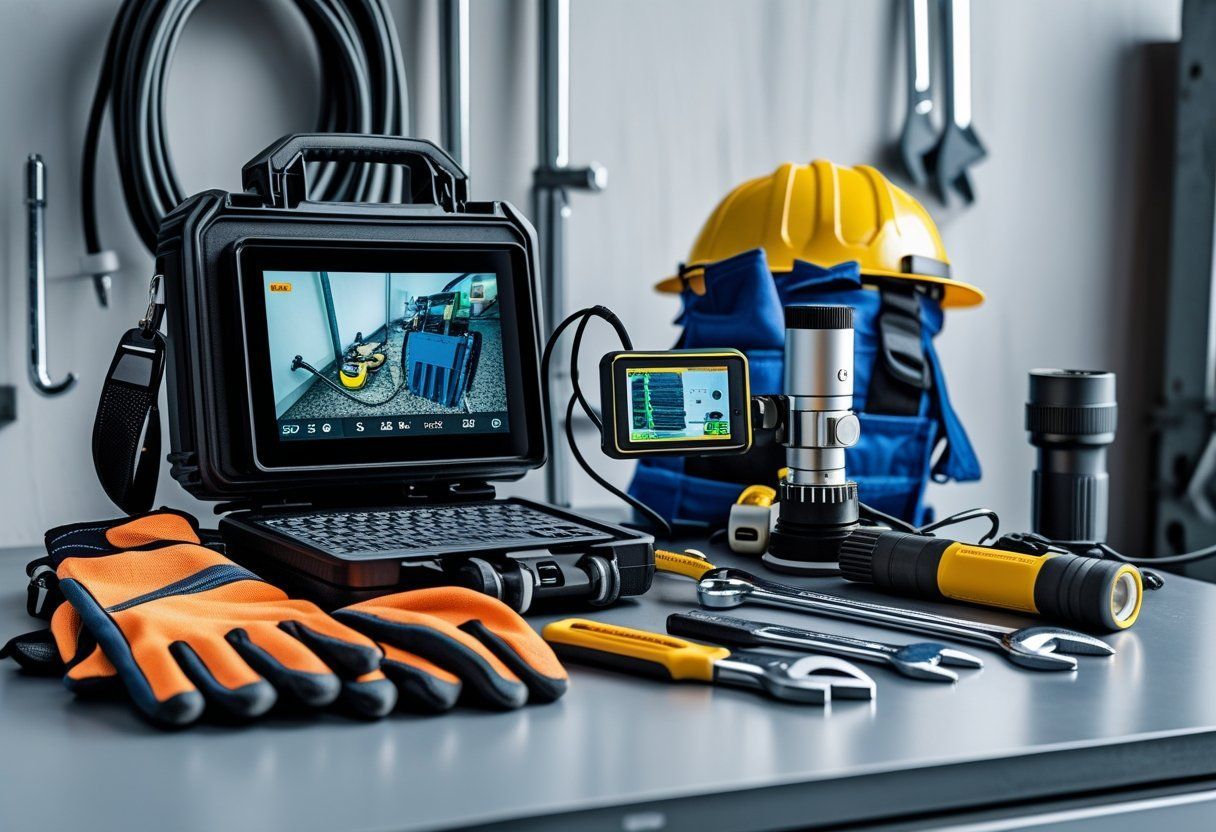
You want tools that give clear answers fast so you can find problems and fix them right. We rely on high-quality sewer cameras, locating gear, and cleaning tools to spot cracks, blockages, and defects in sewer lines accurately. Knowing which tools to use helps a plumber save time and avoid costly mistakes. We will walk […]
By Stefani January 22, 2026
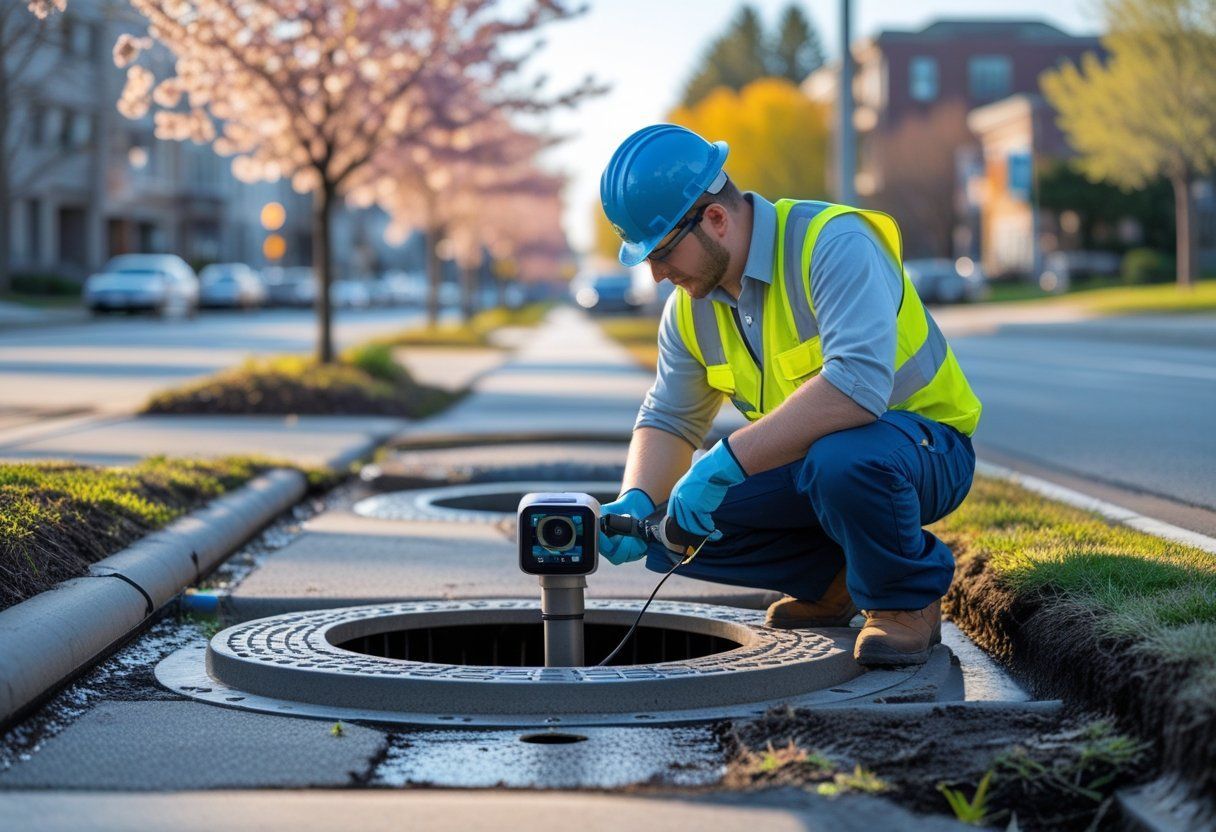
You want sewer line inspections timed so they catch problems before they get costly or urgent. We recommend scheduling inspections based on seasonal risks winter freeze, spring thaw, and heavy fall rains because timing cuts repair costs and prevents service interruptions. We will explain how weather, soil movement, and tree roots change the risk level […]
Common Mistakes to Avoid During Sewer Line Inspections
By Stefani January 18, 2026
We know sewer line inspections feel technical and tense, but avoiding a few common mistakes protects your home and wallet. Start by planning the inspection, knowing what to look for, and involving a qualified professional when signs point to trouble. That simple approach cuts down on missed problems and costly surprises. We will walk through […]
Show More