
Common Toilet Problems and How to Fix Them: Expert Solutions for Homeowners

daniel • September 3, 2024

Share this article

Understanding Toilet Mechanics and Components

When we dissect the workings of a toilet, we realize there are several key parts. Each component plays a vital role in making sure everything flushes smoothly.

Anatomy of a Toilet Tank

Inside the tank, several parts work together. The flush valve connects the tank to the bowl. Water enters the bowl through this part when we flush. The toilet flapper sits at the flush valve’s base, blocking water until the flush lever pulls it open.

Above this, the overflow tube prevents flooding by redirecting extra water. The fill valve —or ballcock—uses a float to measure water levels. It stops water once the tank hits its limit. A fill tube connects to the overflow tube, keeping the toilet ready for the next flush. These pieces function together to manage water efficiently.

Toilet Bowl Structure

The toilet bowl collects waste and water. It’s designed to direct waste to the sewage system. When we flush, water from the tank flows into the bowl, forcing contents through the trapway, which prevents sewage gases from rising.

Each flush triggers suction in the bowl. This happens as water runs into the bowl’s rim jets. These jets ensure water enters with enough force. Lift chains connect to the flapper, signaling the bowl to release used water. While bowl mechanics seem simple, they’re crucial for clean and odor-free operation.

Troubleshooting Common Toilet Problems

Let’s dive into some common toilet issues that we all might face. From clogs to leaks, these problems can be handled with the right tools and a bit of know-how.

Dealing with a Clogged Toilet

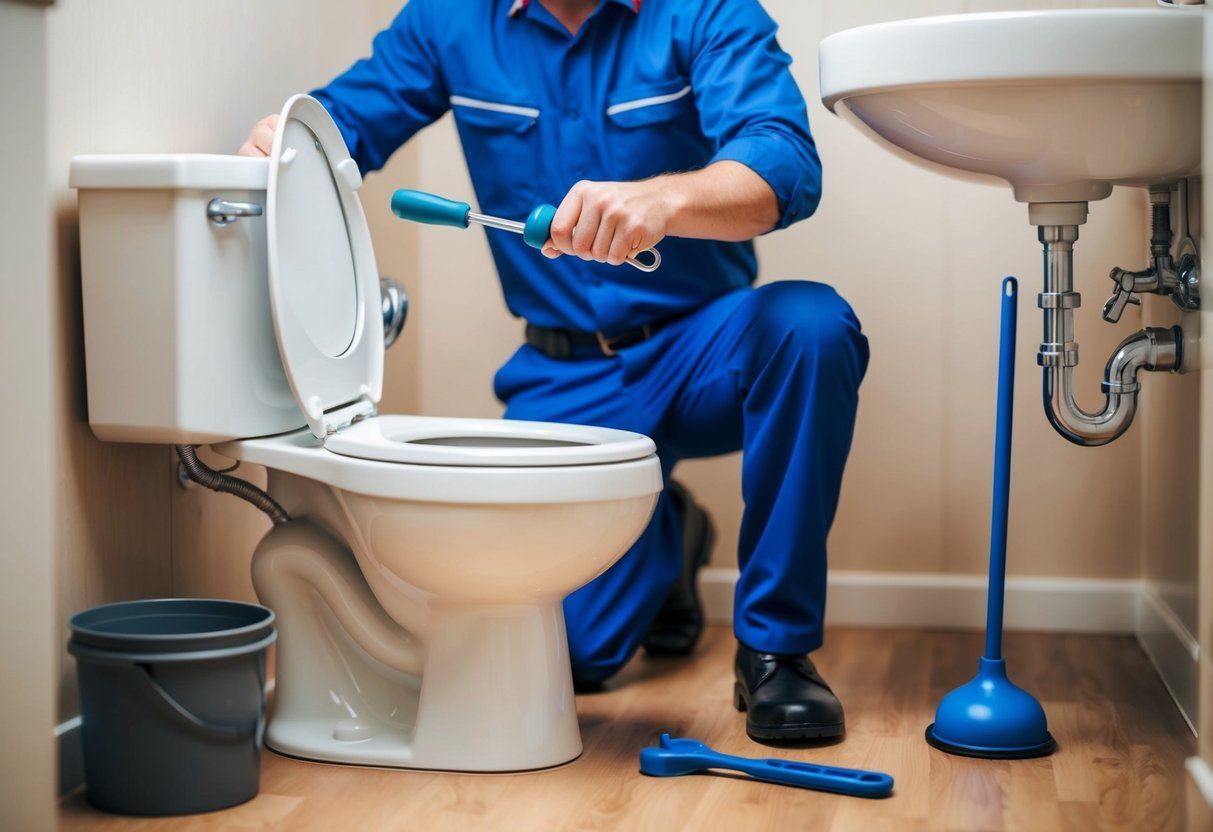
When we face a clogged toilet, a toilet plunger is our go-to tool. Place the plunger over the drain hole and push down firmly, then lift quickly. Repeat several times to create suction, which helps remove the blockage. If the plunger isn’t enough, using a plumbing snake can reach deeper clogs. Insert the snake into the toilet drain and turn the handle clockwise to break up the obstruction. By carefully following these steps, most toilet clogs can be cleared effectively.

Fixing a Running Toilet

A running toilet can waste a lot of water. Often, the problem lies with the flapper valve inside the tank. If it doesn’t seal well, water continuously flows into the bowl. We should check the flapper for damage or warping and replace it if necessary. Adjusting the chain length attached to the flush handle can also help ensure the flapper closes fully. This simple fix can save water and reduce our utility bills.

Resolving Toilet Leaks and Seal Issues

Toilet leaks are often traced to a worn-out wax ring seal between the toilet and the floor. We can test for leaks by adding food coloring to the tank water; if color appears in the bowl without flushing, there’s a leak. Replacing the wax ring involves removing the toilet and fitting a new wax ring to ensure a tight seal. Ensuring the toilet is mounted securely on the floor prevents future leaks and protects our bathroom from water damage.

Handling Toilet Flush Mechanism Failures

When the toilet doesn’t flush properly, several components could be at fault. A loose flush handle might not lift the flapper enough, requiring tightening or replacing the handle. We should also look at the lift chain and make sure it’s securely attached. Ghost flushing, where the toilet refills without being used, is often due to a faulty flapper valve, which may need replacing. Addressing these issues promptly ensures our toilet flushes effectively each time.

Regular Maintenance and Replacement of Toilet Components

Maintaining a toilet is key to avoiding leaks, clogs, and other issues. Knowing when to replace parts like the flapper or wax ring can save time and frustration. Understanding the tools needed for repairs and taking preventive steps ensures our toilets work efficiently.

When to Replace Toilet Components

Toilets have many parts that wear out over time. The toilet flapper is prone to degrade and should be checked every few months. If water runs continuously, it’s a sign the flapper needs replacing. Wax rings can crack, leading to leaks, so replace them when removing the toilet for any reason.

The toilet handle might become loose or stop working if it’s corroded. Replacing it is usually simple and affordable. Our toilet seat can also wear over time, cracking or becoming unstable. It’s a good idea to change it if it becomes uncomfortable or unsanitary.

Traps inside the toilet may crack or clog. If a plunger or toilet auger doesn’t solve the issue, it might be time to inspect the trap. Regular checks help prevent bigger problems.

Choosing the Right Tools for Toilet Repair

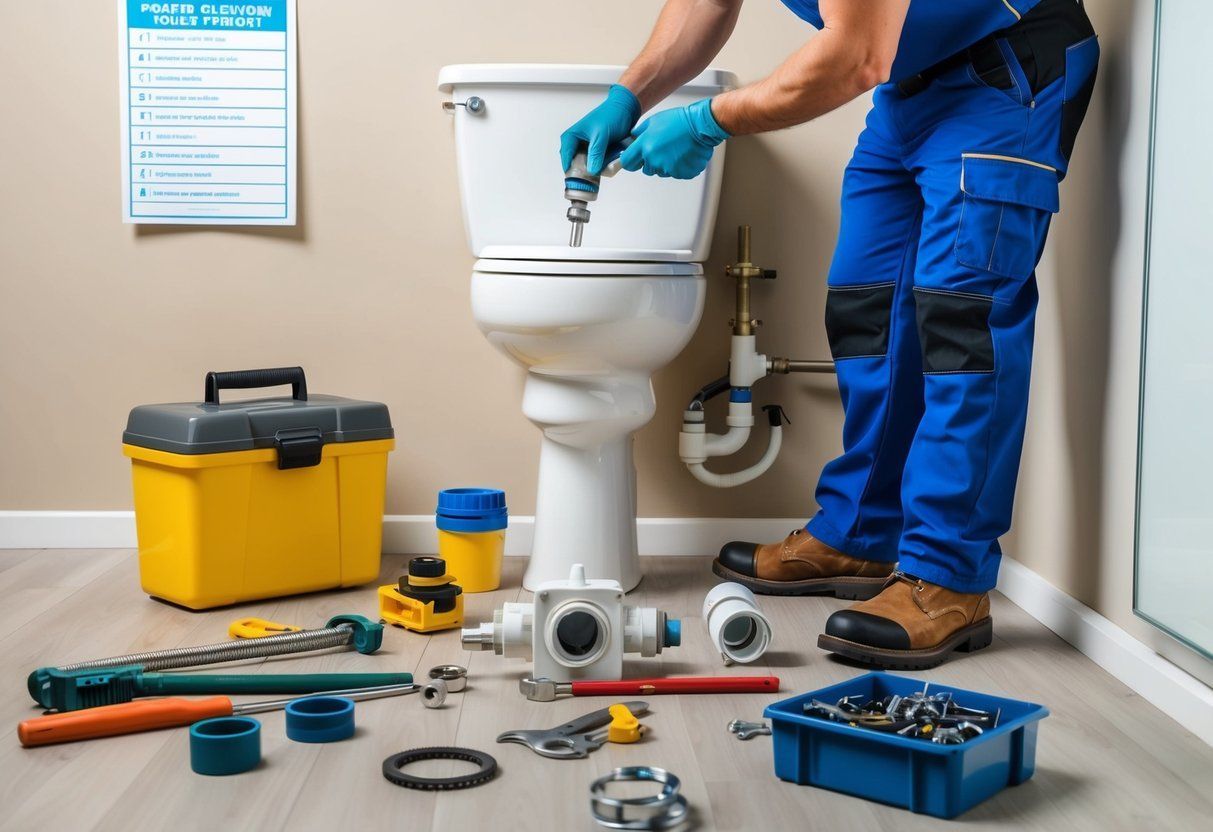
Having the right tools makes toilet repairs easier and faster. A toilet auger is essential for unclogging tough blockages that a plunger can’t handle. Keep one handy to prevent emergency plumber visits. Additionally, a good-quality wrench set is vital for tightening or replacing nuts and bolts around the handle or seat .

We should also have a set of screwdrivers for handling different types of screws. A bucket is useful for catching excess water during repairs. Keep some old towels nearby for cleaning up spills.

Lubricant spray can help loosen rusty or corroded bolts. Protecting surfaces with tarps or old newspapers helps avoid damage during repairs. Having these tools can make maintenance easier and reduce stress.

Preventive Measures to Avoid Toilet Problems

Regular checks and smart practices can keep toilets in top condition. Flush only toilet paper to avoid clogs. Educate family members on what not to flush to prevent blockages in the trap . Clean the toilet every week, focusing on areas prone to buildup.

We should inspect for leaks around the base and behind the tank, where the wax ring sits. A simple solution of water and soap can reveal leaks if it bubbles when applied. Replace damaged components promptly to prevent further damage. Regular checks of the handle and flush mechanism ensure smooth operation.

Taking these steps will save us time, money, and headaches in the long run. Regular attention can keep our toilet in perfect working order.

Recent Posts

Fast Response Plumbing technician servicing a water shut off valve in San Francisco
By Joe Tinsley July 17, 2026
Learn how gate valves, ball valves, and angle stops work, where to find them in your San Francisco home, and when to replace them. FAQs inside.
Budgeting for Unforeseen Sewer Line Maintenance Expenses
By Stefani January 31, 2026
Sewer line problems can hit your wallet fast, and we know the stress of a surprise repair. We show you how to plan a practical budget that covers emergency fixes, regular upkeep, and the big costs that sneak up on you. This saves you money and keeps small issues from turning into major failures. We […]
Seasonal Effects on Sewer Line Maintenance Costs
By Stefani January 30, 2026
You’ll want to know how seasons change what you pay for sewer line maintenance so you can plan ahead and avoid surprise bills. Seasonal weather, ground movement, and plant growth directly affect repair needs and costs, so budgeting by season cuts unexpected expenses. We outline what shifts costs, when repairs most often happen, and which […]
The Role of Location in Sewer Line Maintenance Pricing
By Stefani January 29, 2026
You’ll pay different amounts for sewer line maintenance depending on where your property sits and what’s under it. Location drives cost through factors like soil type, access difficulty, local labor rates, and permit rules, so knowing these lets you predict and plan for expenses. We’ll show how those local details shape quotes and outcomes. We’ll […]
Analyzing Material Expenses for Effective Sewer Line Care
By Stefani January 28, 2026
We’ll break down the real costs that matter for keeping a sewer line working well so you can plan and avoid surprises. You’ll learn which materials and fees drive most of the expense and how small choices can lower long-term costs. We’ll look at costs for parts, tools, permits, and regular cleaning, plus where labor […]
Understanding the Impact of Labor Costs on Sewer Line Maintenance
By Stefani January 25, 2026
You want to know how labor costs shape sewer line care and what that means for your wallet. We will show how wages, crew size, and the repair method you choose change the final bill so you can plan smarter and avoid surprises. Knowing which labor factors most drive costs lets you pick repair options […]
How to Interpret Sewer Line Inspection Reports
By Stefani January 24, 2026
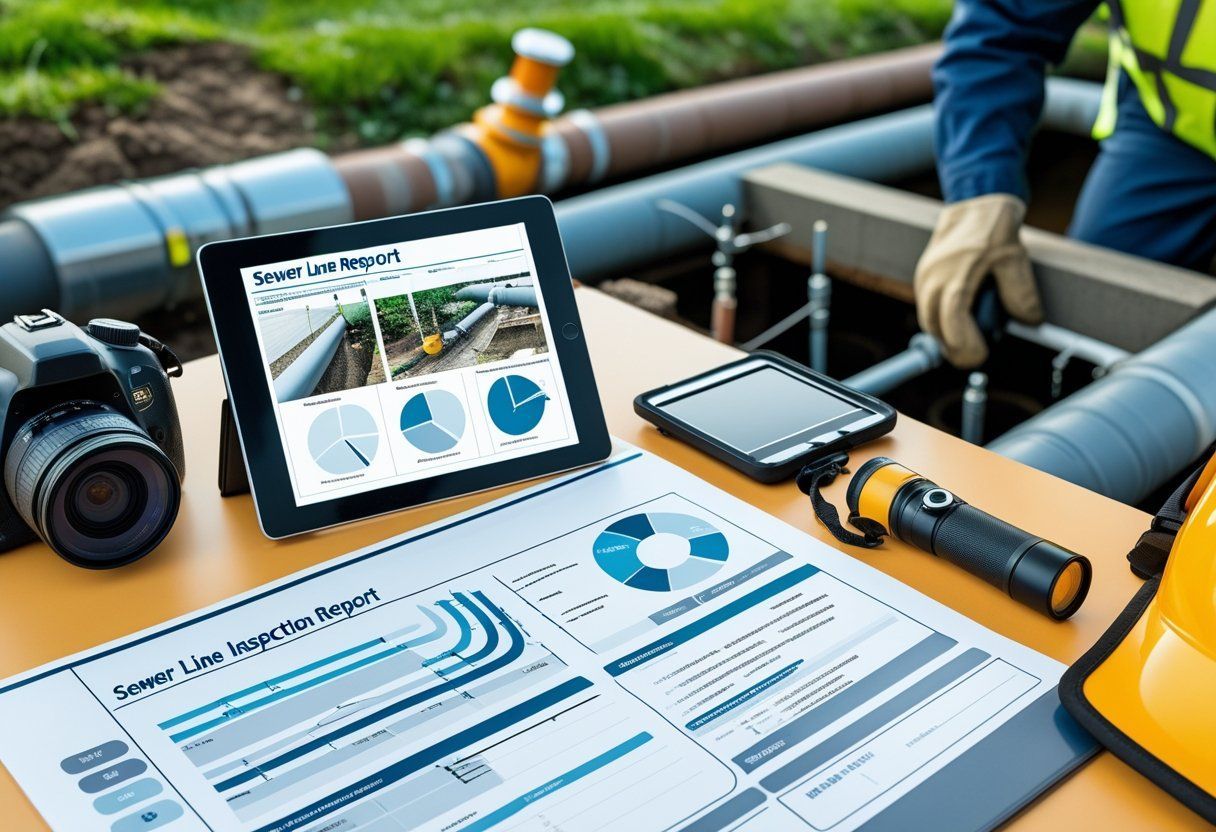
You’ll get clear steps to decode the most important parts of a sewer line inspection report so you can act with confidence. We show you how to spot real problems, what each defect means, and which issues need immediate repair versus routine maintenance. We break the report into simple pieces what the camera images show, […]
Tool kit with hard hat, gloves, laptop, and handheld device on a workbench in a workshop
By Stefani January 23, 2026
You want tools that give clear answers fast so you can find problems and fix them right. We rely on high-quality sewer cameras, locating gear, and cleaning tools to spot cracks, blockages, and defects in sewer lines accurately. Knowing which tools to use helps a plumber save time and avoid costly mistakes. We will walk […]
Worker in blue hard hat inspecting a manhole on a street with a camera device
By Stefani January 22, 2026
You want sewer line inspections timed so they catch problems before they get costly or urgent. We recommend scheduling inspections based on seasonal risks winter freeze, spring thaw, and heavy fall rains because timing cuts repair costs and prevents service interruptions. We will explain how weather, soil movement, and tree roots change the risk level […]
Common Mistakes to Avoid During Sewer Line Inspections
By Stefani January 18, 2026
We know sewer line inspections feel technical and tense, but avoiding a few common mistakes protects your home and wallet. Start by planning the inspection, knowing what to look for, and involving a qualified professional when signs point to trouble. That simple approach cuts down on missed problems and costly surprises. We will walk through […]
Show More