Understanding Local Regulations for Commercial Sewer Lines: Key Compliance Factors for Businesses

Stefani • July 9, 2025

Share this article

Core Local Regulations Governing Commercial Sewer Lines

Local rules for commercial sewer lines are usually strict because of public health concerns and the need for environmental protection. We must understand not just who creates these rules, but also how national standards shape local laws and the main steps needed to stay in compliance.

Jurisdictional Authority and Code Variations

Local city or county governments have primary authority over commercial sewer lines. Building departments, public works offices, and municipal utilities each play a role. Their codes may differ depending on the age of local infrastructure, climate, and population density.

We often see that what is allowed in one city may be illegal in another. Codes may cover pipe material, minimum line sizes, depth below ground, and connection requirements to the main municipal sewer.

Because these codes impact health, there are frequent updates. Staying informed about the exact local law is crucial, since mistakes can mean expensive fixes or even fines.

EPA Influence on Local Standards

The Environmental Protection Agency (EPA) sets federal guidelines that guide local authorities but does not govern day-to-day sewer line approvals. EPA rules address water pollution, industrial waste limits, and discharge monitoring to protect public health and waterways.

Local agencies use EPA standards as a baseline. They can add stricter limits depending on local needs. For example, if a town’s river is restored, local codes may require extra waste testing.

Common EPA requirements reflected in local code:

  • Pre-treatment for certain industries
  • Sampling manholes for wastewater
  • Reporting spills or unauthorized discharges

Following both EPA and local rules is necessary for all commercial main sewer connections.

Key Permits and Compliance Requirements

Before building or changing a commercial sewer line, permits are required from the local authority. Permit applications usually request:

  1. Site plans showing the route to the main sewer line
  2. Engineering drawings with material specs
  3. Proof of capacity in the existing system
  4. Required fees

Inspections are scheduled both during and after work. Inspectors check for legal pipe size, correct slope, and that there are no illegal cross-connections with stormwater or private septic systems.

If codes are not met, the project cannot be approved for use. Re-inspections may be needed, and fines can be issued for unauthorized connections or health risks. We must always ensure that all permits are active and inspections passed before using any new commercial sewer line.

Defining Responsibilities for Commercial Sewer Line Maintenance

We need to know who is in charge of keeping commercial sewer lines working. Local rules often spell out which parts belong to the property owners and which belong to the city.

Property Owner versus Municipality Obligations

Commercial property owners usually handle the sewer lines that run from their buildings to the main city line. This means we, as property owners, must pay for repairs, cleaning, and regular checks on our own side of the line. If a problem like a clog or break happens in this section, it’s our job to fix it.

Cities and towns take care of the main public sewer lines. They handle cleaning, repairs, and upgrades for the parts that serve everyone in the area. Local regulations will clearly state these split responsibilities. In some cities, owners’ duties end exactly at the property line, while others draw the line at the street or curb.

If we aren’t sure who is responsible for a repair, a good practice is to check with our city’s public works department. Many have online maps or guidelines that help us find out where our responsibility ends and the city’s begins.

Understanding Sewer Laterals and Main Sewer Lines

A sewer lateral is the pipe that connects our building to the city’s main sewer line. For most commercial properties, we are responsible for the entire sewer lateral, even if it runs under sidewalks or streets until it connects with the main line.

Main sewer lines run under city streets and handle waste from many properties. The city must keep these lines in good working order for public health and sanitation.

If our building’s lateral fails, we might notice slow drains, backups, or pooling water. These are signs we must act fast to protect our property and prevent fines. It’s important to know exactly where the lateral runs. A quick look at a city utility map or speaking to city staff can help.

Component Common Owner Maintenance Duty
Building Plumbing Property Owner Full
Sewer Lateral Property Owner Full (often to main)
Main Sewer Line Municipality Full

Enforcement and Legal Implications

Local officials enforce sewer maintenance rules to protect public health and the environment. If we don’t keep our lines in working order, the city can cite us for code violations, which may bring fines or even legal action.

Frequent inspections and proper documentation help us avoid legal problems. In many places, a property owner who ignores a required repair risks a lien on the property. If a sewer backup from our line affects others, we may also face claims for damages.

Local regulations might also require us to submit proof of repairs or schedule regular maintenance. Staying informed about city codes and meeting these requirements helps us protect our property and follow the law.

Inspection and Maintenance Protocols for Commercial Properties

We must stay compliant with local regulations and keep our sewer systems functioning properly. This means following set schedules for inspections, maintaining detailed records, and using the right materials and processes whenever we work on the main sewer line.

Inspection Frequency and Required Documentation

Most local authorities set minimum inspection frequencies for commercial properties, usually ranging from once a year to every few years. Some high-traffic buildings might need more frequent checks. Regular inspections help us spot small problems before they can cause bigger issues such as costly repairs or violations.

Required documentation includes inspection logs, repair records, camera footage of the sewer line, and any findings of damage or leaks. We must keep these records accessible and organized for potential review by local agencies or inspectors.

Preventive Maintenance Strategies

Preventive maintenance is crucial for avoiding sewer system failures. Strategies often include periodic cleaning with hydro-jetting, root removal from sewer pipes, and scheduled inspections of manhole covers and traps. We may also use grease management programs if our property has a commercial kitchen.

It is important to look for signs such as slow drains, gurgling sounds, and odors, which can indicate blockages. By identifying and repairing small leaks early, we help prevent serious and expensive damage to the main sewer line.

Some local rules may require us to use licensed professionals for this work. Keeping up with maintenance helps us avoid fines, unexpected shutdowns, and complaints from tenants or customers.

Material and Installation Standards

We must use approved materials for all repairs and replacements on commercial sewer systems. Most local codes require specific pipe types, such as PVC, cast iron, or HDPE, for main sewer lines. The size and type of pipe, as well as fittings and connections, must match code requirements.

Only certified contractors should handle installation or major repairs. Local regulations may require permits and detailed plans before starting work. Proper bedding, alignment, and slope are critical for sewer line performance and code compliance.

By following strict material and installation standards, we help ensure long-term safety and reliability for our property’s sewer infrastructure.

Impact of Sewer Line Regulations on Public Health and Water Supply

Sewer line rules help protect people and the environment from harmful waste. They make sure that drinking water stays clean and that diseases do not spread in our communities.

Regulations for Protecting Water Quality

Keeping water safe starts with strong sewer line standards. Local rules and federal laws, such as those enforced by the EPA, set limits on what can enter our water systems.

We need regular inspections to check for leaks and blockages. These steps stop sewage from leaking into rivers or underground water supplies. Some areas require special backflow devices to keep dirty water from contaminating clean sources.

It is important that commercial property owners monitor their waste discharge. Cities may even use sensors to watch for signs of pollution. This helps keep the water supply safe for homes, schools, and hospitals.

When wastewater is managed properly, harmful chemicals and bacteria are less likely to enter lakes and drinking water. This protects fish, wildlife, and people who rely on city water.

Mitigating Risks to Community Health

Proper sewer line rules lower the risk of illness in our neighborhoods. Leaking pipes can spread dangerous germs and chemicals. If not stopped, this can cause problems like stomach illness or skin infections.

Health departments and the EPA work with cities to track sewer issues. They respond quickly if a sewer overflows or if water gets contaminated. Training programs teach workers the right way to handle and repair sewer pipes.

Clear signs and warning systems inform the public about spills or water problems. This helps people avoid areas that might be unsafe. By following set procedures, we reduce the chance of disease spreading at workplaces or nearby homes.

Strong enforcement of rules means fewer health emergencies and safer water for all. This keeps our communities healthier and reduces medical costs linked to unsafe water.

Recent Posts

Fast Response Plumbing technician servicing a water shut off valve in San Francisco
By Joe Tinsley July 17, 2026
Learn how gate valves, ball valves, and angle stops work, where to find them in your San Francisco home, and when to replace them. FAQs inside.
Budgeting for Unforeseen Sewer Line Maintenance Expenses
By Stefani January 31, 2026
Sewer line problems can hit your wallet fast, and we know the stress of a surprise repair. We show you how to plan a practical budget that covers emergency fixes, regular upkeep, and the big costs that sneak up on you. This saves you money and keeps small issues from turning into major failures. We […]
Seasonal Effects on Sewer Line Maintenance Costs
By Stefani January 30, 2026
You’ll want to know how seasons change what you pay for sewer line maintenance so you can plan ahead and avoid surprise bills. Seasonal weather, ground movement, and plant growth directly affect repair needs and costs, so budgeting by season cuts unexpected expenses. We outline what shifts costs, when repairs most often happen, and which […]
The Role of Location in Sewer Line Maintenance Pricing
By Stefani January 29, 2026
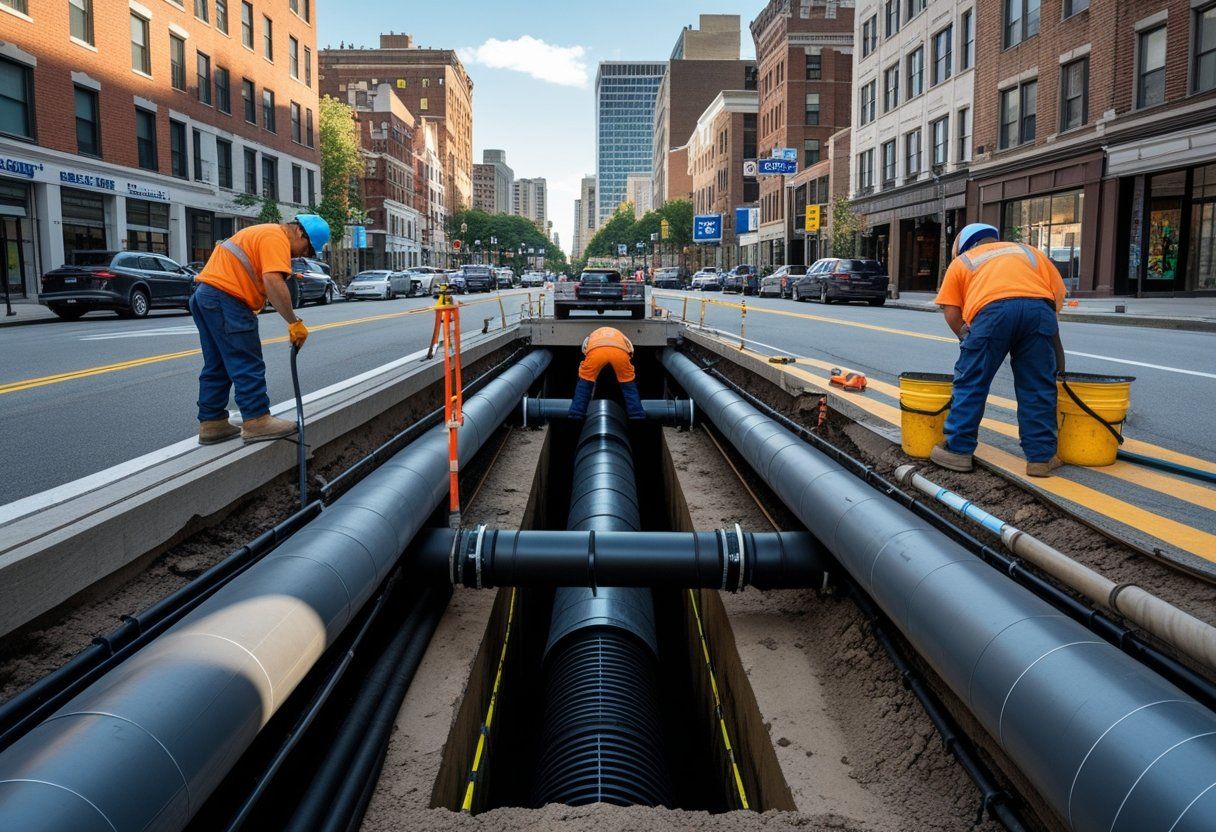
You’ll pay different amounts for sewer line maintenance depending on where your property sits and what’s under it. Location drives cost through factors like soil type, access difficulty, local labor rates, and permit rules, so knowing these lets you predict and plan for expenses. We’ll show how those local details shape quotes and outcomes. We’ll […]
Analyzing Material Expenses for Effective Sewer Line Care
By Stefani January 28, 2026
We’ll break down the real costs that matter for keeping a sewer line working well so you can plan and avoid surprises. You’ll learn which materials and fees drive most of the expense and how small choices can lower long-term costs. We’ll look at costs for parts, tools, permits, and regular cleaning, plus where labor […]
Understanding the Impact of Labor Costs on Sewer Line Maintenance
By Stefani January 25, 2026
You want to know how labor costs shape sewer line care and what that means for your wallet. We will show how wages, crew size, and the repair method you choose change the final bill so you can plan smarter and avoid surprises. Knowing which labor factors most drive costs lets you pick repair options […]
How to Interpret Sewer Line Inspection Reports
By Stefani January 24, 2026
You’ll get clear steps to decode the most important parts of a sewer line inspection report so you can act with confidence. We show you how to spot real problems, what each defect means, and which issues need immediate repair versus routine maintenance. We break the report into simple pieces what the camera images show, […]
By Stefani January 23, 2026
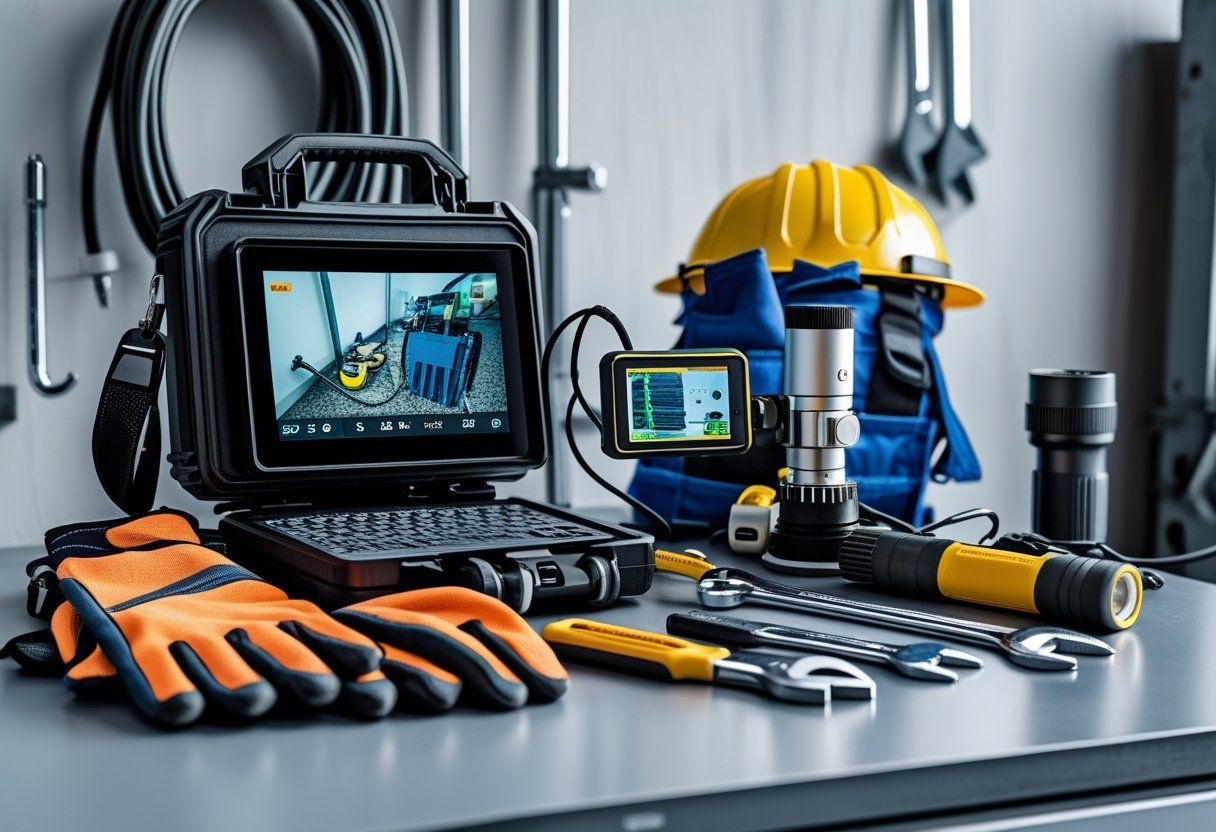
You want tools that give clear answers fast so you can find problems and fix them right. We rely on high-quality sewer cameras, locating gear, and cleaning tools to spot cracks, blockages, and defects in sewer lines accurately. Knowing which tools to use helps a plumber save time and avoid costly mistakes. We will walk […]
By Stefani January 22, 2026
You want sewer line inspections timed so they catch problems before they get costly or urgent. We recommend scheduling inspections based on seasonal risks winter freeze, spring thaw, and heavy fall rains because timing cuts repair costs and prevents service interruptions. We will explain how weather, soil movement, and tree roots change the risk level […]
Common Mistakes to Avoid During Sewer Line Inspections
By Stefani January 18, 2026
We know sewer line inspections feel technical and tense, but avoiding a few common mistakes protects your home and wallet. Start by planning the inspection, knowing what to look for, and involving a qualified professional when signs point to trouble. That simple approach cuts down on missed problems and costly surprises. We will walk through […]
Show More