
Understanding the Importance of Sewer Line Inspections for Home Maintenance and Safety

Stefani • July 10, 2025

Share this article

Why Sewer Line Inspections Matter

Sewer line inspections help us spot hidden problems in our plumbing system. Regular checks can prevent health risks, property damage, and sewage backups that become costly if left unchecked.

Protecting the Health of Your Plumbing System

A thorough sewer line inspection gives us a clear look inside our sewer system. Small issues, such as tree root invasion, pipe cracks, or clogs, are easy to miss without these checks.

Early detection helps us fix problems before they get worse. This keeps water flowing properly, so sinks, toilets, and drains work the way they should.

If problems are caught late, bigger repairs may be needed, costing us more money and time. Inspections keep our plumbing system reliable, which is important for daily routine and comfort.

Minimizing Health Risks and Property Damage

A damaged sewer line can put our health at risk. Leaks or cracks lead to dirty water seeping into the ground or even inside our homes.

Health risks include:

  • Mold growth
  • Bacterial buildup
  • Foul odors

When sewer water escapes, it can also ruin floors, walls, or landscaping. Repairs are expensive. Our homes can be unsafe to live in until the issue is fixed. Regular inspections help us avoid these unwanted problems by catching leaks or weak spots early.

Preventing Sewage Backups

Sewage backups are both unpleasant and disruptive. They often happen when a blockage or break in our sewer line stops water from flowing out.

Backups can cause:

  • Flooding in basements
  • Overflowing toilets
  • Dirty water pooling in sinks and tubs

Sewer line inspections spot blockages and buildup before they block our pipes fully. This lets us act before our home is flooded with waste, keeping our property clean and safe. Regular inspections lower our chance of facing an emergency plumbing issue.

Common Sewer Line Issues Detected During Inspections

Sewer line inspections help us find hidden problems before they become serious. We can detect blockages, leaks, cracks, root growth, and signs of aging in the pipes.

Blockages and Their Impact

Blockages in sewer pipes are a top concern. These occur when objects, grease, wipes, or debris build up inside the pipe. Over time, these materials limit water flow and can cause backups in our homes.

When a blockage forms, drains work slowly or stop. Toilets may overflow, and bad smells can enter the house. If we ignore these signs, pressure may crack the pipes, making repairs more expensive.

Main causes of blockages:

  • Cooking grease
  • Paper towels and wipes
  • Tree roots
  • Hair and soap buildup

Regular inspections help us spot blockages early. Removing obstructions before they worsen saves money and protects our plumbing system.

Detecting Leaks and Cracks

Leaks and cracks in sewer lines allow water and waste to seep into the yard or under the house. These problems develop from shifting soil, heavy traffic above the ground, or old, brittle pipes.

Small leaks can erode soil and create sinkholes or wet areas in the yard. Cracks also let roots in and may spread if not fixed, risking more damage. Even tiny leaks increase our water bills and attract pests.

We use cameras and pipe testing tools to find leaks and cracks. Quick repairs keep our property safe and prevent costly water damage.

Signs of a possible leak or crack:

Symptom Possible Cause
Wet spots in yard Leaking or cracked pipe
Bad sewer smell outdoors Broken or leaking line
Soggy soil near foundation Underground leak

Tree Root Intrusion Risks

Tree root intrusion is a leading cause of sewer line failure. Roots from large trees seek water and nutrients by pushing into small cracks or loose pipe joints.

Once inside, roots grow fast. They form dense mats that block the pipe, sometimes breaking it apart. This stops waste from flowing and leads to backups in sinks, tubs, and toilets.

Roots can damage both old clay pipes and newer PVC lines. We often find roots in homes with large trees near their sewer lines. Inspections allow us to see even small roots before they get worse.

If roots are found, we may need to cut and clear them or replace that section of pipe.

Corrosion and Pipe Deterioration

Corrosion and deterioration affect pipes made of cast iron, steel, and even some older concrete lines. Water, chemicals, and waste slowly wear away the inside of the pipe, making it thin and weak.

Rust holes form in metal pipes, which can cause leaks or total failure. Decades-old pipes often crumble or break under normal use. In extreme cases, sections collapse and stop working.

During inspections, we look for rust, flaking metal, or soft spots. We may suggest patching, lining, or full replacement if pipes are badly damaged. Replacing old, corroded sewer lines avoids sudden failures and keeps the system safe for longer.

How Sewer Line Inspections Are Performed

Sewer line inspections use different methods to find problems inside pipes and plumbing systems. These methods help us look for blockages, leaks, or any damage that could cause bigger issues.

Camera Inspection Methods

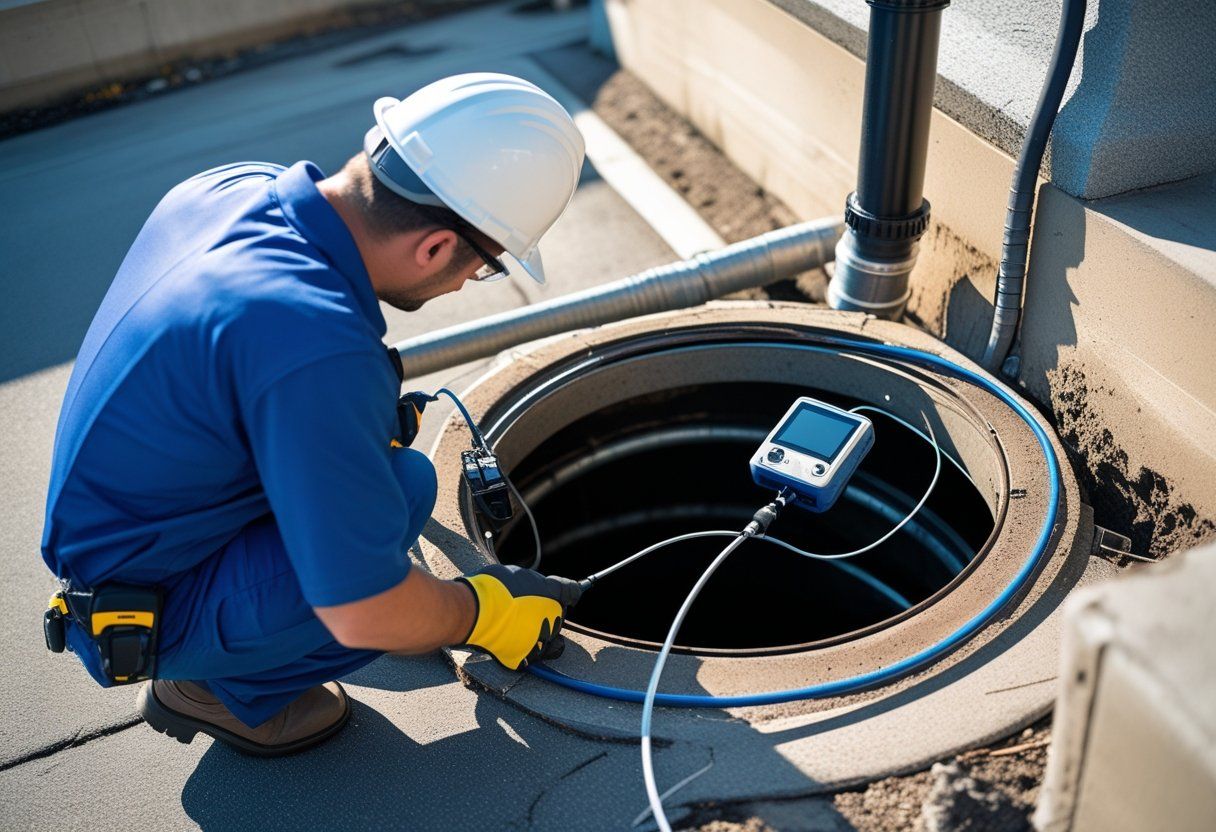
When we perform a camera inspection, we use a small waterproof camera attached to a flexible cable. We push this camera through the sewer pipe while watching a live video feed on a screen. This tool lets us see inside the pipe without digging up the yard or driveway.

We can spot common problems like tree root intrusion, cracks, or built-up debris. Camera inspections help us find the exact location of the trouble. This way, repairs are less invasive and faster to complete.

This method saves time and money compared to guessing or using older techniques. It also lets us record the inspection, so we can show the findings to our customers or other professionals if needed.

Hydrostatic and Smoke Testing

Hydrostatic testing checks a plumbing system for leaks by blocking off the sewer line and filling it with water. We watch for drops in water level, which means a hidden leak is present somewhere in the line.

Smoke testing pushes safe, non-toxic smoke into the pipes. If there’s a crack or loose joint, smoke will escape from that spot, showing us exactly where the problem is.

These tests are useful when camera inspections are not enough to find small leaks or hidden issues. They can also help us make sure repairs worked and that the plumbing system is working as it should. Using these methods, we can find problems early and prevent future damage.

Long-Term Benefits of Regular Sewer Line Inspections

Keeping our sewer lines in good shape means fewer emergencies, less damage to our property, and more reliable plumbing. Staying proactive with inspections helps us save money, avoid sudden breakdowns, and keep our homes running smoothly.

Preventative Maintenance for Plumbing Infrastructure

Regular sewer line inspections work as a form of preventative maintenance for our plumbing infrastructure. By checking the lines often, we can spot and fix small issues, such as cracks, clogs, or tree root intrusion, before they get worse.

This keeps our pipes in better condition for a longer time. Preventative maintenance helps us avoid big plumbing problems like pipe bursts or sewer backups, which can cause property damage. Inspections also make sure our plumbing system stays up to code and works as it should.

Long-term, these steps help us protect the structure of our plumbing system. Spending a little time and money now means we face fewer emergency repairs later.

Reducing Costly Repairs and Pipe Replacement

Often, sewer issues become expensive because we do not notice them early. Regular sewer line inspections let us find small leaks, corrosion, or blockages before they turn into major problems.

Identifying these issues early keeps them from causing severe pipe damage, which would need full pipe replacement. For example:

Problem Found Early Action Needed Possible Savings
Small clog Simple cleaning Hundreds of dollars
Minor crack Spot repair Thousands on replacements
Early corrosion Preventive treating Long-term savings

By investing in routine checks, we reduce the chance of large, costly repairs. We avoid the need to dig up our yard or replace entire pipe sections, which takes time and is expensive.

Maintaining Plumbing System Efficiency

Sewer line inspections help keep our plumbing system working smoothly. When our pipes are free from buildup, grime, and obstructions, water moves freely without slow drains or backups.

Routine inspections help us quickly spot anything that might lower system efficiency, such as grease buildup or tree roots squeezing the pipes. Removing these obstructions keeps water and waste flowing as they should.

Having efficient plumbing supports everyday activities like bathing, washing dishes, and laundry. We spend less time dealing with slow drains or bad odors. Our plumbing works better and needs fewer emergency fixes.

Recent Posts

Fast Response Plumbing technician servicing a water shut off valve in San Francisco
By Joe Tinsley July 17, 2026
Learn how gate valves, ball valves, and angle stops work, where to find them in your San Francisco home, and when to replace them. FAQs inside.
Budgeting for Unforeseen Sewer Line Maintenance Expenses
By Stefani January 31, 2026
Sewer line problems can hit your wallet fast, and we know the stress of a surprise repair. We show you how to plan a practical budget that covers emergency fixes, regular upkeep, and the big costs that sneak up on you. This saves you money and keeps small issues from turning into major failures. We […]
Seasonal Effects on Sewer Line Maintenance Costs
By Stefani January 30, 2026
You’ll want to know how seasons change what you pay for sewer line maintenance so you can plan ahead and avoid surprise bills. Seasonal weather, ground movement, and plant growth directly affect repair needs and costs, so budgeting by season cuts unexpected expenses. We outline what shifts costs, when repairs most often happen, and which […]
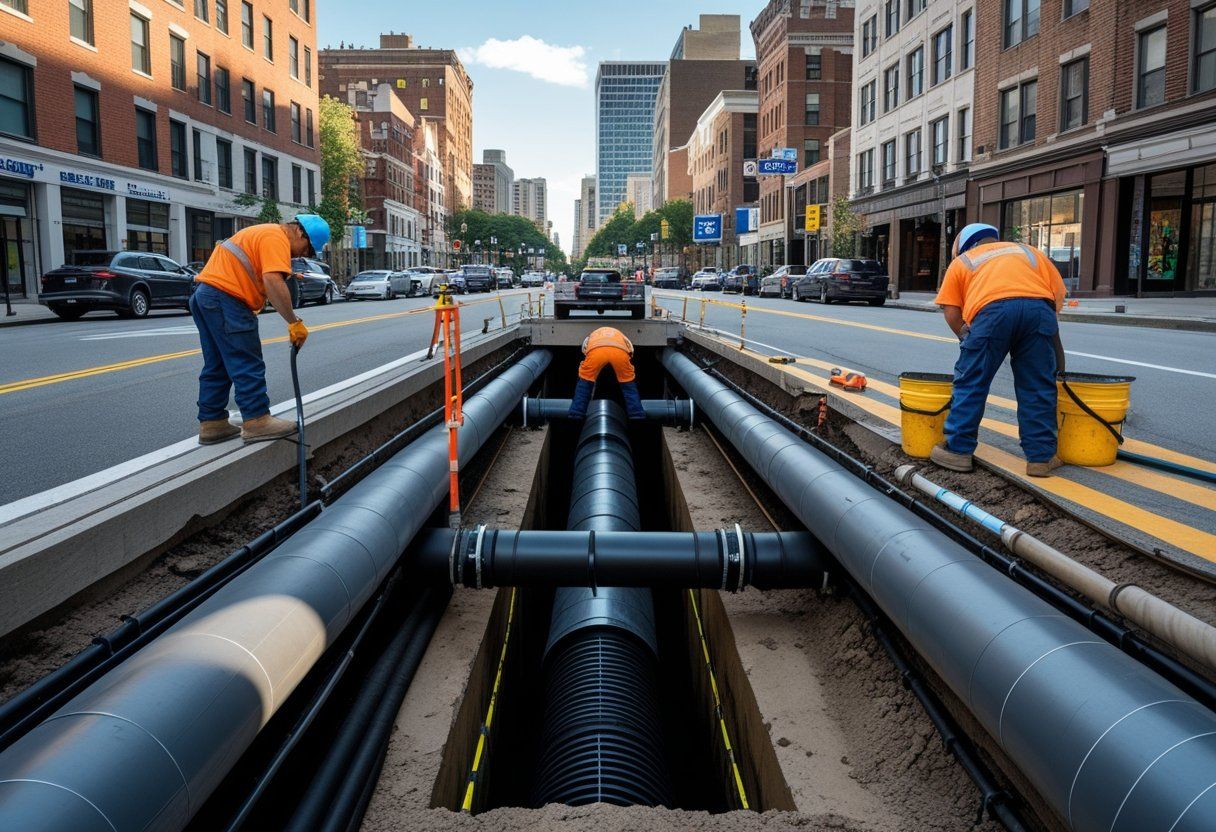
The Role of Location in Sewer Line Maintenance Pricing
By Stefani January 29, 2026
You’ll pay different amounts for sewer line maintenance depending on where your property sits and what’s under it. Location drives cost through factors like soil type, access difficulty, local labor rates, and permit rules, so knowing these lets you predict and plan for expenses. We’ll show how those local details shape quotes and outcomes. We’ll […]
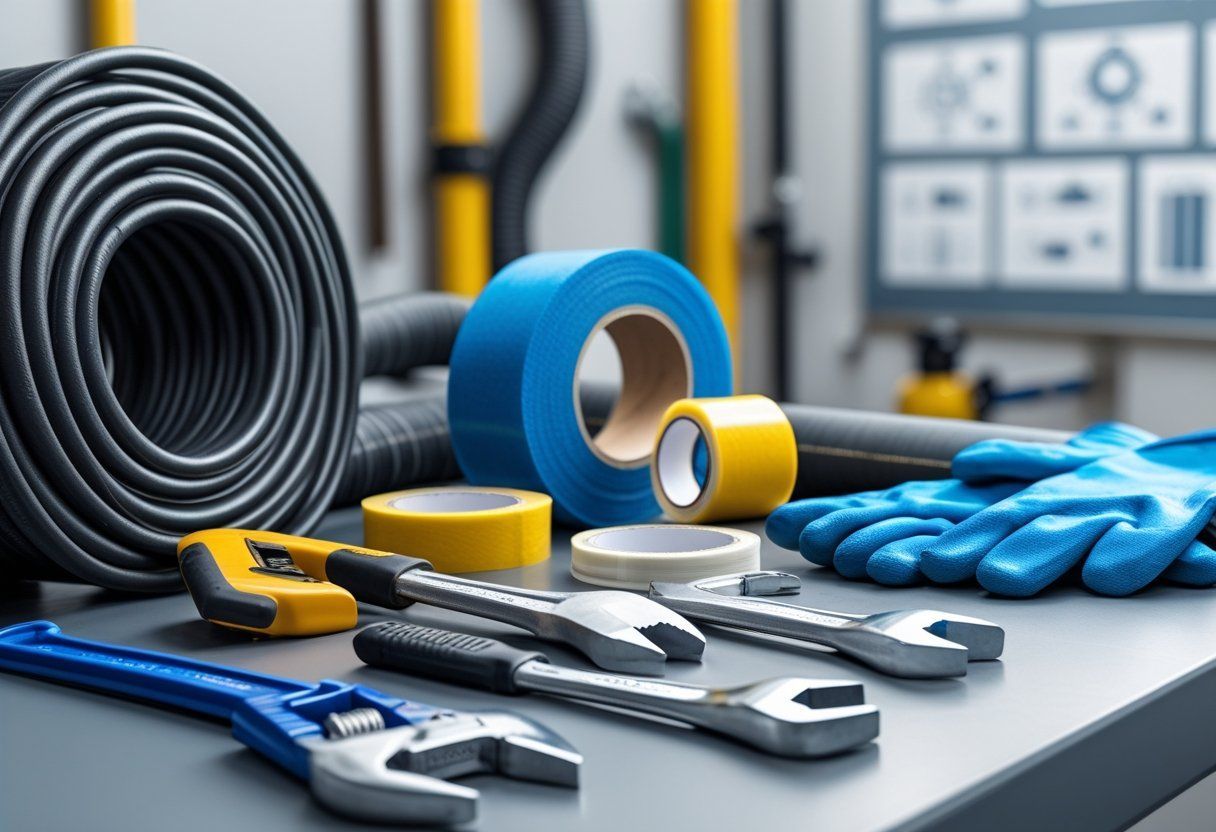
Analyzing Material Expenses for Effective Sewer Line Care
By Stefani January 28, 2026
We’ll break down the real costs that matter for keeping a sewer line working well so you can plan and avoid surprises. You’ll learn which materials and fees drive most of the expense and how small choices can lower long-term costs. We’ll look at costs for parts, tools, permits, and regular cleaning, plus where labor […]
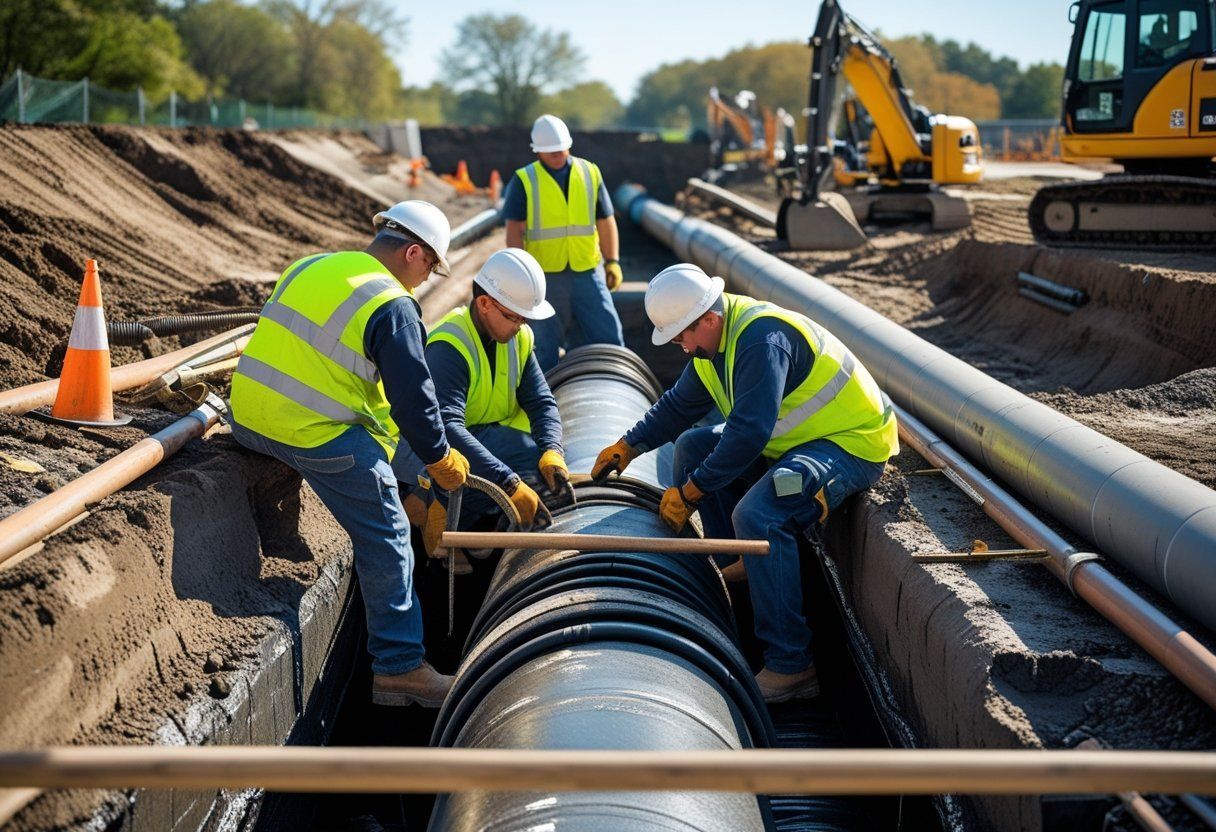
Understanding the Impact of Labor Costs on Sewer Line Maintenance
By Stefani January 25, 2026
You want to know how labor costs shape sewer line care and what that means for your wallet. We will show how wages, crew size, and the repair method you choose change the final bill so you can plan smarter and avoid surprises. Knowing which labor factors most drive costs lets you pick repair options […]
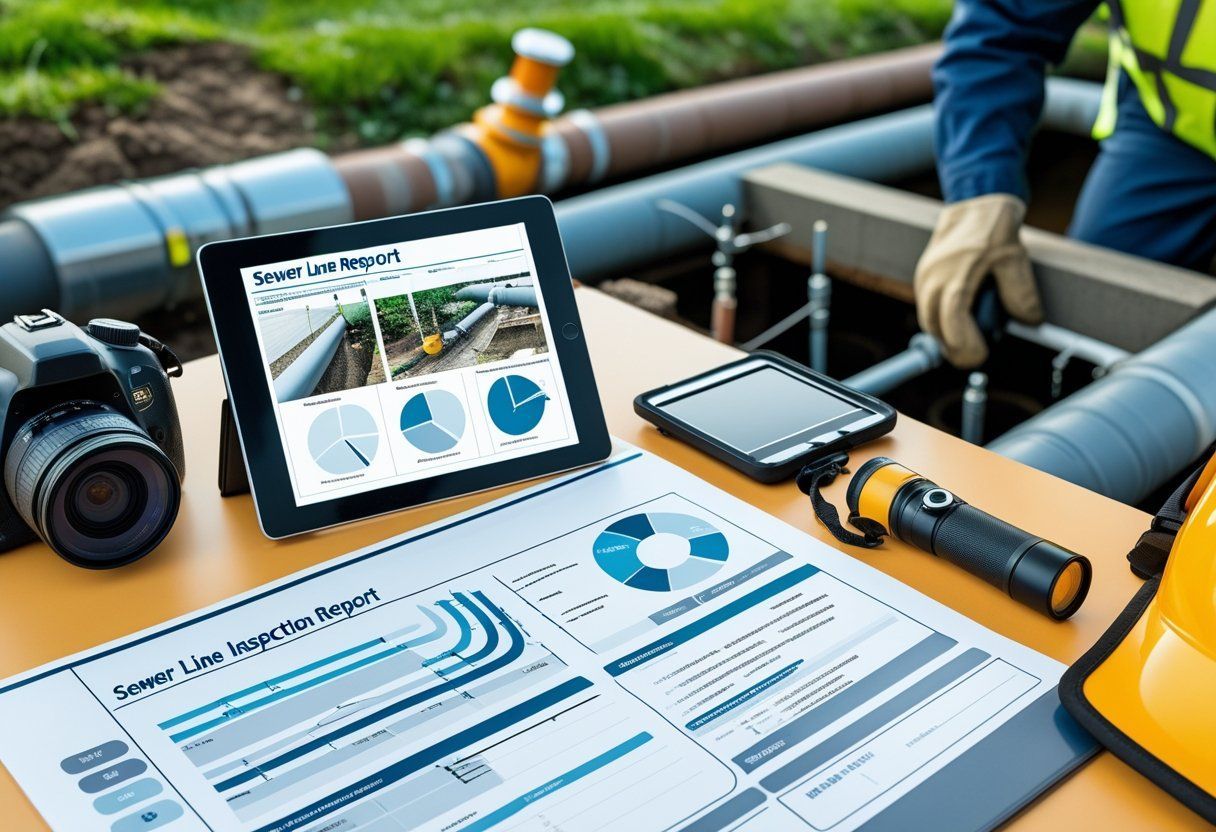
How to Interpret Sewer Line Inspection Reports
By Stefani January 24, 2026
You’ll get clear steps to decode the most important parts of a sewer line inspection report so you can act with confidence. We show you how to spot real problems, what each defect means, and which issues need immediate repair versus routine maintenance. We break the report into simple pieces what the camera images show, […]
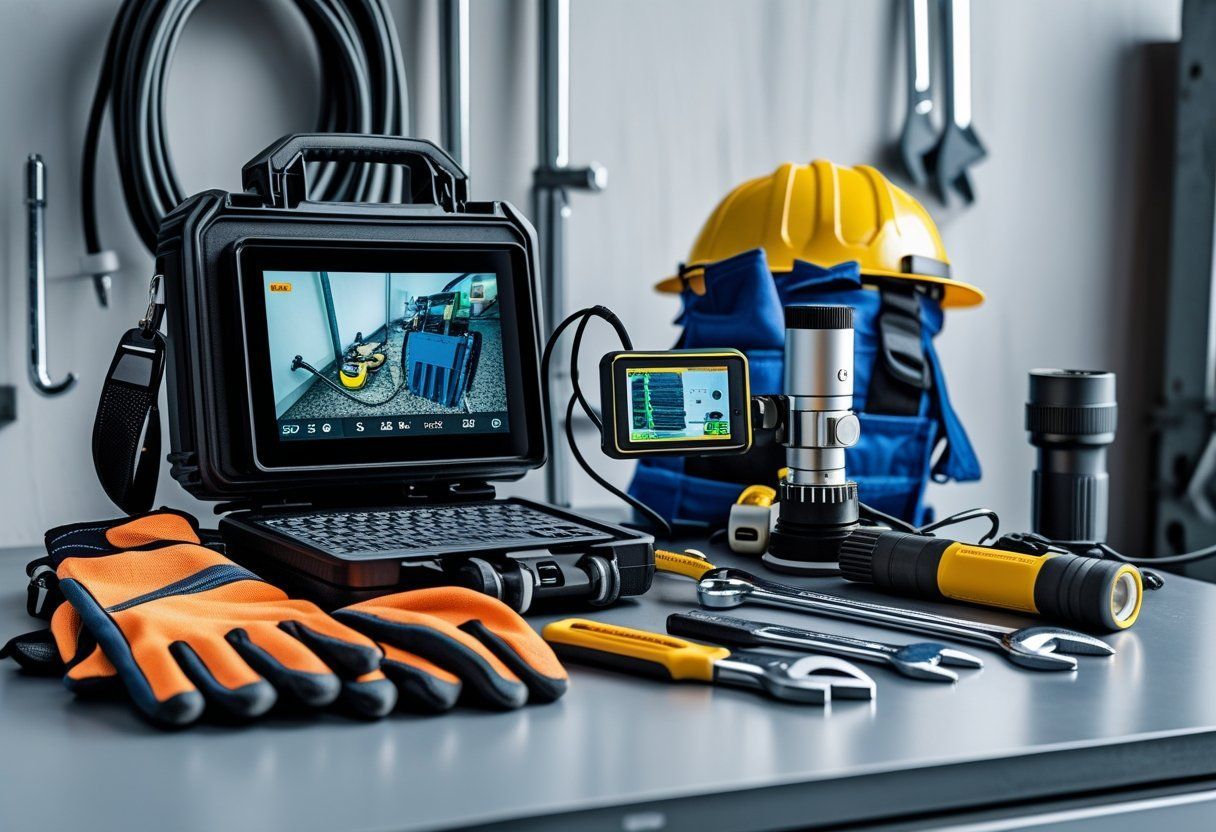
Tool kit with hard hat, gloves, laptop, and handheld device on a workbench in a workshop
By Stefani January 23, 2026
You want tools that give clear answers fast so you can find problems and fix them right. We rely on high-quality sewer cameras, locating gear, and cleaning tools to spot cracks, blockages, and defects in sewer lines accurately. Knowing which tools to use helps a plumber save time and avoid costly mistakes. We will walk […]
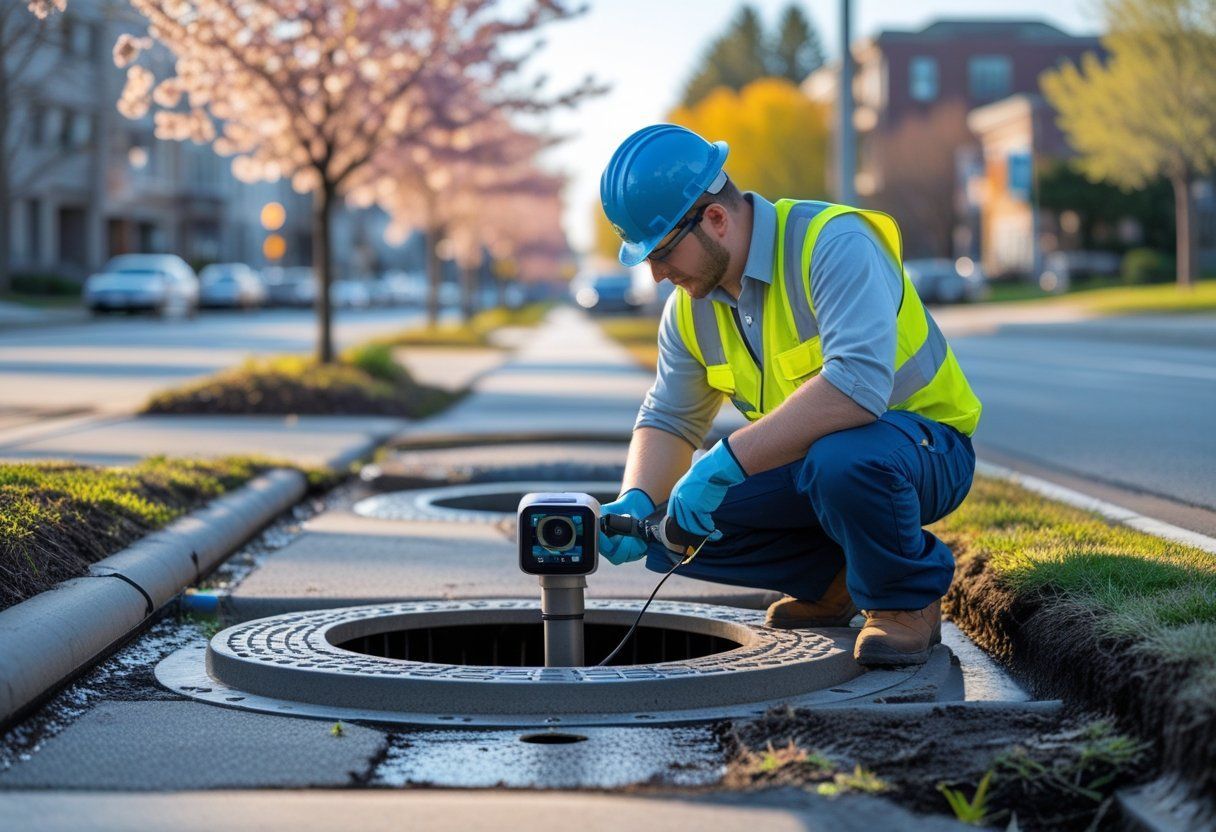
Worker in blue hard hat inspecting a manhole on a street with a camera device
By Stefani January 22, 2026
You want sewer line inspections timed so they catch problems before they get costly or urgent. We recommend scheduling inspections based on seasonal risks winter freeze, spring thaw, and heavy fall rains because timing cuts repair costs and prevents service interruptions. We will explain how weather, soil movement, and tree roots change the risk level […]
Common Mistakes to Avoid During Sewer Line Inspections
By Stefani January 18, 2026
We know sewer line inspections feel technical and tense, but avoiding a few common mistakes protects your home and wallet. Start by planning the inspection, knowing what to look for, and involving a qualified professional when signs point to trouble. That simple approach cuts down on missed problems and costly surprises. We will walk through […]
Show More