
Best Practices for Upgrading Commercial Sewer Line Infrastructure: Key Steps for Efficient Modernization

Stefani • July 8, 2025

Share this article

Key Considerations for Upgrading Commercial Sewer Lines

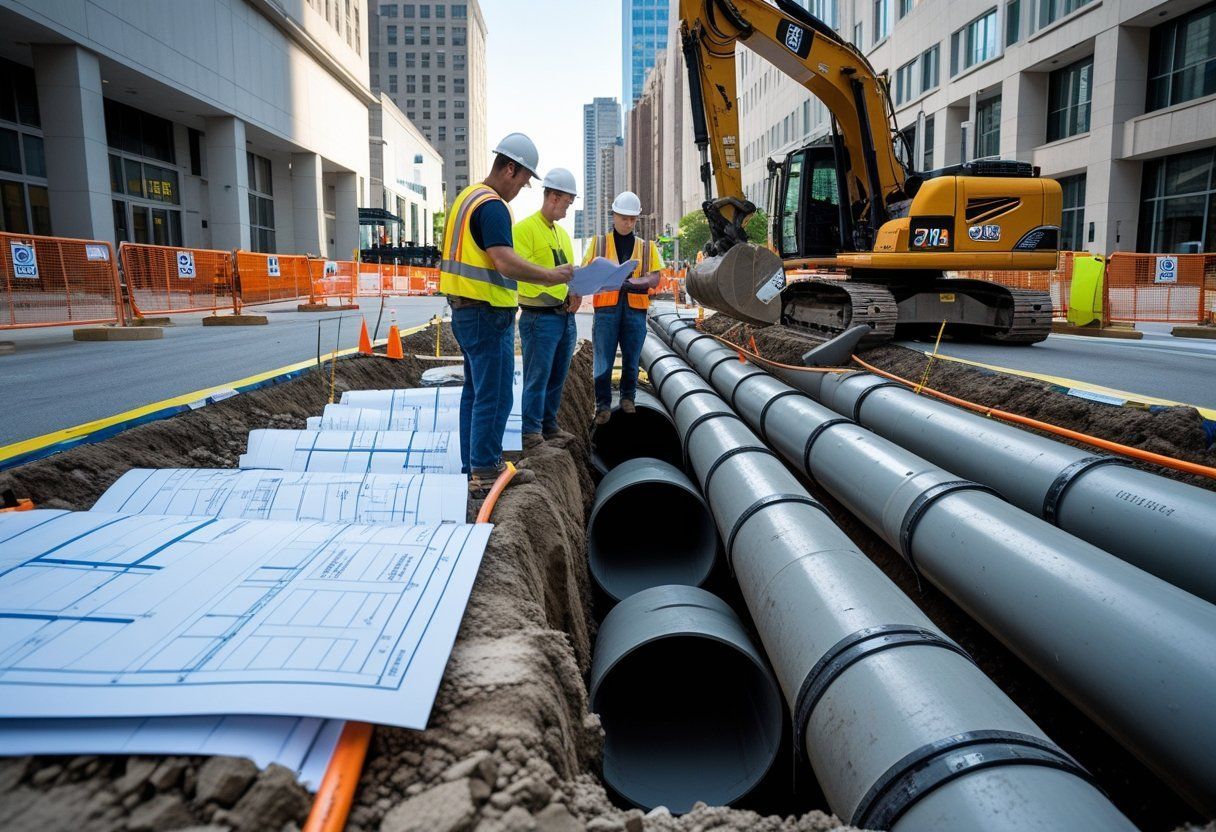
When we plan to upgrade sewer lines, we need to look at the shape of the current system, check rules and codes, and set a clear plan with a solid budget. Each of these steps lays a strong base for safe and effective upgrades.

Assessment of Existing Sewer Infrastructure

Before we start a sewer upgrade, we first inspect the condition of our current sewer infrastructure. This includes checking pipes, connections, and the main sewer lines for leaks, cracks, tree root growth, or corrosion.

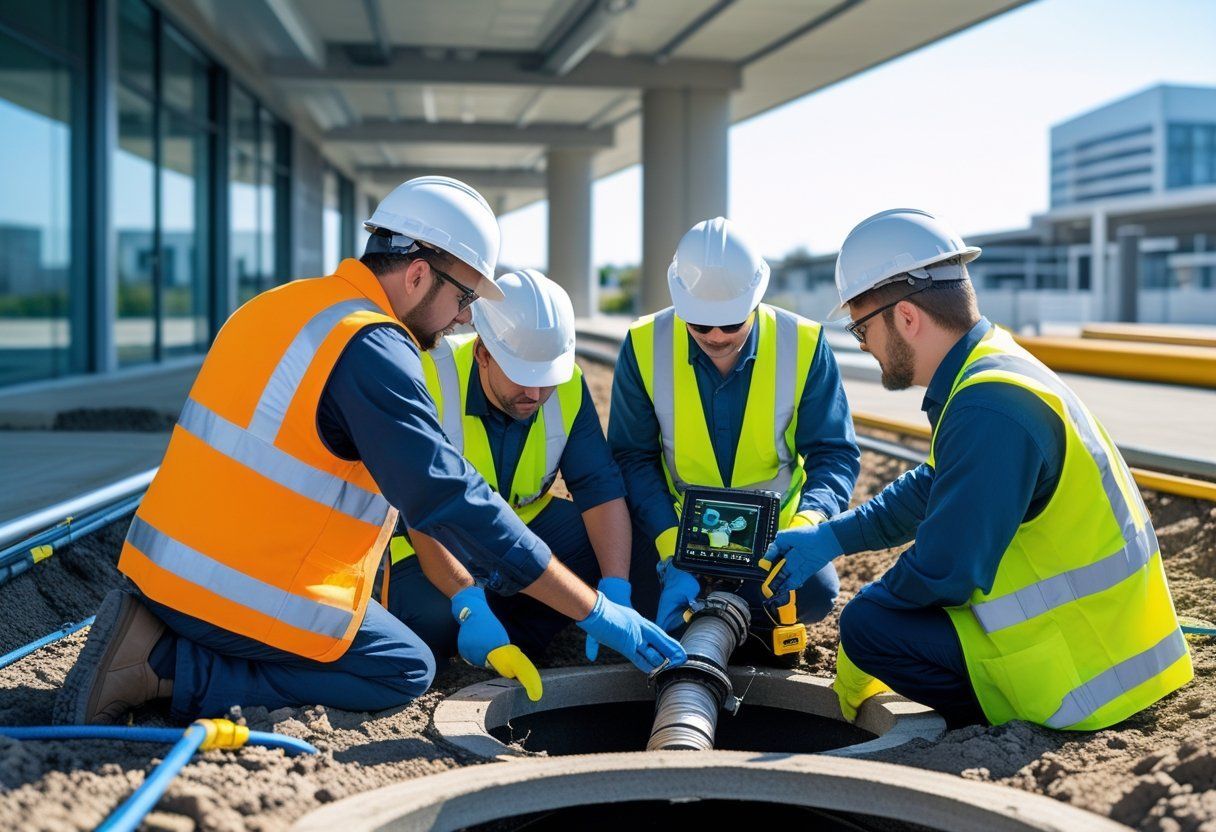
We often use tools like video camera inspections to see the inside of our pipes. These inspections help us spot weak points and blockages that can affect the flow.

We collect data on pipe age, material, and past repairs. Mapping the whole sewer system lets us know which parts need urgent attention. We also review surrounding soil and groundwater conditions, as these can impact future repairs.

It’s important that our assessment is thorough so we don’t miss hidden problems. Keeping good records of all findings helps us track issues and share details with contractors.

Regulatory and Code Compliance

Upgrading sewer infrastructure means following all local, state, and federal regulations. We make sure our plans match plumbing codes, health ordinances, and building rules in our area.

Key codes may cover pipe materials, joint types, and flow rates. We check for environmental laws about wastewater discharge and proper stormwater handling.

We must also get the right permits before we begin work. Below is a checklist that helps ensure code compliance:

  • Confirm most recent local plumbing codes
  • Check for permit requirements
  • Review environmental guidelines
  • Plan for required safety measures

If rules change during the project, we work quickly to update our plans. This careful focus on compliance avoids delays and costly mistakes.

Project Planning and Budgeting

Smart planning saves us time and money. We start with a clear scope of work that details which parts of the sewer system need upgrades and why.

We get estimates from reliable contractors and compare costs for labor, materials, and equipment. Our budget should cover expected work plus extra for unexpected sewer line problems.

We schedule upgrades to avoid business disruptions. Contingency plans help us handle surprises, like bad weather or hidden pipe issues.

We create a simple timeline and assign clear roles to each team member. This keeps progress steady and meets deadlines. We update our budget and plans if any new issues come up during the project.

Best Practices for Sewer Line Design and Materials

Precise choices in pipe size, material, layout, and access all help boost the reliability and performance of commercial sewer systems. Standardized practices can prevent future issues and simplify maintenance.

Selecting Appropriate Pipe Size and Material

We must select pipe sizes based on the building’s expected wastewater flow and the number of plumbing fixtures. Undersized pipes increase the risk of blockages and backups, especially when high volumes are common.

Typical commercial sites use pipes with a diameter between 4 and 8 inches. For larger facilities, the diameter may be greater. Using local plumbing codes as our guide ensures compliance and optimal performance.

Common sewer pipe materials include:

Pipe Material Features Typical Use Cases
PVC Lightweight, non-corrosive New buildings, upgrades
Cast iron Strong, quiet High-rise, older builds
Ductile iron Durable, pressure-rated Municipal lines
HDPE Flexible, chemical-resistant Corrosive environments

Using reliable, tested materials improves service life and helps prevent leaks and failures. PVC is often favored for its ease of installation.

Ensuring Proper Pipe Placement and Depth

We need to follow exact standards on pipe placement to avoid cross-contamination with water lines and other utilities. Pipes should maintain a minimum horizontal and vertical distance from potable water lines to protect the supply from leaks.

Sewer lines must also be buried deep enough to avoid freezing, physical damage, and illegal connections. Typical burial depth ranges from 3 to 6 feet, depending on climate and local codes. Improper depth may lead to pipe damage or settlement.

Proper slope is vital. Sewer pipes should slope at least 1/4 inch per foot for pipes 4 inches or smaller. This slope keeps wastewater flowing and limits solids buildup.

Incorporating Cleanouts and Access Points

We must include cleanouts and access points at key spots along the sewer line. Cleanouts allow us to access the line for inspections, maintenance, and clearing blockages without major digging.

Best practices for cleanouts include:

  • Place cleanouts at the end of each horizontal run.
  • Install them at each change of direction greater than 45 degrees.
  • Locate them at least every 100 feet in long straight runs.

Proper access points make troubleshooting and repairs faster, protecting the overall plumbing system. Cleanouts should be at ground level or in accessible areas so no special equipment is needed to reach them. Regular inspection of these points can also spot issues before they lead to costly repairs.

Preventing and Addressing Common Sewer Line Issues

Sewer lines in commercial settings face clogs from grease, debris, or improper items, plus leaks from cracks and worn joints. These problems can slow service and harm the system if not fixed quickly.

Managing Clogs and Blockages

We often see sewer lines in commercial properties get blocked by fats, oils, grease (FOG), sanitary products, wipes, or food waste. These items should never go down drains, so setting clear usage rules is key.

A regular maintenance schedule helps keep the lines clear this can include hydro-jetting or mechanical rodding. Staff should know warning signs of clogs like slow drains and foul odors. We use video inspections to pinpoint blockage locations so repairs are fast and less disruptive.

For persistent clogs, we make use of the following methods:

Method Use Case
Hydro-jetting Tough, built-up debris in large sewer lines
Snaking Smaller, more isolated blockages
Root cutting Tree root intrusions in outdoor sewer pipes

Using enzyme cleaners instead of harsh chemicals is safer for pipes and the environment.

Detecting and Repairing Leaks

Sewer line leaks may come from joint failures, corrosion, shifting soil, or tree roots. Early detection prevents structural damage and high repair costs. We encourage routine inspections using leak detection devices or video cameras to spot weak points.

Common signs include unexplained water pooling, mold growth, or a sudden drop in water pressure. If we find a leak, trenchless repair methods like pipe lining and pipe bursting let us fix pipes with less digging or business interruption.

Maintaining proper soil grading around sewer lines can keep water from collecting and putting pressure on the system. Using high-quality, corrosion-resistant pipes during upgrades further reduces the risk of future leaks. Regular staff training ensures quick response if leaks occur.

Modern Technologies and Methods in Sewer Line Upgrades

Advances in sewer infrastructure use new equipment and updated approaches to improve results. We can now upgrade commercial sewer lines more quickly and with less impact to operations by using the right mix of tools and materials.

Trenchless Replacement Techniques

Trenchless methods let us upgrade sewer lines without digging large, messy trenches. These techniques include pipe bursting and cured-in-place pipe (CIPP) lining. With pipe bursting, a special head breaks apart the old pipe, then pulls a new pipe into place. This works well for damaged or worn-out sections that need full replacement.

CIPP lining involves pulling a resin-soaked tube through the existing sewer line. Once the liner is in place, heat or UV light cures the resin, forming a jointless, smooth pipe inside the old one. This method saves time and reduces street or business interruptions. It is especially helpful for old clay or cast iron pipe material that still has some structural integrity.

By using trenchless methods, we can speed up projects, protect landscaping, and avoid long disruptions. These upgrades work for many types of pipe material, from clay and PVC to concrete and ductile iron.

Video Inspection Tools

Video inspection tools give us a detailed view inside sewer lines before, during, and after upgrades. We insert a waterproof camera into the pipe to spot cracks, blockages, roots, or signs of corrosion. This lets us locate problems without guessing or digging up large areas.

With clear video footage, we can choose the right repair method and plan the exact length and type of upgrade needed. This accuracy helps us save money and reduces the chance of missing hidden damage. After work is complete, we use the camera again to confirm that the new lining or replacement is properly installed.

Some tools also create digital maps of sewer infrastructure, showing the size, length, and material of each section. This information is useful for planning future maintenance or upgrades. These tools keep our systems in good condition and help us respond quickly if problems come up later.

Recent Posts

Fast Response Plumbing technician servicing a water shut off valve in San Francisco
By Joe Tinsley July 17, 2026
Learn how gate valves, ball valves, and angle stops work, where to find them in your San Francisco home, and when to replace them. FAQs inside.
Budgeting for Unforeseen Sewer Line Maintenance Expenses
By Stefani January 31, 2026
Sewer line problems can hit your wallet fast, and we know the stress of a surprise repair. We show you how to plan a practical budget that covers emergency fixes, regular upkeep, and the big costs that sneak up on you. This saves you money and keeps small issues from turning into major failures. We […]
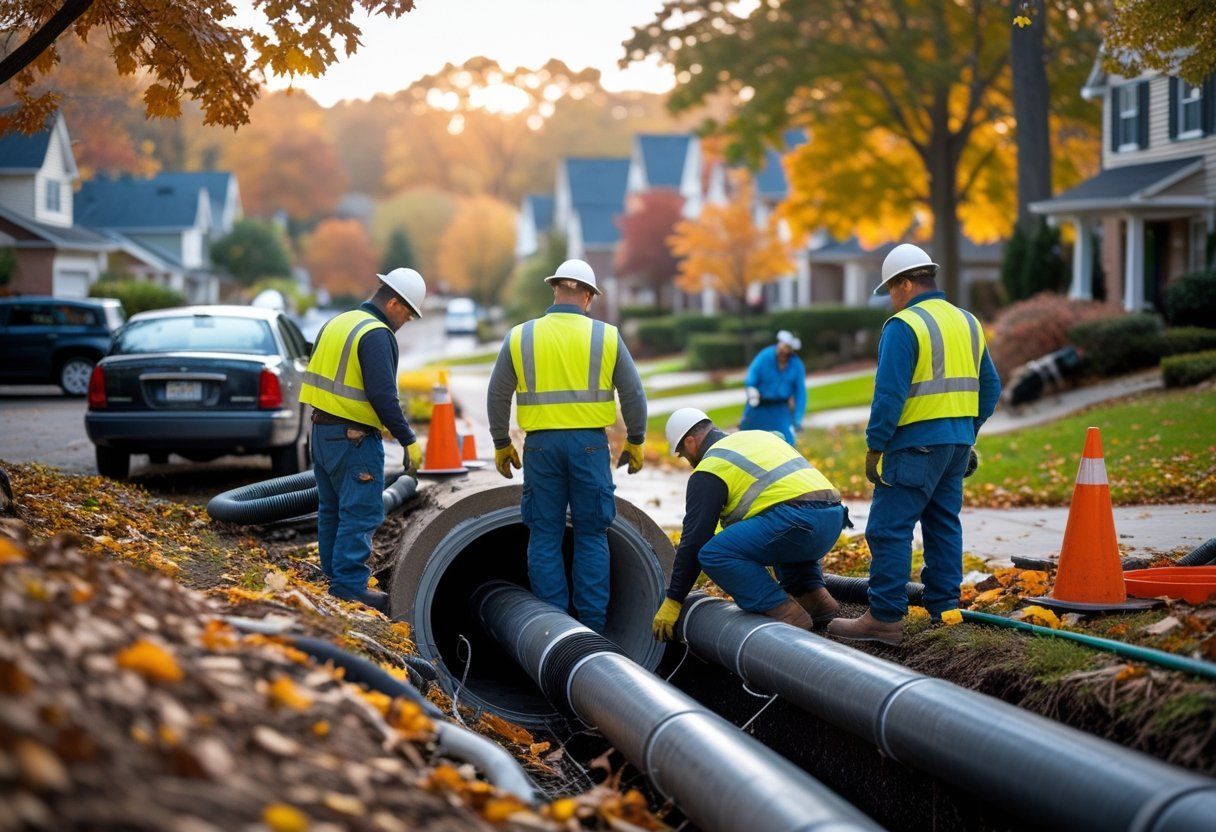
Seasonal Effects on Sewer Line Maintenance Costs
By Stefani January 30, 2026
You’ll want to know how seasons change what you pay for sewer line maintenance so you can plan ahead and avoid surprise bills. Seasonal weather, ground movement, and plant growth directly affect repair needs and costs, so budgeting by season cuts unexpected expenses. We outline what shifts costs, when repairs most often happen, and which […]
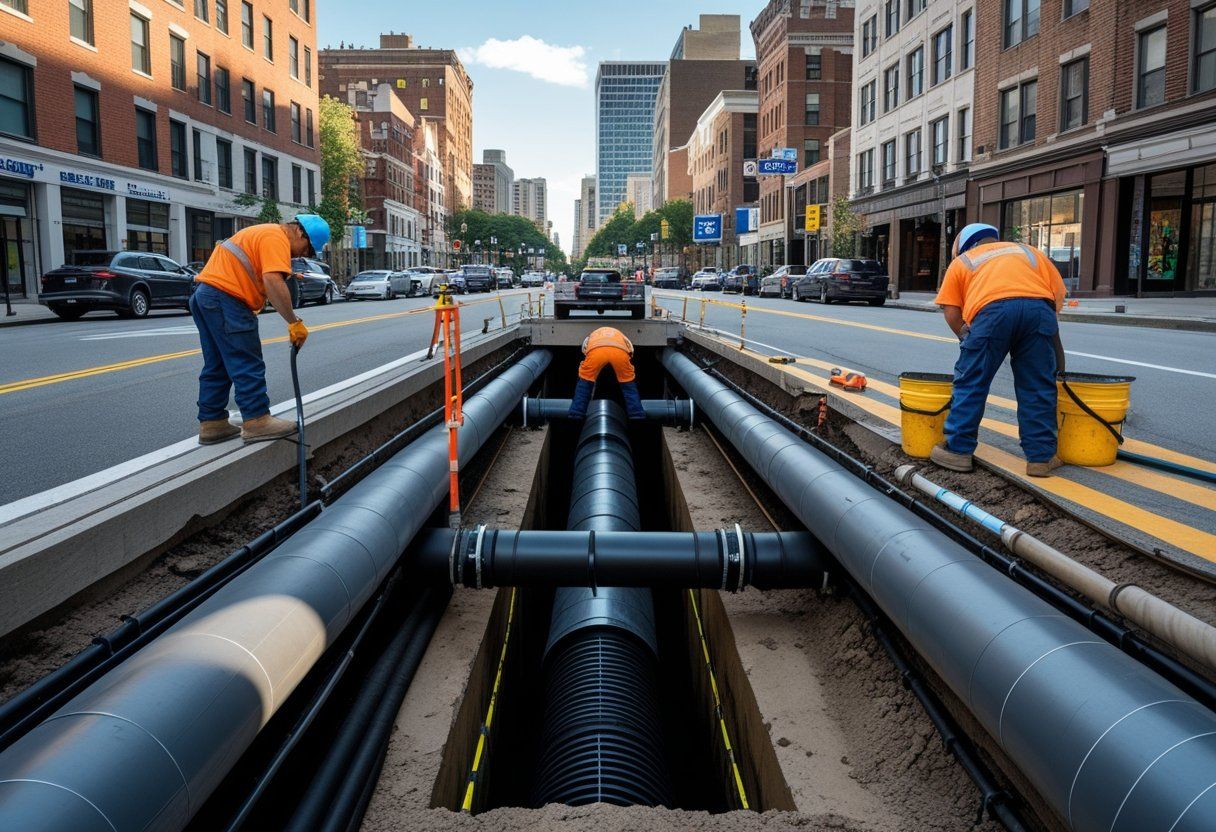
The Role of Location in Sewer Line Maintenance Pricing
By Stefani January 29, 2026
You’ll pay different amounts for sewer line maintenance depending on where your property sits and what’s under it. Location drives cost through factors like soil type, access difficulty, local labor rates, and permit rules, so knowing these lets you predict and plan for expenses. We’ll show how those local details shape quotes and outcomes. We’ll […]
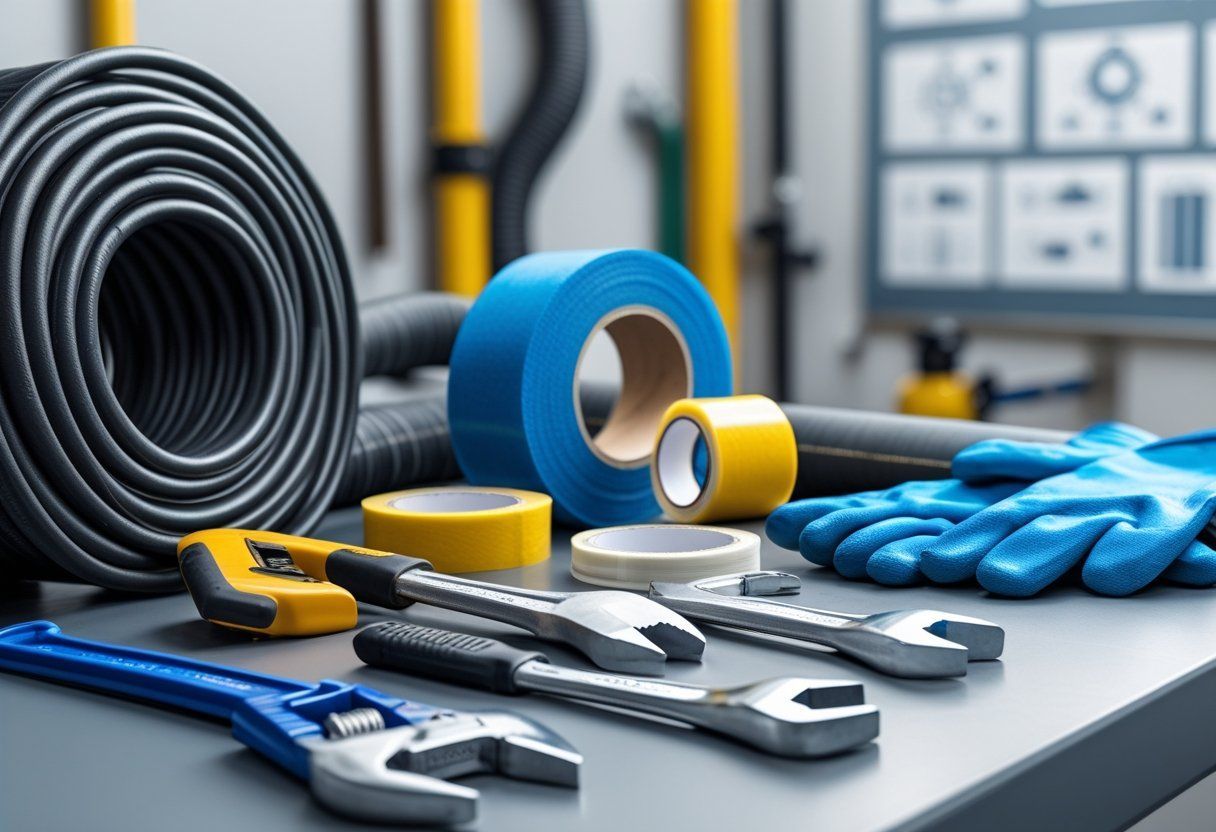
Analyzing Material Expenses for Effective Sewer Line Care
By Stefani January 28, 2026
We’ll break down the real costs that matter for keeping a sewer line working well so you can plan and avoid surprises. You’ll learn which materials and fees drive most of the expense and how small choices can lower long-term costs. We’ll look at costs for parts, tools, permits, and regular cleaning, plus where labor […]
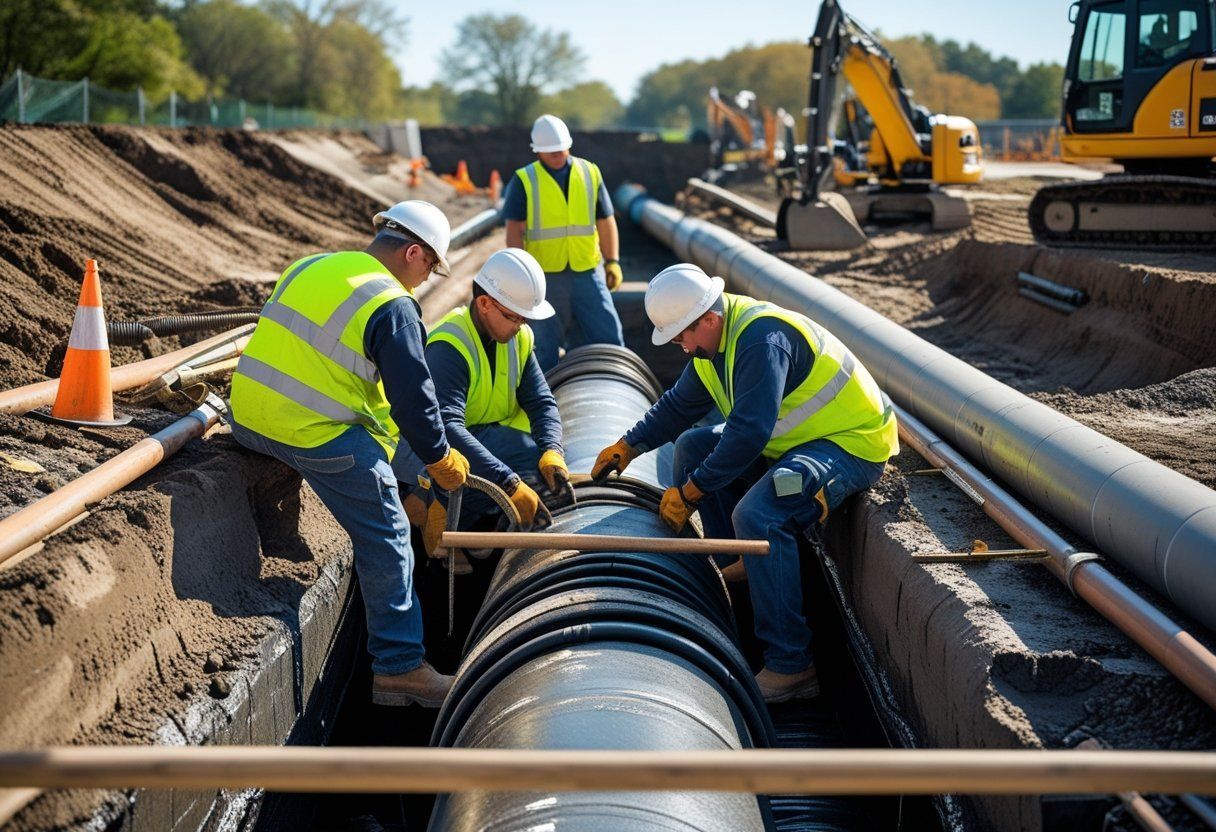
Understanding the Impact of Labor Costs on Sewer Line Maintenance
By Stefani January 25, 2026
You want to know how labor costs shape sewer line care and what that means for your wallet. We will show how wages, crew size, and the repair method you choose change the final bill so you can plan smarter and avoid surprises. Knowing which labor factors most drive costs lets you pick repair options […]
How to Interpret Sewer Line Inspection Reports
By Stefani January 24, 2026
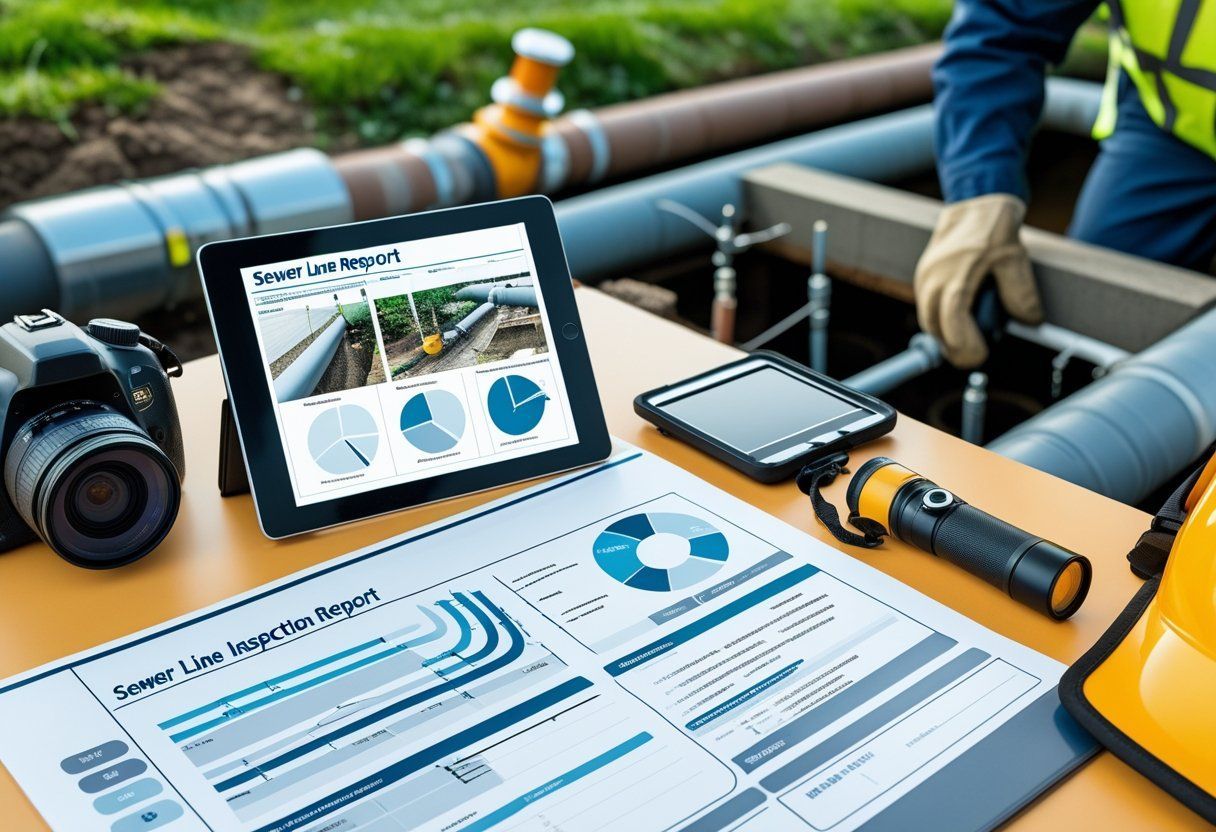
You’ll get clear steps to decode the most important parts of a sewer line inspection report so you can act with confidence. We show you how to spot real problems, what each defect means, and which issues need immediate repair versus routine maintenance. We break the report into simple pieces what the camera images show, […]
Tool kit with hard hat, gloves, laptop, and handheld device on a workbench in a workshop
By Stefani January 23, 2026
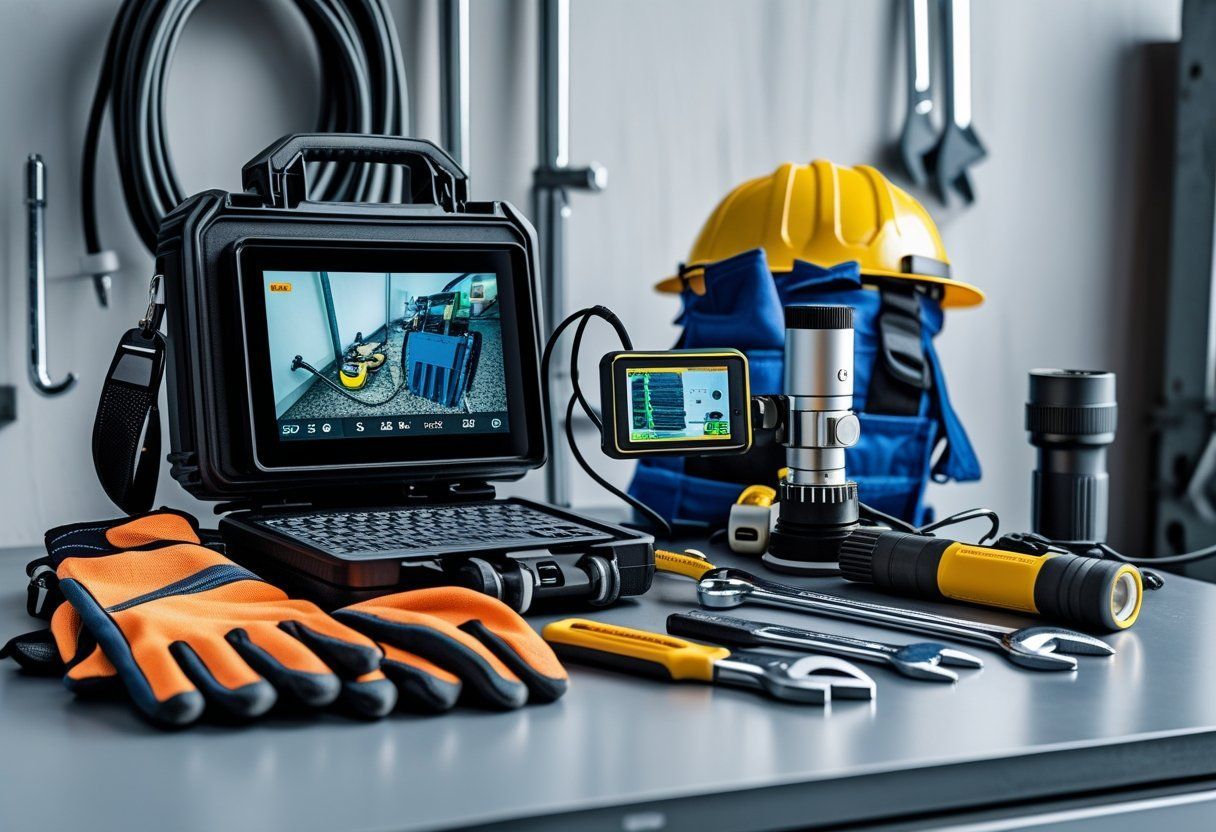
You want tools that give clear answers fast so you can find problems and fix them right. We rely on high-quality sewer cameras, locating gear, and cleaning tools to spot cracks, blockages, and defects in sewer lines accurately. Knowing which tools to use helps a plumber save time and avoid costly mistakes. We will walk […]
Worker in blue hard hat inspecting a manhole on a street with a camera device
By Stefani January 22, 2026
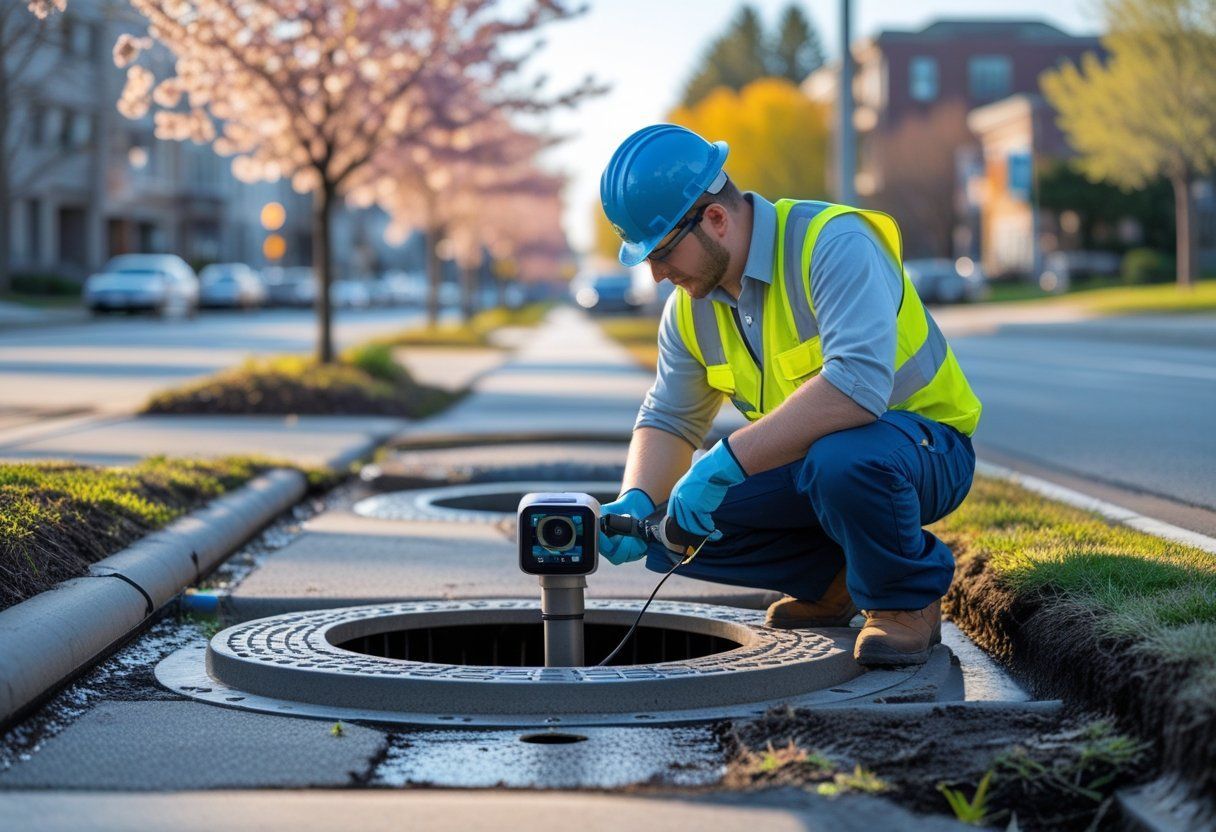
You want sewer line inspections timed so they catch problems before they get costly or urgent. We recommend scheduling inspections based on seasonal risks winter freeze, spring thaw, and heavy fall rains because timing cuts repair costs and prevents service interruptions. We will explain how weather, soil movement, and tree roots change the risk level […]
Common Mistakes to Avoid During Sewer Line Inspections
By Stefani January 18, 2026
We know sewer line inspections feel technical and tense, but avoiding a few common mistakes protects your home and wallet. Start by planning the inspection, knowing what to look for, and involving a qualified professional when signs point to trouble. That simple approach cuts down on missed problems and costly surprises. We will walk through […]
Show More