

How to Extend the Life of Your Water Heater: Expert Maintenance Tips

daniel • October 8, 2024

Share this article

Taking care of our water heater is crucial if we want to make it last as long as possible. Regular maintenance can significantly extend the lifespan of our water heater, saving us money in the long run. By investing in routine checks and simple upkeep, we can avoid the hassle and cost of unexpected breakdowns.

In our home, water heaters work hard every day. Sediment buildup and neglect can shorten their life, but with the right steps, we can keep them running efficiently. Draining the tank annually, checking the pressure valve, and inspecting insulation are small tasks that make a big difference.

Let’s make the most of our appliances by committing to simple maintenance practices. Being proactive will help us achieve a long-lasting, efficient water heater, ensuring we have hot water when we need it. Taking just a little time can lead to many more years of service.

Understanding Your Water Heater

Water heaters come in various types, each with its own advantages. Recognizing the parts of a water heater and distinguishing between models like electric, gas, and tankless can help us make informed decisions.

Anatomy of a Water Heater

Every water heater has essential components that keep it working. Tanks in traditional models hold and heat water. The thermostat controls temperature. Heating elements are typical in electric units, while burners are found in gas models. The pressure relief valve is crucial for safety, releasing excess pressure. Understanding these parts can help us maintain the unit and recognize when repairs are needed.

Different Types of Water Heaters

Water heaters come in several forms. Traditional tank models store hot water and are often either electric or gas-powered. Electric water heaters use heating elements for efficiency. Gas water heaters heat quickly with burners. Tankless water heaters provide hot water on demand, saving space and energy. Each type meets different needs based on our usage and preferences.

Key Maintenance Tasks

To keep our water heater running efficiently, it’s crucial to focus on tasks like regular inspections, checking the anode rod, and managing water pressure and temperature. These steps help prevent problems like sediment buildup and extend the heater’s lifespan.

Regular Inspection and Cleaning

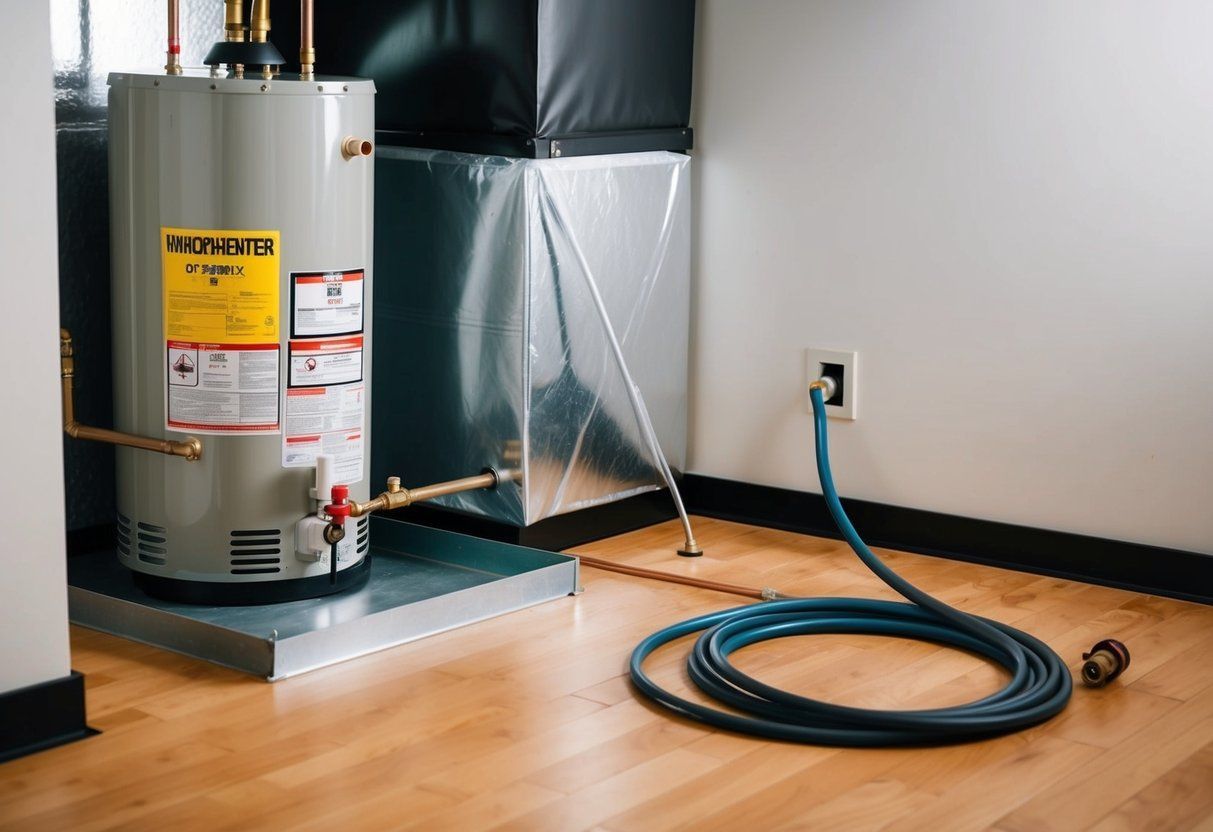
Regular inspections can catch potential issues early. We should check for leaks or rust and listen for unusual noises that may indicate problems. Cleaning the tank is also important, especially in areas with hard water. Sediment can build up over time, reducing efficiency. By flushing the tank once or twice a year, we can remove sediment and prevent clogging. A simple flush involves draining several gallons of water from the tank.

Checking the Anode Rod

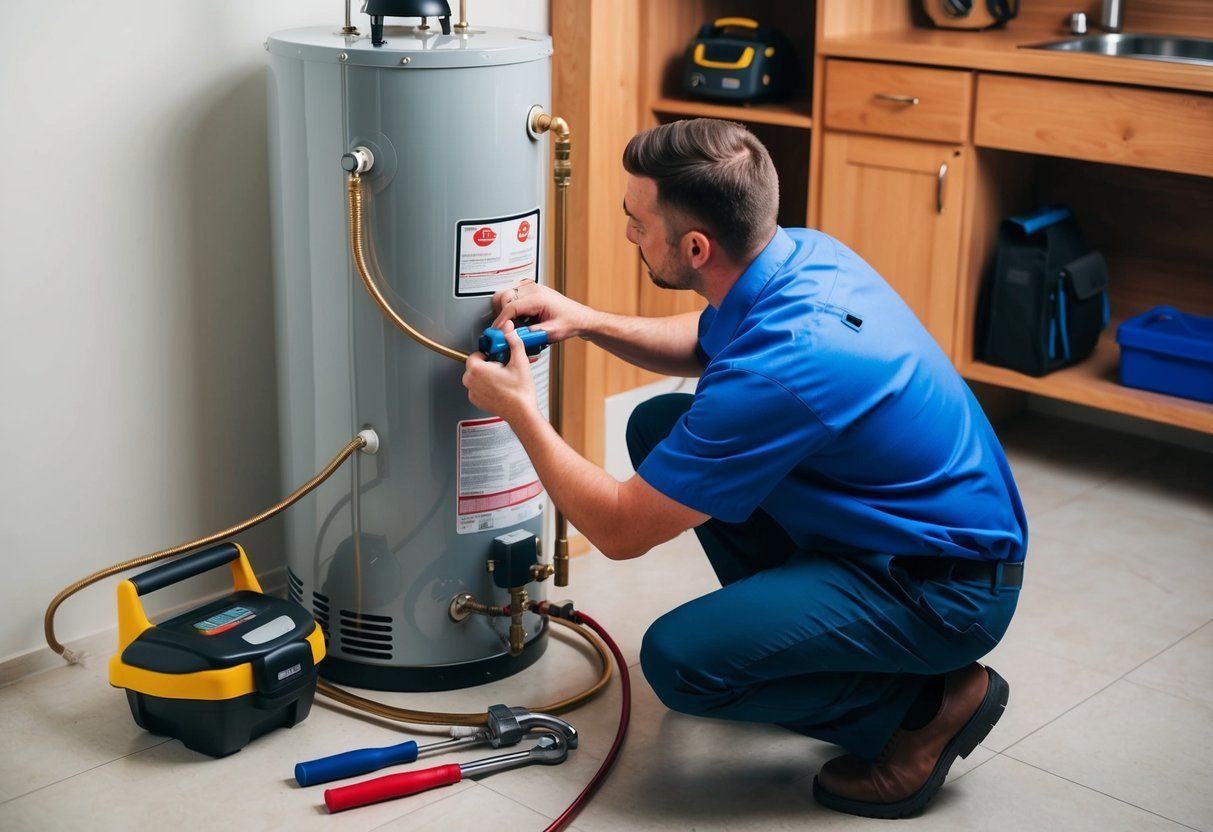
The anode rod is crucial for preventing rust and corrosion inside the tank. We should inspect it every couple of years, depending on the water quality, especially if a water softener is in use. Replacing a worn-out anode rod extends the life of the heater. Use a socket wrench to check its condition; if it’s more than half gone, it’s time for a new one.

Managing Water Pressure and Temperature

High water pressure can damage the water heater and cause leaks. Installing an expansion tank helps manage pressure, especially if we have a closed water system. We should also check the pressure relief valve regularly to ensure it’s working correctly. To save energy and prevent scalding, we can set the water temperature to around 120°F. Keeping pressure and temperature in check helps prevent wear and tear on our system.

Preventative Measures for Longevity

To extend the life of our water heaters, we need to take certain steps. These include addressing hard water issues and preventing corrosion. Both measures ensure that the system remains efficient and durable.

Using Water Softeners

Hard water contains high levels of minerals like calcium and magnesium. Over time, they can build up in the water heater, leading to inefficiency and potential damage. By installing a water softener, we can reduce these minerals.

A water softener works by exchanging ions that cause hardness with sodium or potassium ions. This process helps protect the steel tank from scale buildup. Regular maintenance of the water softener is important to ensure its effectiveness. Cleaning or replacing filters as needed keeps the system functioning efficiently, which in turn extends the water heater’s lifespan.

Preventing Corrosion

Corrosion is a major cause of water heater failure. Our primary line of defense is the anode rod. This rod is designed to attract corrosive elements, sacrificing itself to protect the steel tank.

Inspecting the anode rod every couple of years is crucial. If the rod is heavily corroded, replacing it can prevent damage to the inner tank. Additionally, installing extra insulation around the heater can help maintain heat and improve energy efficiency. This not only reduces corrosion risks but also lowers energy bills.

Taking these preventative measures can significantly increase the longevity of our water heater, saving money and ensuring a reliable supply of hot water.

Operational Best Practices

Performing regular maintenance helps our water heater run smoothly. We make it a habit to check our water heater’s temperature settings regularly. Keeping it around 120°F provides hot water without using extra energy or creating safety risks.

We set our water heater to vacation mode when going away for a while. This setting reduces energy use by lowering the water temperature without turning the heater off completely. It’s an easy way to cut costs.

Routine maintenance also includes draining the tank to remove sediment. This should be done about once a year to help maintain efficiency. Sediment build-up can cause the heater to work harder than necessary, leading to a shorter lifespan.

We inspect gas lines for any signs of wear or leaks. If we notice anything unusual, we call a professional right away. This step is crucial for safety and maintaining good operation.

It’s helpful to test the pressure relief valve about once a year. We lift the valve’s lever and let it snap back. A quick burst of water means it’s working fine. This test prevents pressure buildup, which could damage the tank.

Recent Posts

Fast Response Plumbing technician servicing a water shut off valve in San Francisco
By Joe Tinsley July 17, 2026
Learn how gate valves, ball valves, and angle stops work, where to find them in your San Francisco home, and when to replace them. FAQs inside.
Budgeting for Unforeseen Sewer Line Maintenance Expenses
By Stefani January 31, 2026
Sewer line problems can hit your wallet fast, and we know the stress of a surprise repair. We show you how to plan a practical budget that covers emergency fixes, regular upkeep, and the big costs that sneak up on you. This saves you money and keeps small issues from turning into major failures. We […]
Seasonal Effects on Sewer Line Maintenance Costs
By Stefani January 30, 2026
You’ll want to know how seasons change what you pay for sewer line maintenance so you can plan ahead and avoid surprise bills. Seasonal weather, ground movement, and plant growth directly affect repair needs and costs, so budgeting by season cuts unexpected expenses. We outline what shifts costs, when repairs most often happen, and which […]
The Role of Location in Sewer Line Maintenance Pricing
By Stefani January 29, 2026
You’ll pay different amounts for sewer line maintenance depending on where your property sits and what’s under it. Location drives cost through factors like soil type, access difficulty, local labor rates, and permit rules, so knowing these lets you predict and plan for expenses. We’ll show how those local details shape quotes and outcomes. We’ll […]
Analyzing Material Expenses for Effective Sewer Line Care
By Stefani January 28, 2026
We’ll break down the real costs that matter for keeping a sewer line working well so you can plan and avoid surprises. You’ll learn which materials and fees drive most of the expense and how small choices can lower long-term costs. We’ll look at costs for parts, tools, permits, and regular cleaning, plus where labor […]
Understanding the Impact of Labor Costs on Sewer Line Maintenance
By Stefani January 25, 2026
You want to know how labor costs shape sewer line care and what that means for your wallet. We will show how wages, crew size, and the repair method you choose change the final bill so you can plan smarter and avoid surprises. Knowing which labor factors most drive costs lets you pick repair options […]

How to Interpret Sewer Line Inspection Reports
By Stefani January 24, 2026
You’ll get clear steps to decode the most important parts of a sewer line inspection report so you can act with confidence. We show you how to spot real problems, what each defect means, and which issues need immediate repair versus routine maintenance. We break the report into simple pieces what the camera images show, […]
By Stefani January 23, 2026
You want tools that give clear answers fast so you can find problems and fix them right. We rely on high-quality sewer cameras, locating gear, and cleaning tools to spot cracks, blockages, and defects in sewer lines accurately. Knowing which tools to use helps a plumber save time and avoid costly mistakes. We will walk […]
By Stefani January 22, 2026
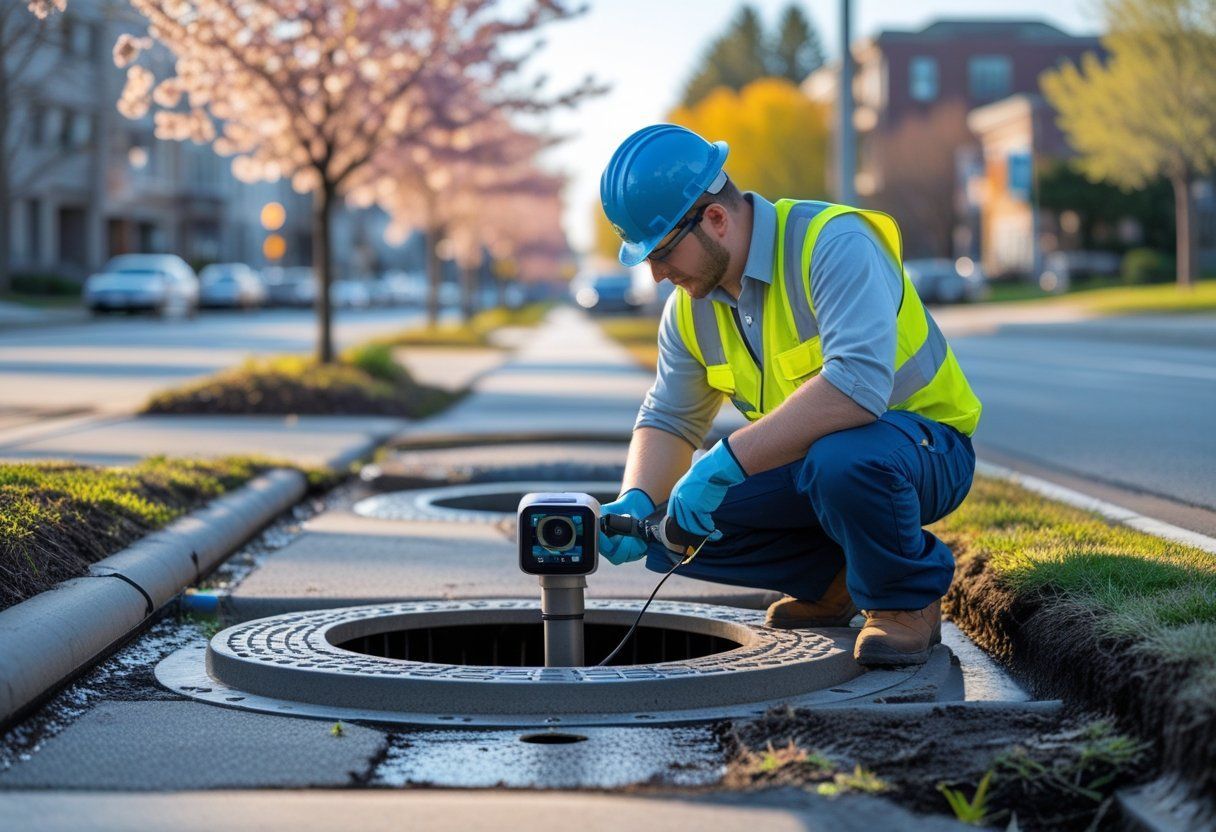
You want sewer line inspections timed so they catch problems before they get costly or urgent. We recommend scheduling inspections based on seasonal risks winter freeze, spring thaw, and heavy fall rains because timing cuts repair costs and prevents service interruptions. We will explain how weather, soil movement, and tree roots change the risk level […]
Common Mistakes to Avoid During Sewer Line Inspections
By Stefani January 18, 2026
We know sewer line inspections feel technical and tense, but avoiding a few common mistakes protects your home and wallet. Start by planning the inspection, knowing what to look for, and involving a qualified professional when signs point to trouble. That simple approach cuts down on missed problems and costly surprises. We will walk through […]
Show More