Benefits of Upgrading to a Tankless Water Heater: Efficiency and Savings Explained

daniel • October 10, 2024

Share this article

Switching to a tankless water heater can bring several benefits to our homes. One of the most important advantages is the endless supply of hot water. Unlike traditional water heaters, these modern units heat water on demand, ensuring we never run out during a shower or when doing laundry.

Besides providing a steady hot water supply, tankless water heaters are known for being energy efficient. They only heat water as needed, leading to lower energy bills for us. This feature makes them environmentally friendly, which is crucial for those of us looking to reduce our carbon footprint.

Maintenance tends to be less frequent with tankless models, making our lives easier. These units generally have a longer lifespan compared to their tank-based counterparts, which means fewer replacements over time. This durability, combined with energy savings, makes the switch an attractive choice for many.

Benefits of Energy Efficiency and Cost Savings

Switching to a tankless water heater offers notable energy efficiency and cost savings. By focusing on reducing energy waste and enhancing performance, these systems stand out as a smart choice for our homes.

Long-Term Savings Over Traditional Heaters

Traditional heaters can be less efficient, leading to higher costs over time. With tankless heaters, we often see savings on our utility bills. Though the upfront cost may be higher, the long-term benefits make it worthwhile. Studies indicate users save 20% to 30% on their energy bills annually.

Long-lasting systems result in fewer replacements, further saving us money. As they use advanced technology to heat water on demand, we avoid the expenses associated with storing and constantly reheating water. This efficiency contributes significantly to reducing waste and lowering costs in the long run.

Reduced Standby Energy Losses

A significant advantage of tankless water heaters is the reduction of standby energy losses. Traditional heaters store hot water, which often leads to heat loss as the water sits unused. Our tankless systems heat water directly when needed, minimizing energy waste.

This direct method of heating water means there is no energy expended maintaining a tank’s heat. As a result, tankless heaters are much more energy-efficient. By only using energy when hot water is required, we ensure that our utility bills reflect our actual usage, not unnecessary losses.

Influence of Fuel Type on Efficiency

The fuel type can greatly impact the energy efficiency of a tankless heater. Natural gas models tend to be more efficient than electric ones because they heat water faster and more precisely. Energy Star certification is an excellent marker for identifying efficient options. This certification assures us the device meets strict standards for energy efficiency.

The choice we make on fuel type can affect efficiency and cost savings. Understanding these differences helps us select the best option for our needs, striking a balance between efficiency and affordability. Choosing the right fuel ensures that we maximize savings while minimizing environmental impact.

Considerations for Installation and Longevity

When upgrading to a tankless water heater, there are several key factors to consider. Professional installation and plumbing adjustments are often necessary. These units offer a longer lifespan than traditional heaters.

Professional Installation and Plumbing Considerations

In most cases, professional installation is necessary for a tankless water heater. This involves both intricate electric or gas connections. Improper installation can result in inefficiencies or worse, which we want to avoid.

The cost of installation varies based on the plumbing system and whether we are installing an electric, gas, or propane tankless heater. We may need new pipes, vents, or electrical upgrades, raising costs. Therefore, hiring a skilled plumber or technician ensures that everything meets safety and building codes.

Although the upfront investment might appear high, the promise of long-term savings on energy bills often offsets these costs. This makes professional installation a wise decision for many of us looking at the broader picture.

Durability and Extended Lifespan of Units

Tankless water heaters generally offer a longer lifespan than traditional models. While a standard water heater might last 10-15 years, tankless units often extend up to 20 years.

Regular maintenance plays a crucial role in achieving this extended lifespan. Maintenance involves checking for sediment build-up and cleaning filters or air inlets. This effort helps us ensure our heating system runs efficiently over time.

Additionally, the durability of these heaters depends on whether they are electric, gas, or propane units. Electric tankless water heaters, for instance, tend to require fewer repairs compared to gas models.

Space Requirements and Versatile Placement

One major advantage of tankless water heaters is their space-saving design. Without the bulk of a large tank, these units can be installed in compact spaces. This flexibility allows us a variety of placement options — they can fit in a closet, under a sink, or even on outdoor walls.

Multiple units can be used in larger homes to provide consistent hot water flow. This versatility adds another layer of convenience, making them adaptable to different household needs.

The compact design is particularly beneficial for apartments and smaller homes where space is limited. It allows us to maximize usable space without compromising on hot water availability.

Optimizing Hot Water Supply with Tankless Systems

Tankless water heaters provide a consistent hot water supply while conserving energy. They allow us to personalize our hot water experience with precise temperature settings.

Meeting Demand with On-Demand Water Heating

With tankless systems, we enjoy endless hot water as these units heat the water directly when we need it. There is no need for a storage tank, so there’s never a risk of running out of hot water.

Unlike traditional heaters that can have limited hot water, an instant water heater delivers a continuous hot water supply immediately. This is particularly beneficial for large families or homes where using hot water simultaneously is common. There’s also the benefit of saving space, as tankless systems are compact and can be installed in various locations, offering flexibility in homes with limited space.

Advantages of Precise Temperature Control

Tankless systems allow us to manage the temperature control efficiently. We can adjust the temperature to our liking, ensuring that water is always just right for every task, from dishwashing to showering.

These systems often come with digital displays and controls, making it easy for us to set and maintain the desired temperature. Moreover, the precise control helps in saving energy, as we use only what is needed without heating excess water, thereby ensuring efficiency. While some may worry about a lower flow rate in tankless systems, modern units can achieve a great balance between temperature and water flow, making them a smart choice for both comfort and functionality.

Recent Posts

Fast Response Plumbing technician servicing a water shut off valve in San Francisco
By Joe Tinsley July 17, 2026
Learn how gate valves, ball valves, and angle stops work, where to find them in your San Francisco home, and when to replace them. FAQs inside.
Budgeting for Unforeseen Sewer Line Maintenance Expenses
By Stefani January 31, 2026
Sewer line problems can hit your wallet fast, and we know the stress of a surprise repair. We show you how to plan a practical budget that covers emergency fixes, regular upkeep, and the big costs that sneak up on you. This saves you money and keeps small issues from turning into major failures. We […]
Seasonal Effects on Sewer Line Maintenance Costs
By Stefani January 30, 2026
You’ll want to know how seasons change what you pay for sewer line maintenance so you can plan ahead and avoid surprise bills. Seasonal weather, ground movement, and plant growth directly affect repair needs and costs, so budgeting by season cuts unexpected expenses. We outline what shifts costs, when repairs most often happen, and which […]
The Role of Location in Sewer Line Maintenance Pricing
By Stefani January 29, 2026
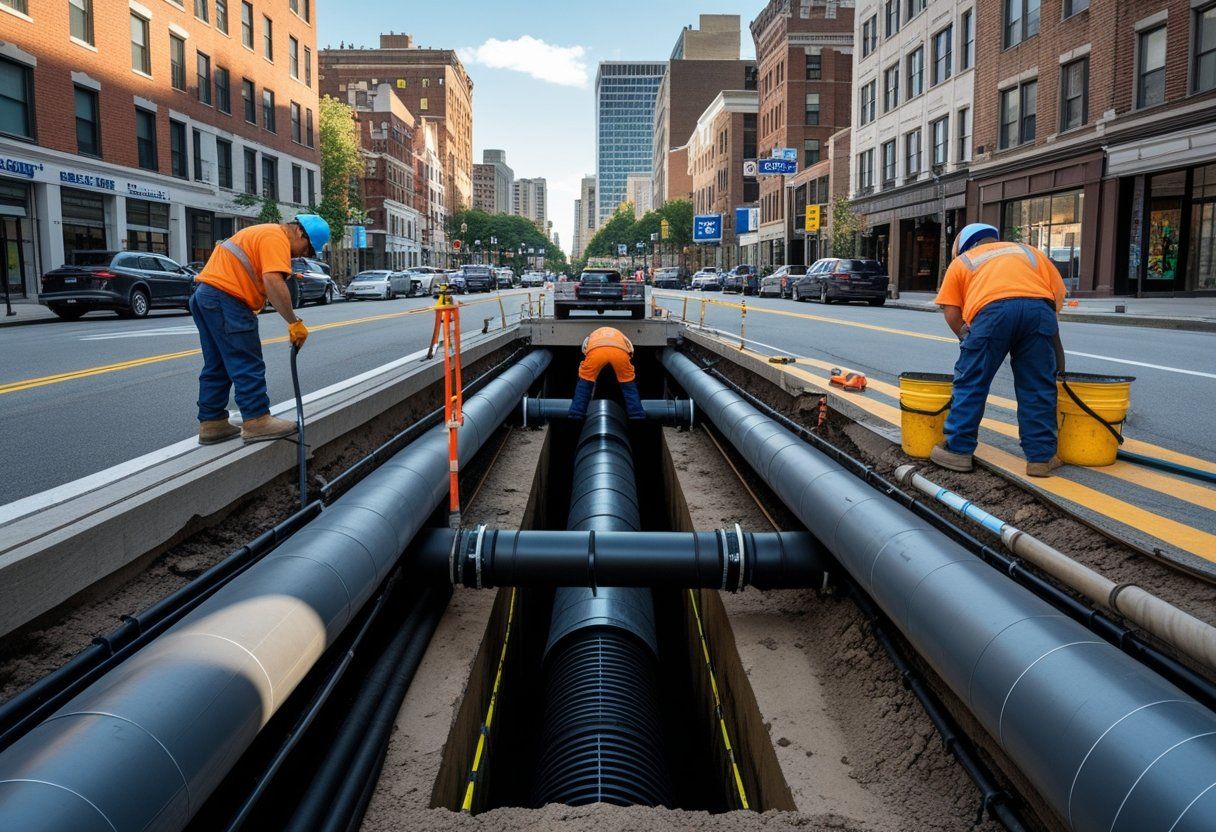
You’ll pay different amounts for sewer line maintenance depending on where your property sits and what’s under it. Location drives cost through factors like soil type, access difficulty, local labor rates, and permit rules, so knowing these lets you predict and plan for expenses. We’ll show how those local details shape quotes and outcomes. We’ll […]
Analyzing Material Expenses for Effective Sewer Line Care
By Stefani January 28, 2026
We’ll break down the real costs that matter for keeping a sewer line working well so you can plan and avoid surprises. You’ll learn which materials and fees drive most of the expense and how small choices can lower long-term costs. We’ll look at costs for parts, tools, permits, and regular cleaning, plus where labor […]
Understanding the Impact of Labor Costs on Sewer Line Maintenance
By Stefani January 25, 2026
You want to know how labor costs shape sewer line care and what that means for your wallet. We will show how wages, crew size, and the repair method you choose change the final bill so you can plan smarter and avoid surprises. Knowing which labor factors most drive costs lets you pick repair options […]
How to Interpret Sewer Line Inspection Reports
By Stefani January 24, 2026
You’ll get clear steps to decode the most important parts of a sewer line inspection report so you can act with confidence. We show you how to spot real problems, what each defect means, and which issues need immediate repair versus routine maintenance. We break the report into simple pieces what the camera images show, […]
By Stefani January 23, 2026
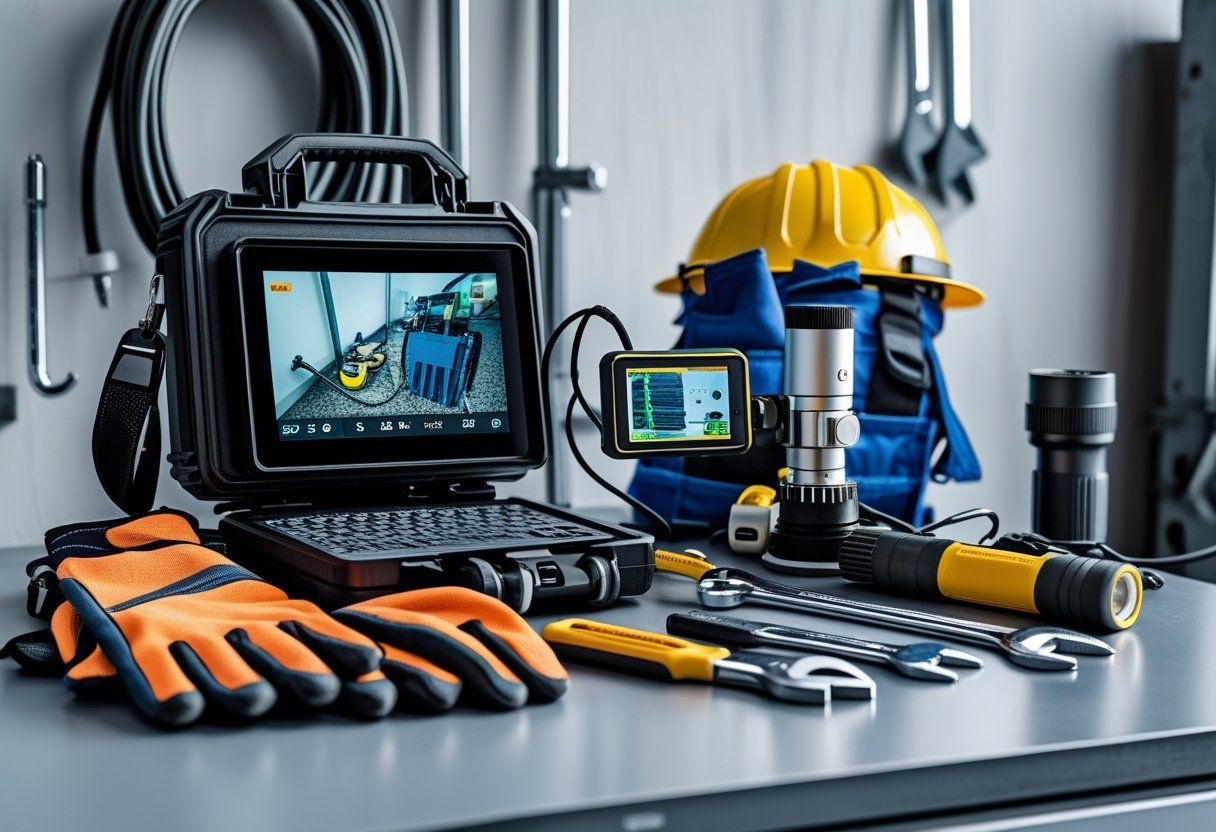
You want tools that give clear answers fast so you can find problems and fix them right. We rely on high-quality sewer cameras, locating gear, and cleaning tools to spot cracks, blockages, and defects in sewer lines accurately. Knowing which tools to use helps a plumber save time and avoid costly mistakes. We will walk […]
By Stefani January 22, 2026
You want sewer line inspections timed so they catch problems before they get costly or urgent. We recommend scheduling inspections based on seasonal risks winter freeze, spring thaw, and heavy fall rains because timing cuts repair costs and prevents service interruptions. We will explain how weather, soil movement, and tree roots change the risk level […]
Common Mistakes to Avoid During Sewer Line Inspections
By Stefani January 18, 2026
We know sewer line inspections feel technical and tense, but avoiding a few common mistakes protects your home and wallet. Start by planning the inspection, knowing what to look for, and involving a qualified professional when signs point to trouble. That simple approach cuts down on missed problems and costly surprises. We will walk through […]
Show More