Signs Your Water Heater Needs Repair: Common Indicators of Trouble

daniel • October 3, 2024

Share this article

Dealing with a faulty water heater is never fun. No one likes an unexpected cold shower or strange noises coming from the basement. Spotting signs of trouble early can save us from bigger headaches down the road.

Strange sounds, inconsistent water temperatures, and leaks are signals that something might be up. It’s crucial to know these warning signs so we can take action before minor glitches turn into expensive repairs. If we listen and watch for these clues, we can avoid cold showers and costly fixes.

Being proactive is our best defense. Regular checks and quick repairs can extend the life of our water heater. Let’s explore these signs so we can keep our hot water flowing without a hitch.

Recognizing Common Signs of Water Heater Distress

Water heaters can show signs that they need repair. Some indicators include leaks, changes in water quality, and strange noises.

Identifying Leaks and Water Damage

When our water heater starts leaking, it can lead to water damage. We might find puddles around the heater or notice damp spots on walls or floors. Leaks can cause mold to grow, which is harmful to our health. Often, leaks come from valves or connections that have corroded.

Fixing these issues early can prevent major expenses. Keeping an eye out for moisture spots or rust around our heater can save us from future troubles. Regular inspections help us spot these leaks before they become a bigger problem.

Changes in Water Quality

A decline in water quality is a sign of heater distress. Our water might become discolored, like a rusty brown, indicating sediment buildup or possible corrosion inside. We may notice a metallic taste or a foul smell in the water.

These changes often mean that the heater needs maintenance. Sediment buildup can damage the tank and decrease its efficiency. By flushing the heater regularly, we reduce the chance of debris affecting our water quality, ensuring we have clean, fresh water.

Inconsistent Water Temperatures

If we notice our water temperatures fluctuating, it could indicate a problem with our heater. We might experience bursts of cold water or find it difficult to get hot water at all. This inconsistency could result from a failing thermostat or heating element. It also could mean sediment has built up, affecting the heater’s performance.

Addressing these issues quickly ensures that our water remains at the desired temperature. Regular maintenance and checks can pinpoint problems before they worsen, helping us achieve stable temperatures.

Understanding Strange Noises

Strange noises coming from our water heater can be alarming. We might hear popping, rumbling, or banging sounds. These noises often indicate sediment buildup at the bottom of the tank. This buildup causes the heater to overheat as it works harder, producing unusual sounds.

Ignoring these noises can lead to more damage and reduce the heater’s lifespan. Regular tank flushing helps in removing sediment, minimizing noise disturbances. Keeping our heater clean and well-maintained ensures a quieter and more efficient operation.

The Impact of Water Heater Age and Maintenance

Water heaters have a lifespan that depends greatly on their age and the level of maintenance they receive. Proper upkeep can extend their life and improve energy efficiency.

Lifespan and Replacement Considerations

The average lifespan of a water heater ranges from 8 to 12 years. As they age, issues like rust and corrosion become more evident. These problems can lead to a drop in performance and energy efficiency.

Aging units often show visible corrosion and may require more frequent water heater repairs. When we see these signs, it’s time to think about a water heater replacement.

Investing in a new unit may improve energy efficiency, making it cost-effective in the long run. Regular checks on the heater’s age and performance help us decide when replacement is the best option.

Preventive Maintenance Inspections

Maintenance is key in prolonging the lifespan of our water heater. Routine inspections can catch problems early, reducing the chance of major breakdowns. We should look out for rust and corrosion and address them right away.

During preventive maintenance, checks focus on removing sediment buildup, which can affect efficiency and performance. Energy efficiency is crucial, so tests ensure that the heater is working at its best.

Scheduling regular maintenance helps identify issues before they become severe, leading to fewer emergency repairs. This proactive approach saves time, hassle, and money in the long term.

Evaluating Costs: Repair vs. Replacement

Deciding whether to repair or replace a water heater requires careful consideration of factors like energy usage, current costs, and consulting professionals. We’ll break down these elements to guide you through an informed decision.

Analyzing Energy Bills

We all want to save money, especially when it comes to energy bills. If utility bills are climbing, an old or faulty water heater might be to blame. Older units often use more energy, leading to high monthly costs. Review past bills to spot any sudden increases.

Energy-efficient water heaters can help lower costs. Compare current bills with the potential savings a new model offers. Remember, spending money on repairs might delay the benefits of energy savings.

Consider any mold growth around the tank, which can symbolize inefficient energy use. Mold can also cause health issues, prompting more expenses down the line.

Deciding on Repair or Replacement

Considering the cost of water heater repairs is vital. If the repair costs are high or problems are recurring, replacement might be the smarter choice. New units, while initially more expensive, can save money long-term due to lower energy usage.

Assess the age of your water heater. Units older than ten years often experience frequent issues. Balance repair and replacement costs with potential savings on reduced energy bills.

High energy bills are a sign that keeping the current unit is costly. Sometimes, replacing it with a more energy-efficient water heater is beneficial, cutting down utility bills significantly over time.

Consulting with a Professional Plumber

A professional plumber can provide insights on whether repair or replacement is best. They bring expertise in spotting issues we might miss. Their advice can prevent overspending on unnecessary repairs.

Plumbers can help us understand the condition of our heater better. They might even suggest newer, energy-efficient models suited to our needs.

Talking with a professional ensures that any decision made is backed by solid knowledge and experience. Investing in a consultation now could lead to better energy savings and decisions in the future.

Recent Posts

Fast Response Plumbing technician servicing a water shut off valve in San Francisco
By Joe Tinsley July 17, 2026
Learn how gate valves, ball valves, and angle stops work, where to find them in your San Francisco home, and when to replace them. FAQs inside.
Budgeting for Unforeseen Sewer Line Maintenance Expenses
By Stefani January 31, 2026
Sewer line problems can hit your wallet fast, and we know the stress of a surprise repair. We show you how to plan a practical budget that covers emergency fixes, regular upkeep, and the big costs that sneak up on you. This saves you money and keeps small issues from turning into major failures. We […]
Seasonal Effects on Sewer Line Maintenance Costs
By Stefani January 30, 2026
You’ll want to know how seasons change what you pay for sewer line maintenance so you can plan ahead and avoid surprise bills. Seasonal weather, ground movement, and plant growth directly affect repair needs and costs, so budgeting by season cuts unexpected expenses. We outline what shifts costs, when repairs most often happen, and which […]
The Role of Location in Sewer Line Maintenance Pricing
By Stefani January 29, 2026
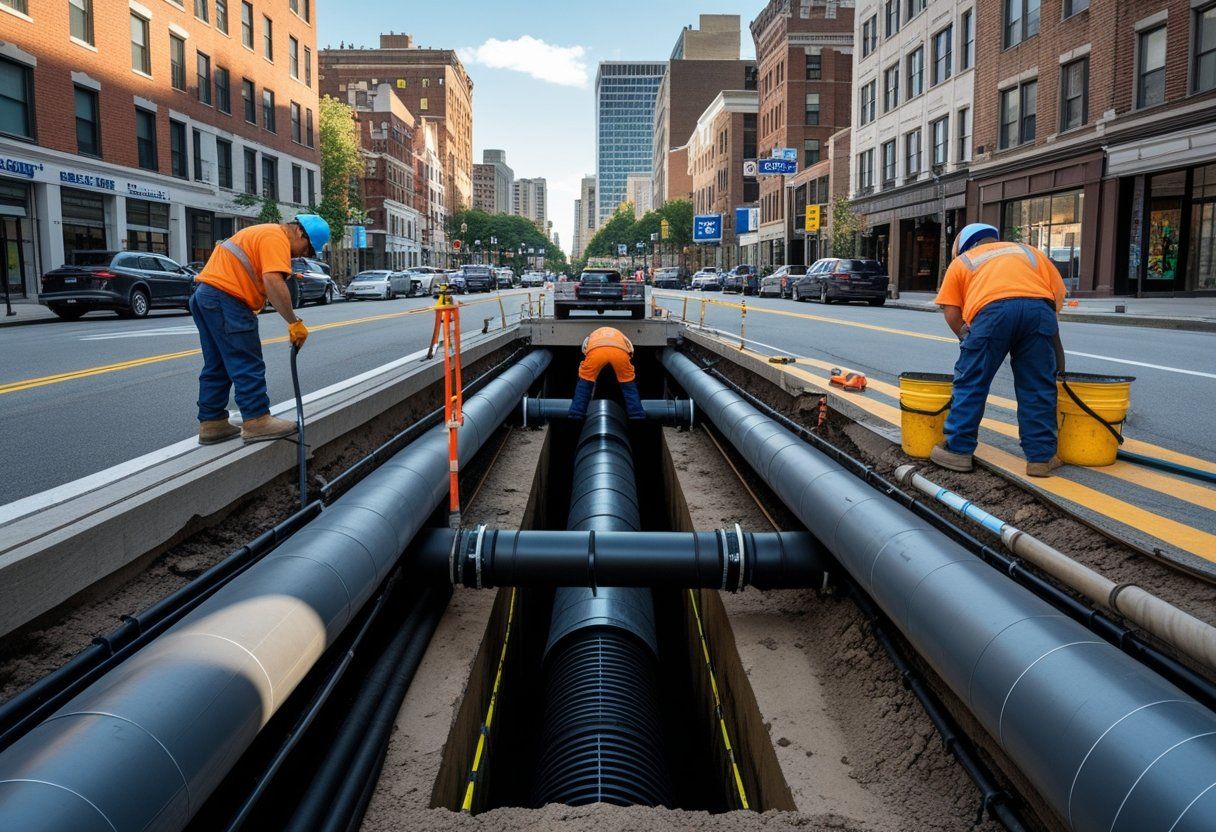
You’ll pay different amounts for sewer line maintenance depending on where your property sits and what’s under it. Location drives cost through factors like soil type, access difficulty, local labor rates, and permit rules, so knowing these lets you predict and plan for expenses. We’ll show how those local details shape quotes and outcomes. We’ll […]
Analyzing Material Expenses for Effective Sewer Line Care
By Stefani January 28, 2026
We’ll break down the real costs that matter for keeping a sewer line working well so you can plan and avoid surprises. You’ll learn which materials and fees drive most of the expense and how small choices can lower long-term costs. We’ll look at costs for parts, tools, permits, and regular cleaning, plus where labor […]
Understanding the Impact of Labor Costs on Sewer Line Maintenance
By Stefani January 25, 2026
You want to know how labor costs shape sewer line care and what that means for your wallet. We will show how wages, crew size, and the repair method you choose change the final bill so you can plan smarter and avoid surprises. Knowing which labor factors most drive costs lets you pick repair options […]
How to Interpret Sewer Line Inspection Reports
By Stefani January 24, 2026
You’ll get clear steps to decode the most important parts of a sewer line inspection report so you can act with confidence. We show you how to spot real problems, what each defect means, and which issues need immediate repair versus routine maintenance. We break the report into simple pieces what the camera images show, […]
By Stefani January 23, 2026
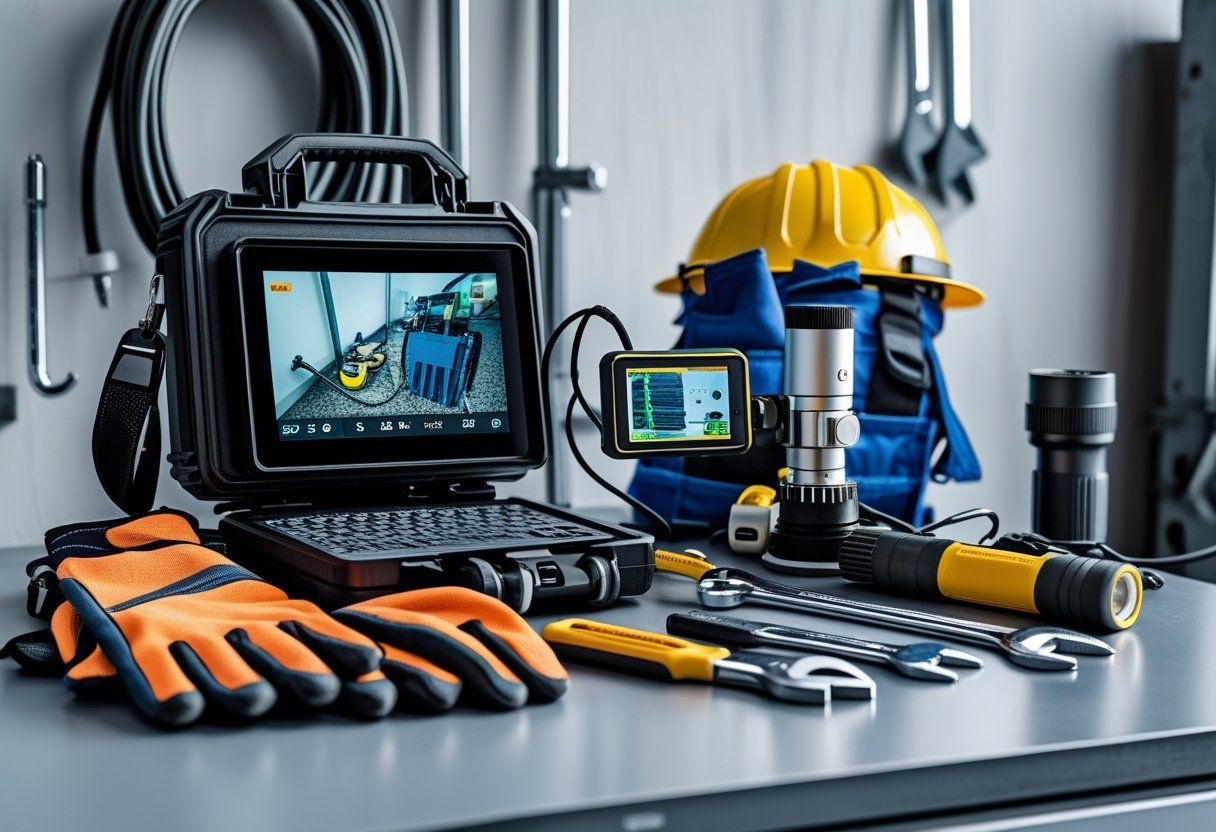
You want tools that give clear answers fast so you can find problems and fix them right. We rely on high-quality sewer cameras, locating gear, and cleaning tools to spot cracks, blockages, and defects in sewer lines accurately. Knowing which tools to use helps a plumber save time and avoid costly mistakes. We will walk […]
By Stefani January 22, 2026
You want sewer line inspections timed so they catch problems before they get costly or urgent. We recommend scheduling inspections based on seasonal risks winter freeze, spring thaw, and heavy fall rains because timing cuts repair costs and prevents service interruptions. We will explain how weather, soil movement, and tree roots change the risk level […]
Common Mistakes to Avoid During Sewer Line Inspections
By Stefani January 18, 2026
We know sewer line inspections feel technical and tense, but avoiding a few common mistakes protects your home and wallet. Start by planning the inspection, knowing what to look for, and involving a qualified professional when signs point to trouble. That simple approach cuts down on missed problems and costly surprises. We will walk through […]
Show More