
Factors To Consider When Choosing A Sewer Line Repair Service For Reliable Plumbing Solutions

Stefani • November 8, 2025

Share this article

Sewer line problems can disrupt daily life and cause costly damage if not handled quickly. Choosing the right repair service makes all the difference in how smoothly and effectively the issue gets resolved. We should look for a service that offers reliable expertise, clear communication, and proven repair methods.

We often face the challenge of comparing different companies that promise fast results and low prices. It’s important to understand what really matters, from the technology used to the transparency of cost estimates. By knowing what to look for, we can make confident choices that protect our property and budget.

This guide explains how to recognize sewer line issues, what factors to weigh when selecting a repair service, and how to evaluate repair options and pricing. With the right information, we can avoid unnecessary stress and ensure the job gets done right the first time.

Understanding Sewer Line Problems

We often face sewer line problems that cause slow drainage, foul odors, or even property damage. Recognizing warning signs early and understanding what leads to these issues helps us take quick and effective action to prevent costly repairs.

Common Signs of Sewer Line Issues

Sewer line issues show up in clear but often ignored ways. Slow drains in sinks, tubs, or toilets are common early signs. When more than one drain moves slowly, the issue likely lies in the main sewer line, not just a single pipe.

We may notice gurgling sounds from drains or toilets. These noises often mean air is trapped in the plumbing due to a blockage. Unpleasant odors coming from drains or around the yard can also signal a leak or a damaged pipe.

Sometimes, wet spots or patches of lush grass appear in the yard. This may happen when wastewater seeps into the soil from a cracked line. Frequent clogs or toilet backups also point to a deeper problem that needs inspection.

Sign Possible Cause
Slow drains Partial blockage in main line
Gurgling noises Air trapped due to obstruction
Bad odors Leak or damaged pipe
Wet yard areas Cracked or broken sewer pipe

Causes of Sewer Line Damage

Sewer line damage often results from a mix of age, materials, and external pressure. Older pipes made of clay or cast iron can crack or corrode over time. Soil shifting from heavy rain or construction can also stress the line.

Tree roots are a major cause of blockages and cracks. Roots seek moisture and can enter small openings in joints, eventually breaking the pipe. Grease buildup, flushed debris, and foreign objects also contribute to clogs that strain the line.

In some cases, poor installation or outdated plumbing design leads to recurring failures. Regular inspections help us detect these issues early and plan for timely repairs before more serious damage occurs.

Impacts of Blockages and Sewage Backup

Blockages can cause sewage backup that affects sinks, bathtubs, and toilets. When wastewater cannot flow properly, it reverses direction and enters our home. This creates a health risk due to bacteria and unpleasant odors.

Prolonged blockages can damage flooring, drywall, and insulation. Moisture encourages mold growth, which can spread quickly and require professional cleanup. The longer sewage sits, the higher the repair and sanitation costs.

Outside, sewage leaks can contaminate soil and nearby water sources. They may also attract pests and create unsafe conditions for pets and children. Addressing blockages as soon as we notice early signs helps protect both our property and health.

Key Factors to Consider When Choosing a Sewer Line Repair Service

We should look at a company’s background, legal standing, service range, and response times before making a decision. Paying attention to these details helps us choose a sewer repair service that is reliable, skilled, and ready to handle urgent problems.

Experience and Reputation

We need to review how long a sewer line repair service has been in business and what kind of projects it has handled. A company with at least several years of experience is more likely to understand complex sewer issues and local regulations.

Customer reviews and ratings help us measure a company’s reputation. We can check online platforms, local directories, or ask for references from past clients. Consistent positive feedback usually means dependable service and professional conduct.

It’s also useful to see if the company specializes in certain methods such as trenchless repair or pipe bursting. These details show technical skill and updated knowledge of modern repair techniques.

What to Check Why It Matters
Years in operation Indicates stability and experience
Customer reviews Reflects reliability and service quality
Specialization Shows technical knowledge and modern methods

Licensing and Insurance

We should confirm that the sewer repair service holds valid licenses required by our state or city. A licensed provider meets local codes and safety standards, which reduces the risk of poor workmanship or legal issues.

Insurance is equally important. The company should carry both liability insurance and worker’s compensation coverage. These policies protect us from costs related to property damage or on-site injuries.

Before hiring, we can ask for copies of their license and insurance certificates. We should verify that the documents are current and match the business name. Taking this step ensures we’re working with a legitimate and responsible provider.

Range of Services Offered

Different sewer problems require different solutions. We should look for a sewer line repair service that offers a full range of options, from inspection to replacement. This may include camera inspections, hydro jetting, pipe relining, and trenchless repair.

A company with a wide service range can handle both minor clogs and major pipe failures. This saves time and prevents the need to hire multiple contractors.

It also helps if the provider offers preventive maintenance. Regular cleaning and inspection can reduce future repair costs and extend the life of our sewer system.

Emergency Response Availability

Sewer line issues can happen at any time, often without warning. We should choose a company that provides 24/7 emergency repair services. Fast response times can prevent property damage and health hazards caused by sewage backups.

When comparing providers, we can ask how quickly they respond to emergency calls. Some companies guarantee arrival within a set time frame, such as one hour.

We should also confirm if emergency visits come with extra fees or if they are included in service plans. Knowing this in advance helps us plan for unexpected situations without delay.

Evaluating Repair Methods and Technologies

We focus on how different repair methods, inspection tools, and warranty options affect the quality and cost of sewer line repair. Understanding these factors helps us choose reliable services that use proven technology and provide long-term value.

Trenchless Repairs vs. Traditional Methods

Trenchless repairs use small access points instead of large trenches. This method reduces surface damage to driveways, lawns, and sidewalks. It also shortens repair time and often lowers labor costs.

Traditional methods require digging up the damaged pipe. While this allows direct access for full replacement, it can be more disruptive and expensive due to excavation and restoration work.

We should compare both approaches based on pipe condition, location, and budget. Trenchless methods like pipe bursting and cured-in-place lining (CIPP) are ideal for stable soil and minor to moderate damage. Traditional excavation may still be needed for collapsed or severely misaligned pipes.

Method Main Advantage Main Limitation
Trenchless Less disruption, faster completion Not suitable for all pipe conditions
Traditional Complete pipe access Higher restoration costs

Video Inspection and Diagnostic Tools

Video inspection allows technicians to locate cracks, roots, and blockages without digging. A small camera moves through the sewer line, sending live images to a monitor. This helps us see the exact problem before deciding on a repair method.

High-resolution cameras and locator devices improve accuracy. They help identify the pipe’s material, slope, and joint condition. This data ensures the repair plan fits the actual issue, not just the symptoms.

We should confirm that the service uses modern diagnostic tools. Reliable inspection reports often include video footage, digital maps, and condition ratings. These details make cost estimates more precise and reduce the chance of repeat problems.

Warranty and Aftercare Support

A clear warranty shows that a company stands behind its work. We should ask how long the warranty lasts and what it covers; materials, labor, or both. Trenchless repairs often come with multi-year warranties because the liners and resins are designed to last for decades.

Aftercare support matters too. Some services offer follow-up inspections or maintenance plans to check for early signs of trouble.

We should look for companies that provide written guarantees, responsive customer service, and scheduled maintenance options. These features protect our investment and help keep the sewer line in good condition for years.

Cost, Estimates, and Customer Considerations

We should understand how pricing, estimates, and customer care affect the value of sewer line repair services. These factors help us choose a reliable provider and avoid unexpected costs or poor communication.

Obtaining Written Estimates

We should always ask for written estimates before agreeing to any sewer line repair. Written estimates protect us from hidden fees and give a clear record of expected costs. They should list materials, labor, and any additional charges.

A good estimate includes:

  • Scope of work
  • Parts and materials
  • Labor costs
  • Permit fees (if required)
  • Timeline for completion

We can compare estimates from several companies to see which one offers fair pricing. If a contractor only gives a verbal quote, we should request written details before signing anything. This step helps prevent misunderstandings and ensures transparency.

Comparing Pricing and Value

Price alone does not show the full value of sewer line repair services. We should look at what each company includes in its price. Some may offer warranty coverage, emergency response, or post-repair inspections that justify a slightly higher cost.

Factor Why It Matters
Warranty Protects us from future repair costs
Experience Skilled technicians reduce mistakes
Equipment Modern tools improve efficiency
Insurance Covers property damage or accidents

We should avoid choosing the lowest bid without checking quality and reputation. A slightly higher price may save money later if the work lasts longer and prevents future problems.

Customer Service and Communication

Clear communication builds trust between us and the repair company. We should notice how quickly they respond to calls, explain repair options, and answer questions. A company that listens and provides updates throughout the job shows professionalism.

Good customer service includes:

  • Prompt responses to inquiries
  • Written updates during the repair
  • Respectful and clear explanations of issues

We should also check online reviews for feedback about reliability and communication. When a company values customer satisfaction, it usually delivers better results and a smoother repair process.

Recent Posts

Fast Response Plumbing technician servicing a water shut off valve in San Francisco
By Joe Tinsley July 17, 2026
Learn how gate valves, ball valves, and angle stops work, where to find them in your San Francisco home, and when to replace them. FAQs inside.
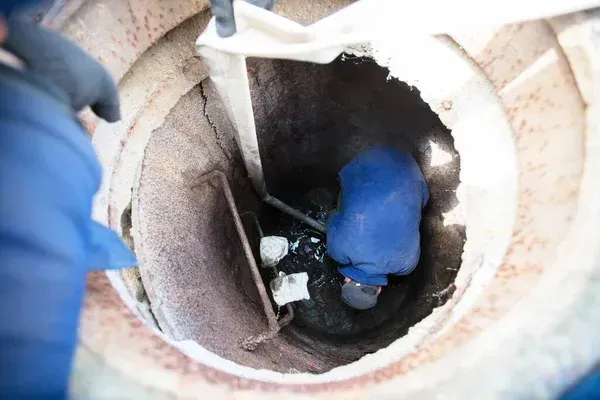
Budgeting for Unforeseen Sewer Line Maintenance Expenses
By Stefani January 31, 2026
Sewer line problems can hit your wallet fast, and we know the stress of a surprise repair. We show you how to plan a practical budget that covers emergency fixes, regular upkeep, and the big costs that sneak up on you. This saves you money and keeps small issues from turning into major failures. We […]
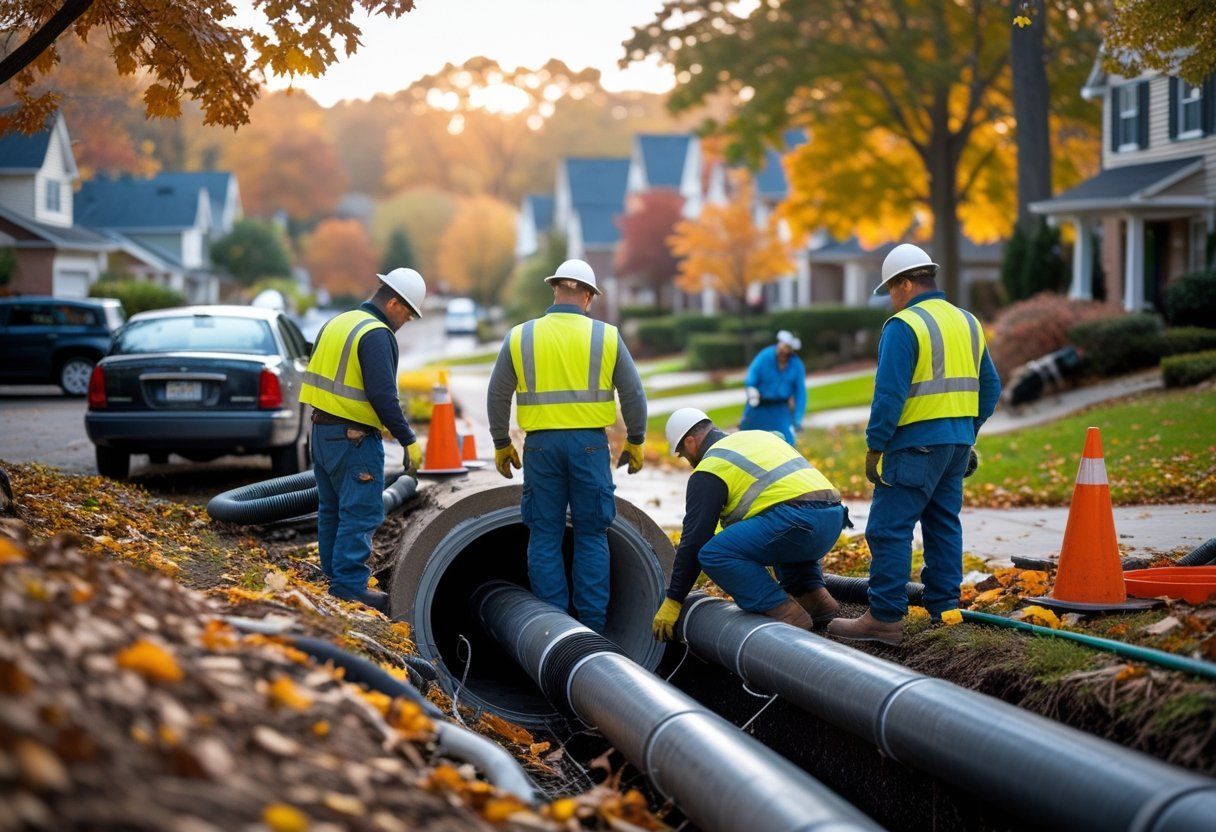
Seasonal Effects on Sewer Line Maintenance Costs
By Stefani January 30, 2026
You’ll want to know how seasons change what you pay for sewer line maintenance so you can plan ahead and avoid surprise bills. Seasonal weather, ground movement, and plant growth directly affect repair needs and costs, so budgeting by season cuts unexpected expenses. We outline what shifts costs, when repairs most often happen, and which […]
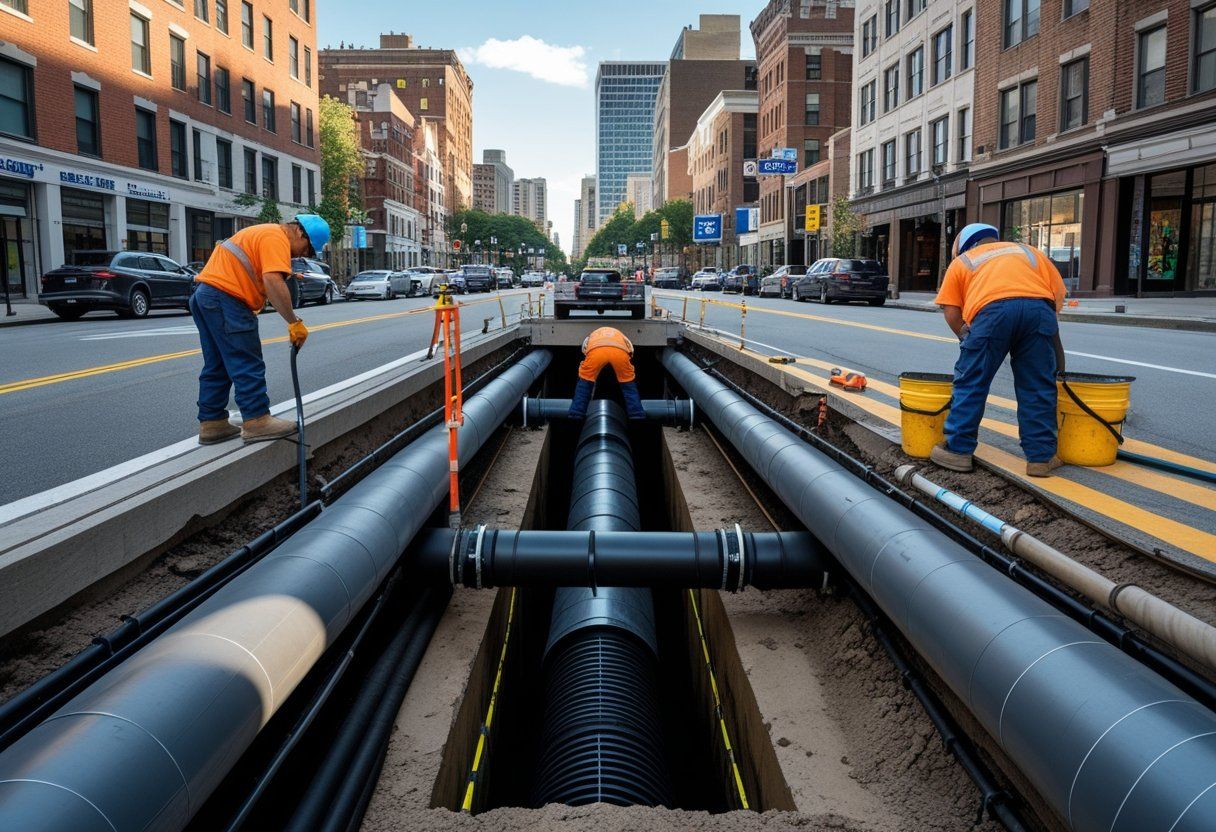
The Role of Location in Sewer Line Maintenance Pricing
By Stefani January 29, 2026
You’ll pay different amounts for sewer line maintenance depending on where your property sits and what’s under it. Location drives cost through factors like soil type, access difficulty, local labor rates, and permit rules, so knowing these lets you predict and plan for expenses. We’ll show how those local details shape quotes and outcomes. We’ll […]
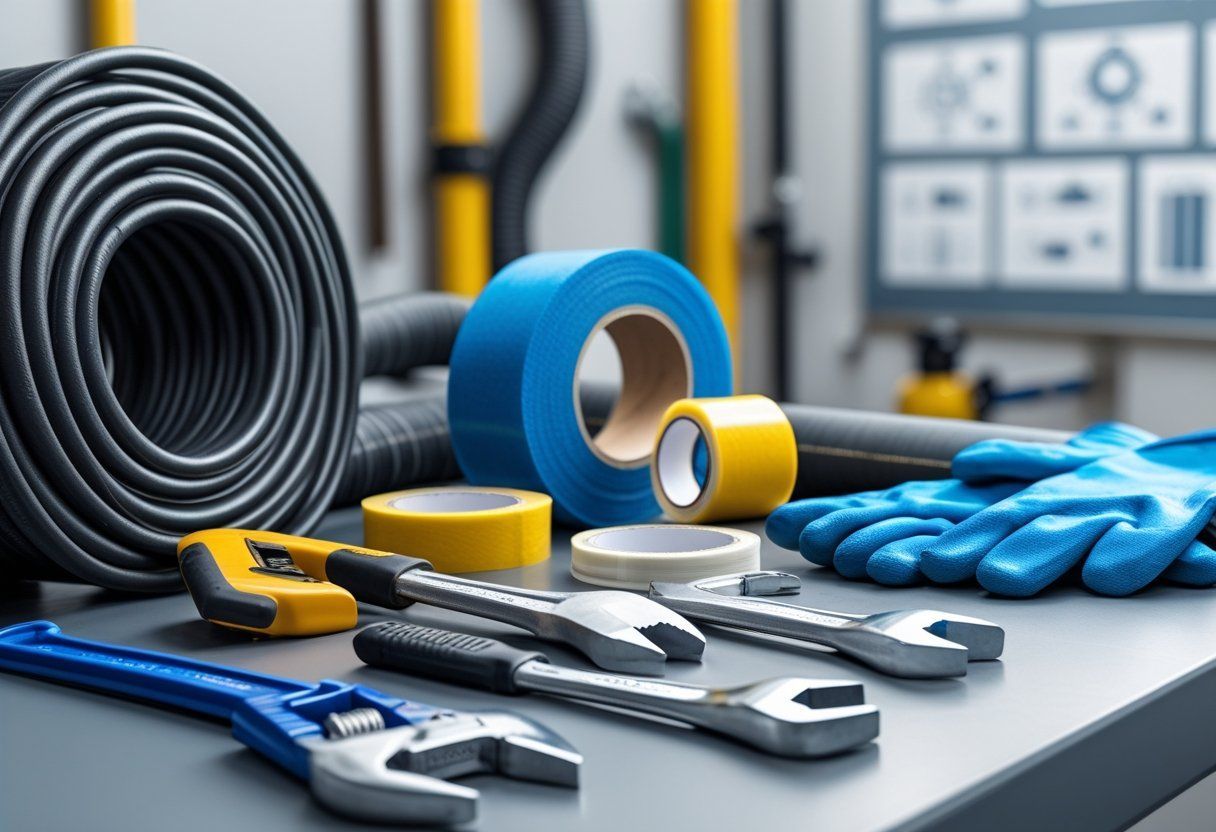
Analyzing Material Expenses for Effective Sewer Line Care
By Stefani January 28, 2026
We’ll break down the real costs that matter for keeping a sewer line working well so you can plan and avoid surprises. You’ll learn which materials and fees drive most of the expense and how small choices can lower long-term costs. We’ll look at costs for parts, tools, permits, and regular cleaning, plus where labor […]
Understanding the Impact of Labor Costs on Sewer Line Maintenance
By Stefani January 25, 2026
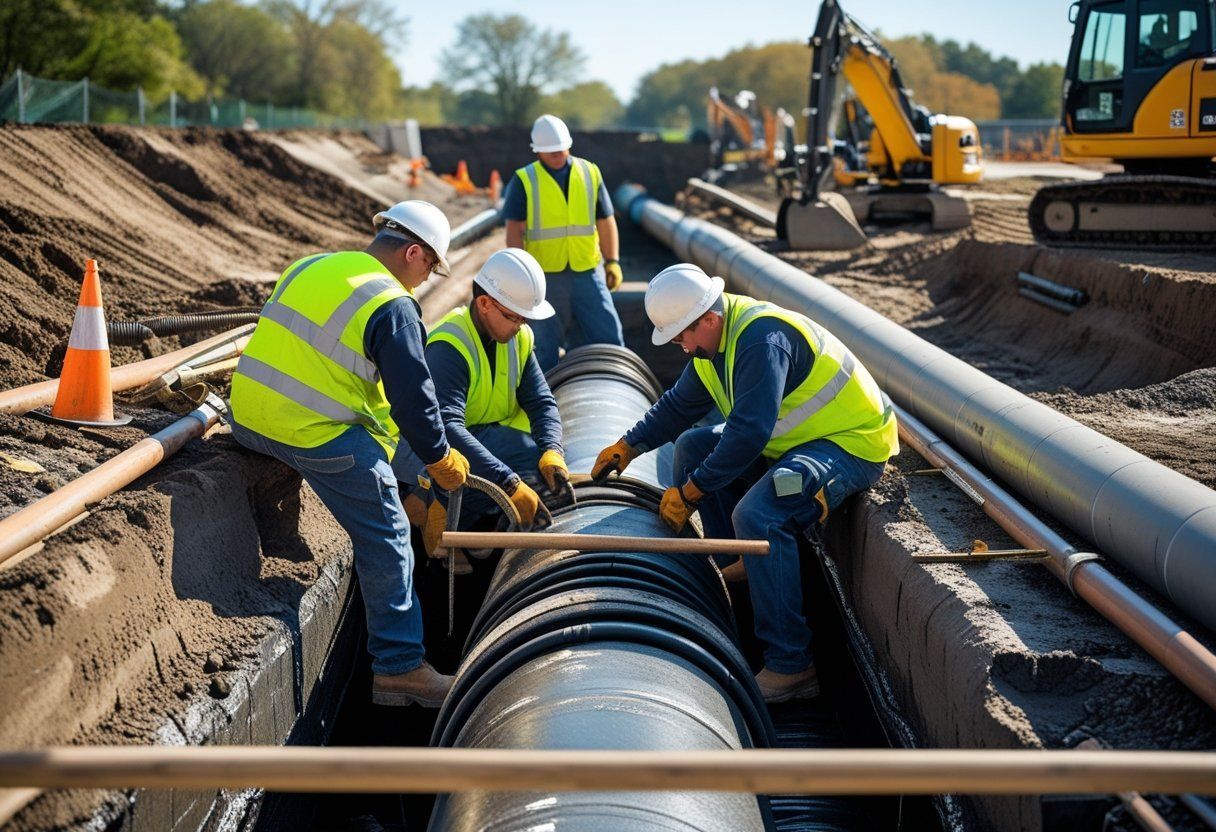
You want to know how labor costs shape sewer line care and what that means for your wallet. We will show how wages, crew size, and the repair method you choose change the final bill so you can plan smarter and avoid surprises. Knowing which labor factors most drive costs lets you pick repair options […]
How to Interpret Sewer Line Inspection Reports
By Stefani January 24, 2026
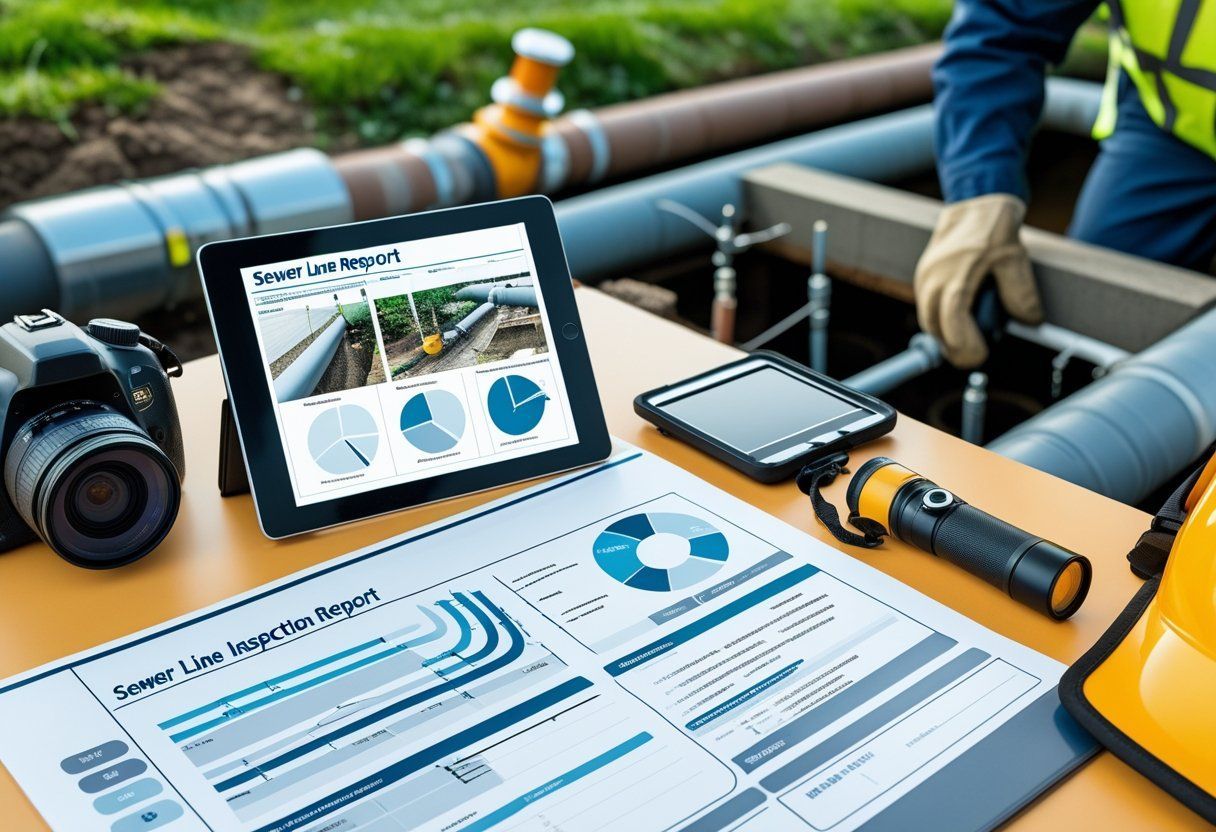
You’ll get clear steps to decode the most important parts of a sewer line inspection report so you can act with confidence. We show you how to spot real problems, what each defect means, and which issues need immediate repair versus routine maintenance. We break the report into simple pieces what the camera images show, […]
Tool kit with hard hat, gloves, laptop, and handheld device on a workbench in a workshop
By Stefani January 23, 2026
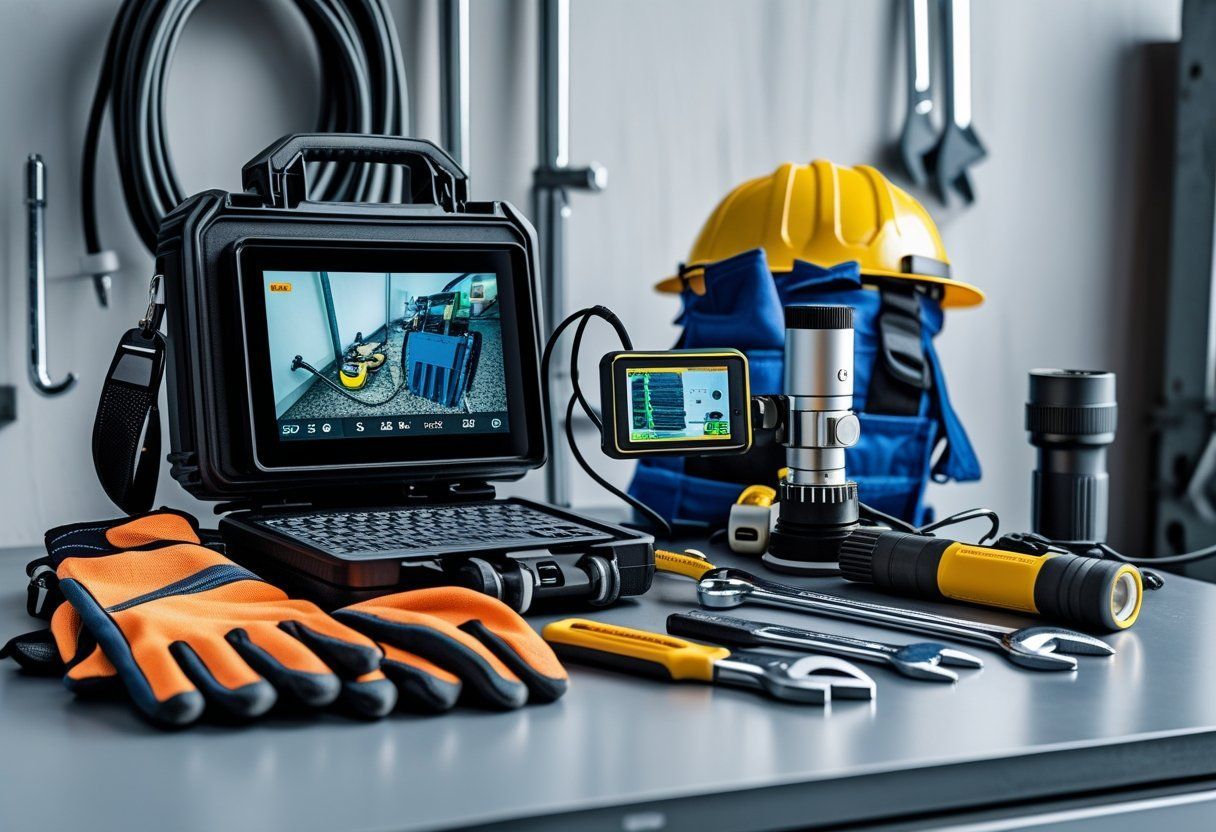
You want tools that give clear answers fast so you can find problems and fix them right. We rely on high-quality sewer cameras, locating gear, and cleaning tools to spot cracks, blockages, and defects in sewer lines accurately. Knowing which tools to use helps a plumber save time and avoid costly mistakes. We will walk […]
Worker in blue hard hat inspecting a manhole on a street with a camera device
By Stefani January 22, 2026
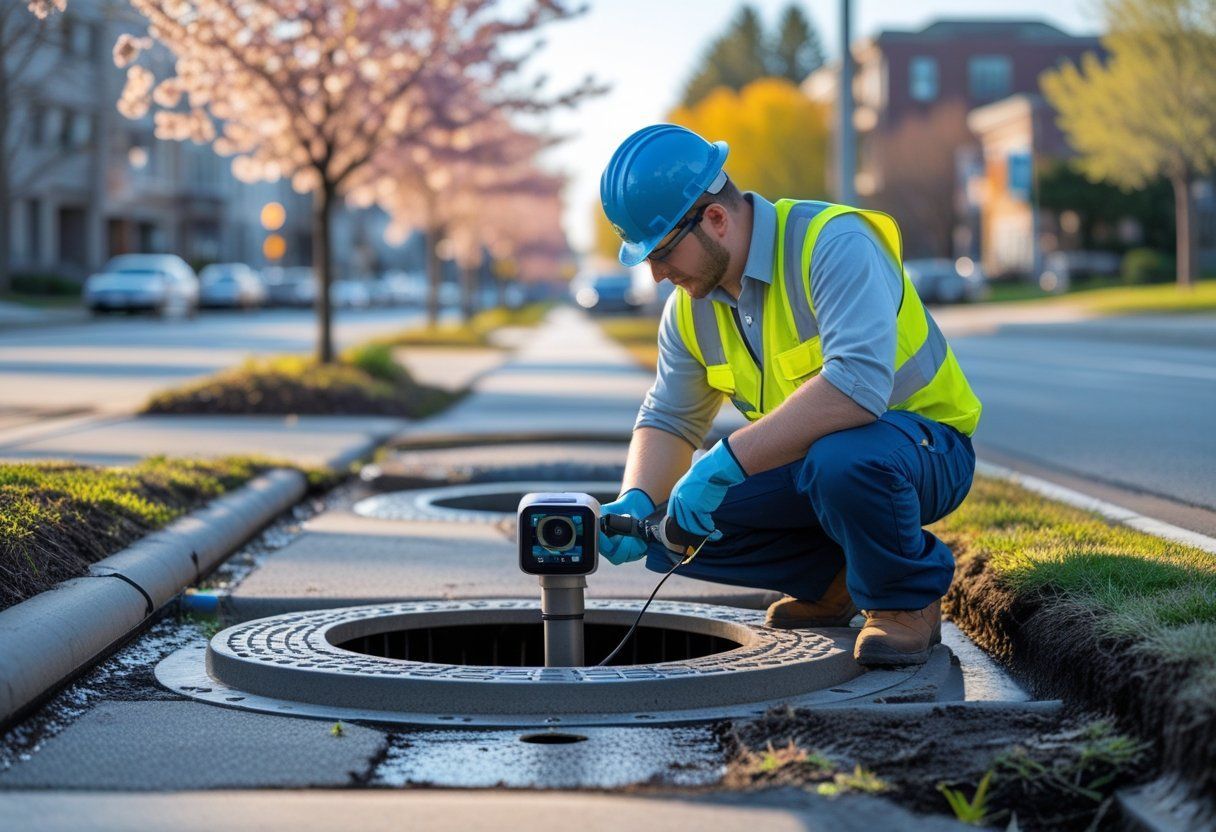
You want sewer line inspections timed so they catch problems before they get costly or urgent. We recommend scheduling inspections based on seasonal risks winter freeze, spring thaw, and heavy fall rains because timing cuts repair costs and prevents service interruptions. We will explain how weather, soil movement, and tree roots change the risk level […]
Common Mistakes to Avoid During Sewer Line Inspections
By Stefani January 18, 2026
We know sewer line inspections feel technical and tense, but avoiding a few common mistakes protects your home and wallet. Start by planning the inspection, knowing what to look for, and involving a qualified professional when signs point to trouble. That simple approach cuts down on missed problems and costly surprises. We will walk through […]
Show More