
Seasonal Variations In Sewer Line Repair Costs And Their Impact On Homeowners

Stefani • November 7, 2025

Share this article

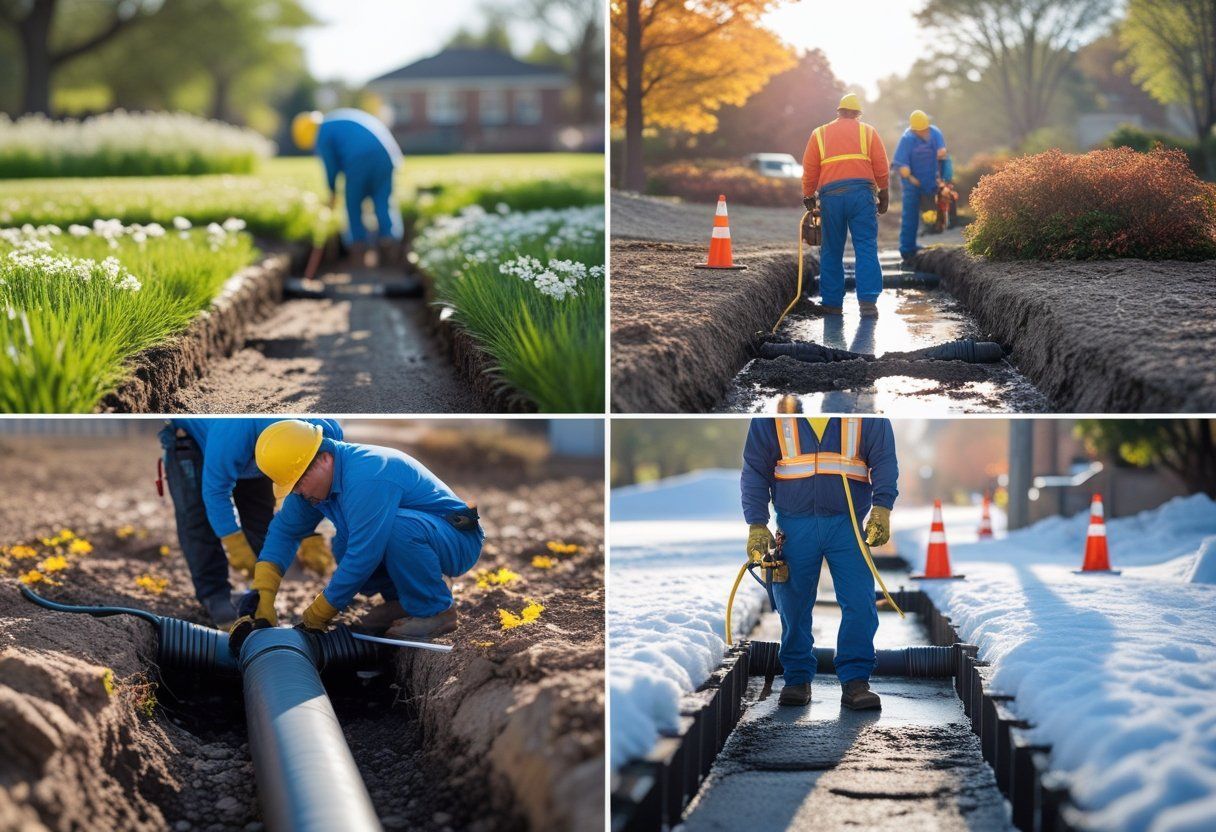
Sewer line repair costs don’t stay the same all year. Weather, demand, and ground conditions can change how much we pay and how long repairs take. Seasonal changes can raise or lower sewer line repair costs depending on temperature, soil moisture, and contractor availability.

We often overlook how each season affects underground systems until a problem appears. Cold months can freeze the ground and slow down work, while heavy rain in spring can cause extra damage. Knowing these patterns helps us plan repairs when conditions; and prices; are most favorable.

By understanding how the time of year impacts costs and repair options, we can make smarter decisions and avoid unnecessary expenses. This article explores how each season shapes sewer line repair costs, what factors matter most, and how to manage repairs efficiently year-round.

How Seasonal Changes Affect Sewer Line Repair Costs

Weather patterns and ground conditions shift throughout the year, changing how much time, labor, and materials are needed for sewer repair. Temperature, rainfall, and soil moisture directly affect the condition of sewer lines and the cost of fixing them.

Winter Weather and Frozen Pipes

Cold temperatures can freeze water inside sewer lines, leading to cracks or bursts. When the ground freezes, it becomes harder to dig, which increases labor costs. Frozen soil also slows down repair work and can require special equipment like heaters or insulated covers.

We often see damaged sewer lines caused by frost heave, where expanding ice pushes pipes out of alignment. This can lead to slow drains or sewage backups inside homes. In many regions, emergency winter repairs cost more because crews must work in harsh conditions and use extra safety measures.

To reduce costs, we can insulate exposed pipes, maintain steady indoor temperatures, and schedule inspections before freezing weather arrives. Preventive action in late fall helps avoid expensive winter sewer repair.

Spring Rainfall and Sewer System Overload

Heavy spring rain can overload the sewer system, especially in areas with older infrastructure. When excess water enters through cracks or faulty joints, it increases pressure inside the pipes. This can cause leaks, backups, or even full system failures.

Repair costs rise because crews must locate and seal multiple entry points. Sewage backups also require cleanup, which adds to the total expense. Wet ground conditions make excavation more difficult and can delay repair timelines.

We can limit costs by checking for surface water drainage issues and ensuring sump pumps and backflow valves work properly. Preventing stormwater from entering the sewer system reduces strain and helps avoid costly emergency repairs.

Summer Tree Root Intrusion

During summer, tree roots seek moisture and often grow toward sewer lines. Roots can enter small cracks and expand, blocking the flow of wastewater. Tree root intrusion is one of the most common causes of slow drains and damaged sewer lines in warm months.

Removing roots and repairing the affected section can be expensive, especially if the damage extends far underground. The cost depends on how deep the line is and whether trenchless technology can be used.

To reduce the risk, we can schedule root inspections in early summer and use root barriers or safe chemical treatments. Regular maintenance helps prevent major blockages and lowers long-term sewer repair costs.

Fall Preparation and Preventive Maintenance

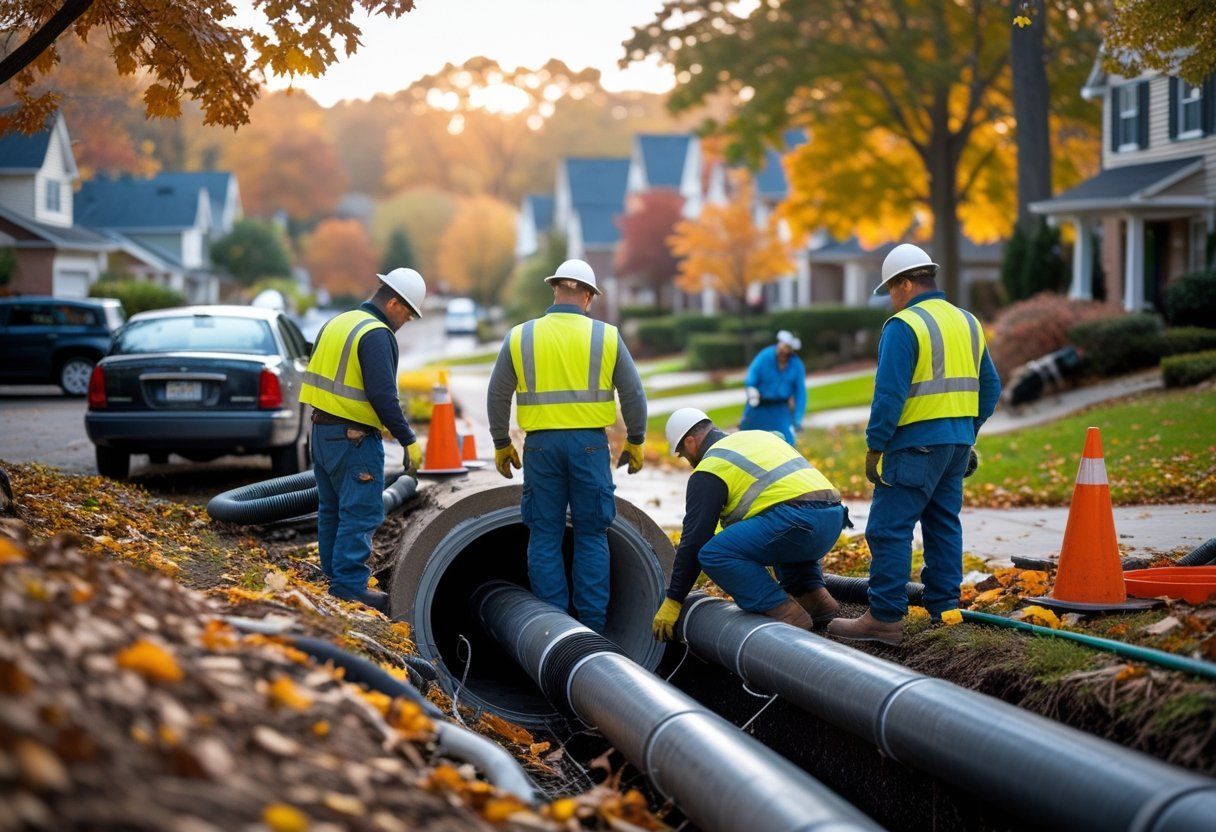
Fall is the best time to inspect and prepare sewer lines for the colder months. Leaves, debris, and early frost can create buildup that leads to sewer line issues later in winter. Cleaning and inspecting pipes now can prevent emergency repairs when conditions worsen.

We often recommend a maintenance checklist for this season:

  • Inspect for cracks or leaks
  • Clear debris and roots
  • Test drainage flow
  • Schedule professional camera inspections

Taking these steps helps identify problems early and control repair expenses. By performing maintenance before winter, we can keep the sewer system stable and reduce the risk of costly damage when temperatures drop.

Key Factors Influencing Seasonal Sewer Line Repair Costs

Sewer line repair cost changes throughout the year due to weather conditions, material durability, and local work demand. Costs also depend on labor rates, permit requirements, and how easily crews can reach the damaged sewer line.

Extent of Sewer Line Damage

The size and depth of the sewer line damage affect both material and labor costs. A small crack or joint leak may only need spot repair, while a collapsed section under a concrete slab requires excavation and replacement.

During colder months, frozen ground can make digging harder and slower. This increases labor costs and equipment use. In warmer seasons, soft soil allows faster access, lowering total repair time.

Common repair types include:

  • Spot repair: Small localized fixes.
  • Pipe lining: Internal coating to seal cracks.
  • Full replacement: Needed when the line collapses or corrodes.

We often see higher costs when the damage spreads across long pipe sections or when multiple access points are needed.

Pipe Material and Age

The pipe material and its age strongly influence repair costs. Older clay pipes and cast iron pipes are more likely to crack, shift, or corrode. These materials often require full replacement rather than patching.

PVC pipes and copper pipes are more durable and easier to repair. PVC is lightweight and resists corrosion, making it less costly to replace. Cast iron, while strong, can rust from the inside, leading to hidden leaks.

We also consider how long the material has been in the ground. Pipes over 40 years old usually show wear that increases the chance of failure. The older the system, the more likely it needs a full replacement instead of a simple repair.

Labor and Permit Fees

Labor costs and permit fees change with the season. In winter, fewer daylight hours and frozen conditions can slow work, increasing hourly charges. In summer, heavy demand for construction may raise labor rates due to limited crew availability.

Typical cost factors include:

Expense Type Description Seasonal Impact
Labor costs Hourly rate for repair crews Higher in winter and peak summer
Permit fees City or county approval charges May vary by local policies
Equipment rental Excavators, pumps, or heaters Increases in cold weather

We need to plan for both time and administrative costs, as delays in permit approval can extend project timelines and raise total expenses.

Local Regulations and Accessibility

Local regulations and site accessibility can change sewer line repair cost significantly. Some cities require specific materials or inspection steps before work begins. These rules can add permit fees or require licensed contractors, raising costs.

Accessibility also matters. A sewer line under a concrete slab, driveway, or street takes more time and equipment to reach. Tight spaces or tree roots can slow excavation and increase labor hours.

We must also follow local safety and environmental rules for waste disposal and soil handling. These requirements ensure compliance but can add costs, especially when work occurs in older neighborhoods with outdated infrastructure.

Repair and Replacement Methods Impacted by Season

Seasonal changes affect how we plan, schedule, and perform sewer line repairs. Temperature, soil moisture, and ground conditions all influence the cost, timing, and success of each repair method.

Traditional Excavation Challenges

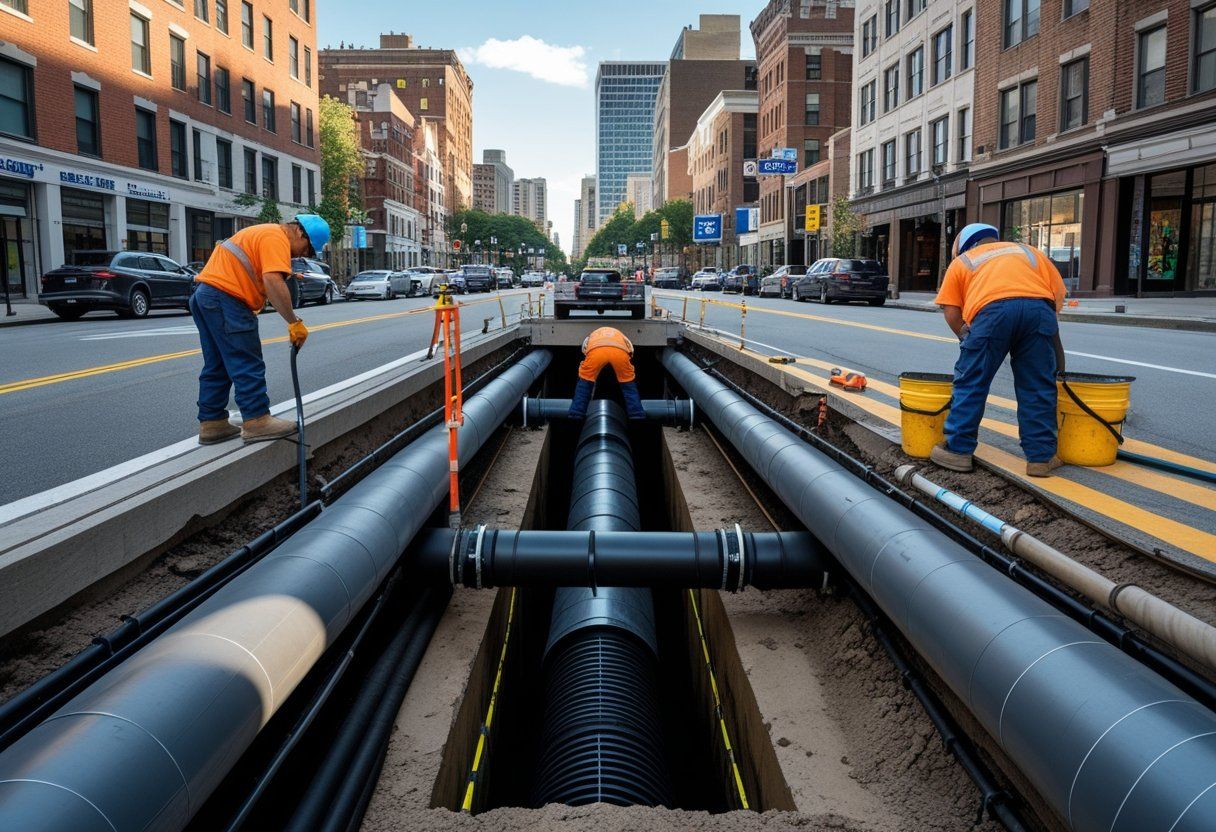
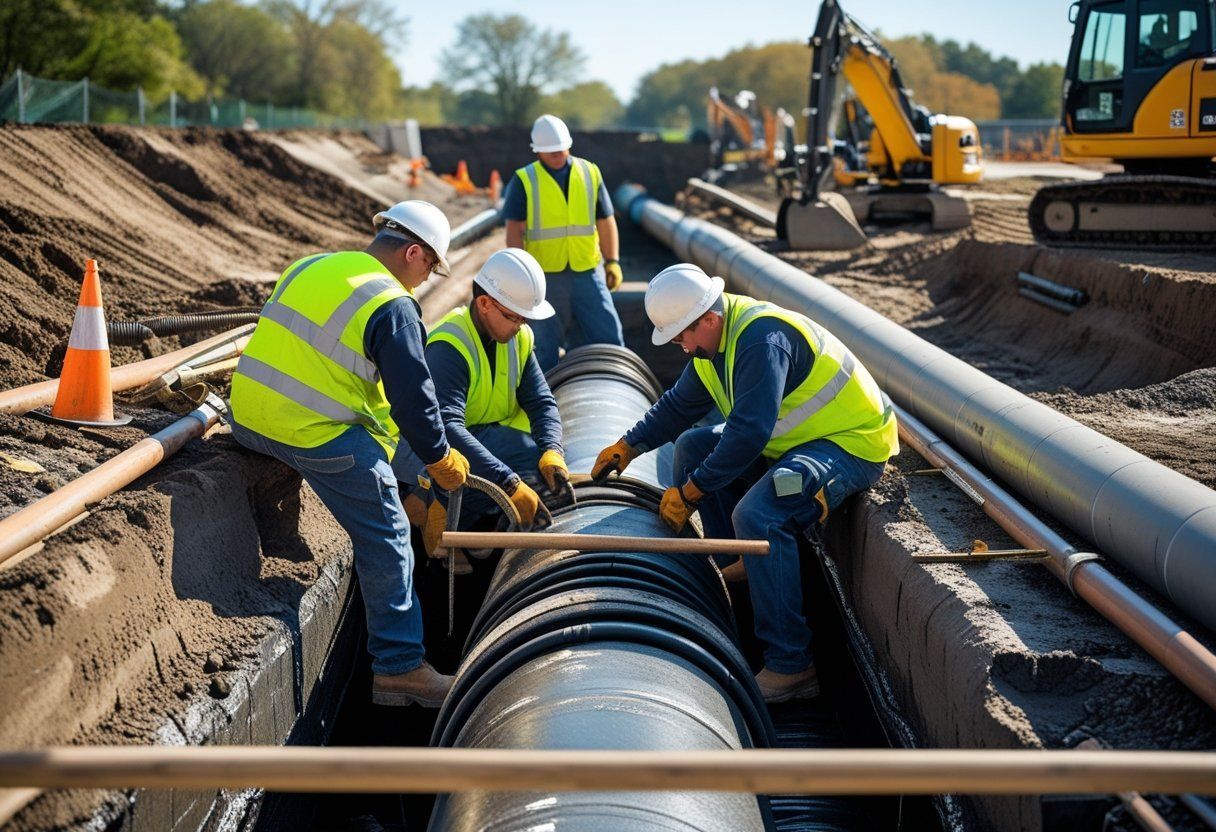
Traditional excavation requires digging trenches to access damaged pipes. In cold months, frozen ground slows progress and increases fuel and labor costs. Equipment may need extra power to break through ice or compacted soil.

During wet seasons, rain or melting snow can flood trenches. This raises safety risks and may require pumps or added drainage. Soft or muddy soil can also collapse, forcing us to reinforce trench walls.

In hot, dry weather, dust control and worker safety become priorities. We often need more water and protective gear to manage heat exposure.

Condition Impact on Excavation
Frozen ground Slower digging, higher fuel use
Heavy rain Flooded trenches, unstable soil
Heat and dryness Dust control, worker fatigue

Because of these factors, excavation often costs more and takes longer in extreme weather.

Trenchless Methods in Varying Weather

Trenchless methods reduce surface disruption and are less dependent on weather. Techniques like pipe relining and directional drilling allow us to repair pipes without full excavation.

In winter, trenchless work still faces limits. Cold temperatures can make resin curing for pipe lining slower, requiring heated water or steam to harden materials properly.

Wet conditions can hinder access to entry pits and affect soil stability. However, trenchless methods generally handle moisture better than open trenches. In dry seasons, they allow faster completion since we avoid large-scale digging.

Advantages of trenchless methods:

  • Minimal surface damage
  • Shorter repair times
  • Lower restoration costs

These benefits make trenchless repairs a practical choice when weather is unpredictable.

Pipe Bursting and Pipe Lining Considerations

Pipe bursting and pipe lining both depend on temperature and ground moisture. With pipe bursting, frozen soil can resist expansion, increasing the force needed to break the old pipe. That can strain equipment and raise energy costs.

Pipe lining, also called cured-in-place pipe (CIPP), relies on chemical curing. Cold temperatures slow this process, while high heat can cause resin to cure too fast. We adjust curing materials and timing to match seasonal conditions.

In wet seasons, groundwater infiltration can affect liner adhesion and curing quality. To prevent this, we use bypass pumping and sealing methods.

When conditions are stable, both pipe bursting and lining offer strong, long-lasting results. They often reduce the need for complete replacement and limit surface disruption compared to traditional excavation.

Tips for Managing Sewer Line Repairs Year-Round

We can reduce costly sewer line repairs by focusing on prevention, early detection, and professional guidance. Regular maintenance, quick response to warning signs, and working with qualified experts help keep sewer systems reliable and efficient.

Proactive Maintenance Strategies

Routine care keeps sewer lines in good condition and reduces emergency repairs. We should schedule annual or semiannual inspections to check for cracks, corrosion, or root intrusion. Using a sewer camera inspection helps locate small issues before they cause major damage.

Flushing only water and biodegradable waste prevents buildup. We should avoid pouring grease, oil, or wipes down drains. Installing drain strainers helps block debris that can lead to slow drains and clogs.

A simple maintenance checklist can help:

Task Frequency Purpose
Camera inspection Every 12-18 months Detect early damage
Drain cleaning Twice a year Prevent blockages
Tree root trimming Annually Reduce root intrusion
Pipe flushing As needed Clear buildup

By keeping a record of maintenance dates, we can track patterns and plan future sewer line repairs more effectively.

Recognizing Early Signs of Sewer Line Issues

Noticing early symptoms helps us act before problems escalate. Slow drains, gurgling sounds, or foul odors often signal partial blockages. These signs may appear in multiple fixtures, such as sinks, showers, or toilets, which suggests a main line issue.

Sewage backups are a serious warning. If wastewater appears in lower-level drains, we should stop water use and contact a professional immediately. Ignoring these signs can lead to property damage and higher sewer repair costs.

We can also look for changes outside. Wet spots, sinkholes, or unusually green patches in the yard may indicate leaking underground pipes. Keeping an eye on water bills helps too; an unexplained increase can mean water loss from a damaged line.

Working With Professionals

Hiring qualified plumbers ensures repairs meet safety and code requirements. We should look for licensed and insured contractors who specialize in sewer line repair. Asking for references and comparing written estimates helps confirm fair pricing and reliable service.

Professionals use specialized tools like hydro jetting, trenchless repair, and camera diagnostics. These methods reduce disruption and often cost less than full excavation. We can discuss repair options and request detailed reports to understand the condition of our system.

Building a long-term relationship with a trusted plumber helps us manage repairs year-round. Regular communication ensures faster response times and consistent maintenance support when new sewer line issues arise.

Recent Posts

Fast Response Plumbing technician servicing a water shut off valve in San Francisco
By Joe Tinsley July 17, 2026
Learn how gate valves, ball valves, and angle stops work, where to find them in your San Francisco home, and when to replace them. FAQs inside.
Budgeting for Unforeseen Sewer Line Maintenance Expenses
By Stefani January 31, 2026
Sewer line problems can hit your wallet fast, and we know the stress of a surprise repair. We show you how to plan a practical budget that covers emergency fixes, regular upkeep, and the big costs that sneak up on you. This saves you money and keeps small issues from turning into major failures. We […]
Seasonal Effects on Sewer Line Maintenance Costs
By Stefani January 30, 2026
You’ll want to know how seasons change what you pay for sewer line maintenance so you can plan ahead and avoid surprise bills. Seasonal weather, ground movement, and plant growth directly affect repair needs and costs, so budgeting by season cuts unexpected expenses. We outline what shifts costs, when repairs most often happen, and which […]
The Role of Location in Sewer Line Maintenance Pricing
By Stefani January 29, 2026
You’ll pay different amounts for sewer line maintenance depending on where your property sits and what’s under it. Location drives cost through factors like soil type, access difficulty, local labor rates, and permit rules, so knowing these lets you predict and plan for expenses. We’ll show how those local details shape quotes and outcomes. We’ll […]
Analyzing Material Expenses for Effective Sewer Line Care
By Stefani January 28, 2026
We’ll break down the real costs that matter for keeping a sewer line working well so you can plan and avoid surprises. You’ll learn which materials and fees drive most of the expense and how small choices can lower long-term costs. We’ll look at costs for parts, tools, permits, and regular cleaning, plus where labor […]
Understanding the Impact of Labor Costs on Sewer Line Maintenance
By Stefani January 25, 2026
You want to know how labor costs shape sewer line care and what that means for your wallet. We will show how wages, crew size, and the repair method you choose change the final bill so you can plan smarter and avoid surprises. Knowing which labor factors most drive costs lets you pick repair options […]

How to Interpret Sewer Line Inspection Reports
By Stefani January 24, 2026
You’ll get clear steps to decode the most important parts of a sewer line inspection report so you can act with confidence. We show you how to spot real problems, what each defect means, and which issues need immediate repair versus routine maintenance. We break the report into simple pieces what the camera images show, […]

Tool kit with hard hat, gloves, laptop, and handheld device on a workbench in a workshop
By Stefani January 23, 2026
You want tools that give clear answers fast so you can find problems and fix them right. We rely on high-quality sewer cameras, locating gear, and cleaning tools to spot cracks, blockages, and defects in sewer lines accurately. Knowing which tools to use helps a plumber save time and avoid costly mistakes. We will walk […]
Worker in blue hard hat inspecting a manhole on a street with a camera device
By Stefani January 22, 2026
You want sewer line inspections timed so they catch problems before they get costly or urgent. We recommend scheduling inspections based on seasonal risks winter freeze, spring thaw, and heavy fall rains because timing cuts repair costs and prevents service interruptions. We will explain how weather, soil movement, and tree roots change the risk level […]
Common Mistakes to Avoid During Sewer Line Inspections
By Stefani January 18, 2026
We know sewer line inspections feel technical and tense, but avoiding a few common mistakes protects your home and wallet. Start by planning the inspection, knowing what to look for, and involving a qualified professional when signs point to trouble. That simple approach cuts down on missed problems and costly surprises. We will walk through […]
Show More