
Common Backflow Issues and Their Solutions: Expert Insights on Prevention and Repair

Stefani • January 20, 2025

Share this article

Understanding Backflow and Its Causes

Backflow can pose serious risks to water quality, leading to contamination of clean water supplies. It is crucial to know what backflow is and the main reasons behind its occurrence.

What is Backflow?

Backflow is the undesirable reversal of water flow in a piping system. This can happen when the pressure in a system changes, often due to back pressure or back siphonage. When backflow occurs, it can pull contaminated water into clean water lines.

Preventing backflow is essential to ensure safe and clean water for everyone. Devices like backflow preventers are used in plumbing systems to stop this from happening. By keeping a constant check on water systems and understanding backflow, we can prevent water contamination.

Common Causes of Backflow Issues

Back pressure and back siphonage are two primary causes of backflow. Back pressure happens when downstream pressure surpasses the supply pressure, forcing water to flow backward. This could be due to pumps, boilers, or any system pressurizing the water delivery lines.

Back siphonage occurs when there is a significant drop in water supply pressure, causing a siphon effect. This often results from a broken water main or high demand from firefighting activities that reduce pressure.

Both scenarios can lead to contaminated water entering clean water lines. Mitigating these risks involves routine checks and installing proper backflow prevention devices to maintain safe water quality.

Types of Backflow Preventers

Backflow preventers are essential for stopping water from flowing backward into clean water supplies. They come in various forms, each suited to different situations. Understanding the types can help us choose the right device for specific needs.

Air Gap and Vacuum Breakers

Air gaps are one of the simplest and most effective methods. They create a physical gap through which water cannot siphon back. Air gaps require no mechanical parts and are often seen in sinks. Their simplicity ensures there’s no maintenance needed.

Vacuum breakers, on the other hand, stop back-siphonage by introducing air into the system. When the water flow stops, the vacuum breaker allows air in, breaking the siphon effect. They are commonly installed on hose bibs and outdoor faucets. Both devices are reliable, preventing contamination through straightforward methods.

Mechanical Backflow Preventers

Mechanical backflow preventers are more complex and include devices like double check valves and reduced pressure zone (RPZ) assemblies. Double check valves use two independent check valves; if one fails, the other stops the backflow. These are suitable for low to medium hazard conditions.

RPZ assemblies are for high-risk situations. They have valves and a relief valve, providing an extra layer of protection against backflow. While these mechanical devices are effective, they require regular testing and maintenance to ensure they function properly.

Maintenance and Testing for Prevention

To keep backflow issues at bay, it’s vital to focus on both maintenance and regular testing. Scheduled upkeep and inspections can prevent system failures and ensure safety.

Routine Backflow Preventer Maintenance

Regular maintenance of backflow preventers involves checking for signs of wear or damage. This includes inspecting seals, valves, and other components. By doing this, we can detect problems early and fix them before they become bigger issues.

We should also clear any debris or build-up around the preventer. This keeps it functioning well. Lubricating moving parts, as needed, is also key.

Additionally, recording maintenance activities helps us track the preventer’s condition over time. It’s wise to consult a professional plumber for comprehensive inspections and maintenance. This ensures everything is up to standard. A well-maintained backflow preventer is crucial for reliable operation.

Regular Testing and Inspection

Testing backflow preventers regularly is necessary to ensure they are working as they should. We must schedule inspections annually or even more frequently depending on local regulations.

Using a professional plumber for these tests is crucial. They have the expertise to properly assess the system. Testing involves checking that valves open and close correctly and that there are no leaks.

After testing, documenting the results is important for our records. This allows us to monitor changes or recurring issues. Regular inspections and testing not only help in identifying potential problems early but also ensure that our system remains compliant with safety standards.

Dealing with Backflow Problems

Backflow issues can pose serious health risks as they may lead to contamination of drinking water with chemicals, bacteria, or sewage. To effectively tackle these problems, we must first identify when they occur and then take appropriate actions to address any contamination immediately.

Identifying Backflow Incidents

Recognizing backflow incidents quickly is crucial to preventing health risks. We should pay attention to signs such as discolored water, unusual odors, or changes in water pressure. Equipment like backflow preventers or pressure gauges can also aid in detection.

Routine inspections of plumbing systems are vital. They help us spot potential risks like corrosive pipes or faulty valves. By catching these issues early, we can prevent a more serious problem from developing.

Immediate Response to Contamination

Once a backflow incident is detected, action must be swift. Our priority is to isolate the contaminated water to prevent it from spreading. Shut off water supplies and use alternative sources if needed.

We must then treat or dispose of the contaminated water properly. Cleaning affected areas with disinfectants helps eliminate harmful bacteria and chemicals. It is also important to notify local health authorities, as they can offer guidance on further preventative measures.

In some cases, consulting with professionals to repair or replace backflow preventers can prevent future occurrences. Regular maintenance and system upgrades are part of an effective solution to keep our water safe.

Compliance with Local Water Safety Regulations

Ensuring compliance with local water safety regulations is essential for protecting our plumbing systems and drinking water supply. To achieve this, we must focus on understanding local backflow prevention codes and collaborate effectively with certified plumbers.

Understanding Local Backflow Prevention Codes

Local regulations regarding backflow prevention are vital to keep our water supply safe. These codes often vary by region and outline necessary measures to prevent issues like corrosion, cross-connections, and negative pressure in our plumbing systems. Adhering to these rules helps avoid contamination disturbances in the main water line.

We need to be familiar with specific guidelines addressing factors like downstream pressure and improper installation to prevent backflow. Understanding these codes will also help us better manage challenges associated with vacuum conditions and wear and tear in fittings, ensuring the longevity and safety of our plumbing infrastructure.

Collaborating with Certified Plumbers

Working with certified plumbers ensures our plumbing systems meet local water safety standards. Plumbers possess the expertise to address concerns like improper installation, wear and tear, and other potential sources of contamination. Their role is crucial in maintaining our drinking water supply’s integrity.

Certified plumbers can provide detailed inspections to identify risks such as cross-connections or corrosion. They also have the skills to adjust components to control negative or downstream pressure, which is essential for effective backflow prevention. Through collaboration, we can achieve a safe and compliant water supply system, shielding our community from potential health hazards.

Recent Posts

Fast Response Plumbing technician servicing a water shut off valve in San Francisco
By Joe Tinsley July 17, 2026
Learn how gate valves, ball valves, and angle stops work, where to find them in your San Francisco home, and when to replace them. FAQs inside.
Budgeting for Unforeseen Sewer Line Maintenance Expenses
By Stefani January 31, 2026
Sewer line problems can hit your wallet fast, and we know the stress of a surprise repair. We show you how to plan a practical budget that covers emergency fixes, regular upkeep, and the big costs that sneak up on you. This saves you money and keeps small issues from turning into major failures. We […]
Seasonal Effects on Sewer Line Maintenance Costs
By Stefani January 30, 2026
You’ll want to know how seasons change what you pay for sewer line maintenance so you can plan ahead and avoid surprise bills. Seasonal weather, ground movement, and plant growth directly affect repair needs and costs, so budgeting by season cuts unexpected expenses. We outline what shifts costs, when repairs most often happen, and which […]
The Role of Location in Sewer Line Maintenance Pricing
By Stefani January 29, 2026
You’ll pay different amounts for sewer line maintenance depending on where your property sits and what’s under it. Location drives cost through factors like soil type, access difficulty, local labor rates, and permit rules, so knowing these lets you predict and plan for expenses. We’ll show how those local details shape quotes and outcomes. We’ll […]
Analyzing Material Expenses for Effective Sewer Line Care
By Stefani January 28, 2026
We’ll break down the real costs that matter for keeping a sewer line working well so you can plan and avoid surprises. You’ll learn which materials and fees drive most of the expense and how small choices can lower long-term costs. We’ll look at costs for parts, tools, permits, and regular cleaning, plus where labor […]
Understanding the Impact of Labor Costs on Sewer Line Maintenance
By Stefani January 25, 2026
You want to know how labor costs shape sewer line care and what that means for your wallet. We will show how wages, crew size, and the repair method you choose change the final bill so you can plan smarter and avoid surprises. Knowing which labor factors most drive costs lets you pick repair options […]
How to Interpret Sewer Line Inspection Reports
By Stefani January 24, 2026
You’ll get clear steps to decode the most important parts of a sewer line inspection report so you can act with confidence. We show you how to spot real problems, what each defect means, and which issues need immediate repair versus routine maintenance. We break the report into simple pieces what the camera images show, […]
By Stefani January 23, 2026
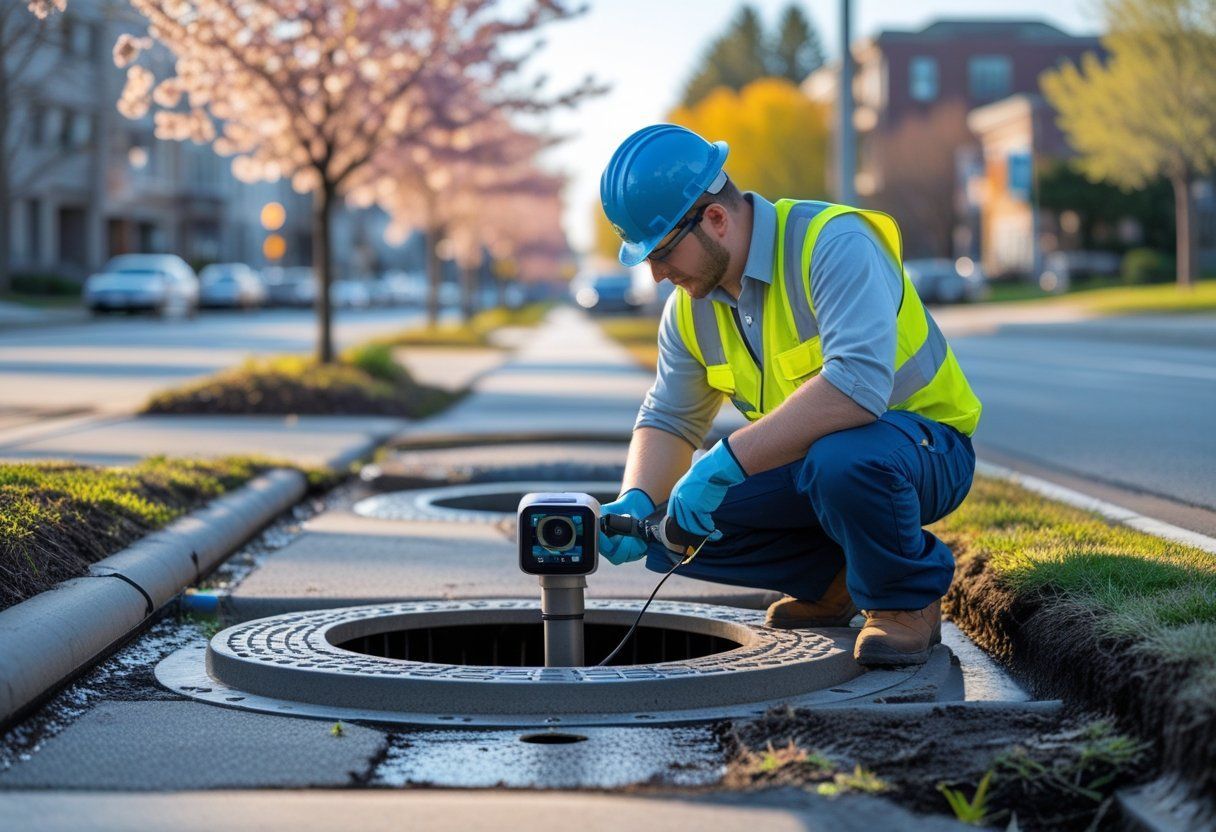
You want tools that give clear answers fast so you can find problems and fix them right. We rely on high-quality sewer cameras, locating gear, and cleaning tools to spot cracks, blockages, and defects in sewer lines accurately. Knowing which tools to use helps a plumber save time and avoid costly mistakes. We will walk […]
By Stefani January 22, 2026
You want sewer line inspections timed so they catch problems before they get costly or urgent. We recommend scheduling inspections based on seasonal risks winter freeze, spring thaw, and heavy fall rains because timing cuts repair costs and prevents service interruptions. We will explain how weather, soil movement, and tree roots change the risk level […]
Common Mistakes to Avoid During Sewer Line Inspections
By Stefani January 18, 2026
We know sewer line inspections feel technical and tense, but avoiding a few common mistakes protects your home and wallet. Start by planning the inspection, knowing what to look for, and involving a qualified professional when signs point to trouble. That simple approach cuts down on missed problems and costly surprises. We will walk through […]
Show More