
The Role of Plumbers in Backflow Prevention Compliance: Ensuring Safe Water Systems

Stefani • January 22, 2025

Share this article

Understanding Backflow and Its Prevention

Backflow in plumbing systems can lead to contamination of clean water supplies. Preventing backflow is crucial for maintaining public health standards. In this section, we’ll explore what backflow is and the devices used to prevent it.

Defining Backflow and Its Impact on Public Health

Backflow happens when water flows in the opposite direction in a plumbing system. This reverse flow can lead to contaminated water entering the potable water supply. It often results from changes in water pressure.

Contamination of water can pose significant risks to public health. Harmful substances from various sources can mix with the clean water we rely on daily. This can include chemicals, bacteria, and other pollutants. Our responsibility is to ensure that clean water remains safe for community use.

Different situations, like a burst pipe or nearby firefighting, can trigger backflow. By actively managing and preventing backflow, we protect our communities from potential health hazards linked to contaminated water.

Types of Backflow Prevention Devices

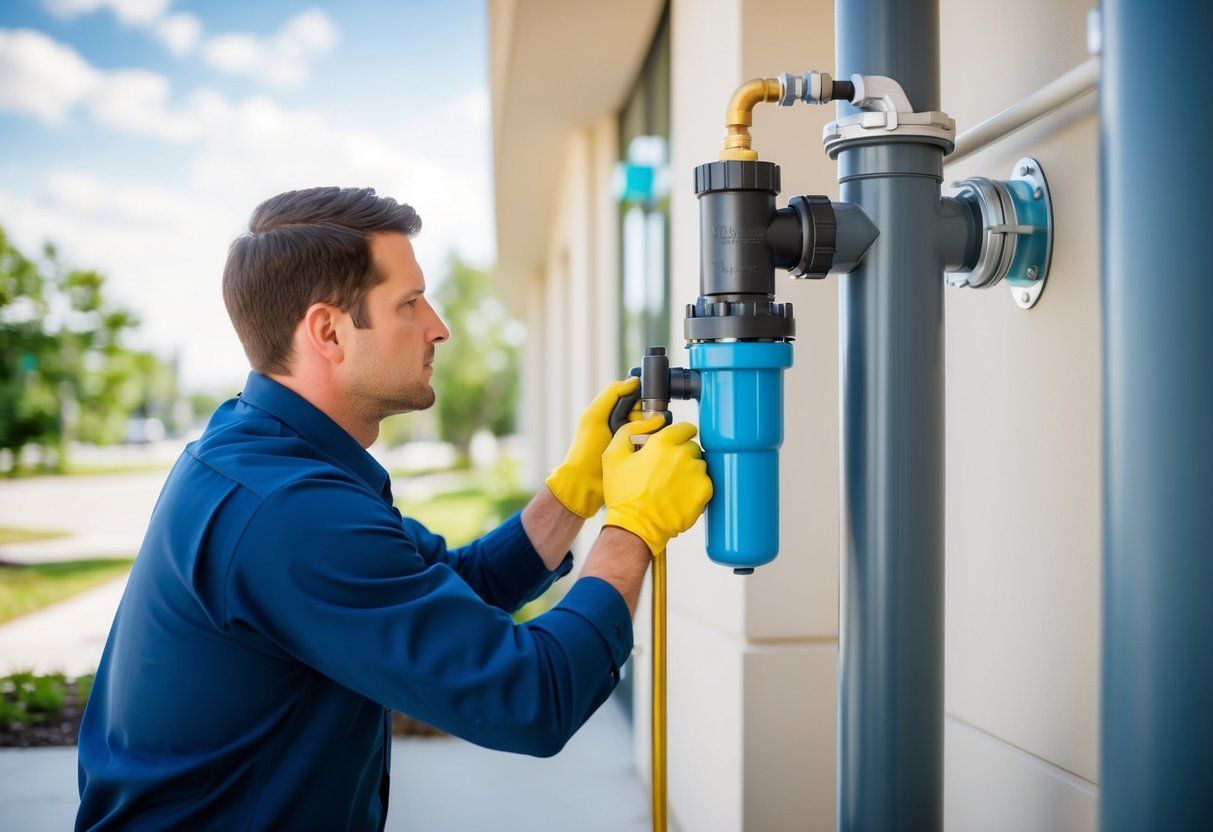
Preventing backflow requires using specialized devices designed to keep water moving in the right direction. Air gaps are simple yet effective, creating a physical separation between water supply and potential contaminants.

There are several other devices that help in backflow prevention:

  • Check valves : These allow water to flow in one direction only, stopping reverse flow automatically.
  • Pressure vacuum breakers (PVB) : These are used to stop contaminated water from flowing backward.

Understanding which device works best depends on the system’s needs. Employing these devices helps maintain safe and clean water supplies for everyone, fulfilling our role in safeguarding public health.

Regulatory Framework for Backflow Prevention

In backflow prevention, plumbers play a vital role in adhering to various regulatory frameworks. Proper compliance with legal requirements, ASSE standards, and local regulations ensures water safety.

Legal Requirements and ASSE Standards

Legal requirements are fundamental in backflow prevention. These laws mandate how we manage water systems to stop contamination. Governments set these standards to protect public health.

The American Society of Sanitary Engineering (ASSE) provides standards to guide our work. ASSE 1013 and ASSE 1015 are two common standards for backflow prevention devices. They ensure devices like pressure vacuum breakers and double check valves work correctly.

Compliance with these standards keeps water systems safe. It ensures that devices function as expected, preventing harmful substances from entering the water supply. Following these guidelines is essential for the health and safety of our communities.

Local and Industry Regulations Ensuring Water Safety

Local regulations vary by region, but they also focus on backflow prevention. They require us to install and maintain backflow prevention devices in specific areas. Local authorities often conduct inspections to ensure compliance.

Industry standards complement legal requirements. These guidelines provide best practices for installation and maintenance. They focus on effective solutions and innovations in water safety.

By adhering to both local and industry regulations, we can prevent pollution and maintain clean water supplies. This partnership between local rules and industry expertise is crucial. It helps us meet our community’s water safety needs efficiently.

Roles and Responsibilities of Professional Plumbers

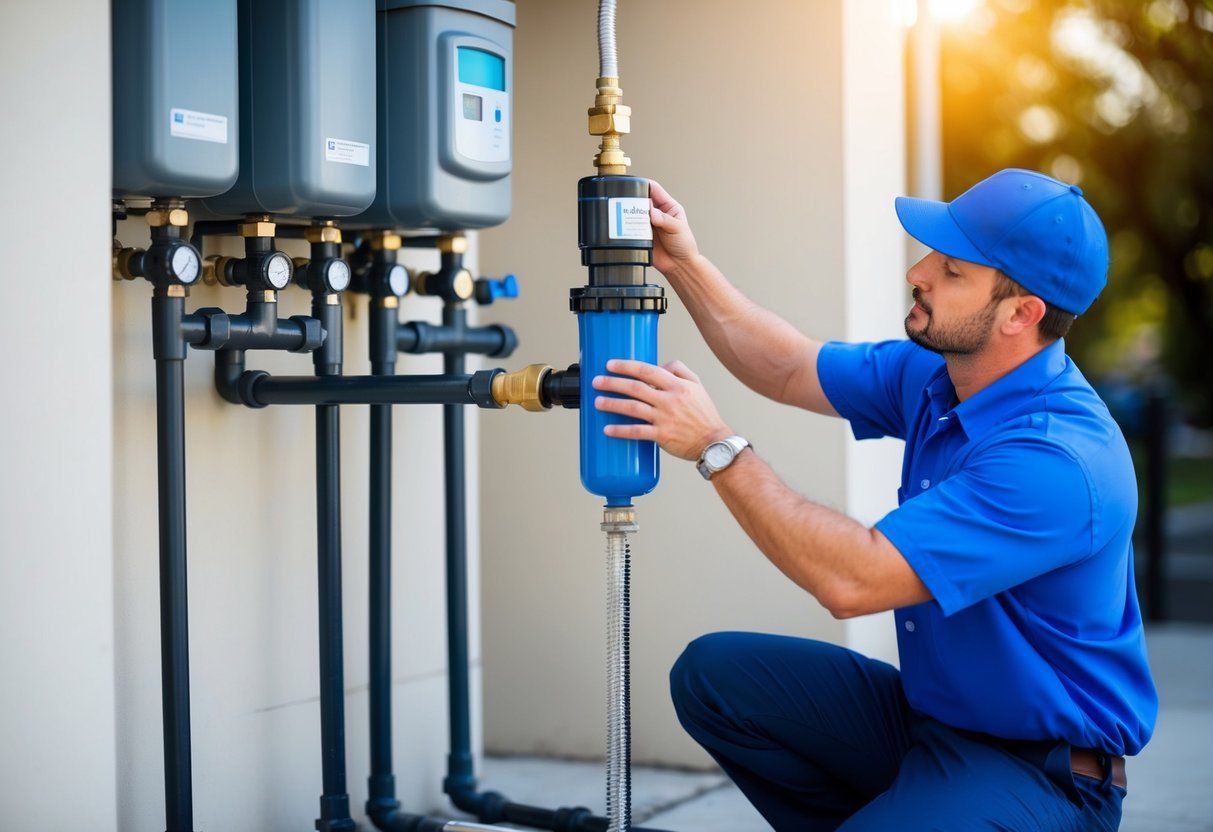
As professional plumbers, we play a critical role in backflow prevention compliance. Our expertise ensures safe water systems through proper installation, maintenance, and staying updated with ongoing education and certification.

Proper Installation and Maintenance of Backflow Systems

Ensuring that backflow systems are installed correctly is key to preventing water contamination. We make sure that all components are fitted to code, safeguarding natural water supplies from pollutants.

Regular maintenance checks are vital to detect and fix any faults. We frequently inspect and clean backflow devices to maintain optimal performance. By conducting routine tests, we protect our communities from potential health hazards.

Ongoing Education and Certification in Backflow Prevention

As part of our professional responsibilities, we engage in continuous learning. Backflow prevention technology and regulations change, and staying informed is essential. We participate in training sessions to update our skills and knowledge.

Obtaining certifications ensures that we meet industry standards. These credentials demonstrate our commitment to excellence and public safety. By keeping our qualifications current, we uphold our role as trusted professionals in backflow management.

Compliance Through Regular Backflow Testing

Backflow prevention is key for keeping potable water safe. We must focus on regular testing and inspection to maintain compliance and ensure the safety of plumbing systems. By understanding the importance of backflow testing and navigating the compliance process effectively, we can achieve optimal outcomes.

The Importance of Regular Testing and Inspection

Regular testing is crucial. It helps identify issues before they become major problems. By testing backflow prevention devices regularly, we ensure they are functioning as intended.

With routine testing, we keep our water systems safe from contaminants. It’s important for property owners and managers to schedule checks consistently. This proactive approach helps prevent fines and maintains public health standards.

On-time maintenance and inspections can save time and money. By catching problems early, we minimize repairs. Regular testing protects investments in plumbing infrastructure and avoids costly overhauls.

Navigating the Compliance Process for Plumbing Systems

Understanding the compliance process is essential for maintaining system integrity. We must familiarize ourselves with local regulations governing backflow prevention. This includes knowing testing requirements and timeline intervals.

Having a clear compliance plan simplifies the process. We should engage certified professionals to handle testing. They ensure all procedures meet the necessary guidelines.

Compliance doesn’t stop at testing. It’s vital to keep records of inspections and maintenance. We need proper documentation to demonstrate compliance during potential audits. With organized paperwork, we maintain transparency and accountability in our backflow prevention efforts.

By staying diligent in these practices, we protect our communities and uphold crucial water safety standards.

Recent Posts

Fast Response Plumbing technician servicing a water shut off valve in San Francisco
By Joe Tinsley July 17, 2026
Learn how gate valves, ball valves, and angle stops work, where to find them in your San Francisco home, and when to replace them. FAQs inside.
Budgeting for Unforeseen Sewer Line Maintenance Expenses
By Stefani January 31, 2026
Sewer line problems can hit your wallet fast, and we know the stress of a surprise repair. We show you how to plan a practical budget that covers emergency fixes, regular upkeep, and the big costs that sneak up on you. This saves you money and keeps small issues from turning into major failures. We […]
Seasonal Effects on Sewer Line Maintenance Costs
By Stefani January 30, 2026
You’ll want to know how seasons change what you pay for sewer line maintenance so you can plan ahead and avoid surprise bills. Seasonal weather, ground movement, and plant growth directly affect repair needs and costs, so budgeting by season cuts unexpected expenses. We outline what shifts costs, when repairs most often happen, and which […]
The Role of Location in Sewer Line Maintenance Pricing
By Stefani January 29, 2026
You’ll pay different amounts for sewer line maintenance depending on where your property sits and what’s under it. Location drives cost through factors like soil type, access difficulty, local labor rates, and permit rules, so knowing these lets you predict and plan for expenses. We’ll show how those local details shape quotes and outcomes. We’ll […]
Analyzing Material Expenses for Effective Sewer Line Care
By Stefani January 28, 2026
We’ll break down the real costs that matter for keeping a sewer line working well so you can plan and avoid surprises. You’ll learn which materials and fees drive most of the expense and how small choices can lower long-term costs. We’ll look at costs for parts, tools, permits, and regular cleaning, plus where labor […]
Understanding the Impact of Labor Costs on Sewer Line Maintenance
By Stefani January 25, 2026
You want to know how labor costs shape sewer line care and what that means for your wallet. We will show how wages, crew size, and the repair method you choose change the final bill so you can plan smarter and avoid surprises. Knowing which labor factors most drive costs lets you pick repair options […]
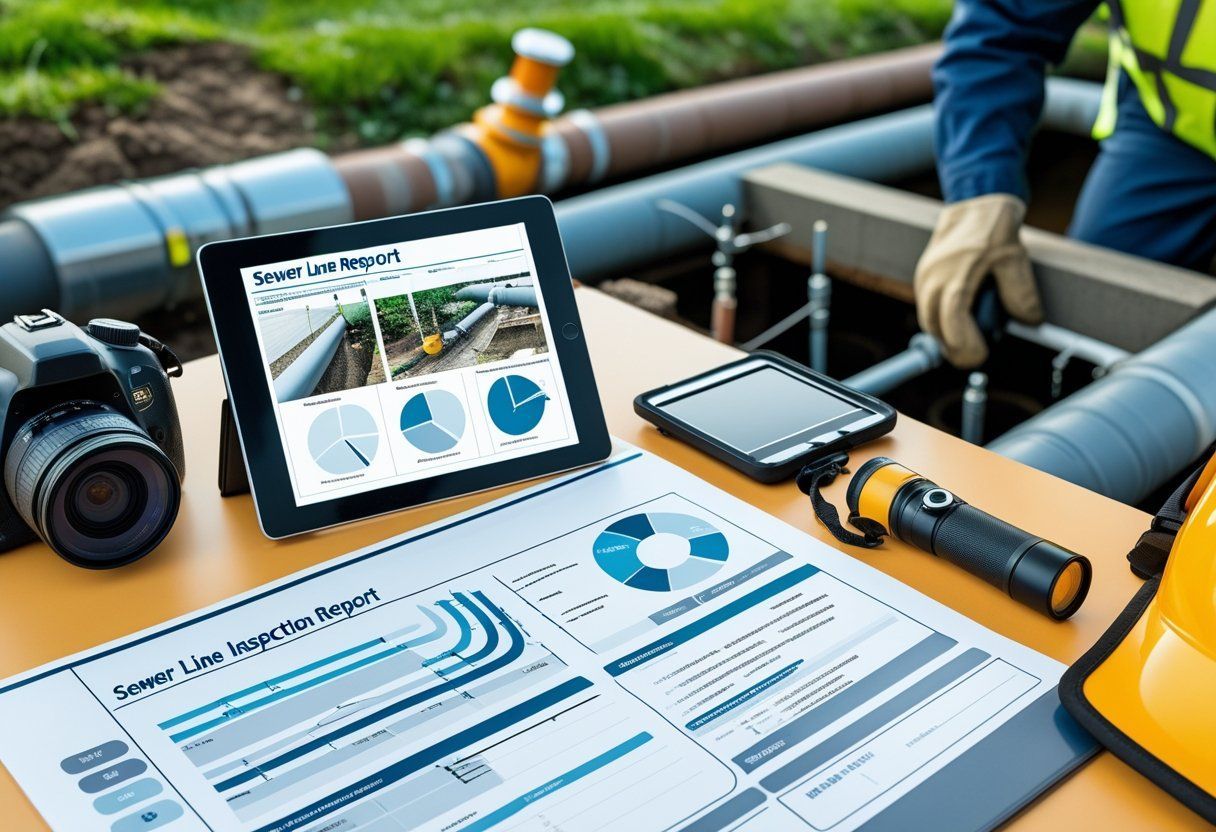
How to Interpret Sewer Line Inspection Reports
By Stefani January 24, 2026
You’ll get clear steps to decode the most important parts of a sewer line inspection report so you can act with confidence. We show you how to spot real problems, what each defect means, and which issues need immediate repair versus routine maintenance. We break the report into simple pieces what the camera images show, […]
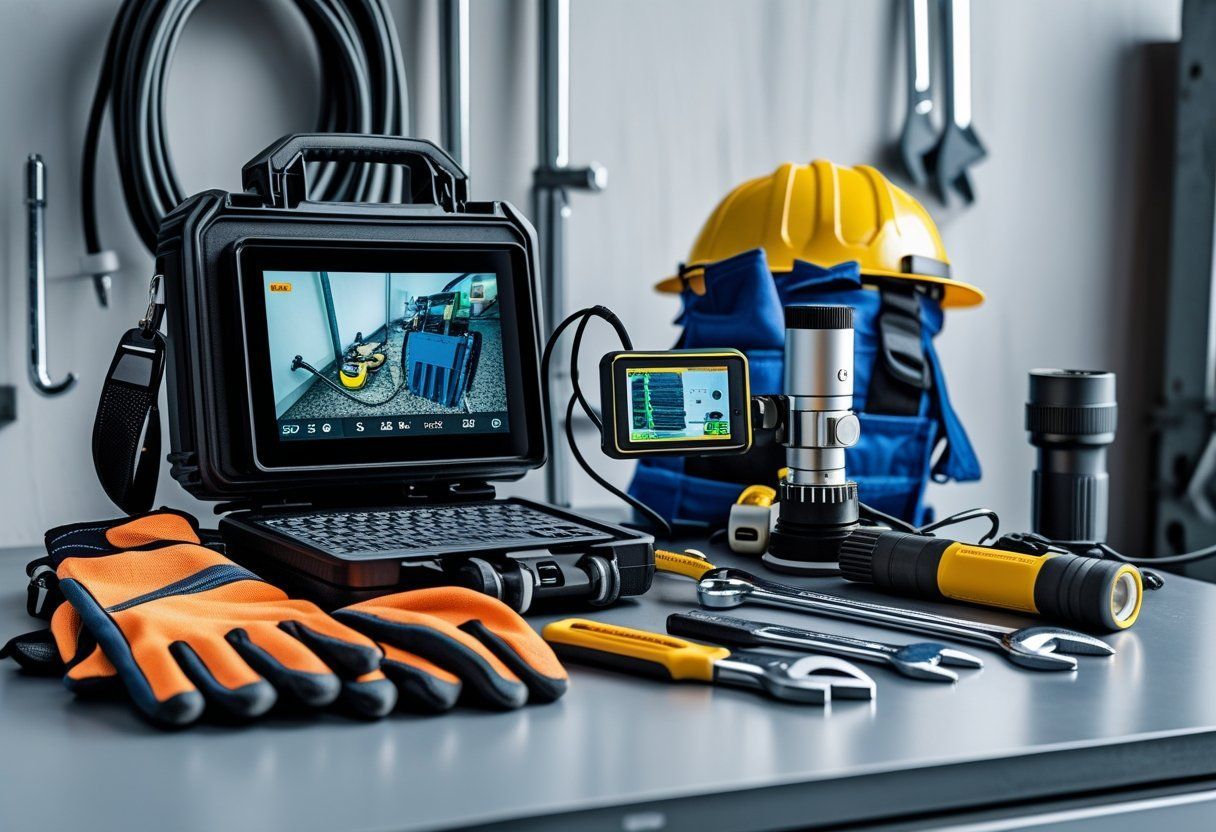
Tool kit with hard hat, gloves, laptop, and handheld device on a workbench in a workshop
By Stefani January 23, 2026
You want tools that give clear answers fast so you can find problems and fix them right. We rely on high-quality sewer cameras, locating gear, and cleaning tools to spot cracks, blockages, and defects in sewer lines accurately. Knowing which tools to use helps a plumber save time and avoid costly mistakes. We will walk […]
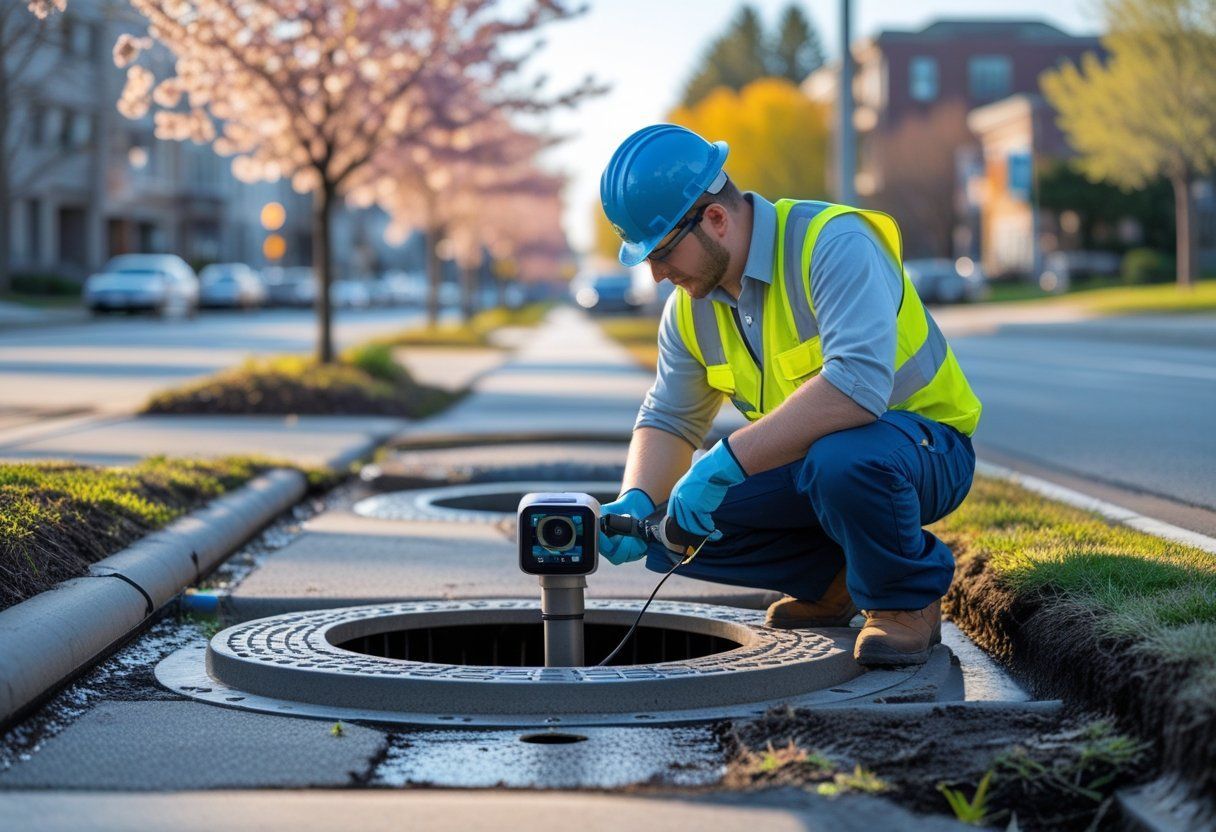
Worker in blue hard hat inspecting a manhole on a street with a camera device
By Stefani January 22, 2026
You want sewer line inspections timed so they catch problems before they get costly or urgent. We recommend scheduling inspections based on seasonal risks winter freeze, spring thaw, and heavy fall rains because timing cuts repair costs and prevents service interruptions. We will explain how weather, soil movement, and tree roots change the risk level […]
Common Mistakes to Avoid During Sewer Line Inspections
By Stefani January 18, 2026
We know sewer line inspections feel technical and tense, but avoiding a few common mistakes protects your home and wallet. Start by planning the inspection, knowing what to look for, and involving a qualified professional when signs point to trouble. That simple approach cuts down on missed problems and costly surprises. We will walk through […]
Show More