

How to Choose a Backflow Prevention Device for Your Business: Key Considerations

Stefani • January 17, 2025

Share this article

Understanding Backflow Prevention

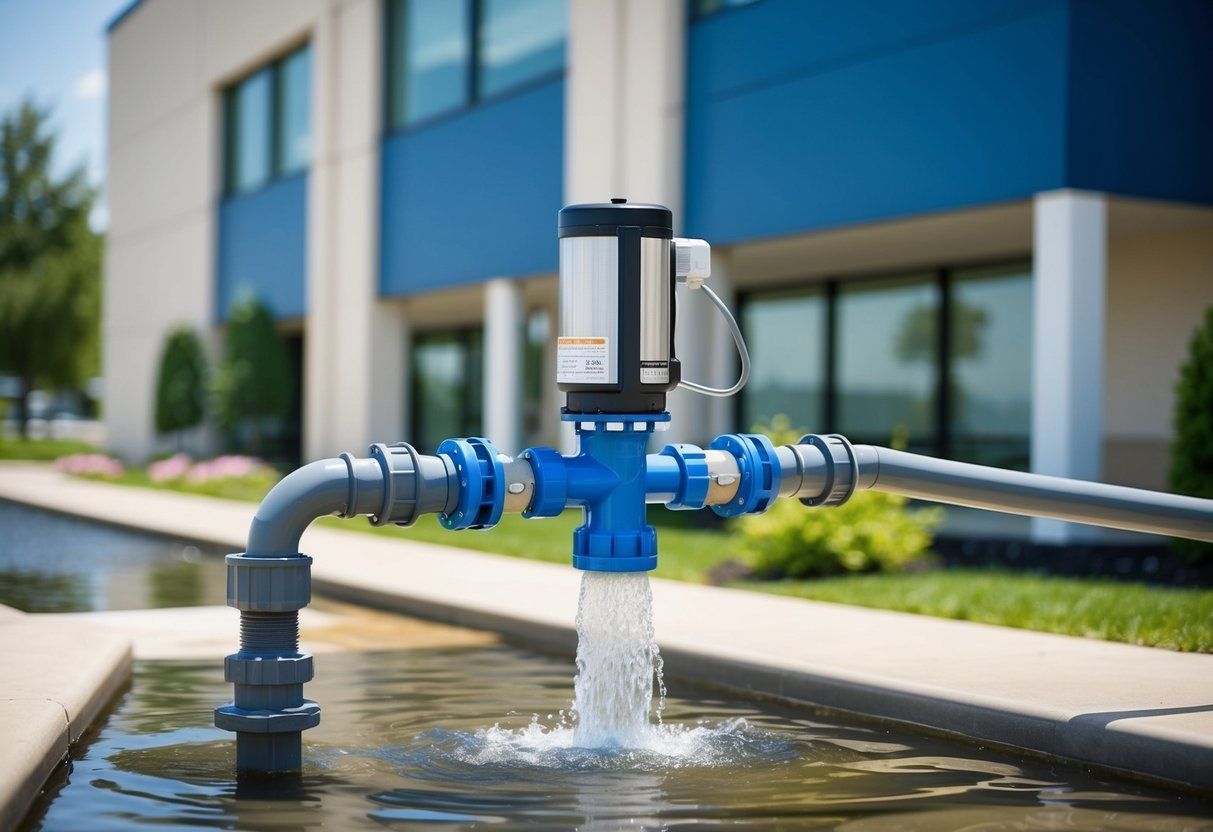
Backflow prevention is crucial for keeping potable water safe from contamination. This involves understanding how devices work, types available, and assessing risk factors like back pressure and back siphonage.

The Basics of Backflow Prevention

Backflow prevention is essential to protect our water supply from contaminants. Backflow happens when water flows in the opposite direction, often due to back pressure or back siphonage.

Back pressure occurs when higher pressure in a system pushes contaminated water into the clean supply. Back siphonage happens when the pressure in the system drops, sucking contaminated water into the clean supply line. We need to understand these two causes to choose the right device.

Types of Backflow Preventers

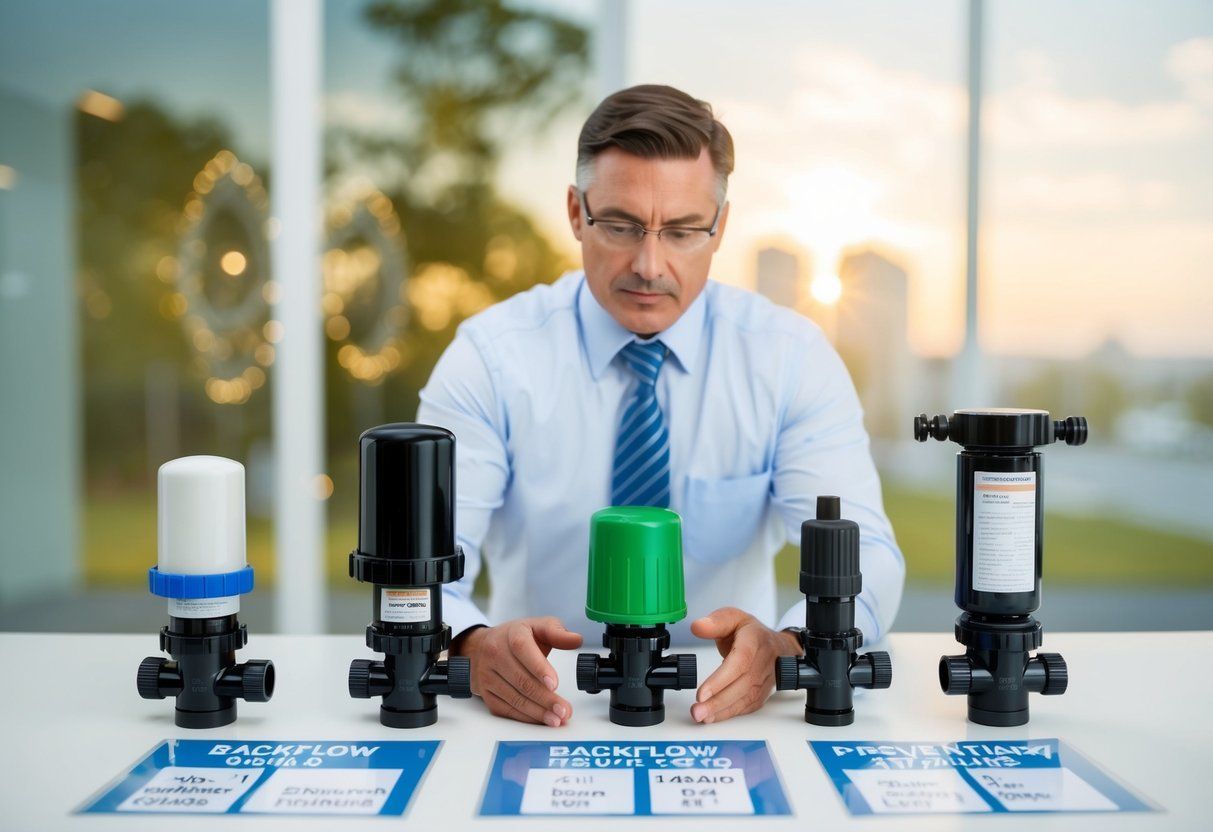
There are several types of backflow preventers. Some common ones are the air gap, reduced pressure zone device, and double check valve assembly.

  • Air Gap: The air gap is the simplest device. It uses a physical gap to prevent backflow and is effective for many systems.

  • Reduced Pressure Zone Device: This device is more complex. It’s best for high-hazard applications where the risk of contamination is greater.

  • Double Check Valve Assembly: This is suitable for low to medium hazards. It has two valves to ensure the clean water supply stays uncontaminated.

  • We need to consider the level of hazard and the complexity of the system when selecting a preventer.

Determining the Risk of Backflow

To determine the risk of backflow, we must assess various factors. These include the presence of harmful substances in the business’s operations and the water system’s pressure conditions.

We also need to evaluate back pressure and back siphonage potential. High back pressure or frequent pressure drops can increase the risk. By understanding these factors, we can choose the right device.

Another key aspect is considering local regulations. Different regions may have specific requirements for backflow prevention. It’s important to stay informed and compliant to ensure water safety.

By evaluating these risks, we can better protect the potable water supply from contamination.

Selecting the Right Device

Choosing the appropriate backflow prevention device is crucial for any business to ensure safe and consistent operations. We need to consider the business requirements, device types, and compliance with local regulations.

Assessment of Business Needs

We must first identify our specific application needs to select the right device. What are the potential contamination risks in our system? Businesses dealing with hazardous substances might need more robust solutions like a double check valve or reduced pressure zone device.

Water pressure and system layout also play significant roles. For instance, if our premises often experiences fluctuating pressure, a pressure vacuum breaker may be a suitable option. It’s crucial to know the water flow requirements to pick a device that won’t restrict regular operations.

Comparison of Backflow Preventers

There are several types of backflow preventers, each with its unique advantages. Check valves are simple devices that allow water to flow in one direction, preventing backflow. However, they’re often best for low-risk environments.

For higher-risk applications, we might consider a double check valve or a reduced pressure zone device. These options offer more protection but might require regular testing and maintenance.

Vacuum breakers are another category. Atmospheric vacuum breakers work well in environments with infrequent back pressure issues, while pressure vacuum breakers and spill-resistant vacuum breakers provide added resilience in installations with consistent pressure challenges.

Regulatory Compliance and Standards

Adhering to local codes and standards is non-negotiable. Each region may have specific regulations governing backflow prevention devices. We should consult local authorities and industry standards to ensure our selected device meets all requirements.

Understanding these regulations helps avoid penalties and ensures safety. Some regions mandate annual inspections or require specific certifications for devices like the reduced pressure zone device. By keeping up with these standards, we maintain our facility’s safety and reputation.

Taking all these aspects into account allows us to make an informed decision that meets both safety and operational requirements.

Installation Considerations

Choosing the right installation method for a backflow prevention device is key to its effectiveness. Consider the pros and cons of professional installation versus doing it yourself. Pay attention to best practices to ensure the plumbing system functions well and look out for common challenges like incorrect placement or connection issues. These points will guide your decision-making process.

Professional Installation vs. DIY

When it comes to installing a backflow prevention device, deciding between a professional installation and a DIY approach is crucial. Professional installation often comes with expertise. Plumbers are familiar with complex situations in plumbing systems and can handle installations like reduced pressure principle or double-check valve assemblies effectively.

DIY installations can save money but require research and a solid grasp of the water supply system. Simple devices like a pressure vacuum breaker assembly might be more manageable for DIY. However, incorrect installation might lead to future issues. We must weigh the benefits of cost savings against the risk of potential problems down the line.

Installation Best Practices

Adopting best practices during installation is vital to ensure the backflow prevention device works correctly. Proper location selection is essential—devices like reduced pressure principle assemblies must be installed above ground to allow for regular maintenance and repair.

Secure connections are also important. All connections must be tight to prevent leaks that could disrupt water supply. Regular inspections during and after the installation further ensure that everything remains intact. We should also document the installation process, noting any adjustments made, which helps in future troubleshooting and maintenance.

Common Installation Challenges

There are a few challenges that can arise when installing backflow prevention devices. Incorrect device choice can lead to compatibility issues with the existing plumbing system. Choosing the right device for the pressure and flow requirements ensures proper functionality.

Another challenge is inaccurate placement, which could cause malfunction. For example, placing a reduced pressure principle assembly too low might make maintenance difficult. Furthermore, installation errors like a loose valve connection can lead to water leaks. Being aware of and addressing these common problems helps us maintain an efficient and safe plumbing system.

Maintenance and Testing

To ensure the safety and efficiency of our backflow prevention devices, it is crucial to perform regular maintenance and testing. By doing so, we can prevent contamination and maintain optimal performance. Below we discuss routine procedures, the importance of testing and certification, and how to address common issues.

Routine Maintenance Procedures

Routine maintenance is vital to keep our backflow prevention devices functioning correctly. First, we must schedule regular inspections to catch any potential problems early. It’s essential to check for signs of wear and tear, leaks, or loose connections.

Cleaning the device is another important step. We should remove any debris or buildup that might interfere with its operation. For specific models like DCVA (Double Check Valve Assembly) and PVB (Pressure Vacuum Breaker) assemblies, following the manufacturer’s guidelines is essential. Proper cleaning and inspections help maintain water quality and ensure the device works effectively. Maintaining a detailed log of all maintenance activities also aids in tracking the history of the device for any future needs or reference.

Backflow Testing and Certification

Testing and certification are key components in ensuring our backflow prevention device’s reliability. We must conduct annual backflow tests performed by certified professionals. These tests evaluate the device’s effectiveness in preventing backflow into our water supply.

It’s important to follow local regulations regarding testing frequency and certification requirements. Documentation of these tests ensures compliance with local laws and provides a record of proper maintenance and installation. Regular testing not only ensures the safety of our water but also prolongs the life of the device, providing us peace of mind.

Troubleshooting Common Issues

Even with regular maintenance and testing, problems can still arise. Understanding how to troubleshoot common issues is crucial. If a device fails a backflow test, the first step is to identify the cause, which could be anything from a pressure imbalance to a damaged component.

Sometimes, simple adjustments to valves or seals can resolve issues. For more complex problems, consulting with a professional might be necessary. Keeping spare parts on hand can also be beneficial to address minor repairs promptly, minimizing downtime. By being proactive and prepared, we can address problems efficiently and maintain the integrity of our backflow prevention system.

Costs and Financial Planning

When choosing a backflow prevention device for your business, it’s crucial to evaluate both initial expenses and long-term benefits. Factoring in costs like double check valves or a pressure vacuum breaker, as well as budgeting for upkeep, will help in effective financial planning.

Understanding Upfront Costs

There are several initial costs to consider when choosing backflow prevention assemblies. Double check valves, pressure vacuum breakers, and other devices have different price points. The cost of installation is another factor. Choosing the right device for our specific needs can impact overall pricing.

For example, chemigation backflow systems may require more specialized parts. We should get quotes from multiple suppliers to ensure competitive pricing. Factoring in professional installation fees is also important. By planning carefully, we can avoid unexpected expenses.

Long-Term Value and ROI

When considering long-term value, it’s essential to think about Return on Investment (ROI). Investing in high-quality devices may seem costly initially, but they often save money in the long run. They are crafted to minimize disruptions and enhance efficiency.

Considerations include how well the device will perform over time and its effectiveness in avoiding contamination issues. The lifespan of backflow prevention assemblies varies, and durable systems justify their higher costs. We should assess the total value derived, ensuring we get the most for the business investment.

Budgeting for Repairs and Maintenance

Maintenance and repairs are inevitable costs. Budgeting adequately for these ensures we keep our devices functional. Periodic checks guarantee reliability and prevent faults. It’s wise to set aside funds for routine servicing.

Double check valves and other devices may need periodic inspections to ensure they meet safety standards. Having a consistent maintenance plan helps in forecasting expenses. By predicting potential failures, we can reduce unexpected costs and maintain system efficiency over time.

Recent Posts

Fast Response Plumbing technician servicing a water shut off valve in San Francisco
By Joe Tinsley July 17, 2026
Learn how gate valves, ball valves, and angle stops work, where to find them in your San Francisco home, and when to replace them. FAQs inside.
Budgeting for Unforeseen Sewer Line Maintenance Expenses
By Stefani January 31, 2026
Sewer line problems can hit your wallet fast, and we know the stress of a surprise repair. We show you how to plan a practical budget that covers emergency fixes, regular upkeep, and the big costs that sneak up on you. This saves you money and keeps small issues from turning into major failures. We […]
Seasonal Effects on Sewer Line Maintenance Costs
By Stefani January 30, 2026
You’ll want to know how seasons change what you pay for sewer line maintenance so you can plan ahead and avoid surprise bills. Seasonal weather, ground movement, and plant growth directly affect repair needs and costs, so budgeting by season cuts unexpected expenses. We outline what shifts costs, when repairs most often happen, and which […]
The Role of Location in Sewer Line Maintenance Pricing
By Stefani January 29, 2026
You’ll pay different amounts for sewer line maintenance depending on where your property sits and what’s under it. Location drives cost through factors like soil type, access difficulty, local labor rates, and permit rules, so knowing these lets you predict and plan for expenses. We’ll show how those local details shape quotes and outcomes. We’ll […]
Analyzing Material Expenses for Effective Sewer Line Care
By Stefani January 28, 2026
We’ll break down the real costs that matter for keeping a sewer line working well so you can plan and avoid surprises. You’ll learn which materials and fees drive most of the expense and how small choices can lower long-term costs. We’ll look at costs for parts, tools, permits, and regular cleaning, plus where labor […]
Understanding the Impact of Labor Costs on Sewer Line Maintenance
By Stefani January 25, 2026
You want to know how labor costs shape sewer line care and what that means for your wallet. We will show how wages, crew size, and the repair method you choose change the final bill so you can plan smarter and avoid surprises. Knowing which labor factors most drive costs lets you pick repair options […]
How to Interpret Sewer Line Inspection Reports
By Stefani January 24, 2026
You’ll get clear steps to decode the most important parts of a sewer line inspection report so you can act with confidence. We show you how to spot real problems, what each defect means, and which issues need immediate repair versus routine maintenance. We break the report into simple pieces what the camera images show, […]
By Stefani January 23, 2026
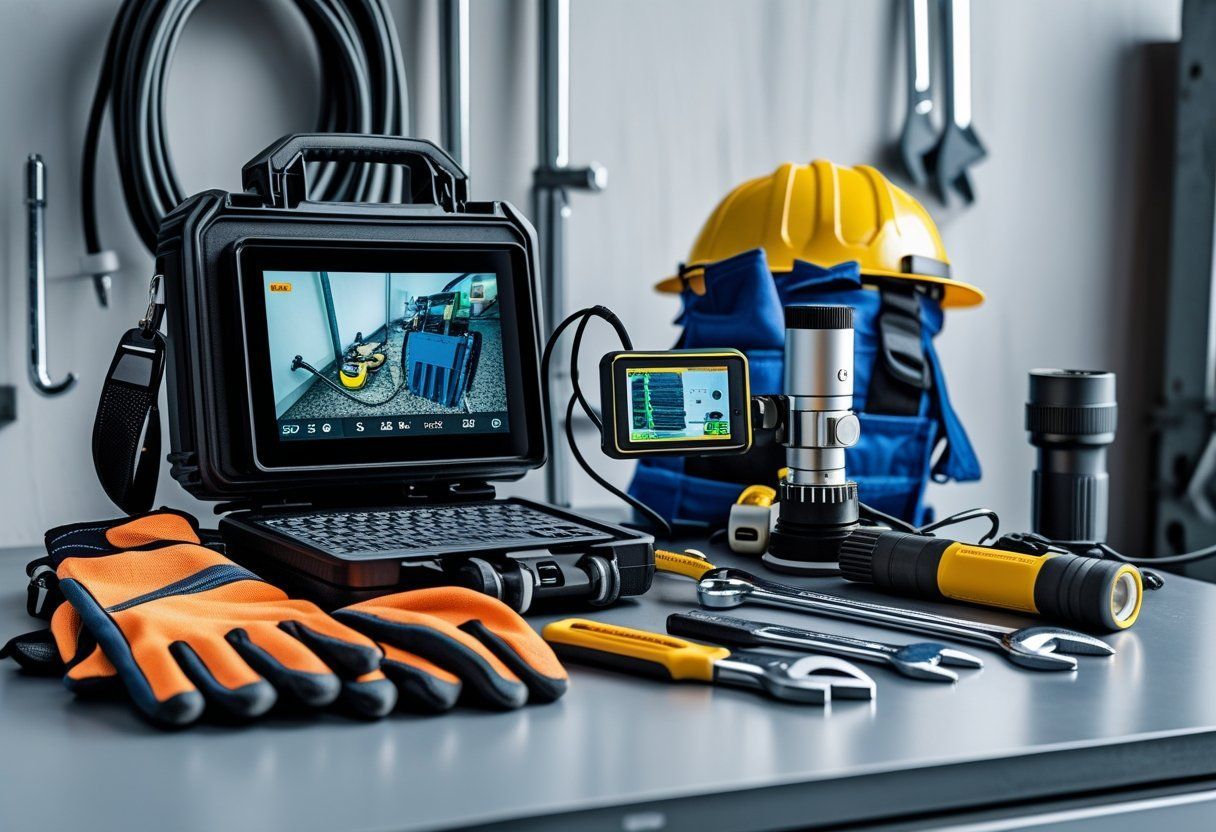
You want tools that give clear answers fast so you can find problems and fix them right. We rely on high-quality sewer cameras, locating gear, and cleaning tools to spot cracks, blockages, and defects in sewer lines accurately. Knowing which tools to use helps a plumber save time and avoid costly mistakes. We will walk […]
By Stefani January 22, 2026
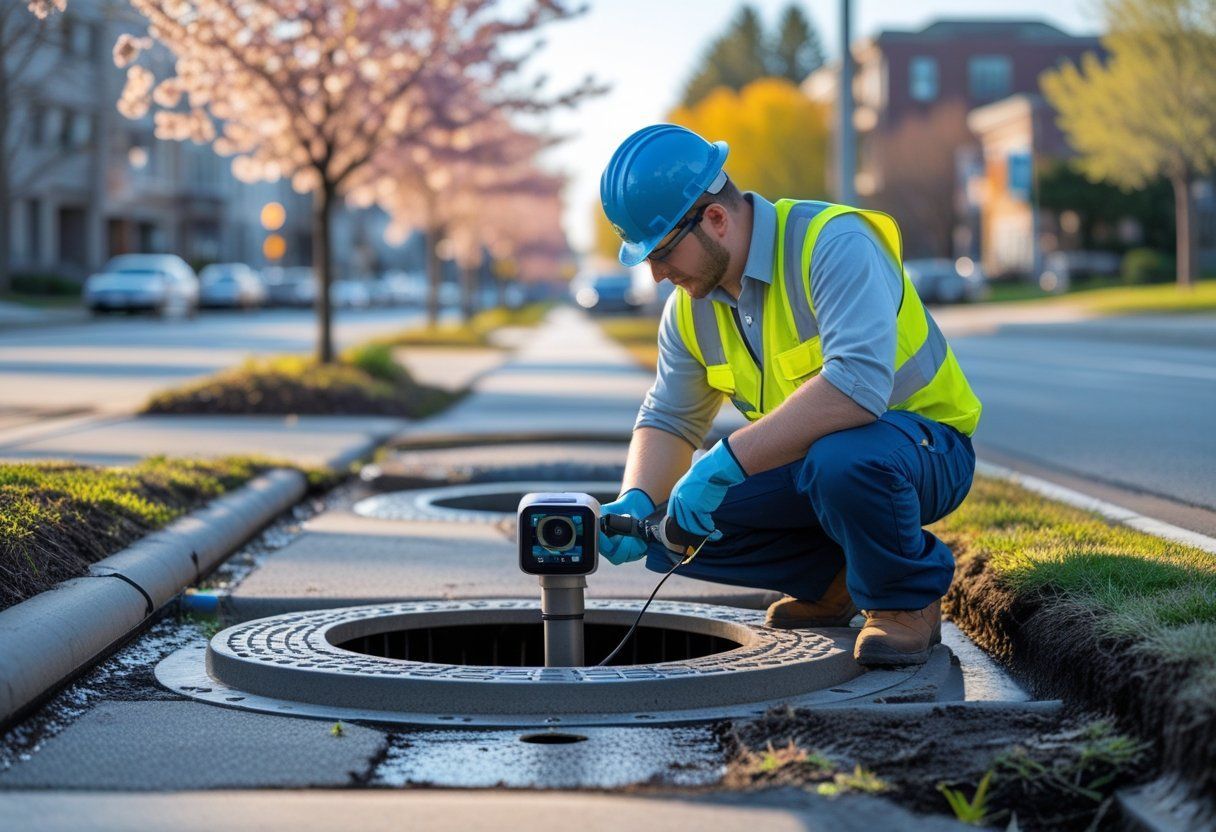
You want sewer line inspections timed so they catch problems before they get costly or urgent. We recommend scheduling inspections based on seasonal risks winter freeze, spring thaw, and heavy fall rains because timing cuts repair costs and prevents service interruptions. We will explain how weather, soil movement, and tree roots change the risk level […]
Common Mistakes to Avoid During Sewer Line Inspections
By Stefani January 18, 2026
We know sewer line inspections feel technical and tense, but avoiding a few common mistakes protects your home and wallet. Start by planning the inspection, knowing what to look for, and involving a qualified professional when signs point to trouble. That simple approach cuts down on missed problems and costly surprises. We will walk through […]
Show More